Hello everyone! Firstly I’d like to say thank you to @突尼斯惠惠 for their initial suggestion post, concerning the topic of Japanese impact grenades.
Type 40 grenade or Type 7 grenade as Japanese impact grenade
Furthermore, I’d encourage you to consider this post an addendum or supplementary suggestion/informational post, that shall attempt to go into additional details concerning Japan’s domestic impact grenade development.
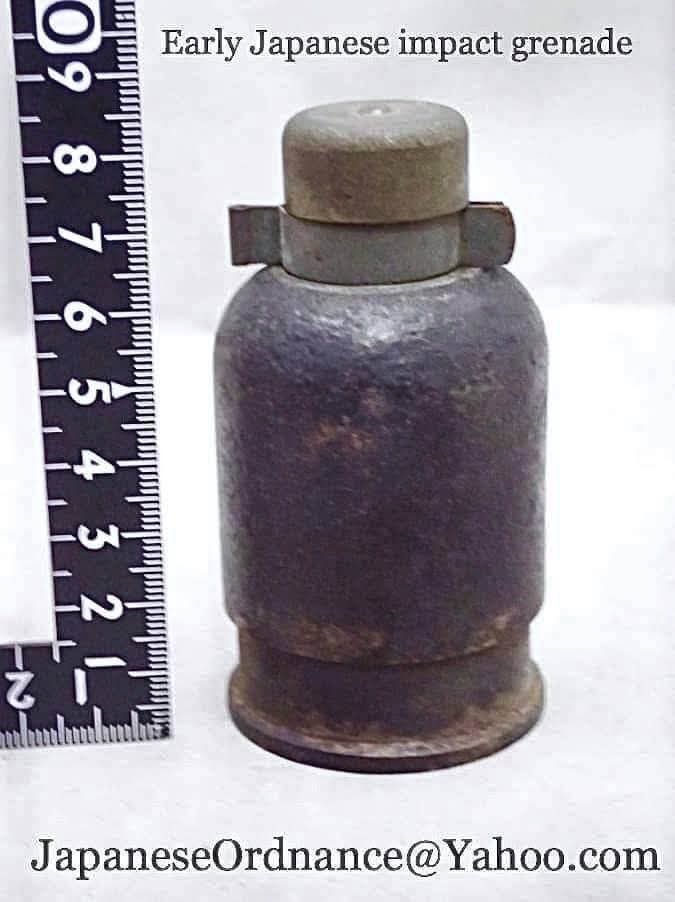
In saying the former, I’d like to suggest the addition of an impact grenade for Japan, providing them an analogue akin to the other war powers in game. The “Urn-shaped Hand Grenade” ! Otherwise domestically refered to as simply “Hand Grenade” at the time.
Whilst outside of Japan and for much of the post ahead of us, it shall be named under the same naming conventions that was standard for Japanese Equipment to be subject to; a practice that is common place in Japanese military collection, to further denote and clarify between various models/upgraded/adjusted equipment, thereby renaming the original model to the Type 40 Grenade.
There’s also a late revision refered to as the Type 7; On the contrary to this English spoken simplification, in retrospect to recently learning of three total revisions since the original model, the progressive differences between them minor and major, I will subsequently reclassify these items in detail within section 2 of Specifications Technical Info & History
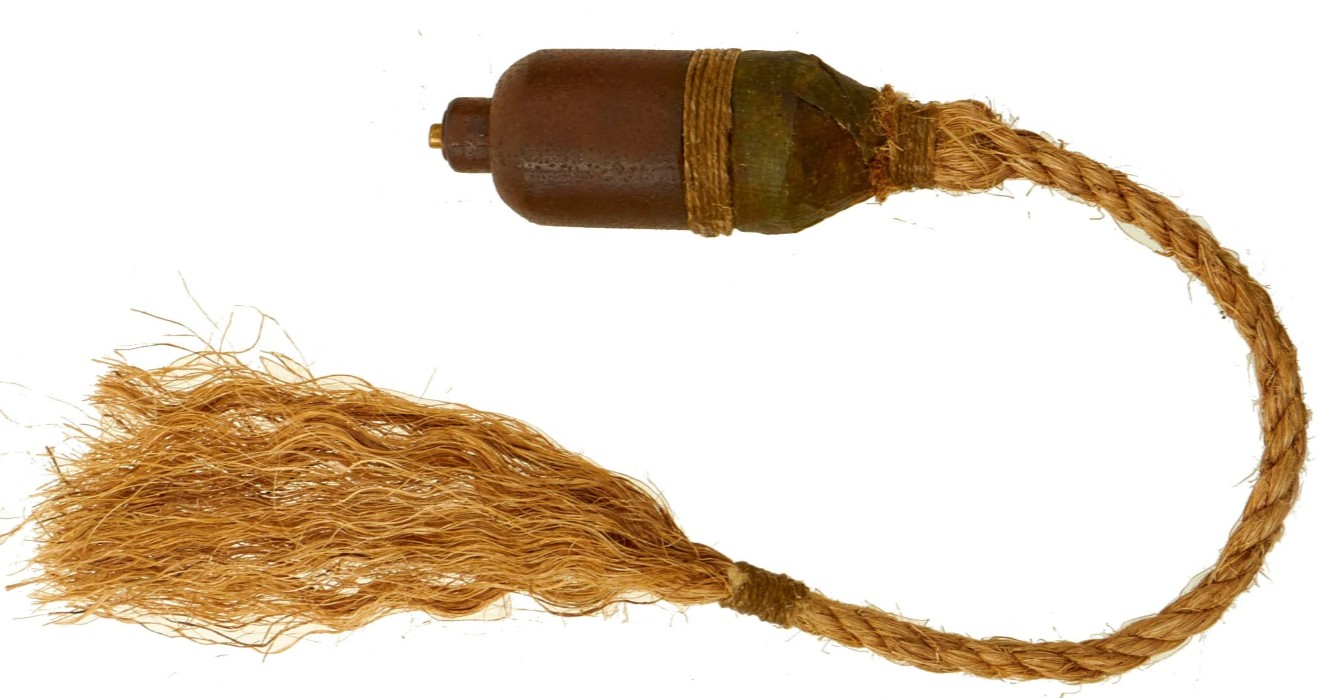
Often refered to as the “Type 7 Grenade” by collectors
Reclassified: Meiji 40 Kai /Type 40 Kai grenade
Now to go more in depth with the background and operation of the urn shaped hand grenade, along with the development of subsequent upgrades and versions of the grenade, along with my justification for tentative reclassification, primarily in the concern of clarity in documentation, I will list it out in the sections below, alongside direct Quotes from Sayama Jiro’s book Introduction to Grenades.
Text has been sectioned to improve legibility
1: Composition of the Original Grenade and Function

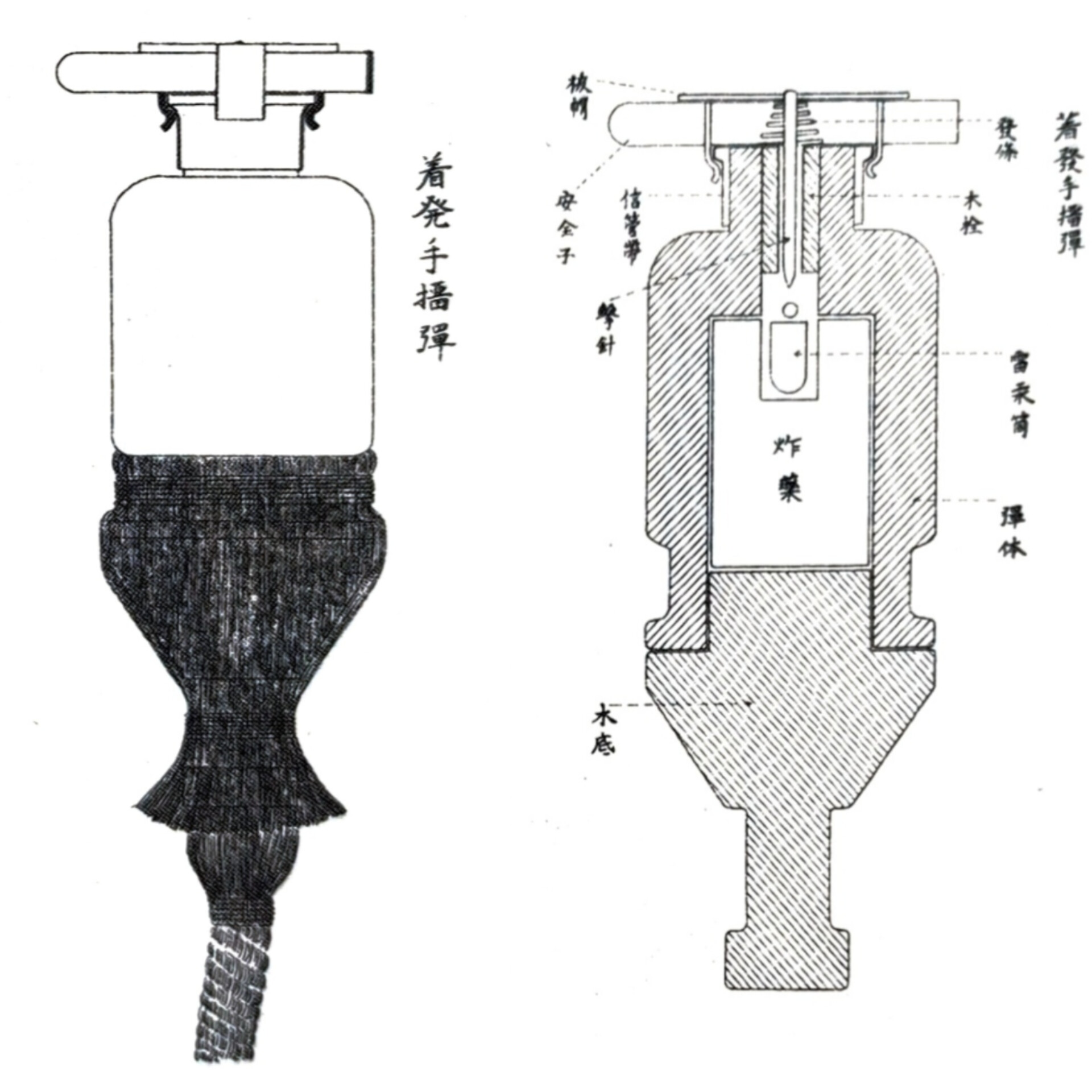
Caption: 壷形手檔弾 被布の縛着 (Binding of a pot-shaped hand grenade with a cloth). Source: P.52, Introduction to Grenades, Sayama Jiro.
First and foremost the “Urn shaped hand grenade” adopted in Meiji 40 (1907) was comprised of multiple parts and material, listed as follows:
-
- A wooden base coated in paraffin oil to assist in moisture protection.
-
- A shell (main body of the grenade) comprised of what is called ‘pig iron’. Pig iron is a byproduct of high carbon steel production via the metallurgy process known as “Tatara”, the primary product being known as “tamahagane” which was reserved for items such as swords, whilst pig iron or “zuku” was of a much lower quality and brittle.
-
- A yellow explosive filling comprised of wax cast piric acid (later changed to a ‘salt/saline’ mixture that was 80 parts potassium hydrochloride, 16 parts dentrotrol, and 4 parts castor oil.)
-
- A mercury fulminate primer, to act as the primary explosion of which sets off the filling as a secondary explosion.
-
- A rubber ring that would act as the primary resistance against the firing pin. The resistance force of said rubber ring was 2.3kg with a positive or negative tolerance of 0.6kg, resulting in detonation once 2.9 - 1.7kg of force is applied against the firing pin.
Environmental factors along with the hardness/softness of certain types of ground was the primary reason for the positive and negative tolerance differences. It’s noted that if the ground was especially soft or wet, an engineer could cut the rubber ring’s width in half before inserting a firing pin into it. Naturally due to making the grenade even more sensitive to pressure, one would have to be especially careful to not cause accidental detonation.
- A rubber ring that would act as the primary resistance against the firing pin. The resistance force of said rubber ring was 2.3kg with a positive or negative tolerance of 0.6kg, resulting in detonation once 2.9 - 1.7kg of force is applied against the firing pin.
-
- A firing pin that would be transported outside of the grenade until it was ready for use by a soldier. The diameter of the firing pins varied from 4.3 - 3.9mm in diameter. It was advised to load a thinner pin in a looser rubber ring and a thicker pin for tighter rings.
-
- A safety pin/clip that would act as resistance against compression of the rubber ring and firing pin of which would be removed before use.
-
- A bleached cotton cloth called “hifu”, of which was folded in half and tied to the bottom ring of the ‘pig iron’ body and wooden base, in such a way it had a tail. The very same tail that was primarily intended for holding and throwing the grenade according to doctrine.
These were the major components that comprised the original urn shaped hand grenade. I’ll list a direct quote that mentions some of the weight and size specifications of the grenade.
-main specifications of the urn-shaped hand grenade are: weight approximately 500 grams, projectile diameter 49 mm, projectile length 131 mm, explosive amount 65 grams of yellow powder (80 grams of salt powder), classified as type 2 in the weapons specifications table.
It might leave no surprise to tell you such a fuze and rubber resistor method of detonation, along with such a small impact target for the firing pin, that the grenade had a significant problem working reliably. I’ll provide another quote.
-In 1917, all engineering battalions, from the Imperial Guard Engineering Battalion to the 19th Engineering Battalion, participated in explosion tests of pot-shaped hand grenades on soft ground. The results showed that out of 1,679 grenades thrown, 833, or over 49 percent, were duds. Moreover, this does not include those thrown at an angle of 40 degrees or less.
Due to functional issues concerning the grenade, there were multiple subsequent revisions in the following years of 1918, 1919 and 1920. I will do my best to cover the revisions within Section 3.
2: Reclassification Reasoning
In this section for the purpose of clarify in how these modifications/iterations of the urn shaped hand grenade shall be both reclassified, and newly classified, I shall refer to the Japanese equipment naming conventions used during this period.
As previously mentioned, this is a commonplace practice post WW2 and into the current period, for further sectioning and categorisation of certain variants, or models of Japanese military equipment that at the time had no official (or yet to be discovered) further labelling.
to better understand Japanese classification
relevant to the presented topic
| Year | Japanese Imperial Year |
Nengō Era |
Type Number |
|---|---|---|---|
| 1868 | 2528 | Meiji 1 | Type 1 |
| : | : | : | : |
| 1912 | 2572 | Meiji 44 | Type 44 |
| 1912 | 2572 | Taishō 1 | Type 1 |
| : | : | : | : |
| 1926 | 2586 | Taishō 15 | Type 15 |
| Heavenly Stems |
Kanji | Romanji | Latin Equivalent |
|
|---|---|---|---|---|
| 1 | 甲 | コウ | Kō | a |
| 2 | 乙 | オツ | Otsu | b |
| 3 | 丙 | ヘイ | Hei | c |
| Improved | 改 (改善) |
Kai (Kaizen) |
A basic rule of thumb is that suffixes like, Kō, Otsu, Hei typically pertain to more minor modifications or variations of a model. Kai is often reserved for more major improvements or upgrades to an established model, but not major enough to warrant official re-adoption or changing the Type number. There are exceptions to this simplified breakdown but this shall suffice for today.
If an item is put through the process of re-adoption, it can often receive a new type name matching the “Nengō” system, or if an item is significantly redesigned that too can warrant a new Type designation.
As it stands within official texts thus far, the original grenade to the 4th and final iteration, the name remained almost entirely unchanged save for a sparing example within a technical manual. I will show the quote as follows.
In March of Meiji 40 (1907), the first hand grenade officially adopted in Japan was simply named “hand grenade,” without any model year designation such as Type 40. However, this confuses the official designation of individual hand grenades with the general term for all hand grenades, so in this book, we will tentatively refer to this hand grenade as the “jar-shaped hand grenade,” the name that had been used until then.
In the 1933 (Showa 8) technical manual, it is referred to as “hand grenade (old type)” to distinguish it from the new type, but it is likely that the units using it referred to all types simply as "hand grenade.
In consideration of these factors and new information, I will now explain the justification from relabeling the “Type 7 Grenade” to the newly proposed “Type 40 Kai”.
I’d argue the model primarily has remained completely unchanged in its function from 1907-1918, save for the first revision in 1918 of which replaced the bleach cotton cloth; a replacement instead using either straw or palm fibre strands no less than 35 stalks would be bound into a rope.
The results of which significantly improved ease of production during wartime and provided minor performance improvements concerning drag, or being caught on thin branches. This was a straight forward upgrade, hence my reasoning for the “Kai” suffix and reclassification.
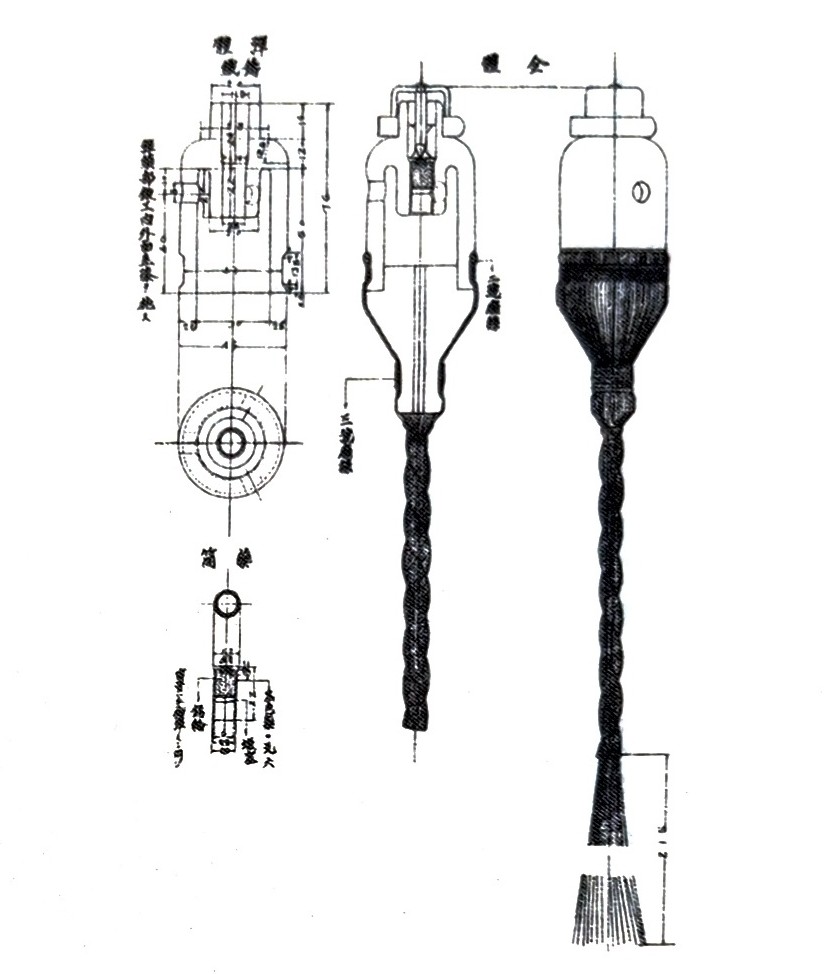
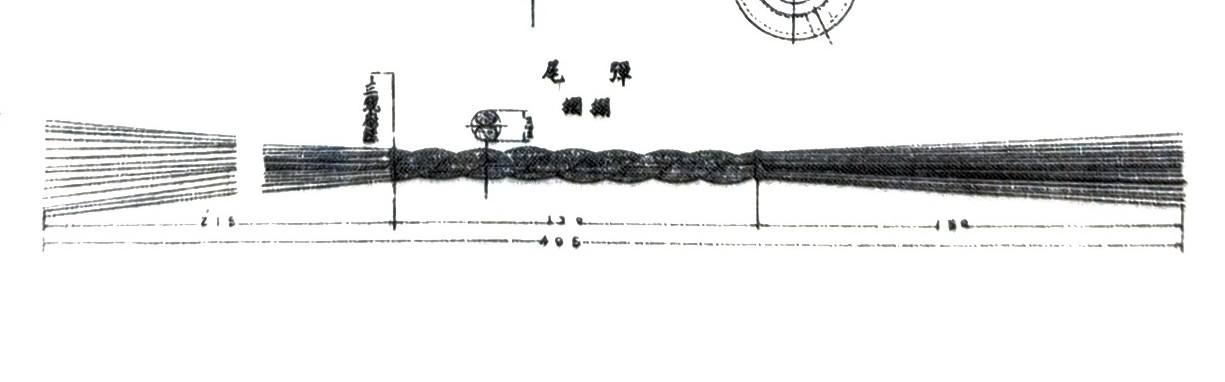
Source: P.56, Introduction to Grenades, Sayama Jiro
3: Urn Shaped Hand Grenade Variants
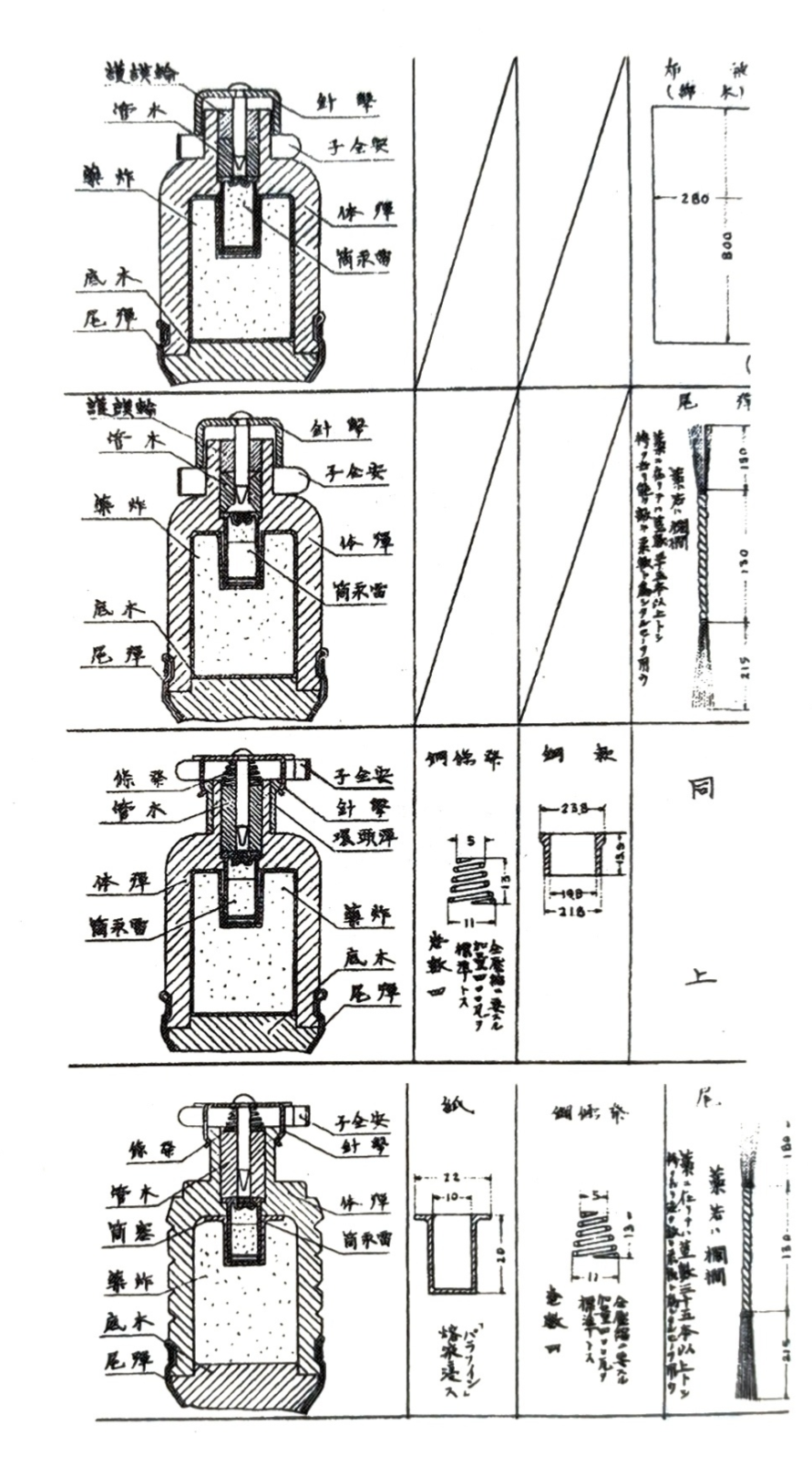
Source: P.58 Introduction to Grenades, Sayama Jiro
Finally for the variants within this section, I shall make this segment as concise as possible clearly stating the year of the revision, the specific adjustments made, the new name designation and any relevant images to display said modifications.
Original Urn Shaped Grenade (Type 40) and Training Type:
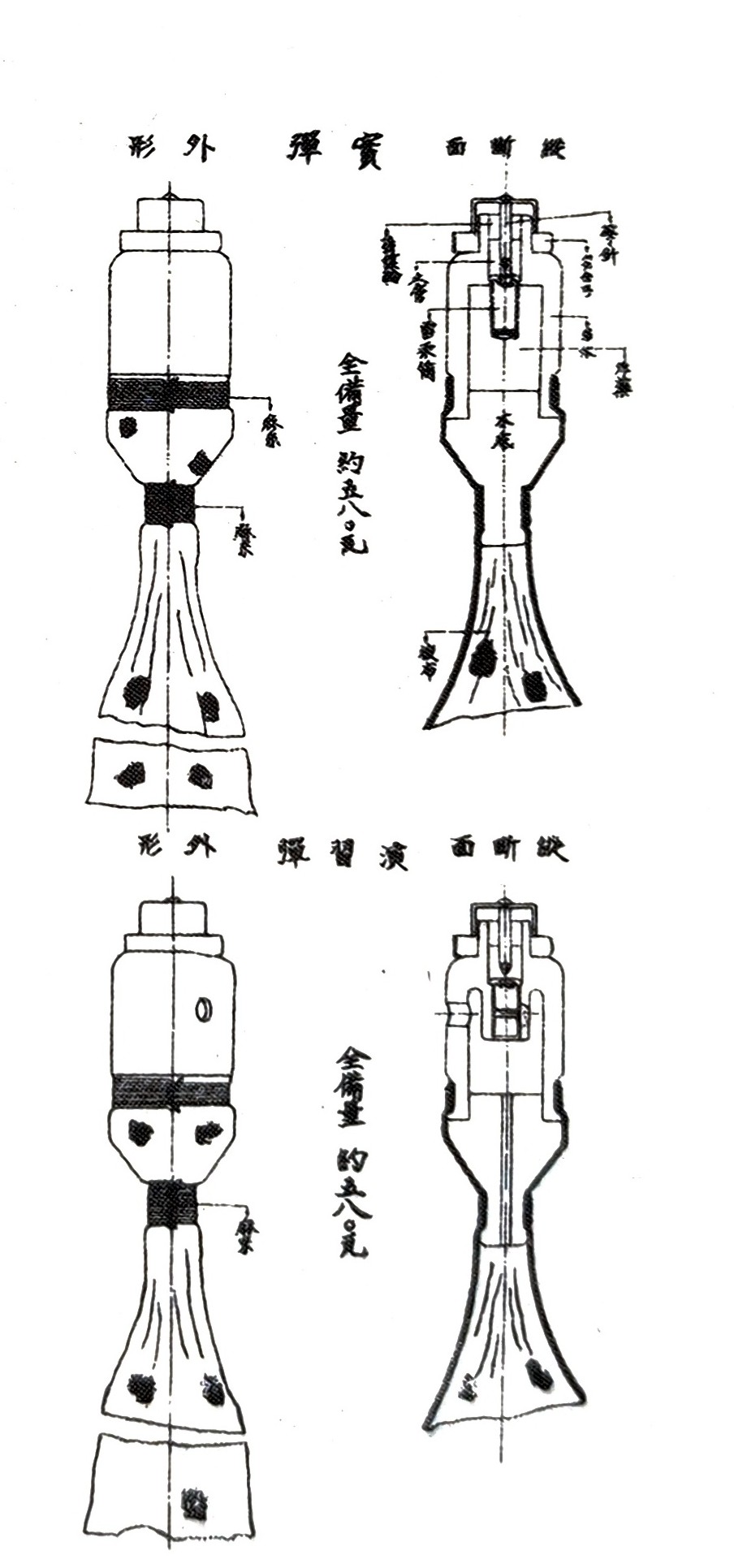
Source: P.51, Introduction to Grenades, Sayama Jiro
In order to train soldiers in how to correctly throw the Urn Shaped Hand Grenade they designed a training grenade that had a vent hole drilled into the grenade body. Instead of inserting a mercury fulminate primer a Type 26 pistol ammunition primer was inserted instead; the gases from successful detonation would vent through the hole in the body.
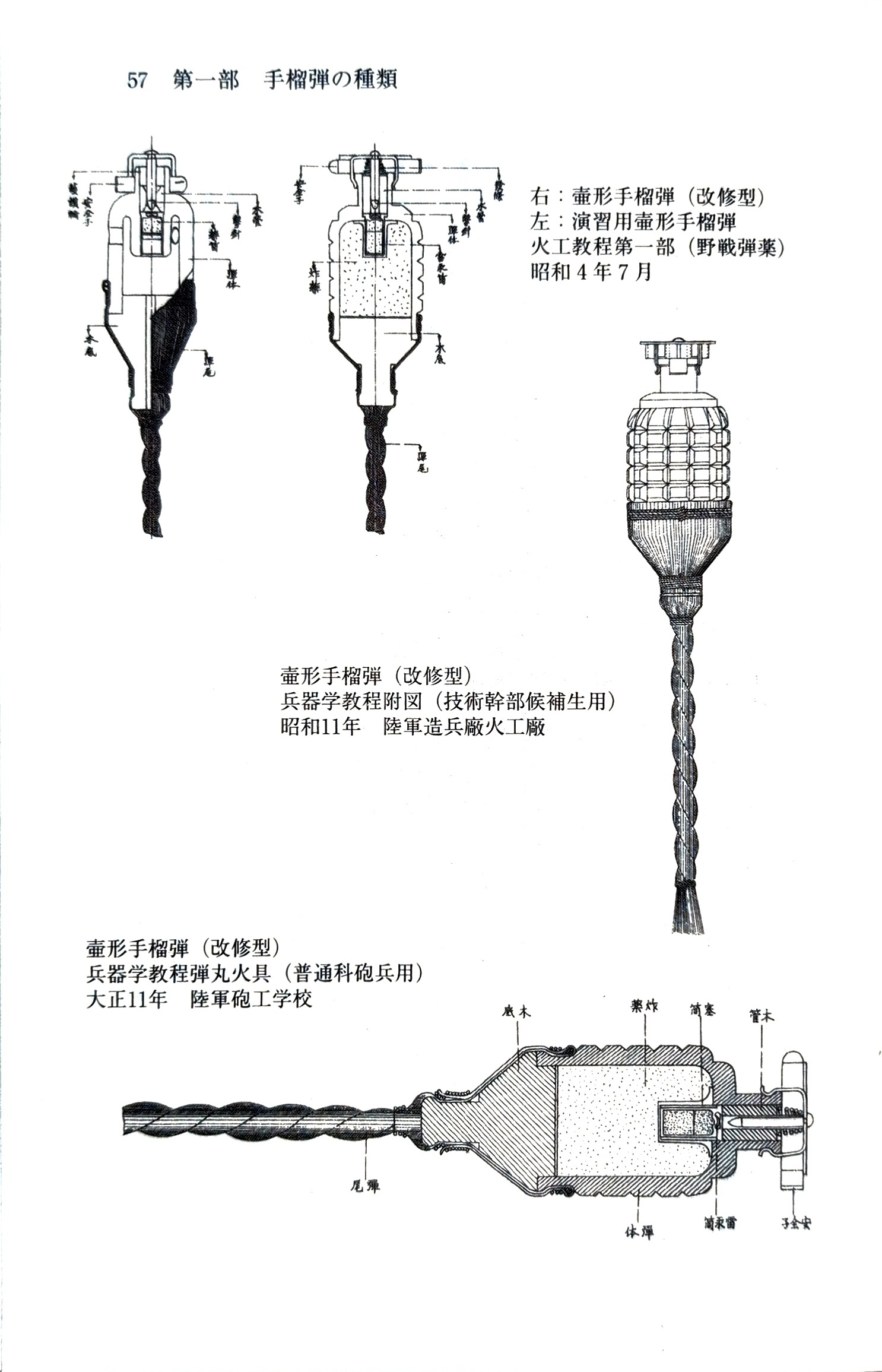
1st Revision 1918, Old Name →Type 7, New Name → Type 40 Kai:
2nd Revision 1919, Old Name →Type 7 1919, New Name → Type 8:
Source: P.53/54, Introduction to Grenades, Sayama Jiro
This was the most extensive of the revisions, that almost every single aspect of the grenade aside from the outer part of the shell/grenade body was changed. To elaborate I shall directly quote.
-1. Eliminate rubber rings and use springs that provide uniform resistance. 2. Replace the primer with a thinner-bodied primer from a Type 26 pistol to make it more sensitive. 3. The firing pin’s starting point is revised to prevent detachment. 4. A cross-shaped plate was attached to the firing pin head to increase the landing area, making ignition easier and more reliable-
In addition to these changes the inside of the grenade was modified to hold 15 grams of additional filler, due to the fact this was when the wax cast puric acid was changed to the aforementioned salt-based filler.
Due to such a significant overhaul of the weapon I feel giving the grenade a new Type designation is appropriate.
3rd Revision 1920, Old Name → Type 7 1920, New Name → Type 8 Kai:
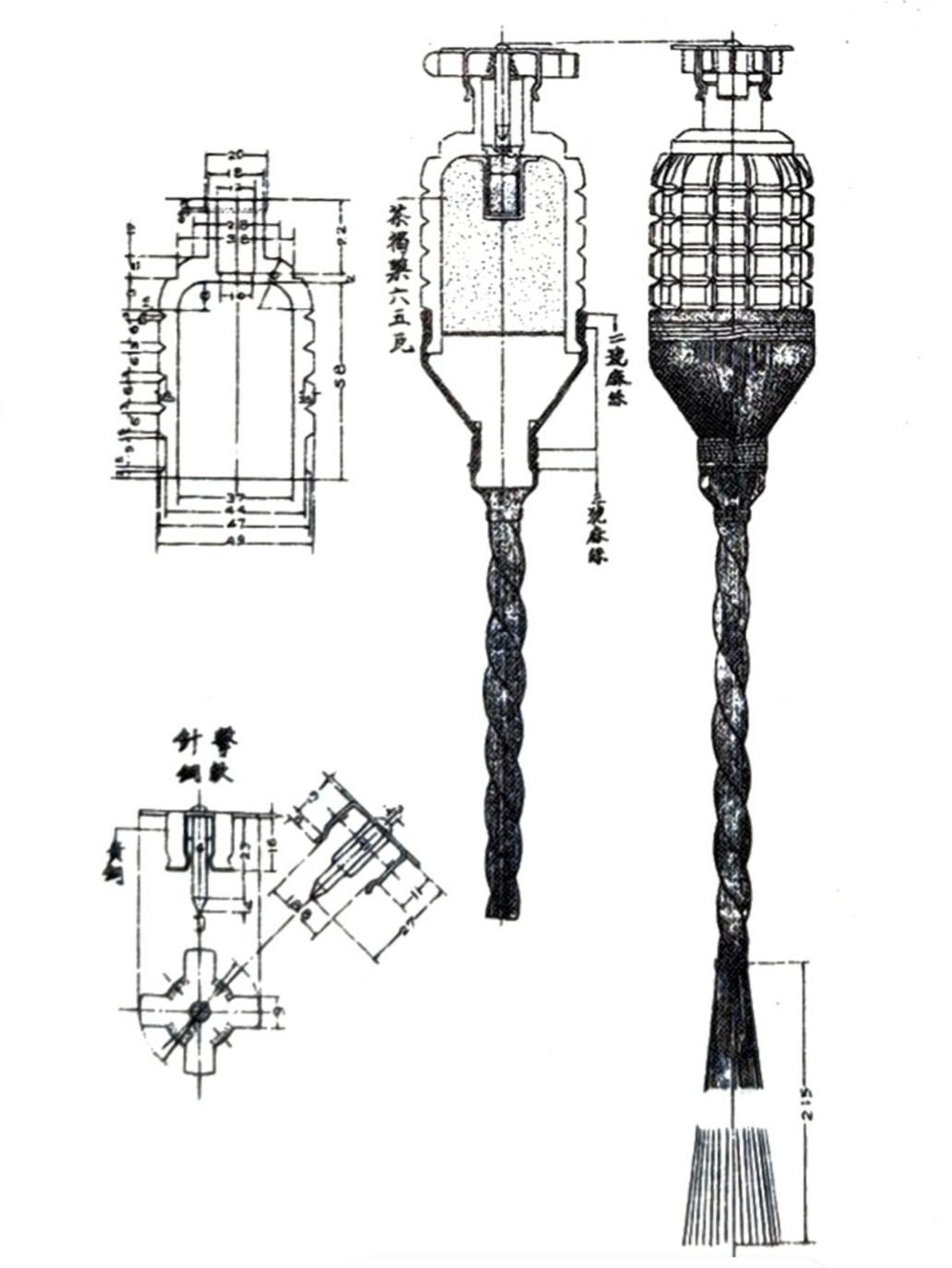
Source: P.54, Introduction to Grenades, Sayama Jiro
The Type 8 Kai grenade was the final revision of the Urn Shaped Hand Grenade; the “pig iron” body exhibited a flaw that had been present since the original, in that upon detonation the iron due to its brittleness, would sometimes fragment too small and become ineffective as shrapnel.
In order to fix this issue, the decision was made to inlay and cut grooves into the body of the grenade in order to encourage more suitable and consistent fragmentation. This same grooved body design, would be carried over to numerous other domestically produced fragmentation grenades by Japan, such as the Type 10 and Type 97.
Another small but meaningful improvement was additional waterproofing. There was a paraffin paper cap that acted as a thin barrier to the primer and saline-based explosive filler.
In this section I am going to briefly cover which Variant of the Urn Shaped Hand Grenade should be put in game, how it should be acquired, how it functions and it’s purpose.
Which Variant
It makes the most sense to me to implement the most modern rendition of the grenade, that being the 1920 model or as it is now tentatively classified, the “Type 8 Kai grenade”.
Availability, Gameplay & Purpose
The availability, gameplay and purpose is very straightforward. The Type 8 Kai grenade should match the already in game impact grenades in every regard. Purchasable with silver, same damage, same purpose, same function.
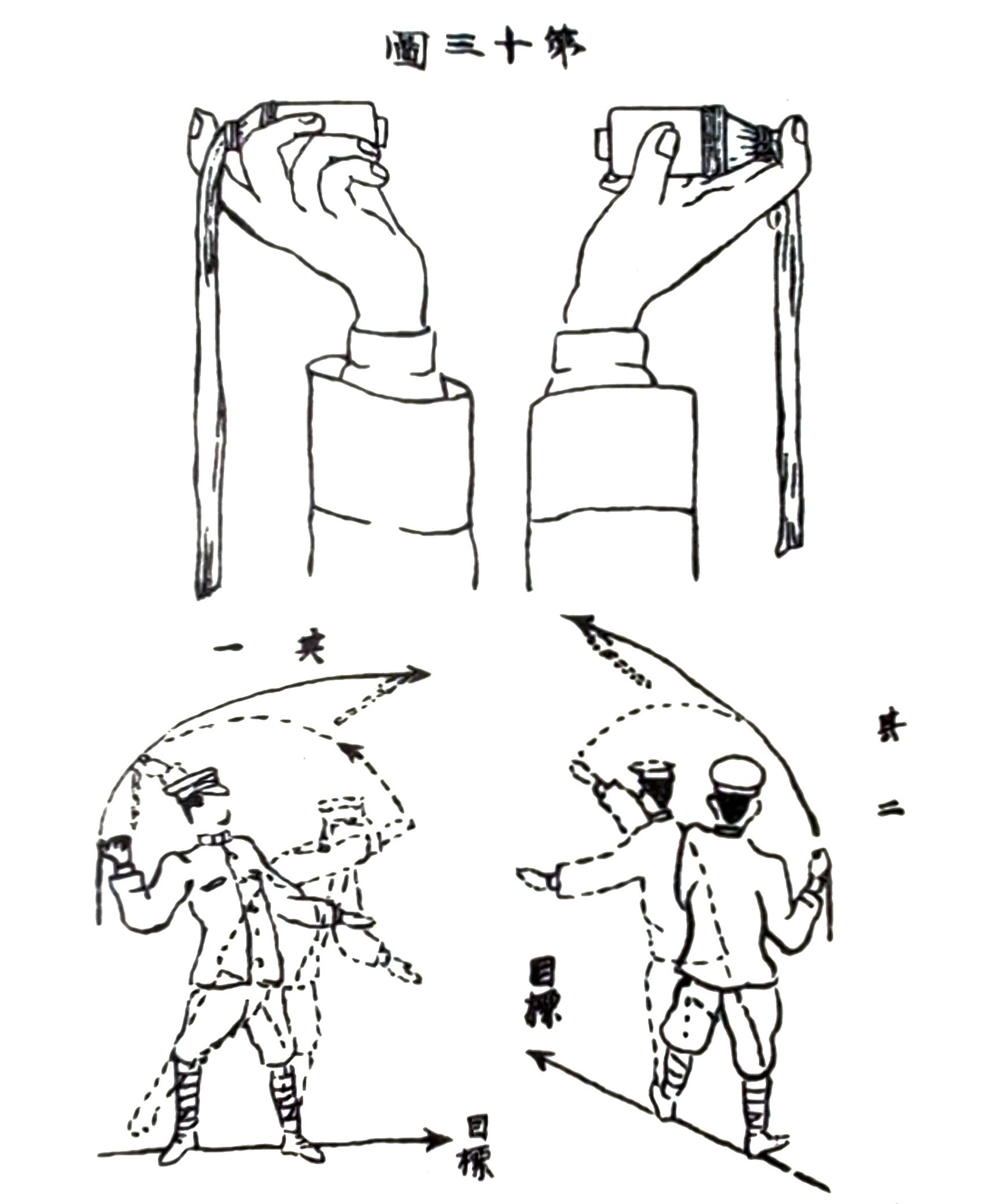
Source: P.63, Introduction to Grenades, Sayama Jiro
For this final segment I will impart to you the fate of the Urn Shaped Hand Grenade in Japan. Around early 1938 the Japanese military had begun production of the Prototype Type 98 Stick Grenade (a), alongside the Prototype Type 98 Stick Grenade (b), the warhead of (b) was comprised of left over Urn Shaped Hand Grenades.
Prototype Type 98 Stick Grenade (Type B) Main Specifications: Fully loaded weight 530 grams, fuse is tracer type with a fuse duration of 4 seconds, enclosed compressed yellow powder 30 grams, projectile diameter 45 mm, projectile length 207.4 mm, radius of effect approximately 3 meters, no grooves on the projectile.
This will be the last of the existing pot-shaped hand grenades, and no new ones will be manufactured.
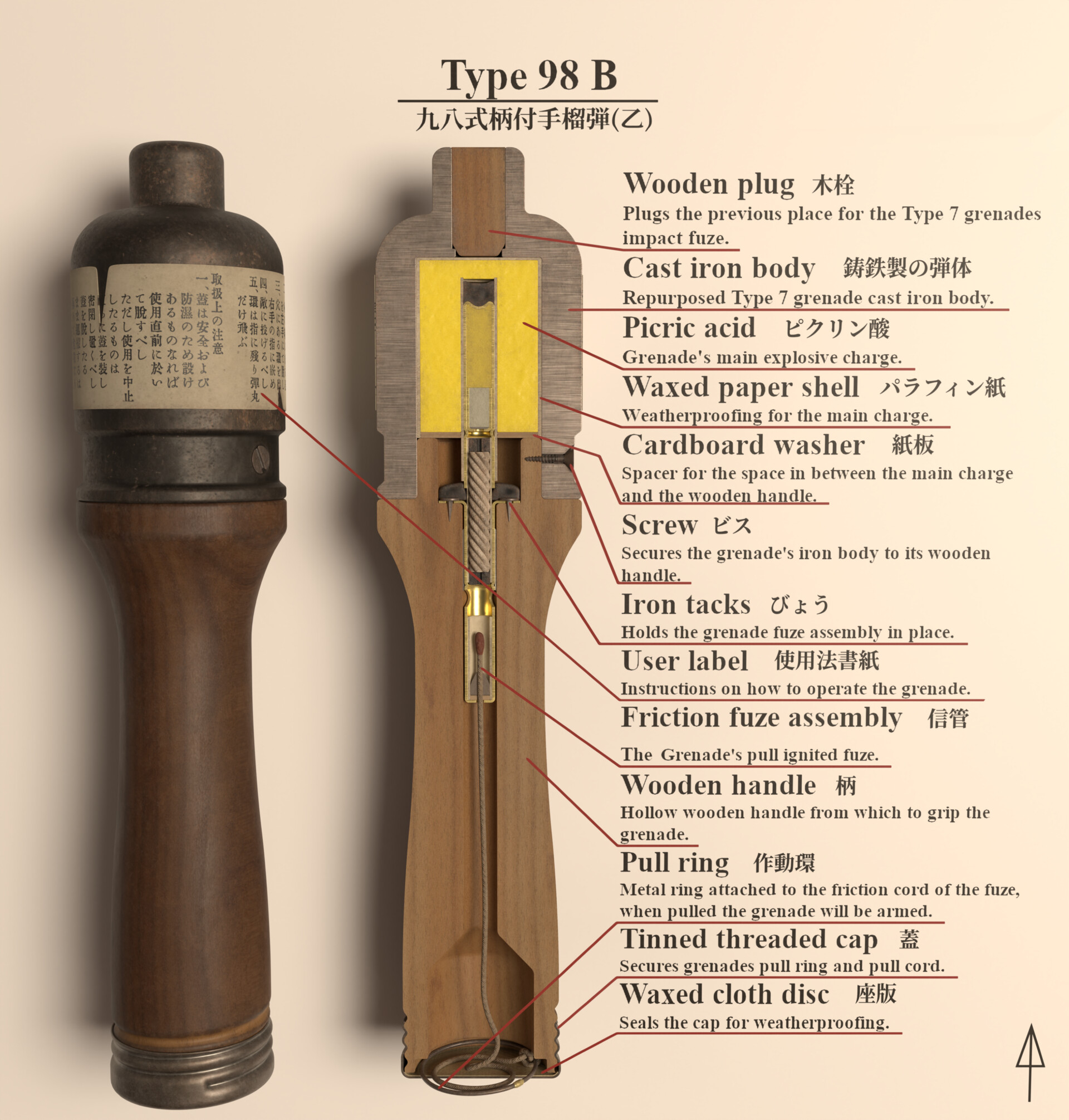
Source: Jan Andreas, Artstation
Sources and References
- Introduction to Grenades by Sayama Jiro,
JAN/ISBN 9784769833628 - https://knightgalahad.artstation.com/
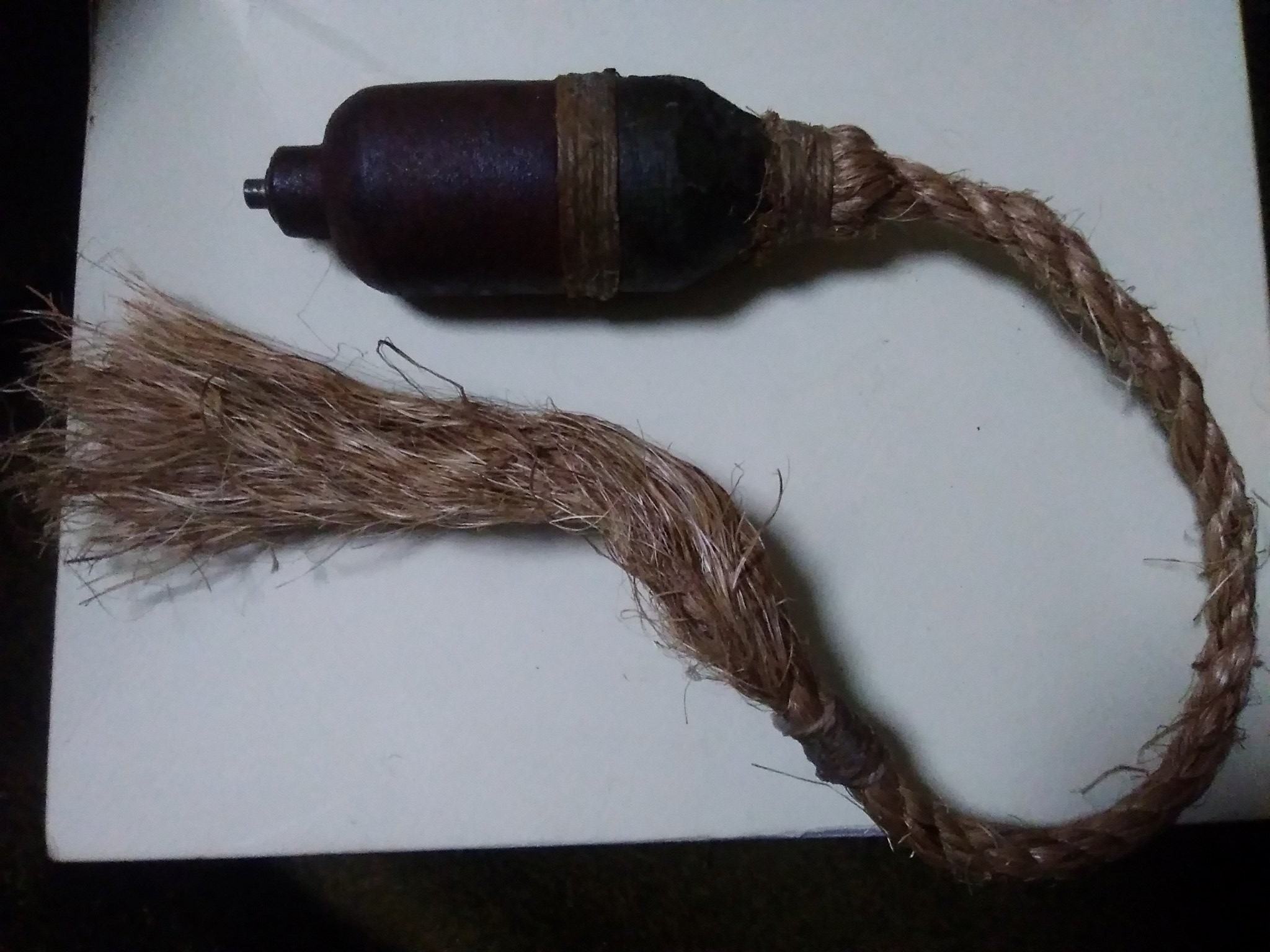
- Original Japanese WWII Taisho 7 Sling Grenade - Unmodified 1919 Versio – International Military Antiques
- 赤城兵団 on X: "昨日明治時代の手榴弾の紙資料をもらい、うちにも実物あるよと言ったら聞いてないと言われたので画像上げます。フォローされてるけど私あまりフォロバってしないんです。明治の手榴弾は尻尾付きは現存品ほとんど無いですよ。 https://t.co/1Wwa1w8KwV" / X
- Yes
- No (if no explain why)
Remember your vote counts!
Now to wrap everything up in this section I want to say, thank you for reading this suggestion and thank you for taking the time; especially those who were willing to read the documented history of this weapon project. I hope to have done justice and due diligence in bringing this information to the limelight.
I know this was a long one so once again thank you.
Until next time,
with much love. 

