As far as guys here make very the same topics I will make a real different - according to a author of this rifle book we know real rate of fire:
Source
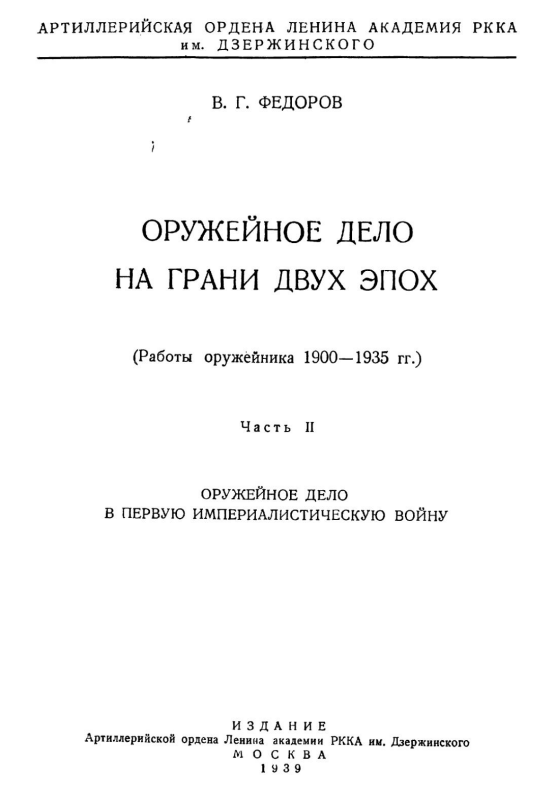
Name of a book - first page
ARTILLERY ORDER OF LENIN ACADEMY OF THE RED ARMY
named after DZERZHINSKY
V. G. FEDOROV
WEAPONS BUSINESS
ON THE VERGE OF TWO EPOCHS
(Gunsmith’s works 1900-1935)
Part II
WEAPONS BUSINESS
IN THE FIRST IMPERIALIST WAR
I C D A N I E
Artillery
Order of Lenin of the Red Army Academy. Dzerzhinsky
m o s k v a
1 9 3 9
Here is all about Fedorov automatic rifle for 25 rounds rate of fire  This is a book written by constructor Vladimir Fedorov himself. I found in a second part at page 114 its rof:
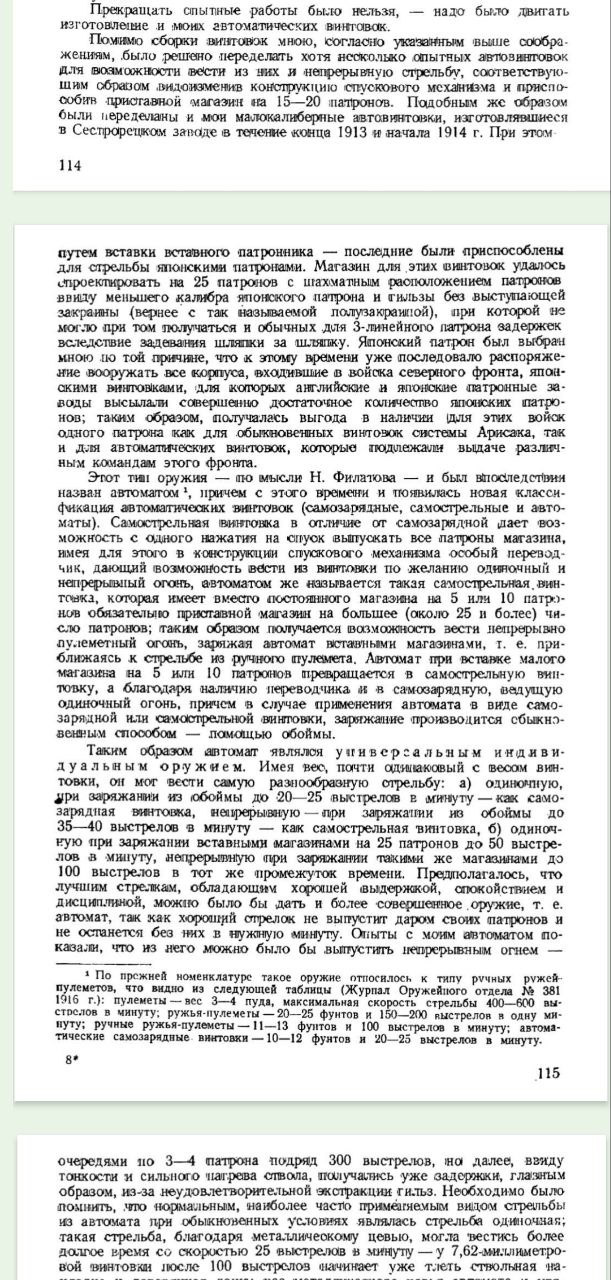
…It was impossible to stop experimental work — it was necessary to push forward the manufacturing of my automatic rifles as well.
Apart from assembling rifles, it was decided by me, according to the considerations stated above, to modify at least several experimental automatic rifles for the possibility of conducting continuous fire from them, having correspondingly altered the design of the trigger mechanism and adapted a detachable magazine for 15–20 rounds. In a similar manner, my small-caliber automatic rifles, manufactured at the Sestroretsk plant during the end of 1913 and beginning of 1914, were also modified.
…
article about - what is actualy an "automat"
This type of weapon — according to the idea of N. Filatov — was subsequently named an “automatic carbine” [“avtomat”], and from this time a new classification of automatic rifles appeared (self-loading, automatic, and automatic carbines). An automatic rifle [“samostrel’naya vintovka”], in contrast to a self-loading one [“samozaryadnaya”], allows firing all cartridges from the magazine with one press of the trigger, having a special selector in the trigger mechanism design for this purpose, which allows firing single shots and continuous fire from the rifle at will. An automatic carbine [“avtomat”] is such an automatic rifle which has, instead of a fixed magazine for 5 or 10 cartridges, necessarily a detachable magazine for a larger number (about 25 or more) of cartridges; thus it becomes possible to conduct continuous machine-gun-like fire, loading the automatic carbine with inserted magazines, i.e., approaching fire from a light machine gun. An automatic carbine with a small 5 or 10-round magazine inserted becomes an automatic rifle, and thanks to the presence of a selector, also a self-loading rifle firing single shots. In the case of using the automatic carbine as a self-loading or automatic rifle, loading is done in the usual way — using a charger clip.
Thus the automatic carbine was a universal individual weapon. Having a weight almost identical to that of a rifle, it could conduct the most varied fire: a) single-shot, when loading from a clip up to 20–25 shots per minute — as a self-loading rifle; continuous — when loading from a clip up to 35–40 shots per minute — as an automatic rifle; b) single-shot when loading with inserted 25-round magazines up to 50 shots per minute; continuous when loading with the same magazines up to 100 shots in the same period of time. It was assumed that the best marksmen, possessing good endurance, calmness, and discipline, could be given a more advanced weapon, i.e., the automatic carbine, as a good shooter would not waste his cartridges and would not be left without them at a critical moment. Experiments with my automatic carbine showed that it was possible to fire from it in continuous bursts —
^1
According to the new nomenclature, such a weapon belonged to the type of hand-held rifle-machine guns, as seen from the following table (Journal of the Artillery Department No. 381, 1916): machine guns — weight 3–4 poods, maximum rate of fire 400–600 shots per minute; rifle-machine guns — 20–25 pounds and 150–200 shots per minute; hand-held rifle-machine guns — 11–13 pounds and 100 shots per minute; automatic self-loading rifles — 10–12 pounds and 20–25 shots per minute.
8* 115
— bursts of 3–4 cartridges in a row up to 300 shots, but further, due to the thinness and strong heating of the barrel, jams began to occur, mainly due to unsatisfactory extraction of the cartridges. It was necessary to remember that the normal, most frequently used type of fire from the automatic carbine under ordinary conditions was single-shot fire; such fire, thanks to the metal forearm, could be conducted for a longer time at a rate of 25 shots per minute — while with a 7.62 mm rifle after 100 shots the glass…
It seems that the rate of fire is quite low, which doesn’t give us much of an advantage. I tried to calculate it because the manufacturer specified the rate of fire with a reload time instead. In our military context, it appears to be around 300 rounds per minute… not much for equipment rated at BR 5. However, it’s closer to reality.
I suppose, if we give it a real real rof - it will be close to a semi-auto like Farquar-Hill or Mondragon and have to be at BR 4 at least. Another way - make it more or less closer to a real rof, but balanced for br 5 - kind of 400-500. What do you think about?
UPDATE
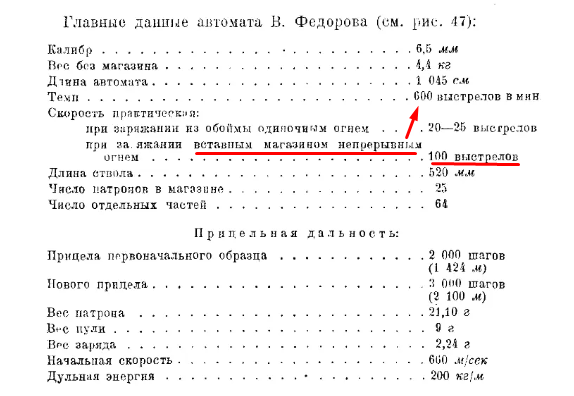
In other Fedorov book a found an info - with 100 practical speed it have 600 rate of fire!
So the real Fedorov automatic rifle is 600!
- Make Fedorov closer to a real rate of fire
- Make Fedorov exactly to a real rate of fire and put it at br 4
- No, leave it as it is
PS So why is exactly 600 rof?
In the same book we have found^_^:
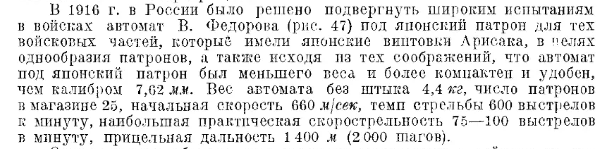
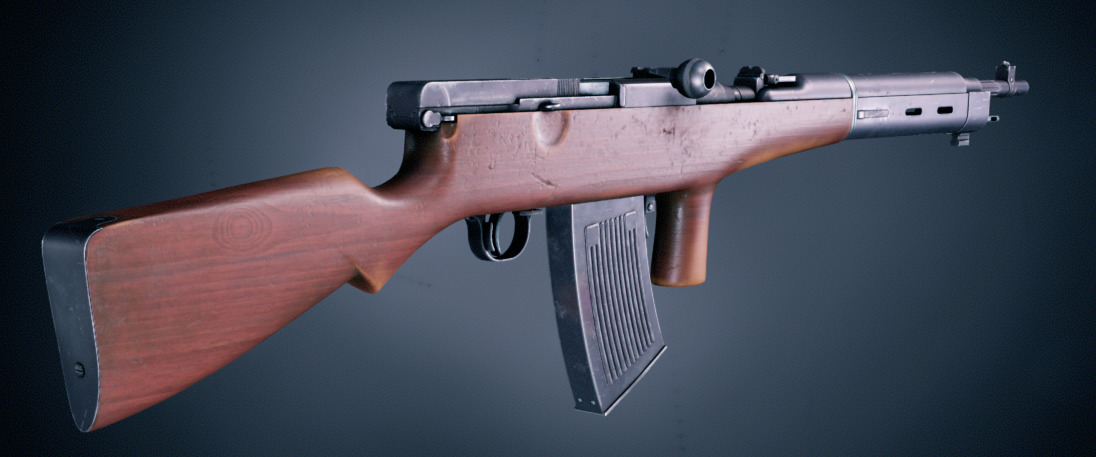
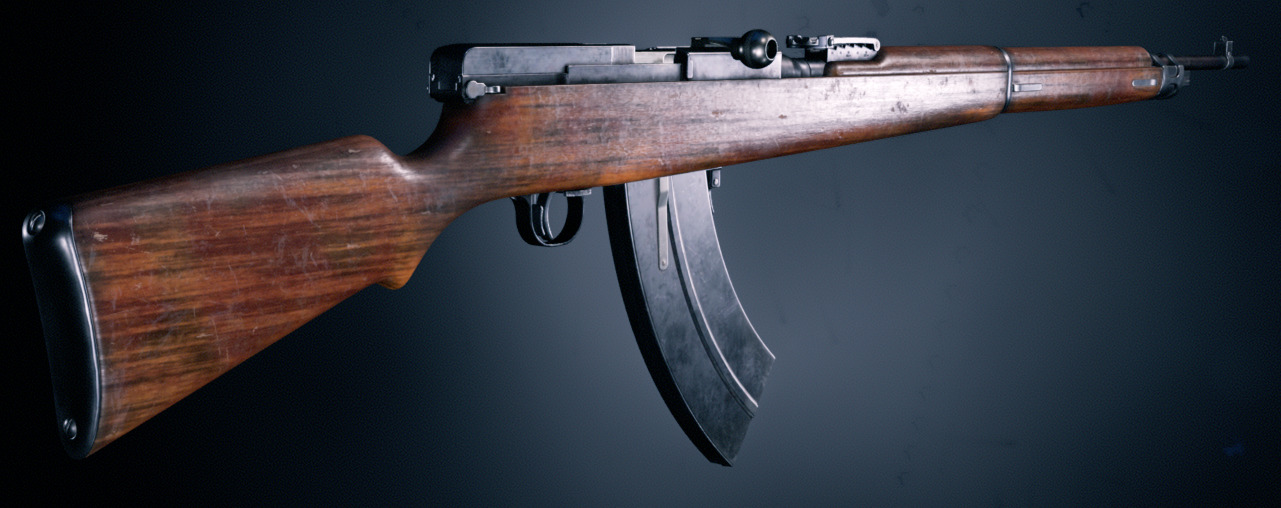
In 1916, in Russia, it was decided to conduct extensive troop trials of the V. Fedorov assault rifle (Fig. 47) chambered for the Japanese cartridge. This was intended for those military units that had Japanese Arisaka rifles, aiming for ammunition uniformity. The decision was also based on the considerations that the rifle chambered for the Japanese cartridge was lighter, more compact, and more convenient than the one in 7.62 mm caliber. The rifle’s weight was 662 g (empty?), the weight (loaded/with magazine?) 4.4 kg, magazine capacity 25 rounds, muzzle velocity 660 m/sec, rate of fire 600 rounds per minute, maximum practical rate of fire 75–100 rounds per minute, and sighting range 1400 m (2000 paces).
page 46
source
page 219
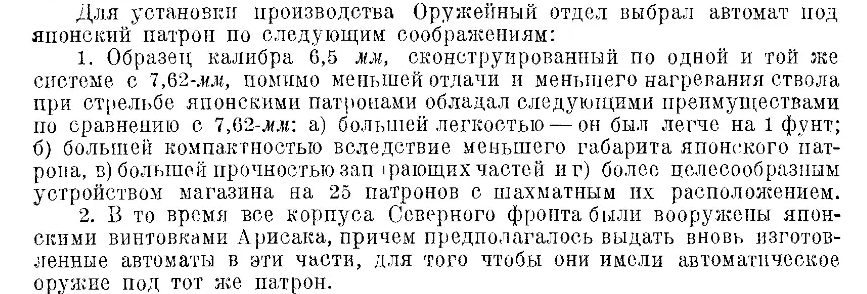
To initiate production, the Artillery Department chose the assault rifle chambered for the Japanese cartridge for the following reasons:
- The 6.5 mm model, constructed on the same system as the 7.62 mm one, besides having less recoil and reduced barrel heating when firing Japanese cartridges, possessed the following advantages compared to the 7.62 mm model: a) greater lightness — it was lighter by 1 pound; b) greater compactness due to the smaller dimensions of the Japanese cartridge; c) greater strength of the bolt components; and d) a more practical design of the 25-round magazine with a staggered cartridge arrangement.
source
And in a first book we have:
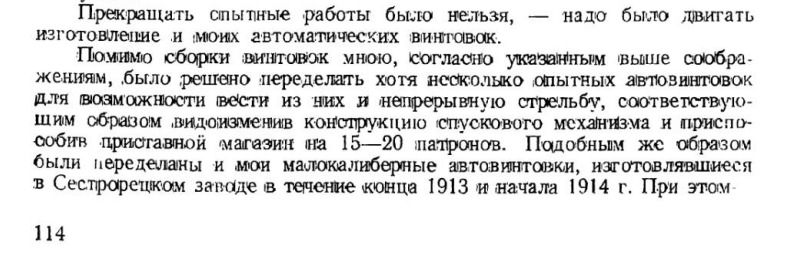
It was impossible to halt the experimental work — it was necessary to advance the production of my automatic rifles as well.
In addition to assembling the rifles myself, for the reasons mentioned above, it was decided to release at least several experimental automatic rifles to enable sustained fire from them. This was done by appropriately modifying the design of the trigger mechanism and adapting a detachable magazine for 15-20 rounds. In a similar manner, my small-caliber automatic rifles, manufactured at the Sestroretsk plant during late 1913 and early 1914, were also converted.
And in a next 2 pages we have:
Thus, the assault rifle was a universal individual weapon. Having a weight almost identical to that of a standard rifle, it could conduct the most diverse types of fire: a) single shots, when loaded from stripper clips, up to 20-25 rounds per minute — as a self-loading rifle; sustained fire — when loaded from stripper clips, up to 35-40 rounds per minute — as an automatic rifle; b) single shots when loaded with detachable 25-round magazines, up to 50 rounds per minute; sustained fire when loaded with the same magazines, up to 100 rounds in the same period of time. It was assumed that the best marksmen, possessing good endurance, composure, and discipline, could be given more advanced weapons, i.e., the assault rifle, as a good shooter would not waste his cartridges and would not be left without them at a critical moment. Experiments with my assault rifle showed that it could fire continuously bursts of 3–4 cartridges consecutively, 300 rounds, but further, due to the thinness and intense heating of the barrel, malfunctions would occur, mainly due to unsatisfactory cartridge case extraction. It was necessary to remember that the normal, most frequently used type of fire from the assault rifle under ordinary conditions was single-shot fire; such fire, thanks to the metal forend, could be conducted for a longer time at a rate of 25 rounds per minute — in a 7.62-millimeter rifle, after 100 rounds, the stock handguard and wooden stock already begin to smolder; the weight of the metal forend somewhat increased the weight of the assault rifle’s system. Only in case of the appearance of very large targets and for repelling attacks was sustained fire from the magazine with 25 cartridges used. The sudden opening of such machine-gun fire produces a significant moral effect, but nevertheless, such fire was to be conducted only in the rarest, exceptional moments. The assault rifle could in no way replace a light machine gun, as it had a thin barrel; accordingly, it was issued only three magazines, while a machine gun rifle should have at least about fifteen of them. Sustained fire without bracing against any object could in no way be permitted, as it is too clear that such fire would yield nothing but a pointless waste of cartridges; the normal type of sustained fire that could be conducted for a more extended period could be fire — with the obligatory use of a brace — in bursts of 3–4 rounds.
Source
So according to these 2 books of Fedorov techincaly Fedorov automat and Fedorov automatic rifle is quite same system. One thing - Automat have 6.5 mm - smaller bullets which can effect ot rof? ~50 less for 7.92 what you think?