Connection to the Backpack Rework Proposal
This suggestion is a companion piece to my earlier proposal on reworking the infantry Backpack system. In that proposal, the Large Grenade Pouch was given a unique identity by unlocking a dedicated Demolition Charge Slot — a slot for heavy, 3 kg-class explosive charges, distinct from standard throwables (≤1.5 kg). This thread provides the actual item that fills that slot.
The two suggestions are designed to work together, but each stands on its own:
- The backpack rework creates the framework — a genuine reason for the Large Grenade Pouch to exist beyond a simple +1 grenade count.
- This suggestion creates the content — a meaningful, historically grounded 3 kg demolition tool that justifies that framework.
My goal is straightforward: to fix a long-standing community problem (indestructible tank wrecks and obstacles) while giving infantry a high-risk, high-reward close-range anti-tank tool — and, in doing so, to make the Grenade Pouch distinction in the backpack rework both functional and meaningful. Neither suggestion depends on the other, but together they form a coherent package.
——————
Preface
Tank wrecks have been a source of frustration in Enlisted for a very long time. Destroyed vehicles remain on the battlefield permanently, blocking roads, chokepoints, and sightlines with no way for infantry to remove them. This has been raised repeatedly by the community — see the archived threads “Demolition of tank wrecks”, “Give a counter to destroyed tank wrecks”, and “Tank wrecks MUST be allowed to be destroyed”. The demand is clearly there, and it has never been addressed.
This suggestion proposes a single item that solves that problem while also giving infantry a meaningful new tool for two other tasks: breaching stubborn obstacles and destroying enemy armor at close range. That item is the Demolition Block.

——————
Body
1. The Problem — Wrecks and Fortifications That Nothing Can Remove
Currently, a destroyed tank remains on the map for the entire match. It becomes an indestructible obstacle that blocks movement, provides cover, and in some cases completely seals off a route. There is no infantry tool capable of removing or bypassing these wrecks. The same applies to certain map obstacles that are technically destructible but effectively impossible to clear with the tools currently available.
2. The Proposal — Demolition Blocks
A Demolition Block is a high-weight (approximately 3 kg) explosive charge designed for placement, not throwing. Combat engineers of every major faction in World War II carried demolition charges of this type for destroying fortifications, bridges, and disabled vehicles.
In Enlisted, it would serve three functions:
- Destroy tank wrecks — the primary and most requested function. A planted Demolition Block destroys the wreck, removing it from the map and reopening the route.
- Breach stubborn obstacles — fortified positions, heavy barricades, and other destructible objects that are currently impractical to clear would be reliably demolished.
- Destroy armor — when planted directly on an enemy tank, a Demolition Block inflicts massive damage. A single well-placed 3 kg charge is enough to destroy even a heavy tank.
3. How It Works — Placement Mechanics
The Demolition Block is not thrown. It is placed:
-1. The soldier equips the Demolition Block and moves next to the target.
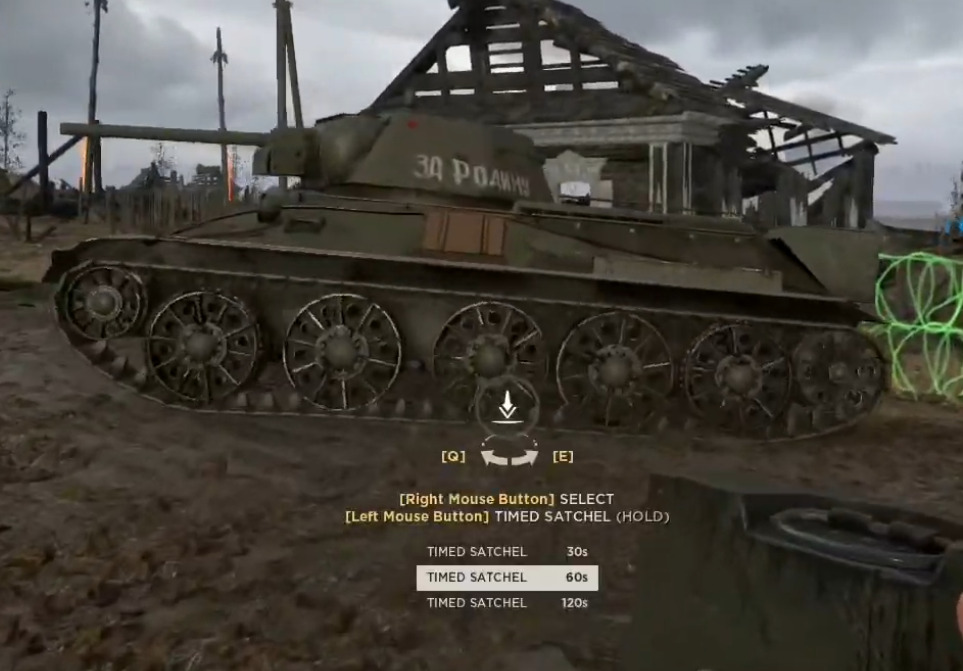
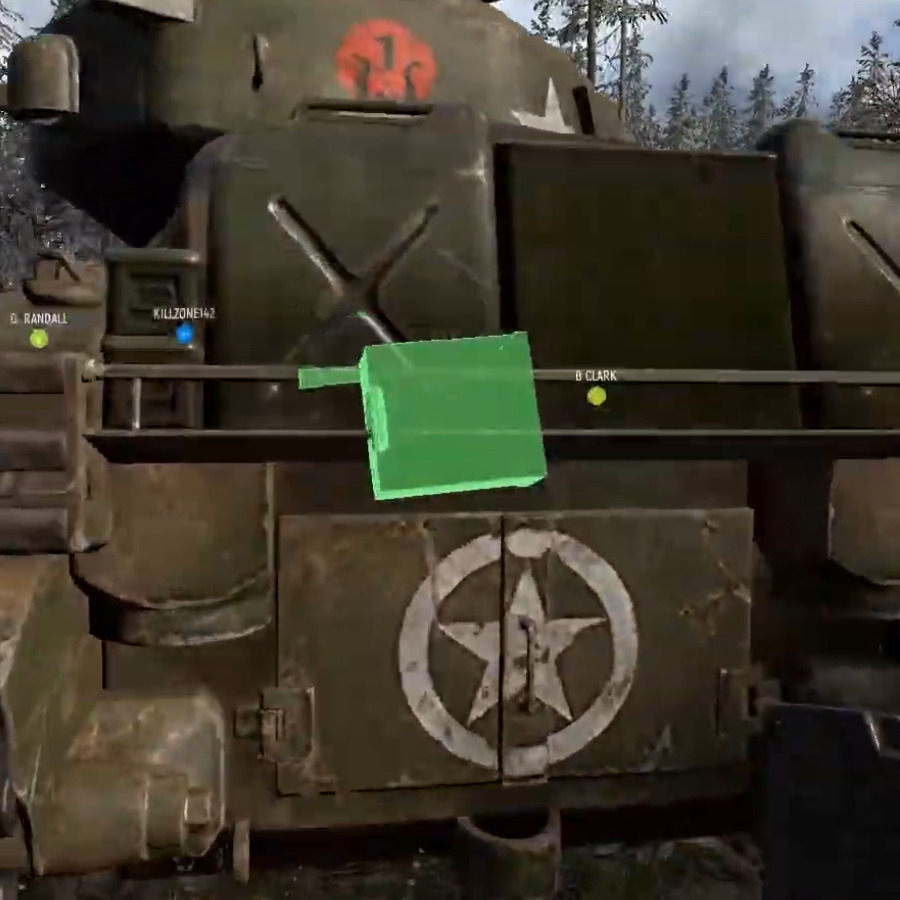
-2. A ghost placement preview appears on the surface the player is aiming at, showing exactly where the charge will be attached.
-3. While holding the Demolition Block, the player can open a selection menu to set the fuse timer — suggested options: 15 s / 20 s / 30 s.
-4. The player holds the fire button to begin planting. The planting process takes several seconds.
-5. During planting, the soldier cannot move — but the target itself does not have to be perfectly still. A slowly moving tank can still be charged as long as it stays within the placement range while the animation completes.
-6. Once planted, the charge detonates when the fuse expires.
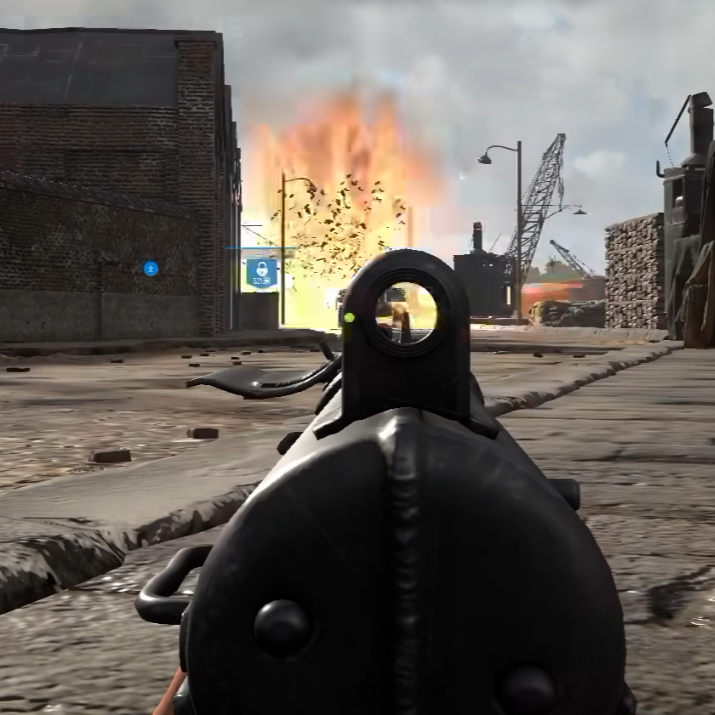
Key difference from the TNT charge: the TNT charge must be manually detonated and becomes useless if the planter is killed. The Demolition Block has a timer fuse — it will explode even if the soldier who planted it dies. This makes it a true fire-and-forget demolition tool, balanced by its 3 kg weight, its placement-only delivery, and the long, exposed planting animation.
——————
4. Why This Should Be a One-Hit Kill on Tanks
Anyone who has played Hell Let Loose knows exactly what this item should feel like. Every player who sneaks up on enemy armor carrying 3 kg of explosives experiences the same rush — the tension of the approach, the fear of being spotted mid-placement, and the sheer triumph when the detonation finally goes off and your squad cheers over voice chat. That is a genuinely special gameplay moment, and Enlisted currently has nothing that delivers it.
A 3 kg demolition charge, placed precisely on a vehicle, is historically and physically more than enough to destroy a heavy tank. And in gameplay terms, it earns that kill: you are slow, exposed, unable to move during placement, and the enemy has a full fuse timer to react. One-hit destruction is not overpowered here
it is the payoff for surviving an extremely high-risk delivery.
——————
5. Balance Considerations
- Weight (≈3 kg) — heavy. Carrying one slows the soldier down and drains stamina, especially combined with other equipment.
- Placement-only — cannot be thrown. The soldier must physically reach the target.
- Immobile during planting — a multi-second animation during which the soldier is a stationary, exposed target.
- Fuse delay — the 15–30 s delay means enemies can react, move away, or contest the area before detonation.
- Counterplay — attentive enemies can see the planting animation and the planted charge model.
——————
6. Historical Basis
The best-documented example is the German Geballte Ladung 3 kg — a standard, factory-produced engineer demolition charge of approximately 3 kg, carried in a metal container and fitted with a standard threaded igniter socket for a time fuse. This was not a field improvisation, but issue equipment for combat engineers (Pioniere), designed specifically for demolishing fortifications, obstacles, and disabled vehicles. It is the closest historical counterpart to the Demolition Block proposed here.
Other factions fielded equivalent engineer demolition charges — such as the US M1/M2 demolition blocks, routinely bundled together into heavier charges — though the German Geballte Ladung 3 kg is the most readily available for reference imagery.
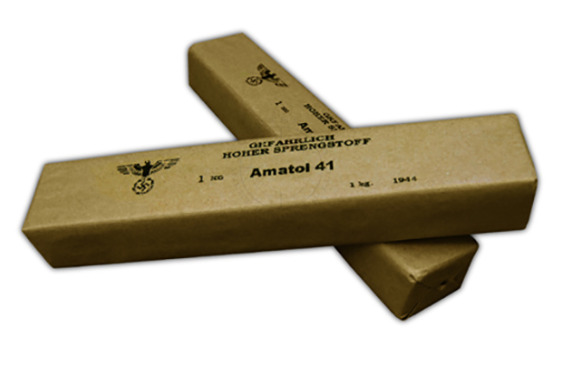
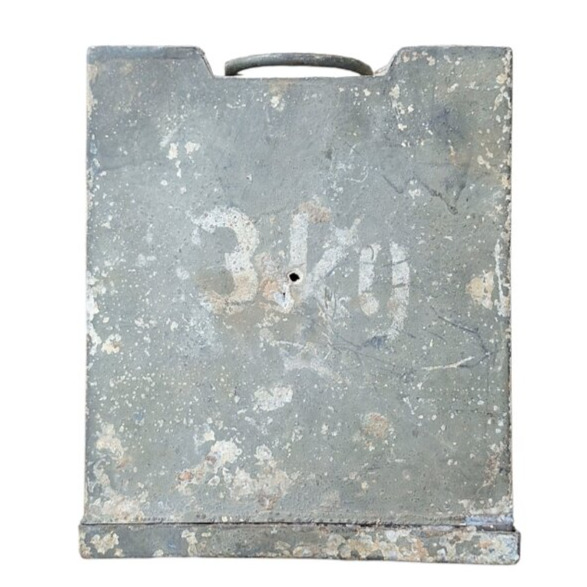
For gameplay purposes, a single standardized “Demolition Block” item available to all factions is the cleanest implementation.
Soviet Demolition Bag
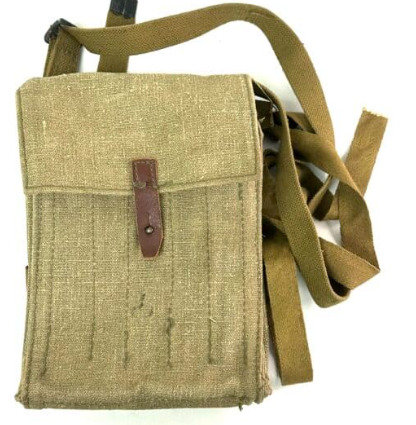
U.S. WWII Demolition Canvas Bag
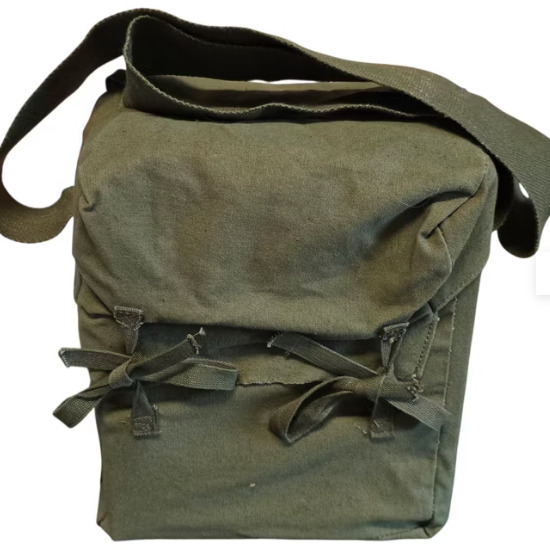
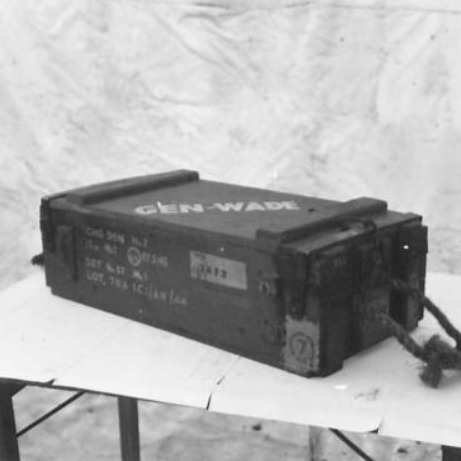
British No.14 Demolition Charge
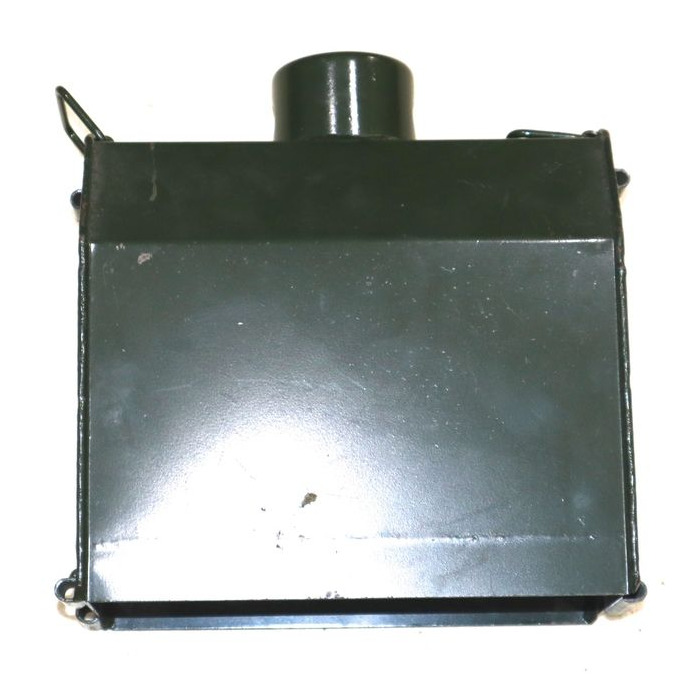
Japanese Silk Charge Bag
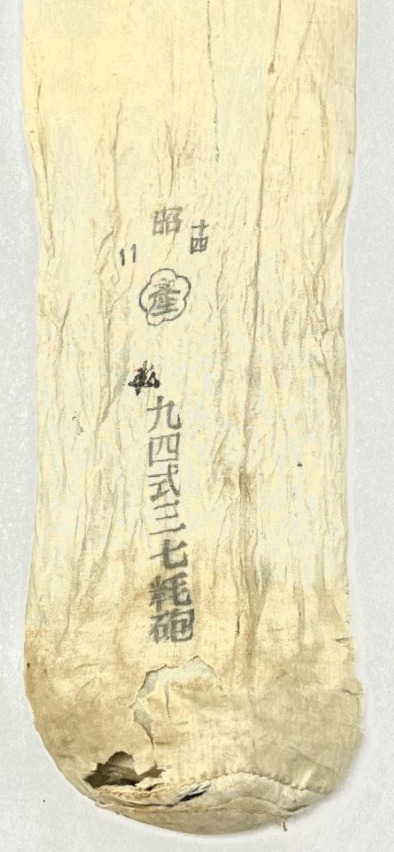
——————
7. Why This Benefits Everyone
We’ve all been there. You pull out an Explosive Pack, arm it, and wait for the throw — and that fuse feels like it takes an eternity. You’re standing there, arm raised, completely exposed, and one bullet later, your squad’s last anti-tank hope is lying in the dirt. Or maybe you do get the throw off. You watch it arc toward the target… and it bounces. Skitters off the armor. Detonates in the dirt a few meters away, leaving nothing behind but another crater next to all the failed attempts before it.
And the TNT charge? Hardly better against a moving tank. You have to get close, climb onto the vehicle, and place the charge on the top armor — the thinnest part, sure, but also the hardest to reach. Tanks are tall. Climbing one in the middle of a fight is a death sentence. And if the tank starts moving while you’re on it? The tracks will do the enemy’s work for them.
So why not bet all of that risk on one thing? Crouch next to the target, hold the fire button, and wait.
——————
Poll
- Support — add all functions (anti-tank, wreck clearing, obstacle breaching)
- Only support anti-tank use
- Only support wreck clearing
- Do not support
