Trophies of the Chinese Campaigns: The French Hotchkiss M1930 in Japanese Service
Creation of the Hotchkiss MA 4 and Technical Features
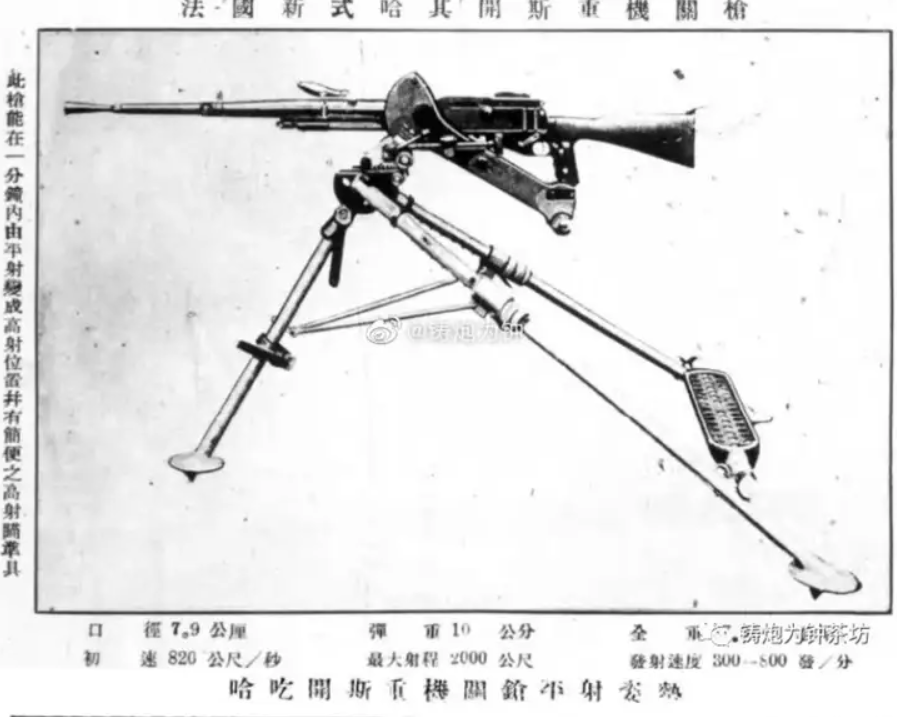
In the 1920s, the French company Hotchkiss was actively promoting its M1922 light infantry machine gun for export. However, many armies required a more versatile infantry support weapon — one that was mobile but capable of sustained suppressive fire. Standard light barrels were unsuitable for this due to rapid overheating, while classic water-cooled heavy machine guns were too cumbersome. The engineers’ solution was a deep modernization of the platform, which received the unique factory designation MA 4 (Mitrailleuse d’Appui ).
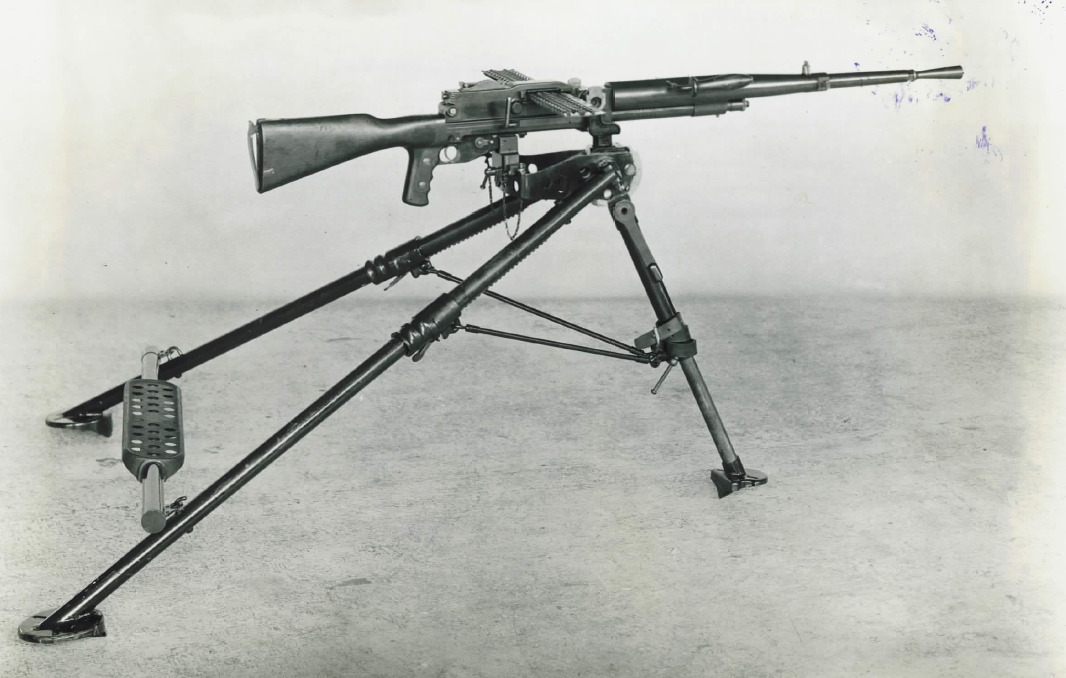
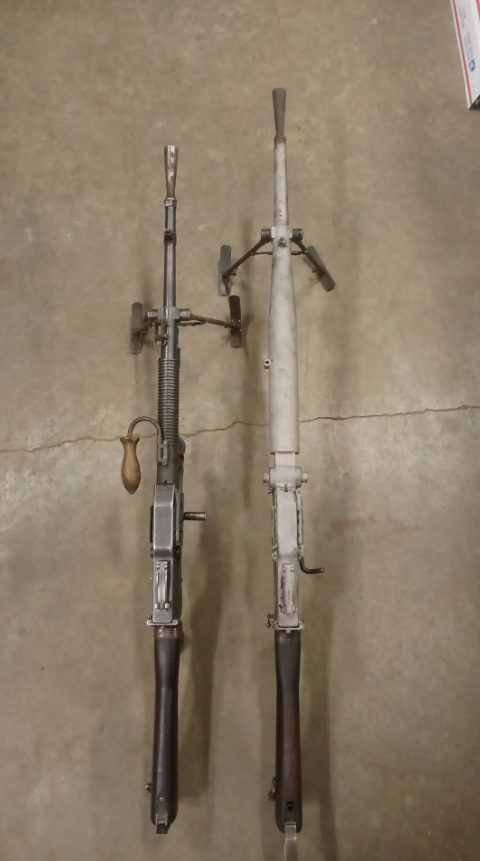
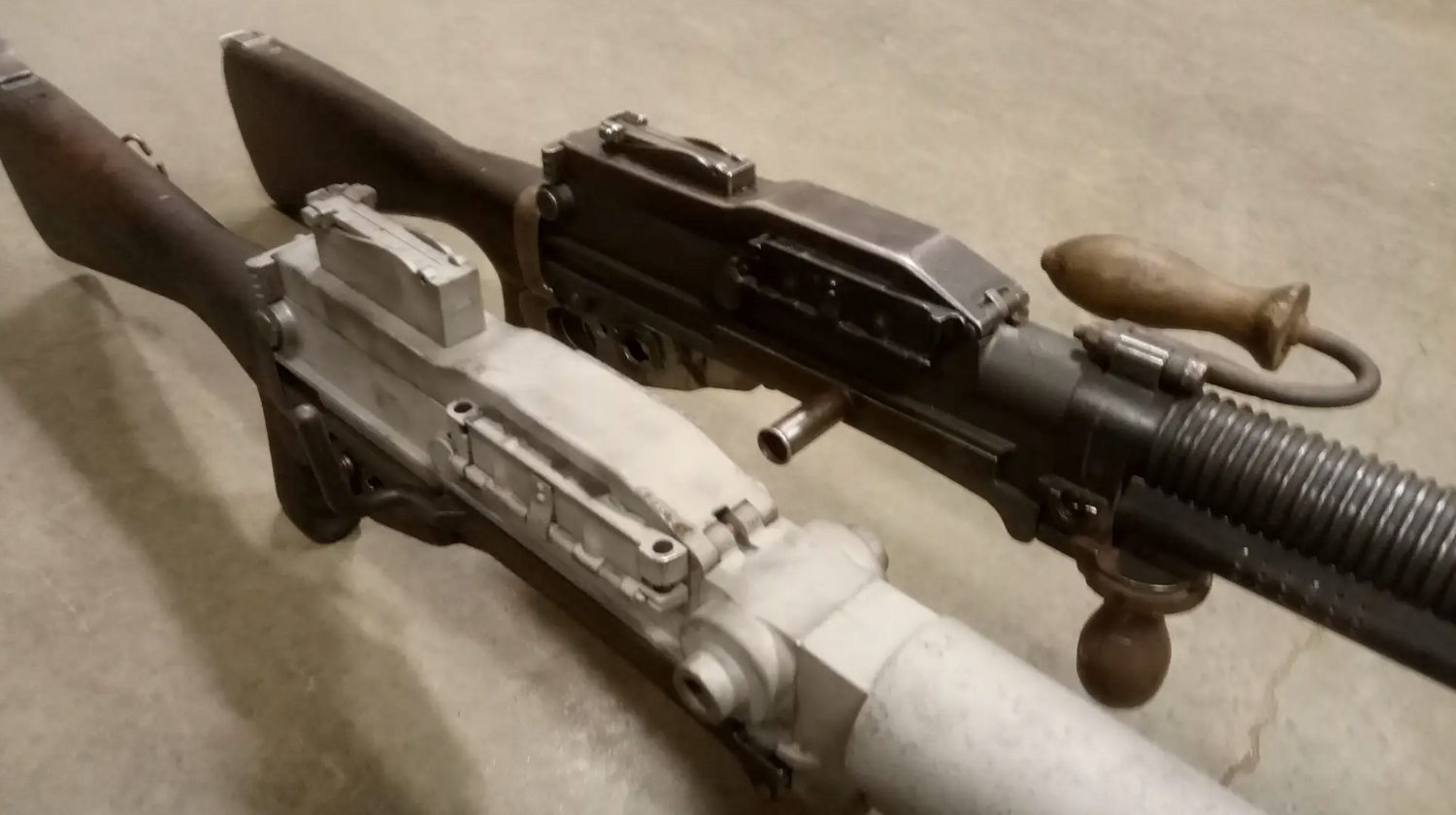
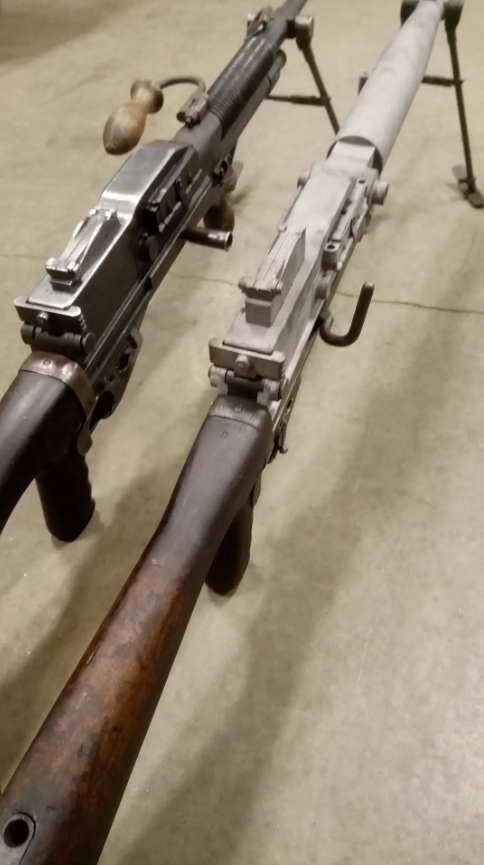
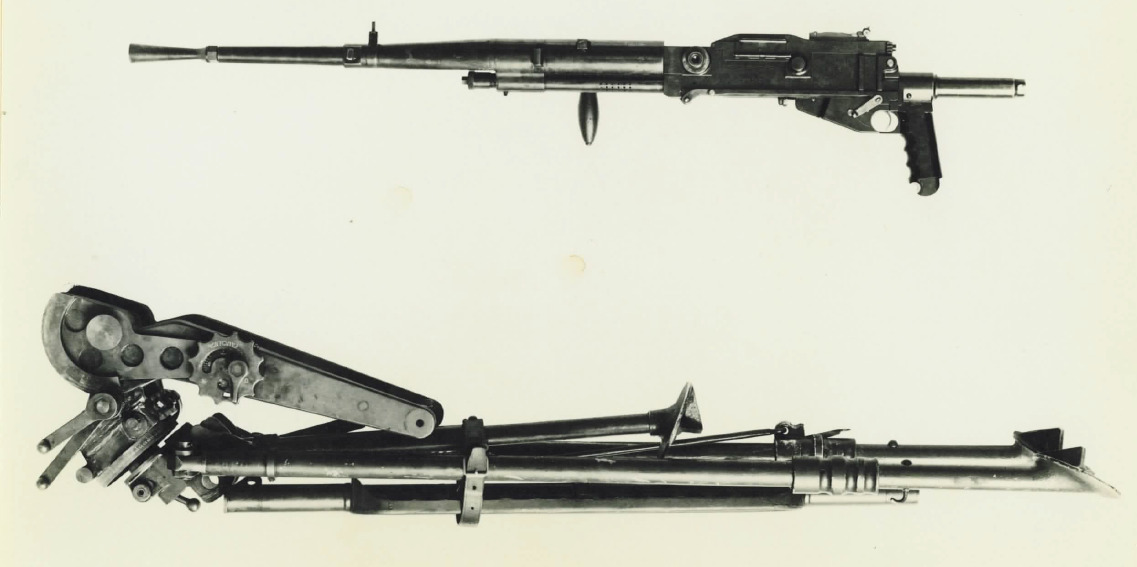
The key difference in the new model was its massive, thick-walled barrel. The weapon lost its cooling fins, but due to the enormous thermal mass of the metal, the machine gun could sustain intense fire in long bursts without warping the rifling. As a result, the weight of the gun body increased to 14.75 kg (32.5 lbs) .
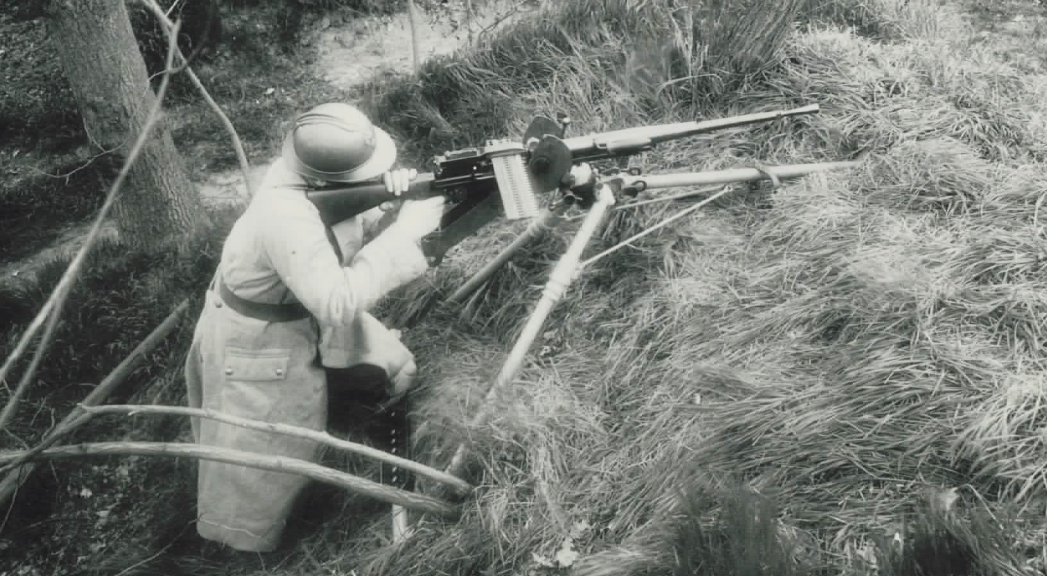
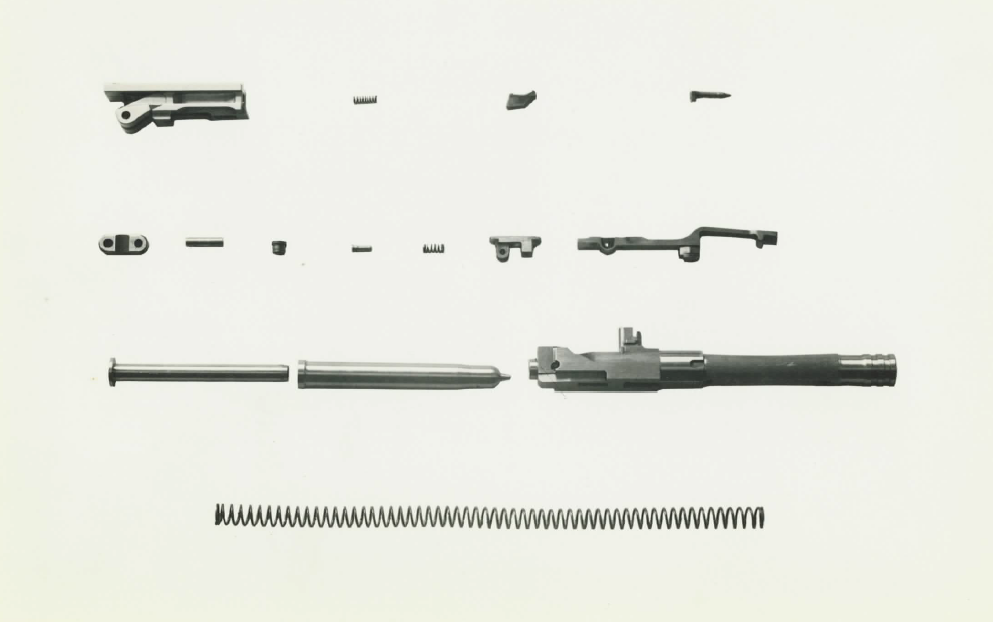
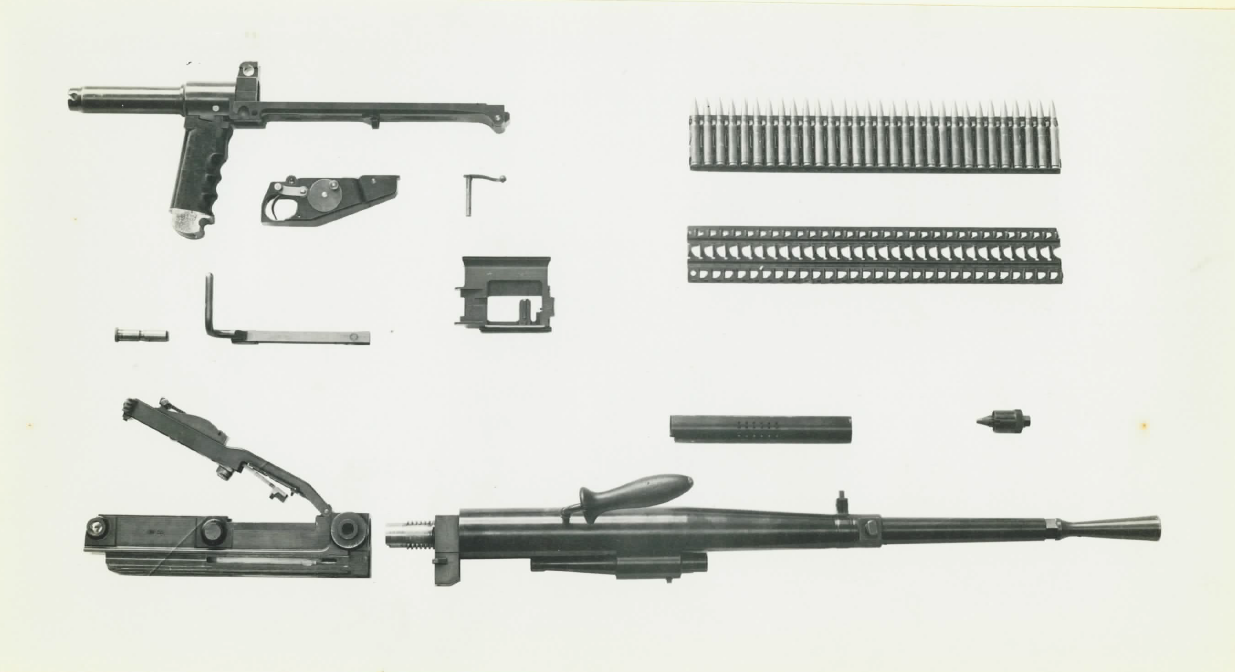
An engineering feature inherited from the base M1922 model was a mechanical inertial rate reducer with a flywheel, concealed within the trigger group. This mechanism allowed the rate of fire to be adjusted between 300 and 600 rounds per minute for accurate fire against ground targets. However, to create a dense anti-aircraft barrage, the design included a gas regulator: by fully opening the gas port, the gunner could increase the rate of fire to 800 rounds per minute . Feeding was accomplished either by the standard rigid 30-round strips common to the system, or by articulated semi-rigid belts made of three-round links.
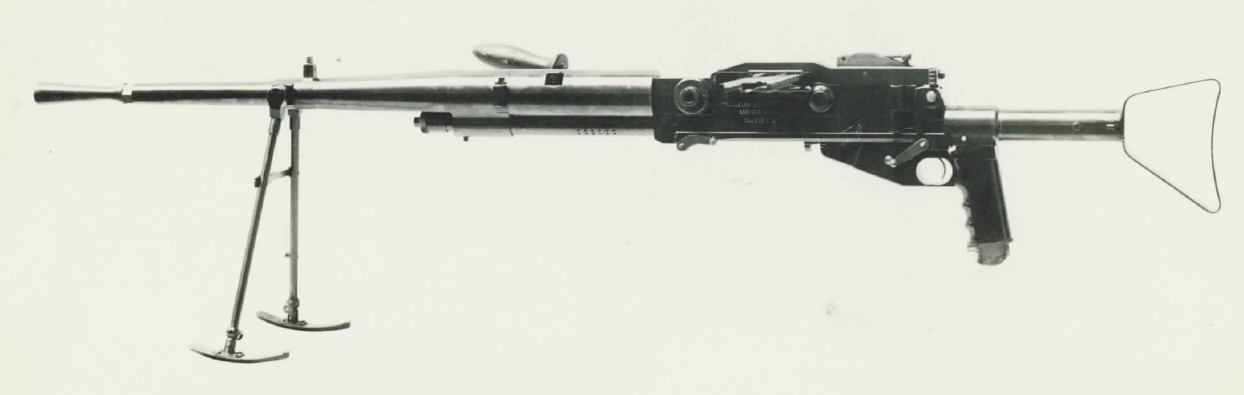
A specialized tank modification was also developed based on the MA 4 , receiving the factory designation MH 5 . To mount the machine gun inside armored vehicles, the wooden stock was replaced with a compact tubular metal shoulder rest.
The Hotchkiss MA 4 in China and its Capture
During the interwar period, the Chinese government faced a severe shortage of automatic weapons. When selecting a standardized machine gun, the Chinese military favored air-cooled systems. This preference arose because, in the primary potential theaters of operation (Northern China and Manchuria), the water in the jackets of Maxim guns would freeze in winter, and in arid regions, transporting water to the front lines required immense logistical effort. Therefore, the choice fell on the French Hotchkiss system, which was officially adopted in 1932 as the standard heavy machine gun.
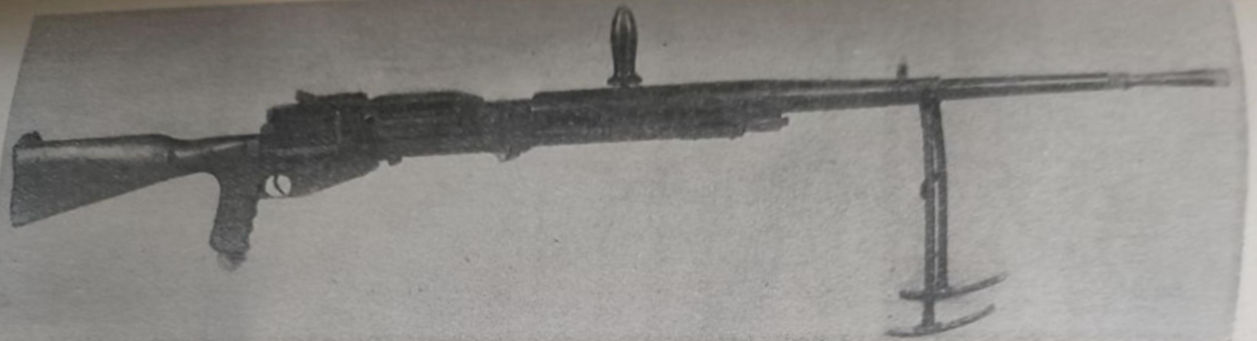
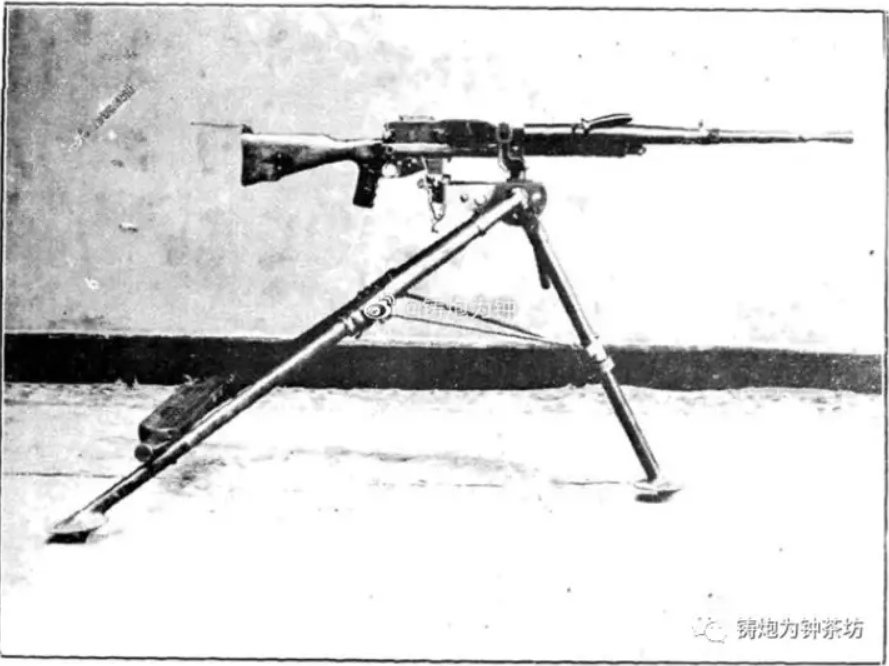
According to surviving French export records alone, 1,192 heavy-barreled machine guns were delivered to China before 1937 (purchases were made by the Central Government, Manchuria, Yunnan, Guangxi, and Guangdong). With the outbreak of the full-scale Second Sino-Japanese War, the National Government urgently ordered another 1,300 machine guns and 20 million rounds of ammunition for them, with the final batch of 300 arriving in 1940 just before the fall of France. The total confirmed volume of deliveries amounted to roughly 2,800 units of the battalion-level MA 4 version, which received the official Chinese designation “Heavy Machine Gun Hotchkiss Model 1930” (M1930) . The MH 5 tank modification was used to arm Renault ZB light tanks purchased by Yunnan province, as well as Renault UE armored tankettes fielded by the Central Army.
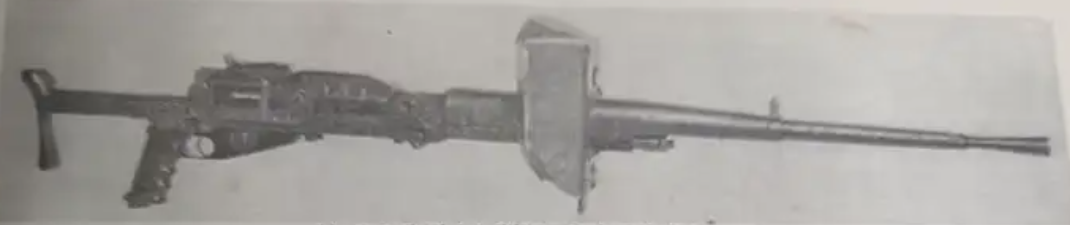
The overwhelming majority of these weapons, including armored vehicles fitted with the tank variants, were captured by the Imperial Japanese Army and the Special Naval Landing Forces during the sweeping Japanese victories of 1937–1938. In the battles for Shanghai, Nanjing, Xuzhou, and Wuhan, the Japanese seized entire arsenals of trophies.
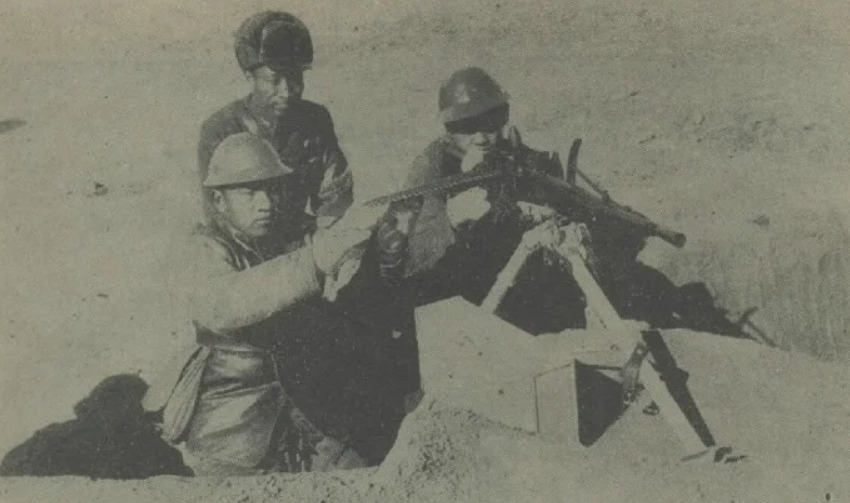
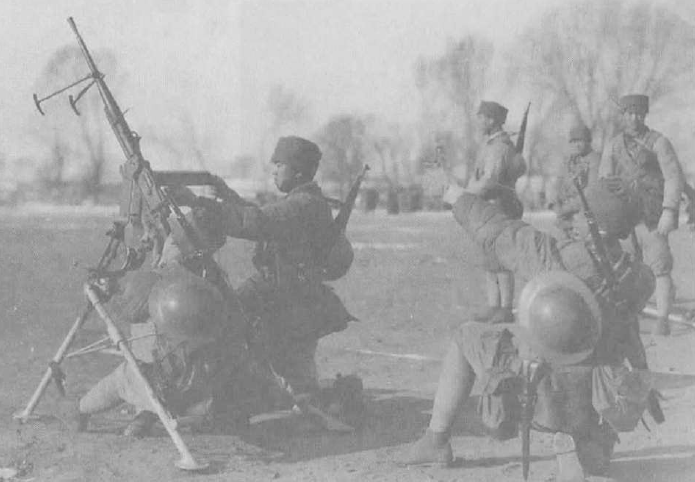
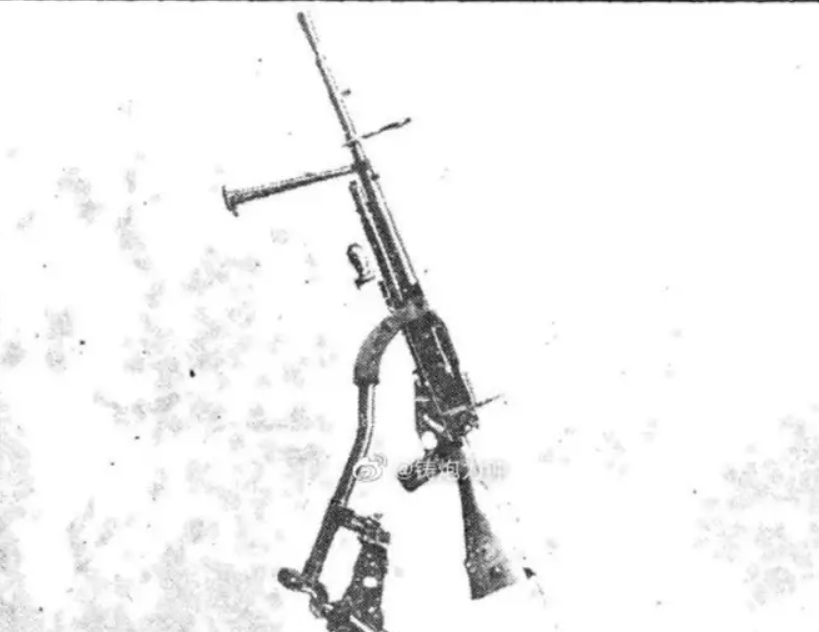
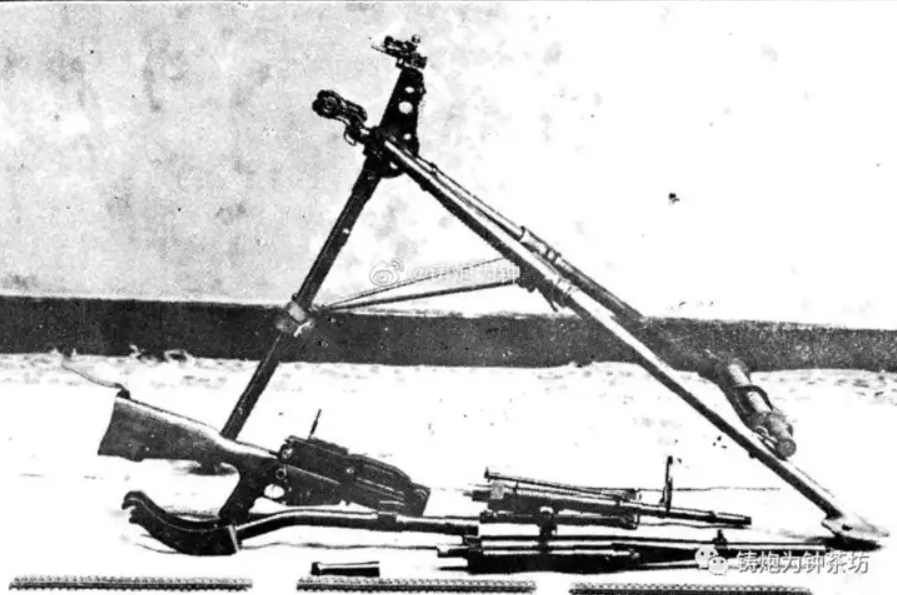
There was considerable confusion surrounding these weapons in Japanese military documents of the time. Because the machine gun was versatile and could be mounted on various tripods or mounts, Japanese quartermasters classified the captured examples haphazardly: in some reports, they were listed simply as “Hotchkiss machine guns,” while in others they were categorized as light, heavy, or anti-aircraft machine guns. Subsequently, the Japanese command transferred the lion’s share of the captured French machine guns to collaborationist Chinese forces (such as the Provisional Government Army in Beijing) for garrison and anti-partisan duties in occupied territories.
Specifications
| Specification | Value |
|---|---|
| Caliber | 7.92x57mm Mauser |
| Gun body weight | 14.75 kg (32.5 lbs) |
| Overall length | 1330 mm |
| Barrel length | 700 mm |
| Feed system | 30-round rigid strip |
| Rate of fire | 300-600 / 800 rounds per minute |
Polls
- Yes
- No
- Tech Tree
- Event - Standalone weapon
- Event - Squad weapon
- Battle Pass
- Premium Squad
- BR II
- BR III
- BR IV
Additional Photos
Photos

Sources
Sources
Article: 为何中央军德械师制式机枪为ZB26(捷克式)而不是德国MG30机枪? (Why was the ZB26 the standard machine gun of the Central Army’s German-trained divisions instead of the German MG30?)
Article: 哈奇开斯M1922轻机枪【2万字】 (Hotchkiss M1922 Light Machine Gun [20,000 words])
Article: Hotchkiss M1922/24/26 (Forgotten Weapons).
Book: 抗战机密档:中日军队轻武器史料 (Confidential Archives of the War of Resistance: Historical Materials on Light Weapons of the Chinese and Japanese Armies).
Book: もう一つの陸軍兵器史: 知られざる鹵獲兵器と同盟軍の実態 (Another History of Army Weapons: The Unknown Reality of Captured Weapons and Allied Forces).