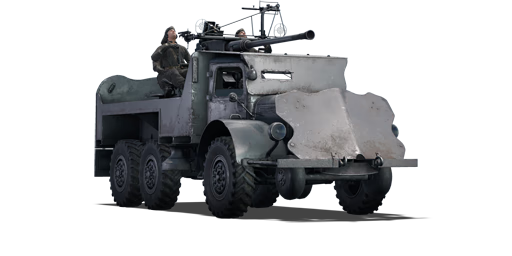
What if Sweden was a faction in Enlisted?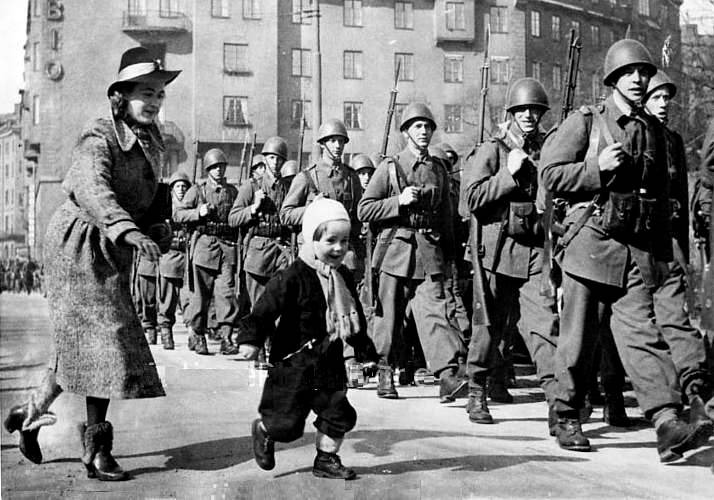
Introduction
Greetings and salutations, friends!
Did you know that the 6th of June is not only the anniversary of the D-Day landings, but also the National Day of Sweden? Yes, while you lot have been doing such dull things as “remembering history”, an entire country has been commemorating far more important matters…
Such as how we are so much better than the Danes in every conceivable regard, naturally.
Anyway, while the D-Day event is still going on, I thought: why not engage in some fun theorising about how a minor European country might appear if it were a playable faction in Enlisted?
Doesn’t that sound like fun…? No…? Well, too bad. That is exactly what I’m going to do today.
Before we begin, a brief reading comprehension test: this is not a proposal, not a request, and not a demand. It is just a silly little thought experiment. Please ration your outrage accordingly.
Basic Presentation
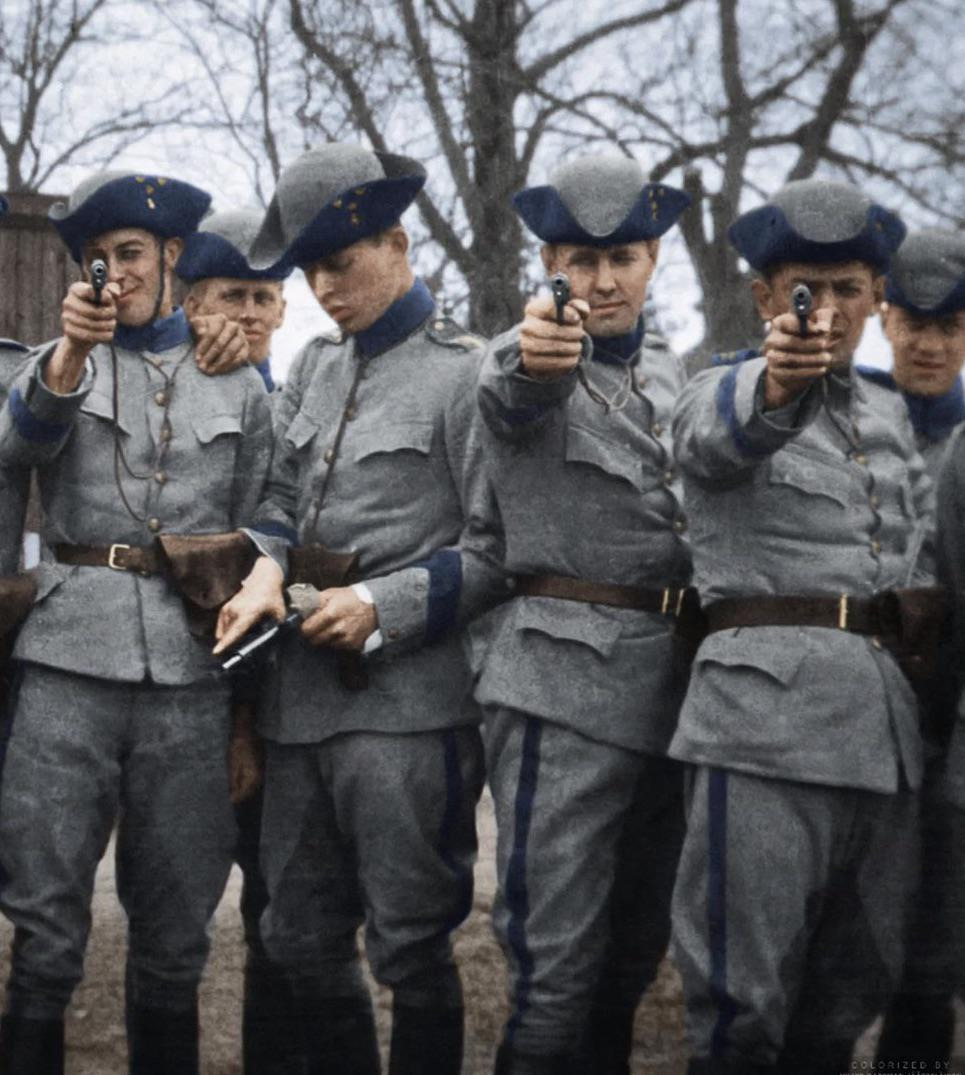
As a quick summary, Sweden would not be a BR I-V faction. This might surprise you, but equipping five full BRs, while keeping them both balanced and as authentic as possible, is not an easy thing to do for most countries during WW2 - let alone for a minor nation that never actually took part in it.
So, I have instead decided that the infantry tree would run from BR I through BR IV, while vehicles would be limited to BR I through BR III. This is because, while there is enough period-appropriate equipment to create a mostly functional infantry tech tree, Swedish vehicles of the era were rather lacklustre in terms of performance compared to what other nations were fielding. It would be difficult to field anything beyond BR III without relying on clearly post-war developments.
I will not have the space to discuss every individual weapon or vehicle, especially in detail. So, if you have questions about any specific weapon of group of weapons, I will happily answer them!
All tanks and aircraft listed here already exist in War Thunder, since almost all vehicles in Enlisted are ported from there.
Infantry
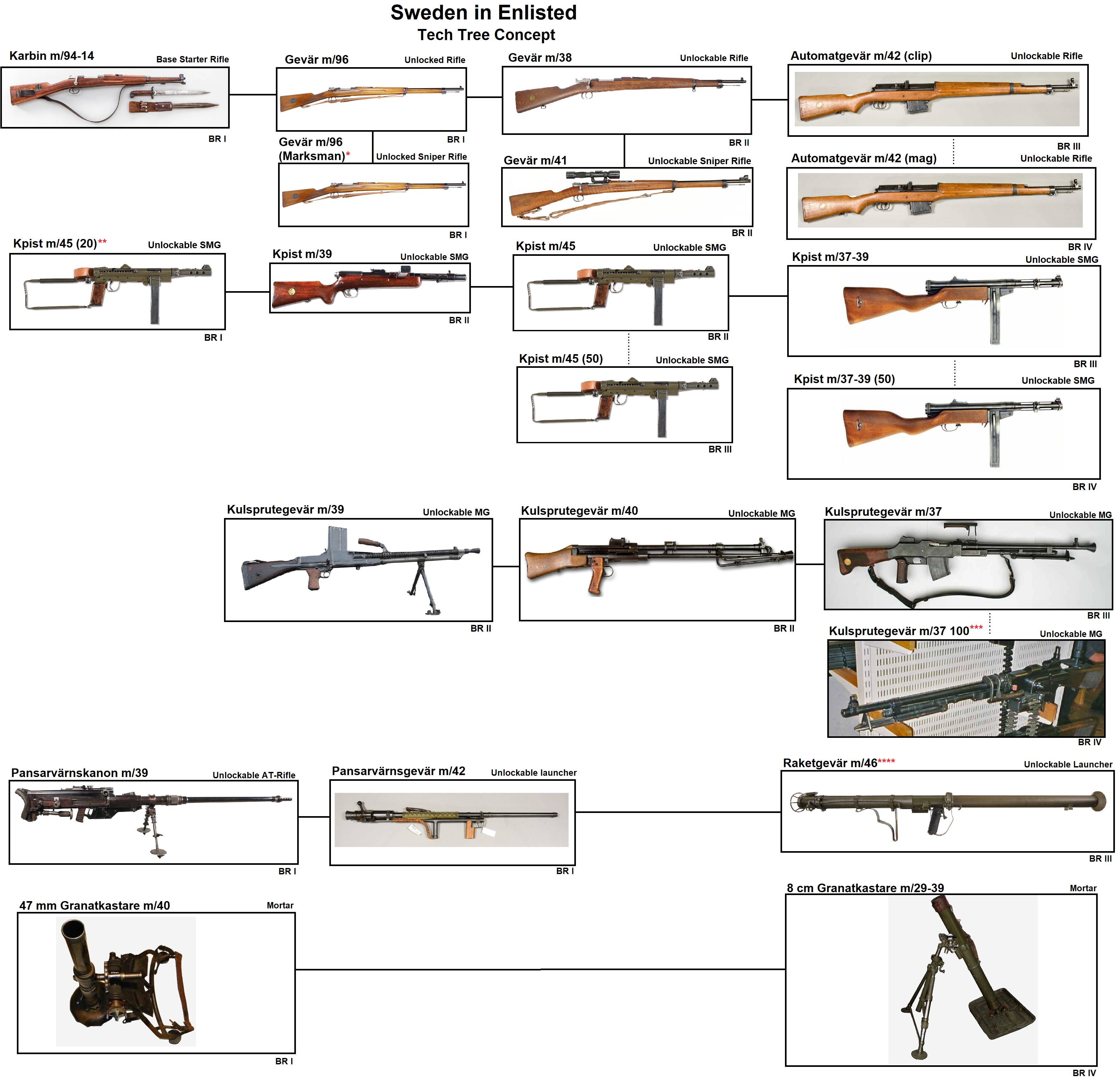
Here is what I imagine the infantry tech tree containing:
* Notes
-
*This is my own creation. Sweden only adopted one scoped rifle pattern during and before WW2, so I have included a copy of the base Gevär m/96 with lower dispersion. It would just be an unscoped sniper rifle, which is unusual and the first of its kind in Enlisted, but I do not see a better alternative.
-
**In Swedish service, the Kpist m/37-39 only used 36-round box magazines and 50-round “coffin” magazines. Finnish magazines were theoretically compatible, but there is no evidence that Sweden adopted the 20-round box magazine, nor the 40- or 71-round drums. This 20-round example exists to give Sweden something as a BR I SMG. A 24-round Kpist m/39 (just a MP-35) could also work, though Sweden only used the 32-round magazine. As a side-note, the Kpist m/45 itself could be considered post-war, but since it was developed entierly during the war, and put into production before Japans surrender, I’ve included it in the tech tree.
-
***The Kulsprutegevär m/37 100 is a prototype version of the regular m/37 that was never adopted. Developed by Carl Gustafs Gevärsfaktori, it was a belt-fed variant of the m/37. I am unaware of the actual belt size, so I chose 100 as a round number.
-
****Technically, this was a post-war Swedish procurement. However, it is simply an M9A1 Bazooka in Swedish service, and the M9A1 itself existed and saw service during WW2, just not with Sweden. It is included to give Sweden a handheld anti-tank option beyond BR I.
Plausible Event/BP/Premium weapons:
-
Gevär m/39 - BR II
A Pre-War Kar98k in Swedish service, with 5,000 procured by Sweden. Chambered in 8×63mm Swedish - the nation’s “machine gun cartridge” - these were intended as light anti-tank rifles, but were quickly deemed obsolete in that role, to no one’s surprise today. It could make for a fun BR II gimmick weapon.
-
Kpist m/37 - BR III or IV
The first SMG ever adopted in Swedish service. It was chambered in the 9x20mm Browning Long cartridge, which was abandoned early in the war by Sweden because they couldn’t import weapons capable of using it - instead switching to the standard 9x19mm Parabellum of Finland and Germany. 9x20mm was, despite its technically larger size, noticeably weaker comparet to 9x19mm, and the bullets left this gun at a mere 355m/s. Combined with a noticeable bullet drop, and lower damage, and noticeable damage drop-off, it could potentially be a BR III weapon - despite the 56 round magazine it originally came with. All m/37s in service were updated to the m/37-39 pattern, hence why it is not in the tech tree.
-
Kg m/21 - BR III
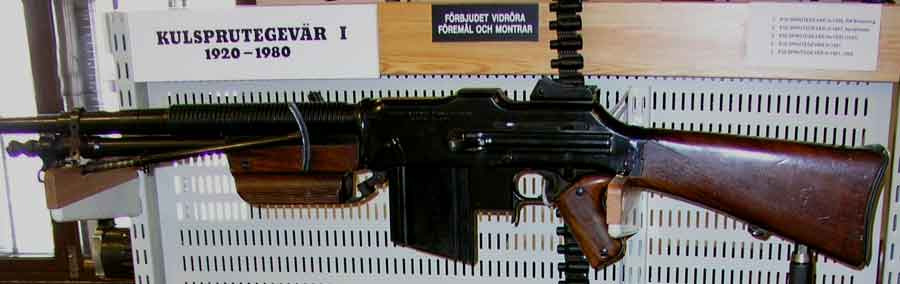
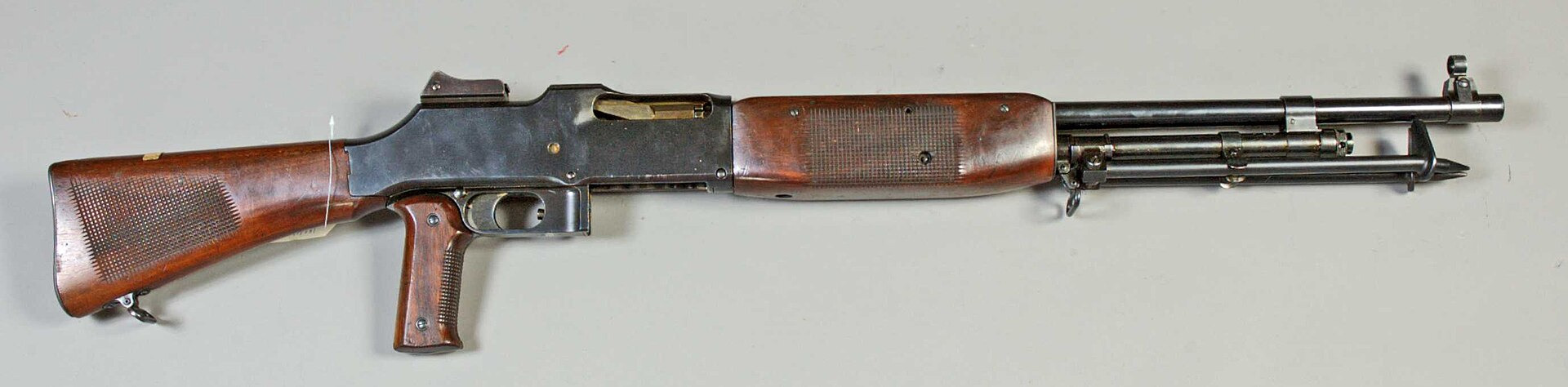
A Swedish version of the American export M1919 BAR. Few of these would still be around by the Second World War, as efforts were made to convert them into m/21-37s, bringing them up to date with the modernised version then in service. As a unique Swedish BAR, much like the m/37, it could make for an interesting collectible.
-
Kg m/30 - BR III
A sub-standard BAR in Swedish service. These were 6.5mm Swedish fixed-barrel FN BARs of the FN M1930 pattern. Another collectible, I suppose.
-
Kg m/35 - BR III
Another sub-standard BAR in Swedish service. This was an FN Model D chambered in 6.5mm Swedish. -
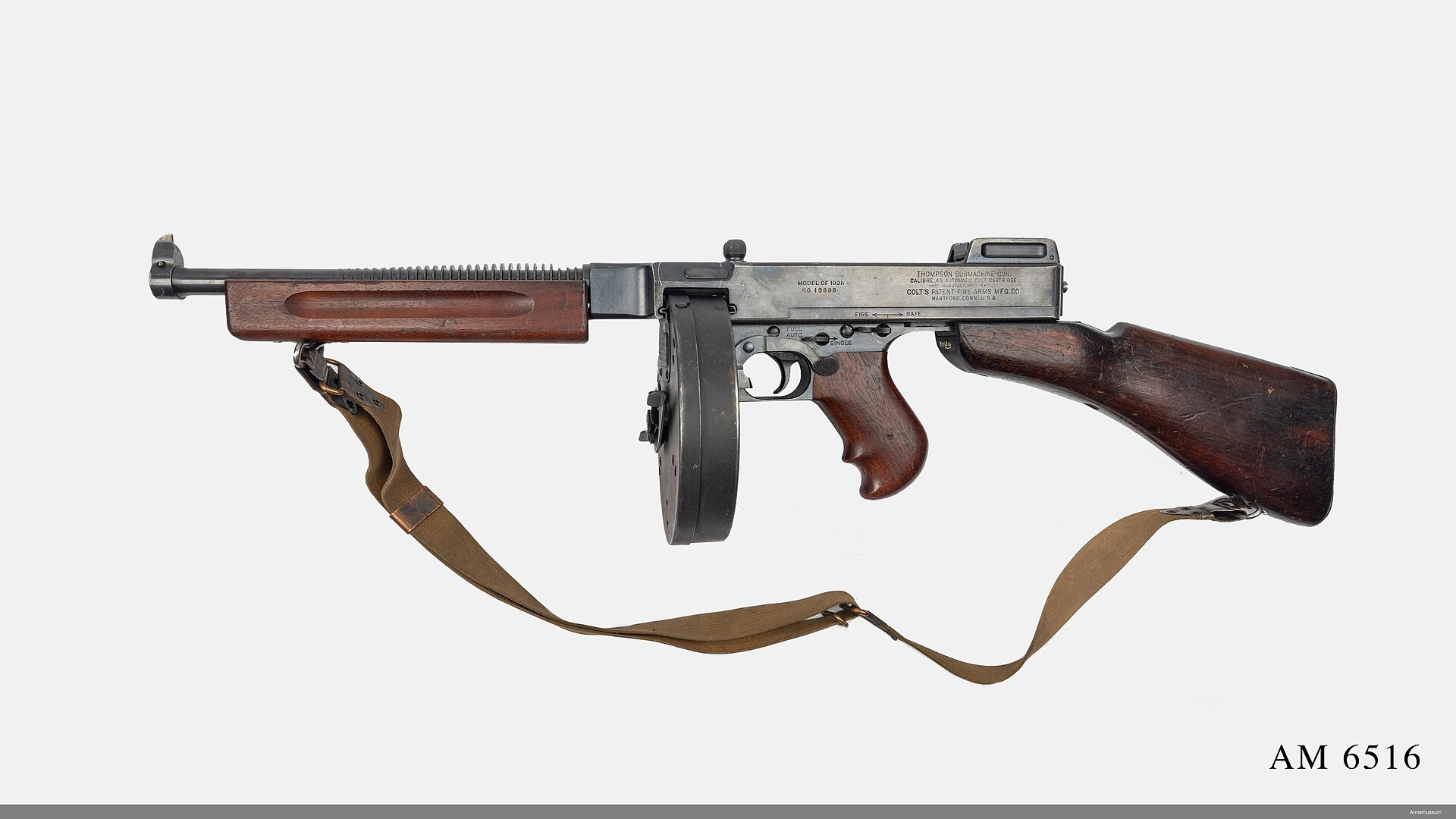
Kpist m/40 - BR II - and Kpist m/40 50 - BR IV
Sweden bought 500 M1928 Thompsons from Colt in 1940. Each gun came with four 20-round magazines and one 50-round drum. As far as I can tell, these were chambered in the standard .45 ACP cartridge.


Pistols
-
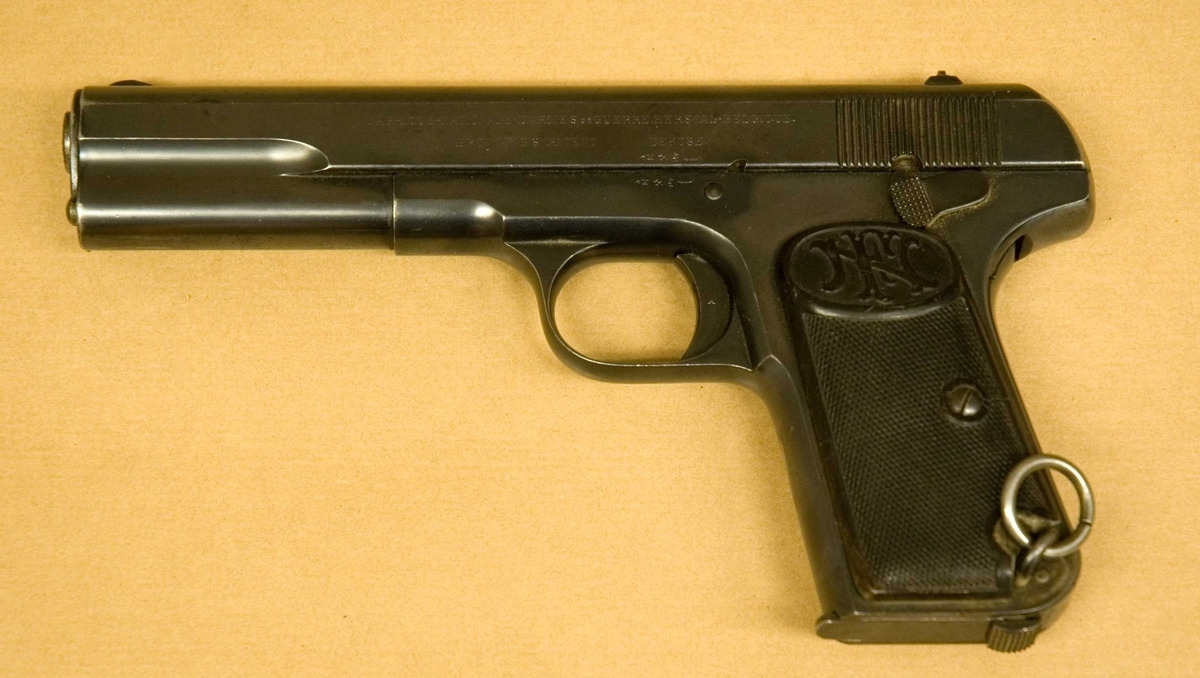
**Pistol m/07
A licence-produced FN Model 1903 pistol in 9×20mm Browning Long, the standard pistol cartridge of Sweden at the outbreak of the war.
-
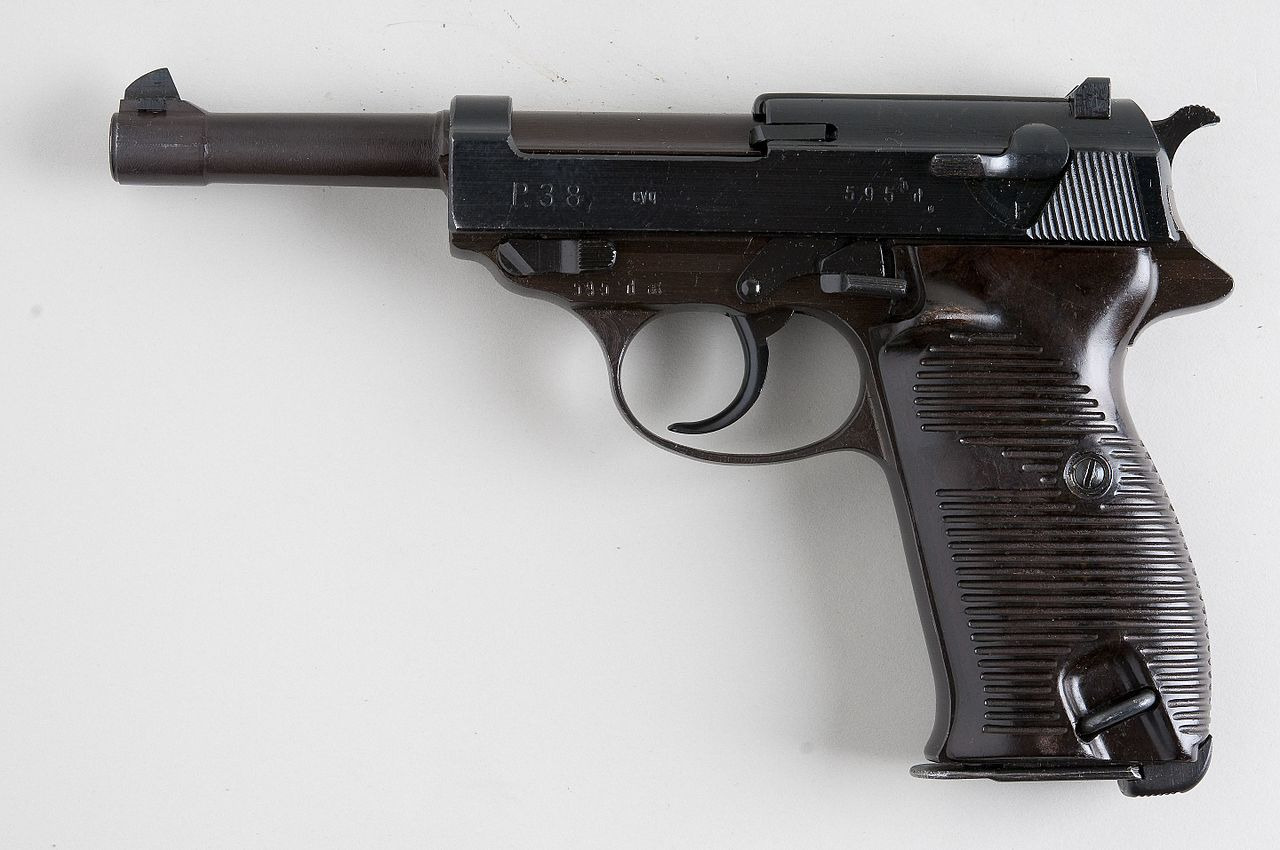
Pistol m/39
Adopted shortly before the war, these were commercial Walther P38 pistols - known as the “Heerespistole” - which Sweden intended to make its new standard service pistol. Chambered in the newly adopted 9×19mm Parabellum cartridge, only 1,500 were delivered before Germany seized the remaining production for itself.
-
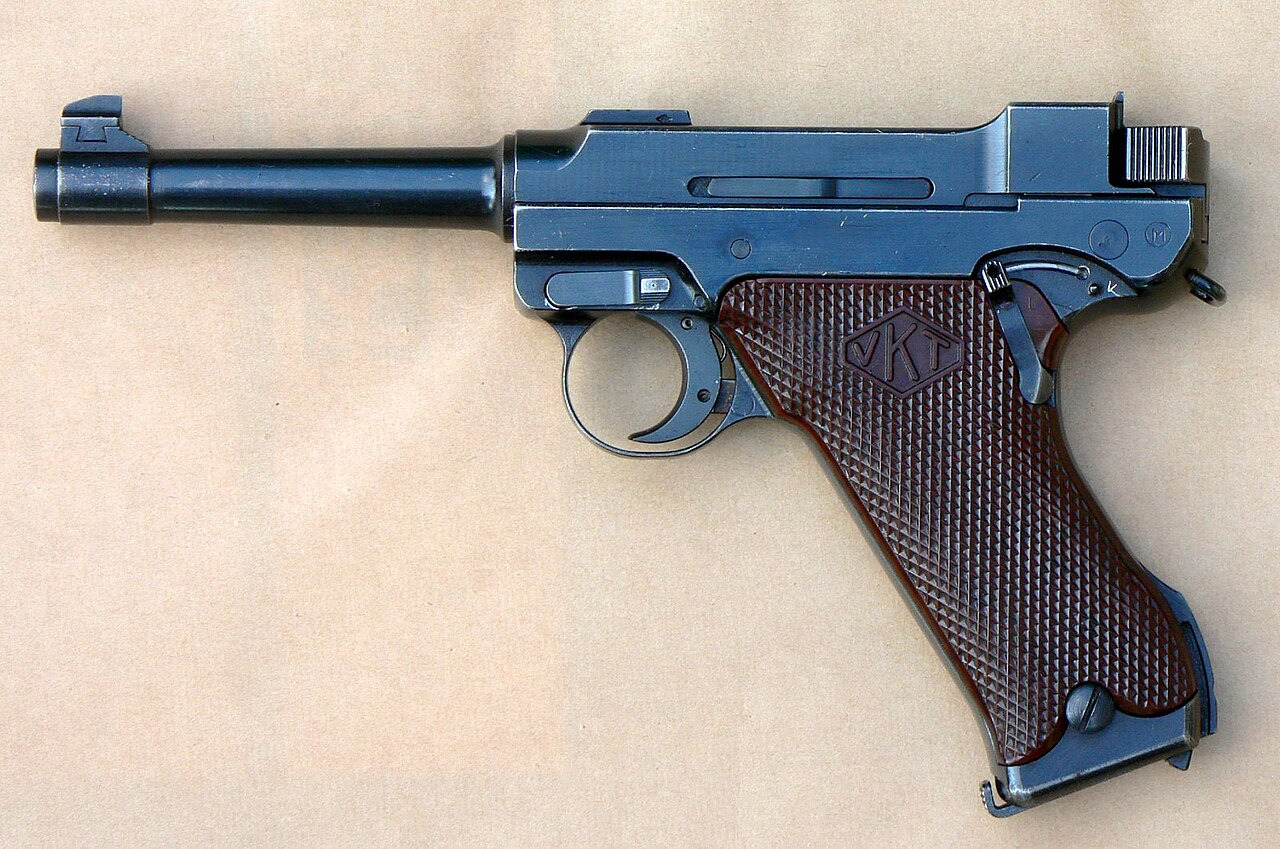
Pistol m/40*
When the P38 supply dried up, Sweden went shopping for an alternative and settled on the Lahti L-35. Also chambered in 9×19mm. It would become Sweden’s standard and most modern service pistol during the war.
Emplacements
* Notes
-
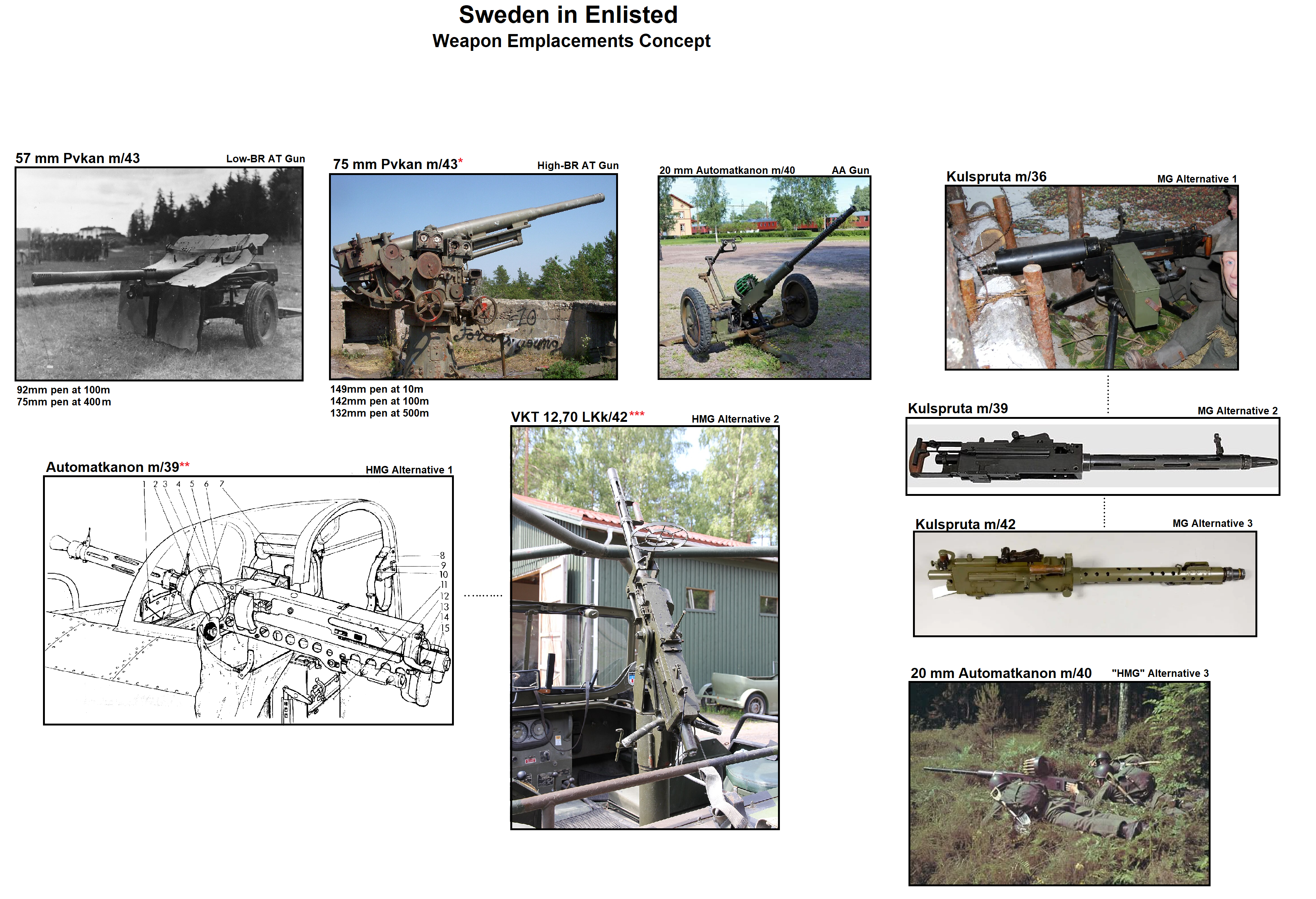
*The image is of the gun’s predecessor, the Lvkan m/29. I could not find an image of the Pvkan m/43 where it was not mounted on a tank, which makes me suspect that it may not have had a standard gun carriage in the anti-tank role. However, the anti-aircraft version using anti-tank ammunition, as Hungary did during the Second World War, could make for a neat and unique emplacement instead.
-
**As far as I know, this weapon was only ever used in aircraft, and I know of no ground mount or ground use for this HMG.
-
***Unlike the previous weapon, this HMG did see ground service - in Finland. It was, however, a Automatkanon m/39 built by Finland using Swedish technical information, for whatever that counts.
Why are there three alternative MG explacements? Well, choice I guess, I couldn’t decide on one - since they are all variants on American Browing MGs they are all compatible with the same tri-pod (I think). The watercooled Kulspruta m/36 is the most authentic in Army service version for WW2, the Kulspruta m/39 is meant mostly for vehicle use, and so was the even later m/42.
The 20mm Automatkanon m/40 is listed as the third HMG alternative because the weapon had a so-called “anti-tank” configuration, mounted on a tripod much like HMGs are in-game. Rather than functioning like a typical HMG, with unlimited ammunition and overheating, this “HMG” would instead fire more potent rounds in exchange for needing to reload after every 25 shots. It would also have a limited ammunition supply that an Engineer would need to refill, as with AA and AT guns in-game.
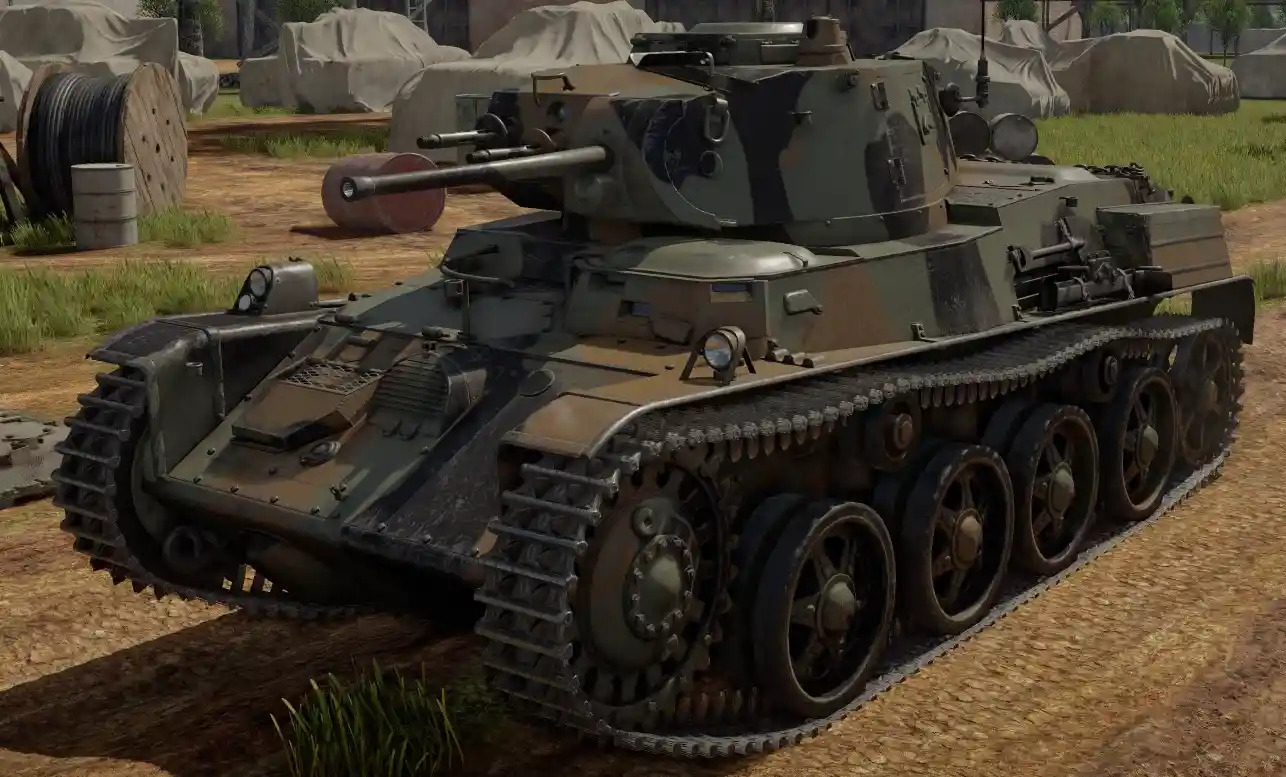
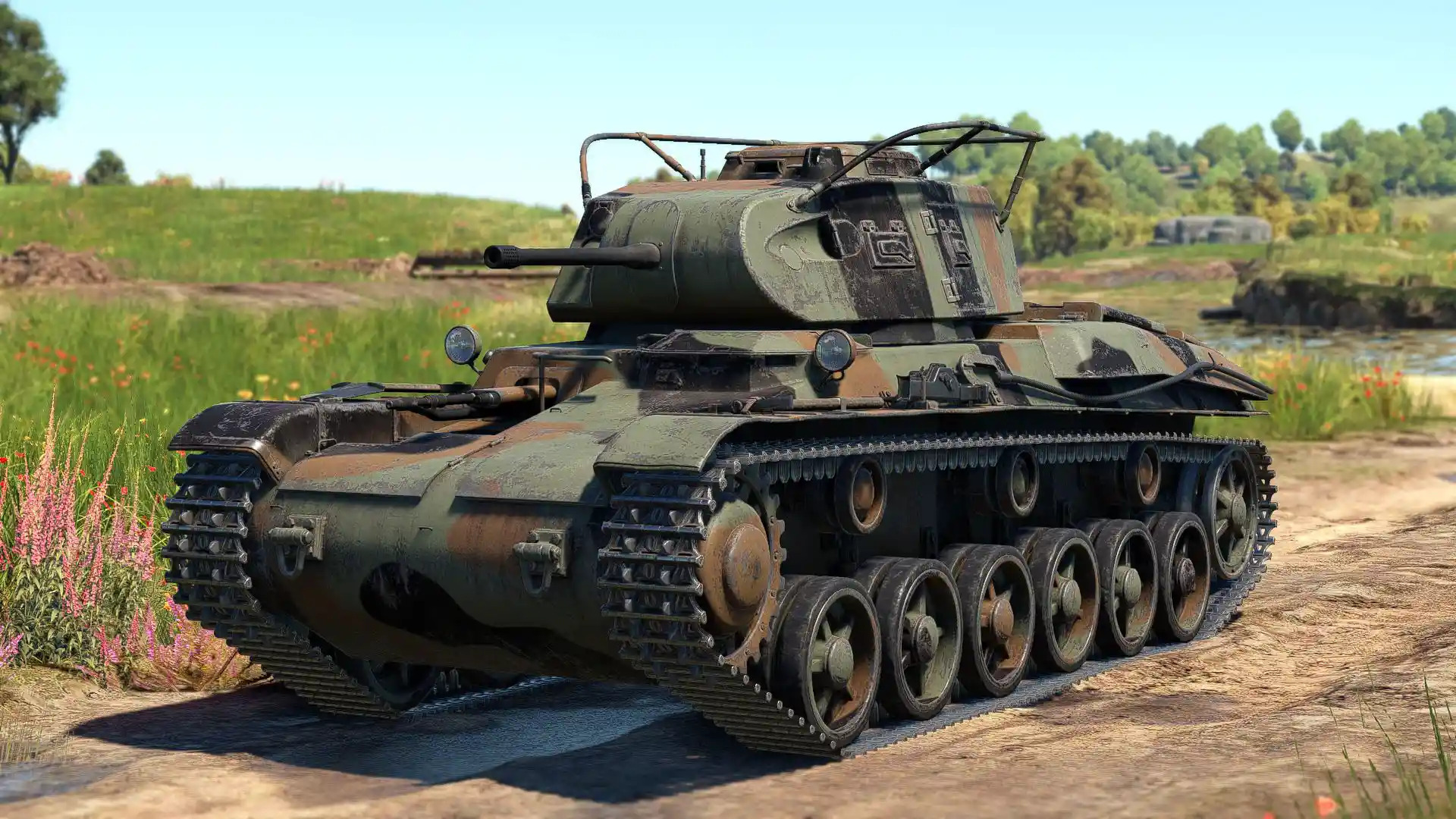
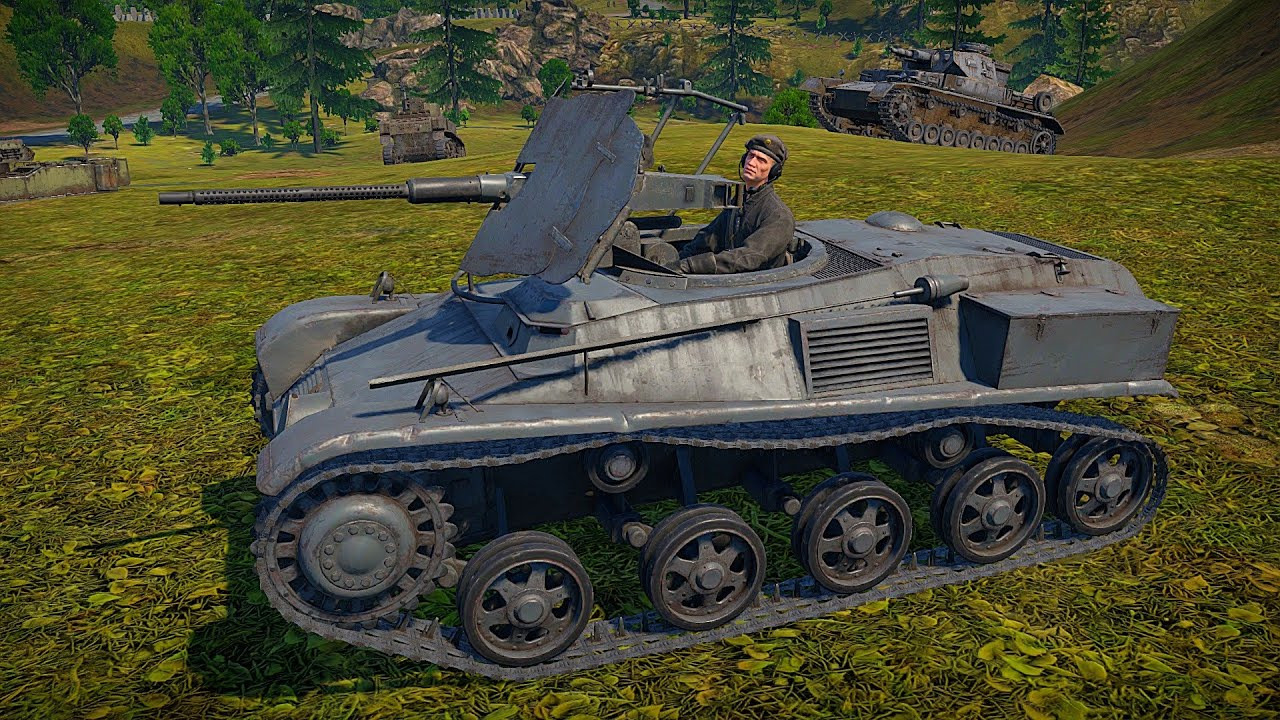
Ground Vehicles
* Notes
-
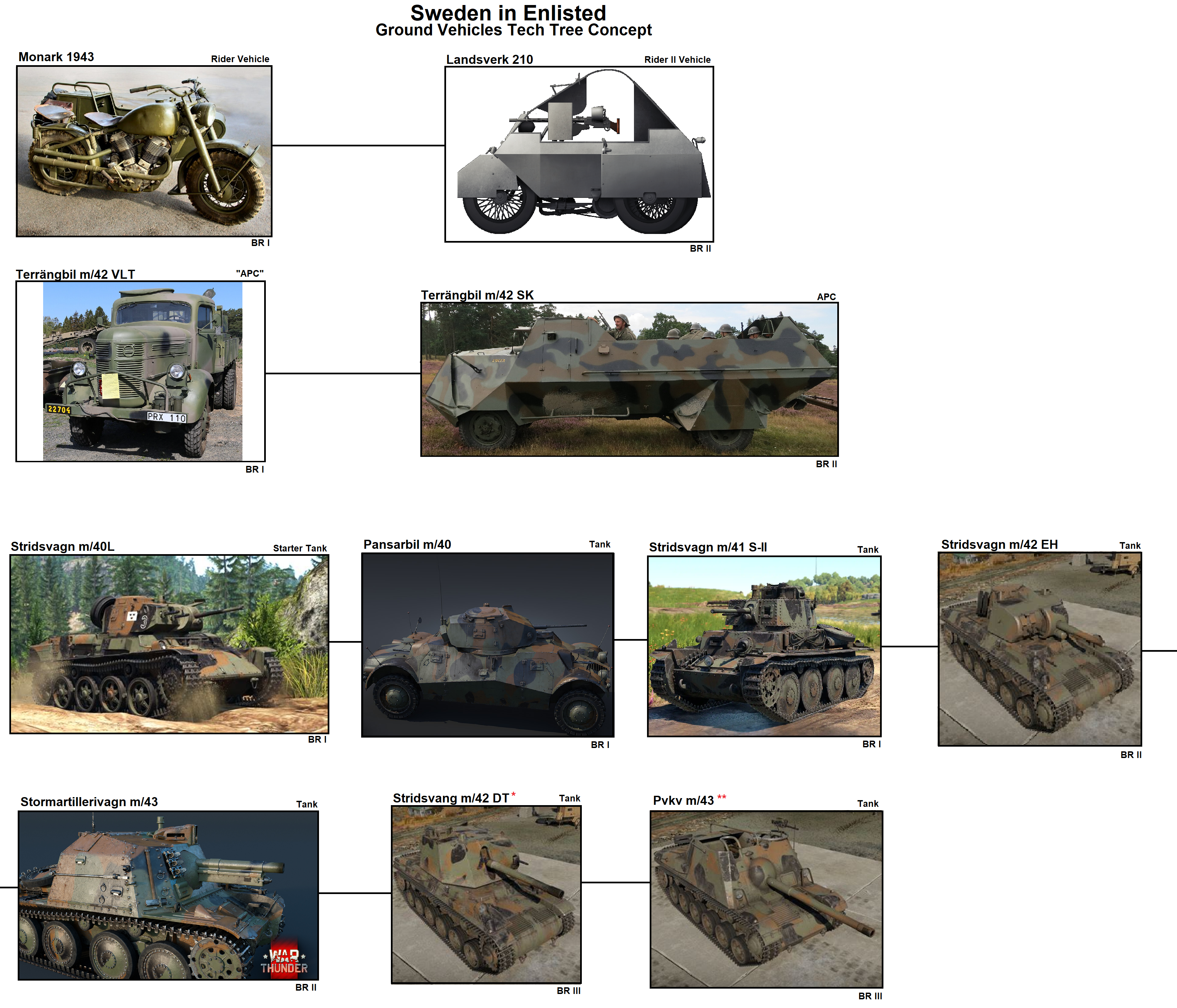
*The Stridsvagn m/42 DT was a prototype vehicle designed in 1944 and constructed in 1945. It was deemed unsuccessful during testing in 1946.
-
**Developed in 1942 and ordered in 1944, but not delivered until 1946.
As for the Stormartillerivagn m/43, I could not decide whether to use the 1944-delivered version or the 1946-delivered version, as both were developed and entered production during the war. So, assume that both are foldered here: the 1944 version at BR I, and the 1946 version at BR II.
Plausible Event/Premium vehicles
-
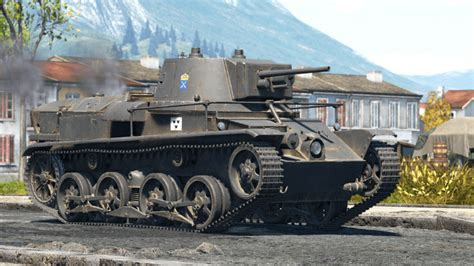
Stridsvagn m/31 - BR I
The first tank in the world to feature all-welded construction. A cool piece of development history, not just for Sweden.
-
Stridsvagn m/38 - BR I
A lighter m/31. It is just worse, actually. Could also serve as a starter tank.
-
Stridsvagn m/39 - BR I
A slightly upgraded m/38, with the same hull but an improved turret.
-
Lago I - BR I
A tank developed for export to Hungary, and the predecessor to the Stridsvagn m/42 in Swedish service.
-
Pvlvv fm/42 - BR I
A mobile anti-aircraft tank armed with a 20mm Bofors automatic cannon.
-
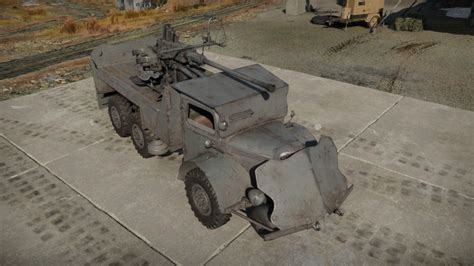
Lvtdgb m/40 - BR I or II
The Swedish milk truck. Lightly armoured and carrying a single 40mm Bofors automatic cannon.
-
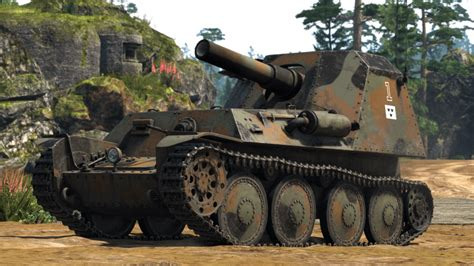
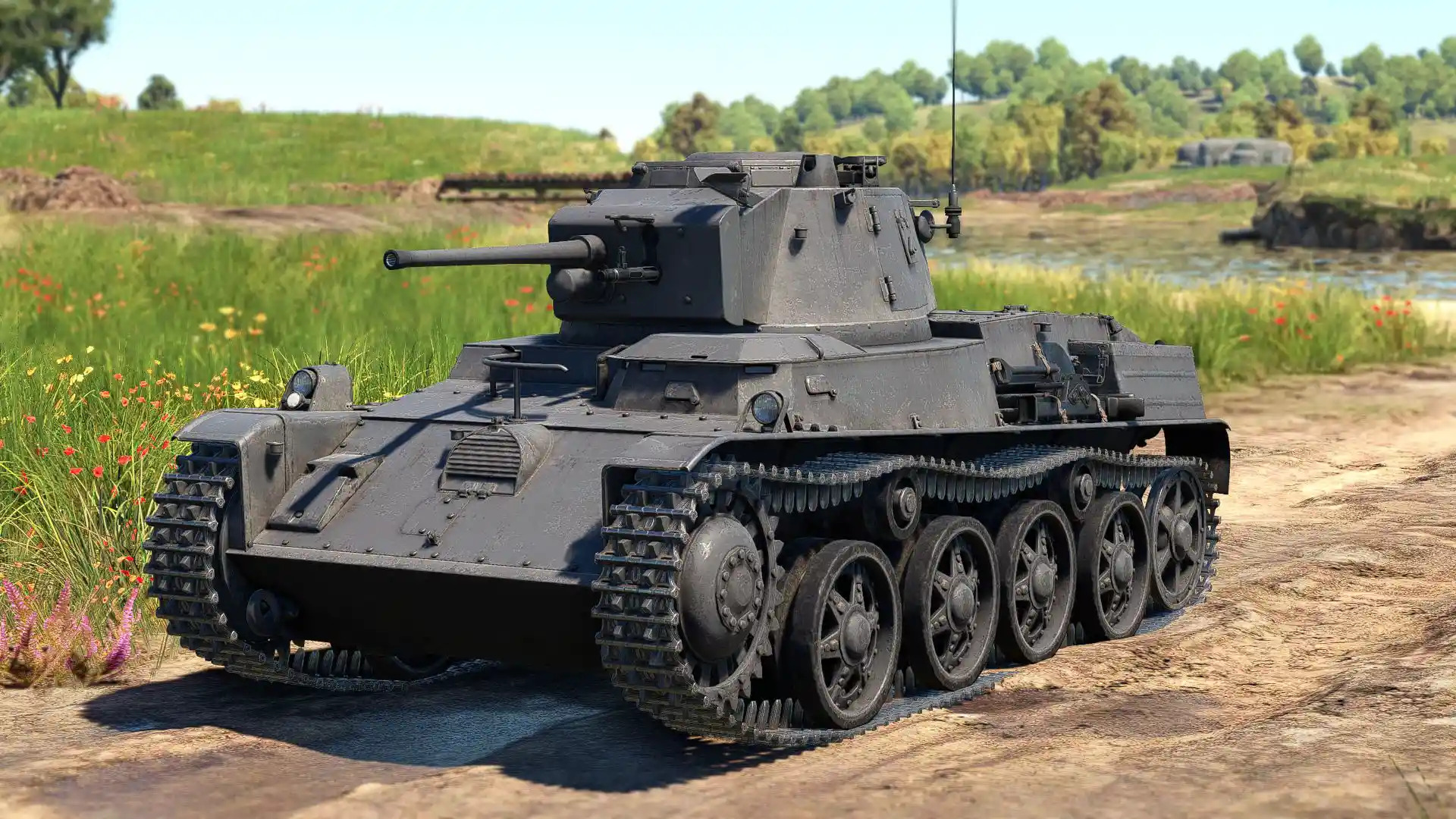
Spj fm/43-44 - BR II/III
An open-topped vehicle mounting a 150mm gun. It has more armour than the Japanese Navy Gun tank, but is open-topped and has a fixed turret. I could see it being placed at either BR II or BR III.
Aircraft
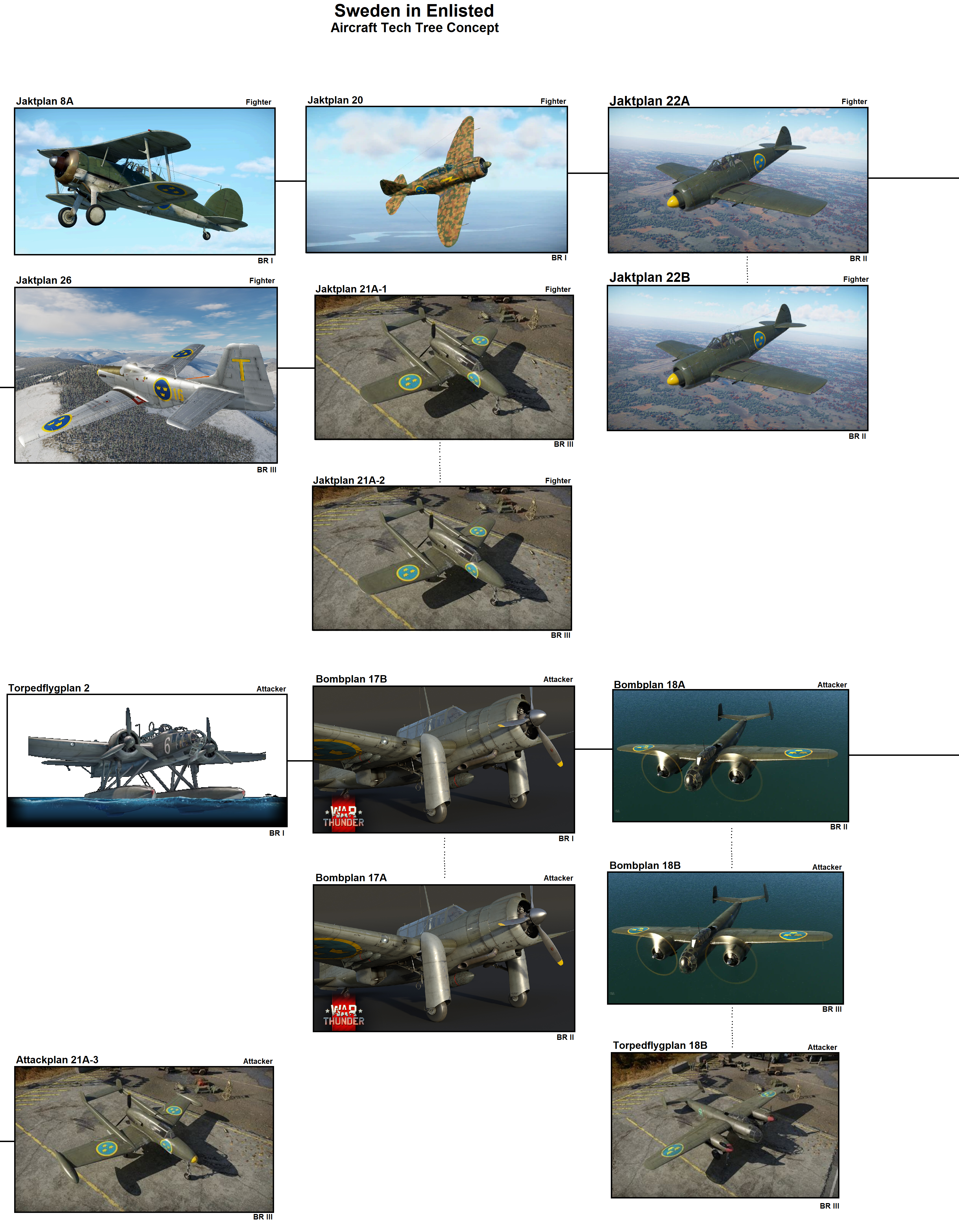
The Swedish air tree would be a rather unusual one. The main thing to note is that its fighters would carry no payload whatsoever, with the sole exception of the Jaktplan 26, which would only have two 50kg bombs. This would be a major drawback for the air wing of this hypothetical nation, balanced only by the proportionally heavier payloads of its attackers.
In general, Swedish attackers would carry not only more bombs than their peers at the same BR, but often larger ones as well.
Plausible Event/Premium aircraft
-
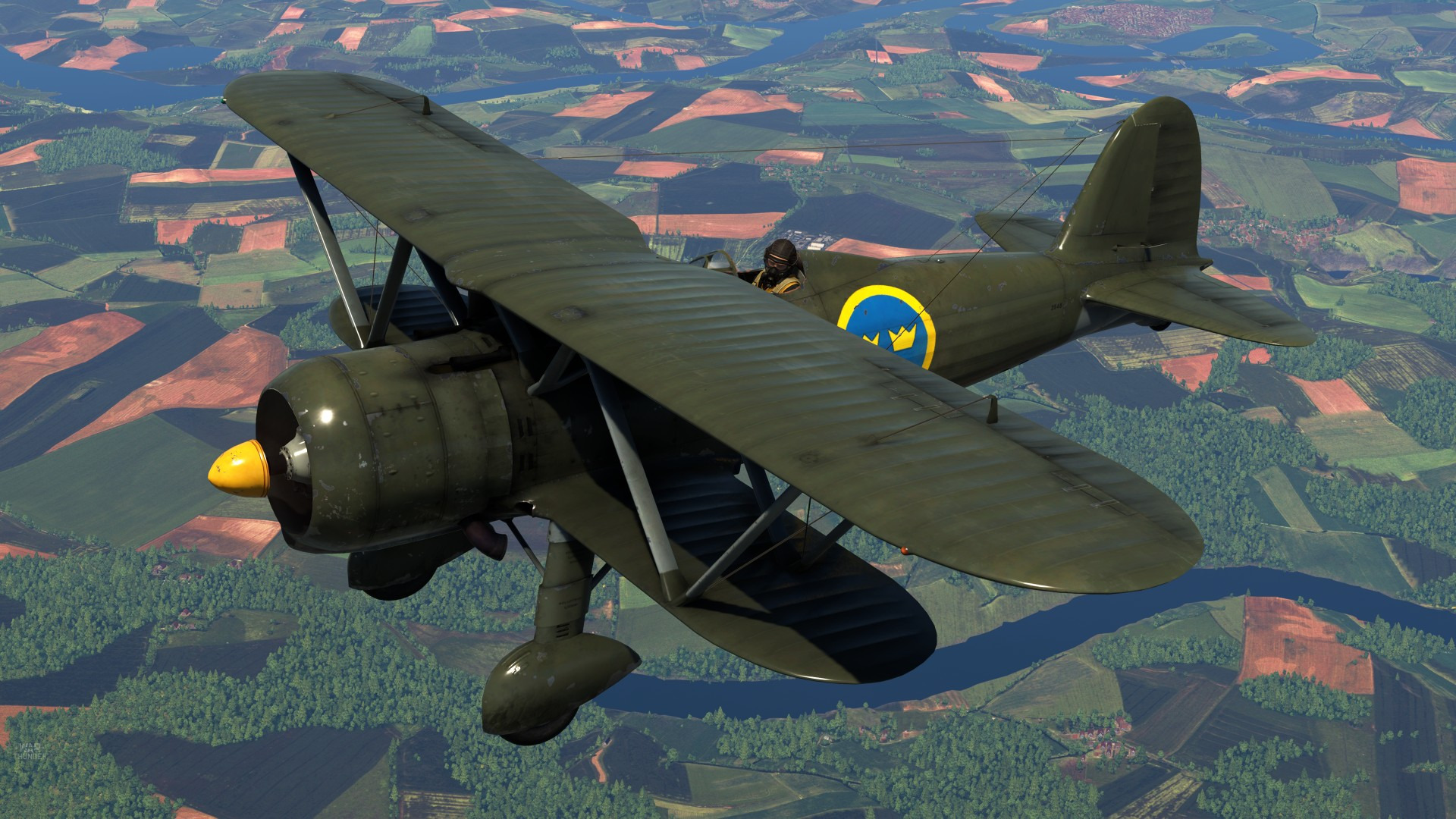
Jaktplan 11 - BR I
A CR.42 Falco in Swedish service. It would be almost identical in performance to the Jaktplan 8A, except that its two machine guns are heavy machine guns.
-
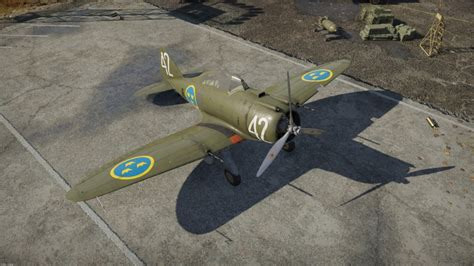
Jaktplan 9
A batch of P-35 aircraft purchased from the United States. Only 60 of the 120 ordered were delivered before the US entered the war, with the remainder instead taken into American service.
-
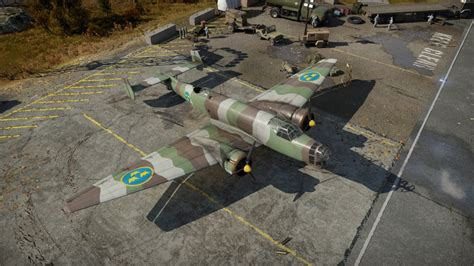
Bombplan 3C - BR I or II
A slow tactical bomber carrying four 250kg bombs. Easy pickings, but deadly if left alone to bomb.
Conclusion
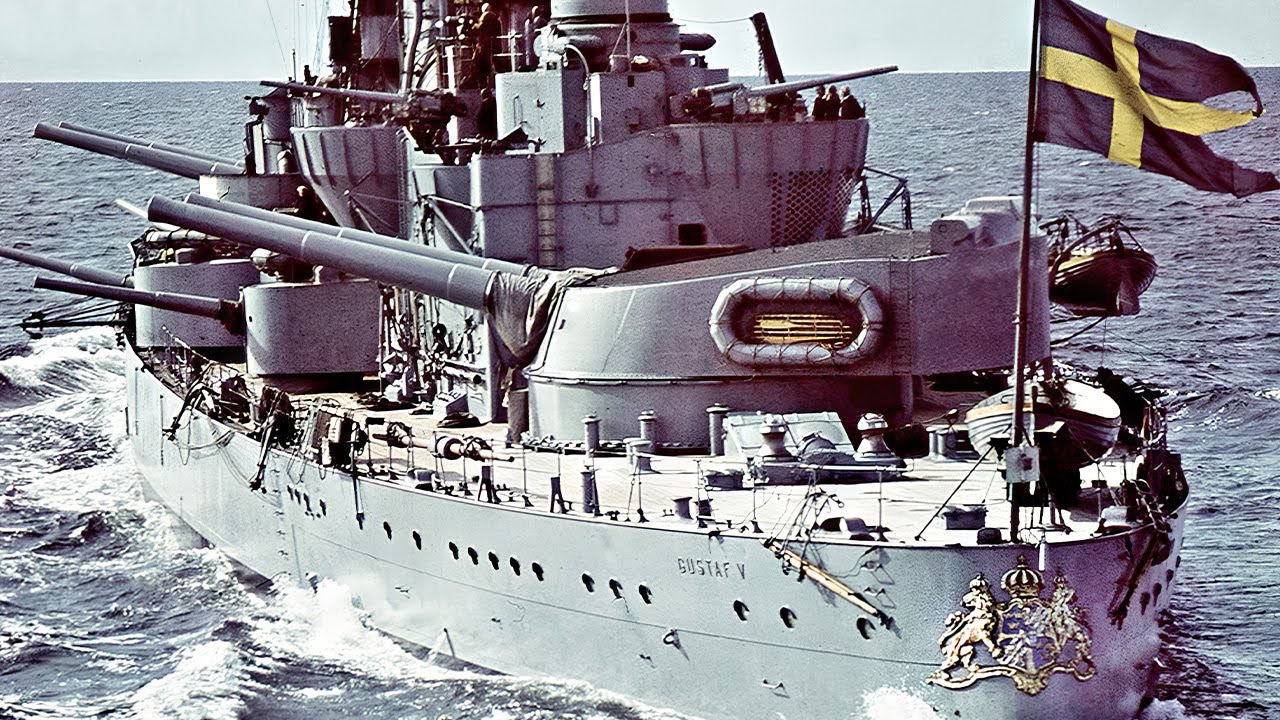
That ought to be enough for an entire faction. Yes, the pickings are rather meagre overall, even compared to Japan in-game, but that was to be expected. However, if Sweden also included Denmark and Norway as sub-factions - or if Sweden itself were a sub-faction of the Allies - then it could actually function as quite a fun and interesting flavour choice, thanks to the unique weaponry, vehicles, and emplacements involved.
Anyway, that is enough theorising. This was a fun experiment, and I hope you enjoyed the results. As I said before, I will happily answer any questions you may have; I have become something of an autodidact in Swedish WW2 military equipment by now.
Thank you for reading this theoretical Enlisted faction concept for the neutral nation of Sweden - and remember: success at brinkmanship means never having to be tested in the first place.
Signed,
Lt. Ogge King, 3rd Experimental Tea Infusion and Small Arms Appreciation Company, Home Guard (Reserve),
temporary posting at the Military College of Sweden,
Gud bevare Konungen.
P.S.
I have not forgotten about my Rider II suggestion… it is coming, I am just lacking inspiration at the moment… well, not for this^.