The “Japanese BAR” of Yokosuka: FN Modele 30 in 6.5×50mm Arisaka
Evolution of Design: FN Modele 30 and FN Modele D
Building upon the Browning Automatic Rifle (BAR) platform, the Belgian company Fabrique Nationale (FN)—under the direction of Chief Designer Dieudonné Saive—developed a lineup of light machine guns that significantly surpassed the original American M1918.
The FN Modele 30 was the result of extensive adaptation to meet Belgian Army standards and the demands of the export market. Key differences from the M1918 included a separate pistol grip, a folding bipod, and a mechanical rate reducer. The latter allowed for automatic fire in two distinct modes: slow (approx. 350 rpm) and rapid (approx. 600 rpm). Furthermore, Saive fundamentally modernized the gas system by essentially inverting the piston and cylinder. This design virtually eliminated malfunctions caused by thermal expansion or heavy carbon fouling.
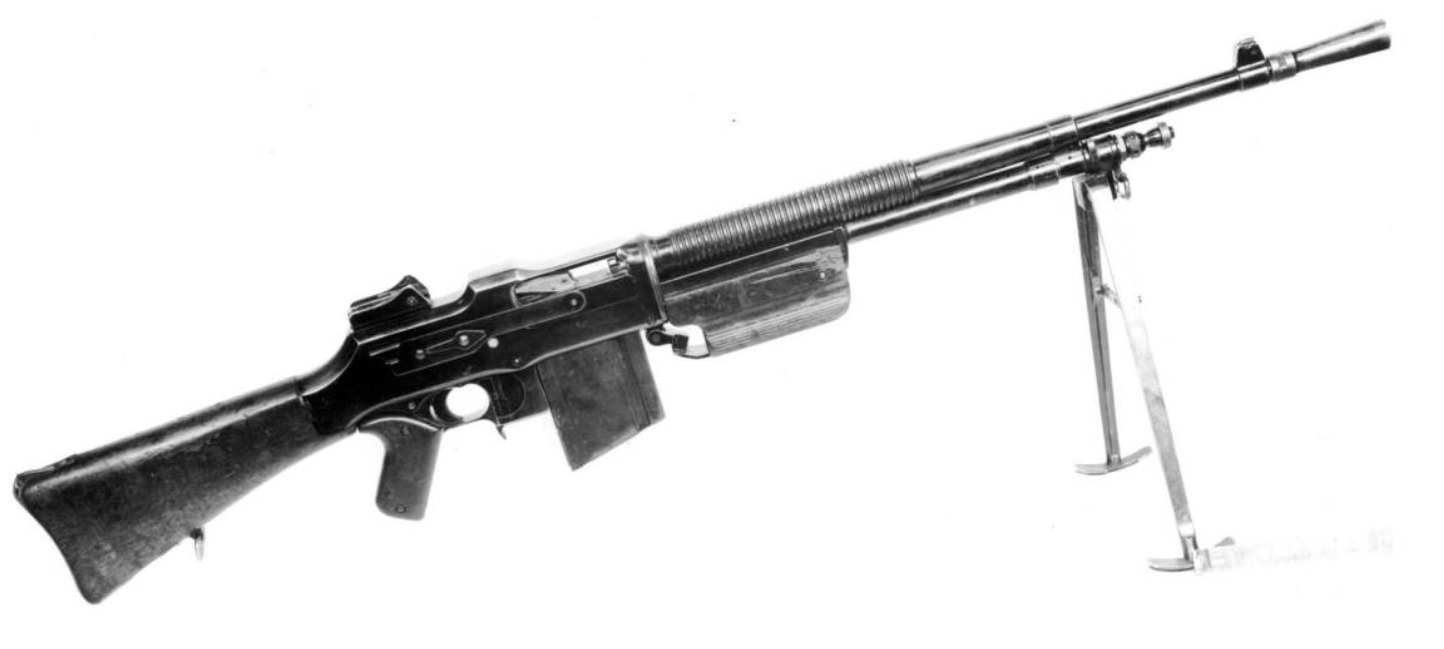
Introduced in 1932, the FN Modele D represented the pinnacle of this lineup’s development. Saive re-engineered the solid 1930 receiver on all fronts:
-
Front section was lengthened to house interrupted threads and a ratchet mechanism, enabling a quick-change barrel feature.
-
Lower section was widened, integrating the gas cylinder and handguard into a single sturdy unit.
-
Rear section adopted a rectangular shape, featuring a hinged buttstock housing an integrated buffer mechanism, secured by two transverse pins.
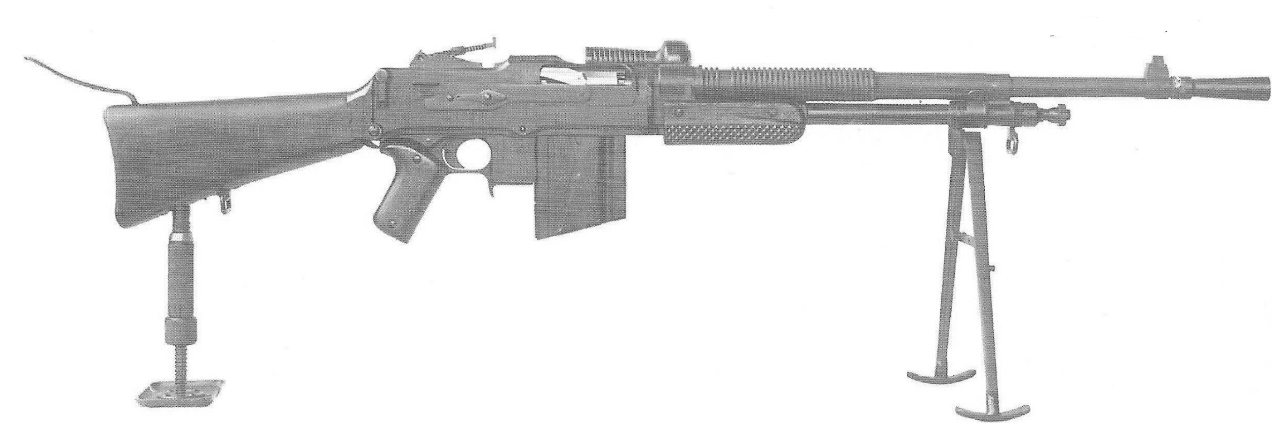
Although the overall weight increased to 9.2 kg, field stripping became infinitely easier thanks to the hinged buttstock layout.
Scale of Deliveries to China and Local Copies
During the 1930s, the National Government of the Republic of China in Nanjing was actively seeking modern automatic weapons to re-equip its infantry units. Dissatisfied with operating three different light machine gun systems simultaneously (including the ZB-26 and SIG KE7), the government turned its attention to the heavily modernized version of the American M1918 BAR produced by the Belgian firm Fabrique Nationale under the leadership of Dieudonné Saive.
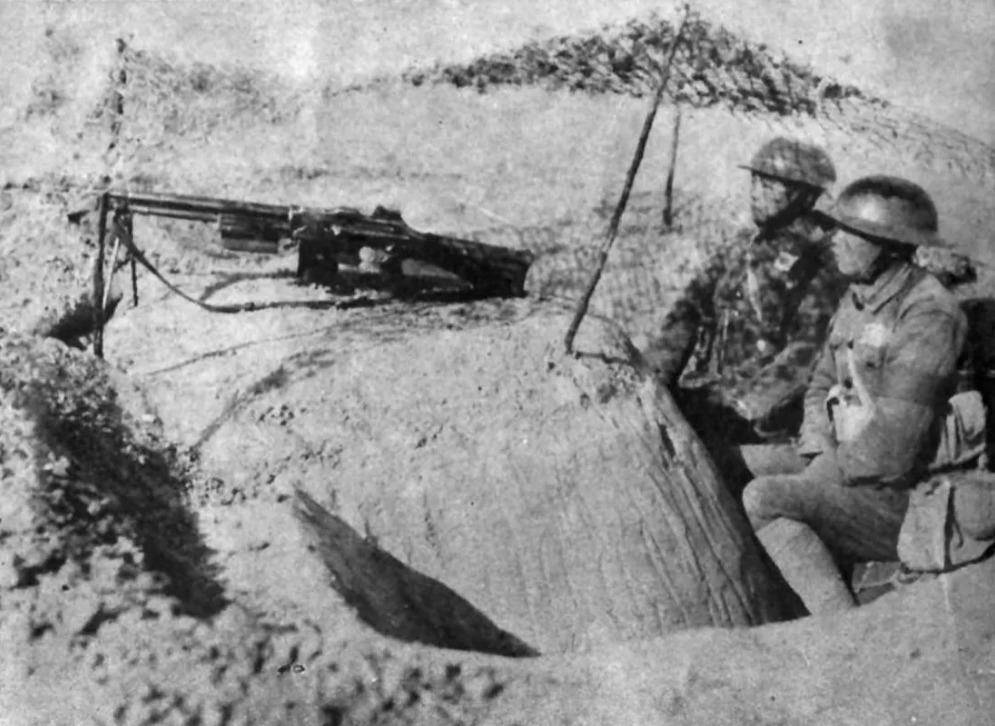
Procurements of the infantry variant of the FN Modele 30 chambered in German 7.92×57mm Mauser were carried out in waves and in massive quantities. An initial contract for 1,377 units was signed in the first half of 1933, and by the end of 1934, the total volume of purchased firearms reached 5,000 units, a portion of which was delivered through the Ministry of Finance. In June and December 1935, two additional orders for 500 units each followed, one of which was intended for the Guangzhou Opium Suppression Bureau. In total, by the start of Japan’s full-scale invasion in 1937, China had managed to import 9,148 FN Modele 30 machine guns.
Following the Marco Polo Bridge Incident, Chiang Kai-shek’s government ordered an additional 8,000 weapons. Despite the developing naval blockade, no fewer than 7,412 machine guns were successfully delivered to the country via the Burma Road by May 1939.
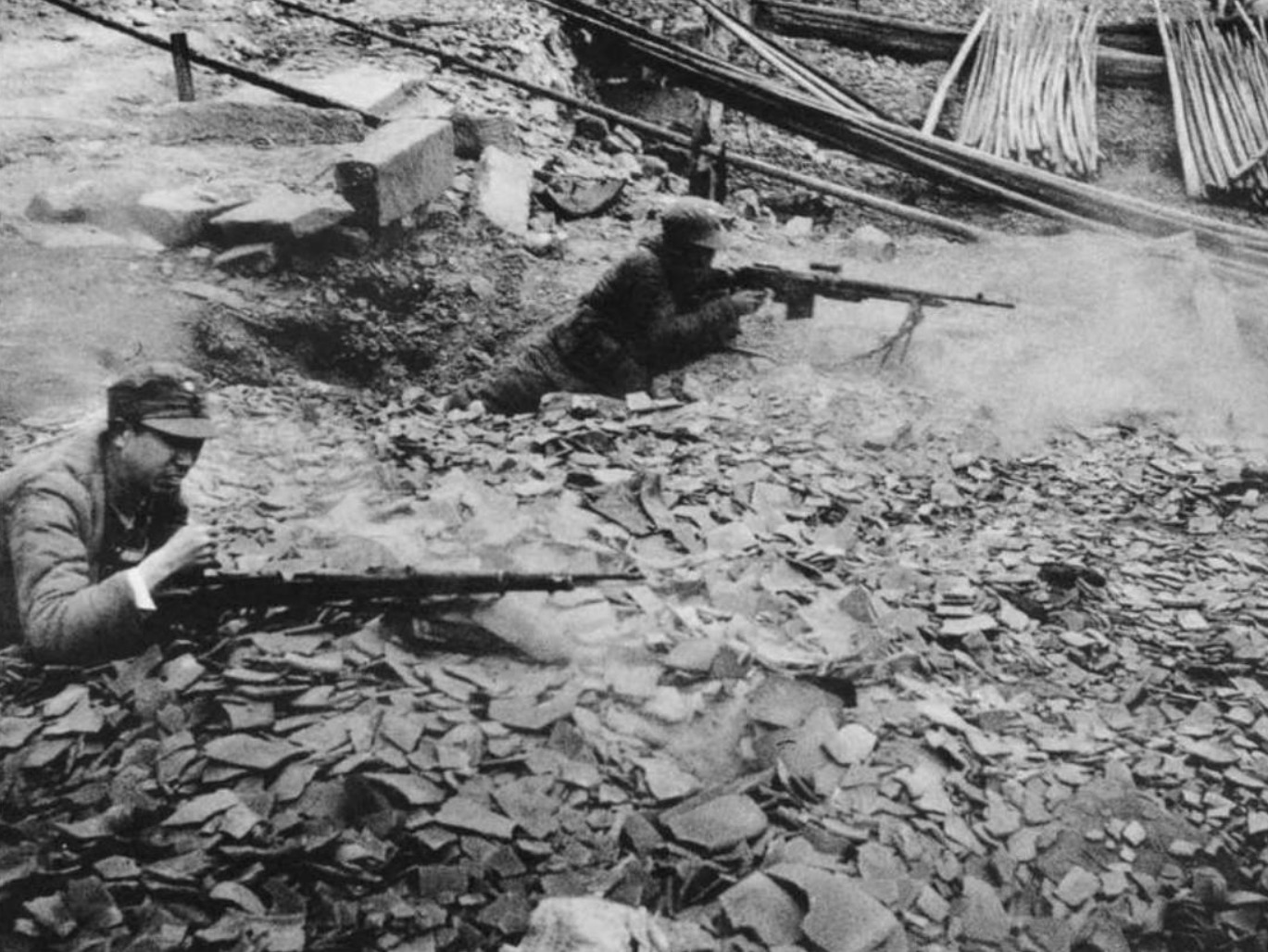
In parallel with the large-scale import of original FN products from Belgium, attempts were made within China to establish domestic production of the system. For instance, military repair workshops in Shaanxi province produced a batch of semi-craft copies of the FN Modele 30 prior to the war. Later, production of the Belgian BAR modification was undertaken by the Huaxing Plant in Sichuan province, manufacturing weapons for regional troops. The widespread adoption of the FN Modele 30 and FN Modele D among Kuomintang forces made these machine guns some of the most common and valuable war trophies for the Imperial Japanese Army and Navy in the Chinese Theater of Operations.
Japanese Service and Trophy Utilization Practice
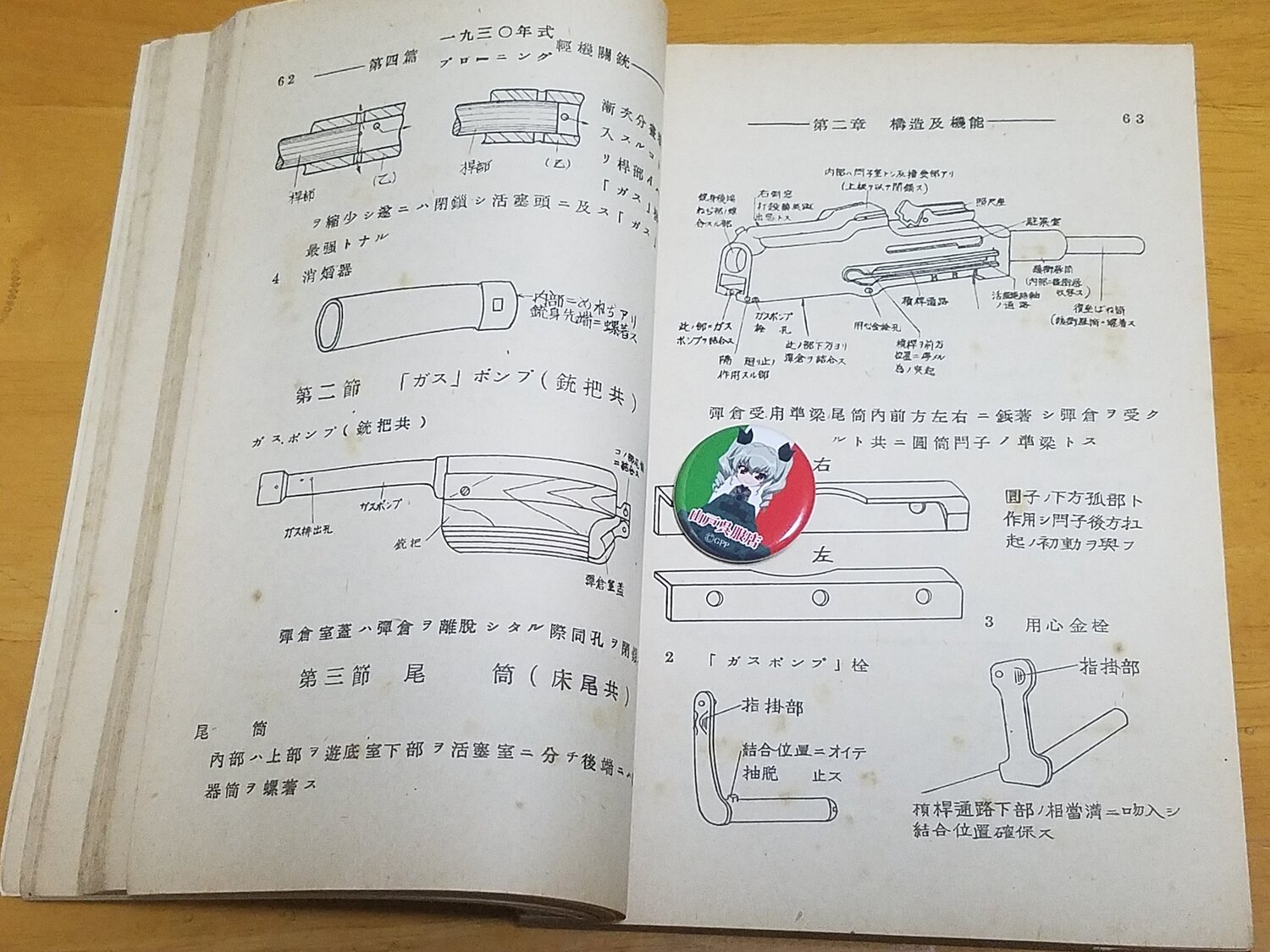
During combat operations in China, which intensified in 1937, significant stockpiles of Belgian Fabrique Nationale machine guns fell into the hands of the Imperial Japanese Army and Navy. The influx of captured weaponry was so substantial that Japanese command was forced to have its Ordnance Service rapidly systematize inventory logging and operational procedures. As early as March 1939, the Japanese Ministry of War issued an official technical manual titled “1919~1922年式ブローニング 軽機関銃説明書 昭14.3” (“Manual for Model 1919–1922 Browning Light Machine Guns, March 1939”), intended for training Japanese machine gun crews.
The capture and reuse of enemy weaponry by Japanese forces was far from haphazard. According to the “Field Service Regulations” (Sakusen Yomu-rei), all captured materiel (rokaku heiki) was strictly accounted for, with battlefield collection carried out by specialized battlefield clearance units (senjo sojo-han) under the oversight of divisional ordnance services. The most valuable and functional examples that presented technical interest or had an adequate ammunition supply were officially designated as “Quasi-Standard Armament” (Jun-seishiki Heiki). These were either issued to frontline units to bolster firepower or sent to rear research institutes and arsenals for further evaluation and modification.
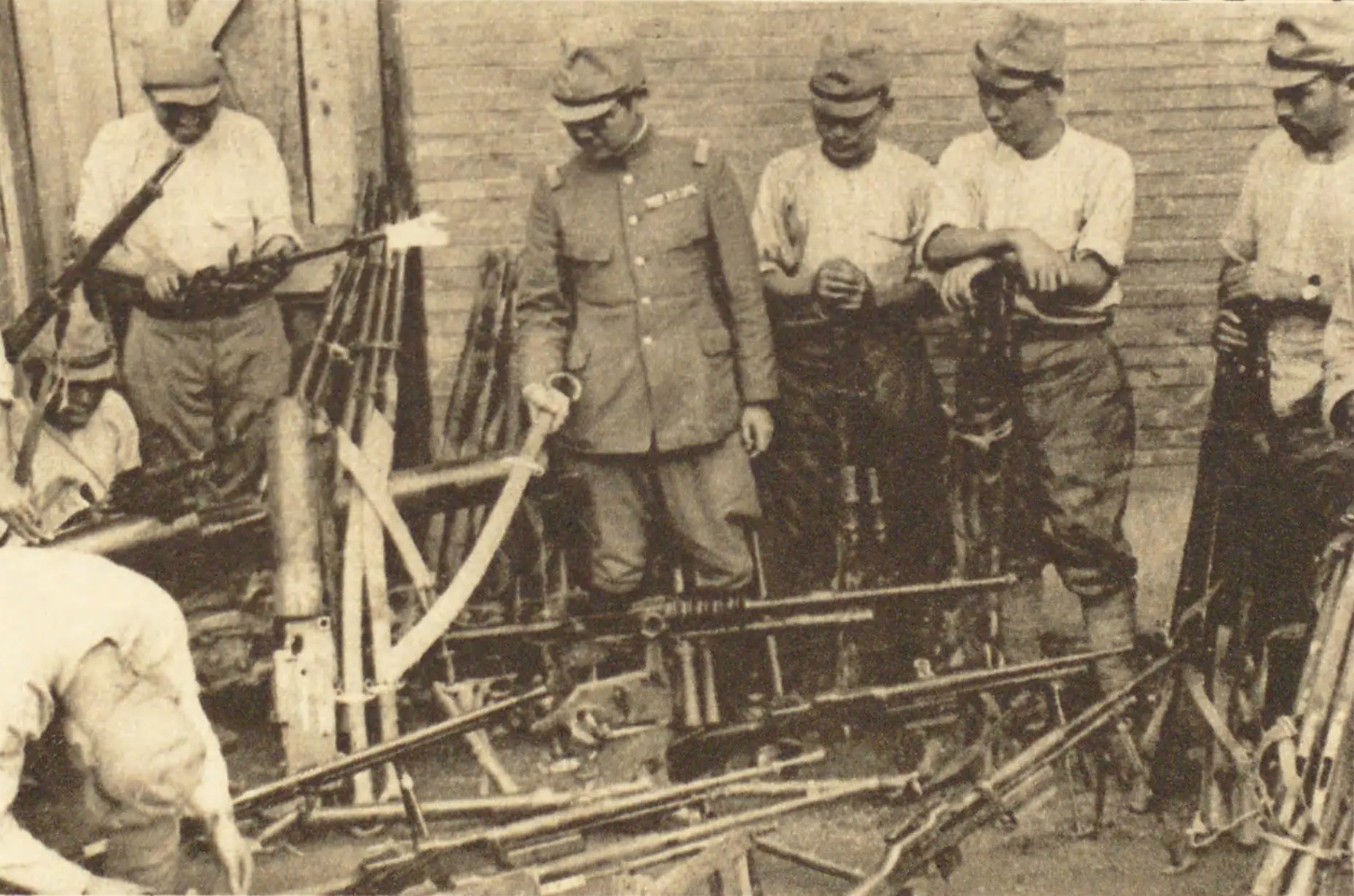
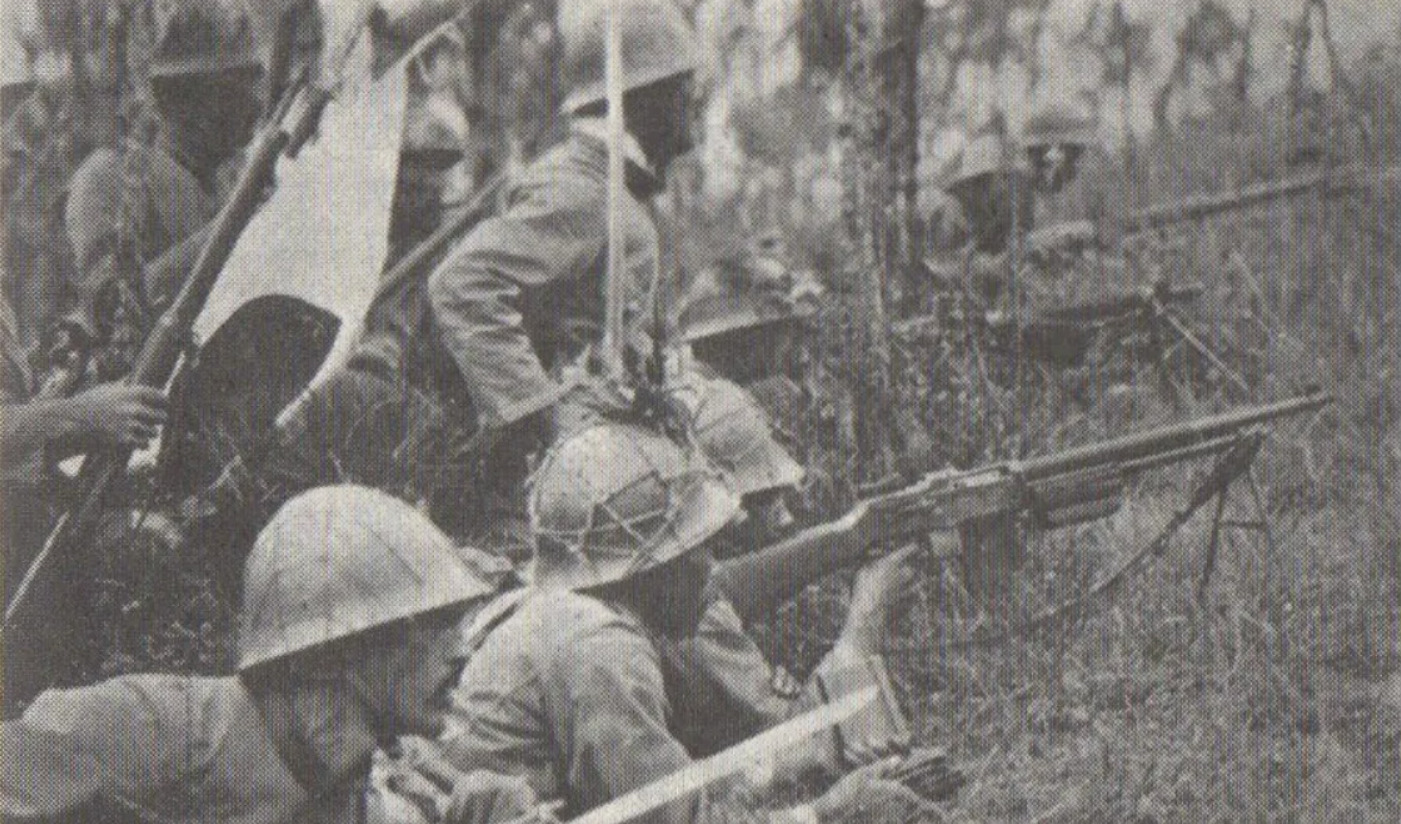
The operational deployment of Belgian BAR modifications by Japanese forces was not confined to mainland China. As the conflict escalated, these machine guns accompanied redeployed veteran units to the Pacific Theater. Evidence of captured FN rifles in action was even recorded in US intelligence summaries, such as the Handbook On Japanese Military Forces (1942):
It has been reported that the Japanese used a Belgian-made automatic rifle in the Philippines which is fundamentally identical in design and mechanism to the Browning Automatic Rifle. A captured sample examined was a .30-caliber (7.7-mm) weapon with a 21-inch barrel. Weight was 20 1/4 pounds (approx. 9.2 kg). The sight was graduated to 1,600 yards. The weapon is equipped with a hinged butt plate and bipod. It is not known to what extent this weapon has been issued. It bears the following identification markings: “Fabrique National d’Armes de Guerre Herstal, Belgique Browning Patented 1932”
The reference to a 7.7mm caliber in the American report is most likely an error, with the actual caliber being 7.92mm. The presence of the “1932” rollmark and a weight of 9.2 kg points directly to Japanese forces utilizing the most advanced variant—the FN Modele D.
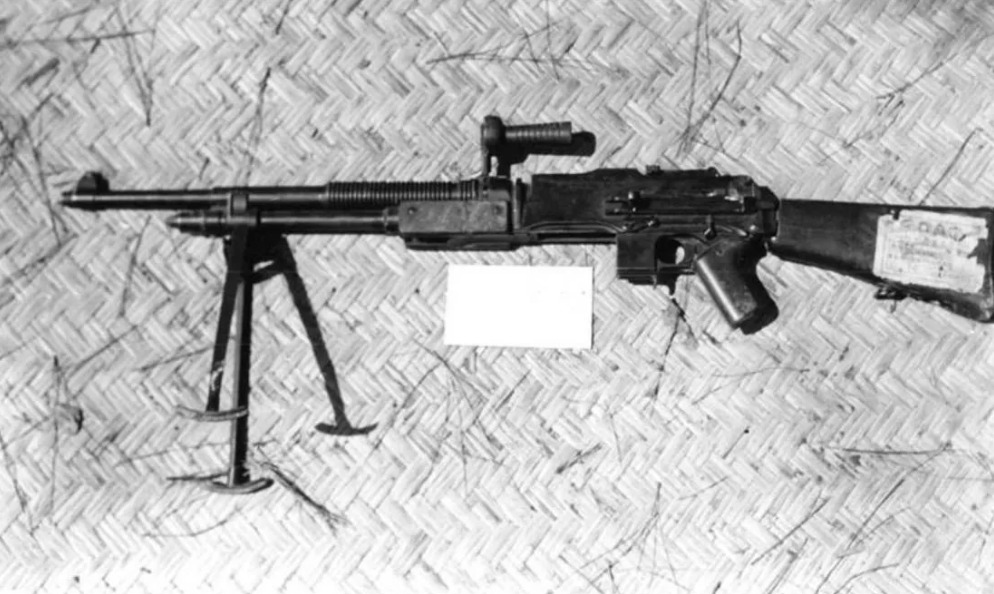
6.5mm Naval Modification of the FN Modele 30
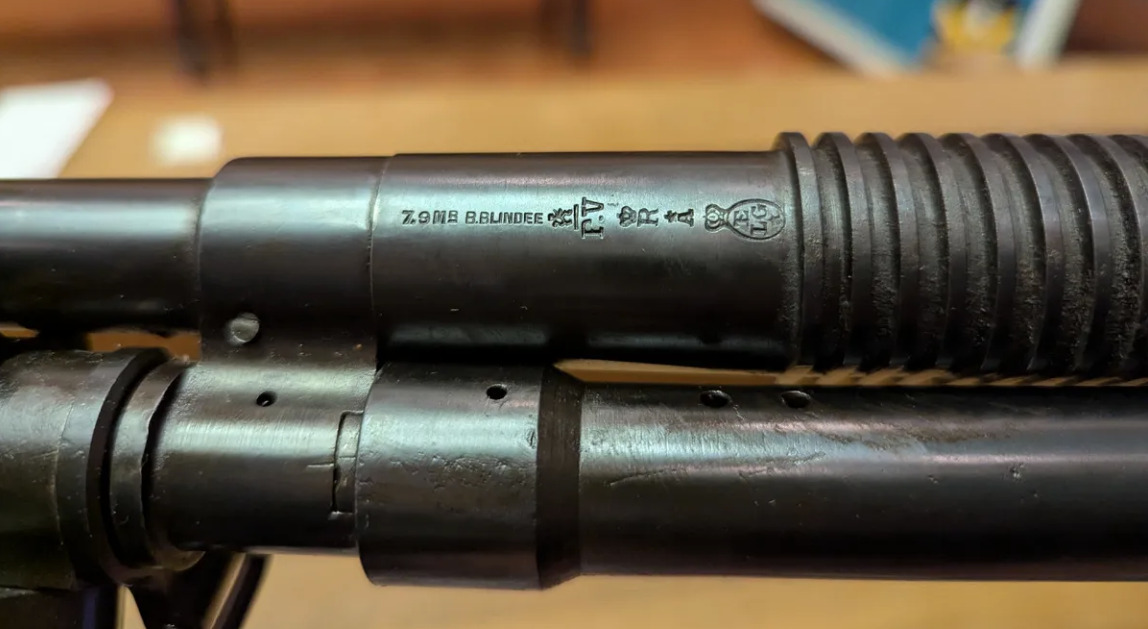
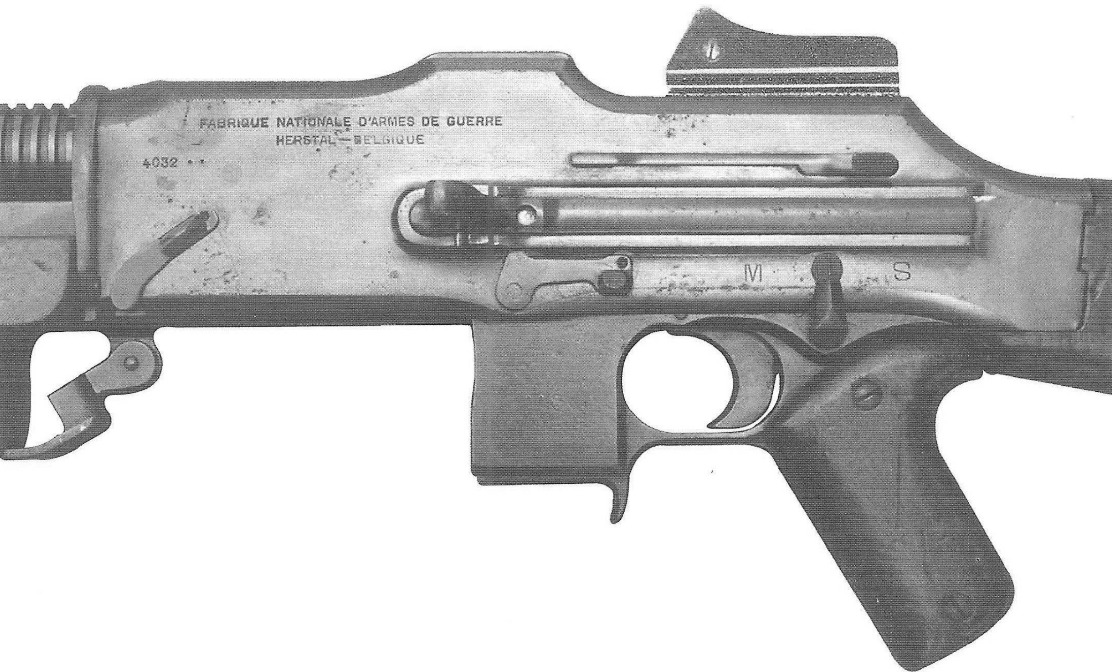
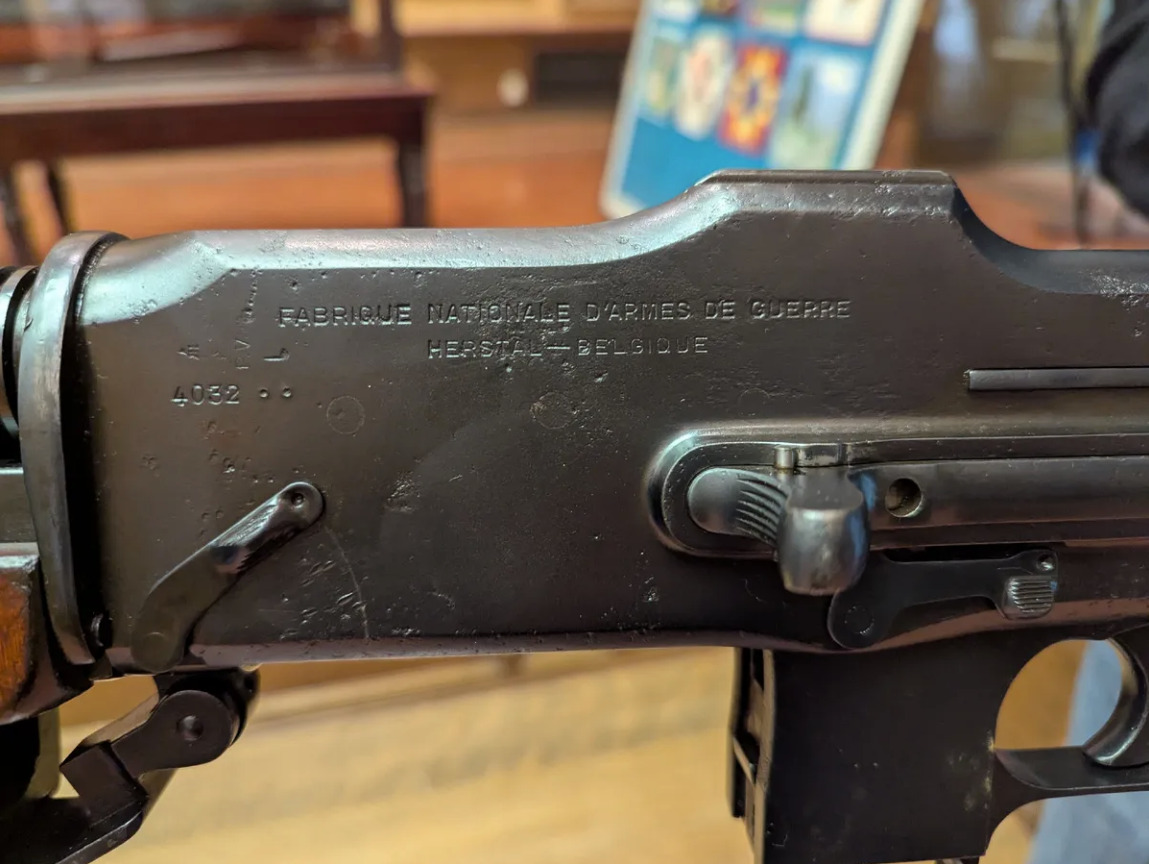
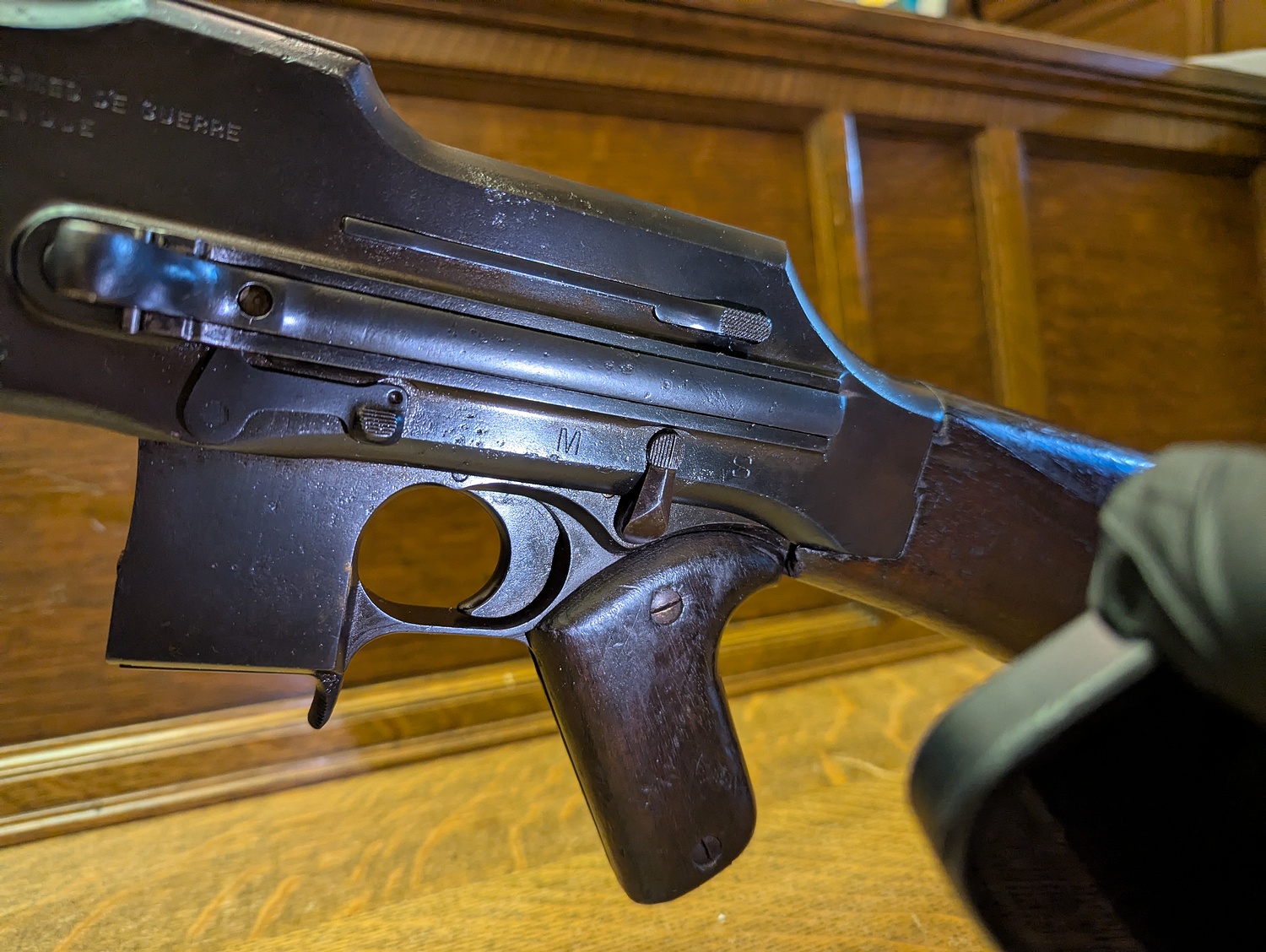
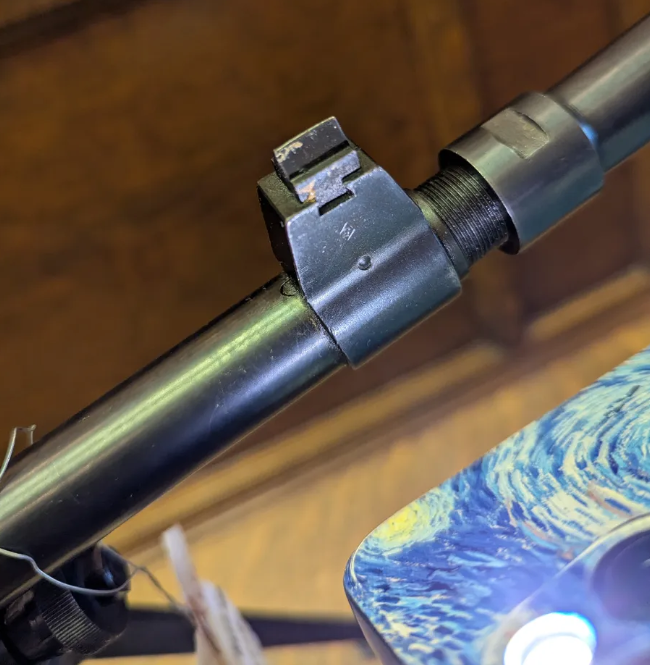
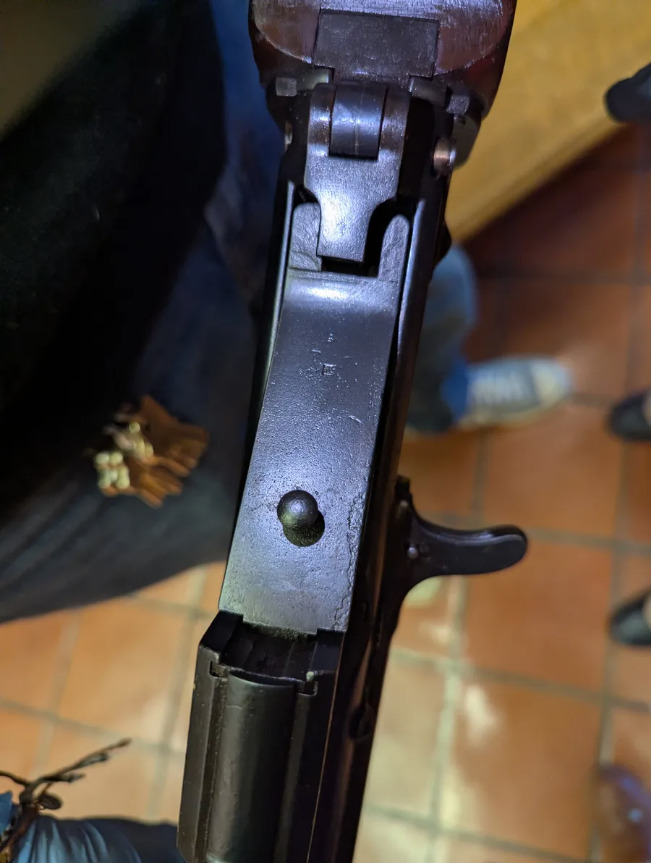
The most remarkable chapter in the operational history of Belgian machine guns in Japan was the arsenal conversion of captured FN Modele 30s to the standard Japanese 6.5×50mm SR Arisaka cartridge. For a long time in Western historiography—including the display at an American museum—this specimen was incorrectly considered a “rare Belgian special order for Japan.” However, a detailed analysis of the surviving example from the Museum of Connecticut History (Serial Number 4032) completely refutes this theory, confirming a domestic arsenal modification carried out directly in Japanese naval facilities.
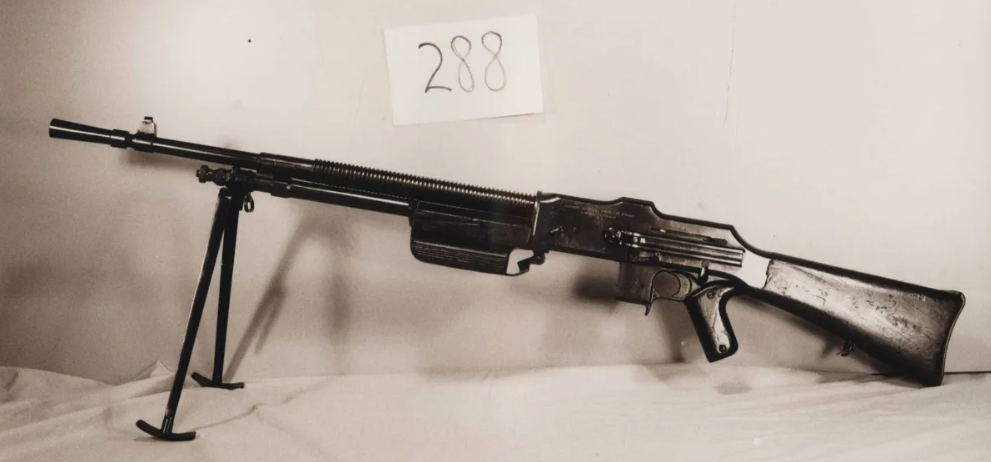
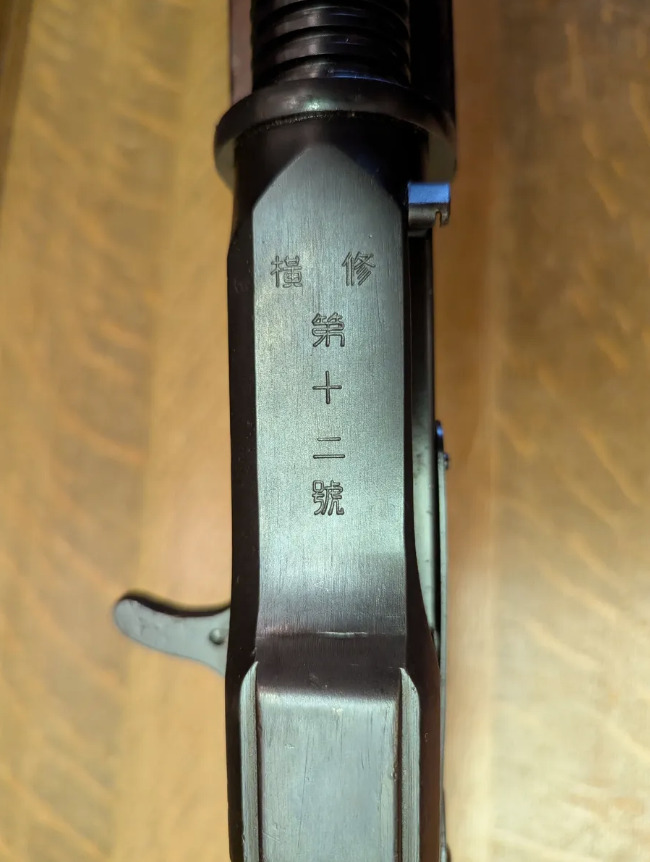
The primary proof of Japanese involvement lies in the set of markings stamped on the receiver. On the left side of the weapon, next to the Belgian serial number, are stamped the kanji “横” (Yoko / Yokosuka), the kanji “修” (Shū — repair/modification), and the internal inventory number “第十二號” (No. 12). The combination of these markings directly indicates that the machine gun underwent official modification at the Yokosuka Naval Arsenal (Yokosuka Kaigun Kōshō).
The utilization of naval arsenal capacities is logical. The Imperial Japanese Navy’s Special Naval Landing Forces (SNLF) and island garrisons were supplied on a low-priority basis compared to the Imperial Japanese Army and suffered from a constant shortage of automatic weapons. Having captured hundreds of Chinese FN Modele 30s chambered in 7.92×57mm Mauser, the Navy could not afford the luxury of establishing a separate logistical supply chain for foreign ammunition. Thus, it adopted the logical solution: converting the captured weapons to its standard 6.5×50mm SR rifle and machine gun cartridge.

Furthermore, in August 1937, the Shanghai Special Naval Landing Force (comprising only 4,000–5,000 personnel) found itself surrounded by overwhelming Chinese forces in the city center. Chiang Kai-shek deployed his elite “German-trained” 87th and 88th Divisions against them, equipped with top-tier European weaponry—including fresh shipments of FN Modele 30 machine guns. It was during these intense battles that a significant quantity of captured Belgian firearms likely fell into Japanese naval hands.
From an engineering standpoint, re-barreling the Belgian machine gun to the Japanese cartridge required Yokosuka engineers to rework the gas operating system and action components. The original Belgian 7.92mm barrel was removed and replaced with a new 6.5mm barrel. In the process, Japanese armorers had to shorten the gas cylinder tube bracket.
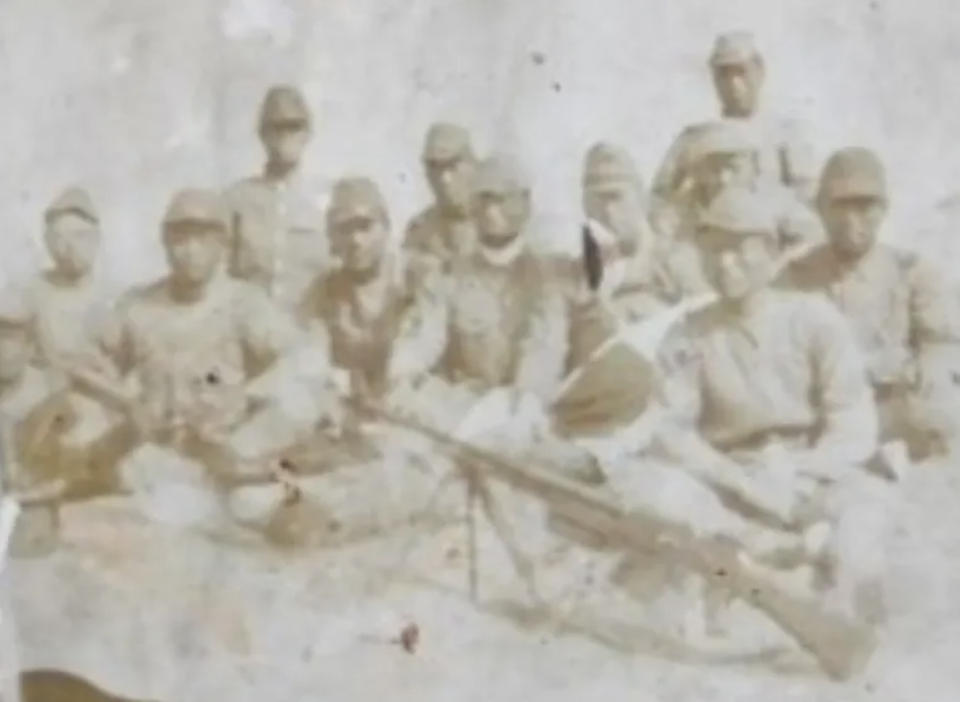
Additionally, the physical characteristics of the 6.5×50mm SR Arisaka cartridge—specifically its reduced rim diameter and semi-rimmed case design—presented challenges. To ensure reliable feeding and extraction, Yokosuka armorers likely modified the bolt face and extractor, though it remains unclear whether specialized magazines accommodating the taper of the 6.5mm round were produced. In historical photographs, Japanese soldiers can be seen carrying Belgian machine guns with both curved sector magazines and original straight box magazines.
The result was a highly effective, ergonomic, and reliable light machine gun that combined Dieudonné Saive’s refined Belgian design with readily available Japanese ammunition.
“lMG 127 (b)” in German Service
The Belgian government adopted the FN Modele 30 chambered in 7.65×53mm for service across all branches of the Belgian Armed Forces in the “Metropolis and Colonies.” According to FN archival correspondence and other primary sources, production of the FN Modele 30 for the Belgian government continued from 1930 through 1940.
Details regarding specific delivery batches (including royalty payments to Colt’s at an agreed rate of $15 per weapon) were as follows:
| Date | Quantity (Units) |
|---|---|
| September 8, 1931 | 2,500 |
| November 24, 1931 | 2,000 |
| December 11, 1931 | 1,000 |
| December 30, 1931 | 500 |
| June 22, 1933 | 126 |
Following the occupation of Belgium in May 1940, German forces captured Belgian military arsenals, including stockpiles of FN Modele 30 machine guns. The captured weapons were registered by the Wehrmacht and issued to occupation and rear-security units. In the German captured equipment catalog Kennblätter fremden Geräts No. 127, the Belgian machine gun was officially designated as “7,65mm leichtes Maschinengewehr 127 (b) (belgien)”. Such specification sheets were issued by the Wehrmacht for all cataloged captured foreign arms.
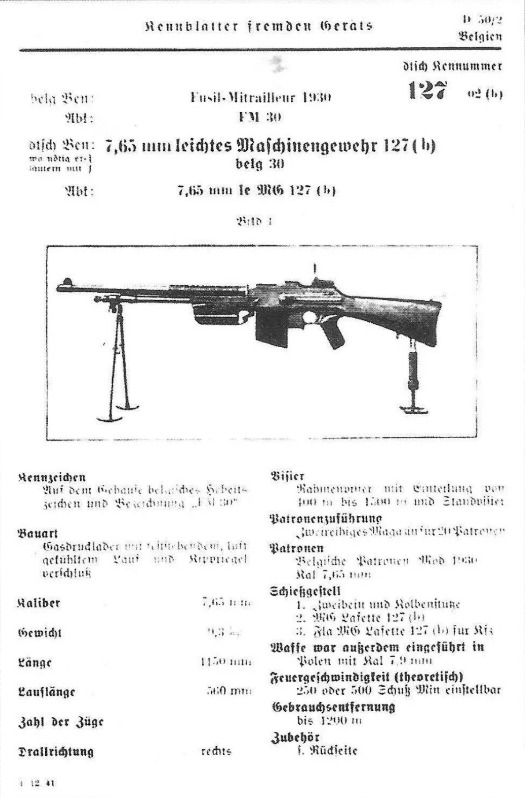
Specifications
| Specification | Value |
|---|---|
| Caliber | 7.65mm / 7.92mm / 6.5mm |
| Weight (loaded) | 9.3 kg |
| Overall Length | 1,150 mm |
| Barrel Length | 560 mm |
| Feed System | 20-round detachable double-column box magazine |
| Rate of Fire | Adjustable, 350 or 600 rounds per minute |
Additional Photographs
Photographs
Video
Note
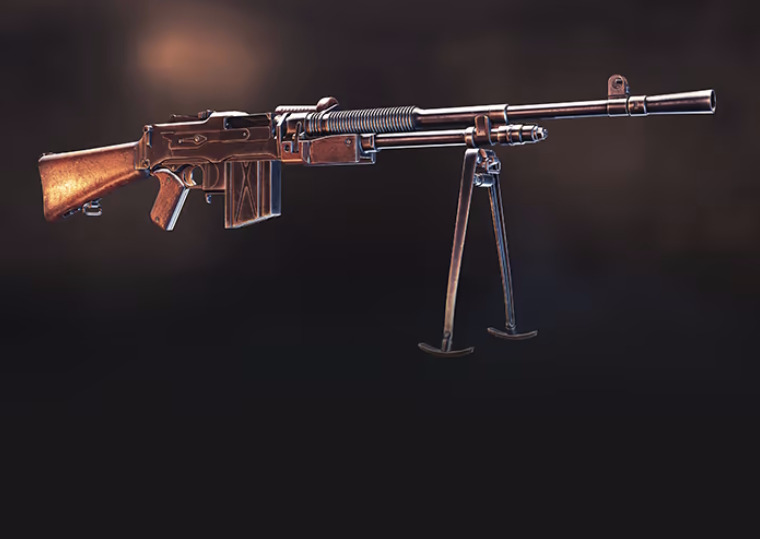
The machine gun currently featured in-game is the FN Model D.
Polls
- 7.92mm FN Modele 30 for Japan
- 6.5mm FN Modele 30 for Japan
- 7.65mm FN Modele 30 for Germany
- Nothing
- Tech Tree
- Event — Standalone Weapon
- Event — Squad Weapon
- Battle Pass
- Premium Squad
Sources
Sources
-
Book: Rock in a Hard Place: The Browning Automatic Rifle.
-
Book: 抗战机密档:中日军队轻武器史料.
-
Museum of Connecticut History.
 THANK YOU FOR YOUR ATTENTION

