Hello bajtársak and fellow forumdwellers,
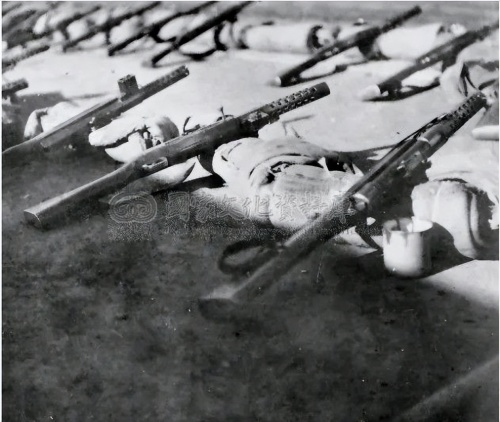
The SIG1920 was imported to China in the mid-1920s and its popularity quickly skyrocketed. In a time when cold weapons (swords, spears, bayonets) were still actively used in warfare and machine guns were few and expensive, submachine guns offered unprecedented advantages.
In a few years every arsenal, factory and workshop capable of expanding production started making copies of the SIG1920.
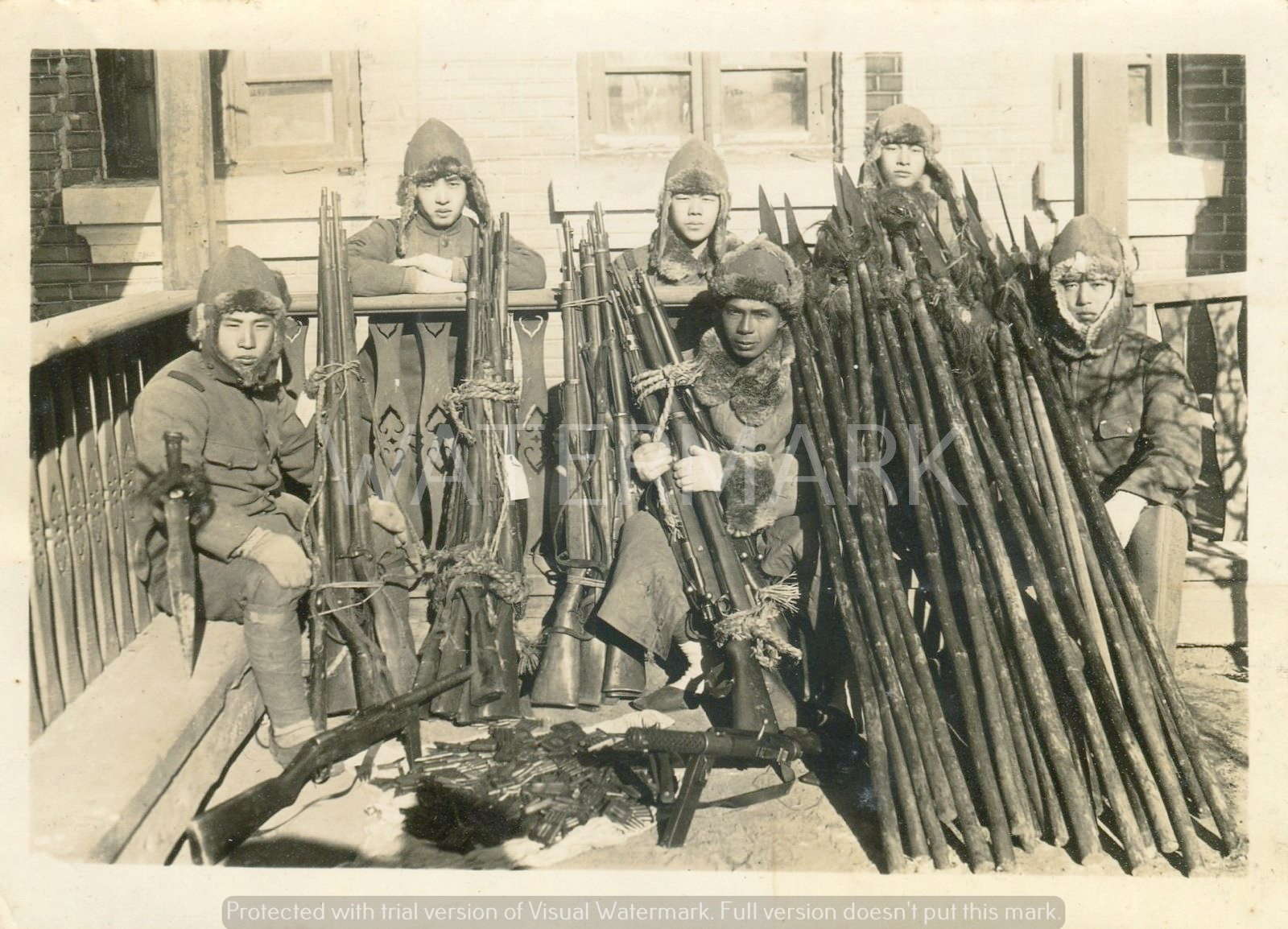
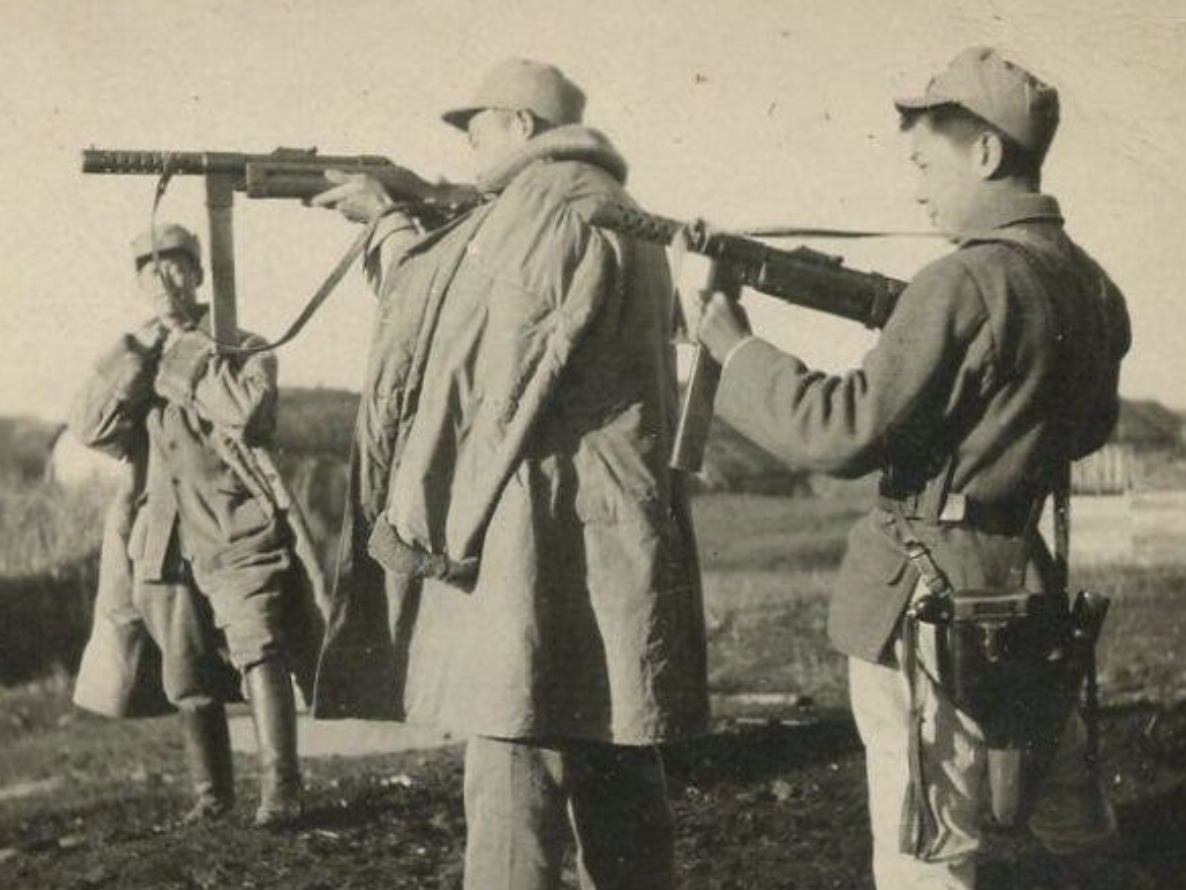
Japanese security troops posing with captured weapons, including two flowermouth guns, countless spears, rifles and very little ammo for so many guns
The approximately 1300 original submachine guns quickly got outnumbered by the nearly endless number of unlicensed Chinese clones. Copies chambered in 7.63x25 mauser were made at Shenyang, Beiyang and Hanyang. The Gongxian arsenal produced SIG clones with select fire capability.
About 6000 SIG clones with select fire capability were also made in 7.65x21 parabellum, documents do not specify where these were made, but Jingling and Shanghai arsenals were producing pistols in 7.65 parabellum so they are the most likely the source of these guns.
Most interestingly Tsingtao and Taku arsenals produced SIG submachine guns with the magazine well being moved from the left side of the gun to the bottom.
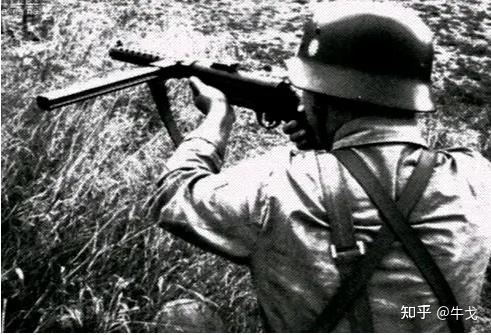
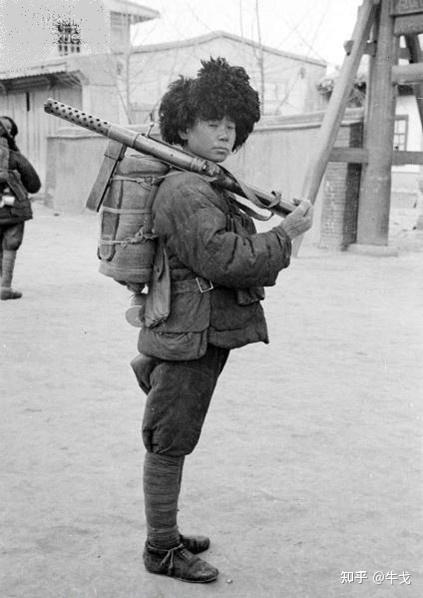
All of these guns were collectively nicknamed “flowermouth” or “flower organ” guns. Technically they were usually designated as manportable machine guns or very light machine guns as there was no widely accepted term for submachine gun yet in China.
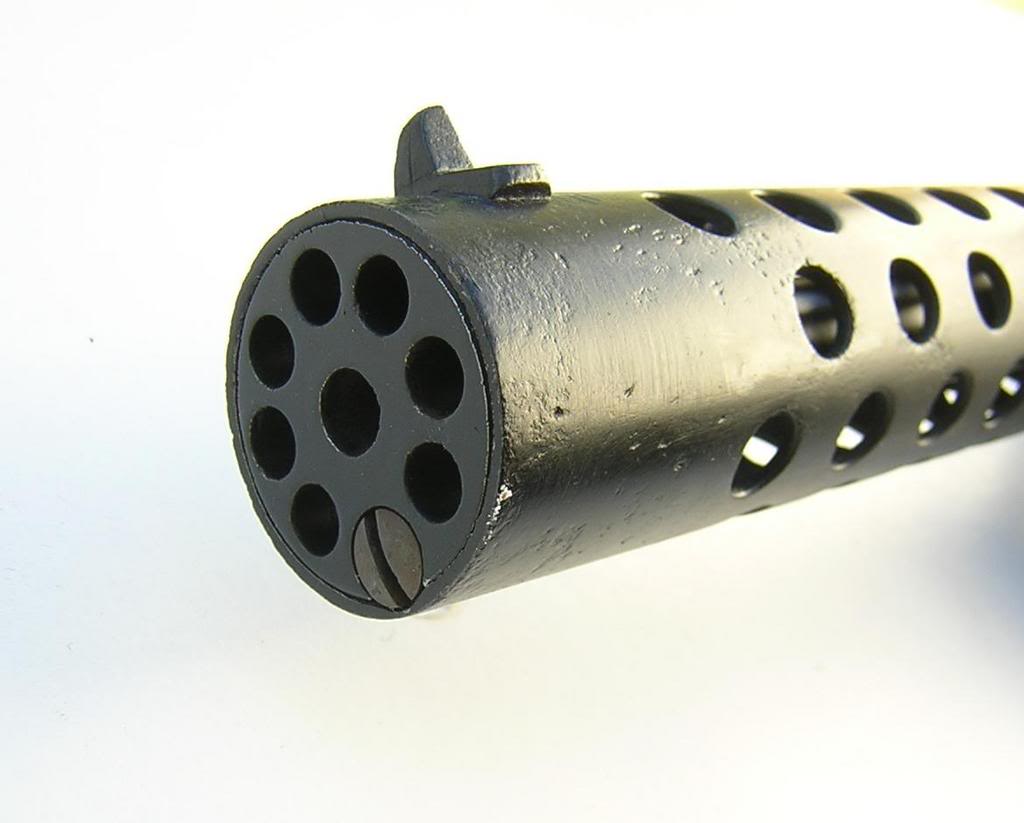
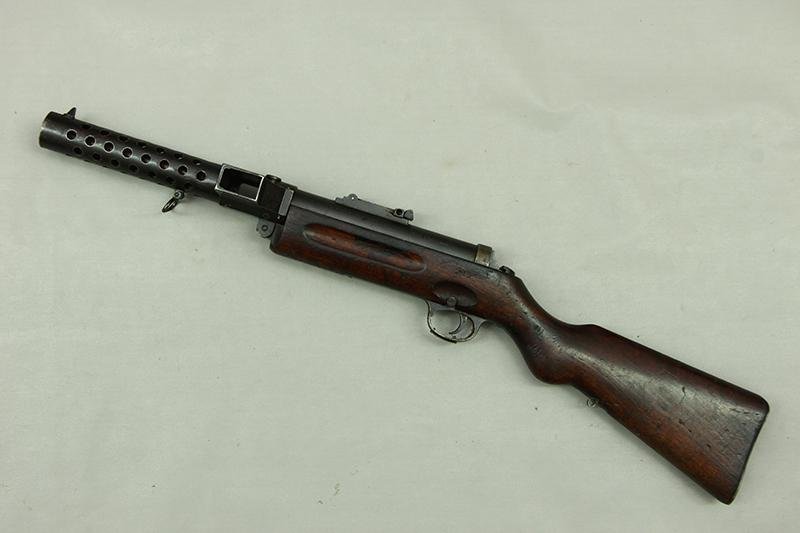
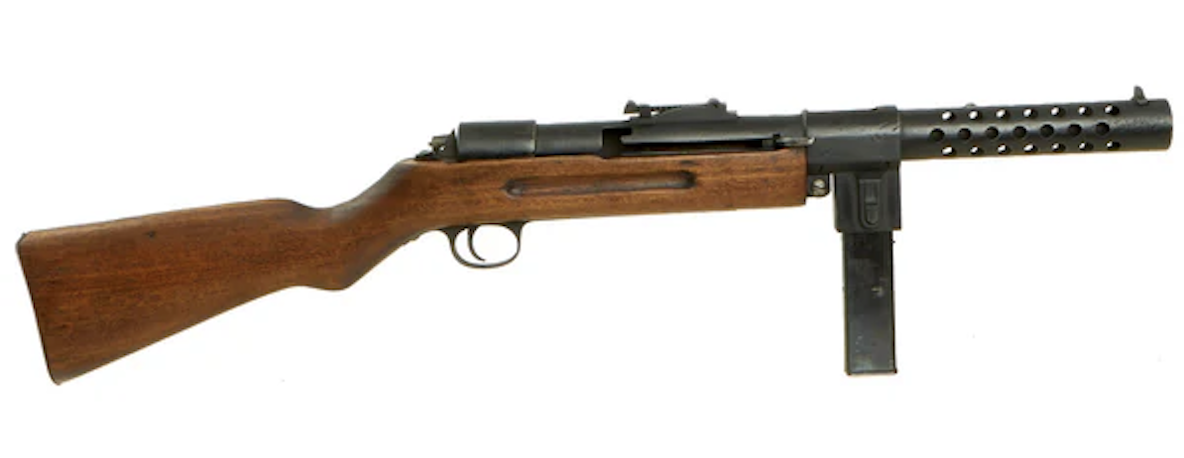
front of a SIG1920, though it probably isn’t our first thought anymore, the air cooling holes are indeed reminiscent of petals of a flower.
These guns are often mistaken for MP18 and MP28 copies even though they are obviously based on the SIG1920. The source of this is SIG submachine´s rarity, the original German gun is significantly more famous than its Swiss little brother.
Though it is worth noting that some features were indeed copied from MP28 by some arsenals, but the base of the flowermouths always remained the SIG1920.
The design of the SIG1920 had a comparatively high tolerance of machining mistakes and good reliability that made it ideal for mass-production in China. Still, it is commonly agreed on that the quality of the Chinese made guns were nowhere near the Swiss manufacturing standards.
Total production figures are simply unknown as there is no comprehensive documentation, however it is estimated that tens of thousands were made. That is multiple times more than SIG had produced (~little more than 5000).
Production of the Flowermouths continued until the Second Sino-Japanese war. By the early 40s all arsenals had abandoned production, though it is likely that repair workshops kept making spare parts for them as they remained in use up until the 50s.
These submachine guns were used by
Warlords
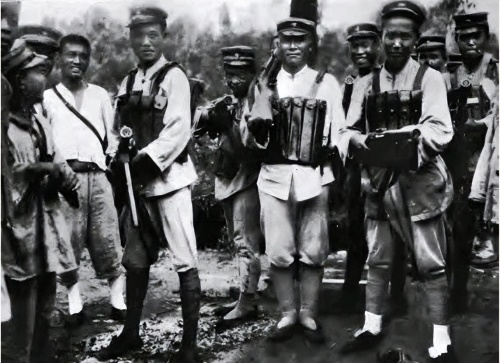
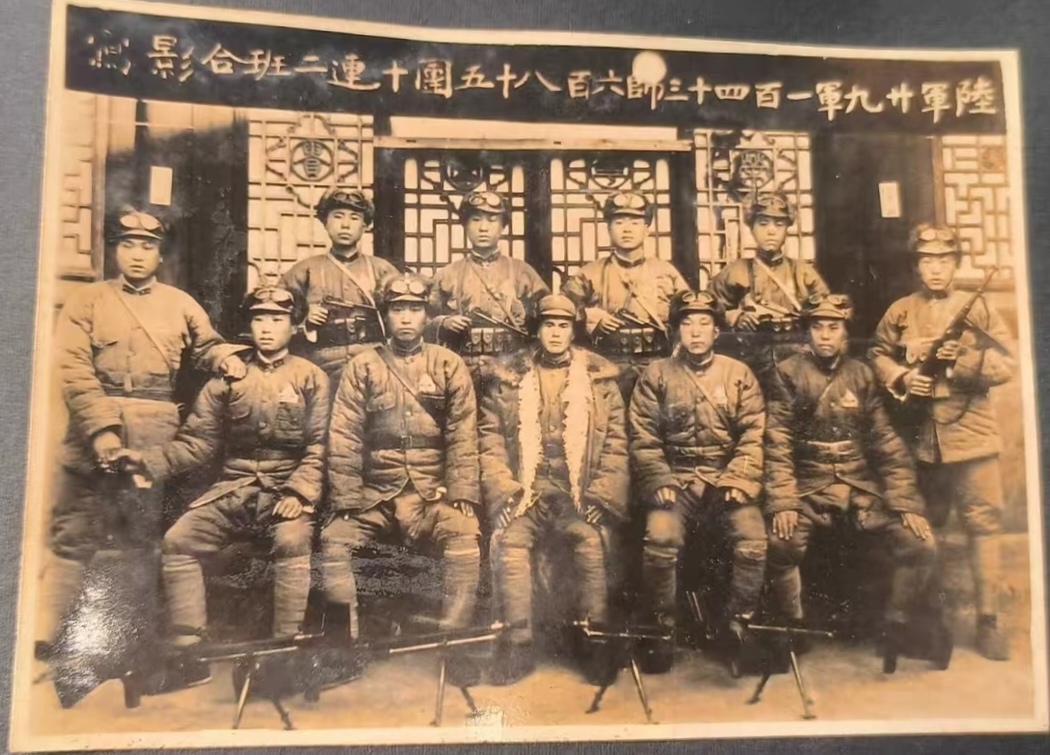
The Republic of China
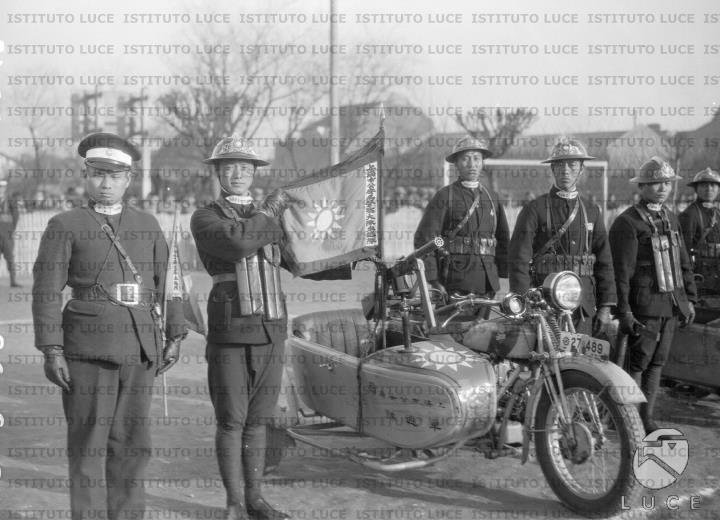
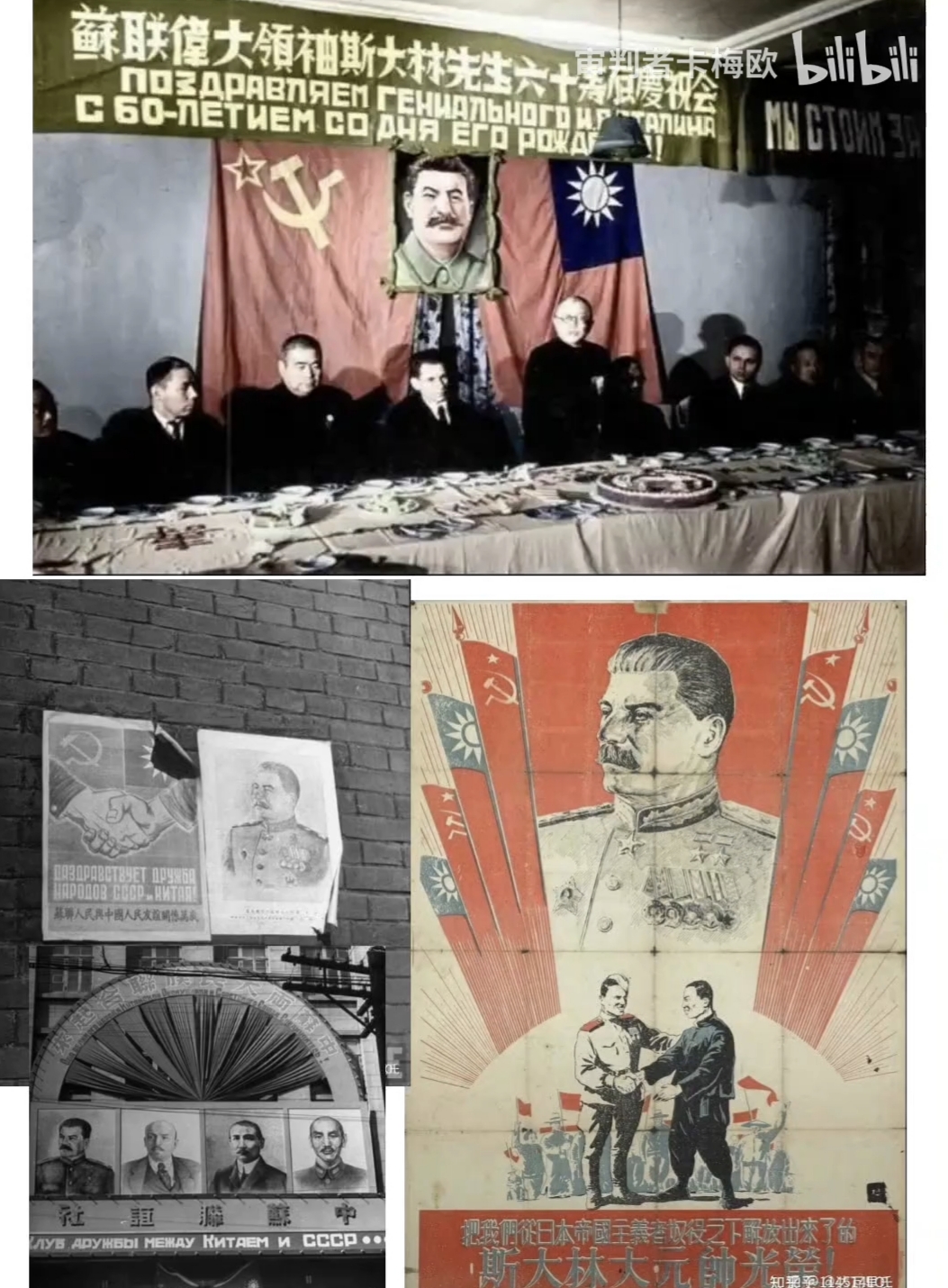
Shanghai police in 1932
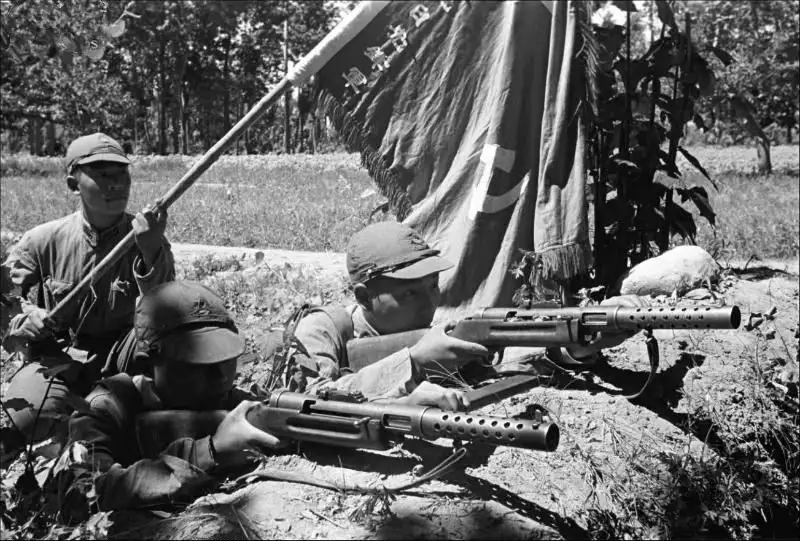
People’s Liberation Army
As far as Im aware, Communists did not produce their own and relied on a small number of captured flowermouths.
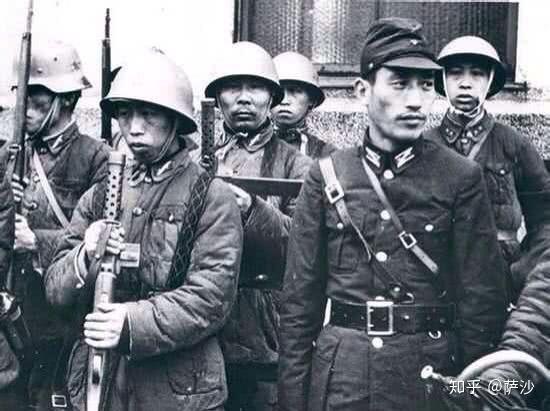
Japanese Empire, including its puppet troops
Though Japan had purchased a batch of SIG submachine guns, they were always chronically short on submachine guns and captured flowermouths were highly sought after trophy guns. Japan had captured thousands of them.
Finally, lets take a look at the 7.63x25 Mauser SIG magazines that were available.
50 rounds and 40 rounds magazines
The most common was the 50 round magazine which was the original SIG design and all European made SMGs arrived with such magazines.
40 round magazines have also existed however they have the exact same external appearance as the 50 round magazines and are overall very similar too, but they are intended only for 40 rounds to improve their reliability. It is not clear why this was sometimes necessary, perhaps it’s due to inferior production quality.
30 round magazines
20 round magazines
security troops were quite fond of 20 round magazines, since they were significantly lighter than 50 round magazines.
These magazines follow the same SIG pattern as SIG1920 and SIG1930 magazines, thus the 40, 30 and 20 round magazines can also be loaded into 7.63 mauser SIG1920 and SIG1930 guns.
Source
My primary source is China’s Small Arms of The 2nd Sino-Japanese War by B. Shih
However, I have collected lots of smaller info on sites, not all of which I have managed to retrace as I have been researching for over a year now.
https://zhuanlan.zhihu.com/p/56239859
https://zhuanlan.zhihu.com/p/458139392
 , but I get what you mean. Though I wouldn’t rule out the possibility of the MP 18 or MP 28 making their way to China.