Siamese SMLE III

Agreed. It’s just so often in this game it hasnt. Particularly when, like this instance, there are lots of new content we’d like to see in game and the devs are like NOPE copy paste for no good reason.

Worse of course is when they give tech to other factions except the faction that actually used it (eg There is literally an anti-Western Allies bias in Enlisted)

There is actually some reason behind this, and it’s mostly to do with two factors.


Frist one, is that large capacity magazines are often unwieldy, cumbersome, expensive to make, and unreliable, the same problems as regular magazines at the time just way worse. Also, magazines were often very finely machined, with way sticter production tolerances than the rifles themselves, and even then each magazine was often fitted to individual guns and the interchangeability of magazines was not a guarantee between the same pattern of guns. What’s more, it’s harder to shoot prone or from a trench parapet with a long box sticking out from under the gun.

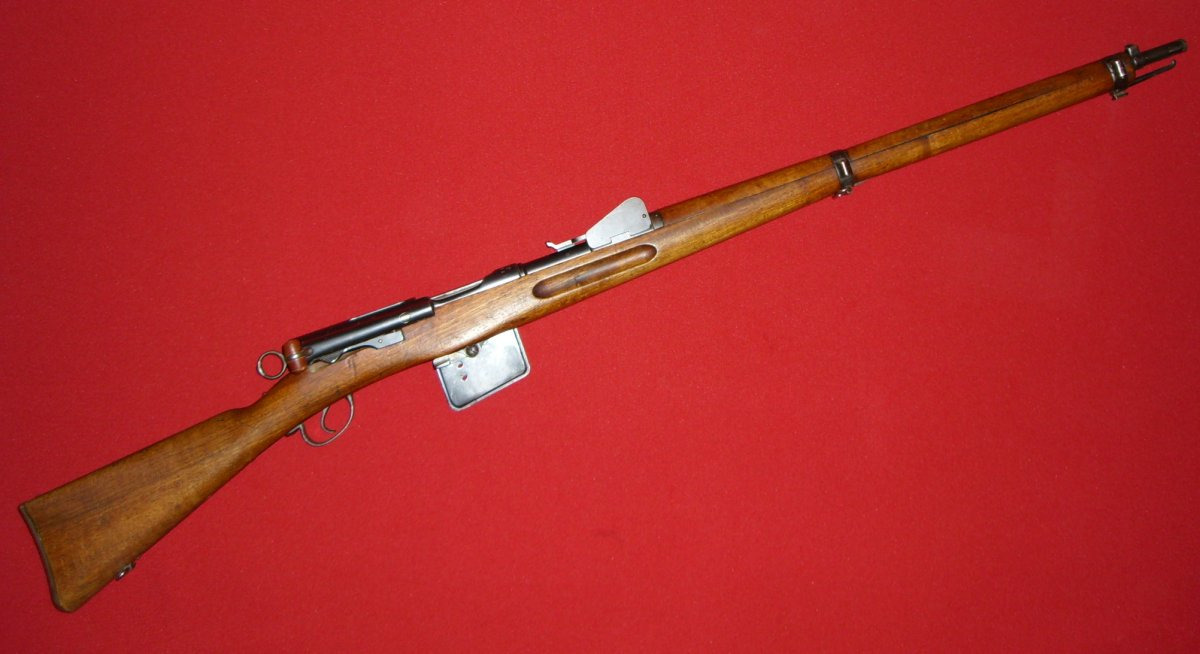
Best example of the issues of large capacity magazines in service is the Swiss Army Scmidt-Rubin rifle, who during peace time adopted a 12 round magazine to replace the 6-round one, but quickly realized that this actually made the rifle allround less practical and easy to shoot, and with all previous reasons too they decided to remove them from service before WW1 even began.


They tried it, didn’t like it, and went back to their original 6-round magazines.


Second reason, the double-stack double-feed design of the James Paris Lee 10-round magazine was unparalleded until WW2 in terms of making a practical, compact, reliable and non-too expensive detatchable box magazine for a service rifle. The man is often credited (for good reason) for inventing the detatchable box magazine in the first place (or, at least, the guy who made the first practical design) in the late 1870s, this magazine contained only 5-round and he was slowly refining it over the decades, leading to a 8-round single stack Lee-Metford magazine, which then was widened to allow the 10 magazine we’re familiar in WW1 and 2 contexts.

Until… What, the SVT on the eve of WW2, practical detatchable box magazine for rifles were just not a reality outside of the Lee design, and by the time technology had improved to allow alternate designs to begin competing, the world was already moving on to semi-auto rifles. There was, quite frankly, no need to revolutionize bolt-action rifles, when it made much more sense to just go over to the next newest thing in the civilization tech tree.


Detatchable magazines for bolt-action rifles also are not as big a advantage as some people make them out to be…

If they were, other nations would have scrambed to adopt rifles similar to the Lee-Enfield (or, at least, adapt their own designs to allow magazines), but apart from notable exceptions that prove the rule (the Swiss, for example), that doesn’t appear to have been the case.

And, the British wouldn’t have been trying to replace their Mk III rifles with a .270 cartridge Mauser style rifle before WW1 either, if it was so damn effective. This is what the P14 was meant to be, before WW1 forced the Brits to abandon the new cartridge idea entierly, and set up production of the half-way finished replacement design prematurely inside of the US.

1 Like

I don’t want to be the “umm aktually” guy, but the 12 round magazine actually was the original standard configuration for the Swiss service rifle. The 6 round magazines were originally for the carbines before being adopted for the regular rifles as well in an attempt to lighten the gun.

But regardless your general point about detachable magazines as the standard method of reloading rifles not really being practical until later is generally correct. Detachable magazines only become noticably faster to reload than stripper clips (at least for good stripper clip setups, stares at the Mosin) when the magazine becomes large enough that you need to use multiple clips to fill it. Even the British basically immediately gave up their original idea of each Lee-Enfield coming with an extra spare magazine and that did require multiple clips to fill.

As a side note, in hindsight the whole Pattern 1913 project was kind of a mistake and a result of taking the wrong lessons from the Second Boer War. The most important actual lessons from the war were:

  1. give your rifles some kind of packet loading system like stripper clips
  2. make sure the rifles’ sights were actually set up right at the factory

The Mark III SMLE solved both of these issues.

1 Like

Fair enough, I was writing from memory, I got the order mixed up.

Still proves my general point, just with extra steps. :smile:

Everything is easy to see with hindsight, naturally.

Main point was of course that no one at the time held the Lee magazine to be a military marvel and must-have, considering that no (bairly) one switched to them, and the Brits themselves were actively considering switching away from them.

Yea if I had to guess the detachable magazine setup would probably be a vestige of the thing I mentioned before about the British originally planning to give the Lee-Enfields an extra magazine so that you could quickly reload the gun once if the situation called for it (this was before they adopted stripper clips). Even after they gave up on that idea the gun still works fine and the magazine being detachable still provided some minor benefits (such as being easier to service) so why bother redesigning it?

Also I just remembered two additional side notes I would like to mention:

The British did have a shorter 6 round magazine design for the Lee-Enfield/Metford cavalry carbines in a similar vein to the Swiss. I do wonder if the British ever did consider switching to them for the service rifles, again like the Swiss. If they did then that might imply that they ultimately considered the larger capacity of the 10 rounder to be worth the slightly increased vulnerability to damage. Alternatively they just never considered it, the 10 rounder worked fine so why try to rock the boat when there are better things to spend their money on researching.

The second note I would like to make is that countries back then did consider a large magazine to be beneficial in a very specific context, trench warfare. Several nations during WW1 made extended magazine versions of their rifles specifically for use in that environment. The logic was that every time an infantryman needed to open up their gun to reload it was another opportunity for mud to enter the rifle and cause issues. Therefore, by giving the gun a large magazine, you broke up the reloads of the gun into less frequent instances and thus reduced this risk.

1 Like

Considering that the 10-round magazine bairly goes past the triggerguard, and therefor didn’t interfere with shooting the same way as with the Swiss rifle, my guess is that indeed it was too much hassle for little benefit to switch over everything.

And, the Cavalry carbine was a short lived thing as well, since they just went with a universal SMLE instead. I think they just decided that since they were sticking with one universal rifle design, then they should also stick to one magazine design, and they decided to stock with the most common one.


Addendum, because I missed the second addition:

I consider trench mags to be a little after the time from when bolt-action rifles came into service…

Anyway, yeah, they had one specific purpose, and were about as practical for other situations like their periscope rifles…

In other words, there’s a reason (or, rather, several) why they didn’t live for that long, and not past WW1 either…

1 Like

Fair enough.

1 Like

I have heard talk of a 20-round Lee-Enfield mag, which is supposedly pre-WW1.

Know anything about that, @CapitalLen…? I’ve wanted to make a suggestion about this for ages, but sources are scant, and I can’t be certain if the photos I have are of reproductions or if they’re authentic.

1 Like

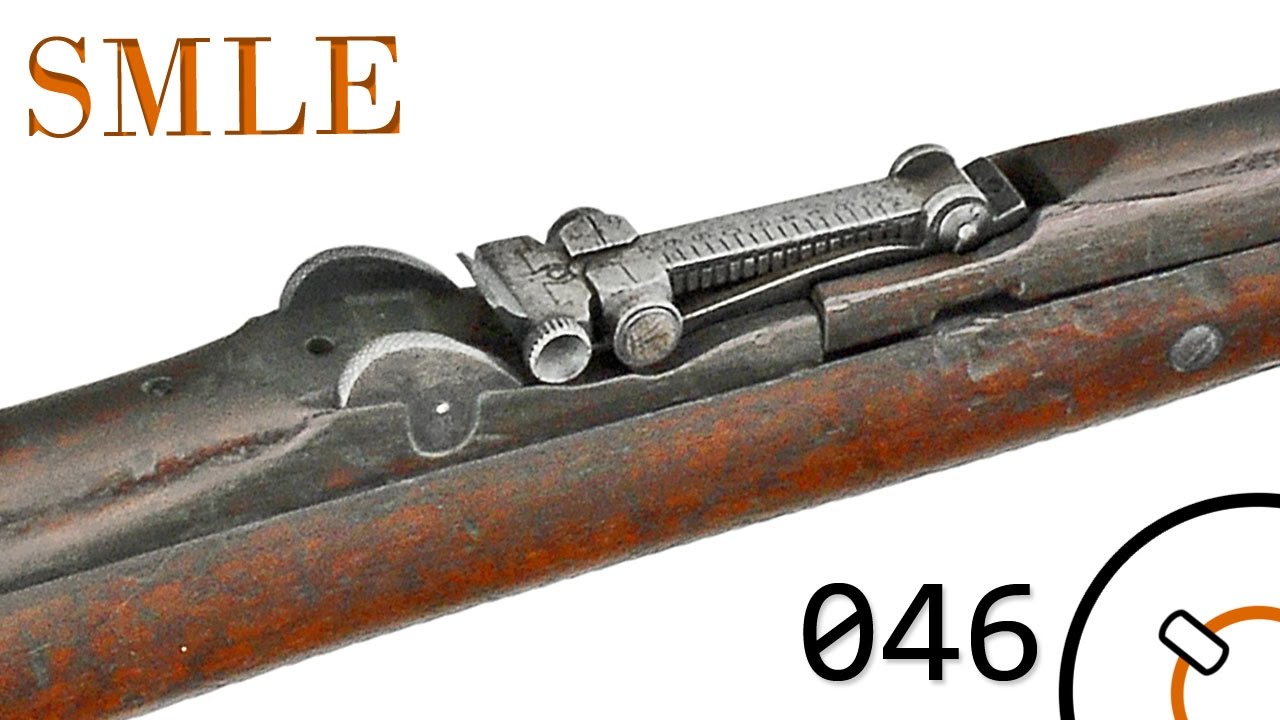
The Brits did make a 20 round magazine for the rifle in 1918 (video talks about it although unfortunately they didn’t have an example). About 100k were made and actually made it into use in the trenches before the war ended.

I’m not aware of them fiddling with a 20 rounder before WW1 however.

1 Like

Damn, information is so scant that I can’t determine when they were made, years are all over the place.

I might be stuck on this one for a while longer.

Though I did always think it was strange that one would be made before WW1…

Yea I personally find that pre-war claim to be very dubious, especially considering that these stendo rifles I talked about were created specifically in response to battlefield conditions of WW1.

1 Like

Yeah, indeed.

My standard response when I don’t know enough to outright disprove something is to just take it in and hold the information for later examination, rather than trust my immediate instincts and cry “wrong”.

Because only a fool would hold anything that is outside of their experience to be impossible.

Who knows, maybe Mr Lee continued his experiments…? Improbable, but not impossible… I simply need more data…