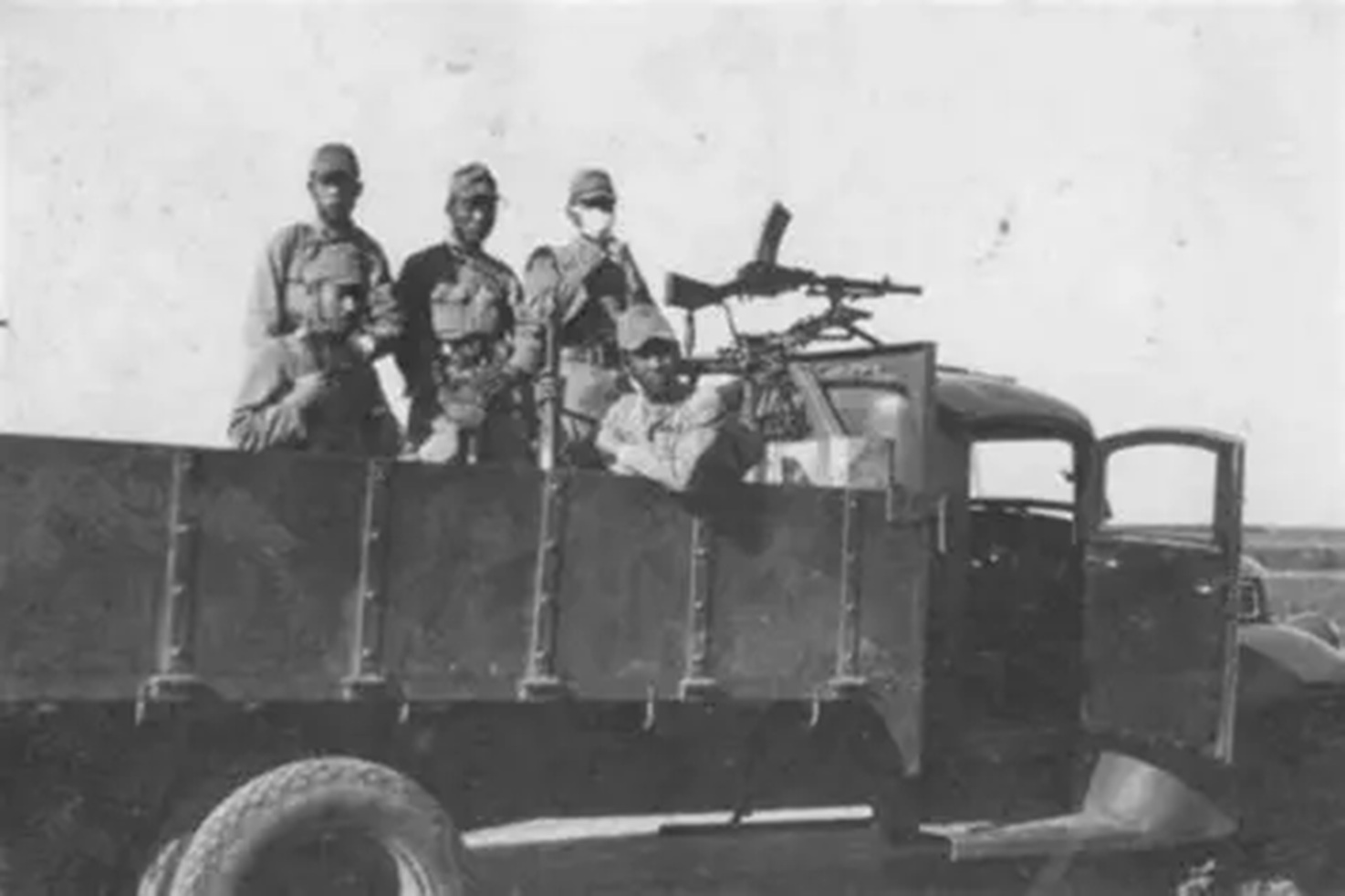
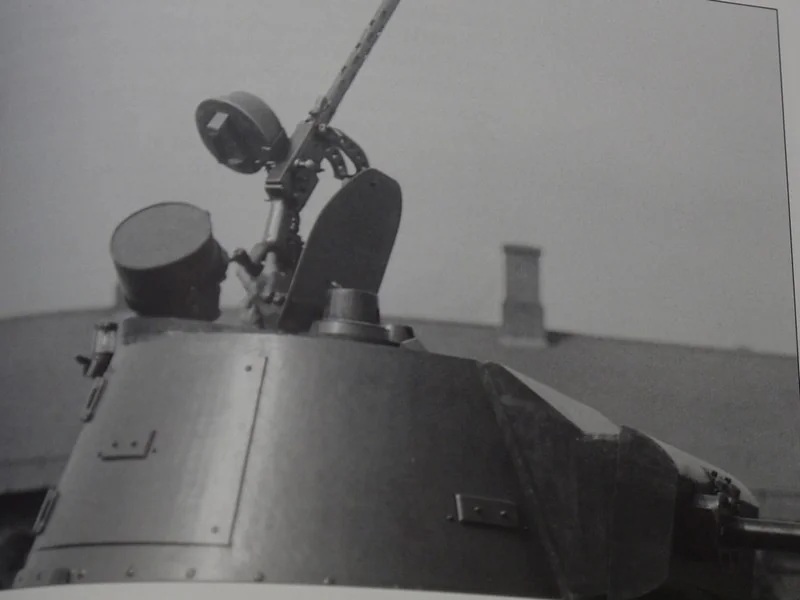
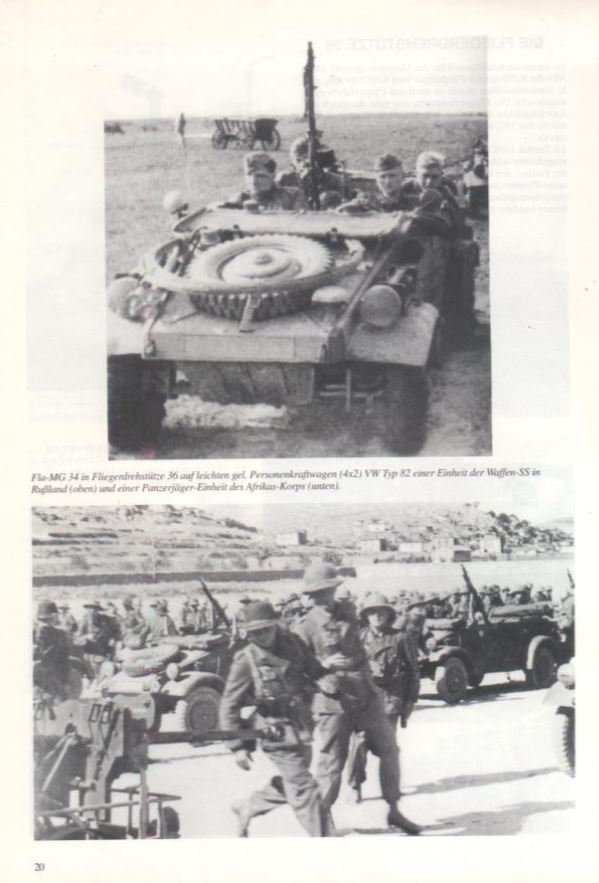
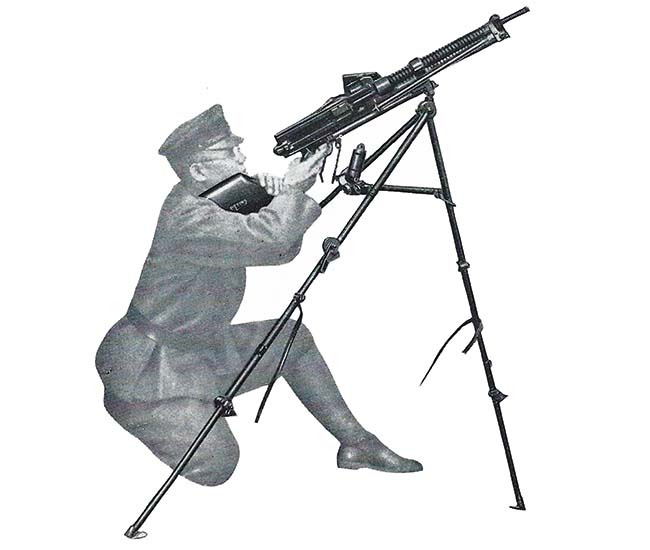
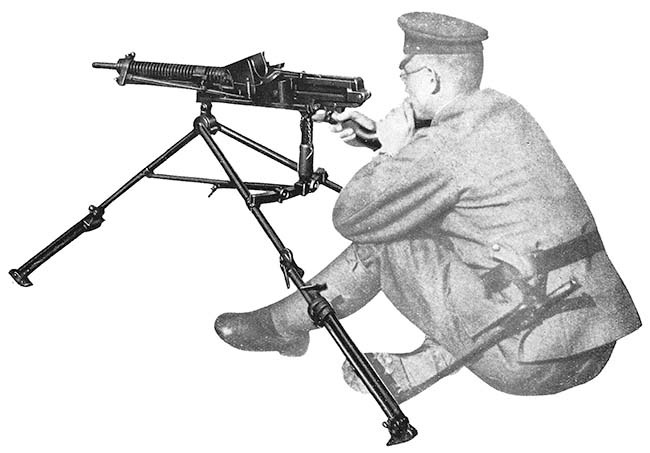
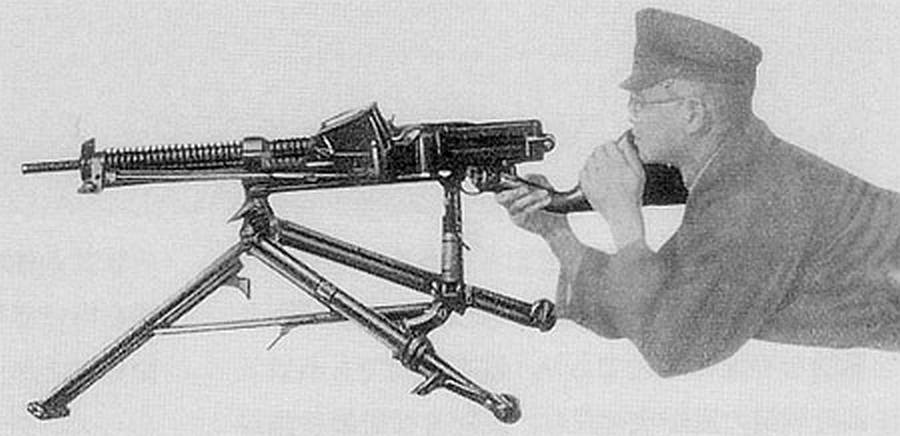
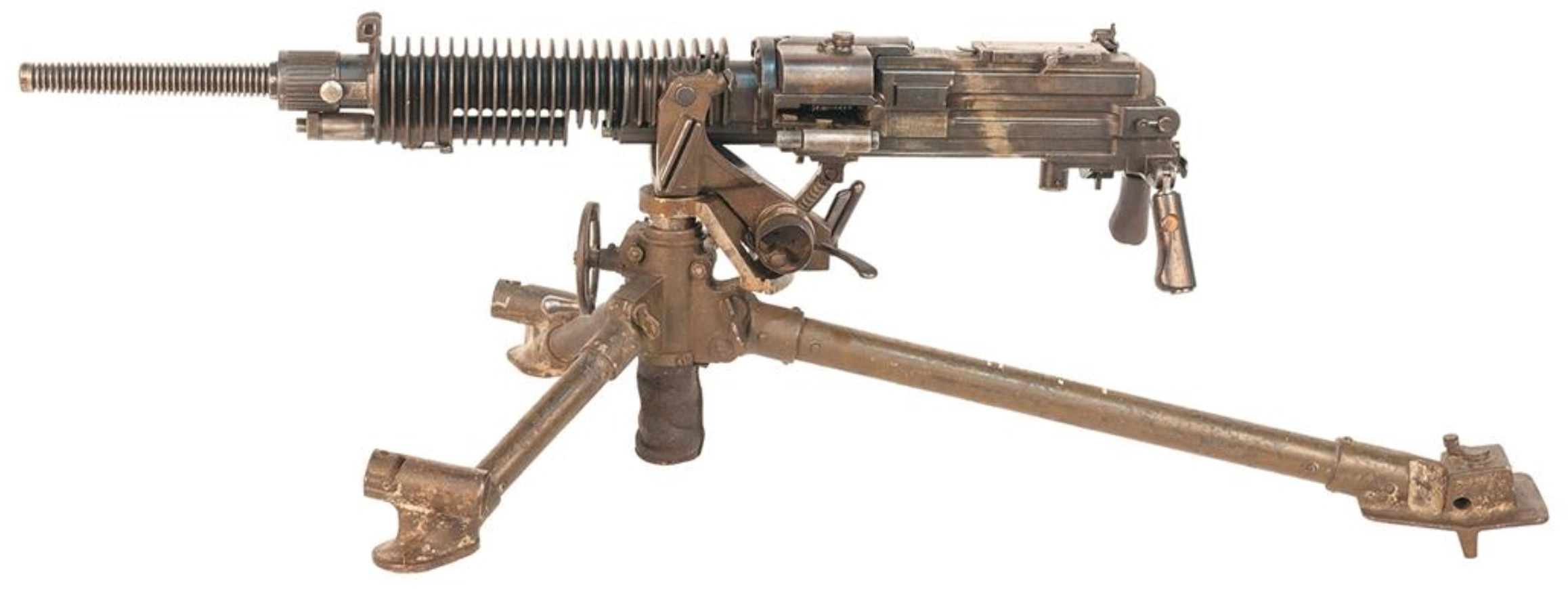
The Type 92 HMG is only a HMG because the japanese classified it as such. The classification is quite different today: by today’s standards the Type 92 would be a LMG because it shoots a rifle cartridge, and today we call HMGs as such because they shoot high caliber rounds (.50 cal or bigger). But if you look at WW1, all the machine guns like the MG08, the Vickers, the Hotchkiss, the Maxim, etc… were all considered HMGs, but they used rifle caliber rounds. They were considered HMGs because, well, they were heavy. The same reasoning was applied to the Type 92 HMG. The DS-39 is the same: it was made to replace the Maxim, and there was still this mindset of “big machine guns with spade grips that could only be used on a tripod”. Of course, by today’s standards the DS-39 is considered a LMG, but it was not the case when it was adopted.
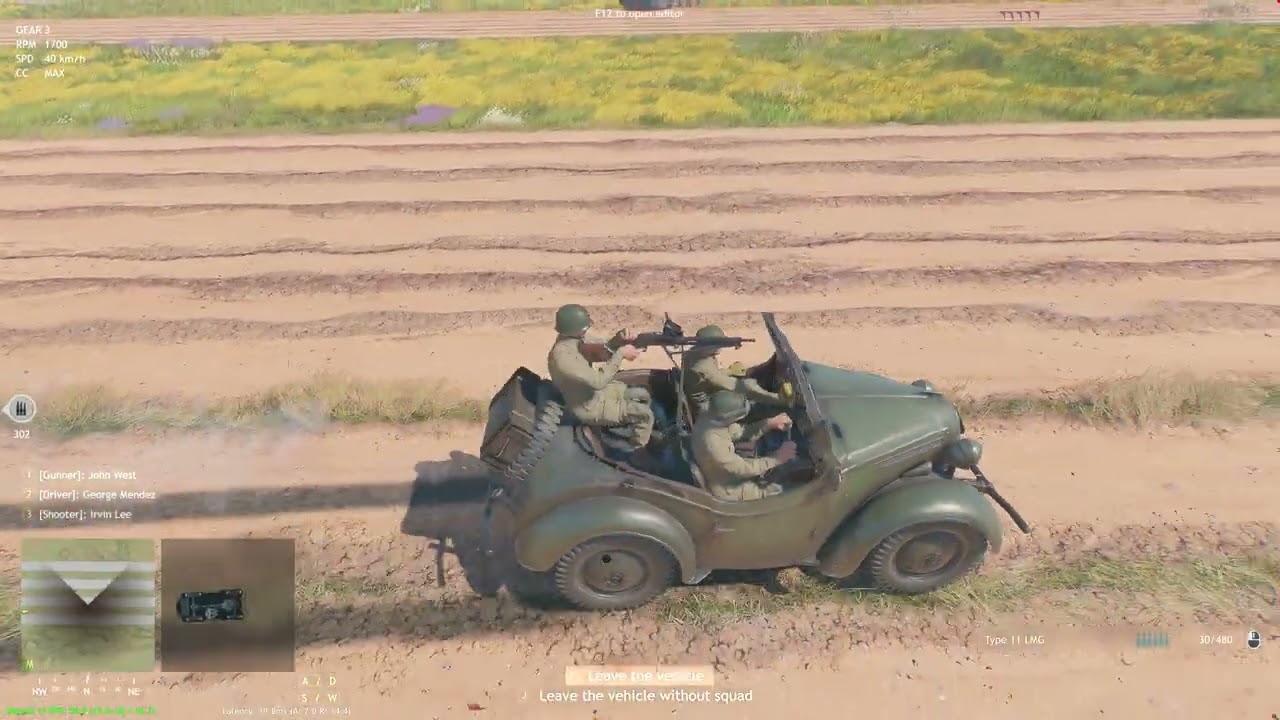
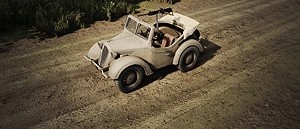
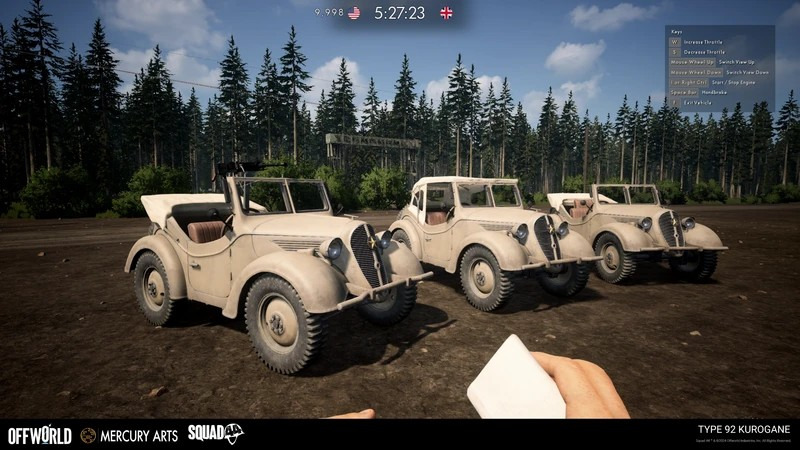
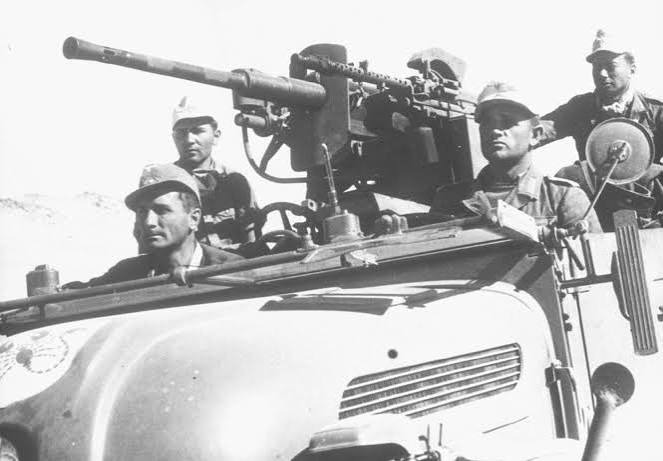
And changing the machine gun on the kurogane wouldn’t affect its stats much: the Type 11 “LMG” shoots 6.5mm rounds in a 30 rounds “mag” at 500 rpm, while the Type 92 “HMG” shoots 7.7mm rounds in a 30 round strip at 450 rpm. So basically in terms of stats, it would inflict a bit more damage but would have a slightly slower rof to counterbalance this.