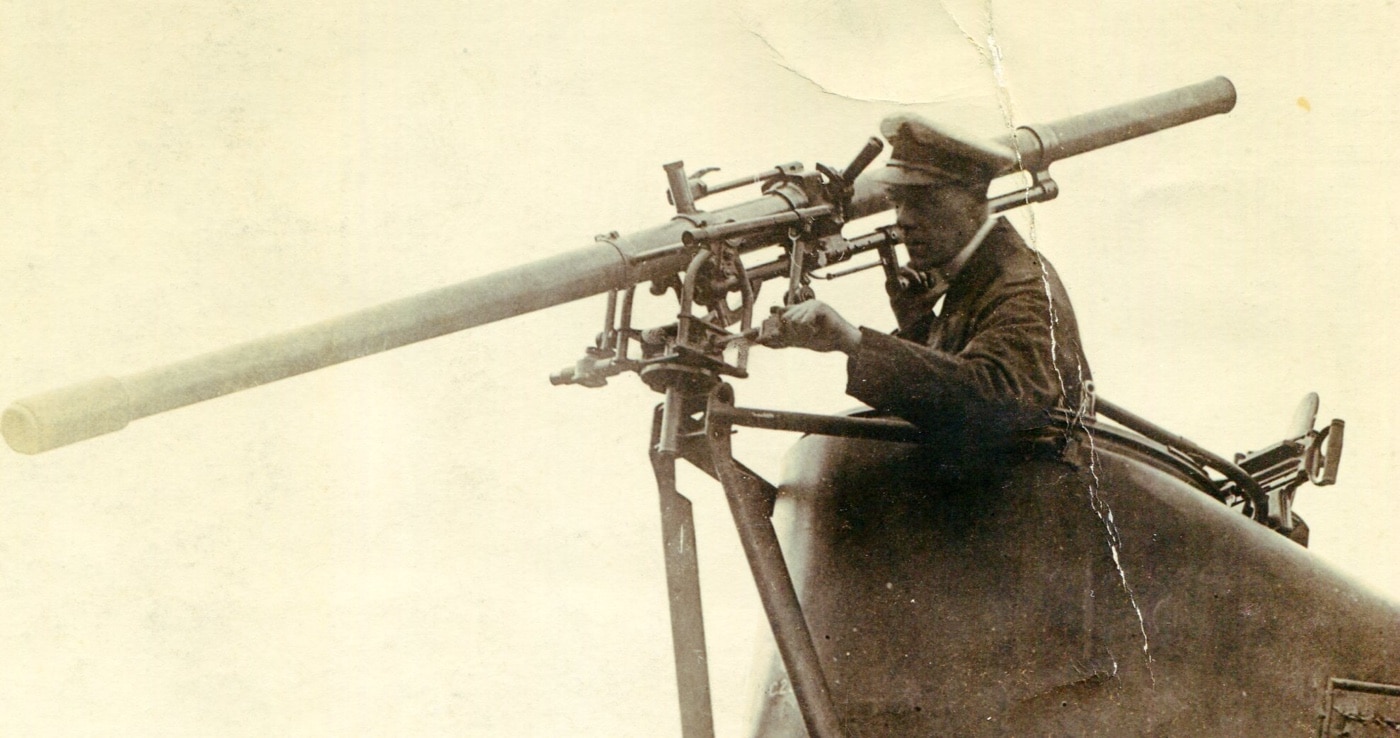
Armor pen
M18 ----------------75MM
Carl ----------------40MM
Paloheimo-------50MM
Davis---------------Unknown
- br1
- br2
- br3
- tt
- bp
- no
| Caliber, mm | 57x303 |
|---|---|
| Length, mm | 1560 |
| Weight, kg | 20.1 |
| Projectile weight, kg | 2.46 |
| Armor penetration, mm | 76 |
| Maximum range, firing, m | 4400 |

M18
In 1943, a dynamo-jet (recoilless) anti-tank grenade launcher was developed in the United States, designated M18 (in the American classification it was called “M18 Recoilless Rifle” - M18 recoilless rifle).

The main types of rounds for the M18 grenade launcher were M306 / M306A1 HE (high-explosive fragmentation), M307 / M307A1 HEAT (armor-piercing cumulative), M308 / M308A1 WP (smoke / incendiary), T25E4 (anti-personnel canister, close combat) and training with an inert grenade.

The M18 grenade launcher could be fired from the shoulder, from the ground (with an emphasis on the unfolded bipod), as well as from the M1917A1 or M74 machine gun tripod. Firing from the mount provided the greatest practical accuracy.
- br1
- br2
- br3
- tt
- bp
- no
| Mass | 11 kg (24 lb)[1] |
|---|---|
| Length | 1,450 mm (57 in)[1] |
| Crew | Two (gunner and loader), could be used by a single operator[3] |
| Cartridge | 20×180mmR Bofors |
| Caliber | 20 mm |
| Action | recoilless, single-shot |
| Muzzle velocity | 900–950 m/s (3,000–3,100 ft/s)[3] |
| Effective firing range | iron sights are calibrated to 300 meters |
| Maximum firing range | Ammunition-dependent, usually 400 to 1,000 m (1,300 to 3,300 ft) |
| Feed system | Hinged breech[3] |
| Sights | Open (iron) sights; Meopta ZF-4 optical sight[3] |

- br1
- br2
- br3
- tt
- bp
- no
The Carl Gustaf 20 mm recoilless rifle , service name 20 mm pansarvärnsgevär m/42 (20 mm pvg m/42 ), meaning “20 mm antitank rifle model 1942”, was the first recoilless rifle produced by Carl Gustafs Stads Gevärsfaktori.
The weapon had a penetration of just over 4 cm RHA with its standard solid shot armour piercing projectile and quickly became obsolete against modern armour, leading to the development of higher caliber recoilless guns, eventually resulting in the Carl Gustaf 84 mm recoilless rifle in 1948.


The first prototype designed by Paloheimo was 47-mm caliber and early on referred as suppiloase (“funnel weapon”). This early prototype was tested in two test-firing events held in March of 1944. It had been designed primarily to shoot German 46-mm rifle grenades to notably longer distances than what normal rifle grenade equipment allowed, but testing proved it capable of shooting also projectiles notably larger than its caliber assuming they were first modified suitable for this purpose. Due to this work was started for developing modifications to panssaripanos m/42 (German HL-handgrenate or hafthohlladung 3 ), to allow it to be fired from 47-mm recoilless rifle prototype. These modifications included developing new tail and front sections which were added to panssaripanos m/42 and replacing original time fuse with impact activated concussion fuse designed to detonate the warhead when the projectile hit the target. At that time developing even larger projectiles was suggested along plan of developing “bouncing” high explosive projectile to make ammunition more lethal. While the prototype was considered a success, it was still not much more than a starting point for the development work. Variety of structural designs, barrel lengths and funnel shapes needed to be tested along testing of electrical and mechanical firing systems. Also variety of propellants was tested with type of black powder developed for ignition charges (virikeruuti ) proving as best suited propellant for this purpose.
B.S. Petropavlovskogo model 1931 (gold order / event weapon):

The world’s first hand held 65 mm rocket propelled grenade launcher, 325 units were produced. It was used by parts of the NKVD for conducting special operations using high-explosive fragmentation grenades, it had no HEAT grenades as they were not invented at the time.