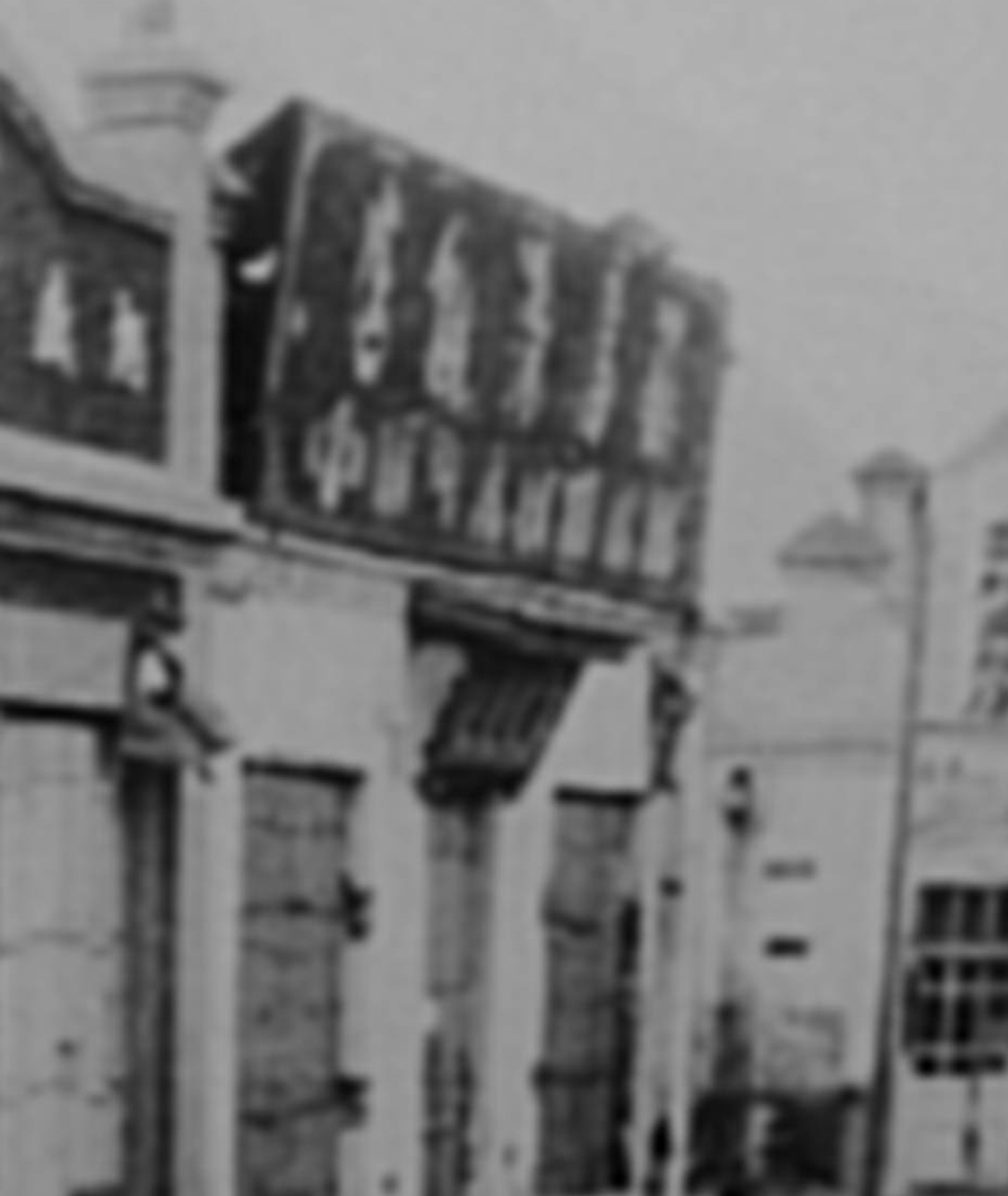
Pretty sure what you claim is “ФИ” is just “中国”
1 Like
Show me pic of authentic Russian towns in Manchuria, not major cities with Russian-style architecture. Surely, you know what that means and entails?
I don’t want to see a Moscow/Stalingrad/Rzhev houses in Manchuria same as you.
But other than a couple letterings in Russian, where do you see Russian architecture there?
1 Like
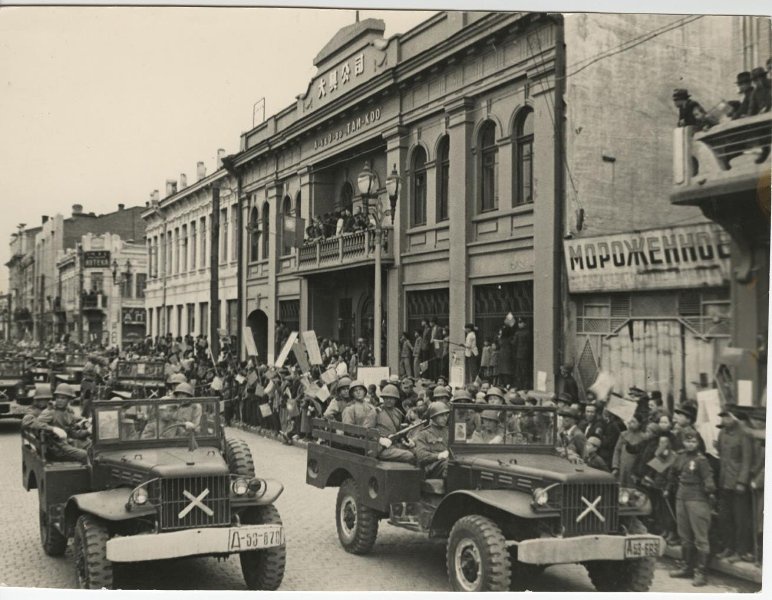
FINALLY!!!
6 Likes
Actually I am wondering where’s the shrine, it looks like a warehouse/village instead of a shrine.
4 Likes
The Sandō only marks a road leading directly towards a shrine entrence, and not nessesarily directly in front of said shrine, so the shrine itself might be hiding just outside the bounds of the image, or even further away, we just know what road it lies on for now.
2 Likes
Dude, I am not doubting the fact that there could have been Russian/usage of Cyrillic letters in Manchuria at all.
I am just doubting your particular example using that image.
How could you claim those 4 letters are FIChA? It’s so blurry.
Cool, let’s explore it when it released.
2 Likes
I wonder if there is indeed a shrine, and if there is fighting that could occur there. Could it be controversial in any way?
Well, I suppose it certainly was fine in Christian churches (Pacific, Normandy, Berlin, Moscow and Rzhev map), and Buddhist temples (Burma map)
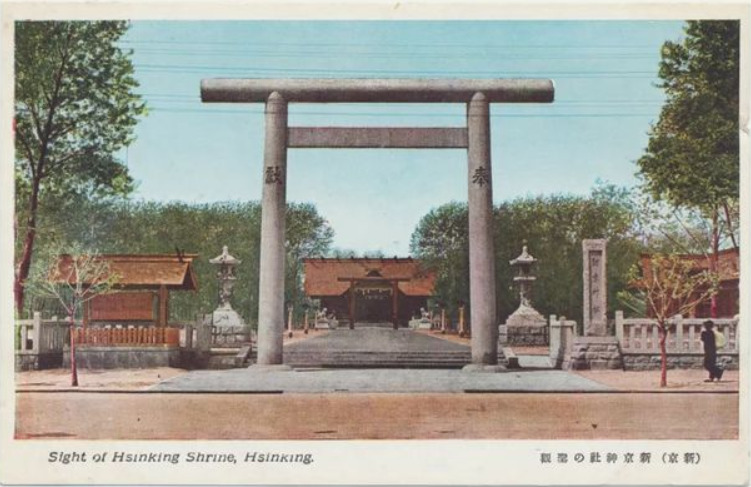
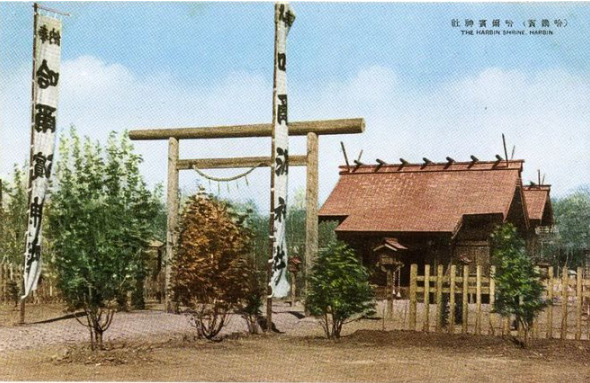
These are the two most rudimentary photos of the shrines and torii gates built by the Japanese Nazis in Northeast China that I have found.
The rest are all brick and stone foundations and walls. The eaves and tiles are even more luxurious, featuring a concrete square, sidewalks and driveways.
But even these two most rudimentary shrines and torii gates in the occupied area are more luxurious than the preview images in the developer’s log.
So I’m also quite confused. Which village would build torii gates leading to the ghost kingdom at the entrance and exit of the village? !
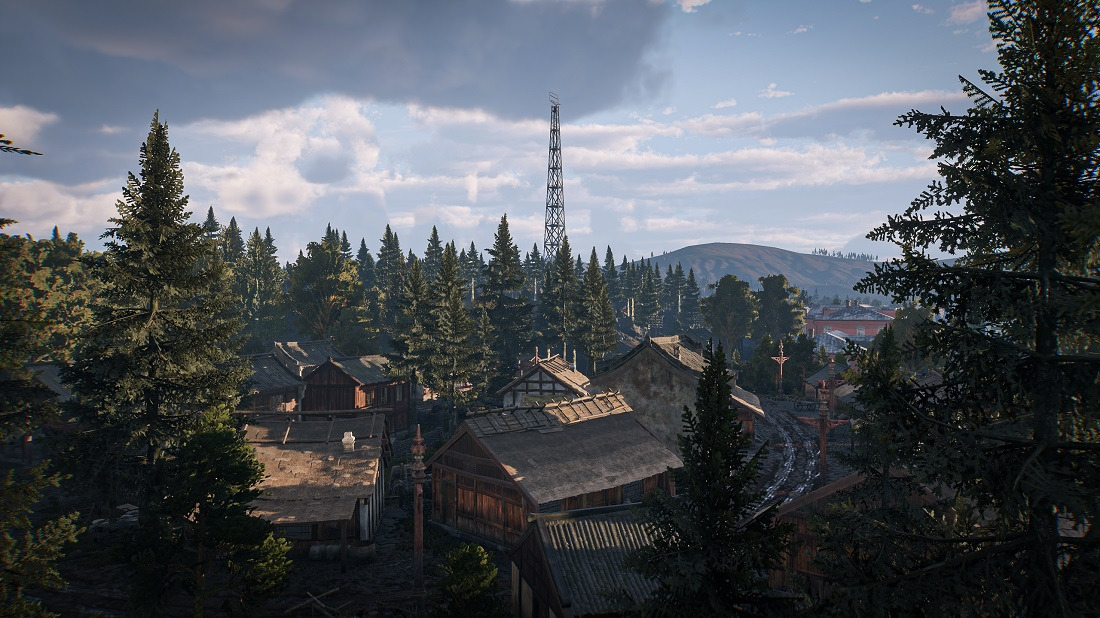
What I find most incomprehensible is: Why are there so many large wooden houses in the Manchuria region?
Even in towns in the Far East of the Soviet Union, such as Khabarovsk, houses were already built with thick brick and stone structures during World War II.
In rural areas, people more widely use rammed earth to build walls or mud bricks.
In the Far East and Manchuria, the temperature in winter can drop to minus 30 to 50 degrees Celsius.
The huge house with thin wooden stretchers makes it impossible for people to live, work or rest in.
Even the head of a chaebol family cannot afford the cost of obtaining warmth in it.
Even warehouses for storing coal and firewood are rarely made of wood in towns.
Because this is very likely to cause large-scale fires, in densely populated towns, even those with trams, no manager would allow people to do so.
Only in rural areas do farmers and workers store the piled-up timber along the fences.
Pure wooden houses mostly use logs, or only part of the house structure uses wooden boards as walls, such as the second or third floor of some houses. Or an independent warehouse with a courtyard.
10 Likes
Hello, as a Chinese person who has lived in Harbin, Northeast China for several years and in Tokyo for a year, I am personally dissatisfied with the details of your new campaign map.
First, the presence of torii gates in the villages of your new map is inconsistent with traditional Chinese culture and is a product of Japanese Shintoism. Although Japanese settlers brought some Shinto traditions during the colonial period, according to Wikipedia and other sources, these settlers did not live in the same villages as the locals. Therefore, it is unlikely that a Manchurian village with both Chinese and Japanese elements from World War II would appear. My personal suggestion is that if you don’t want to remove the torii gates, please add a Shinto shrine to the villages.
Second, regarding the cities of Manchuria at that time, for example, Harbin still maitains its 1905 city planning map and city model, which can be seen at the Heilongjiang Provincial Museum. I sincerely hope that the development team can conduct on-site research on the situation in Northeast China at that time and create a highly historically accurate map, like the maps of Moscow and Stalingrad, instead of simply piecing together existing materials. This is not only detrimental to the game’s development but also a great disrespect for history.
16 Likes
We are closely monitoring the discussion and are looking into the possible issues, just be sure to write your complaints in a respectful manner, devs will make adjustments when necessary
15 Likes
Moscow is fictional, pal) Its all kind of in style of some places. Only a Berlin, Stalingrad an Rjev have real historical lanscape. Also Yaropolec mansion close to a real
2 Likes
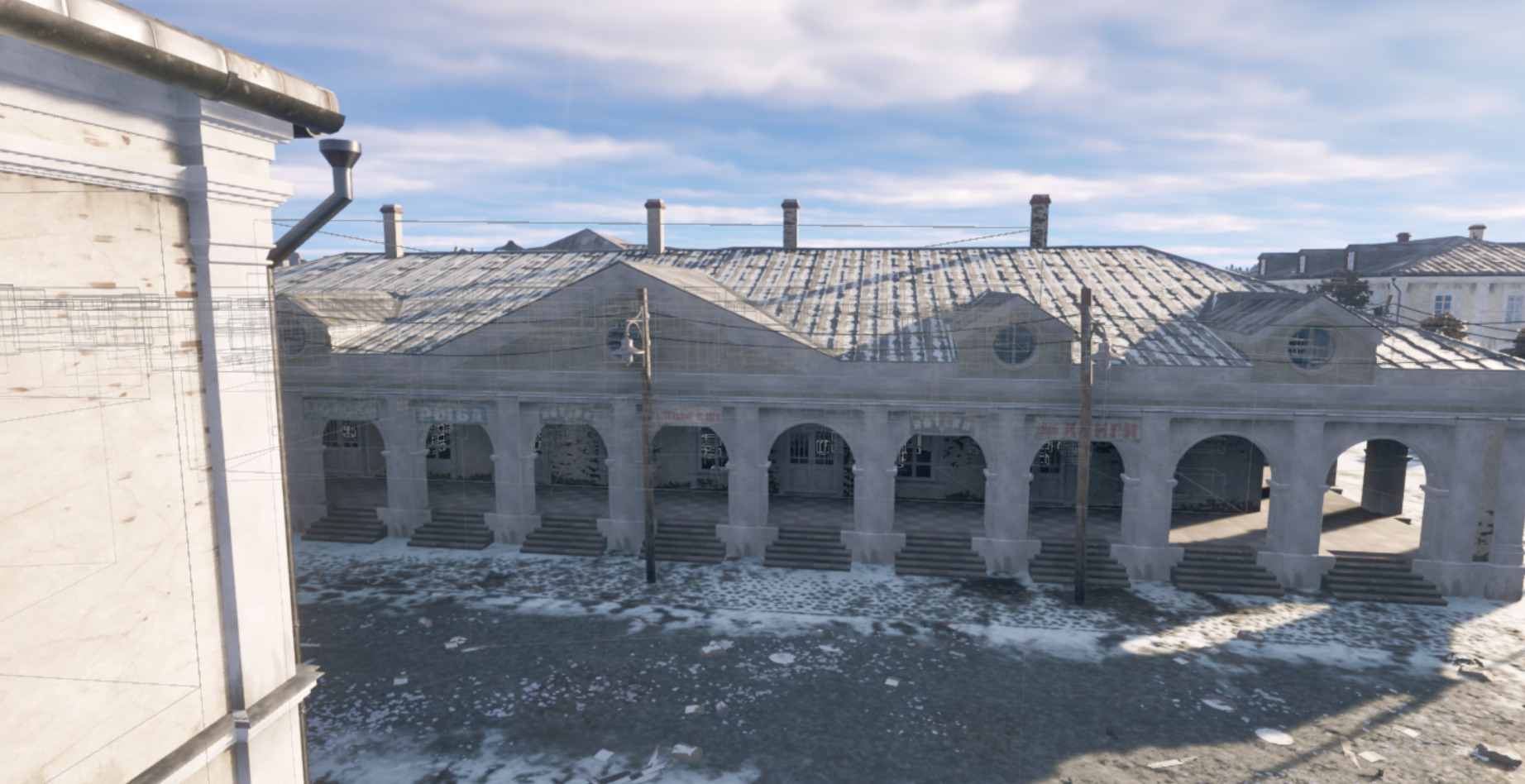
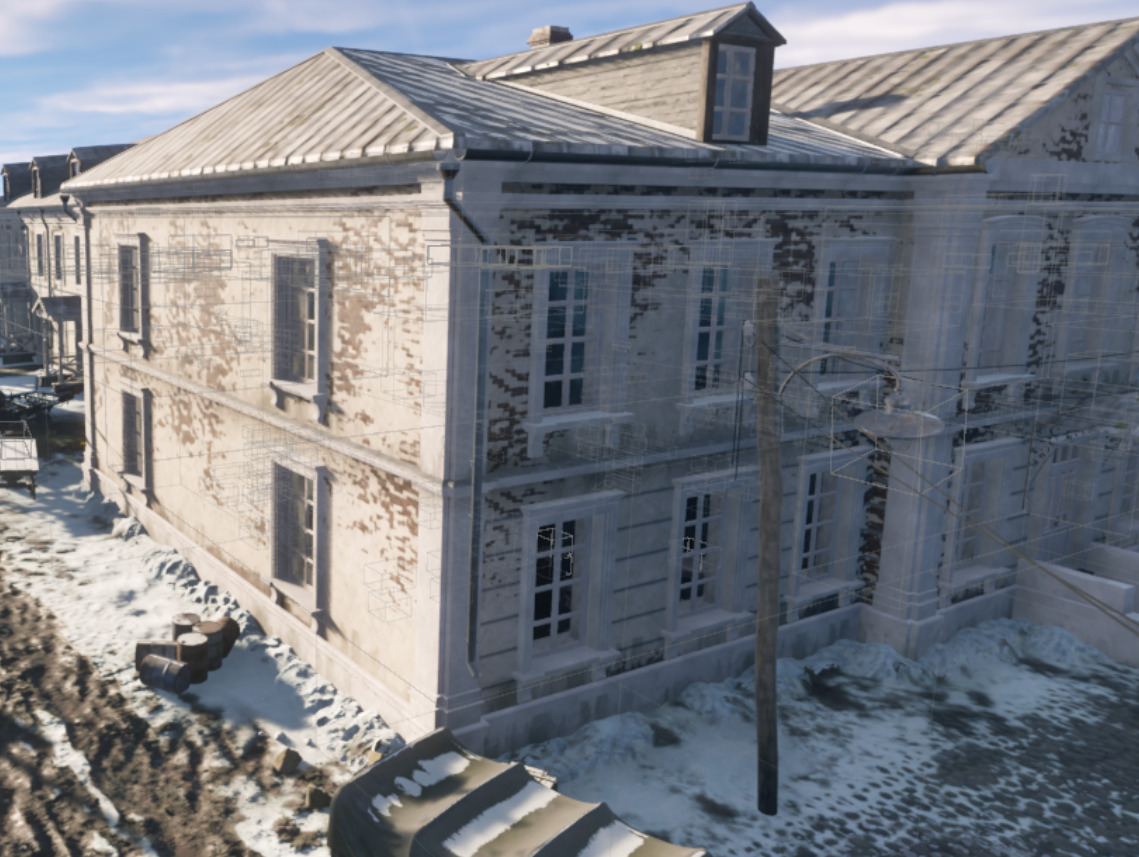
say what you will about enlisted.
but scenery imo are always one of the strongest point in enlisted.
maps are always breath taking.
now… as for how it will play…
dunno.
i can already imagine bots campaing behind bushes and X-ray just about anyone that comes across though.
but that’s not entirely on the map makers.
2 Likes
Let us take a note of the screenshots shared by Developer [SnowieW] as well,
Don’t you love it when things are only shared to Russian side of the forum and not English one?
5 Likes
What’s your problem boy?
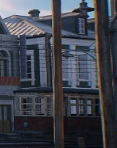
Do those townhouses look Chinese or Japanese to you? I don’t have a degree in architecture to tell you the specific building style, but those look very Russian to me, and we have them in Moscow maps. Again, my point is that regular townhoueses in Manchuria looked nothing like those.
1 Like