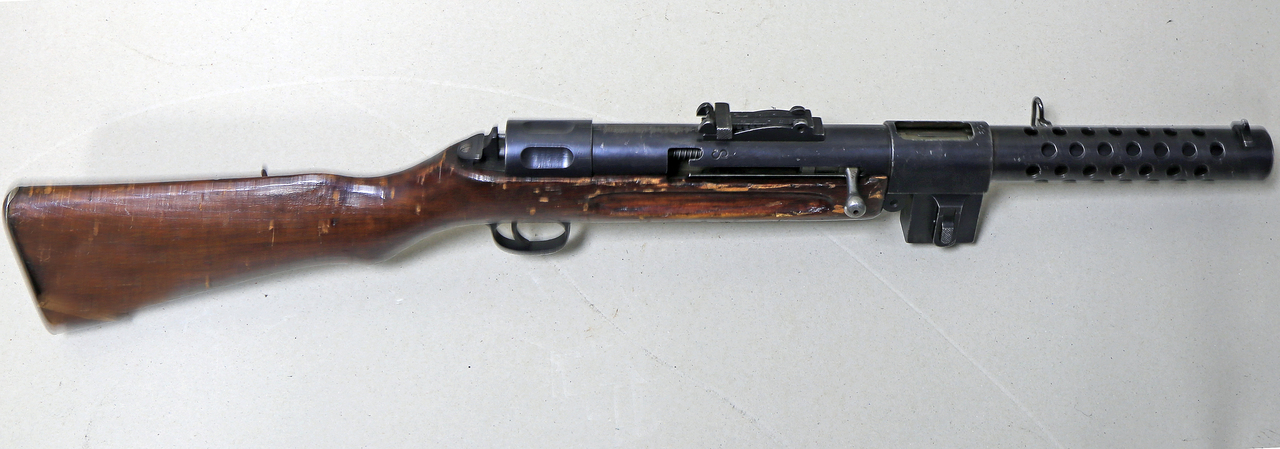
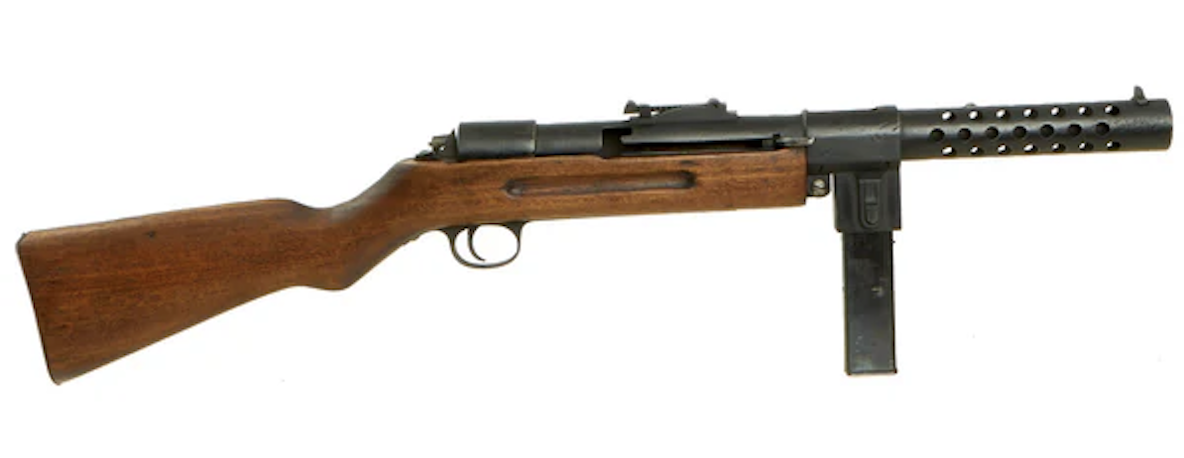
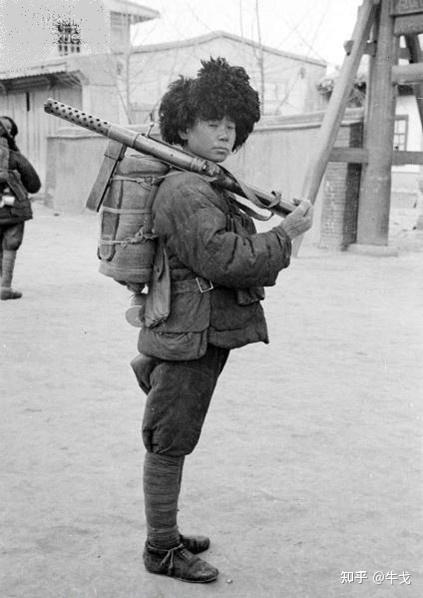
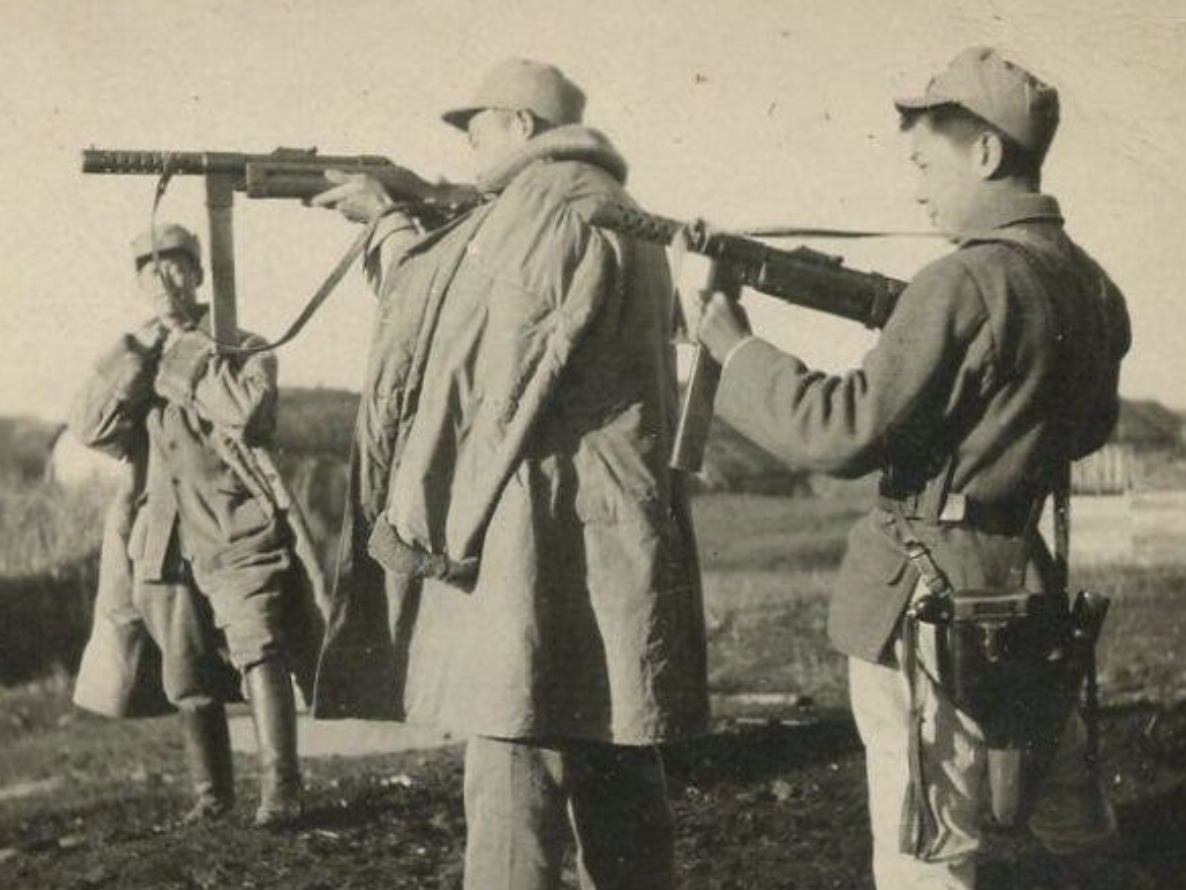
Chinese copies of the MR18/I “Tsing Tao” submachine gun.
This submachine gun, despite its Swiss roots, was produced only in China in the late 30s. In 1927, Henrich Follmer, who worked there from 1927 to 1928, was seconded to establish the production of weapons at the metallurgical manufactory in Tsing Tao, Shandong Province. Further production was carried out by Chinese gunsmiths independently.
The design was based on the Swiss version MP18/ I produced by Schweizerische Industriegesellschaft (SIG), that is, the already familiar SIG 1920 submachine gun. But some changes were made to the original Bergman design. The Chinese submachine gun was named “16 year of Revolution” or Type 16, or the more common name “Tsing Tao”. The main cartridge used is the 7.63x25mm Mauser, the branch at Taku shipyards first tried to establish production for the 7.65x25mm Luger cartridge, but limited themselves to a small series.

There are a total of Tsing Tao submachine guns produced 25 000 – 26 000 If the early model produced at Tsing Tao in 1927 had a store attached to the left (up to 500 units from the main production). Then, a short time later, in the same year, 1927, a sample was launched with the neck turned vertically downwards. It is not yet known whose idea this modification was made by Follmer or Chinese gunsmiths.
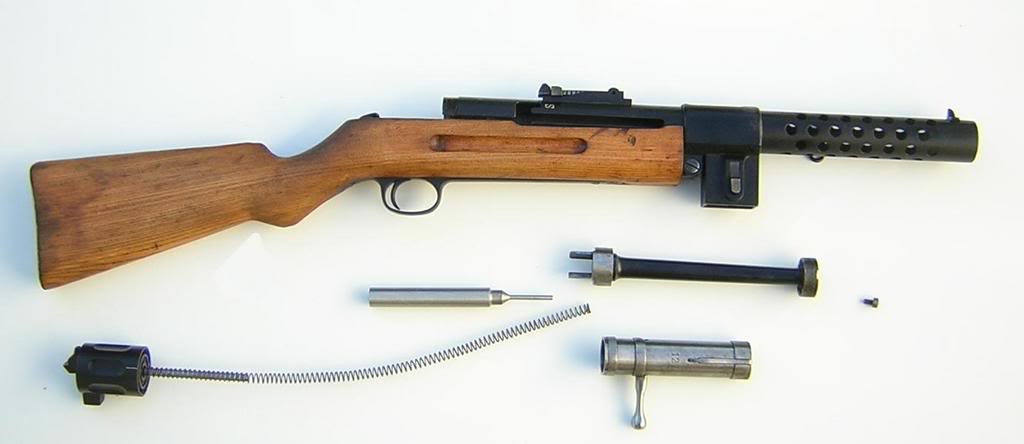
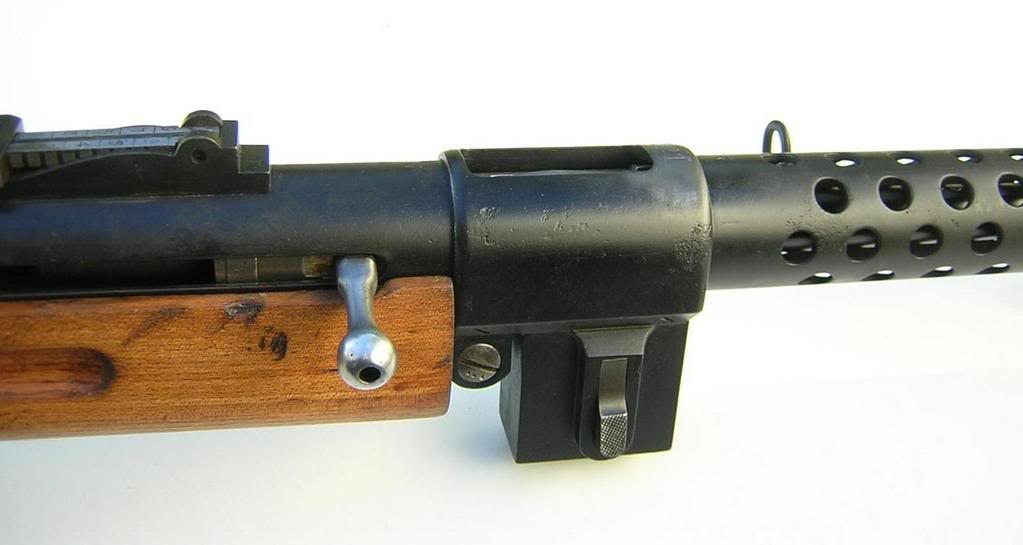
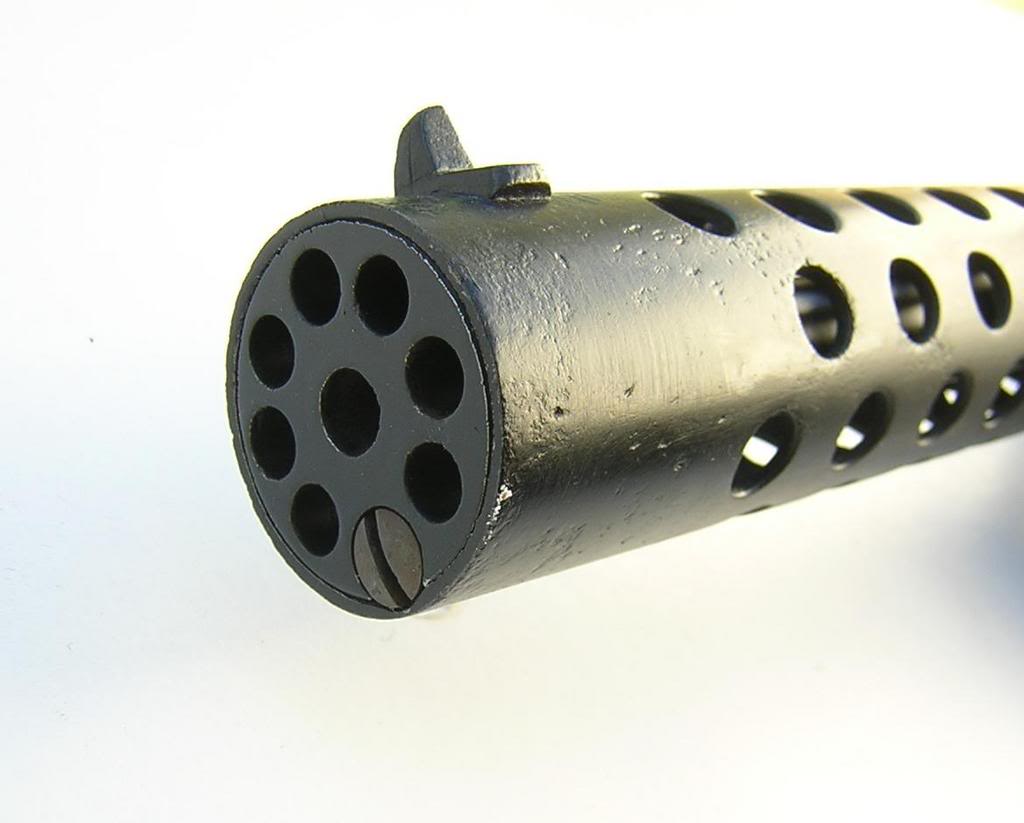
The Tsing Tao submachine gun is visually distinguished by the elongated receiver cover, in which a massive shock absorber made of hard rubber was installed around the firing spring guide. The lid has characteristic elliptical outer recesses for easy finger grip during disassembly. The magazine latch similar to the SIG 1920 is located on the right and is pressed with the thumb of the left hand when replacing the magazine. The bolt for reloading had a straight elongated handle with a rounded upper part with a noticeable depression in the head.
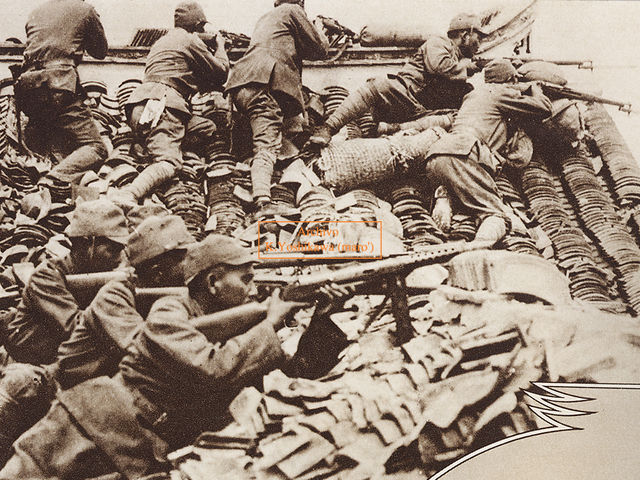
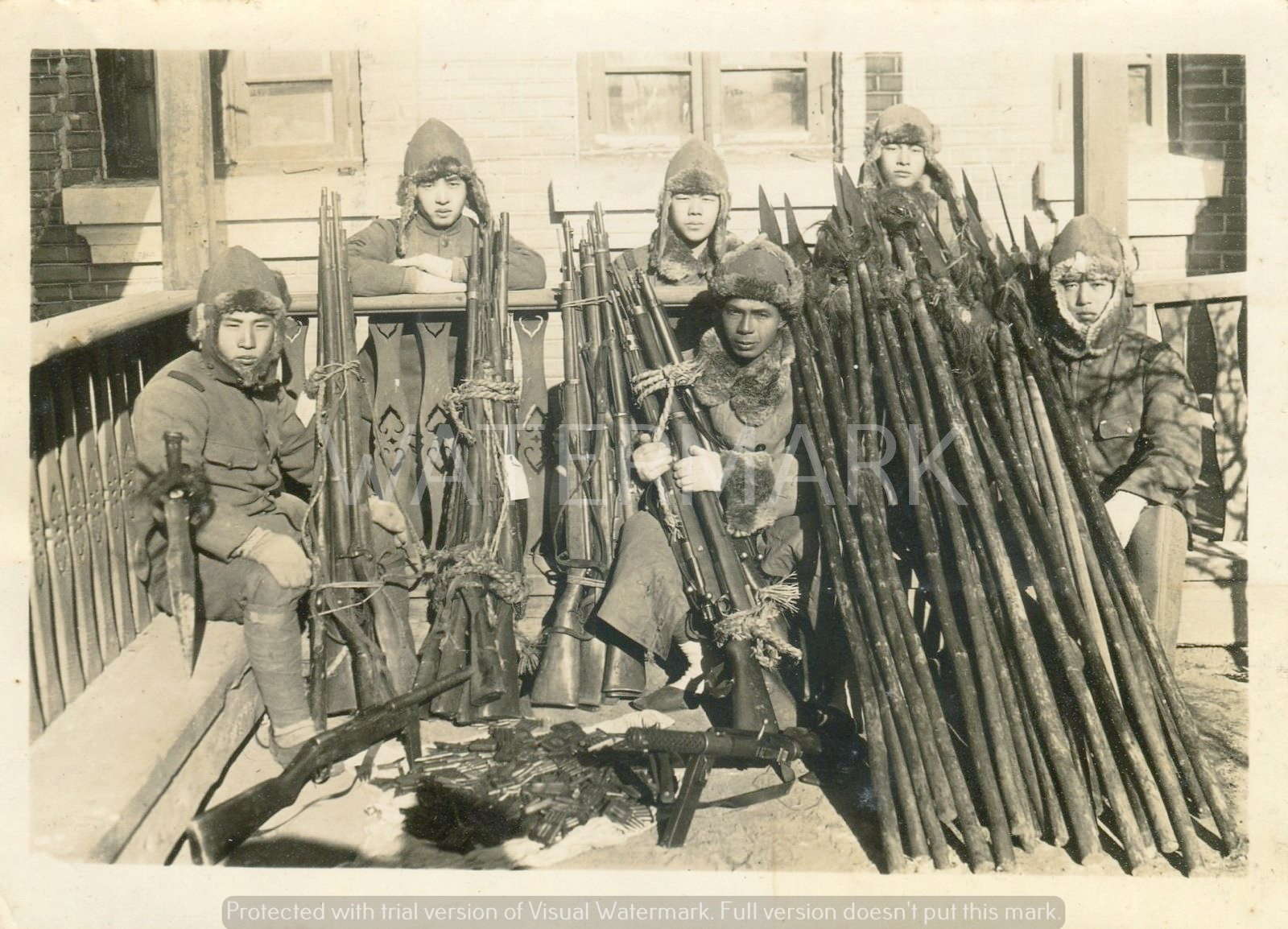
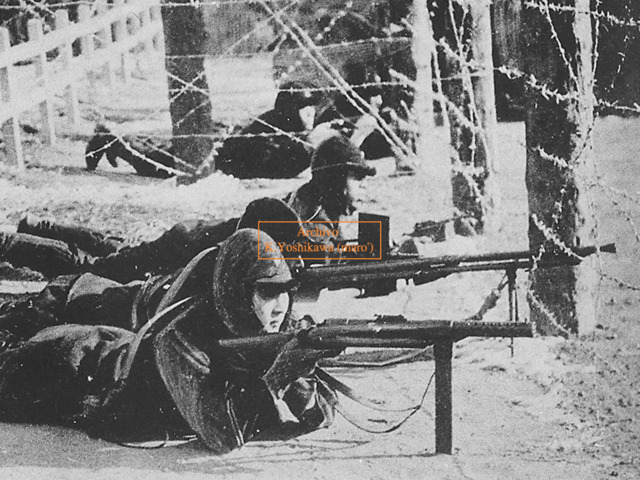
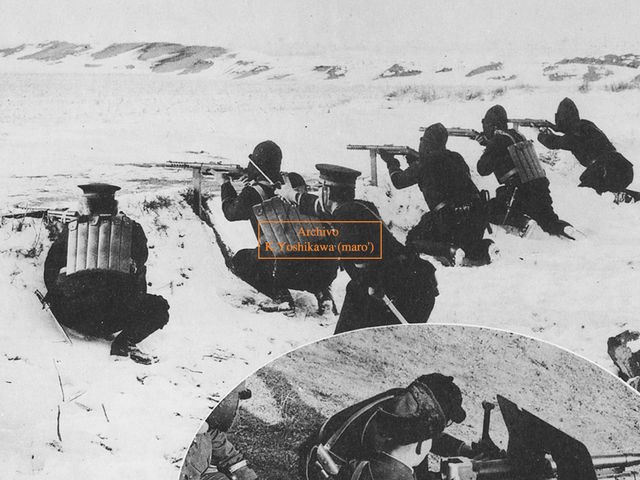
The Tsing Tao submachine gun was not equipped with a bayonet. The main magazine was a straight rod magazine with a capacity of 32 rounds (the Taku shipyard branch had a 25-round magazine), but 40 (homemade) and 50 (from a SIG 1920 submachine gun) magazines were also used. The sector sight is structurally similar to a rifle and is marked from 100 to 1000 meters. The fire mode is continuous only. Tables on the left side. The submachine guns produced by the branch at Taku shipyards differed somewhat in the smaller diameter of the protective casing and the absence of recesses on the receiver cover on some samples (presumably in 7.65mm caliber). Tsing Tao submachine guns entered service with the Shanghai City Public Security Bureau, then the Kuomintang Armed forces and as confiscated or trophies to the Japanese army and Navy. Moreover, the Japanese also used unloading systems of Chinese origin.
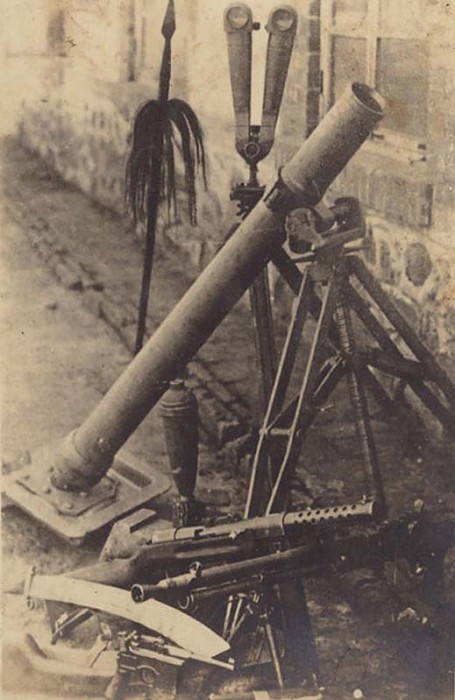
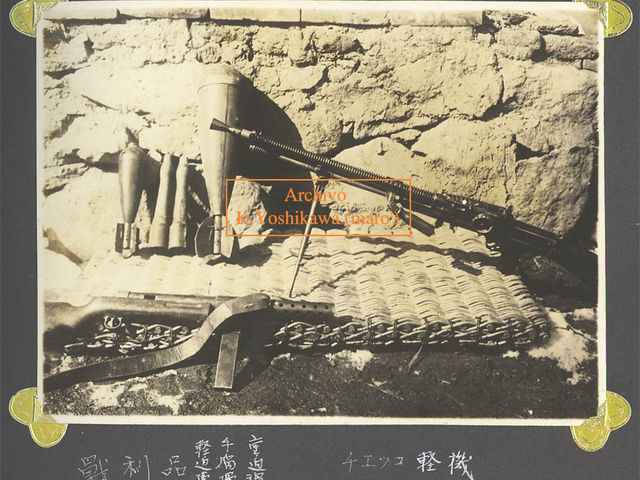
It is possible that the discovery of these submachine guns among the weapons handed over by Japanese troops in 1945 served as an erroneous attribution with the Japanese order in Switzerland. CHARACTERISTICS of the Tsing Tao submachine gun (“16 years of Revolution” or Type 16): caliber 7.63x25mm Mauser (7.65x22mm Lugger for the Taku shipyard series), boxed 32 (for the Taku shipyard series or 40, 50 for analogues) cartridge magazine, total length 870 mm (820 mm for the series Taku Shipyard), barrel length 200 mm, rate of fire 500-600 rounds per minute, weight approximately 4450 gr. (4330 gr.), sector sight graduation from 100 to 1000 meters.
Photos of disassembly of the Tsing Tao submachine gun from the collector’s collection under the nickname Edmond.

- Yes
- No