The Fw 190 F-9 was the final production version of the F-series Being an improvement over the F-8., Entering production in late 1944 and seeing combat in 1945
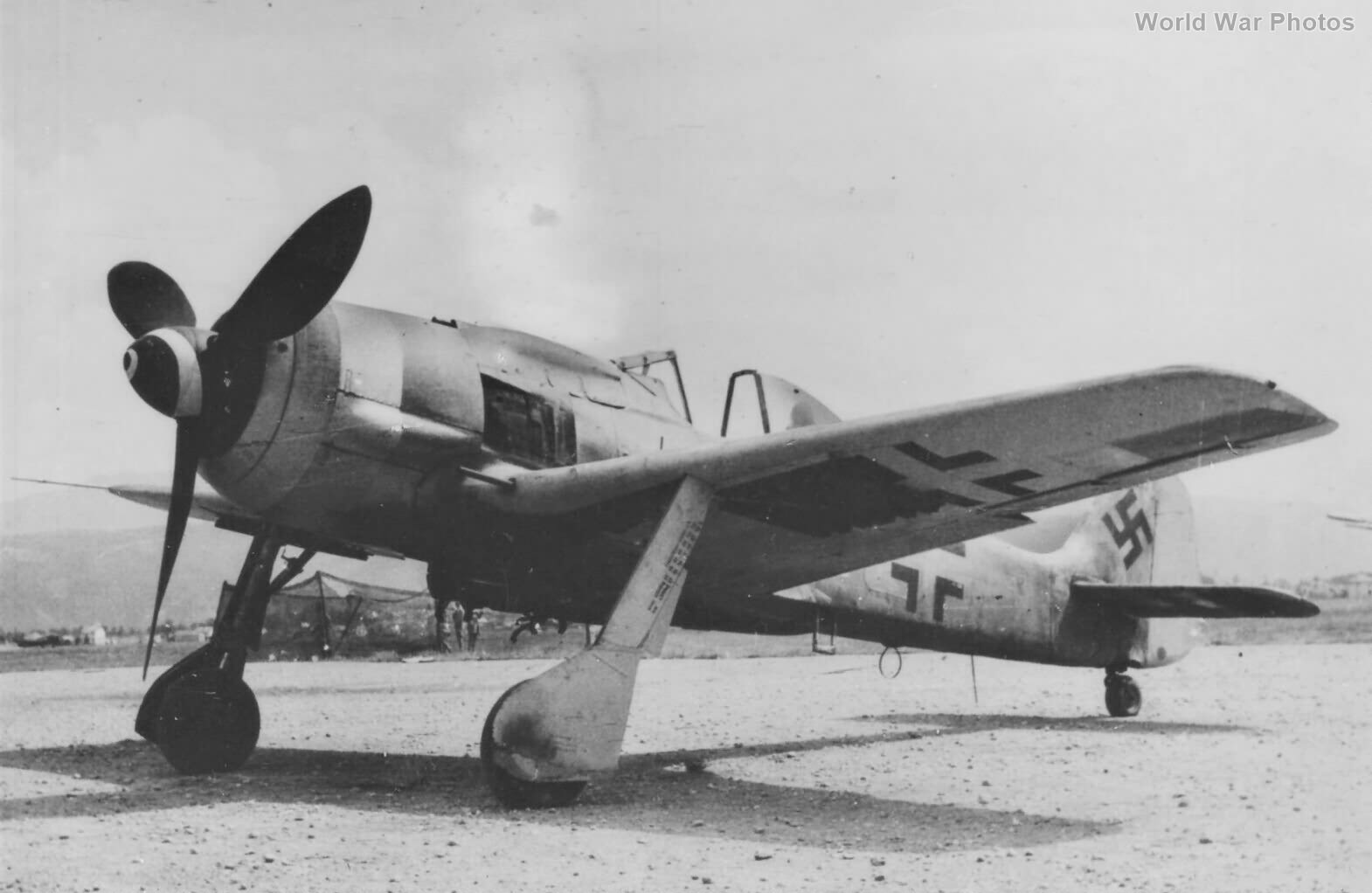
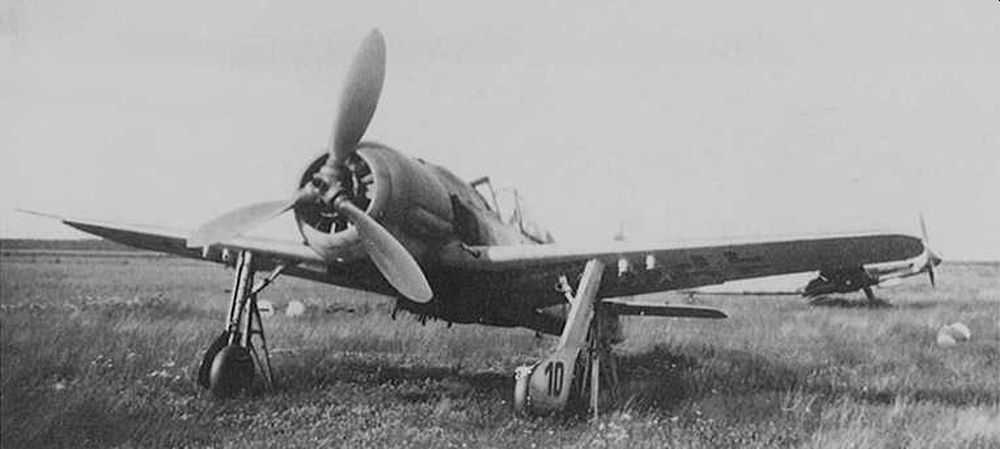
The FW 190 F-9 inherited the improvements and wing structure of the FW 190 A-9 Among the improvements found in the F-9 are:A new, more powerful engine that gave it a higher speed of about 30 km/h.Improved acceleration and climbing speed After attacking the ground,Improved handling of suspended armament loads,Improved cab for better rearward and downward visibility,It also had a tail from the Ta 152, which gave it more stability in flight and better performance. There were F-9s that didn’t receive the Ta 152 tail, but they still had good performance that was still superior to the F-8.

Characteristics
•Maximum speed: 665 km/h
•Fixed Armament: 2 MG 131 machine guns,2 20mm MG151 cannons And 2 30mm MK 108 cannons
•Suspended Armament:14-16 Panzerblitz 2 rockets and a 500kg bomb
Why is MK 108 in the configuration?
•The F-9 retains the same wing structure as the A-series, where the A-9 is the same, and that leaves The external spaces where the 20mm cannons were located, where the MK 108s were incorporated into that space, whether at low frequency or not.
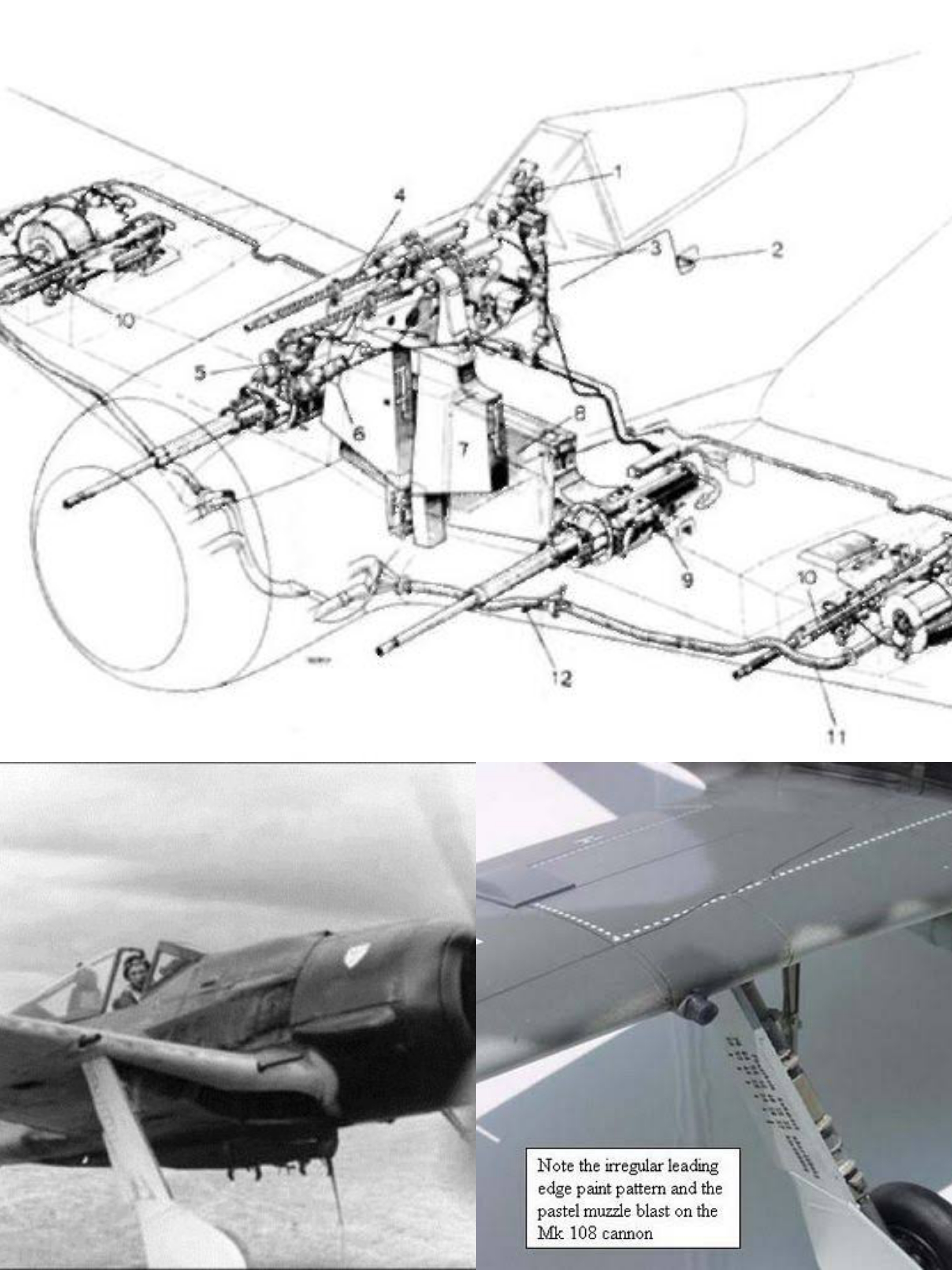
•The MK 108s will compensate for the lack of TNT in the Panzerblitz 2s, where with each pass Infantry will be easier to defeat.
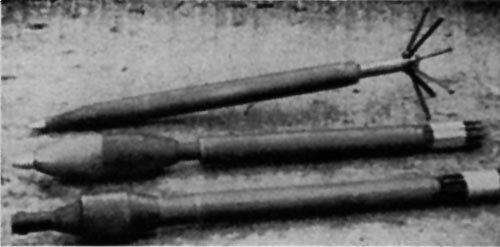
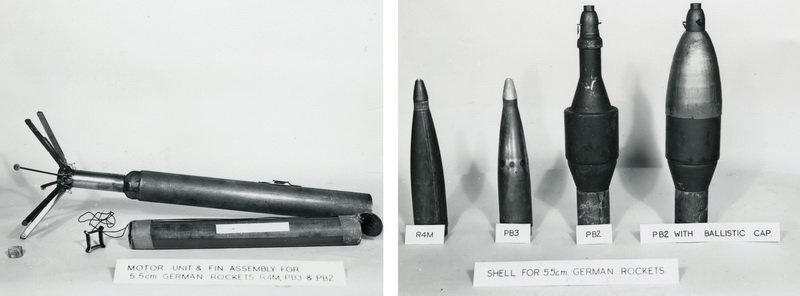
•The Panzerblitz are the only rockets that Germany has that can carry in the same high capacity as their counterparts American (HVAR). But it lacks TNT to be effective against infantry at a long range, unlike other German rockets. But those rockets (210mm, 280mm) are heavier and The FW 190 cannot carry a large quantity due to its weight; it also lacks effective penetration against armored vehicles, unlike the Panzerblitz 2. Where you cannot effectively fulfill both roles Because it lacked TNT
With this configuration, the FW 190 F-9 would be a suitable addition for Germany to have a fighter-bomber “close” to the P-47.
- Yes
- No
