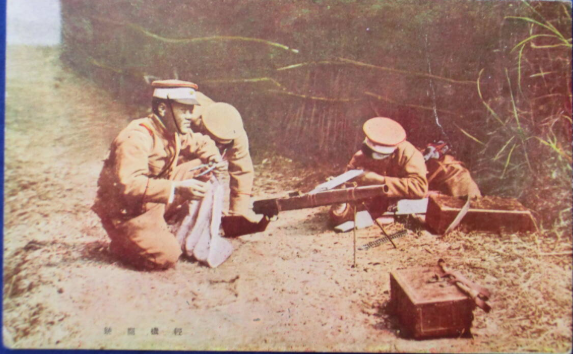
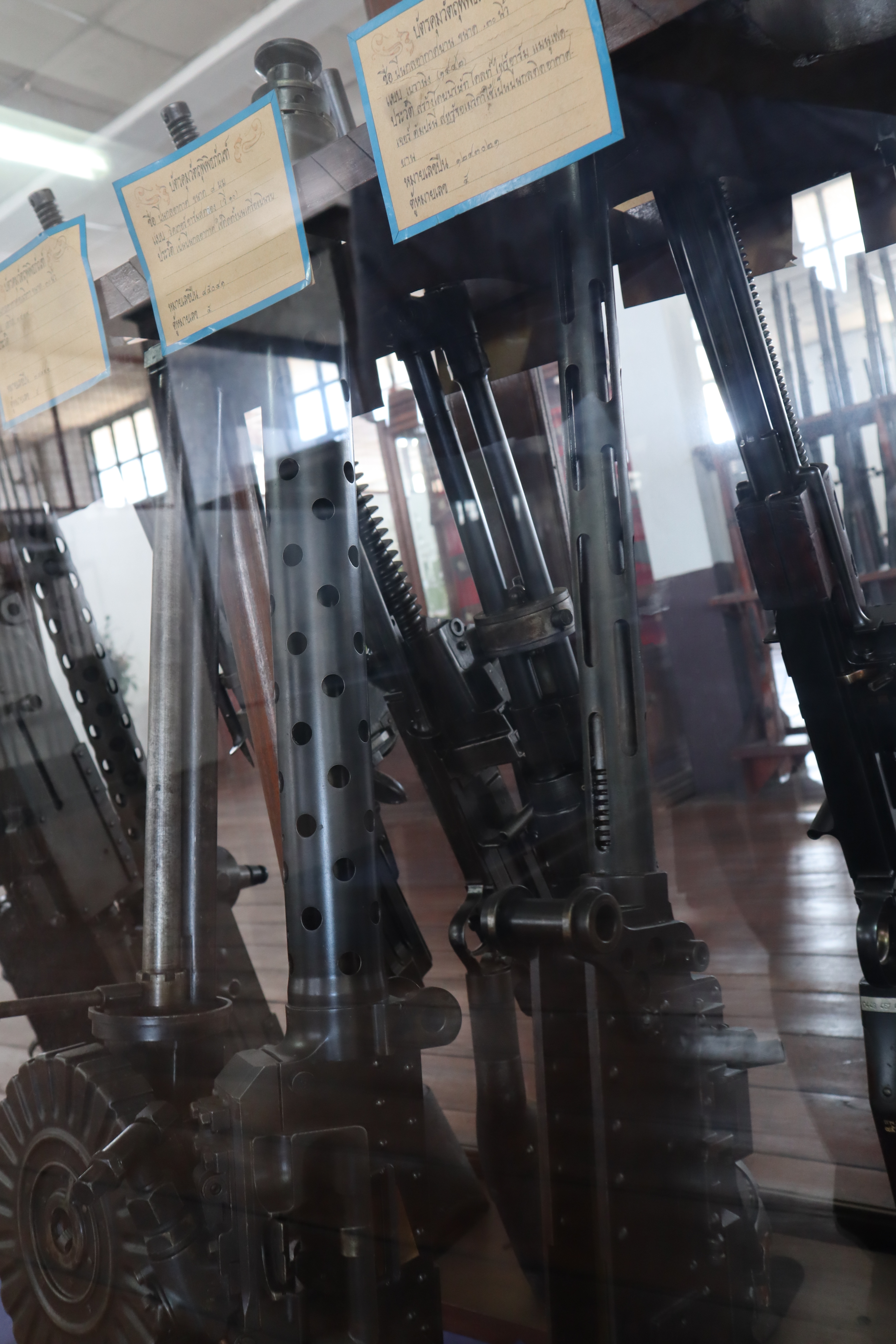
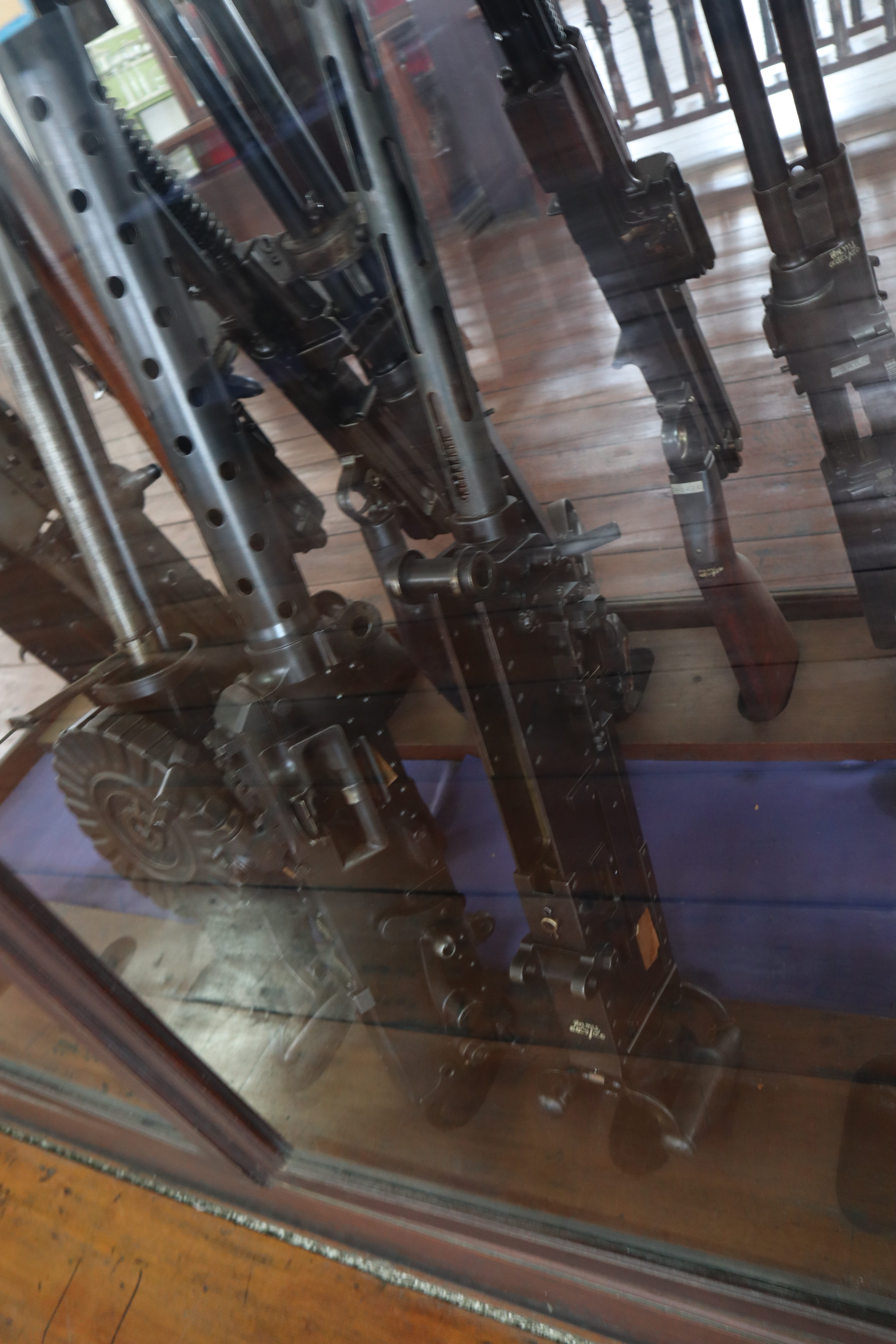
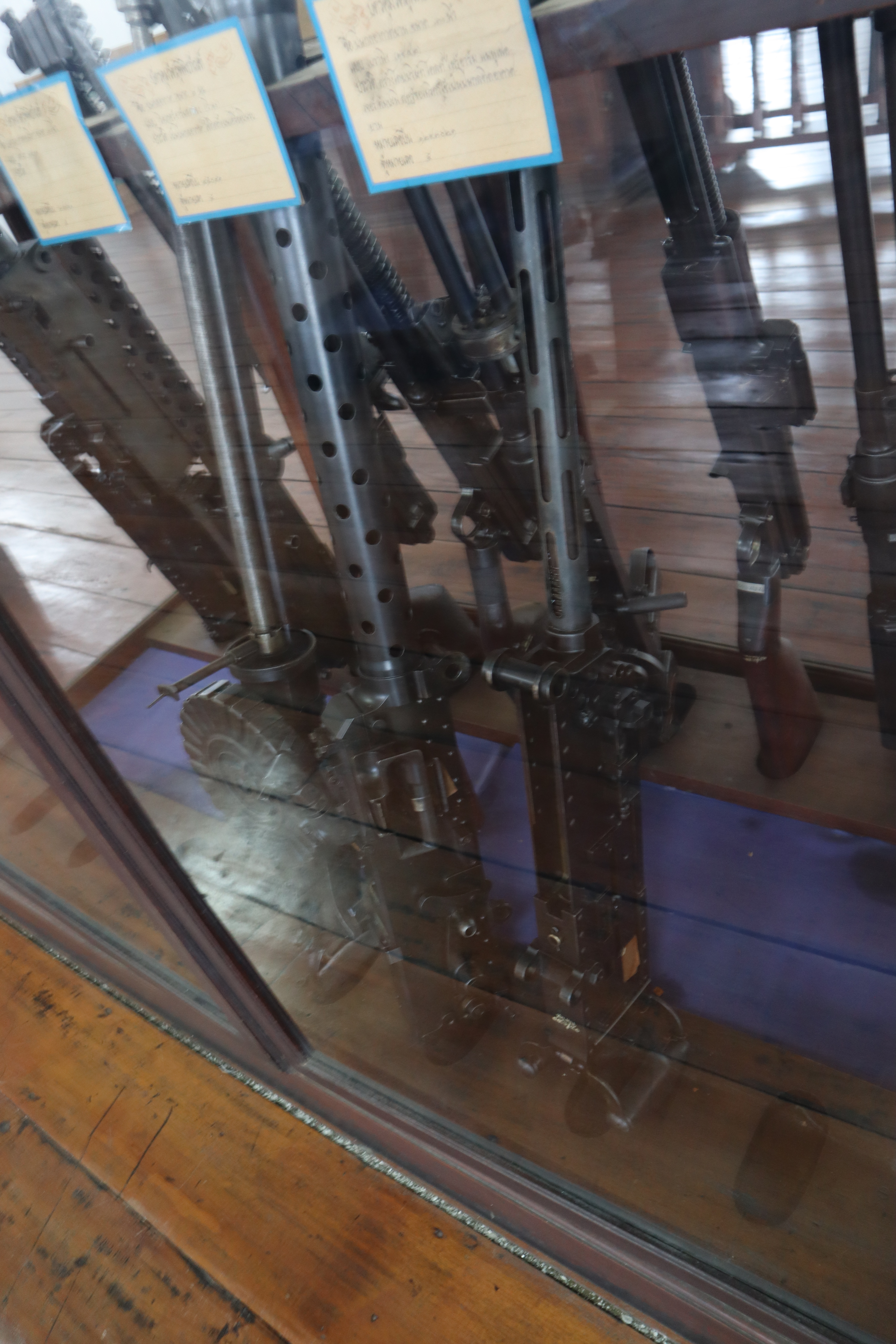
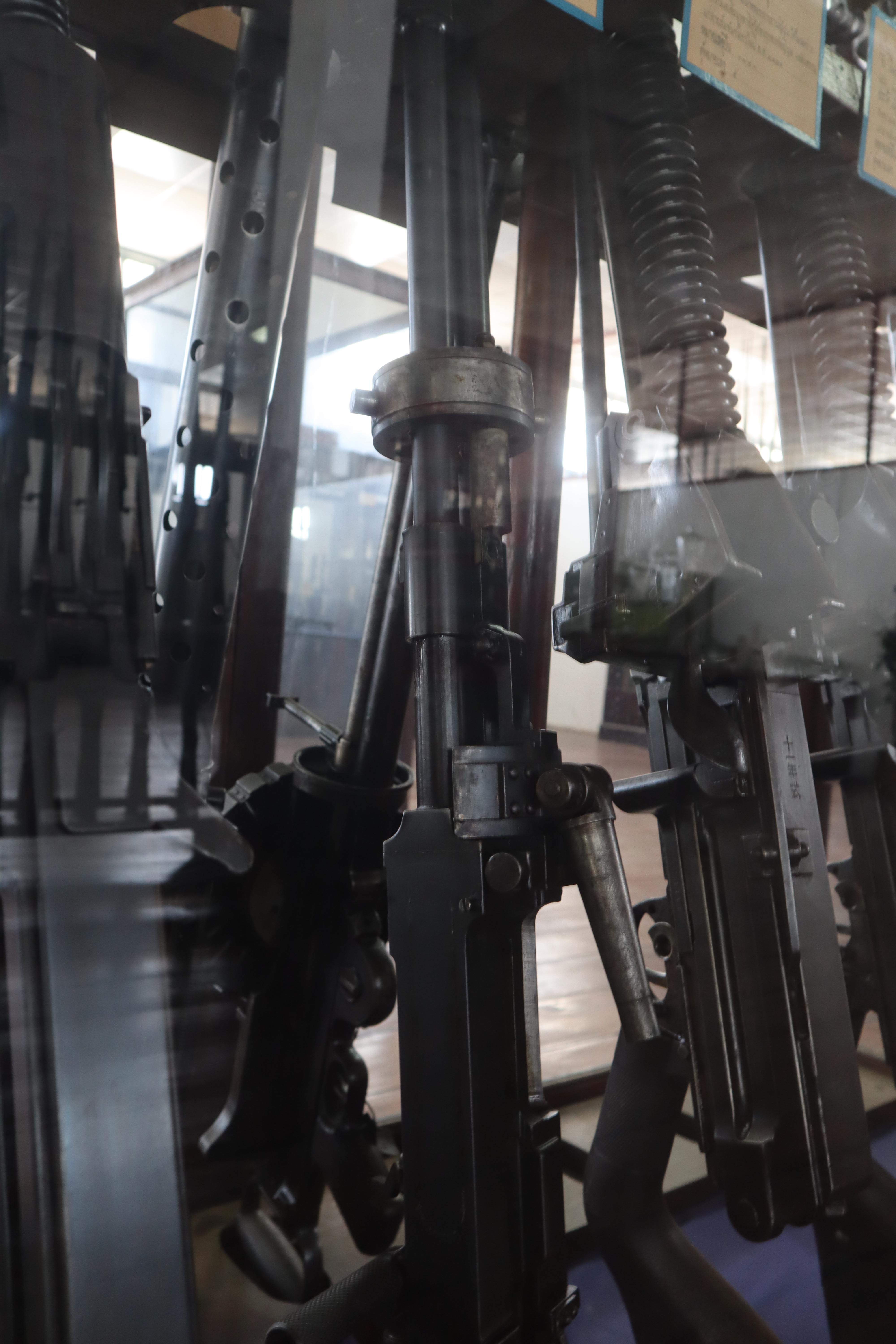
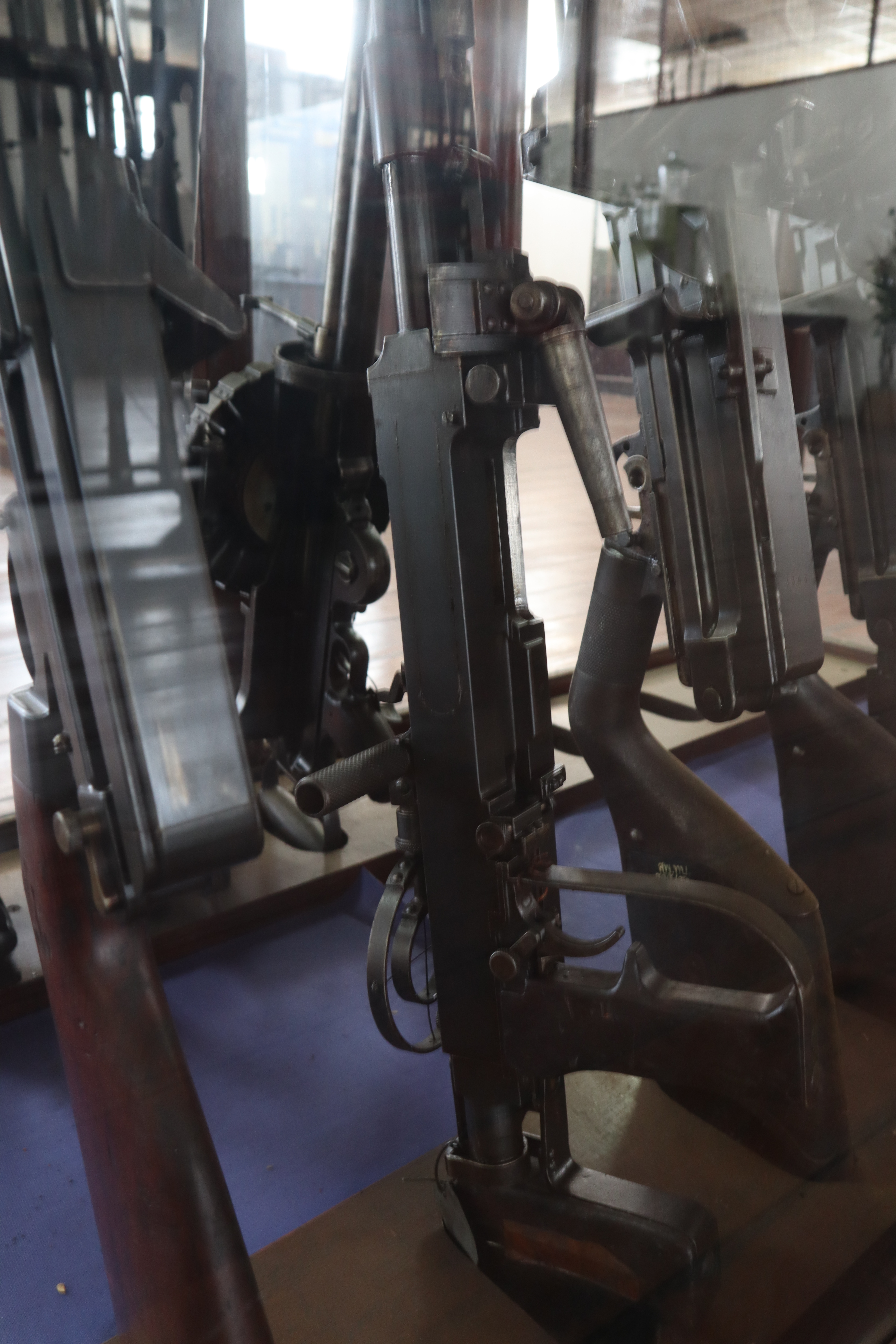
This post proposes the introduction of the Japanese experimental 1918 Model light machine gun into gameplay, which served as a technological predecessor to the mass-produced Type 11 machine gun. This model features a very low weight and comfortable ergonomics, which would allow for the introduction of a very unique weapon for Japan with a “light machine gun” mechanic. Special thanks go to the 2483 Reenactment Group, who shared their photographs; without them, this topic would not have been possible.
The history of Japanese light machine gun development between 1908 and 1922 represents a complex process of parallel design for two technical systems, which exchanged design solutions during trials and were ultimately reclassified. The Japanese design school of that time was based on the deep modernization of the Type 3 heavy machine gun mechanism, which relied on the Hotchkiss system with gas-operated automation and wedge locking. However, infantry requirements for mobility and the specific needs of nascent aviation led to the separation of a single process into two branches that developed in close interaction with each other.
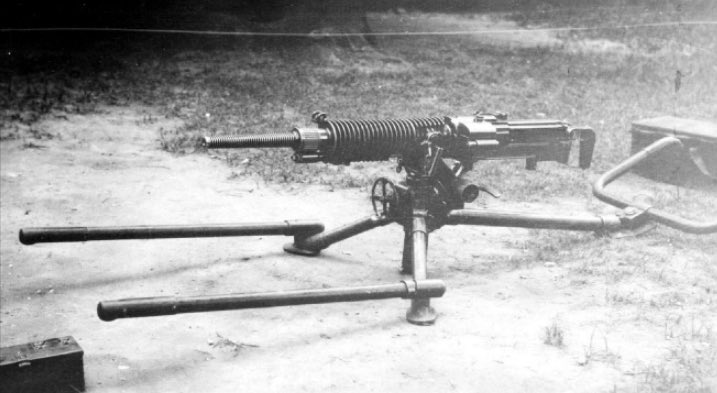
The first branch, having a direct kinship with the prototypes of 1915-1916, represented a “heavy” line of development. These machine guns were designed to be as unified as possible with heavy prototypes, which ensured reliability but negatively affected the weight of the product. By 1920, this concept had transformed into a model known in documents as the “Otsu.” This very base was initially chosen for the creation of aircraft armament: according to archival records from November 1920, the army leadership ordered the existing machine guns to be converted for drum-fed ammunition, while changing the design of the piston, barrel shroud, and backplate. In the infantry nomenclature, this line eventually received the “Ko” index, becoming the embodiment of technological continuity from the early heavy prototypes.

Parallel to this, the development of a more radical and lightweight system was underway, with origins dating back to experimental work from 1917-1918. Within this framework, 1917 models were created, presented in two versions: one with a massive cooling shroud and one without it. By 1918, the designers had managed to achieve a weight of 8 kilograms for the shroudless model, making it the most promising for man-portable use. At this stage, these models still utilized feed via rigid metal strip-cassettes.
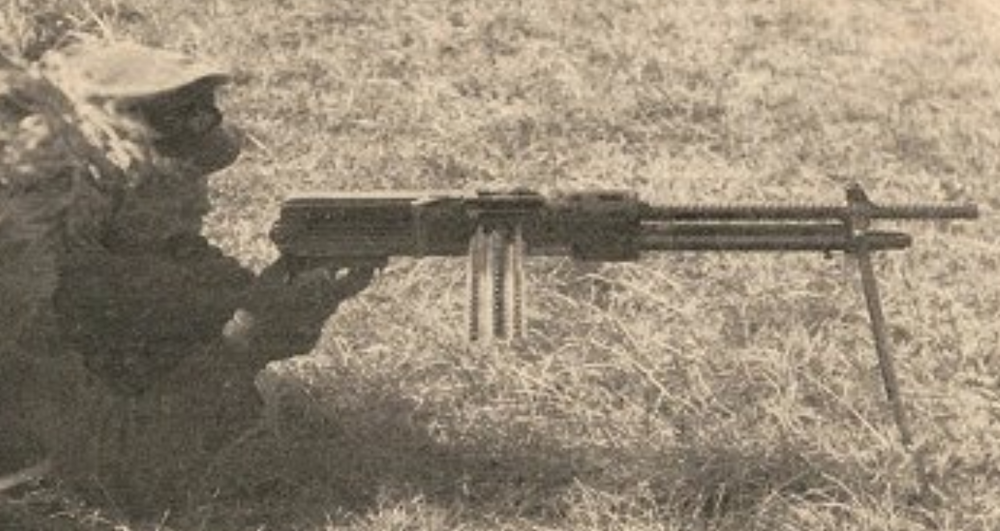
Since both the “heavy” 1915-1916 model and the “light” 1917-1918 model were designed in the same technical headquarters, they inevitably borrowed technical solutions from each other. In particular, at later stages, cooling shrouds could appear on both systems depending on cooling requirements. Ultimately, the model that was initially developed as “Otsu” (aviation-related) was permanently assigned the “Ko” index. At the same time, the lightweight prototypes that grew out of the 1917 models received the “Otsu” index. In 1921, a unique side-mounted hopper for feeding standard rifle clips was installed on this lightweight base. It was this configuration that won the competition, demonstrating the best combination of weight and logistical convenience, and was adopted in 1922 under the official designation Type 11.
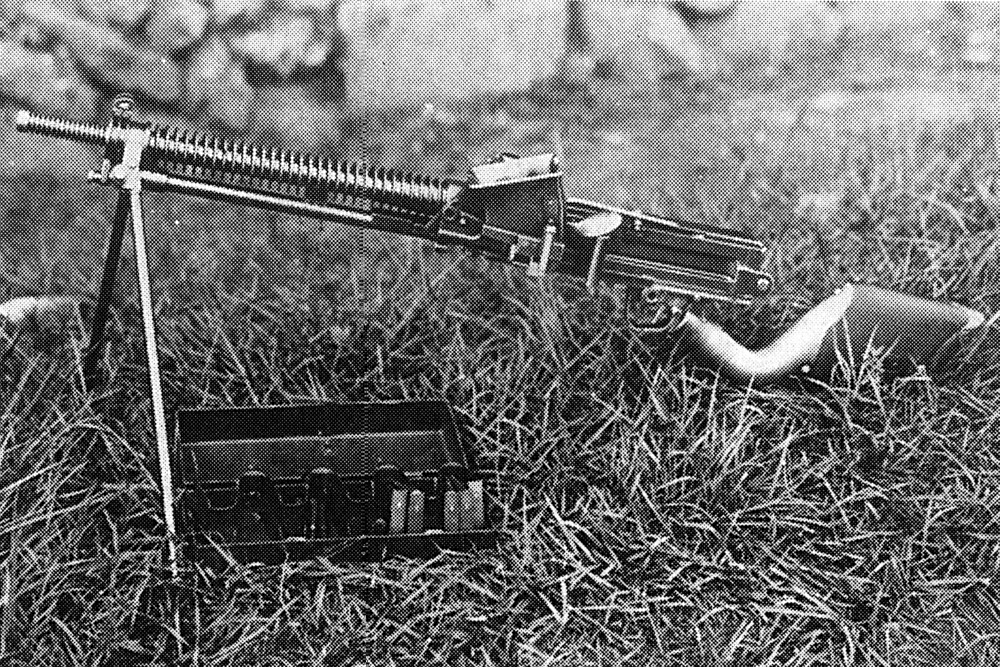
By the early 1920s, the feed system using rigid strips was already considered morally obsolete and unpromising in Japan for modern infantry due to the complexity of the mechanisms and the need for a two-man crew. This led to attempts to monetize the accumulated developments through exports. In April 1921, the Japanese consortium “Taihei Kumiai,” which specialized in selling surplus army property, transferred the 1918-model strip-fed machine gun to Siam (Thailand). In the Thai reports from August 1921, this model was described as follows:
«Currently, many countries are considering which size of machine guns will be most useful. This is an important question that requires consideration. At the moment, the use of 3 types of machine guns is planned, which will be discussed further:
- Heavy machine gun weighing about 50 kilograms.
- Medium machine gun weighing about 15 kilograms.
- Light machine gun weighing about 8 kilograms.
In France, the opinion has been reached that medium and light-type machine guns should be used for infantry companies. It is believed that light machine guns will be used very widely in the future. As for heavy machine guns (weighing about 50 kg), they have already been submitted for consideration by Major Takahashi, while I have submitted for consideration the light machine gun, which will be discussed further:
A. Advantages of the light machine gun:
- Light weight, ease of movement on the battlefield, and high speed of deployment.
- Convenient for use both in offensive and defensive operations, including in confined spaces (trenches).
- Requires a small number of operating personnel (crew) and does not take up much space on the front line.
- It is difficult for the enemy to detect, as it presents a low-profile target.
B. Mechanism operation: The movement of the mechanism parts in this model is similar to the Hotchkiss system machine gun, which, as I hope you are already well familiar with, so I will describe only a few details:
1. The names of the main parts of the machine gun consist of 5 elements:
- Barrel.
- Gas chamber.
- Receiver.
- Bolt mechanism.
- Ammunition feed mechanism.
2. The names of the various small parts of the machine gun consist of 16 elements:
- Gas regulator.
- Gas piston.
- Bolt carrier guide.
- Firing pin.
- Bolt.
- Extractor.
- Extractor plunger.
- Piston return spring.
- Sear.
- Feed lever.
- Cartridge cut-off spring.
- Locking latch (used for extracting the rigid strip).
- Guide for inserting the rigid ammunition strip.
- Ammunition feed ports.
- Cartridge oiler.
- Trigger.»

Later, in June 1922, the consortium initiated the delivery of a modified version of the 1918-model machine gun to Siam, chambered for the local 8mm caliber. Although the automatic mechanism remained the same, the Japanese side adapted the weapon to the more powerful Siamese cartridge, viewing this region as a market for selling a design that had already been fully developed.
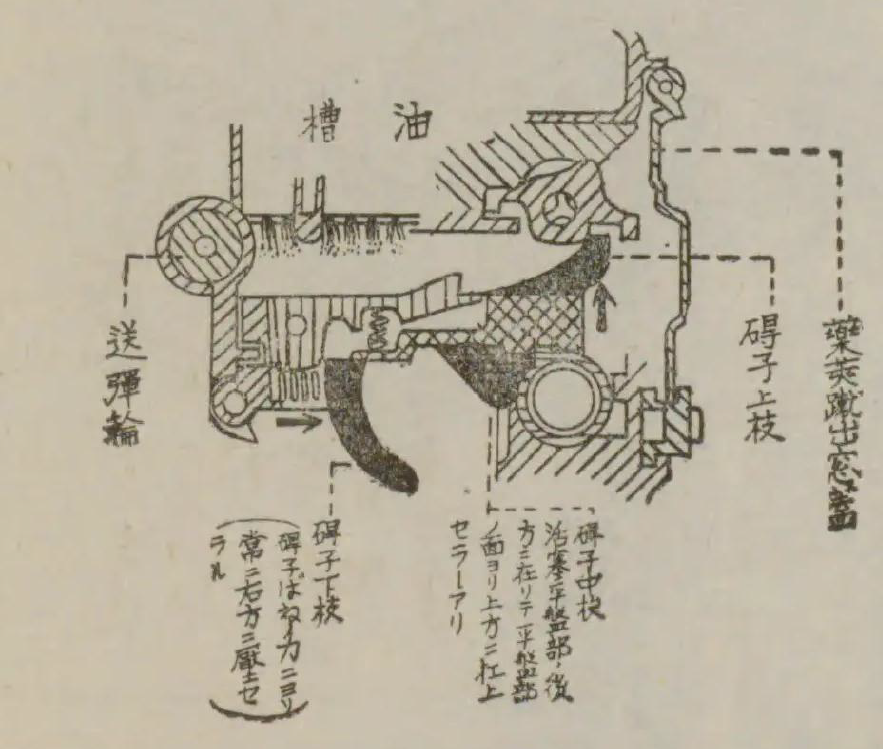
Ammunition feed for the 1918-model machine guns is carried out using rigid strips, similar to the Type 3 heavy machine gun. The strip must be inserted from left to right. In case it is necessary to remove a loaded strip from the machine gun, it is required to press the locking latch (“碍子下枝”), which will release the strip and allow it to be pulled out. This unloading procedure is identical to that of the Type 3 heavy machine gun.
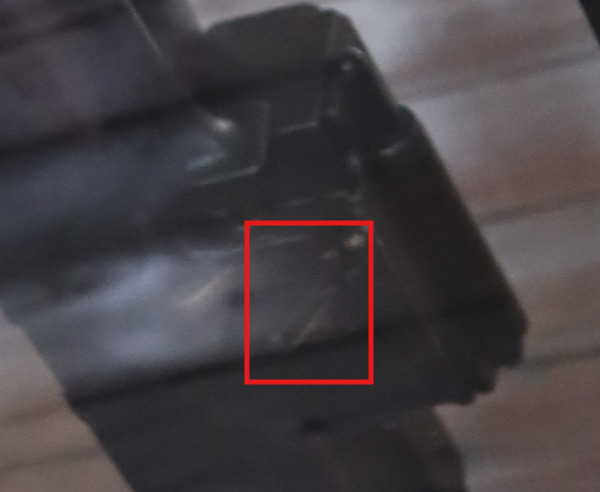
The 1918 model machine gun uses 6.5×50mmSR Arisaka cartridges. According to photo captions, the rate of fire is 600 rounds per minute, rather than the 500 rounds per minute found in the Type 11 or Type 3. The muzzle velocity is presumably the same as the Type 11, at 721 meters per second. The capacity of the rigid strip is 30 rounds, similar to the strip used for the Type 3 heavy machine gun. The operating principle is identical to that of the Type 3 heavy machine gun.
Especially noteworthy is its very low weight of only 8 kg. The weapon also features fairly comfortable ergonomics due to the front wooden handguard. This allows the weapon to be assigned the “light machine gun” mechanic with increased sprint speed.



- Yes
- No
- Tech tree
- Event — standalone weapon
- Event — squad weapon
- Battle Pass
- Premium squad
- BR 2
- BR 3
- BR 4