Field Modification of the DA (Degtyaryov Aviation) Machine Gun by Chinese Collaborationists
Historical Background: The Japanese and Degtyaryov Machine Guns
The Imperial Japanese Army captured and officially adopted Degtyaryov family machine guns in significant numbers. These trophies primarily came from two sources. First, captured arsenals following the defeat of Kuomintang armies in 1937–1938 (the USSR actively supplied China with military aid, including thousands of DP machine guns). Second, direct military clashes with the Red Army at Lake Khasan and Khalkhin Gol.
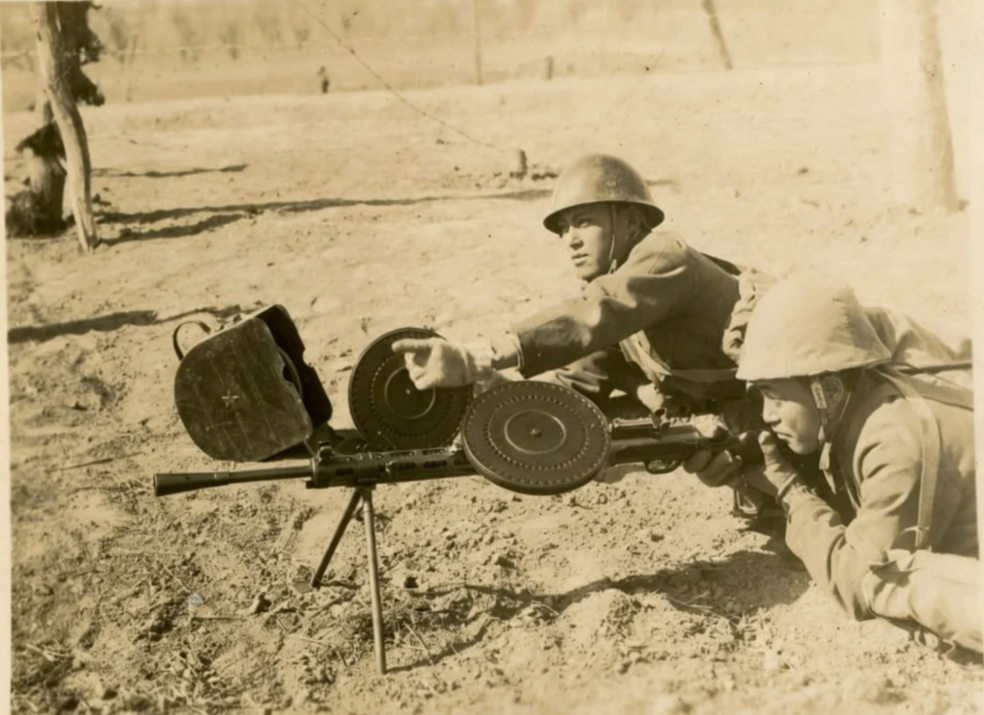
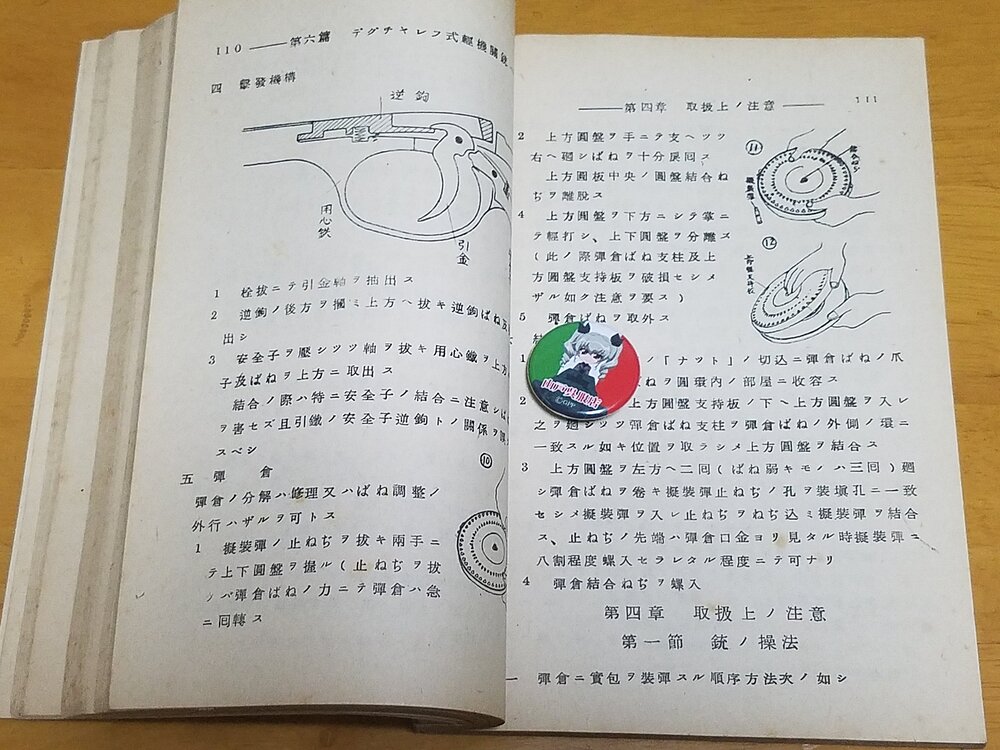
Captured weapons underwent systematic technical study. According to document No. 4 of the 1st Research Institute of the Army Technical Bureau (陸技一研銃調-第4号), samples captured from the Soviet Army were sent to the Japanese home islands for practical measurements. Japanese specialists compared the obtained data with translated Soviet documentation. The result of this work was the publication of the official Japanese “Instruction Manual for the Red Army’s Degtyaryov Light Machine Gun” (ソ軍「デクチャレフ」式軽機関銃説明書).
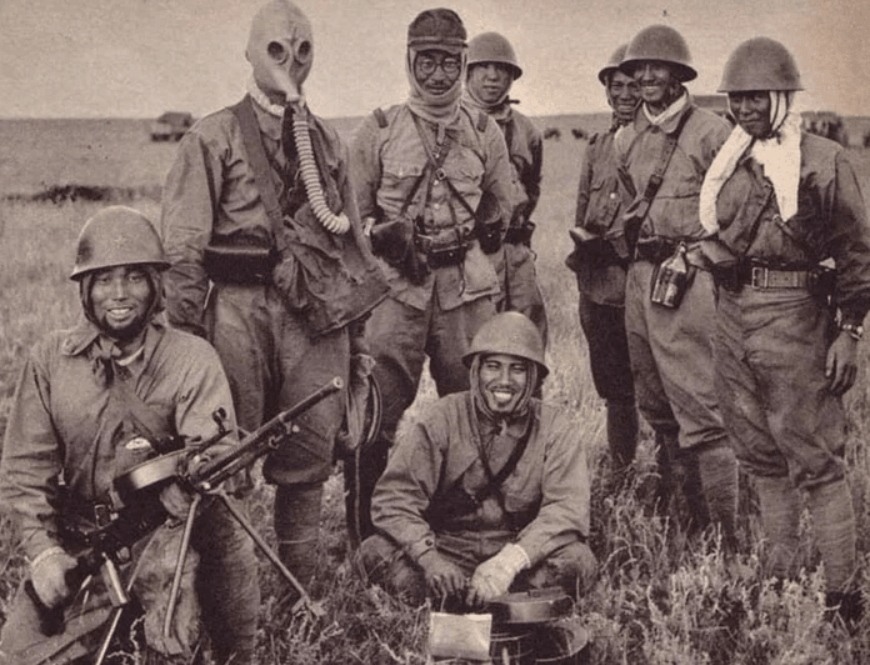
Captured weapons were regularly used in combat units. A secret telegram from the headquarters of the “Bo” Army Group (code name for the Japanese Garrison Army in Mongolia) dated August 20, 1940, reporting the capture of a Soviet DP from a Chinese division in Suiyuan, serves as a documented example of trophies being pressed into service. The document states:
“During the battle, one relatively new Soviet-made Degtyaryov light machine gun was captured. This is the first time our army has captured a Soviet-made weapon of this type. We will send a report with photographs shortly. However, since the specifications and mechanism of this machine gun are already known to us, we plan to keep the captured sample at the disposal of our army for direct use.”
Thus, Soviet Degtyaryov machine guns were well-studied by the Japanese command and used in various theaters of war. However, the most unusual variant was recorded in Central China.
An LMG out of a DA: Origin
During the hostilities, the USSR supplied the Kuomintang with TB-3 heavy bombers (some series of which carried single and twin DA machine guns) and SB bombers. Damaged, shot down, or decommissioned aircraft became a source of weaponry — specifically, DA (Degtyaryov Aviation) turret machine guns.
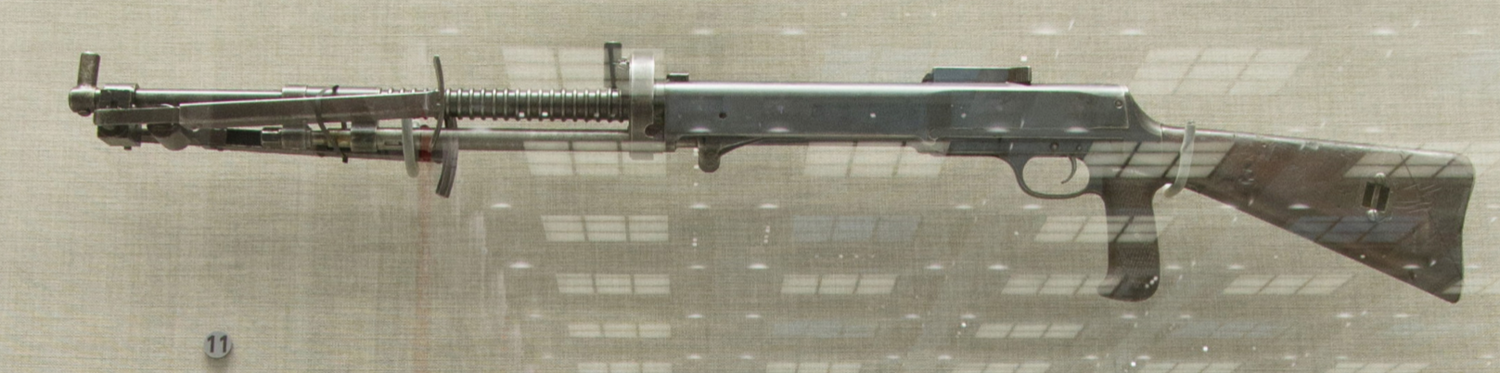
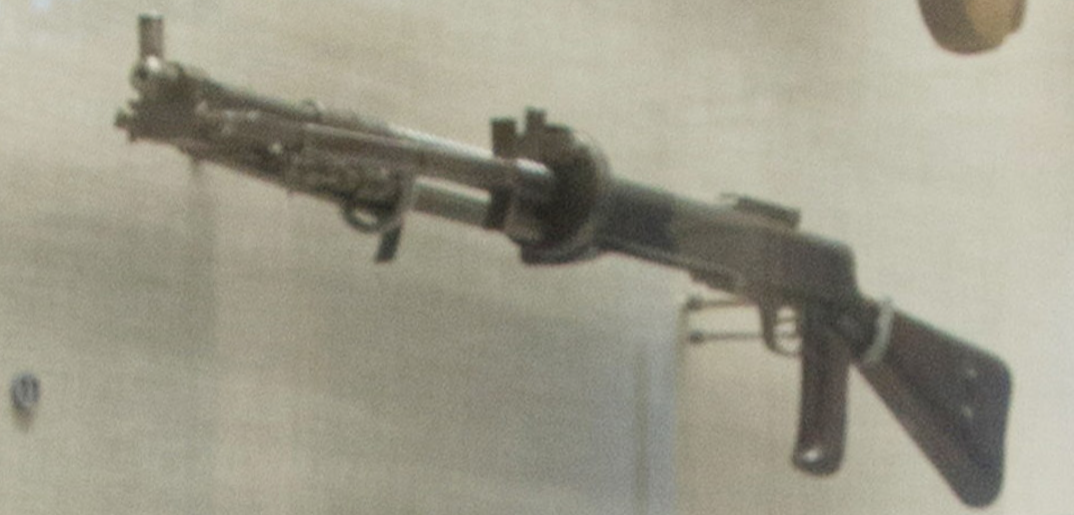
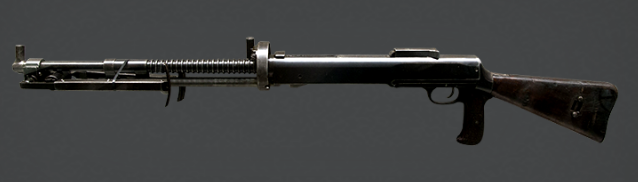
Since the DA machine gun lacked both a proper stock and bipods, using it on the ground was difficult. Weapons workshops of the pro-Japanese puppet troops adapted this weapon for the infantry by adding a rifle stock and bipods from a ZB-26 machine gun.
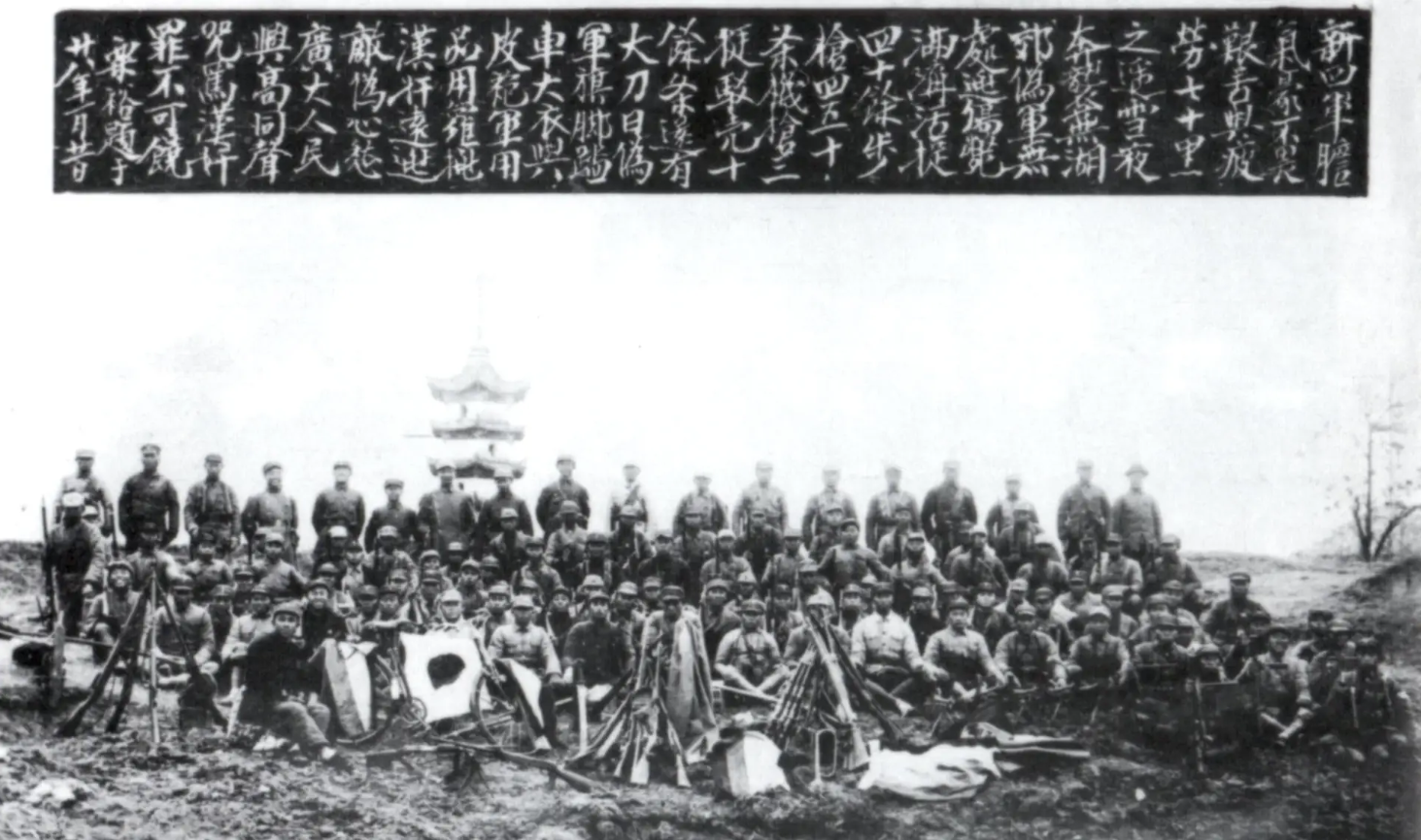
The authenticity of this photographic evidence is confirmed by a personal inscription from the commander of the New 4th Army, General Ye Ting, dated February 20, 1939. It states that the weapon was captured in battle specifically from puppet pro-Japanese troops (伪军).
Specifications
The standard DA aviation machine gun model 1928 was based on the DP light machine gun, with modifications for aircraft installation. The weapon received turret mountings, a ring sight, a wind-vane front sight, and a canvas brass catcher, while the barrel shroud was removed. The rate of fire is identical to the DP-27, DPM, and DT-29 — 500-600 rounds per minute.
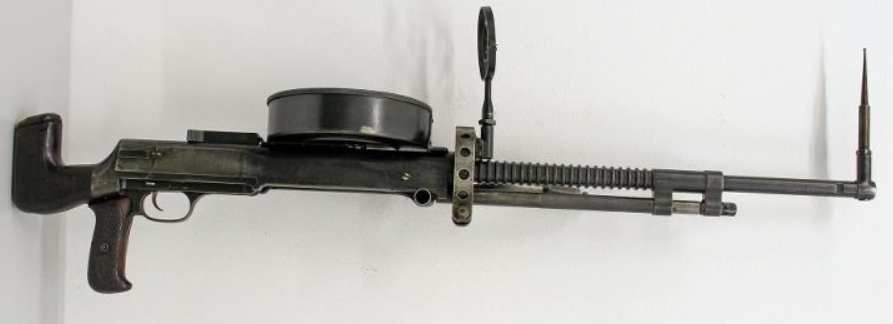
Standard DA machine guns are fed by 63-round pan magazines (identical to those used in the DT-29).
Polls
- Yes
- No
- Tech Tree
- Event - Standalone weapon
- Event - Squad weapon
- Battle Pass
- Premium Squad
Additional Photos
Photos

Sources
Sources
Instruction Manual for the Red Army’s Degtyaryov Light Machine Gun (ソ軍「デクチャレフ」式軽機関銃説明書)
Military Museum of the Chinese People’s Revolution
