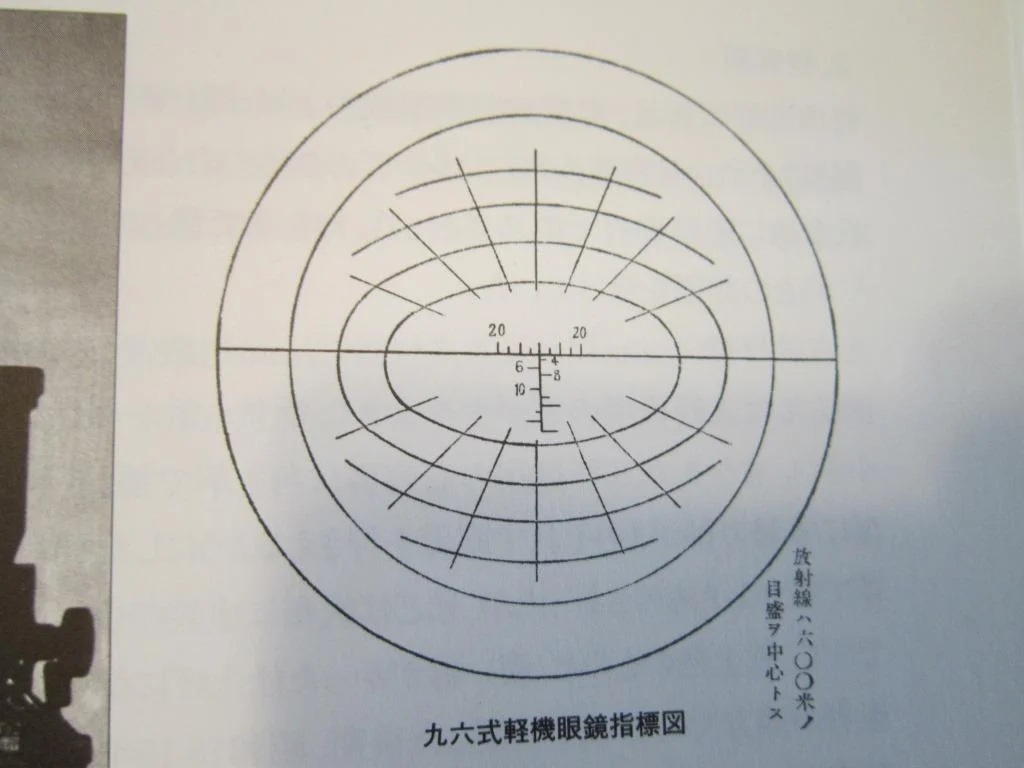
Translation of the Japanese Service Manual for the Type 96 LMG:
«Section 11: Optical Sight (Scope)
Article 52 (General Description): The optical sight is a direct-view monocular telescope designed for both ground-based and anti-aircraft engagement. Aiming is performed by aligning the required reticle markings directly with the target. The scope is mounted onto the bracket located on the upper rear section of the receiver.
Article 53 (Reticle and Graduation):
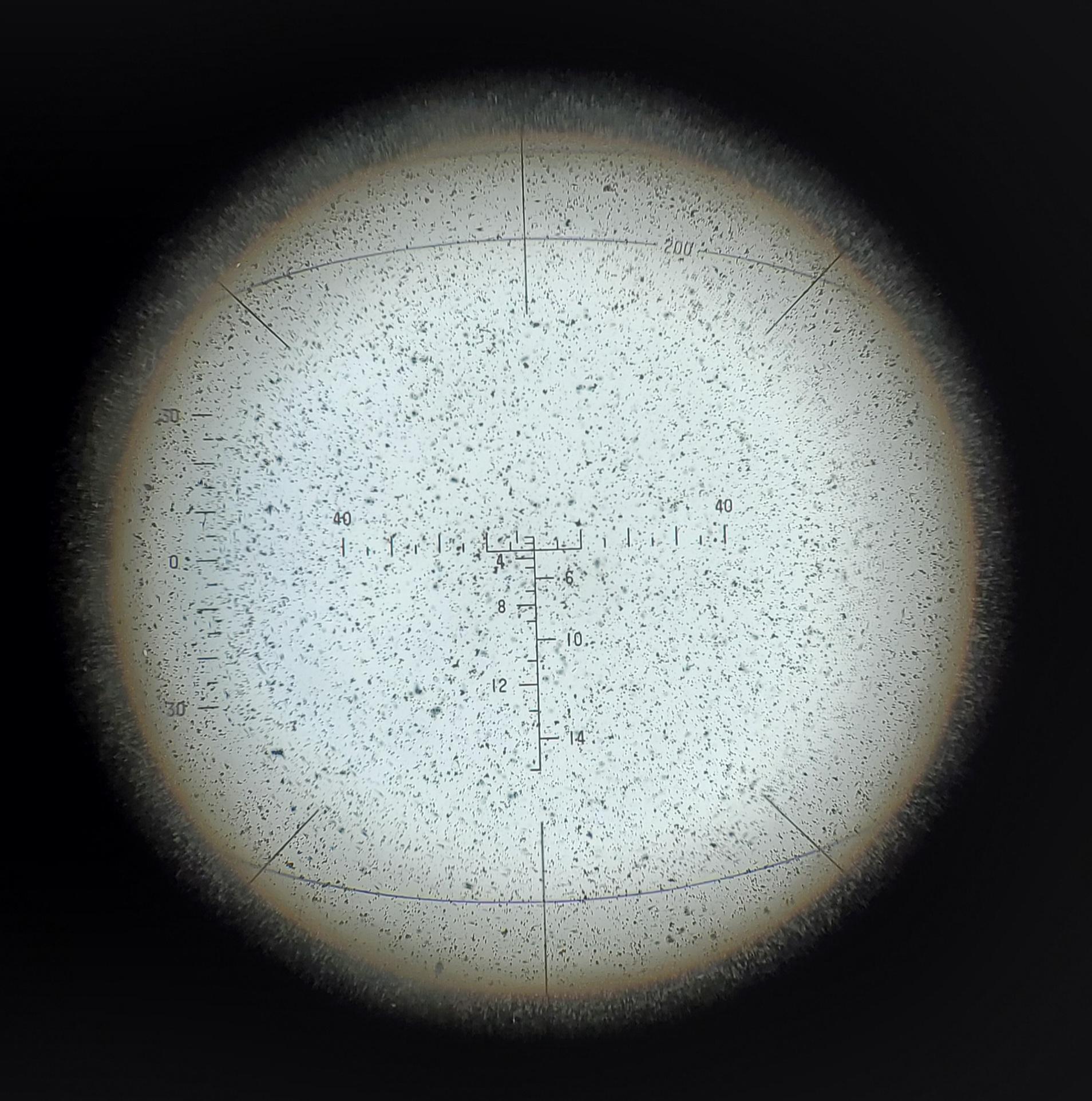
- Distance Scale: The reticle features range markings from 200m to 1,500m, graduated every 100 meters.
- Windage/Lead Adjustment: Vertical lines account for bullet drift (derivation). Horizontal markings are graduated in 2-mil increments (0-02) for lateral corrections.
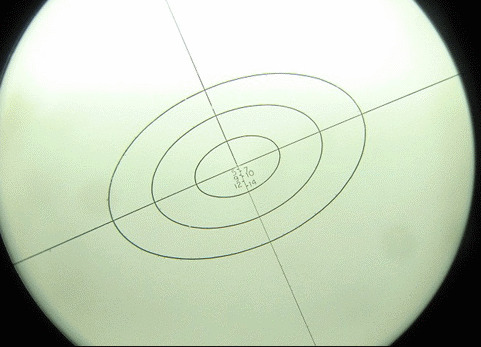
- Anti-Aircraft Function: The reticle includes four concentric rings specifically calibrated for engaging aerial targets at speeds of 150, 250, and 300 km/h.
Article 54 (Mounting Mechanism): The sight is secured using a specialized locking wheel and lever system. This ensures a rigid connection to the receiver, preventing any zero shift or loosening caused by the vibration of sustained automatic fire.»
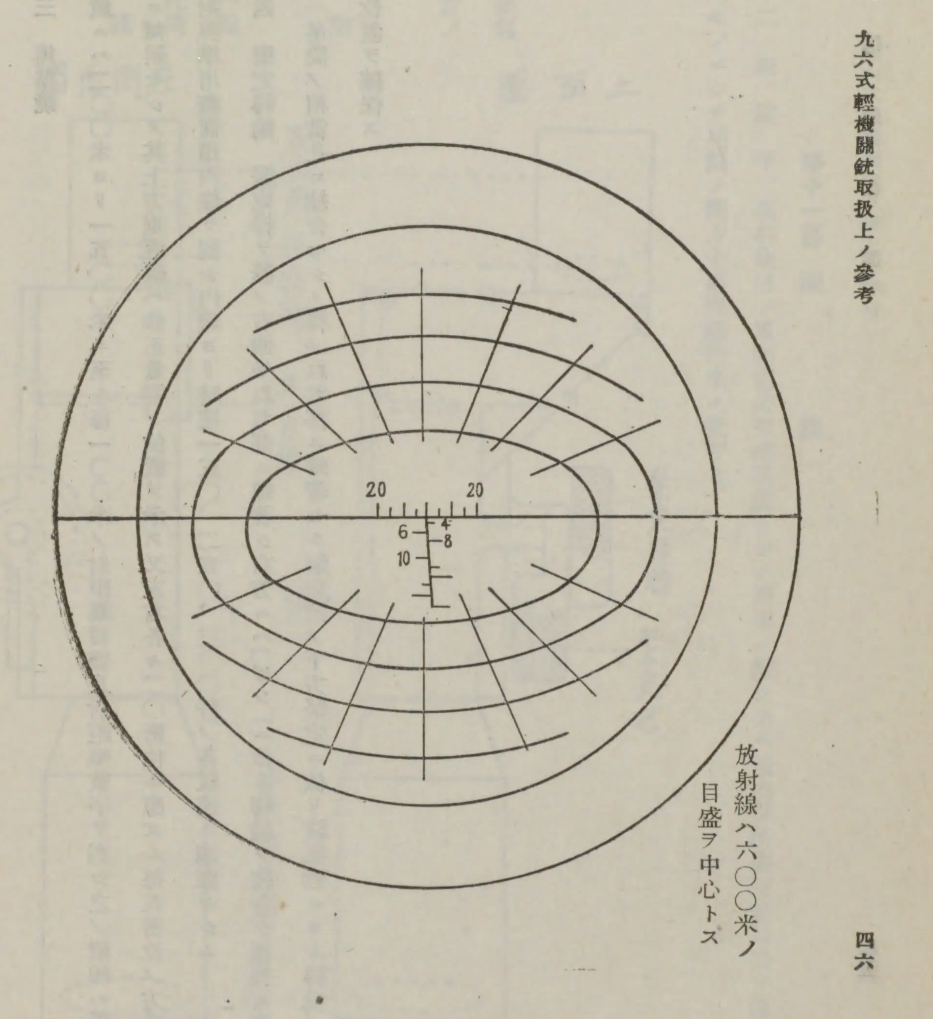
| Specification | Details |
|---|---|
| Weight | approx. 0.48 kg |
| Magnification | 2.5x |
| Field of View | 10 degrees |
With the transition to the new 7.7mm caliber in the Type 99 LMG, the reticle was updated to match the new ballistics; however, the optical sight itself remained identical to the design used on the Type 96.
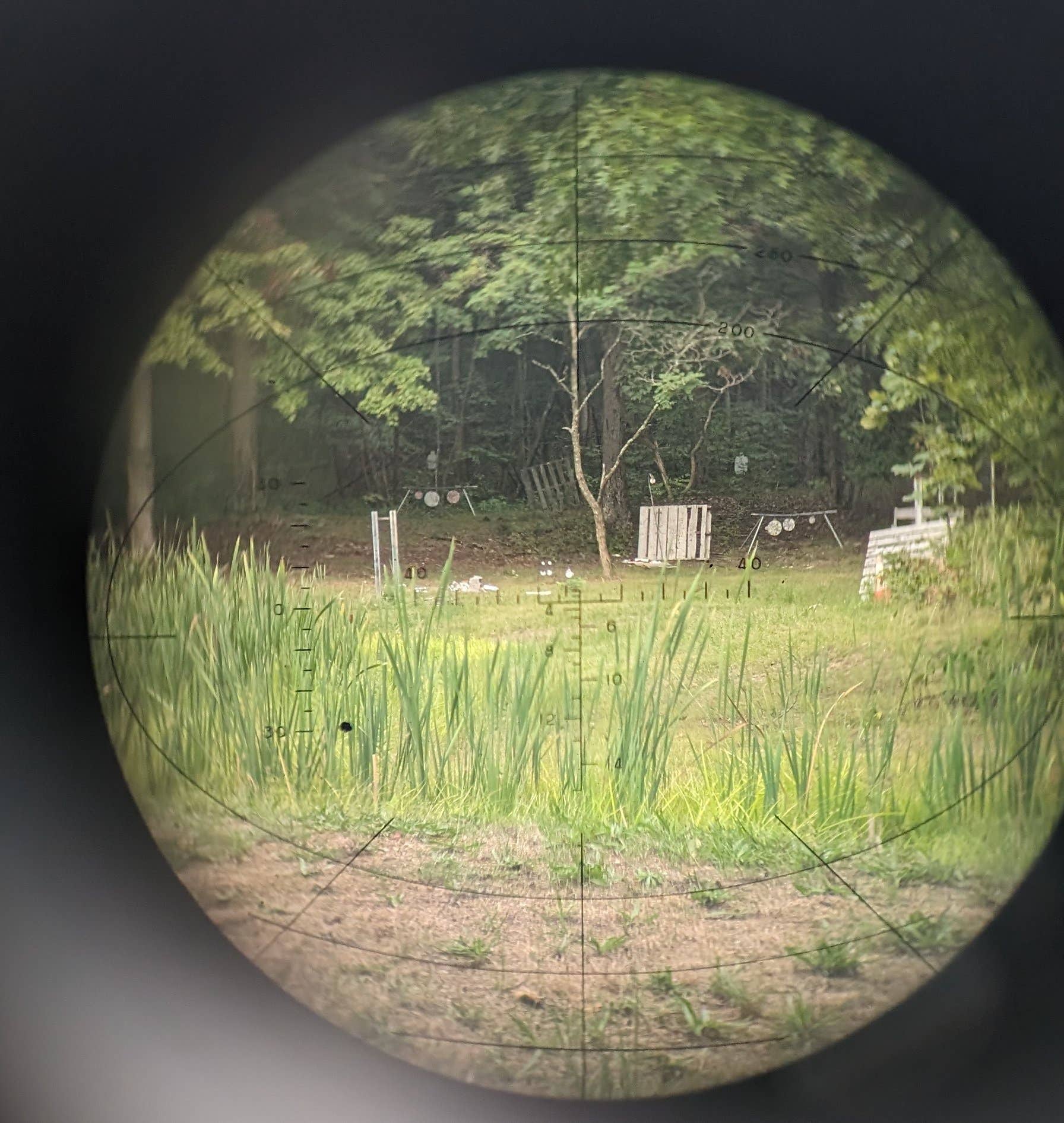
It is worth noting that the 3D models for the Type 96 and Type 99 optical sights already exist in the game files (albeit without the rubber eye relief). Historically, it is understood that these scopes were not implemented due to the technical difficulty of rendering a periscopic sight in a first-person shooter.
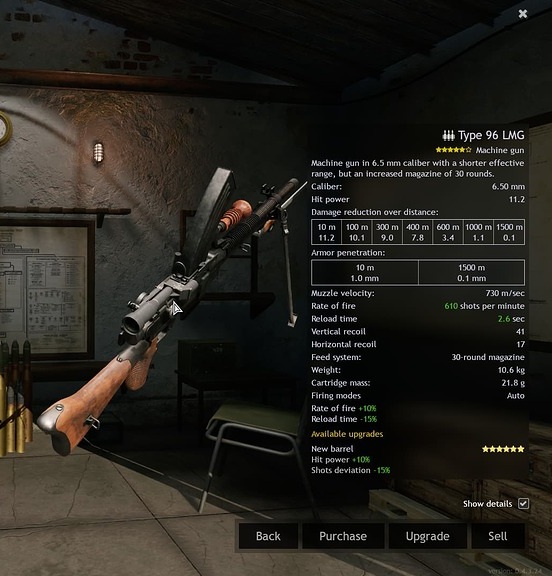
However, there is a practical workaround to avoid the “projected point” issue. A similar mechanic is already used for the D4Y1 aircraft, where the propeller is not rendered through the gunsight to ensure visibility. We can apply the same logic here: when the player aims through the Type 96 or 99 scope, the body of the machine gun should not be rendered within the sight’s field of view.
This “transparent” or “non-rendered” approach was originally suggested some time ago by BaronBrahman-live. Implementing this would finally allow these iconic scoped LMGs to function properly without requiring a complex periscopic rendering overhaul.
You may have previously encountered information suggesting that the Type 97 sniper scope could be mounted on the Type Ko, Type Otsu, and Type Hei automatic rifles. However, this is not possible; the Type 97 optical sight was not developed until 1936.
For a complete understanding of the situation, I present to you a translation of document C01001740200 from JACAR, specifically the section regarding the development history of the Type 97 sniper scope:
I. Origins of the Inspection
In accordance with the research policy dated July 20, the 9th year of Taisho (1920), research was initiated to develop an optical sight for small-caliber rifles.II. Progress of the Inspection
Initially, products from the German company Carl Zeiss were purchased and studied. However, due to the Great Kanto Earthquake in the 12th year of Taisho (1923), various documents were lost, and the specific details of that period remain unclear.In November of the 12th year of Taisho, Nippon Kogaku (Nippon Optical Co.) produced the first experimental prototypes. As these were found to be insufficient, gradual improvements were made to the design. The first trial was conducted in March of the 3rd year of Showa (1928). Following the results of a second round of firing tests in late January of the 4th year of Showa (1929), it was determined that defects in the mounting assembly and inconsistencies in the focusing lens movement needed to be corrected, and an increase in magnification was deemed necessary.
Previously, there had been no significant demand for such equipment from the users (the troops), and consequently, research progressed slowly. However, following the Manchurian Incident in the 6th year of Showa (1931), the practical requirement for this equipment increased rapidly. As a result, research was urgently accelerated. In April of the 7th year of Showa (1932), a 4x magnification prototype was tested. By the 8th year of Showa (1933), practical field trials in North Manchuria and at the Army Infantry School were completed.
While the malfunctions of the mounting assembly were somewhat mitigated, it remained impossible to prevent minute shifts of the focusing lens. Furthermore, the 4x magnification resulted in a significant increase in weight, which proved inconvenient for field operations.
Consequently, between November of the 9th year of Showa (1934) and the 11th year of Showa (1936), the magnification was set at 2.5x and various modifications were implemented. To prevent the shifting of the focus, the method of adjusting the angle of fire by moving the lens was abandoned; instead, the lens was fixed in place. A system utilizing a graduated range scale on the reticle for selecting firing angles was adopted. Firing tests were conducted at Futtsu in March of the 11th year of Showa (1936).
Among the six samples provided for the trial, three (manufactured by one company) were unsatisfactory as the lens shift issue had not been fully resolved. However, the other three samples (from a different company) were disassembled and inspected, revealing that their manufacturing process was based on sound principles. Based on these results, three additional units were produced. These, along with the previous successful prototypes, totaling seven units, were sent to the Army Infantry School for practical testing and to North Manchuria for field trials. The results were judged to be favorable, though the durability of the mounting assembly was still considered insufficient.
Following further modifications to the mounting section, final durability tests were conducted at Futtsu in June of the 12th year of Showa (1937). As satisfactory results were achieved for the first time, a formal proposal for the adoption of the device as a standard sniper scope was submitted in February of the 13th year of Showa (1938).
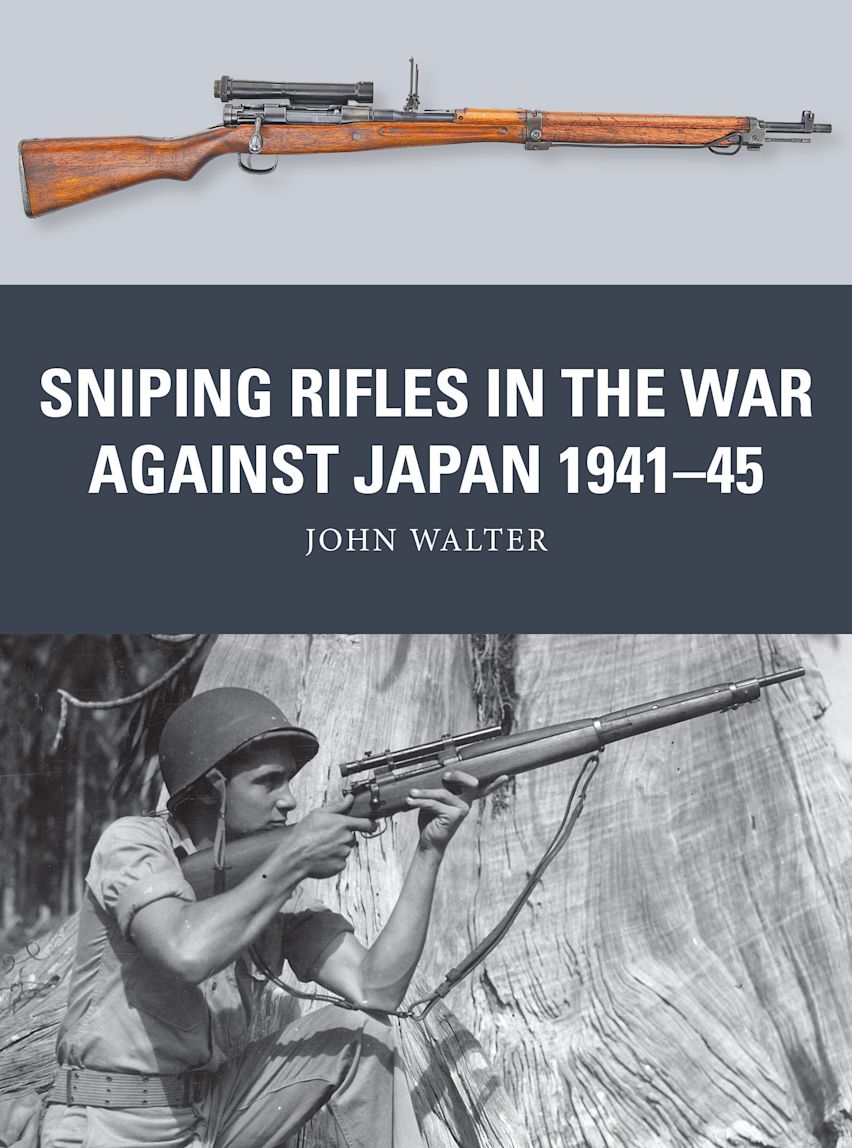
The most important piece for us is the 1932 model 4x magnification optical scope, as it fits our timeframe. In the book ‘SNIPING RIFLES IN THE WAR AGAINST JAPAN 1941-45’, on page 8, there is a photograph of an experimental Type 38 sniper rifle equipped with an experimental scope.
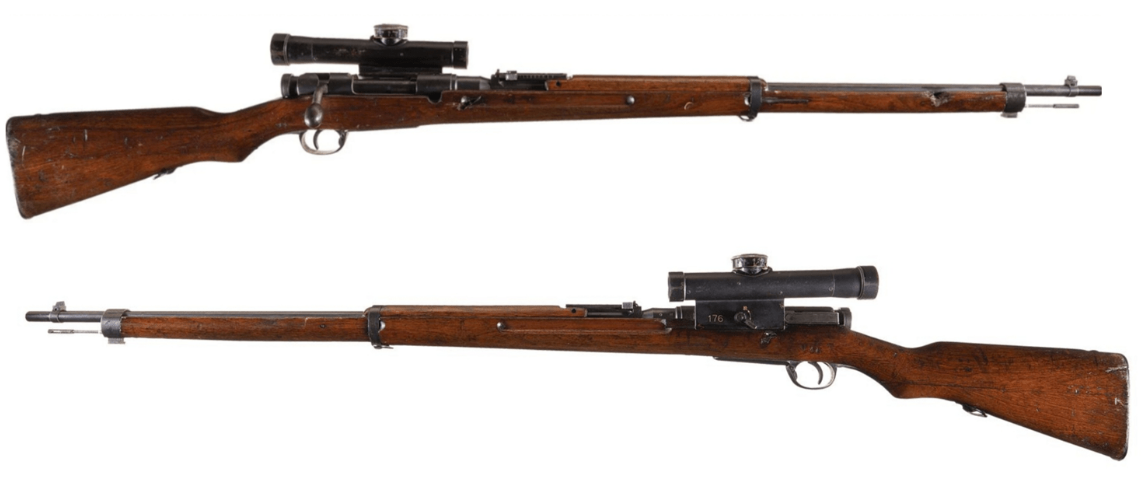
Two views of a sniper adaptation of the Japanese 38th Year Type rifle, some 700 of which were produced by Kokura Arsenal for evaluation and testing in trials that led to the adoption of the perfected Type 97 sniping rifie.
About 700 “test Type 38” rifles made in Kokura Arsenal were followed by 8,000-9,000 Type 97 sniping rifles assembled in Kokura Arsenal in 1938-39 and perhaps 14,500 in Nagoya Arsenal in 1938-43.
A batch of 700 rifles is quite significant and well-suited for the field trials, which were completed in 1933.
In the book ‘Military Rifles of Japan’ by Honeycutt and Anthony (first edition), page 80 features a drawing of the optical sight mount for the experimental Type 38 sniper rifle.
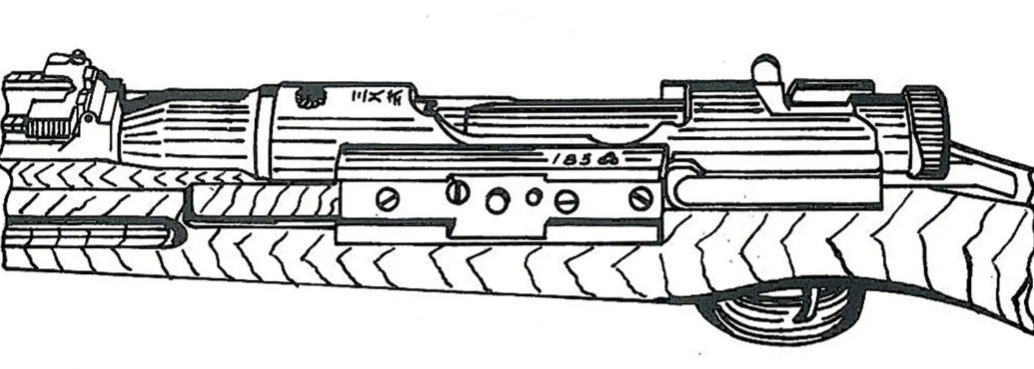
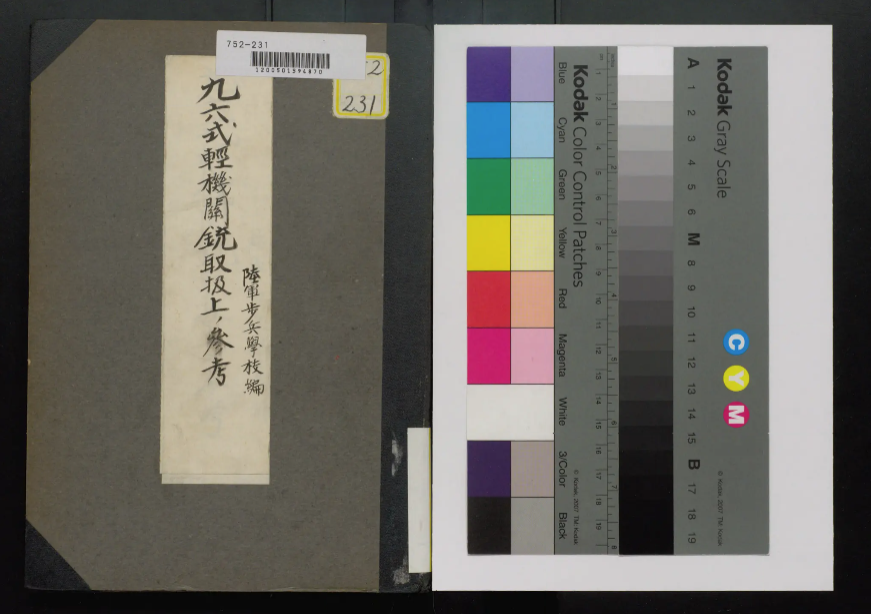
The following are a couple of fragments from a book ‘小銃拳銃機関銃入門’ by Jiro Sayama:
In January of the following year (Showa 10 / 1935), functional tests were conducted on the modified rifles along with additional prototypes. About half of them were deemed suitable for practical trials. Among these were several rifles featuring barrels lengthened by approximately 100 mm and equipped with optical sights to improve shooting accuracy.
Based on the results of the research conducted, in June of the 11th year of Showa (1936), the Army Technical Headquarters finalized the list of modifications and ordered a total of 16 units—four rifles of each model (both long and short versions)—from the Kokura Arsenal and the Japan Special Steel Co. The price per rifle was set at 1,500 yen, with a delivery deadline of January 31, Showa 12 (1937). The primary focus of the refinements was to ensure the reliability of the automatic action and the durability of the mechanisms for the Type Ko, and to further improve the accuracy of the Type Hei. Additionally, all rifles were to be equipped with optical sights and easily detachable bipods.
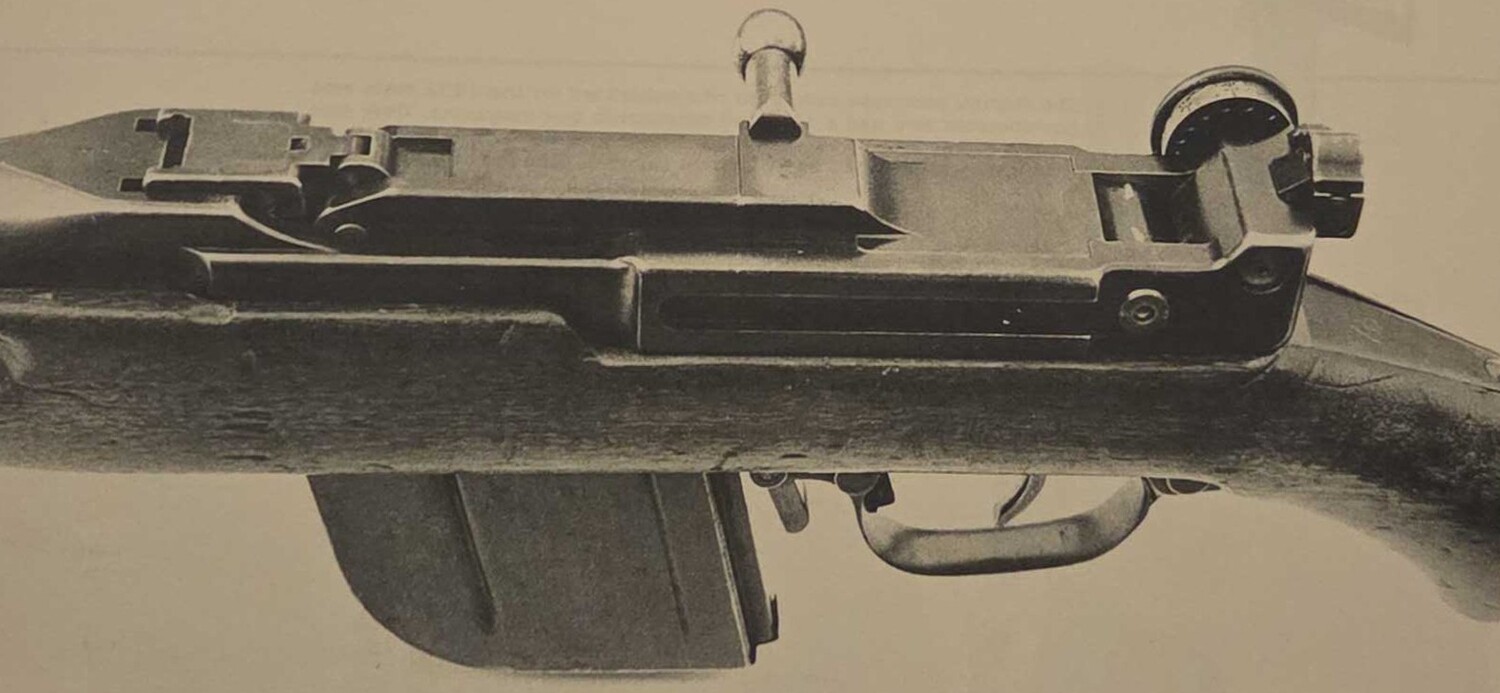
Take a look at the optical sight mounts on the Type Ko and Type Otsu rifles, which are identical to the scope mount drawing for the experimental Type 38 sniper rifle.
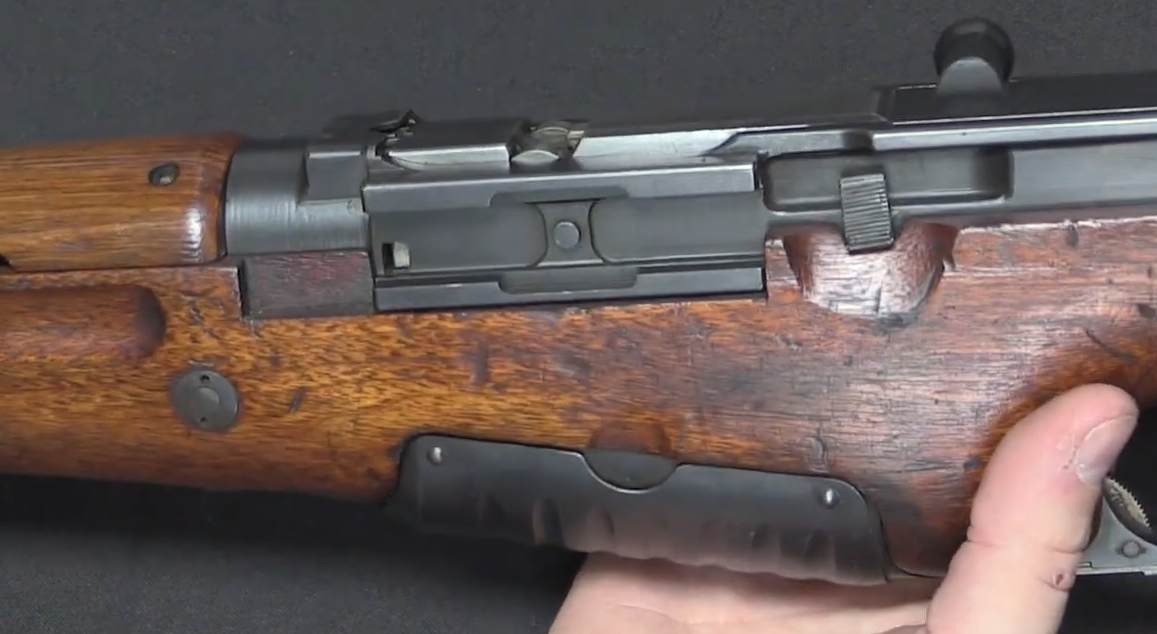

The optical sight mounting system on the early Type Hei differs significantly from the systems found on the Type Ko and Type Otsu rifles. Nevertheless, the general shape of the slot is the same. Furthermore, some models feature a slot plug to protect it from dirt.
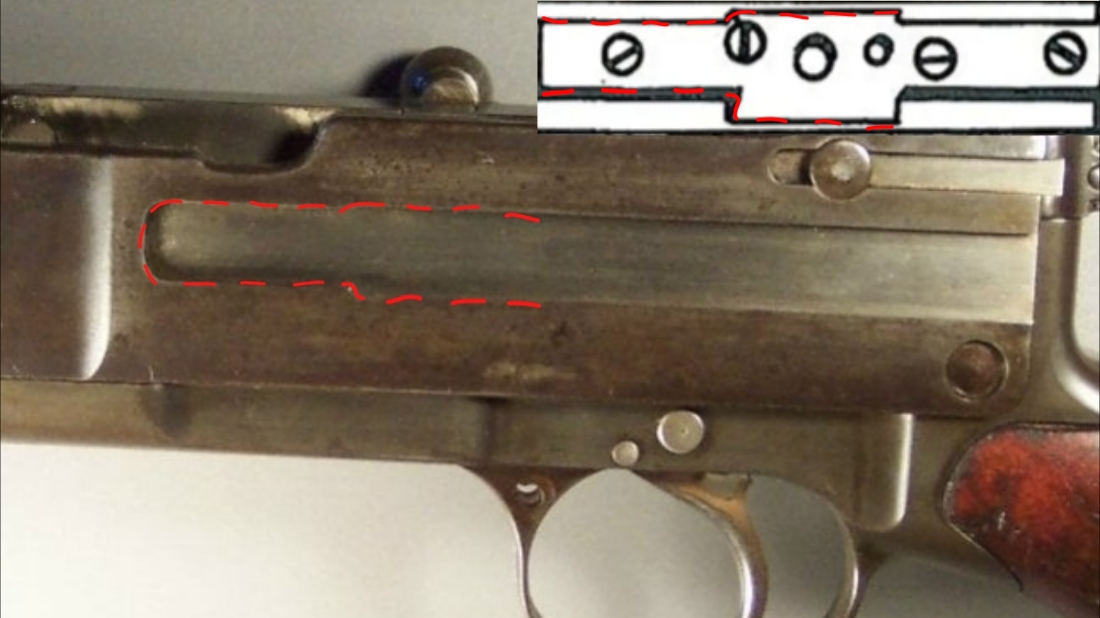

Although the slot on the late-model Type Hei changed and became even more distinct from the mounting system of the Type Ko and Type Otsu rifles, I do not believe Saburo Watanabe abandoned the optical sight on later models; furthermore, doing so would contradict the information in Jiro Sayama’s book.
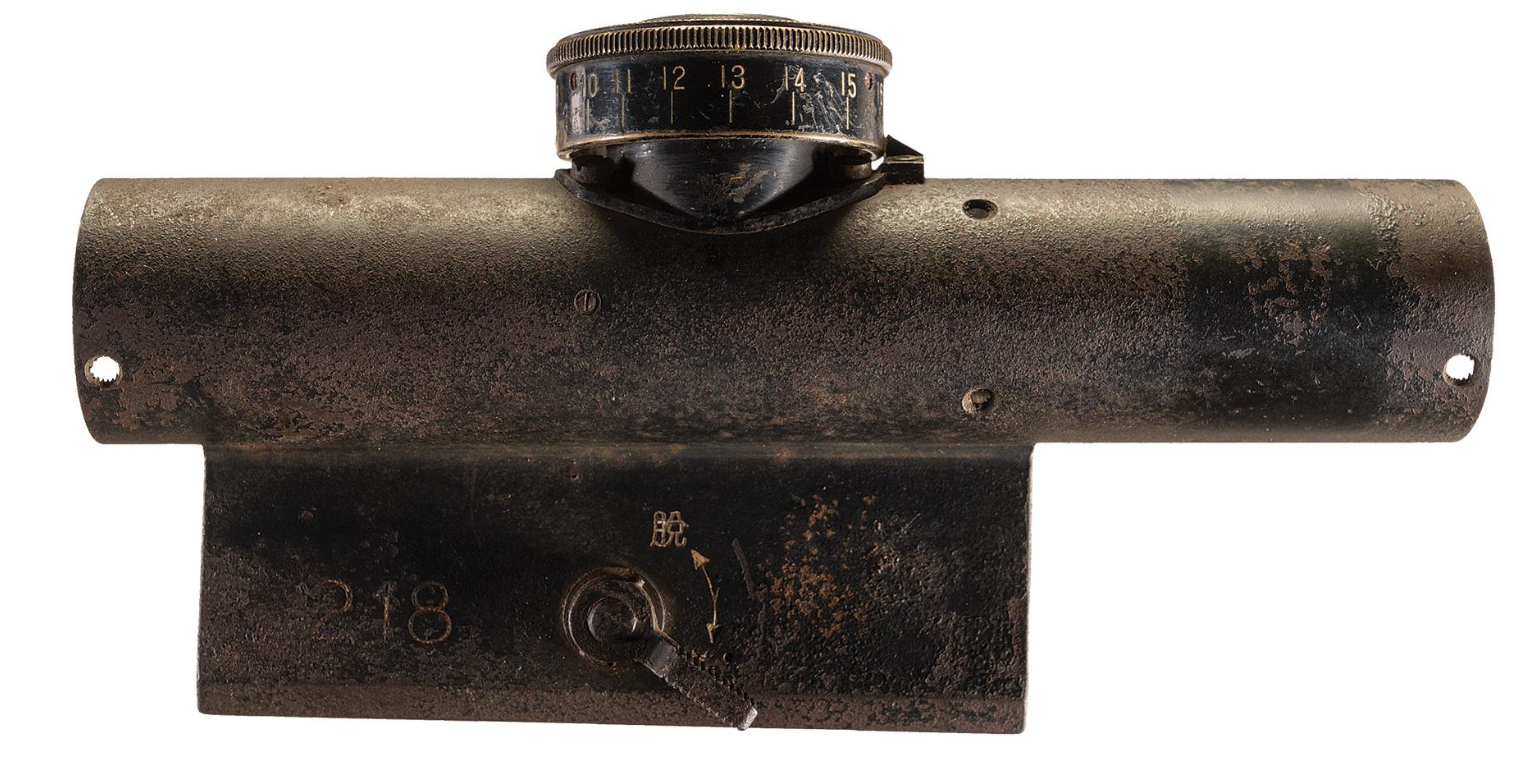
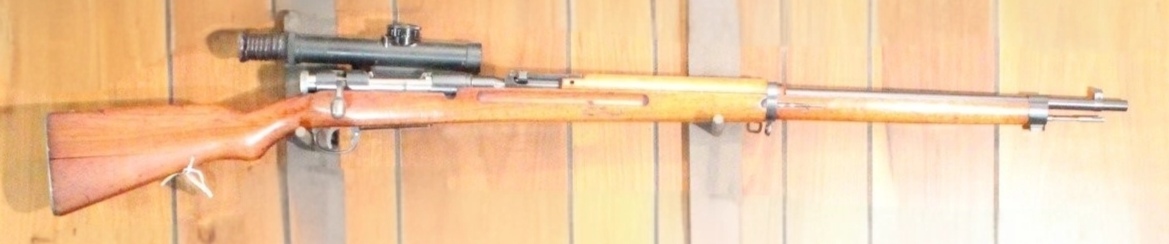
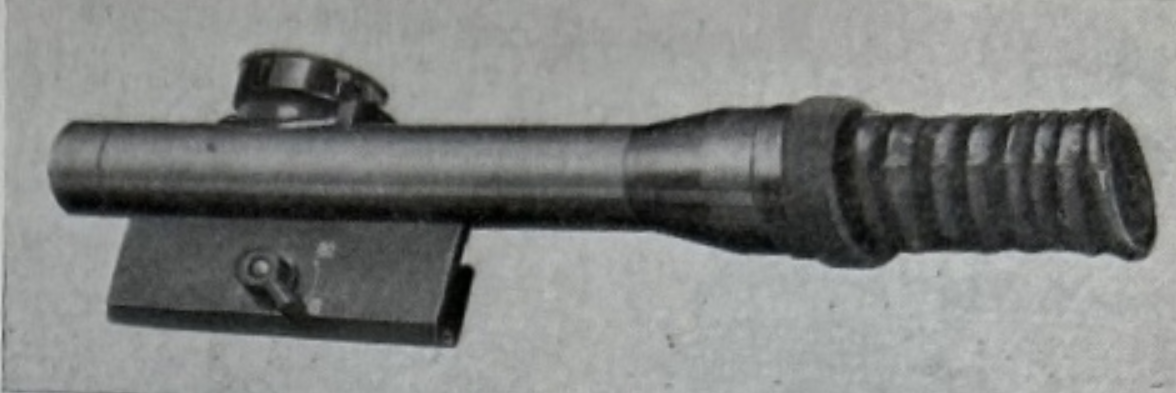
An experimental Type 38 sniper rifle with an experimental optical sight was listed as Lot 1440 at the Rock Island Auction. The following information is stated there:
This is a very rare example of an early experimental Japanese Type 38 sniper rifle that is complete with two original Type 5 Sniper Scopes.
The scope measures approximately 9 inch long and has a large elevation knob on top that is calibrated “1-20” (100-2000meters). It is marked on the rear of the scope: “4 X 6” degrees/Kana markings/NIKKO/No. 688".
It appears that the ‘Type 5’ designation is unofficial, as it lacks logical consistency. Since the scope was developed around 1932, it should have been indexed as ‘Type 92’, similar to the Type 92 heavy machine gun. However, as the scope remained a prototype and was never formally adopted into service, it likely had no precise index at all and was probably simply referred to as an ‘experimental optical sight’ or something of that nature. The markings on the scope also revealed that its field of view is 6°
Next, I present to you photos of the experimental optical sight.

It should be noted right away that the model of the Type Hei automatic rifle in the game is incorrect (below is a comparison between the in-game model and photographs of the Type Hei automatic rifle from the original test reports).
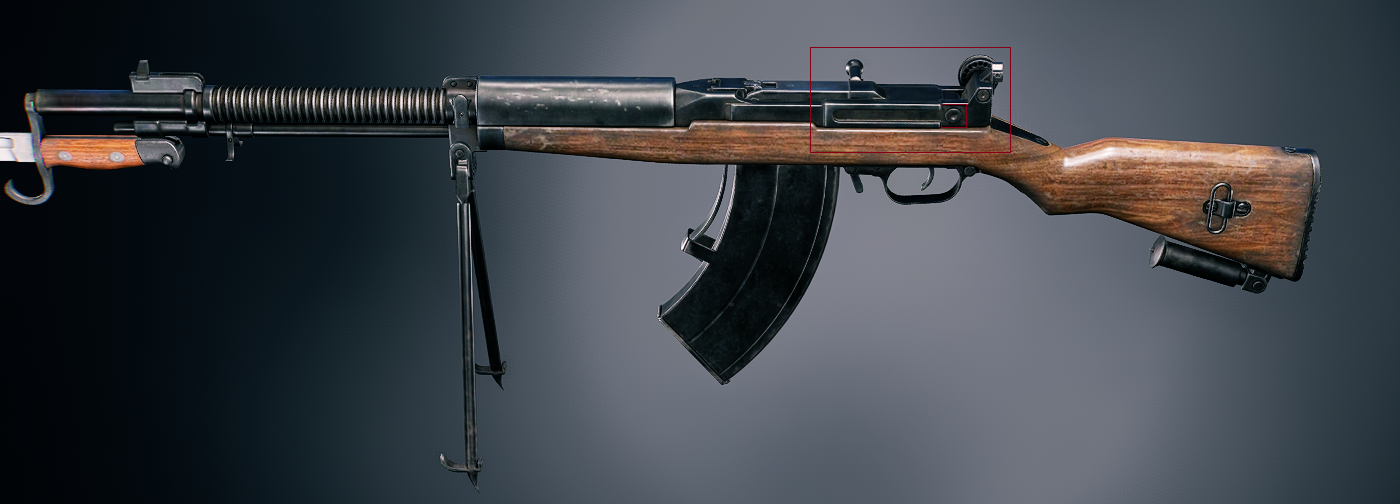
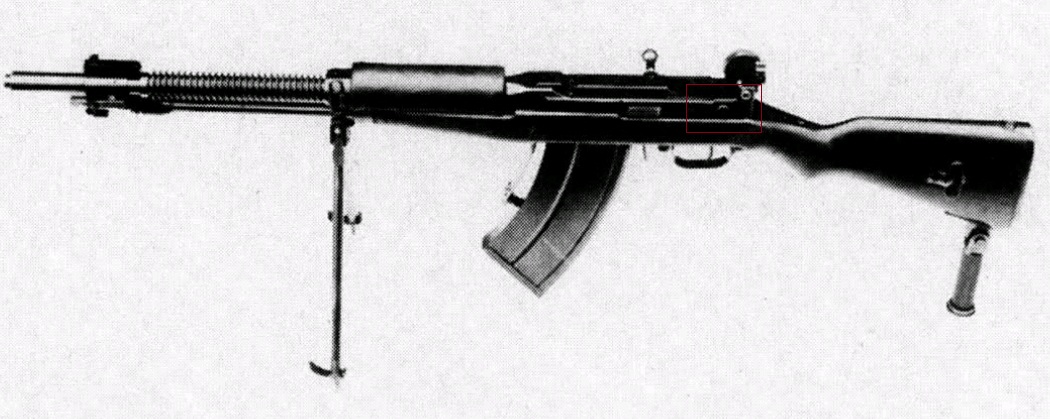
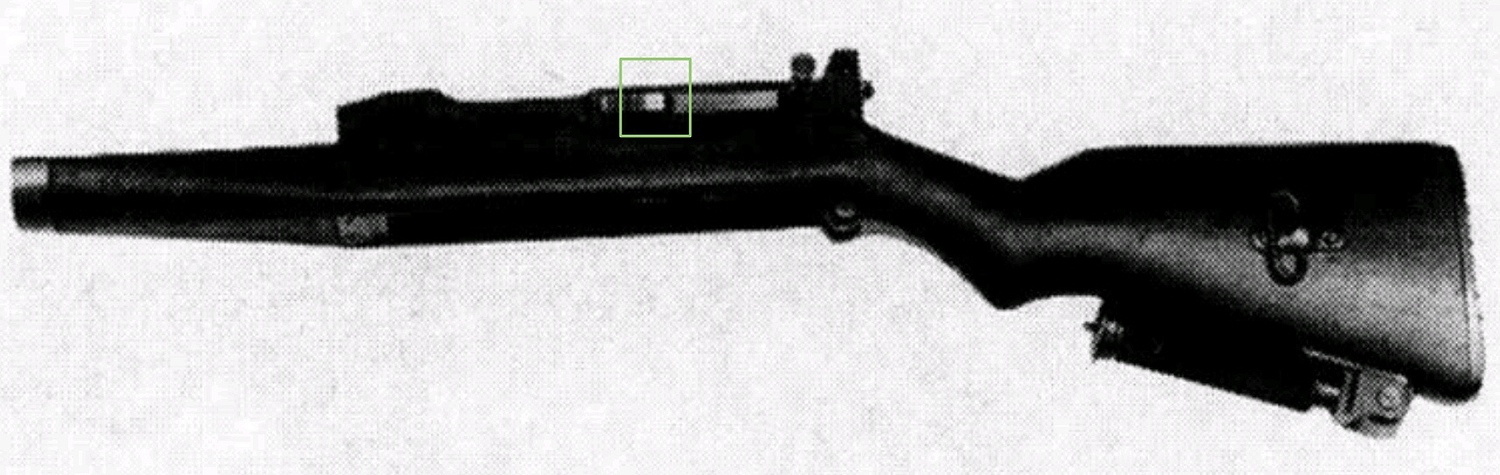
The Type 97 optical sight had already been developed by June 1937, and an official proposal for its adoption was submitted in February 1938. Meanwhile, the petition to test the ultra-light machine gun (Type Hei automatic rifle) was filed on April 14, 1938 (in document C01007114600 on JACAR). Given the testing experience of the Type Ko, Type Otsu, and Type Hei rifles with experimental optical sights, it is entirely plausible to assume that the 1938 model of the Type Hei automatic rifle could have utilized the Type 97 scope.
Furthermore, a feature presumably functioning as a dovetail mount, similar to the one on the Type 97 sniper rifle, was added to the design. The shape of the receiver was also modified to remove the pin, allowing for the installation of the Type 97 optical sight. This sight must be mounted along the guide rails from right to left; otherwise, the pin would obstruct the process (as is currently the case with the in-game model). Note that on the Type Ko and Type Otsu rifles, the experimental sight is attached using a press-fit method—a completely different system.

On the other hand, I must point out that I found no mention of the possibility of mounting an optical sight on the Type Hei automatic rifle in the 41-page report on this weapon.
- Yes
- No
- Type 96 LMG
- Type 99 LMG
- Type Ko rifle
- Type Otsu rifle
- Type Hei early rifle (5)
- Type Hei early rifle (10)
- Type Hei late rifle (5)
- Type Hei late rifle (10)
- Type Hei automatic rifle