The Evolution of Japanese Machine Guns (1937–1945): From Interim Measures to Systemic Development
Introduction: Historiographical Challenges
The study of the evolution of Japanese machine guns is hindered by a fundamental challenge: the mass destruction of the Imperial Japanese Army’s archives in 1945. Consequently, in modern historiography, both Western and Japanese researchers are often compelled to rely on postwar reports compiled by American technical intelligence. However, these documents contain factual errors and inaccuracies that distort the logic behind army procurement and weapons development.
The objective of this study is to reconstruct the accurate history of 7.7mm machine gun development based on a systematic technical analysis and surviving fragments of Japanese archival documents.
1. The Intermediate Standard (Type 99)
Prolonged combat operations in Manchuria and during the initial phase of the Second Sino-Japanese War revealed logistical and tactical complications stemming from the lack of small arms standardization within the Imperial Japanese Army. Infantry squads utilized 6.5mm light machine guns (Type 11 and Type 96), which exhibited insufficient penetrative power. Concurrently, heavy machine gun companies operated Type 92 heavy machine guns chambered for the more powerful 7.7mm cartridge. The lack of ammunition interchangeability significantly complicated logistical supply chains.
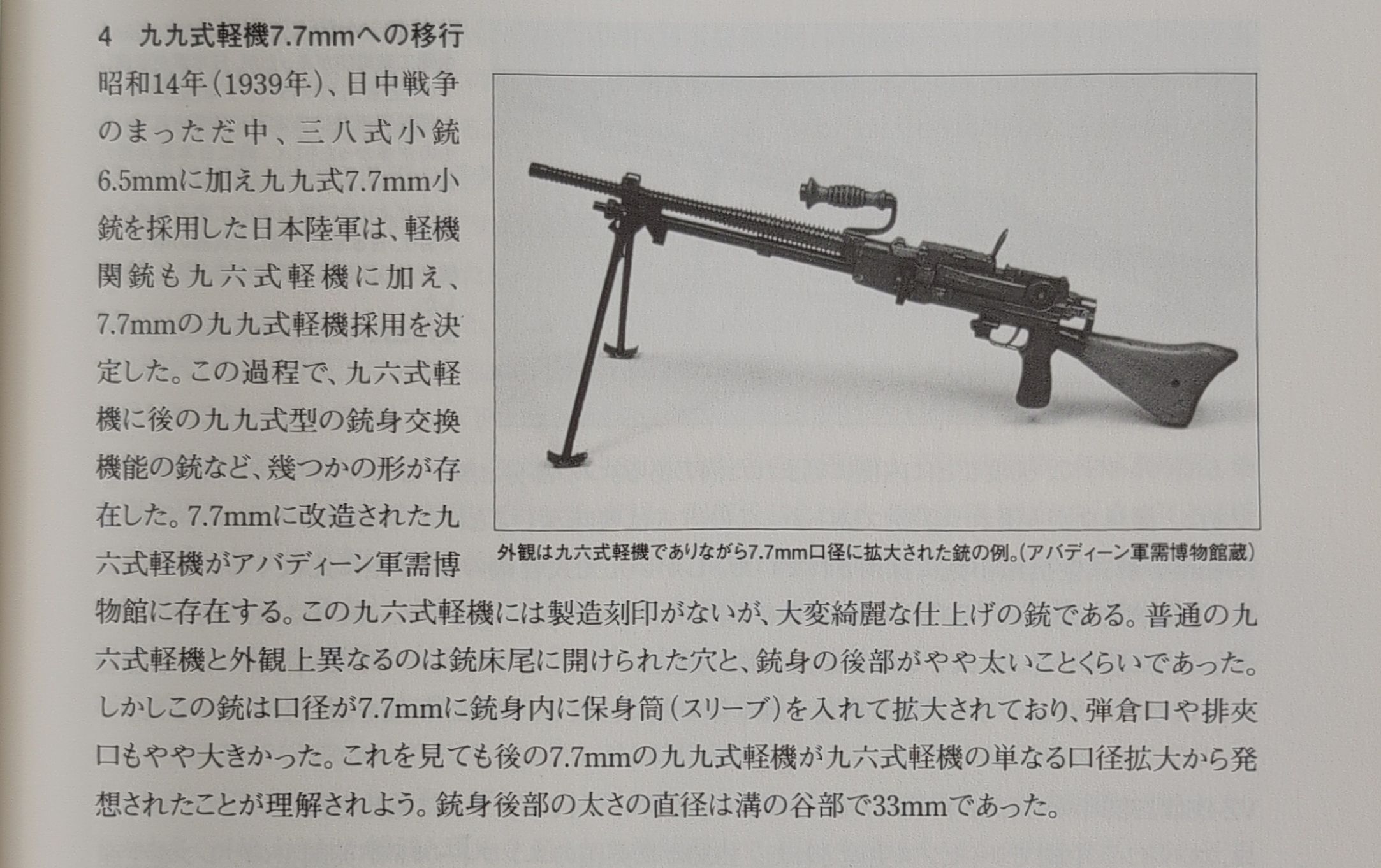
In 1937, the army command made a strategic decision to transition infantry weapons to a unified 7.7mm caliber. Given the impossibility of designing an entirely new weapon from scratch within a condensed timeframe, the Army Technical Headquarters initiated a project classified in documentation strictly as an “emergency measure” (応急案). The project entailed a straightforward adaptation of the existing Type 96 light machine gun to the new caliber.
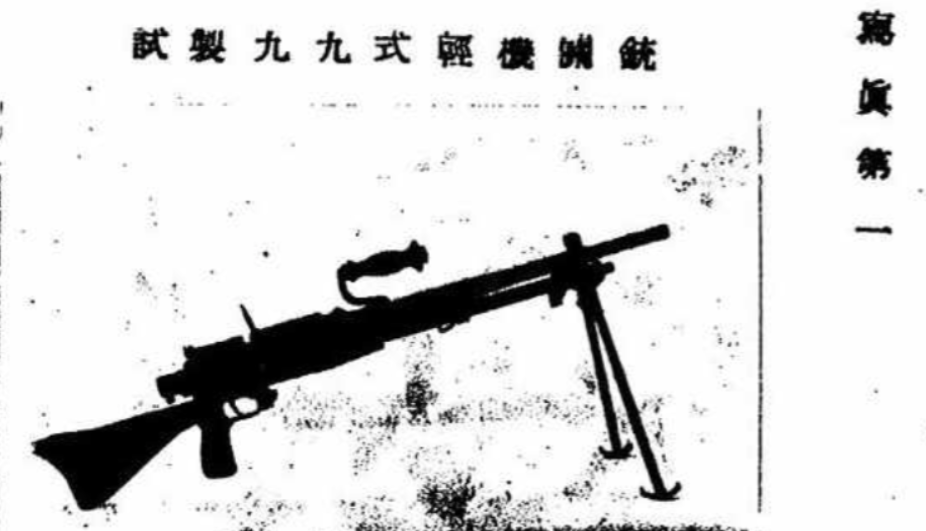
The development of this interim model progressed through several rapid stages:
-
June 1938 (First Prototype): The weapon weighed 9.12 kg and demonstrated satisfactory mechanical reliability. However, firing standard semi-rimmed cartridges from the Type 92 heavy machine gun resulted in inadequate grouping. This confirmed the necessity of developing a new type of ammunition.
-
November 1938 (Second Prototype): A pre-production batch of 16 units was manufactured. At this stage, trials utilized the existing rimless cartridge from the Type 97 tank machine gun, adopted the previous year. The use of this cartridge resolved the issue of excessive recoil and significantly improved accuracy. The barrel lifespan when using tank cartridges reached 21,000–24,000 rounds, and the lifespan of primary components reached 30,000 rounds.
-
January 1939 (Third Prototype): The primary engineering objective was to ensure reliable extraction without prior lubrication of the cartridges (transitioning to “dry” firing). This problem was approached comprehensively: engineers optimized the internal geometry of the chamber and introduced galvanic chrome plating to the chamber walls, radically reducing casing friction.
-
March 1939 (Fourth Prototype): The bipod design was simplified, and a lateral wedge locking mechanism for the barrel was introduced, enabling rapid barrel replacement in field conditions.
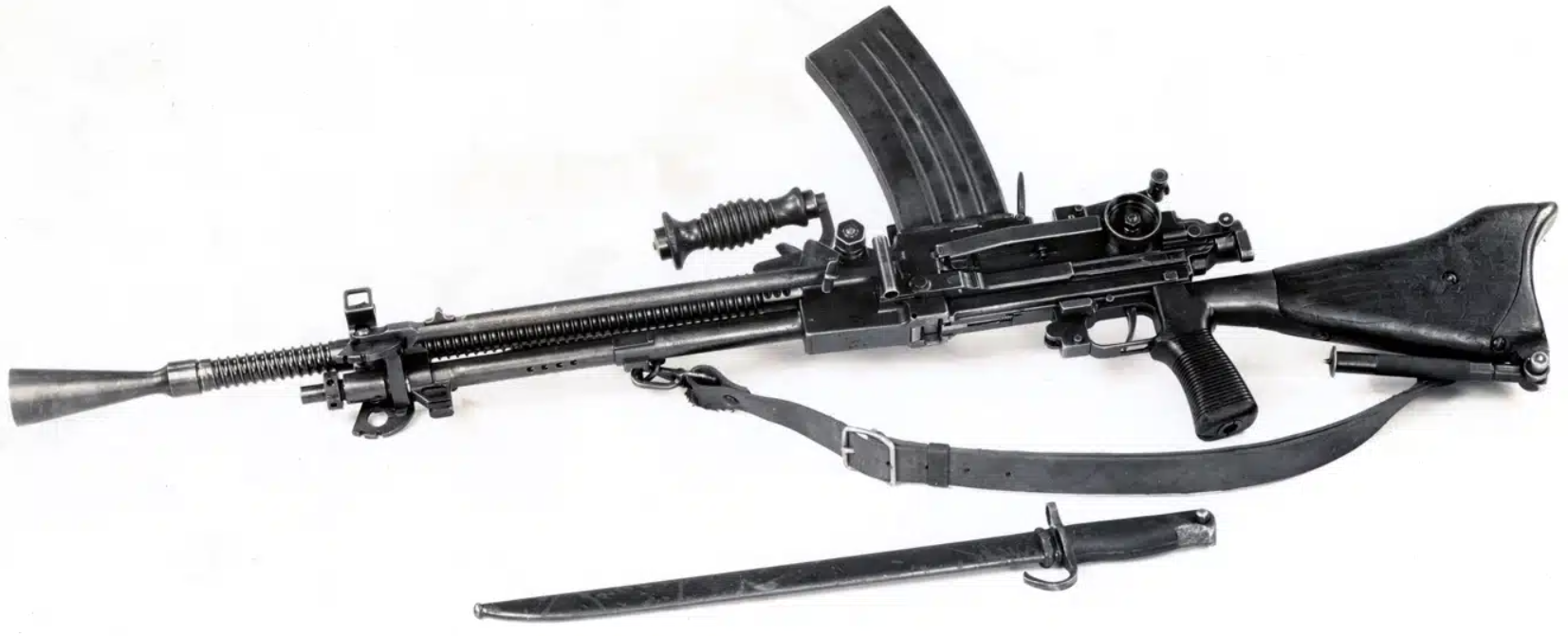
In July 1939, this interim machine gun was officially recommended for adoption under the designation Type 99. Despite its ersatz status, it successfully implemented mass-production barrel chroming technology, providing exceptional durability and corrosion resistance in jungle environments.
2. The “Type 1” Experimental Machine Gun Program
Concurrently with the deployment of Type 99 serial production, the army initiated a comprehensive program to develop a next-generation prospective machine gun. The project, designated “Type 1”, was subject to the following stringent tactical and technical requirements:
-
Weapon weight not to exceed 11 kg (maximum structural lightening).
-
Cyclic rate of fire of approximately 500 rounds per minute.
-
Mandatory inclusion of a flash suppressor.
-
Evaluation of two feed systems: 4.1 box magazine 4.2 rigid belt
-
Reliance on the architectural foundation of the Type 96 light machine gun or the Type 97 tank machine gun.
Light Machine Guns (Magazine Feed)
These prototypes were designed according to the classical layout of light infantry weapons:
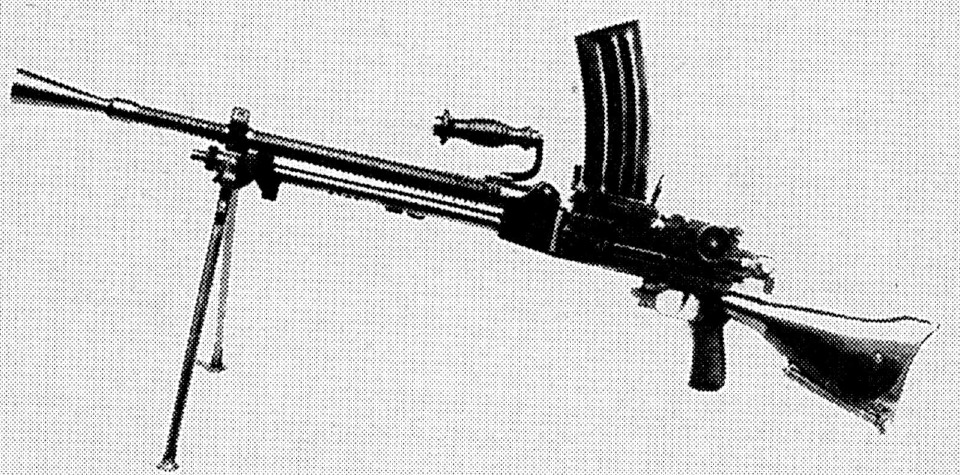
- Model 1 (Nambu Arsenal): A deep modernization of the Type 99. Comprehensive chrome plating of components and the introduction of a redesigned extractor improved the reliability of the gas-operated action at higher speeds.
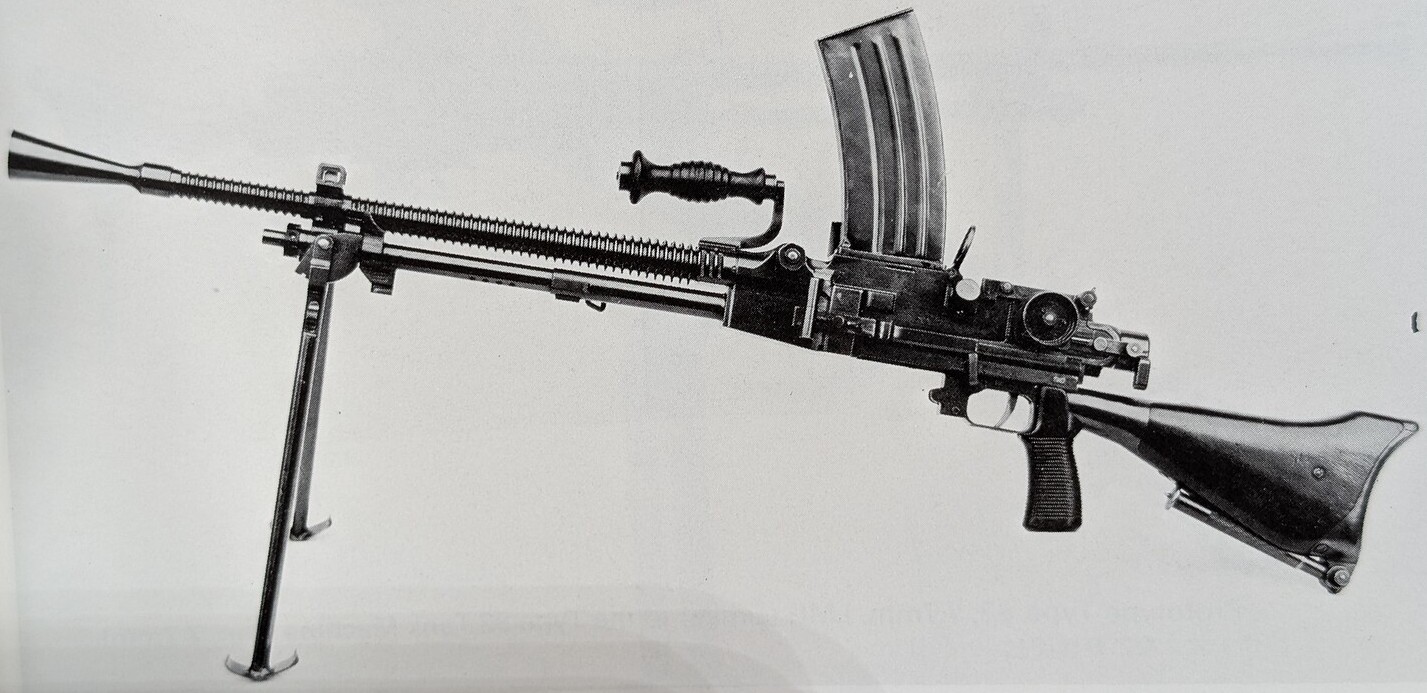
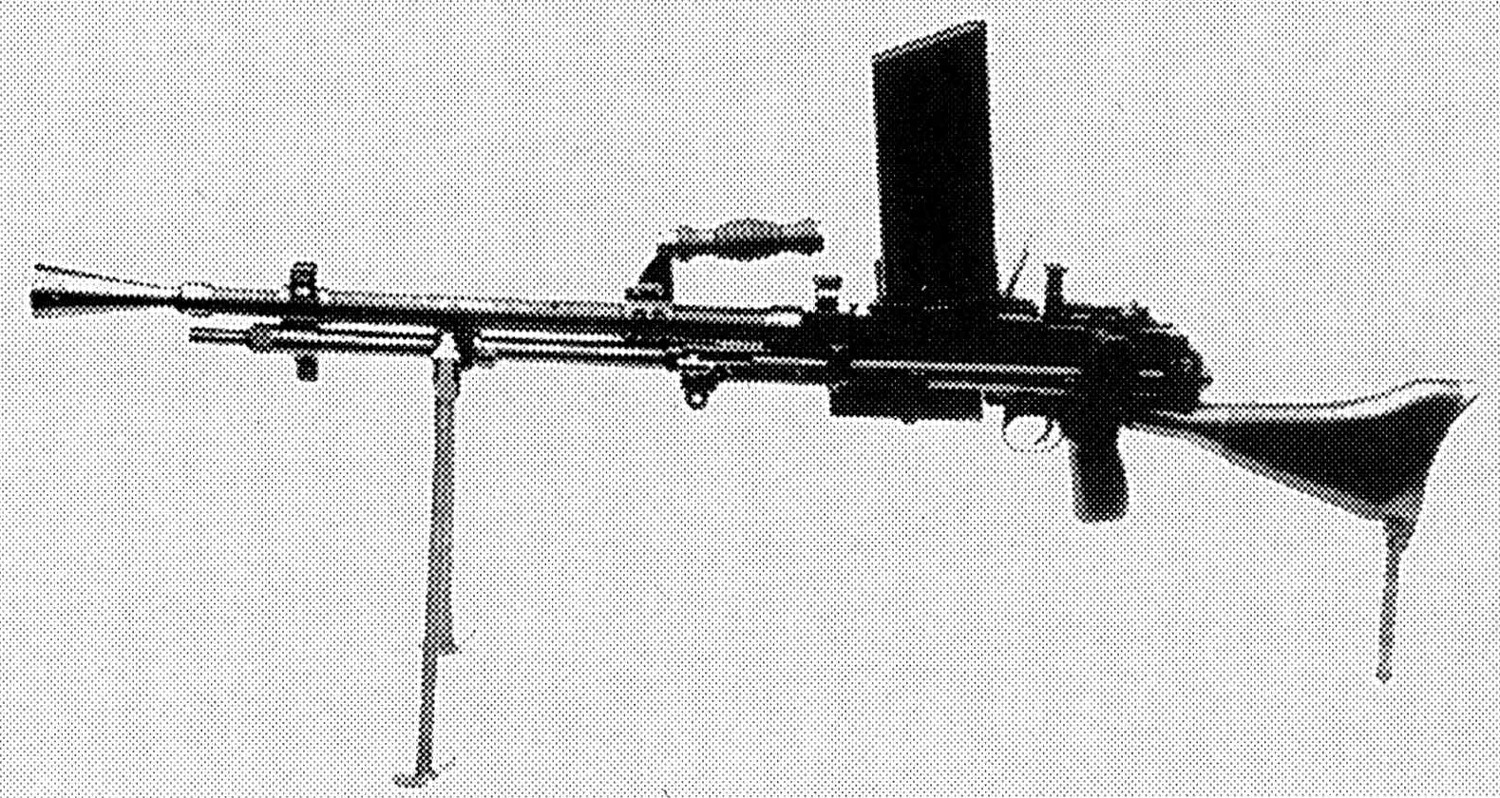
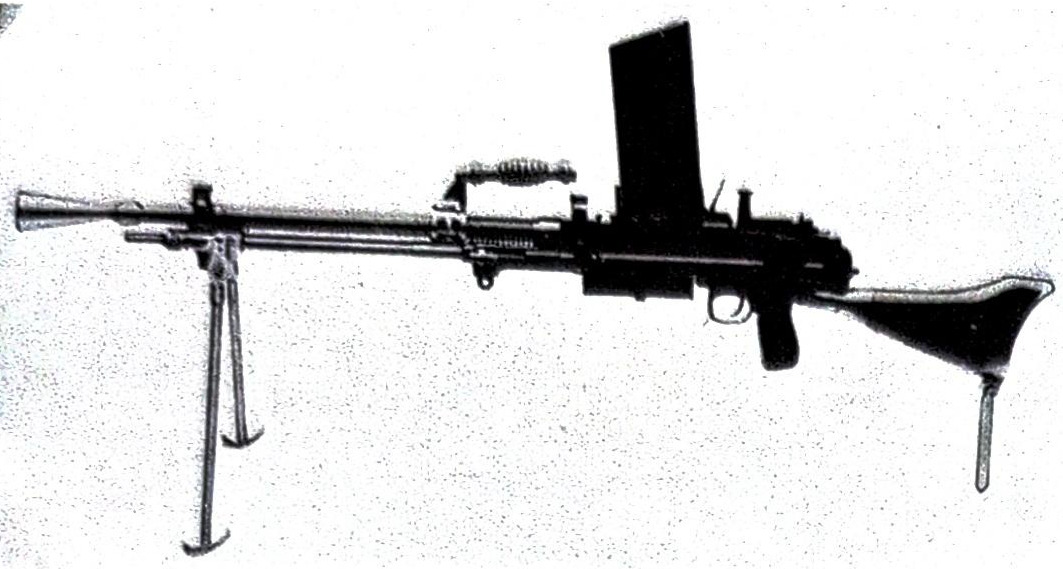
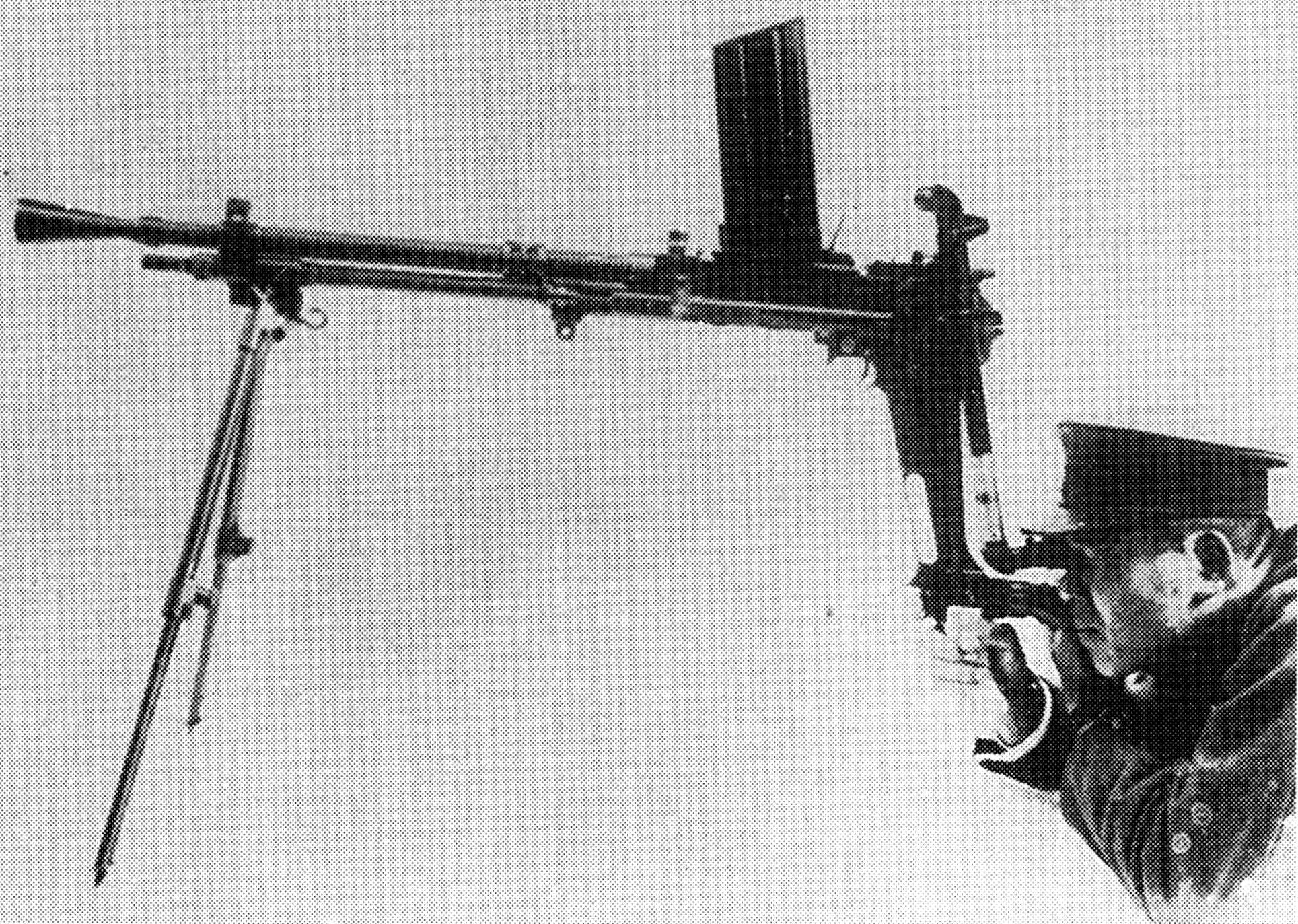
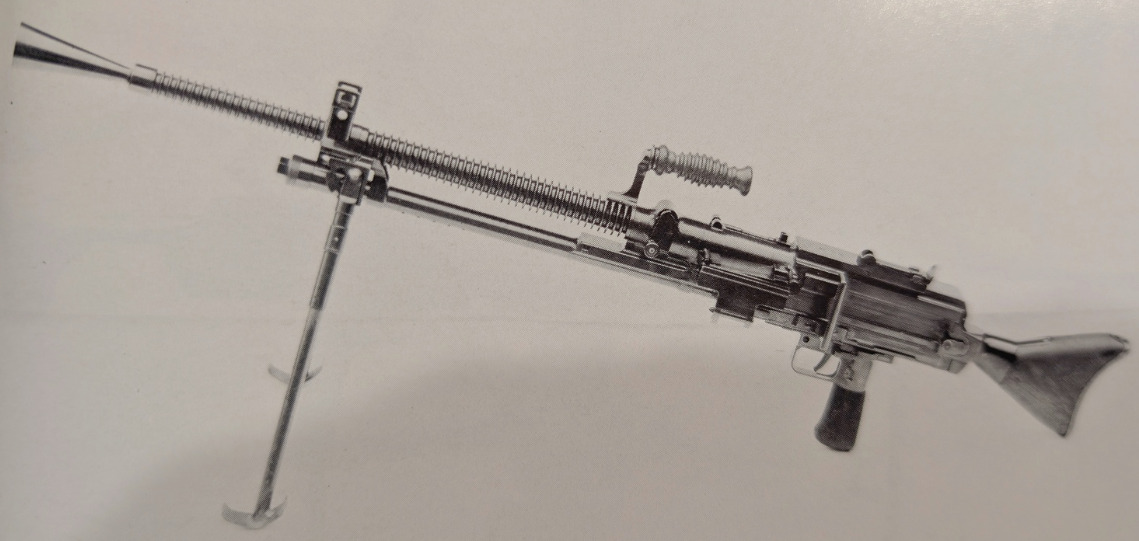
- Model 3 (Nagoya Arsenal): An adaptation of the Type 97 tank machine gun action. The machine gun featured a distinctive top-mounted, straight vertical magazine, a simplified receiver, and a bayonet lug.
Additional Photos
Company Machine Guns (Belt Feed)
Simultaneously, the army sought a maneuverable company-level weapon to replace the cumbersome Type 92 heavy machine gun (which weighed over 55 kg with its mount):
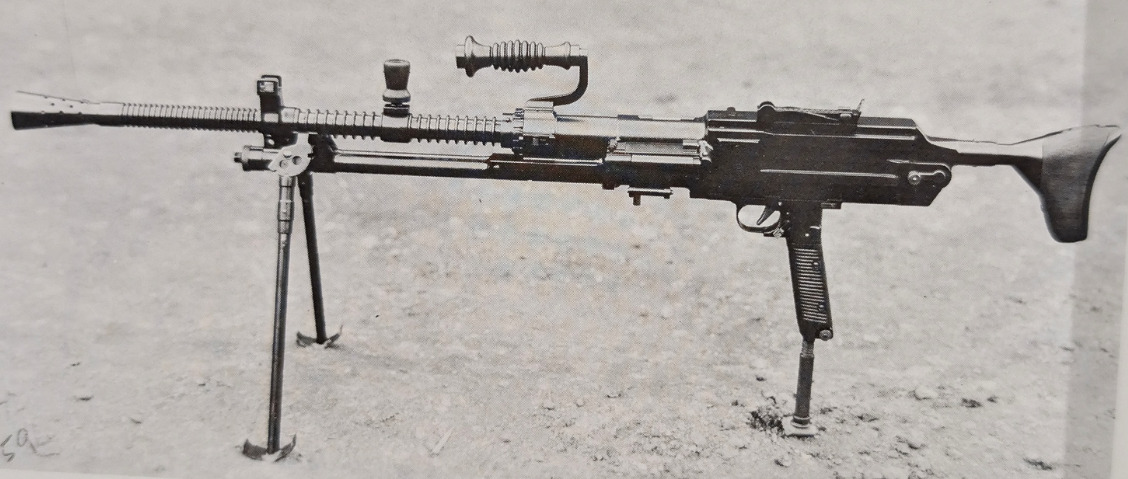
- Model 2 (Tokyo Gas Electric Co. - TGE): Developed in two variants. The “Ko” (甲) version retained the top transverse barrel locking wedge. The “Otsu” (乙) version featured a lateral wedge lock and incorporated a rear monopod under the stock for enhanced stability.
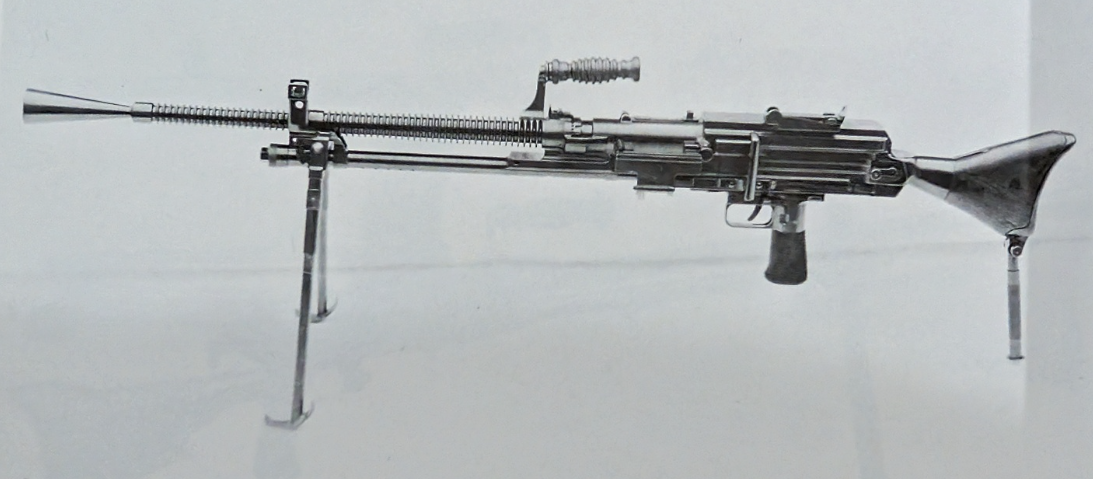
- Model 4 (Kokura Arsenal): An alternative belt-fed company machine gun variant based on the Type 92. Its unique design feature was a retractable monopod built directly into the pistol grip.
Additional Photos
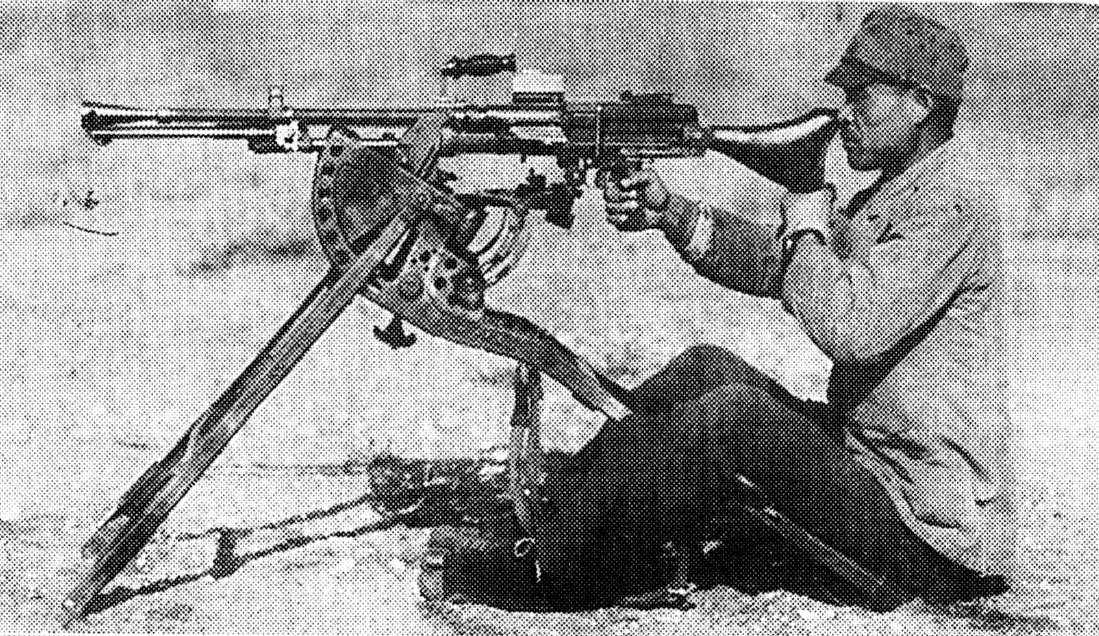
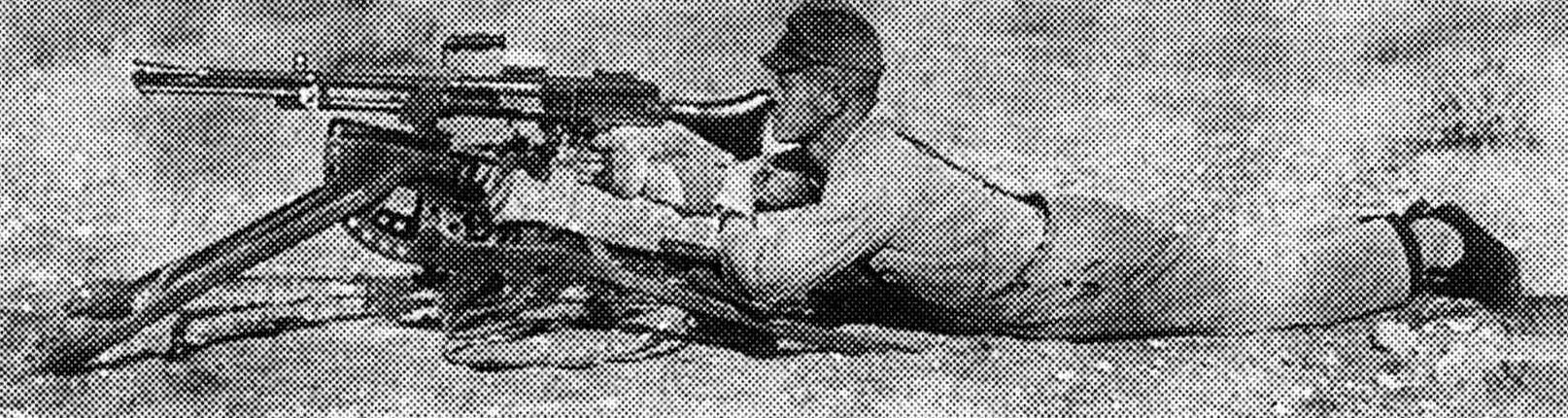

Between 1940 and 1941, the military also conducted trials of experimental universal sledge mounts—inspired by the German Schlittengestell carriage for the MG 08—intended for both company-level and light machine guns. Following field testing, the Infantry School rejected the design due to insufficient stability during sustained automatic fire.
Summary of the Type 1 Program Prototypes:
| Model | Developer | Feed System |
|---|---|---|
| Model 1 | Nambu Arsenal | Magazine |
| Model 2 | TGE | Belt |
| Model 3 | Nagoya Arsenal | Magazine |
| Model 4 | Kokura Arsenal | Belt |
3. The Legacy of Model 1: Airborne Armament (Te-Ke)
Although the “Type 1” program did not result in the adoption of a unified machine gun, the advancements achieved by the Nambu facility were not discarded. The formation of airborne units (Teishin Shudan) created a requirement for specialized infantry support weapons, as dropping heavy equipment in separate containers proved highly dangerous.
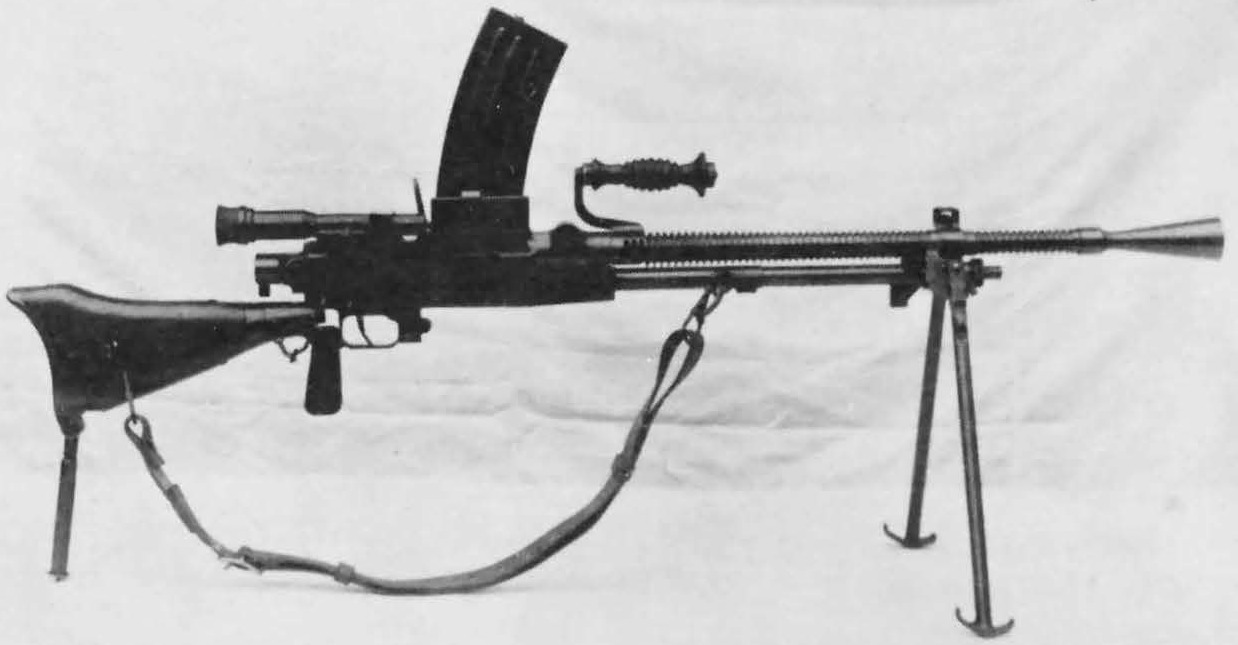
To address this requirement, Nagoya arsenal engineers modified Model 1, incorporating a rapid disassembly system. The wooden stock could be detached from the receiver via a spring-loaded transverse takedown pin. The standard wooden pistol grip was replaced with a folding metal variant. With the barrel and bipod removed, the longest component measured just 666 mm, fitting within the dimensions of a standard parachute container.
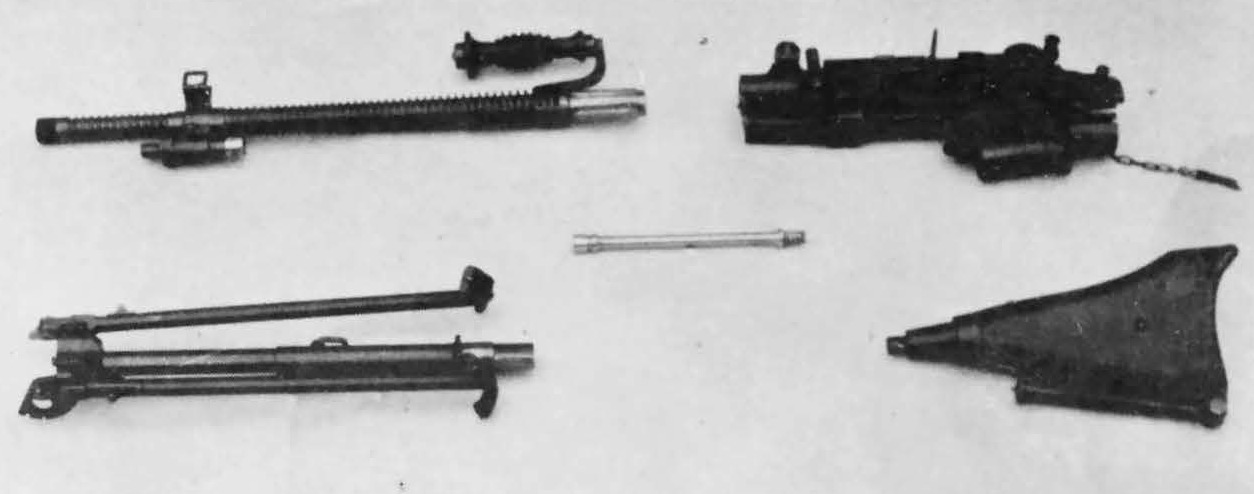
In July 1943, the prototypes successfully passed trials. The machine gun was standardized for airborne forces under the index “Type 2” (Te-Ke), forming a unified family of airborne weapons alongside the “Te-Ra” (Type 2) paratrooper rifle and the “Te-Ki” (Type 2) takedown submachine gun.
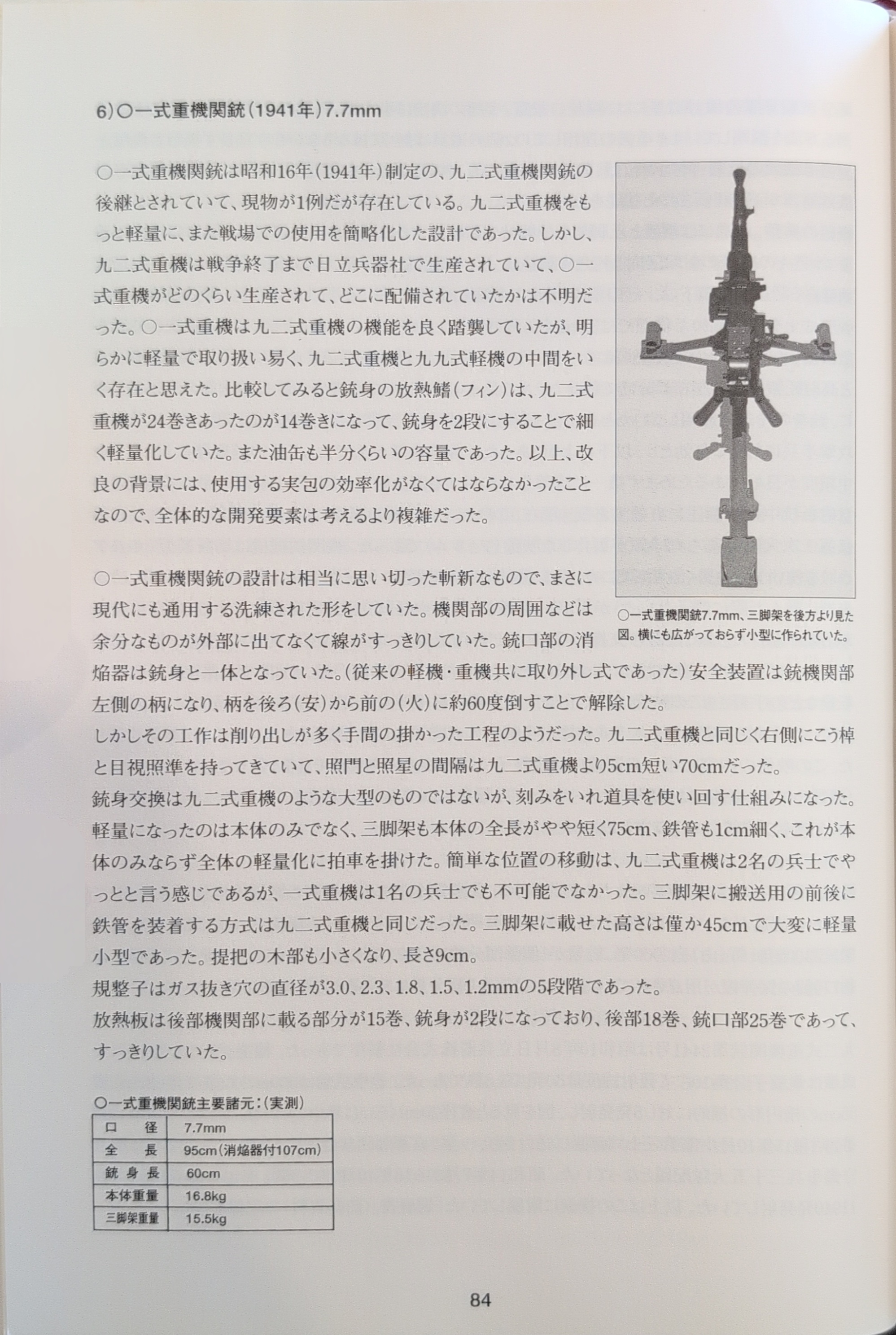
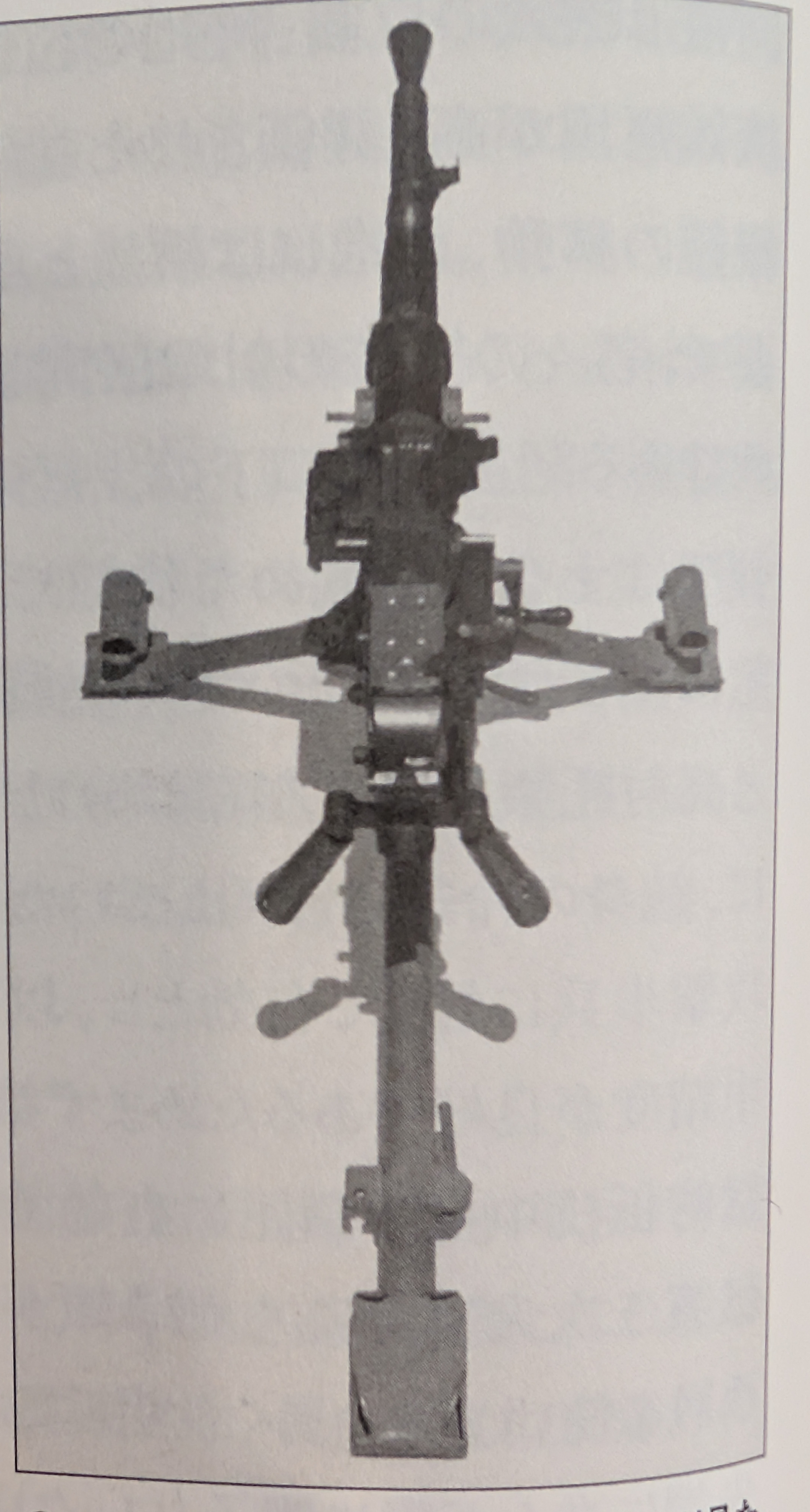
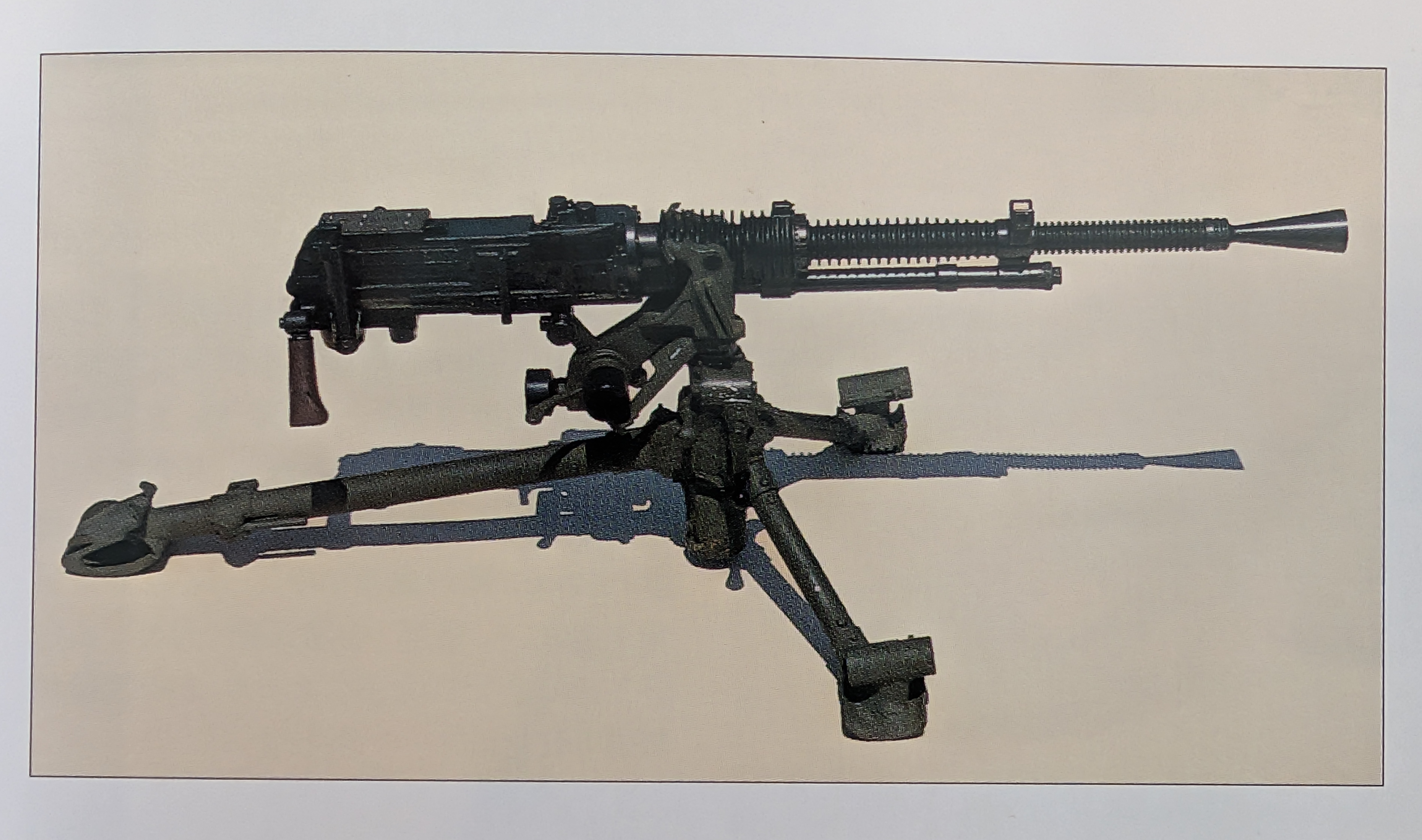
4. The Type 1 Heavy Machine Gun
The fate of the company machine guns was resolved through a pragmatic compromise rooted in the pursuit of tactical mobility. The development of a lightened heavy machine gun was initiated by the Technical Headquarters as early as April 1937.
After trials with experimental belt-fed Models 2 and 4 were deemed insufficiently promising, the decision was made to eschew radical design changes. Engineers opted for the path of least resistance by directly reducing the mass of the baseline Type 92 heavy machine gun.
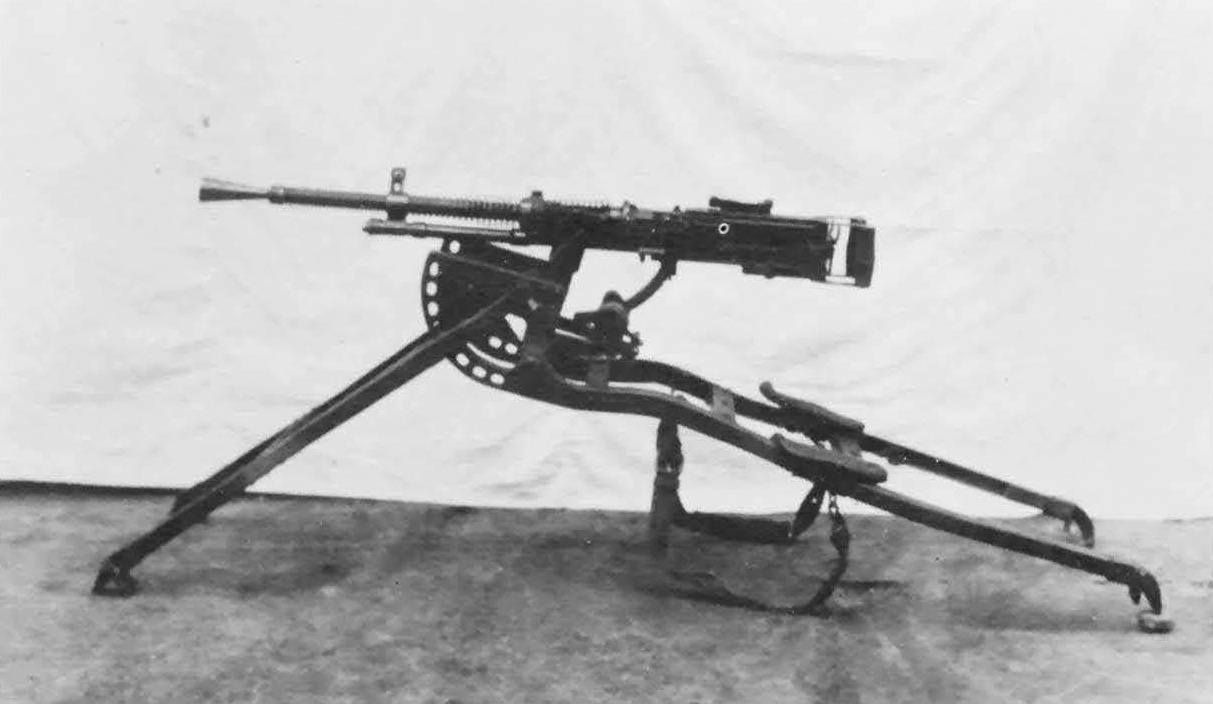
In 1942, the modernized heavy machine gun was adopted under the designation “Type 1”. By reducing the barrel’s cooling fins and introducing a lighter tripod, the overall weight of the system was reduced from 55 kg to 36.8 kg, granting machine gun crews much-needed maneuverability.
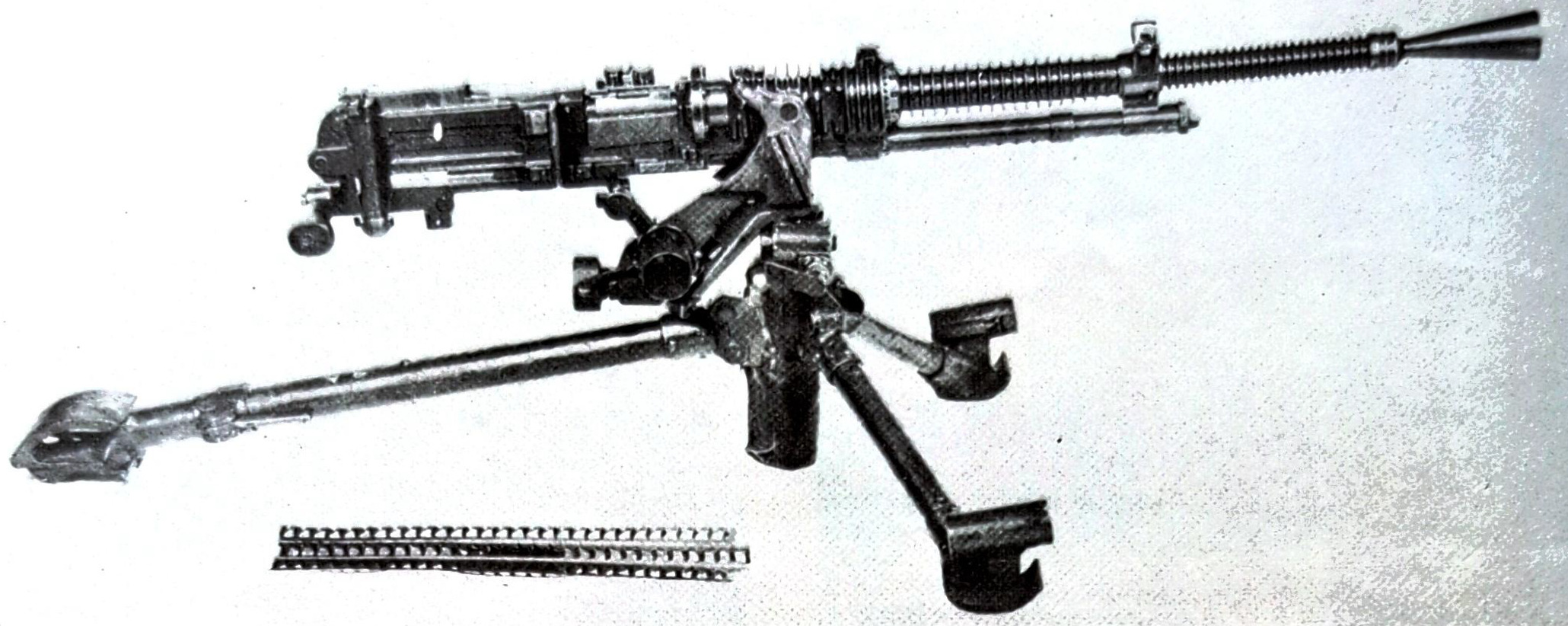
However, this engineering achievement collided with severe economic constraints and industrial depletion. By 1942–1943, major arsenals were overwhelmed with strict production quotas for the existing Type 92 and Type 99 models. Consequently, mass production of the Type 1 was never fully realized, and it left no significant mark on the battlefields of the Second World War.
Conclusion
The evolution of Japanese machine guns from 1937 to 1945 demonstrates a consistent effort by the military leadership to transition to a unified infantry caliber and enhance tactical mobility. Design efforts were focused on two primary trajectories: the development of a maneuverable belt-fed company machine gun and the creation of an ergonomic squad support weapon.
The realization of the comprehensive “Type 1” prospective machine gun program was ultimately hindered by wartime economic and manufacturing constraints. Consequently, within the heavy weapons segment, the army was forced to compromise by lightening existing systems. Meanwhile, the Type 99—a design originally conceived strictly as a temporary interim measure—became the definitive primary light machine gun of the Japanese infantry.
 BR II - Suggestions / Battle Rating - Enlisted — official forum