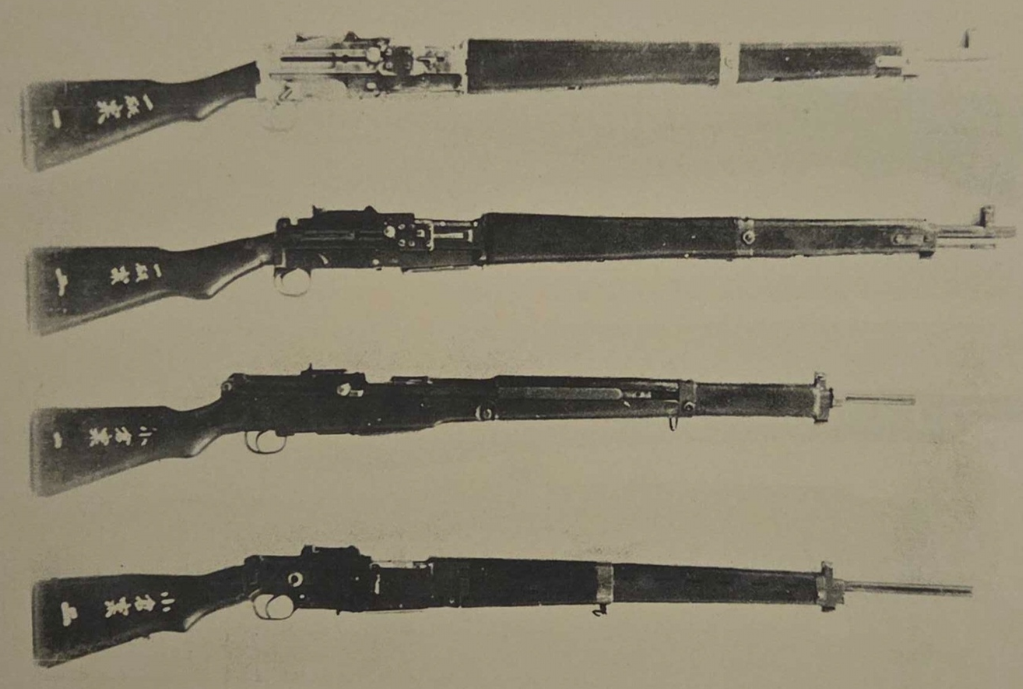
BOLT-ACTION RIFLES №1
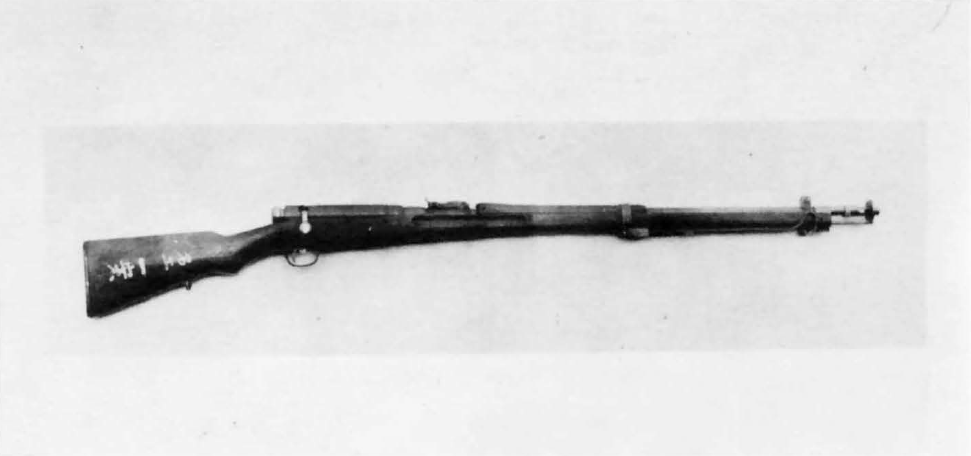
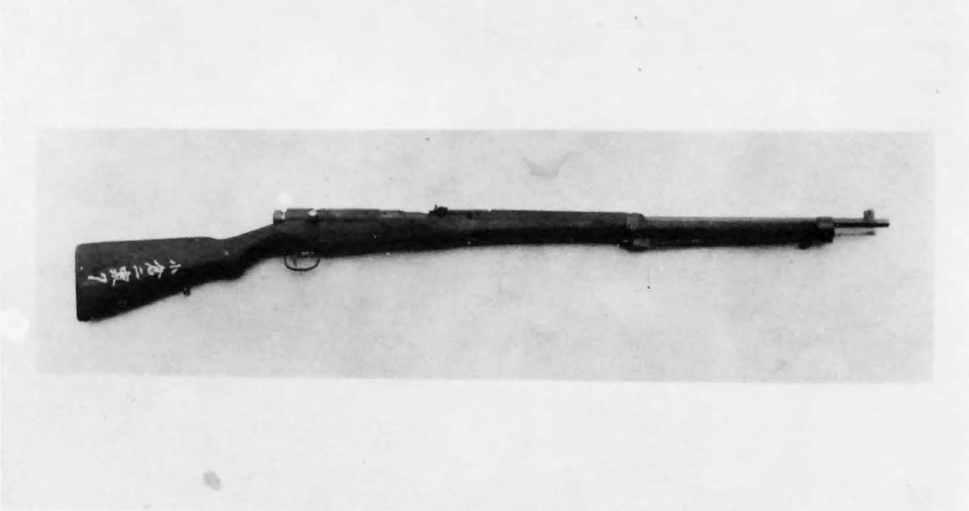
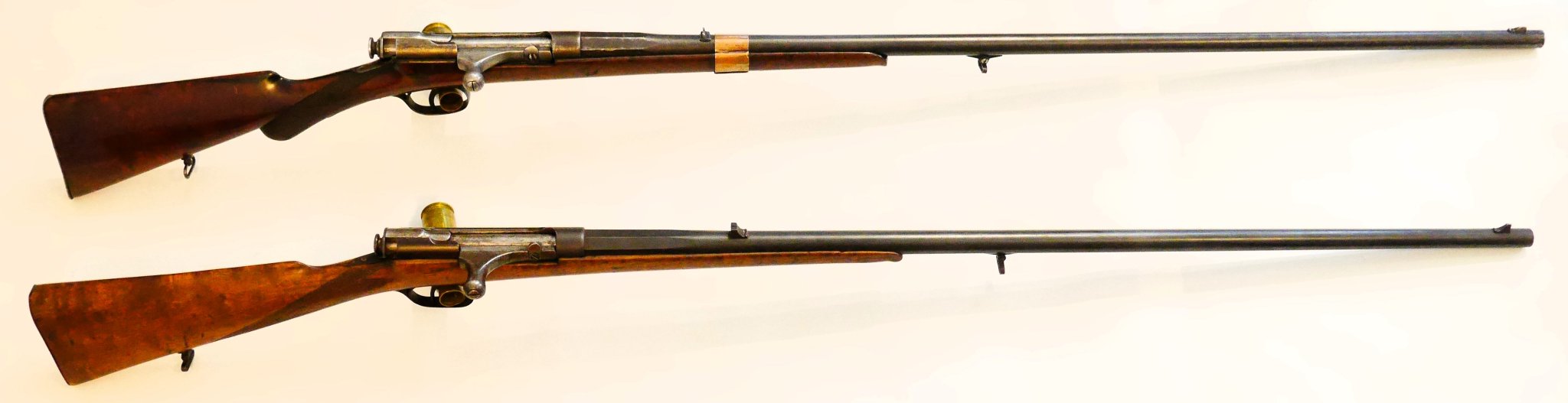
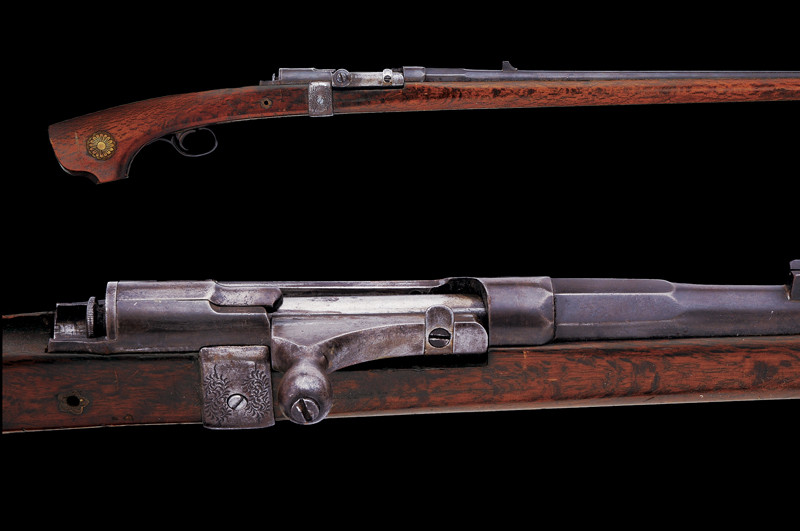
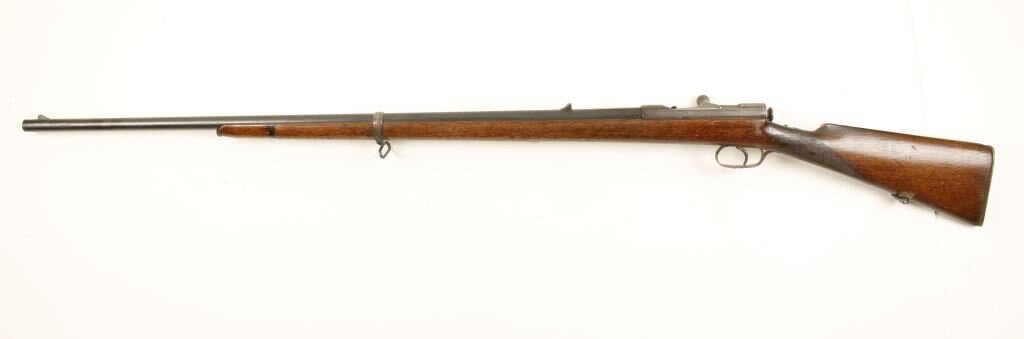
The Murata Type 13, adopted in 1880, was the first domestically designed standard Japanese military rifle, created by Major Murata Tsuneyoshi. It was a single-shot bolt-action rifle chambered for an 11 mm cartridge. The design combined features of contemporary European rifles, using a bolt system similar to the French Gras Model 1874 and a firing mechanism influenced by the Dutch Beaumont Model 1871.
This rifle marked the starting point of Japan’s independent small-arms development but was soon found to need structural improvements.
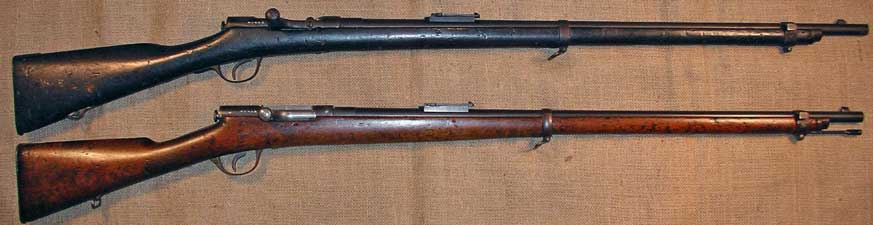
In 1885, the improved Murata Type 18 was adopted to address shortcomings of the Type 13. The main modifications included:
- A strengthened bolt and receiver for improved durability.
- Minor structural reinforcements to the stock.
- Adjustments to sights and standardization of ammunition and bayonet dimensions.
Although still a single-shot rifle using the same 11 mm cartridge, the Type 18 proved more reliable and became the most widely produced Murata single-shot rifle.
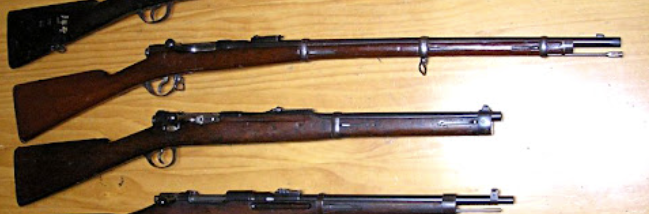
Alongside the standard infantry rifle, a Murata Type 18–based cavalry carbine was produced for mounted troops and support units. It retained the 11 mm cartridge and single-shot bolt-action mechanism of the Type 18 rifle but featured a shorter barrel and reduced overall length, improving handling on horseback and in confined conditions.
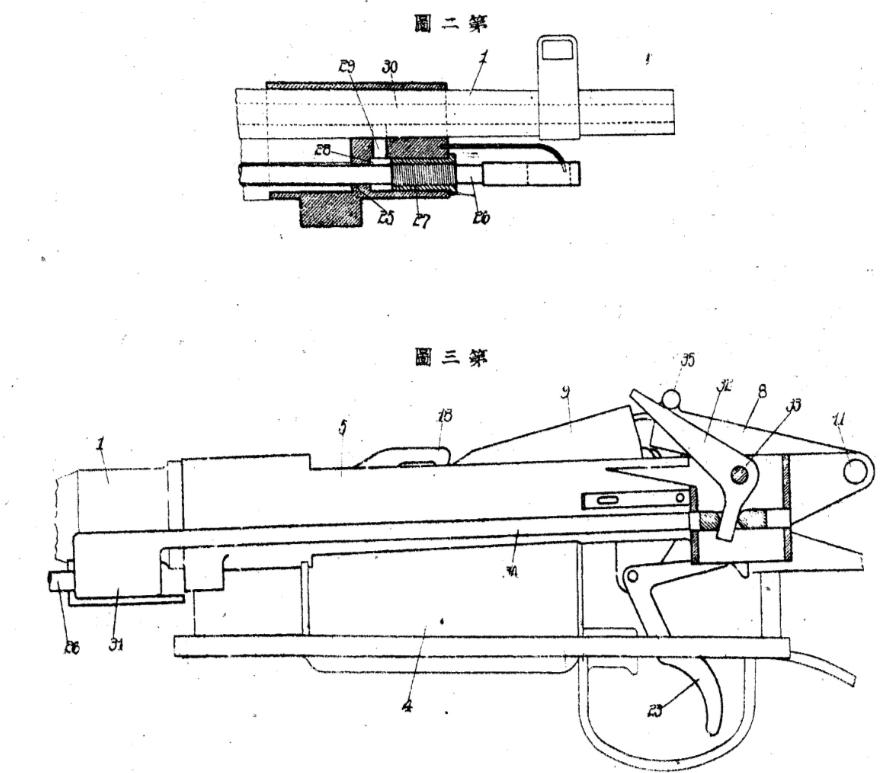
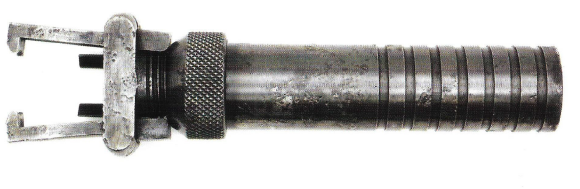
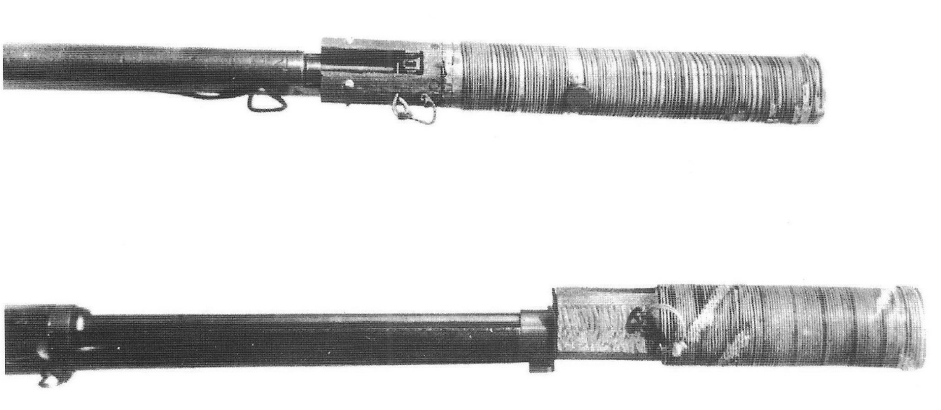
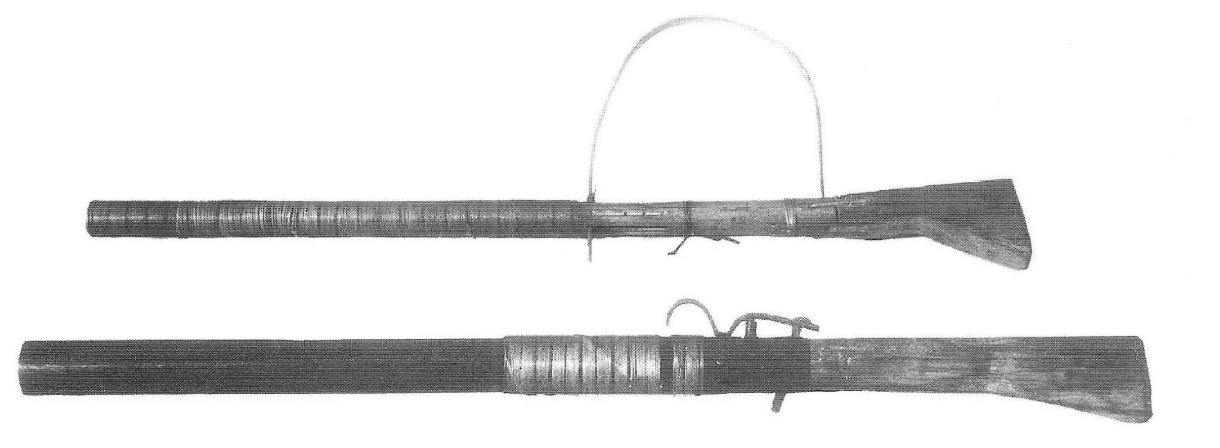
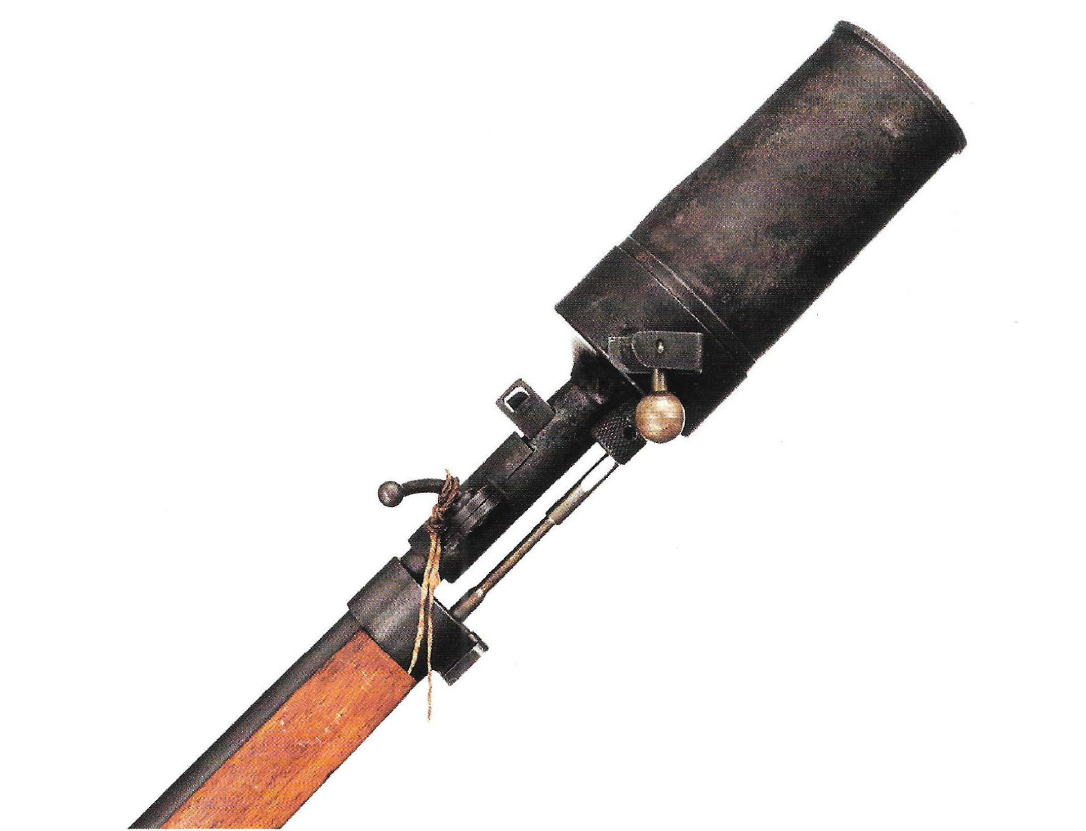
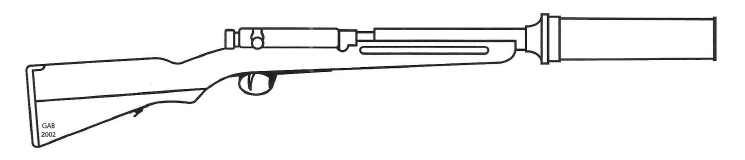
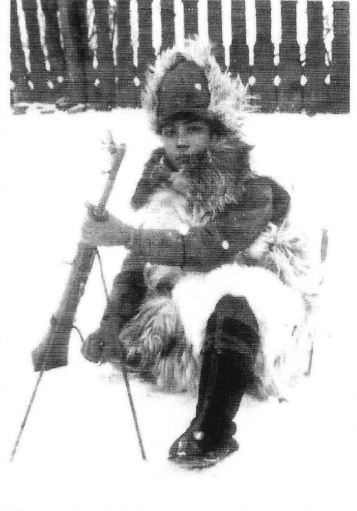
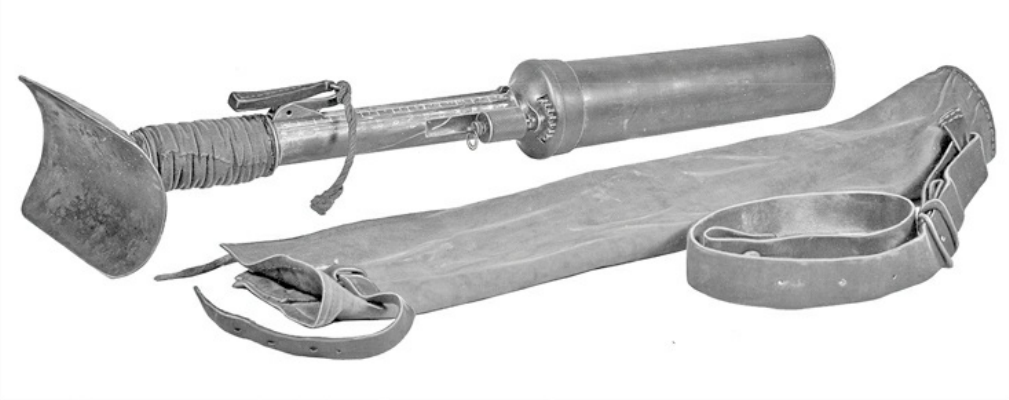
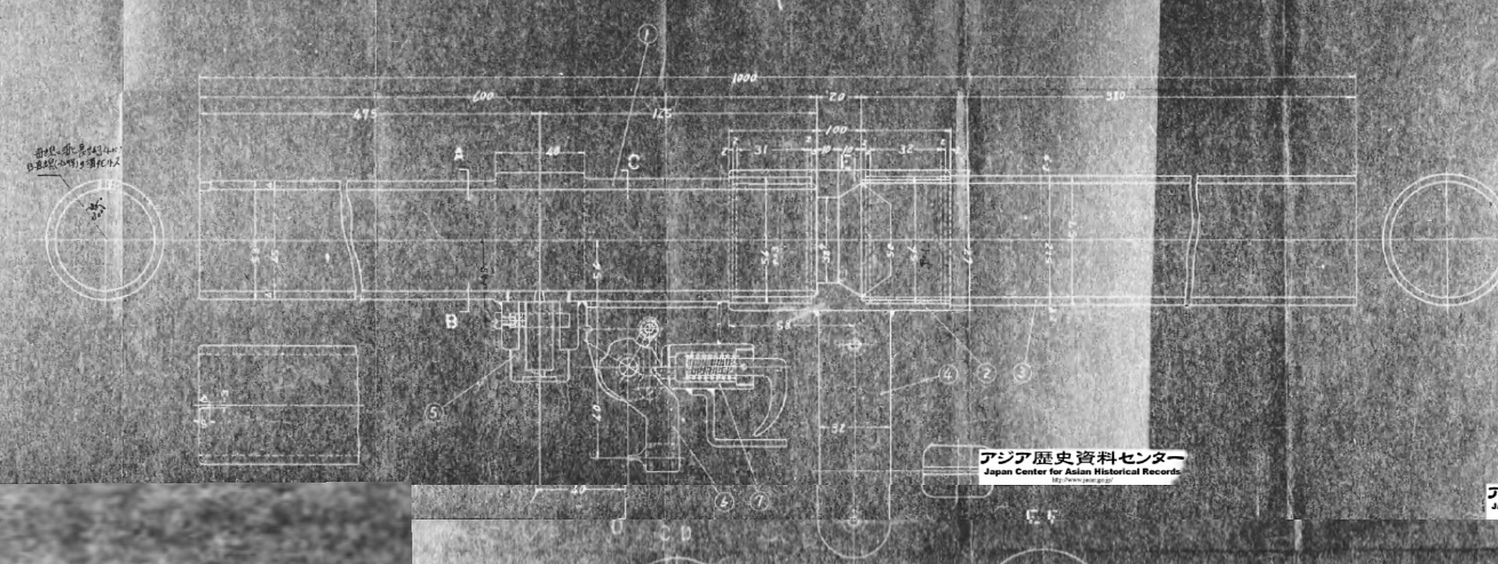
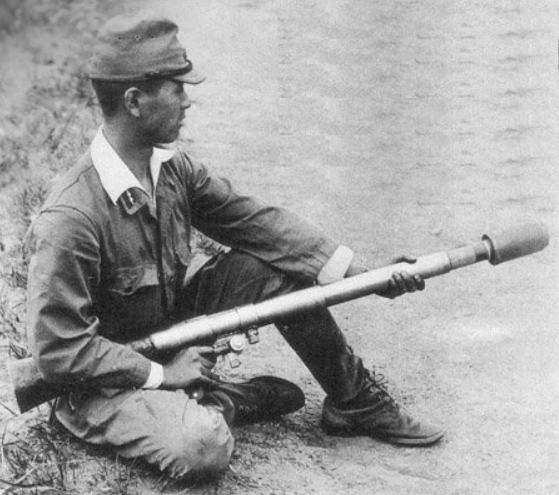
The earliest Japanese silencer was developed by Kanshiro Fukumura for the 11mm Type 18 Murata rifle and patented on February 15, 1894. This multi-functional muzzle device was designed to reduce gunshot noise and suppress smoke, while also facilitating partial reloading by using a movable mechanical attachment and rod to automatically open the bolt after a shot.
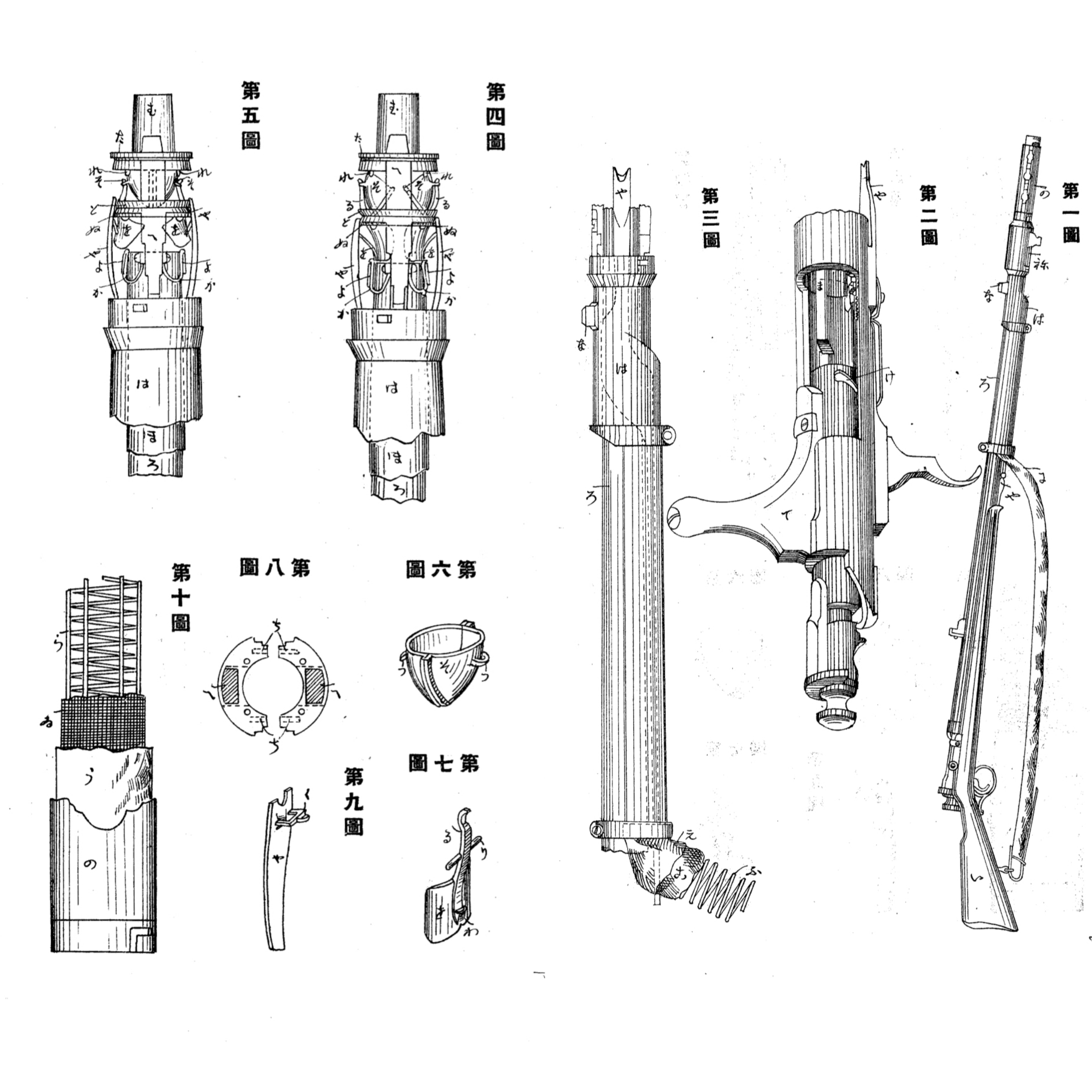
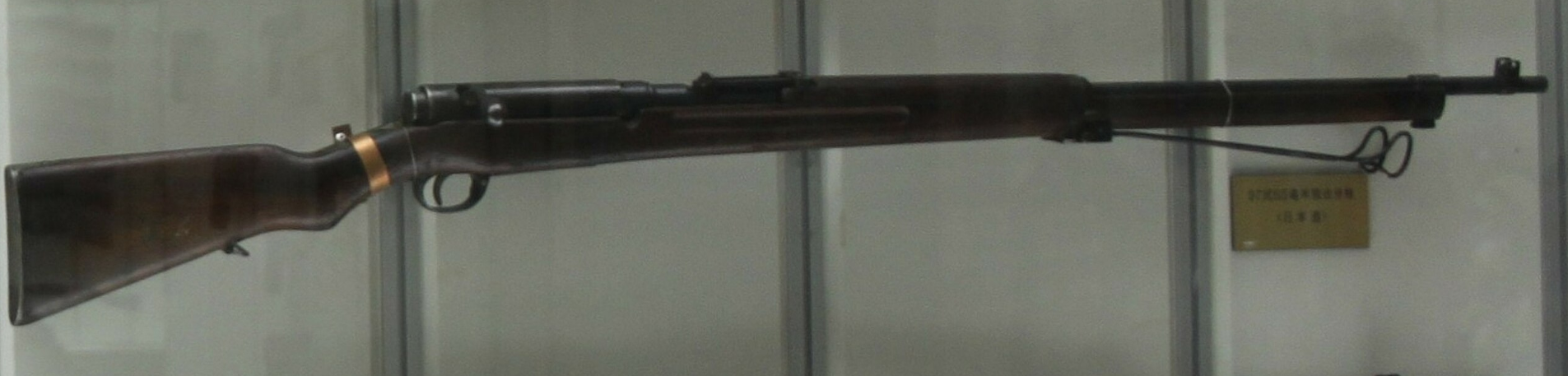
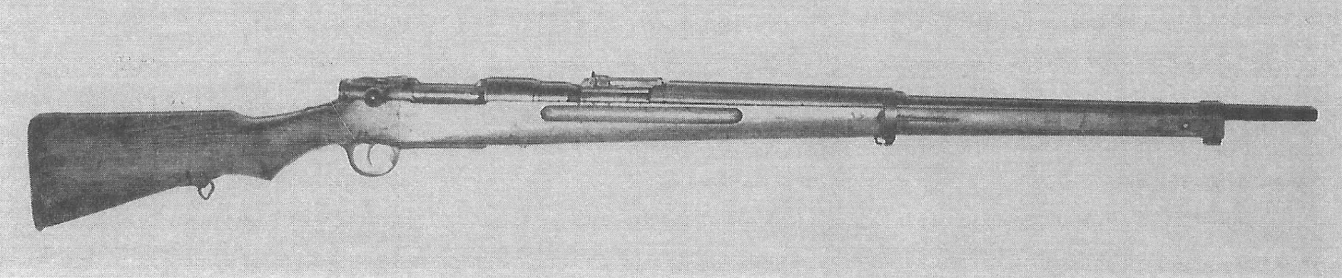
A major technological step occurred with the adoption of the Murata Type 22 in 1889. This model introduced several fundamental changes:
- Reduction of caliber to 8 mm, improving ballistic performance.
- Adoption of a tubular magazine under the barrel, making it Japan’s first repeating service rifle.
- Compatibility with smokeless powder ammunition, placing it on par with contemporary European designs such as the French Lebel Model 1886.
Despite these advances, the tubular magazine system was already becoming obsolete compared to emerging box-magazine rifles.

At the same time, a shortened Murata Type 22 Carbine was introduced for cavalry, artillery, and support troops. It featured:
- The same 8 mm cartridge as the standard Type 22 rifle.
- A shorter barrel and overall length for improved handling.
- A shortened tubular magazine.
- An otherwise identical bolt and firing mechanism to the rifle version.
The carbine shared the same limitations as the rifle and saw limited service before being surpassed by more modern magazine-fed weapons.
| Specification | Murata Type 13 Rifle | Murata Type 18 Rifle | Murata Cavalry Carbine | Murata Type 22 Repeating Rifle | Murata Type 22 Repeating Carbine |
|---|---|---|---|---|---|
| Caliber | 11 mm | 11 mm | 11 mm | 8 mm | 8 mm |
| Overall length | 1294 mm | 1278 mm | 1178 mm | 1207 mm | 960 mm |
| Length with bayonet | 1859 mm | 1737 mm | — | 1476 mm | — |
| Weight | 4156 g | 4098 g | 3600 g | 4123 g | 3700 g |
| Weight with bayonet | 4899 g | 4759 g | — | 4519 g | — |
| Muzzle velocity | 436 m/s | 460 m/s | 413 m/s | 610 m/s | 593 m/s |
| Effective range | 1500 m | 1500 m | 1200 m | 2000 m | 1300 m |
| Magazine capacity | — | — | — | 8 rounds | 5 rounds |
| Bullet weight | 26 g | 27 g | 27 g | 16 g | 16 g |
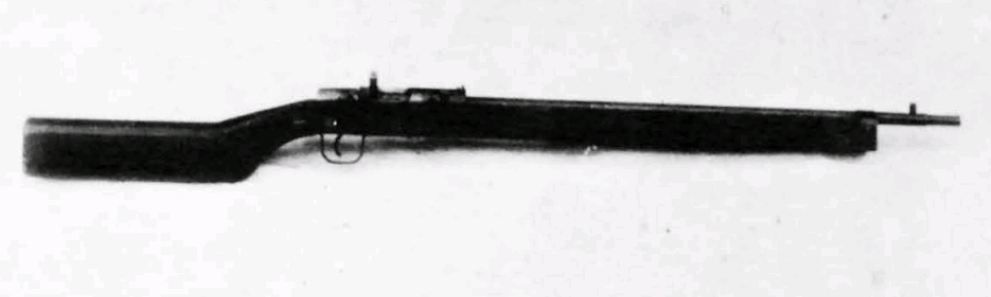
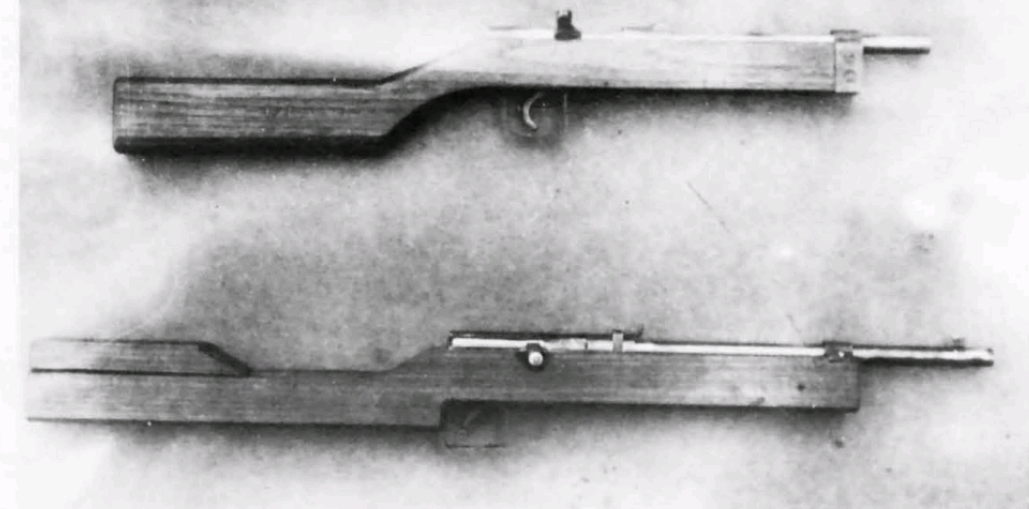
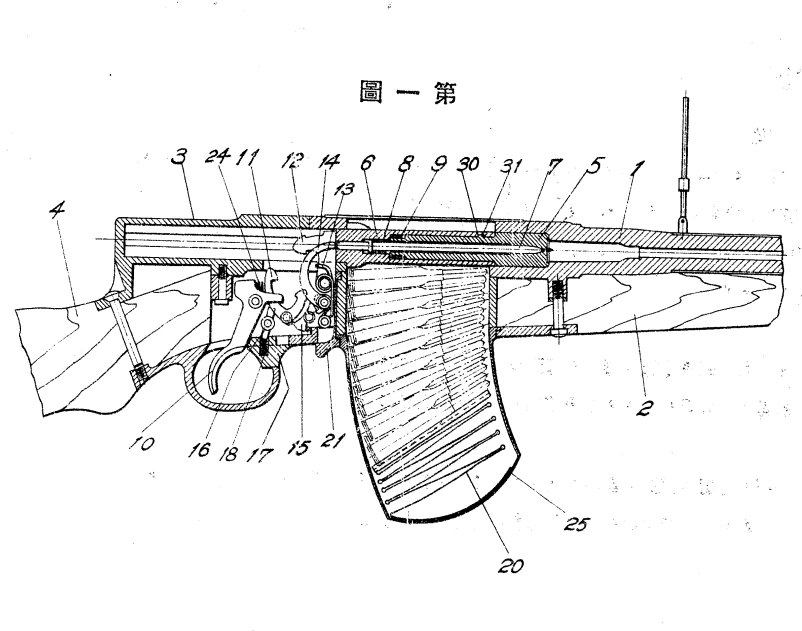
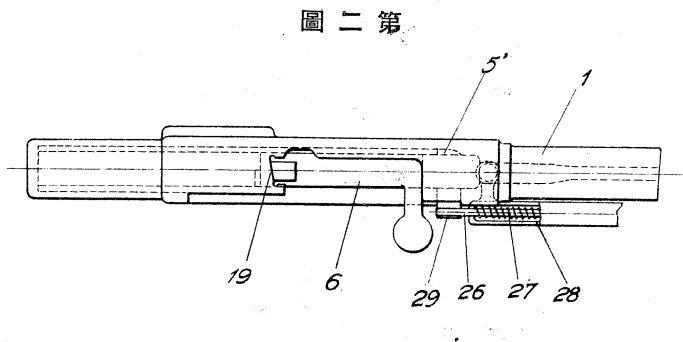
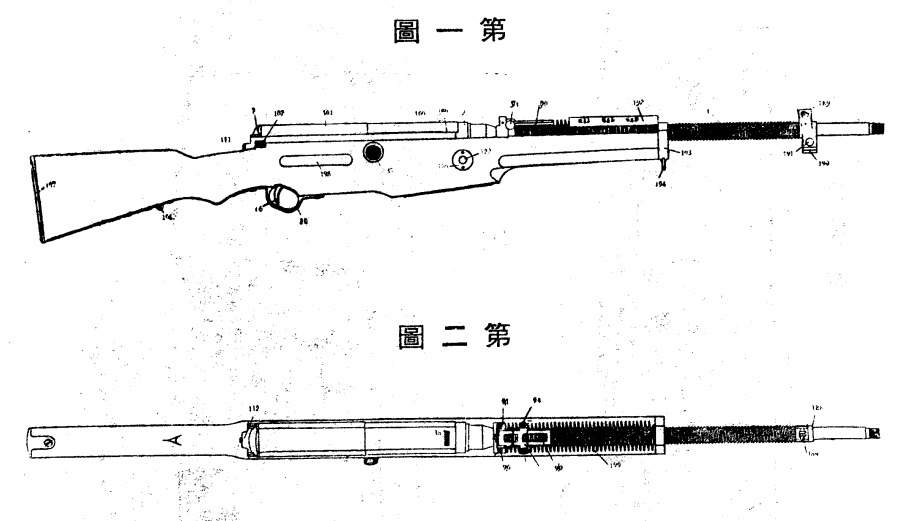
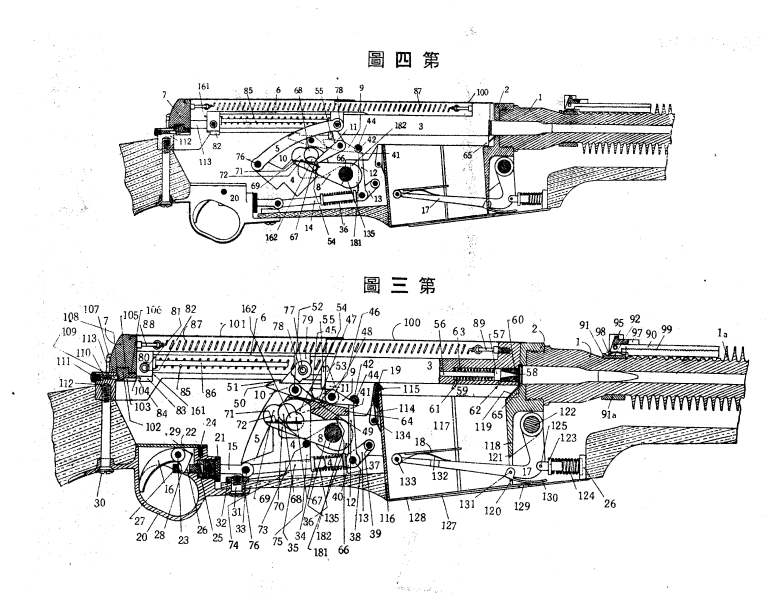
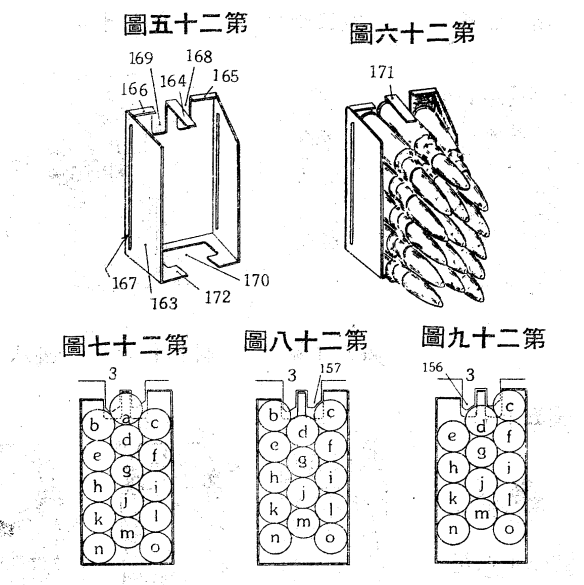
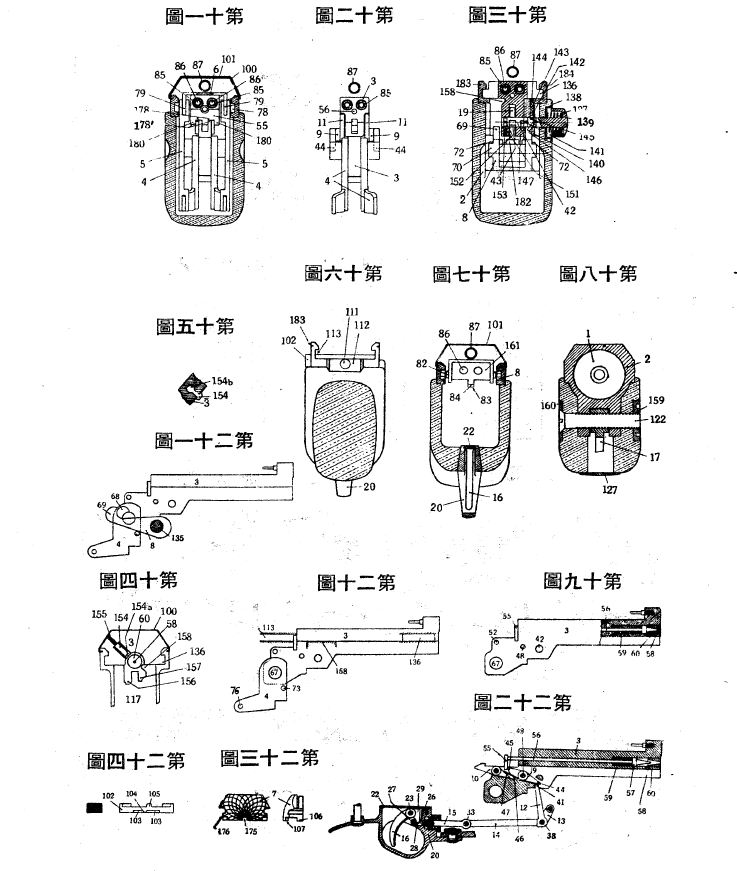
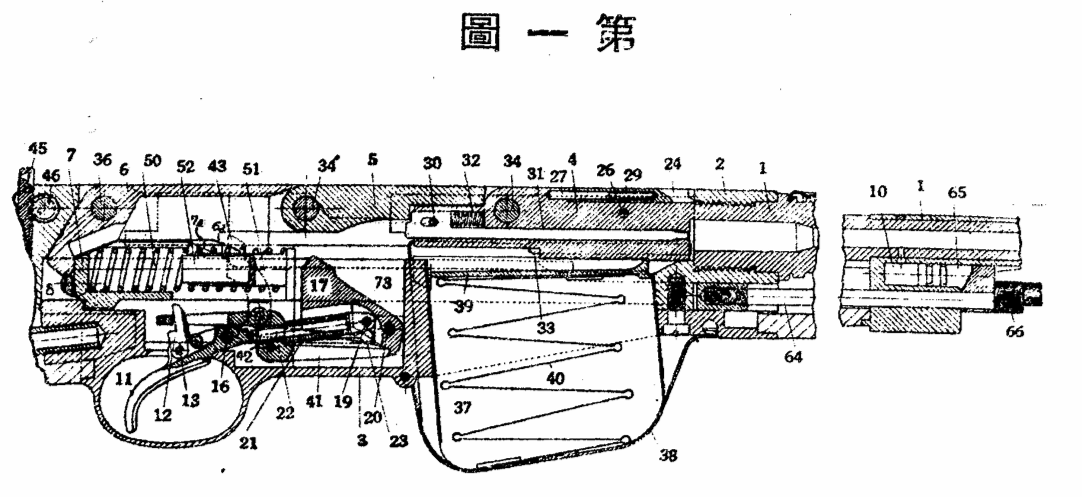
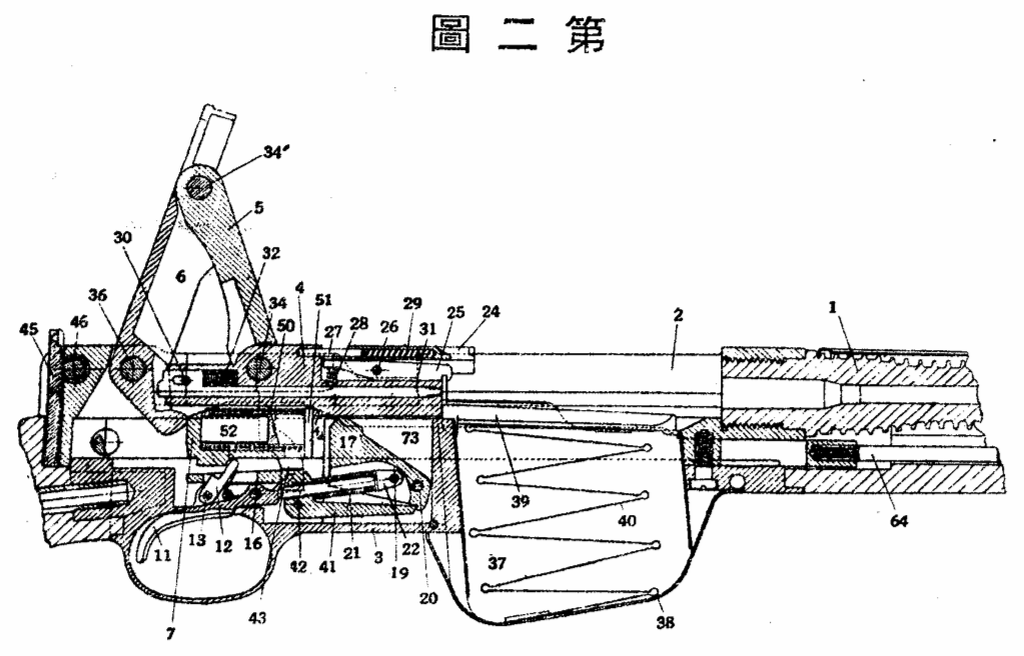
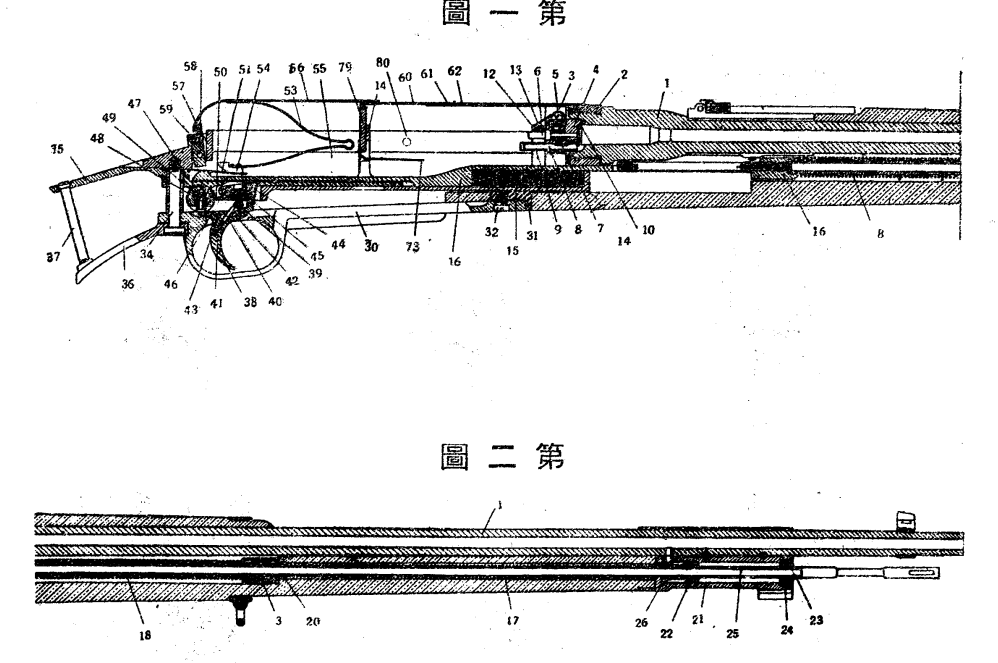
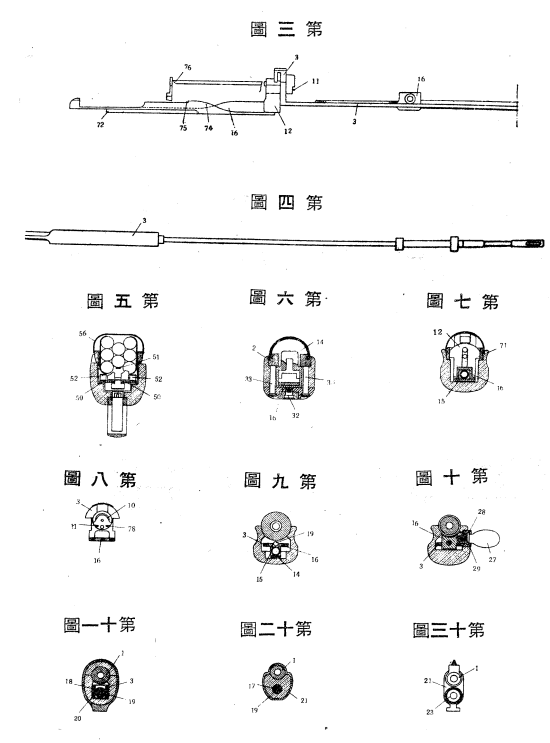
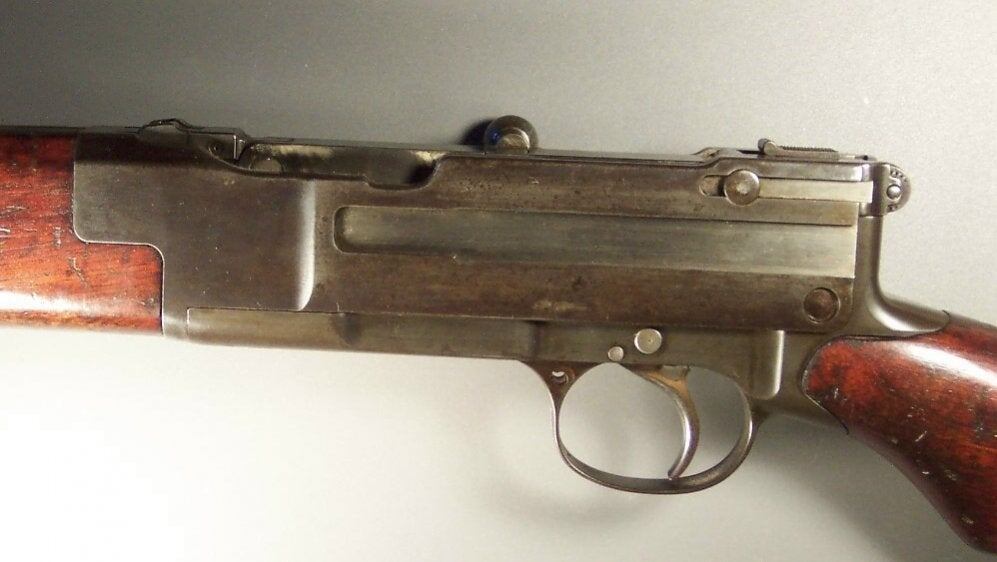
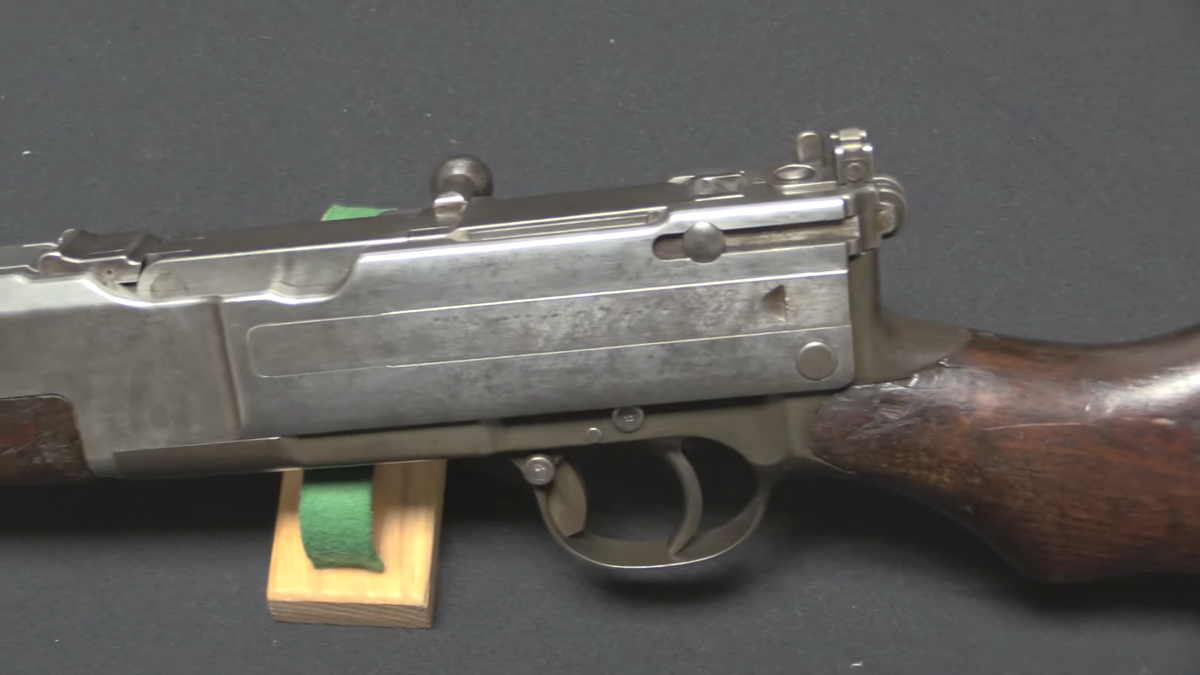
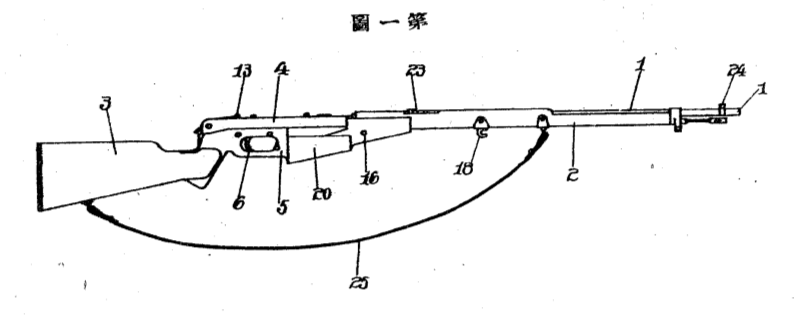
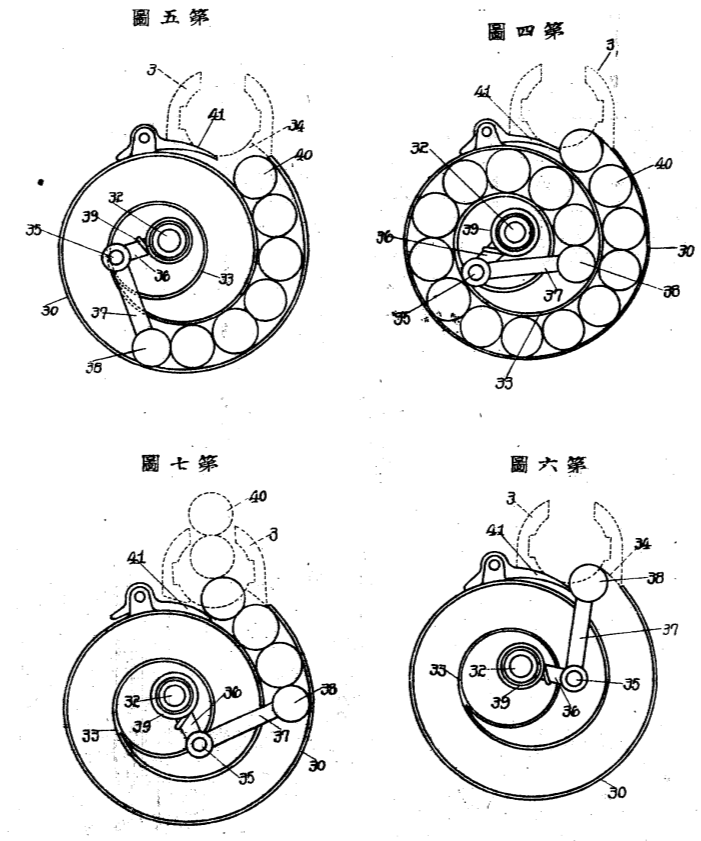
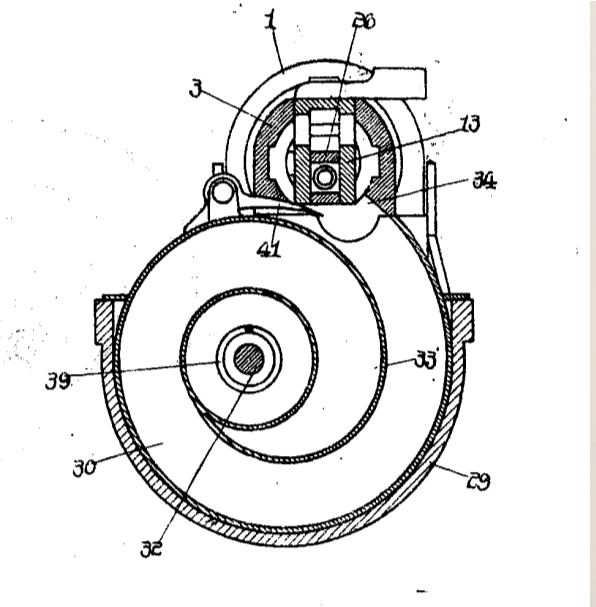
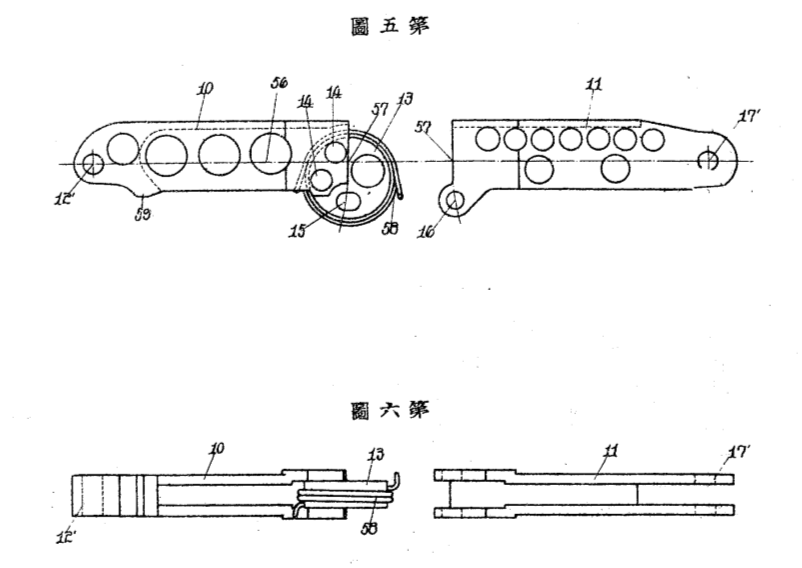
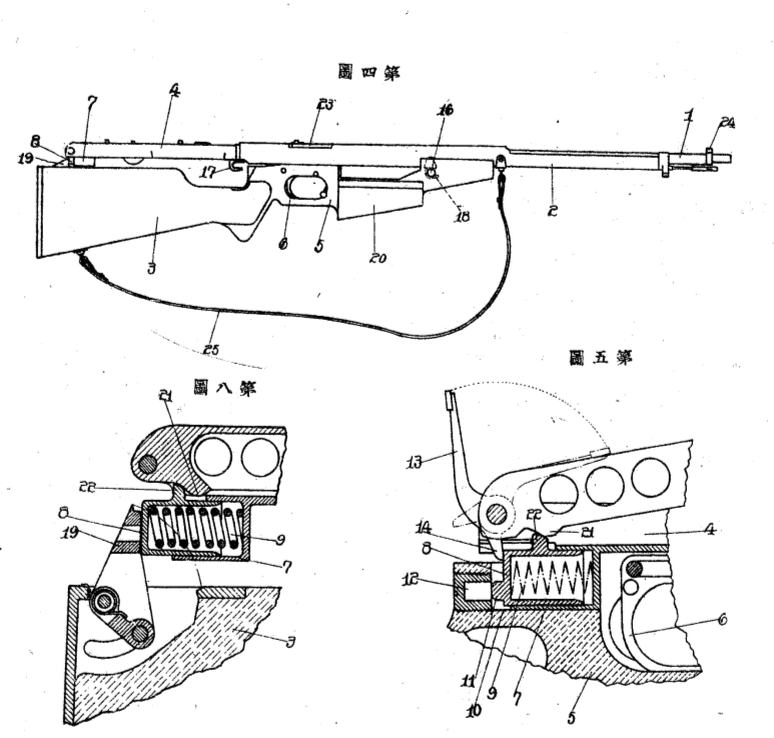
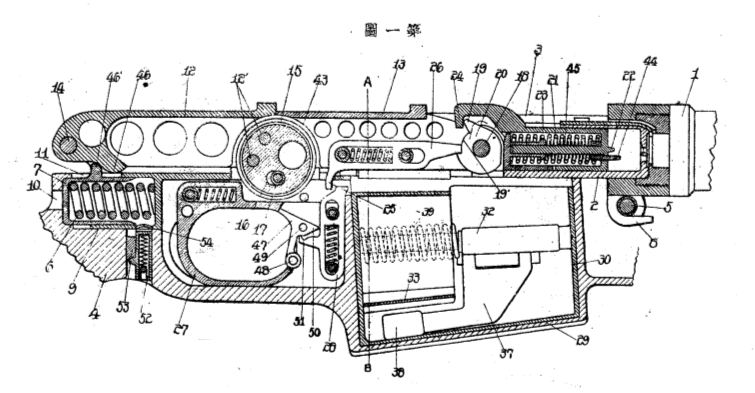
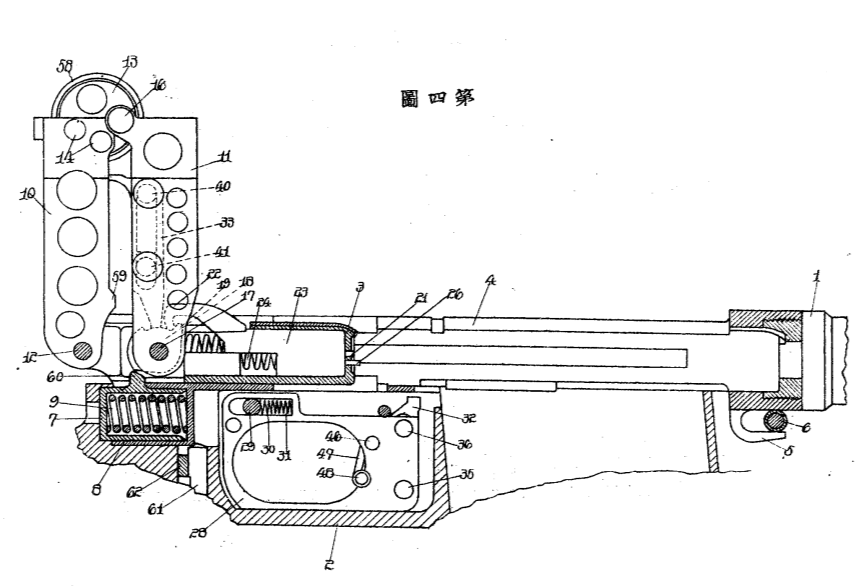
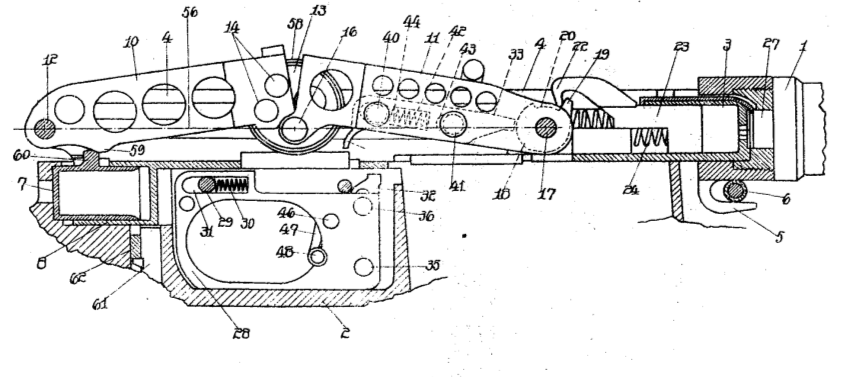
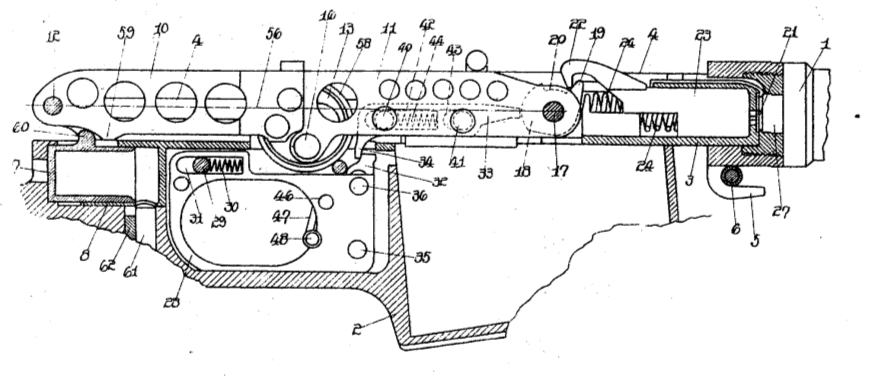
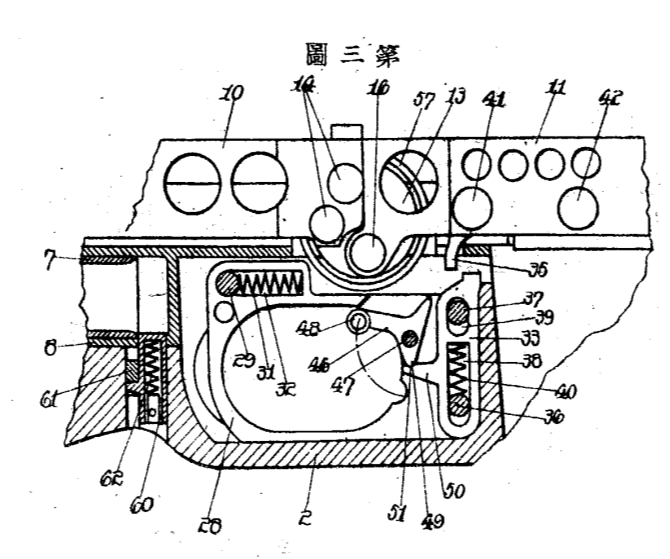
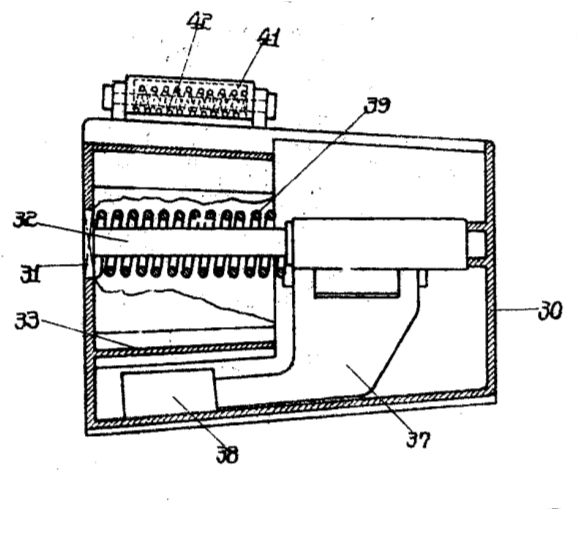
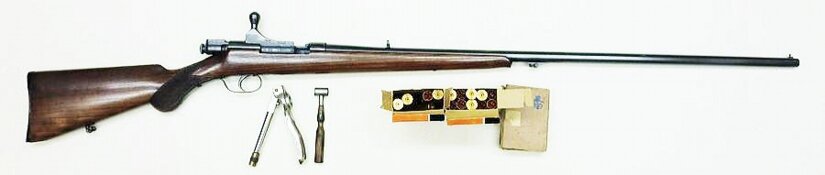
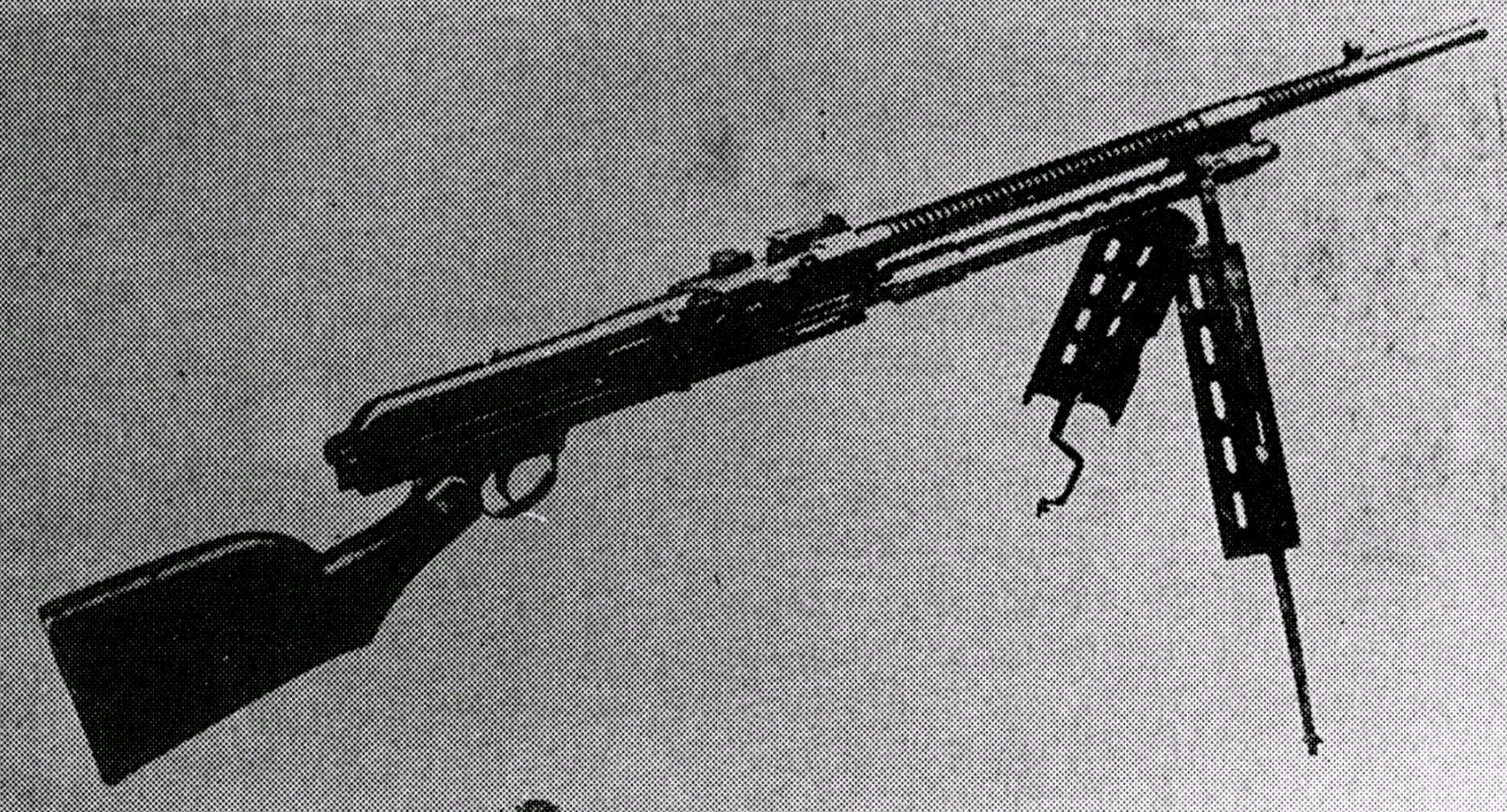
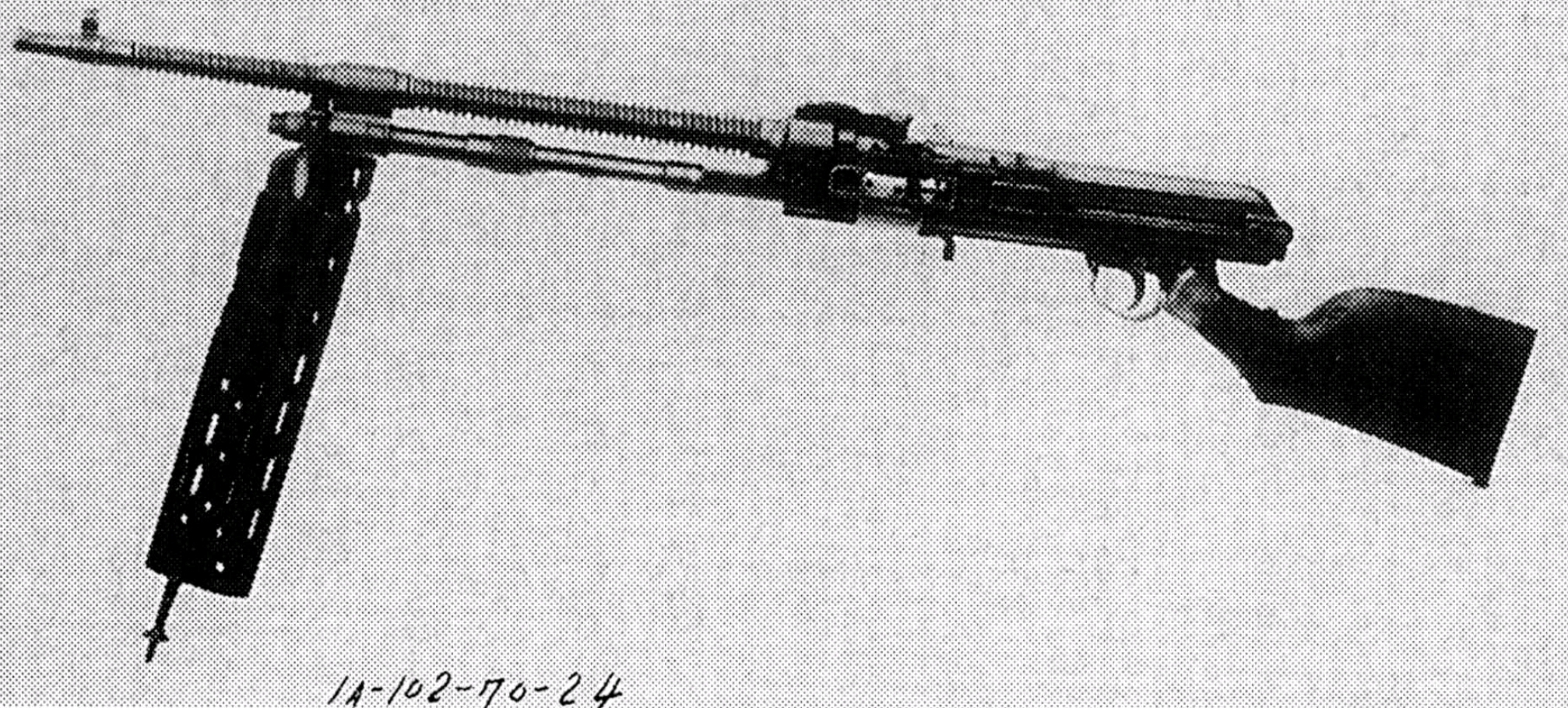
In 1900–1901, the Imperial Japanese Navy considered a project for a deep modernization of the Murata rifles, proposed by Kinjiro Motooka, a technician at the Tokyo Arsenal. The primary goal was to replace the obsolete and dangerous tubular magazine with a modern box system, which increased the rate of fire and improved safety during handling.
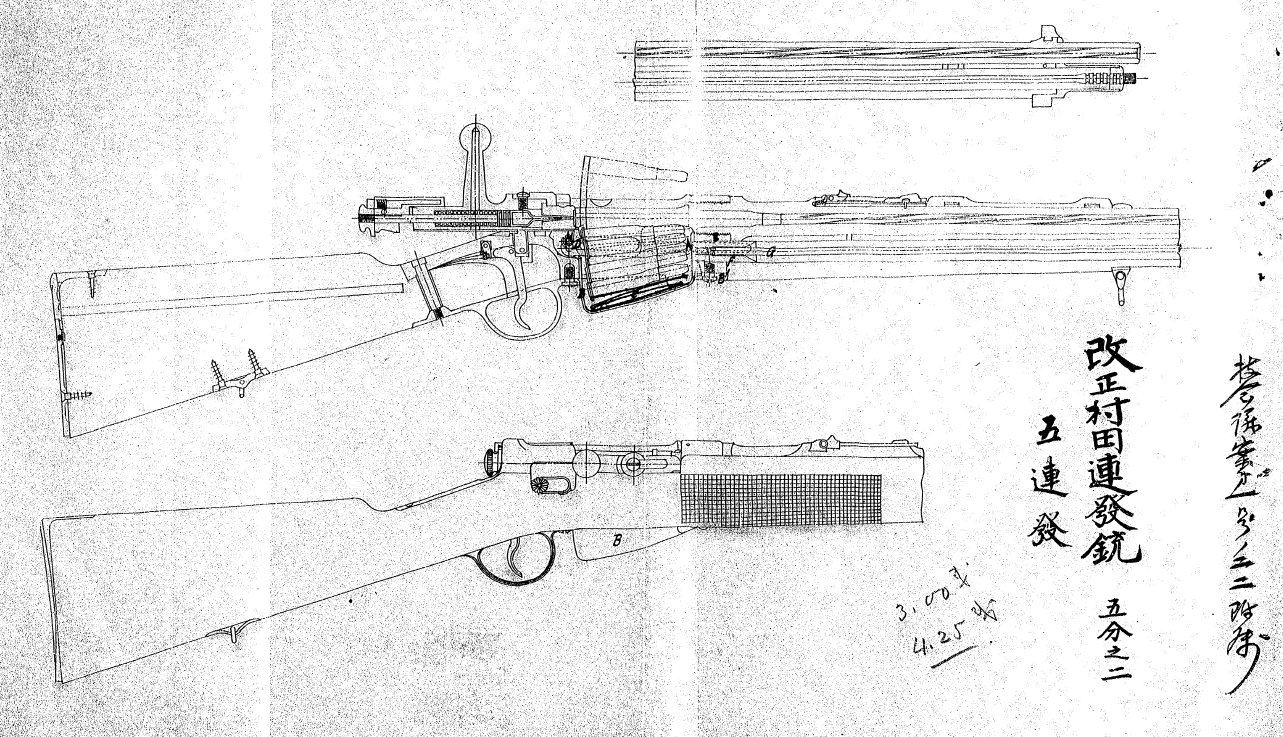
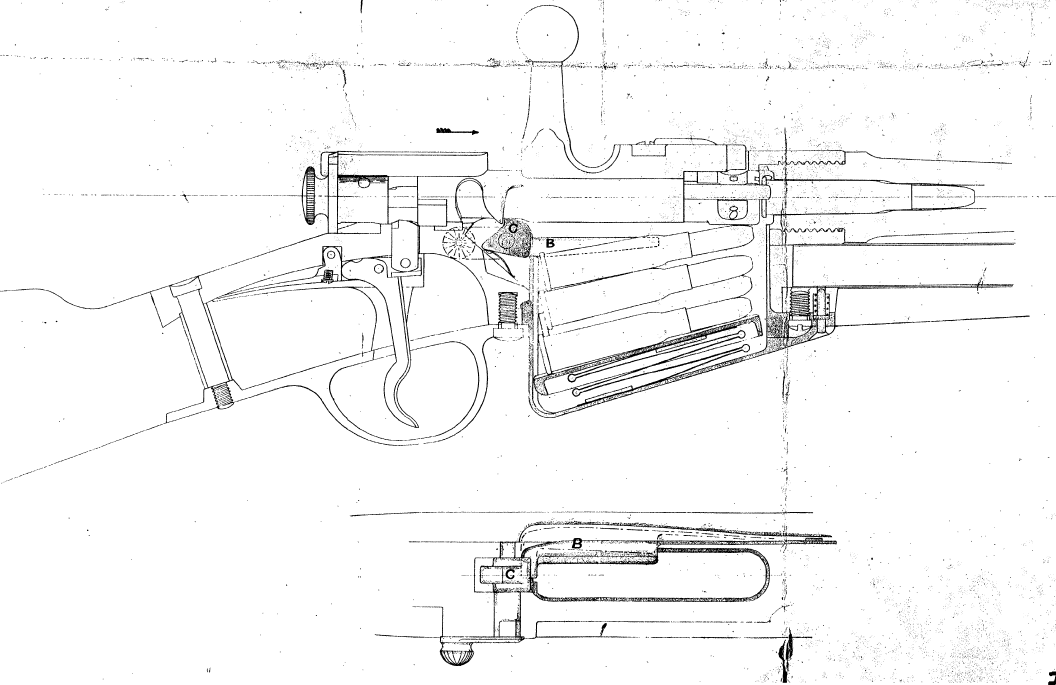
Motooka’s design featured a 5-round magazine that was attached to the receiver with two screws and integrated with the trigger guard. В In the improved 1901 version, the engineer managed to make the mechanism compact—it barely protruded beyond the stock’s dimensions.
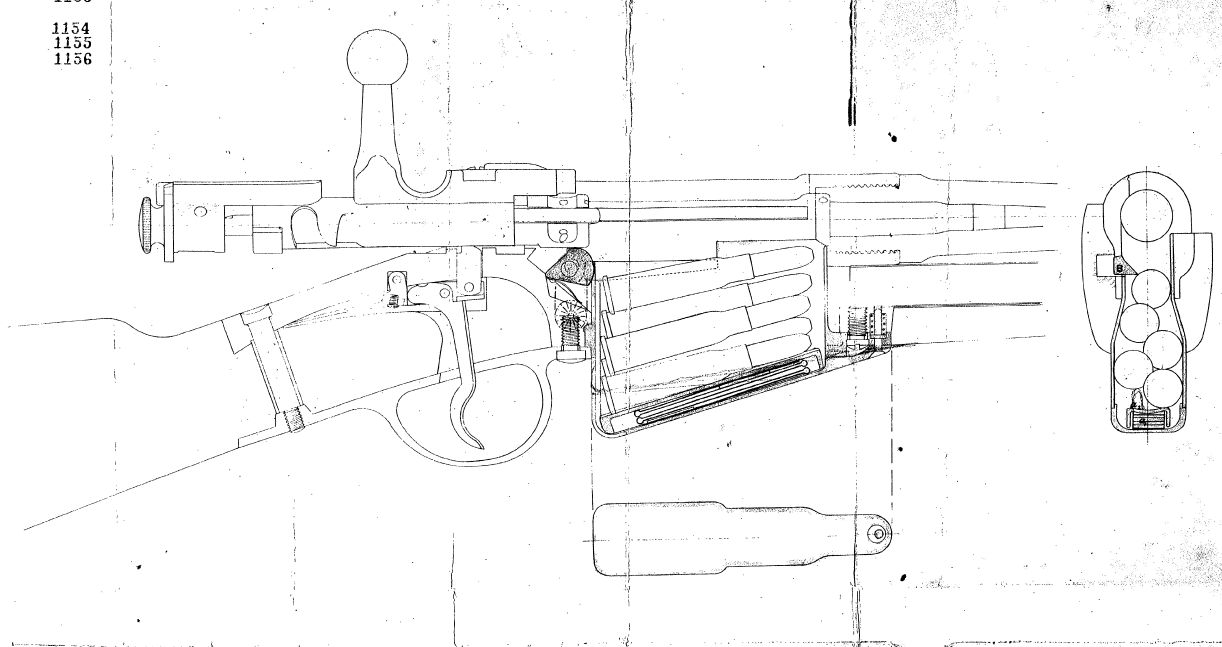
Despite the successful refinement and an order to produce one experimental prototypes in February 1901, the project was rejected. A technical committee led by Admiral Togo Heihachiro made the final decision to transition to the new Arisaka rifles (Type 30), deeming the modernization of the old Murata platform impractical.
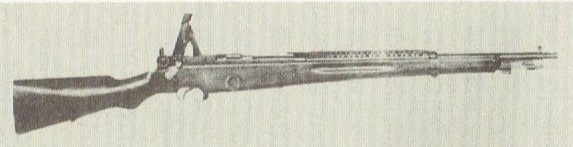
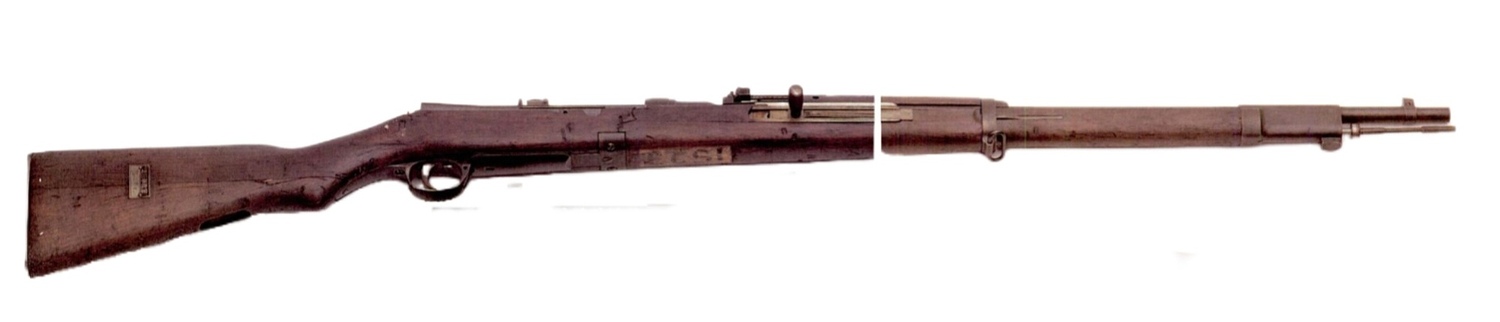
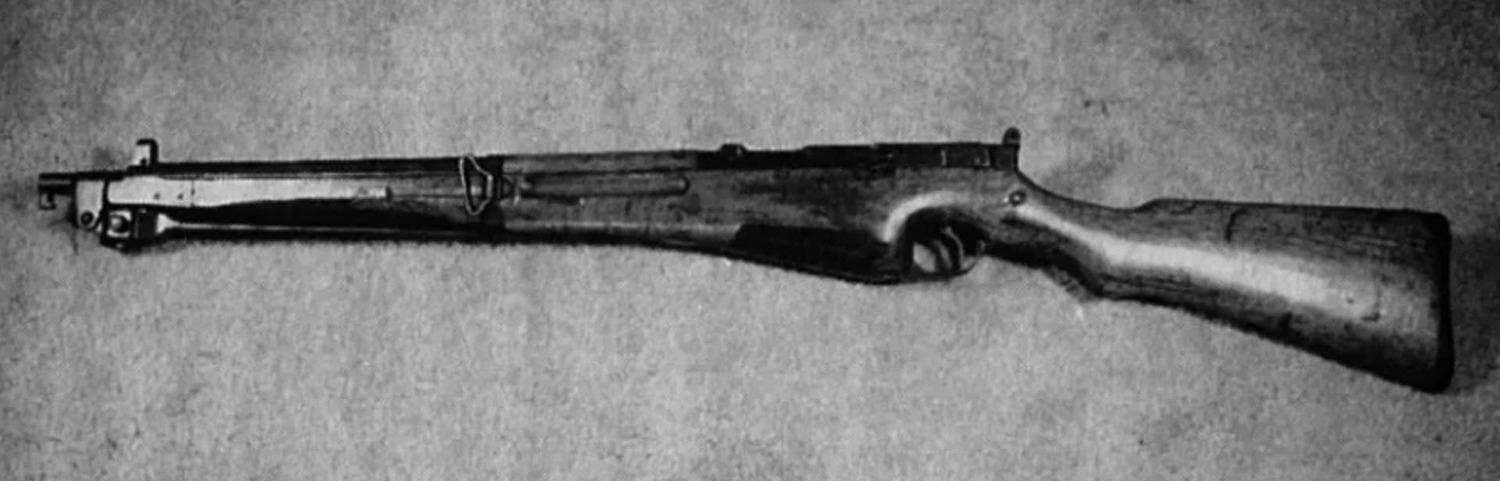
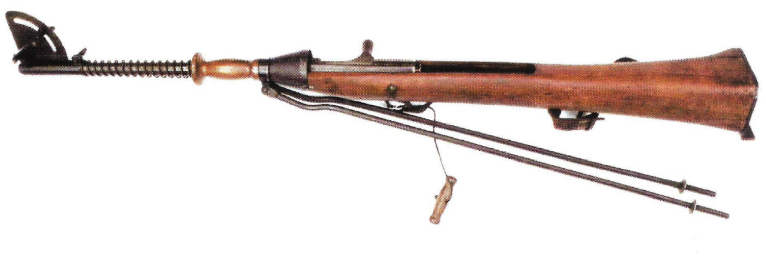
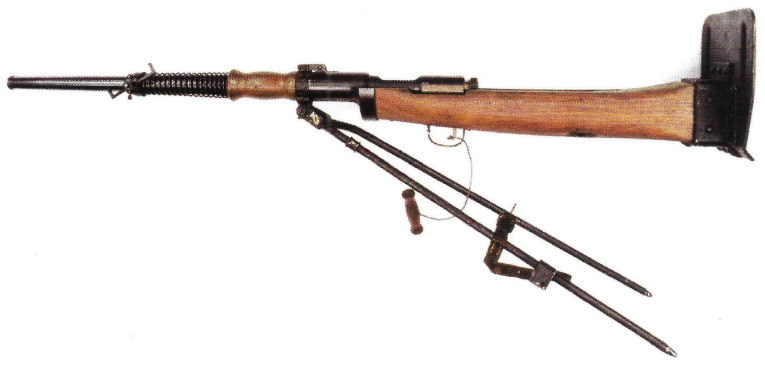
Currently, a private collection contains two rifles referred to as Murata magazine rifles. However, both of them raise a great deal of suspicion. One of the rifles (a carbine, to be precise) features a Type 44 carbine bayonet, which was not adopted until 1911. By that time, the unification of Arisaka rifles was well underway. Given that the Navy had already abandoned the Murata magazine rifle as early as 1901, it seems highly improbable that the military would revert to Murata rifles for the cavalry, especially since new weapon models were being specifically developed for them at the time. As far as is known, these weapons underwent restoration for 15 years, with components purchased separately. It is possible that, in this case, the weapon was either simply restored incorrectly or is an outright fabrication that has no actual connection to an authentic Murata magazine rifle.

A second Murata magazine rifle was auctioned off with the following description:
“This experimental Japanese Murata fixed box magazine rifle is most likely unique. The Japanese began experimenting with box fed magazine rifles around October, 1885. The experimentation continued until March, 1889, when the Type 22 with its under barrel tube magazine was adopted. The top of the chamber of this box magazine rifle is numbered 1. The overall length is approx. 48.25”. The 30" barrel has an excellent bore with bright, strong rapid twist rifling. The caliber is most likely 8mm Japanese as found on the Type 22 rifles. The gun has approx. 95% blue with the butt plate being faded. The cleaning rod and bolt are bright. The ladder rear sight is graduated from 30 to 80 on the side and 9 to 22 on the leaf. The left side of the receiver is marked in script “Fusil a repetition Mourata” over “a 5 coups” with the magazine box having “anee 1887”. This translates from French to Murata repeating rifle with 5 shots in the year 1887. It is unclear whether this is an original marking or whether it was added at a later date by a Frenh museum. The left side of the receiver is equipped with a sliding magazine cut off. The two piece stock is very good with various storage nicks and dings. It is unmarked. The nose cap, with bayonet lug, is very similar to the early Type 22 Murata rifle nose cap. The rifle is equipped with a functioning grip safety. The actin functions correctly. This interesting and most unusual Murata rifle is fit for the most advanced collection of Japanese rifles or early magazine rifles."
Unfortunately, no documentation has been found to confirm development work on any magazine types other than the tubular ones for the Type 22 Murata rifle between 1885 and 1889. The French inscriptions also raise questions. It remains unclear to what extent this weapon is actually Japanese and whether it was ever intended for the Japanese Army or Navy.
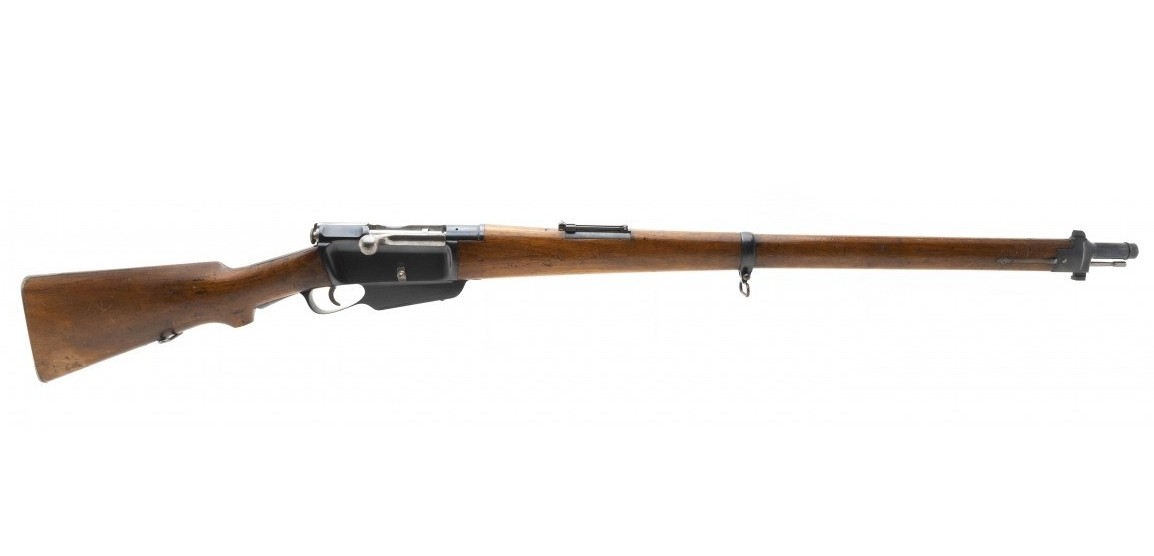
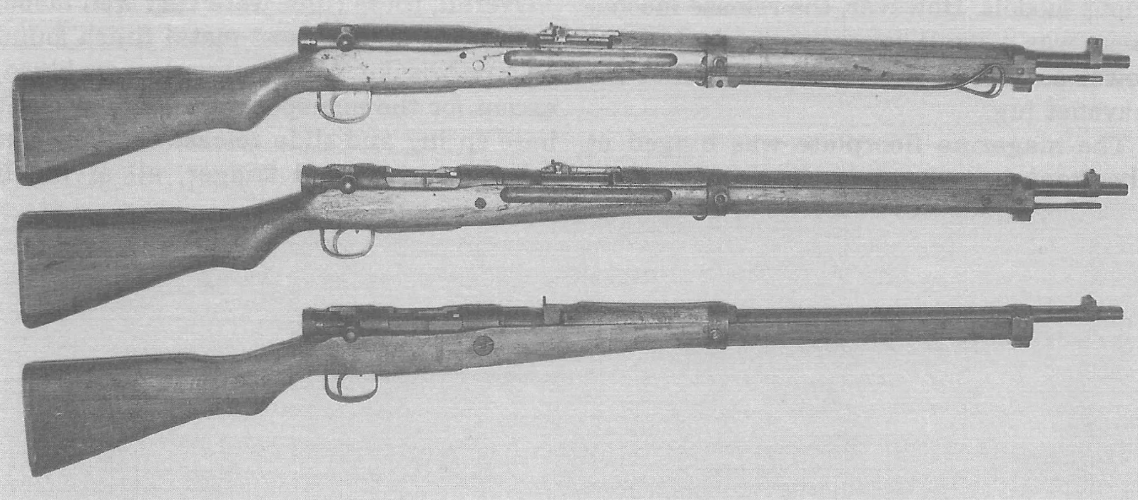
In the late 19th century, the Japanese military recognized the need for a profound modernization of its small arms. The primary goal was to replace the Murata rifle, which featured a cumbersome under-barrel tubular magazine, with a modern system utilizing a central box magazine. This development project was led by Artillery Colonel Arisaka Nariakira and Major Mimoto Michimichi. During the search for optimal ballistic characteristics, three types of experimental rifles were produced and tested in 7 mm, 6 mm, and 6.5 mm calibers. Based on the test results, the 6.5 mm caliber was deemed the most effective and was officially adopted in February of the 30th year of the Meiji era (1897) under the designation Type 30.
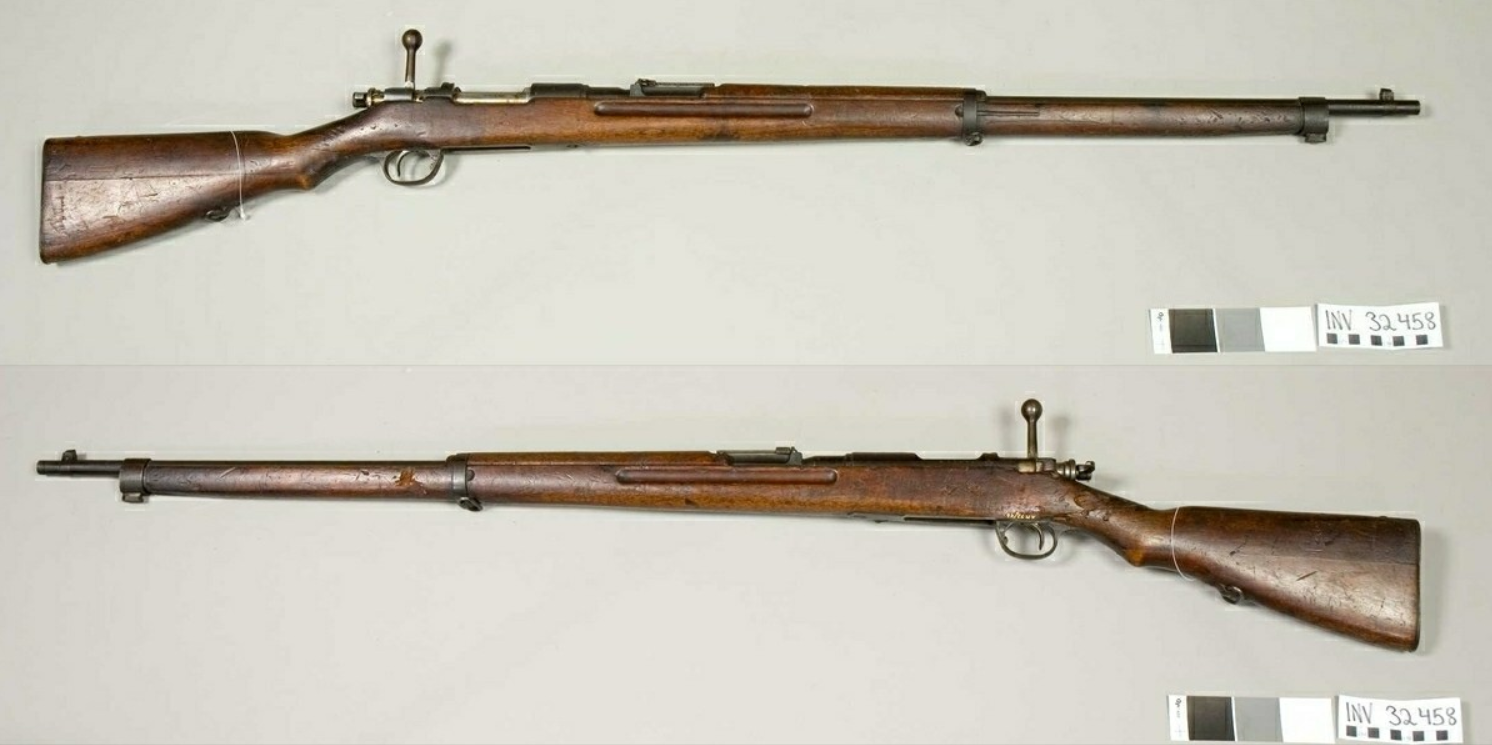
The selection of such a small caliber sparked serious debate within the Artillery Committee. Colonel Iguchi Shogo opposed the choice, labeling the 6.5 mm bullet “non-lethal,” but the prevailing opinion was that it was sufficient to simply disable an enemy on the battlefield rather than inflict unnecessarily cruel injuries. The new rifle utilized smokeless powder cartridges and bullets with a copper-nickel jacket. Loading was performed using 5-round clips, which significantly simplified operation in combat compared to the Murata system. The rifle saw its baptism by fire during the Russo-Japanese War, where it proved its effectiveness; soldiers could carry a larger ammunition load, and according to medical reports, wounds from the high-velocity bullets healed faster, allowing soldiers to return to the front sooner.
In addition to the infantry model, a cavalry carbine was created based on the Type 30, with production beginning in 1899. It was 300 mm shorter than the standard rifle, featuring a 480 mm barrel compared to the 790 mm barrel of the infantry version. For the convenience of riders, the sling swivels were moved to the left side of the weapon. Initially, the carbine did not have a bayonet lug because the cavalry of that time relied on sabers, but the specification was changed in 1906 to allow for a bayonet.

Under wartime conditions, production was increased to 1,000 units per day, and due to a shortage of high-quality walnut, stocks were often made from beech. Despite post-war discussions about switching to larger calibers following the European example, the experience of World War I confirmed that 6.5 mm remained an ideal solution for the army.
| Specification | Type 30 Rifle | Type 30 Carbine |
|---|---|---|
| Caliber | 6.5 mm | 6.5 mm |
| Overall Length | 1275 mm | 965 mm |
| Length with Bayonet | 1665 mm | — |
| Weight | 3850 g | 3180 g |
| Weight with Bayonet | 4290 g | — |
| Muzzle Velocity | 700 m/s | 650 m/s |
| Sighting Range | 2000 m | 1500 m |
| Magazine Capacity | 5 rounds | 5 rounds |
| Cartridge Weight | 11 g | 11 g |
Subsequently, Artillery Captain Kijiro Nambu of the Army Technical Bureau directed the modernization of the Type 30 infantry rifle. This development resulted in the Type 35 rifle, specifically configured for naval service. While the Type 35 maintained structural continuity with the Type 30 design, the primary technical refinements included the integration of a sliding receiver dust cover and the implementation of a tangent leaf rear sight.

| Specification | Type 35 |
|---|---|
| Caliber | 6.5 mm |
| Overall Length | 1275 mm |
| Length with Bayonet | 1665 mm |
| Weight | 3850 g |
| Weight with Bayonet | 4290 g |
| Sighting Range | 2000 m |
| Magazine Capacity | 5 rounds |
| Cartridge Weight | 11 g |
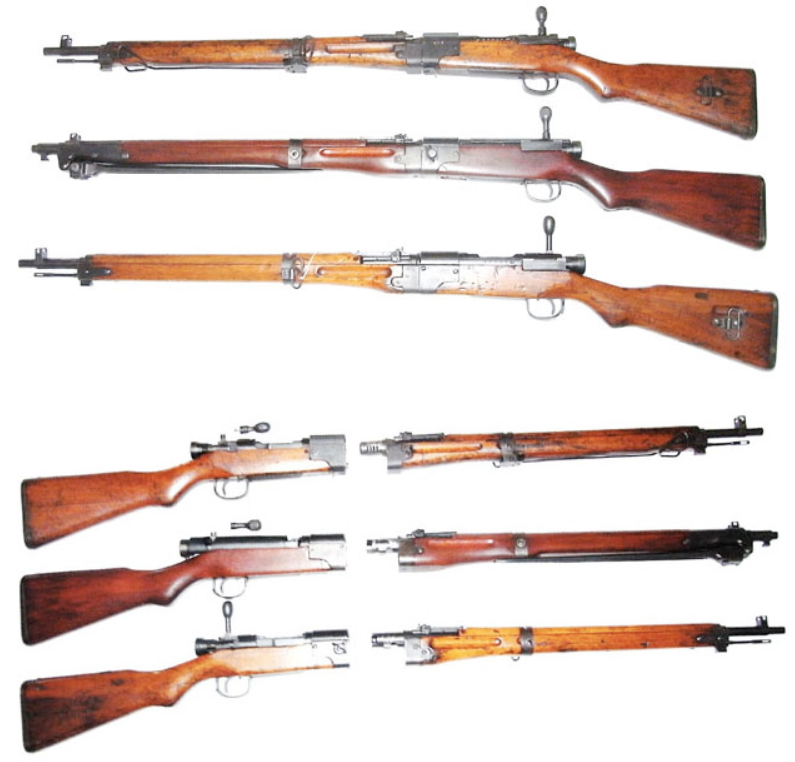
In May 1904, Captain Nambu initiated modifications to the bolt assembly and receiver of the Type 30 infantry and cavalry rifles. Although the project had reached the testing phase, further research was temporarily suspended due to the outbreak of the Russo-Japanese War. Following the cessation of hostilities and incorporating combat feedback, a prototype featuring a dust cover was finalized. On May 5, 1906, the Type 38 infantry rifle and cavalry carbine were formally adopted into service.
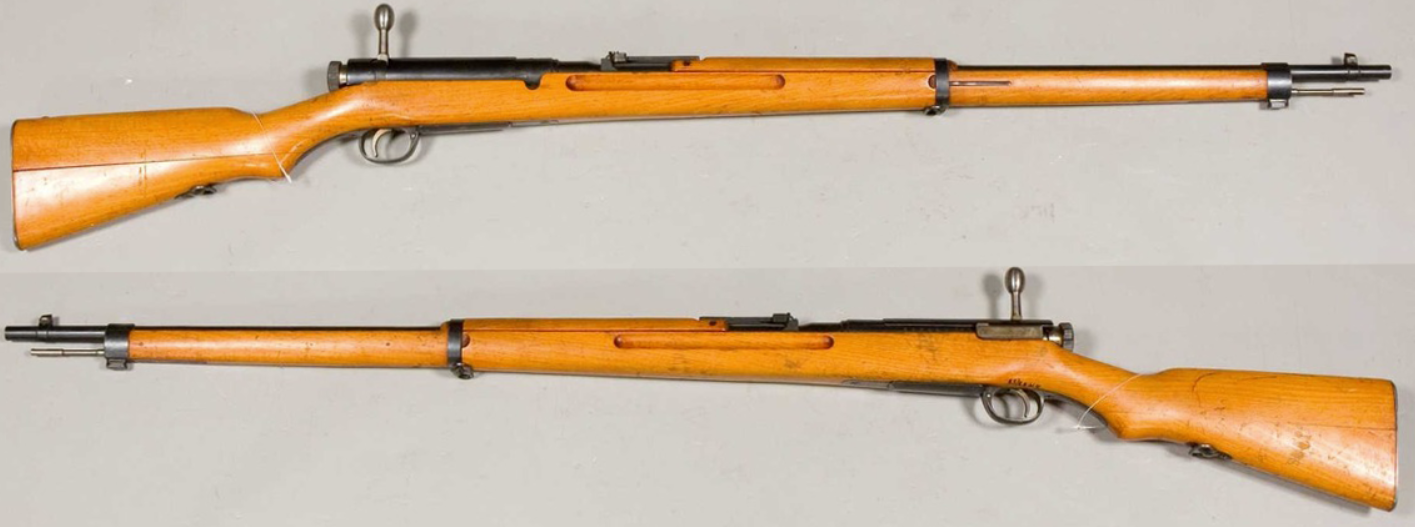
The Type 38 design offered several advantages over contemporary foreign counterparts. The bolt group, comprised of only five components, was three parts simpler than the then-advanced Mauser system. The simplified field-stripping procedure and the ergonomic design of the safety catch facilitated effective operation in harsh environments, specifically allowing for manipulation while wearing heavy gloves. Furthermore, the detachable nature of the dust cover improved the weapon’s practical utility and maintenance efficiency under field conditions.
Based on the Type 38 infantry rifle, a shortened variant was developed for cavalry use, featuring an overall length of 976 mm—approximately 300 mm shorter than the standard infantry model.
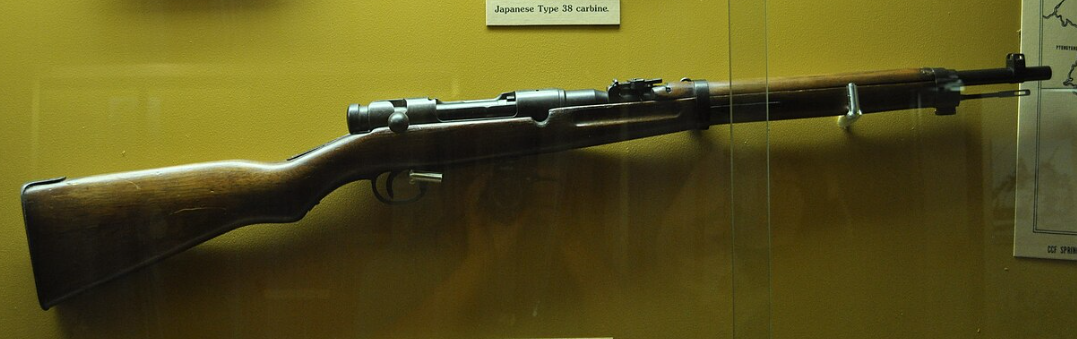
| Specification | Type 38 Rifle | Type 38 Carbine |
|---|---|---|
| Caliber | 6.5 mm | 6.5 mm |
| Overall Length | 1276 mm | 955 mm |
| Length with Bayonet | 1670 mm | 1347 mm |
| Weight | 4100 g | 3400 g |
| Weight with Bayonet | 4490 g | 3780 g |
| Muzzle Velocity | 762 m/s | 708 m/s |
| Sighting Range | 2400 m | 2000 m |
| Magazine Capacity | 5 rounds | 5 rounds |
| Cartridge Weight | 9 g | 9 g |
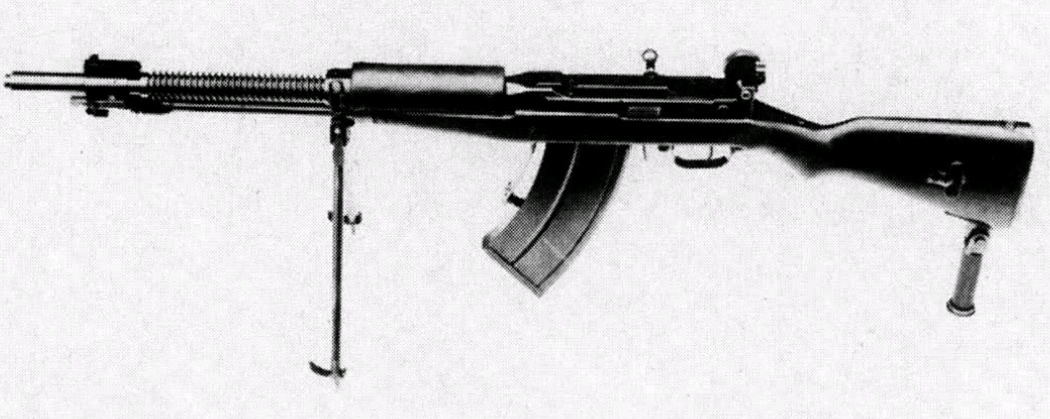
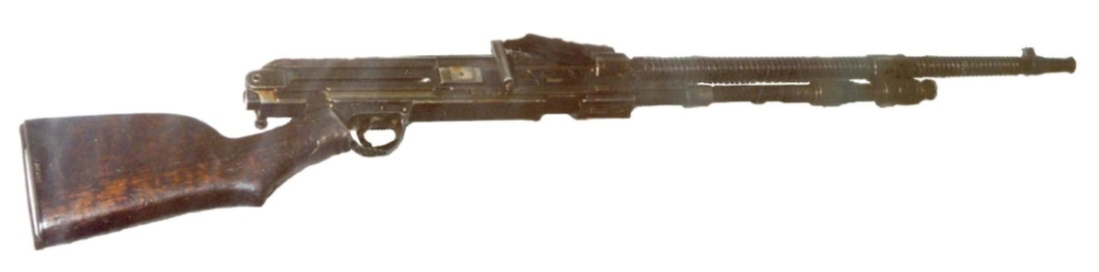
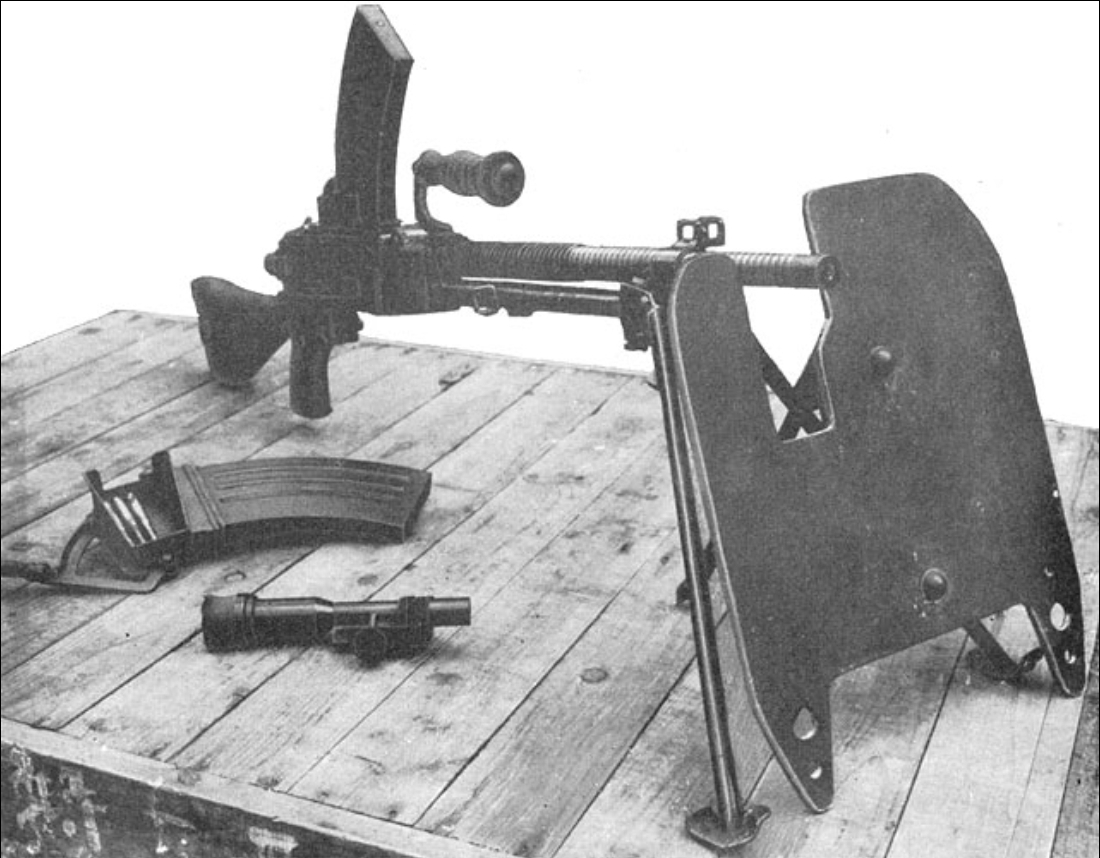
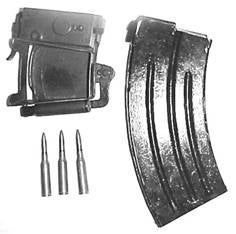
At the end of the war, a modified Type 38 rifle was spotted featuring a 30-round magazine from the Type 96 light machine gun.

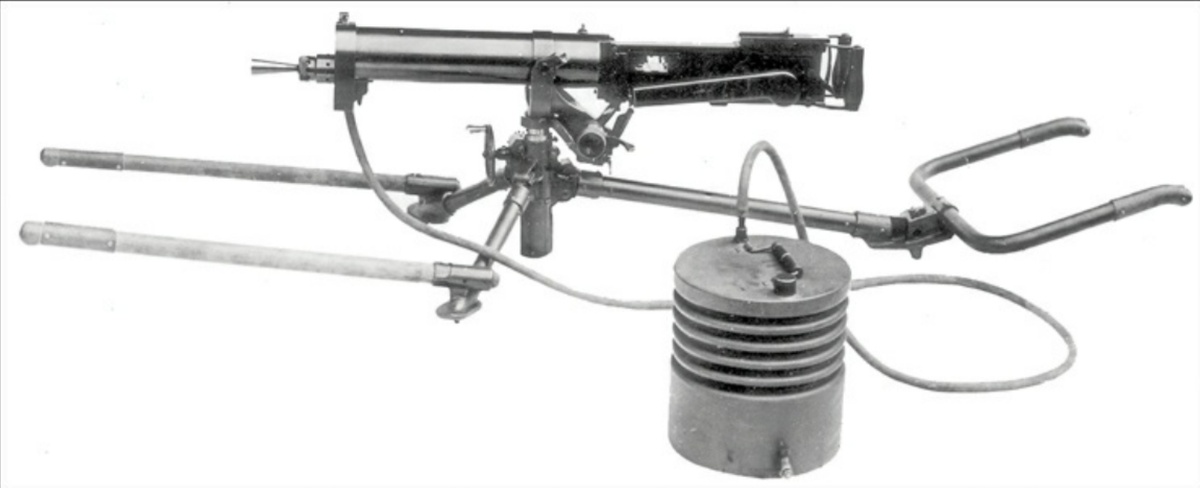
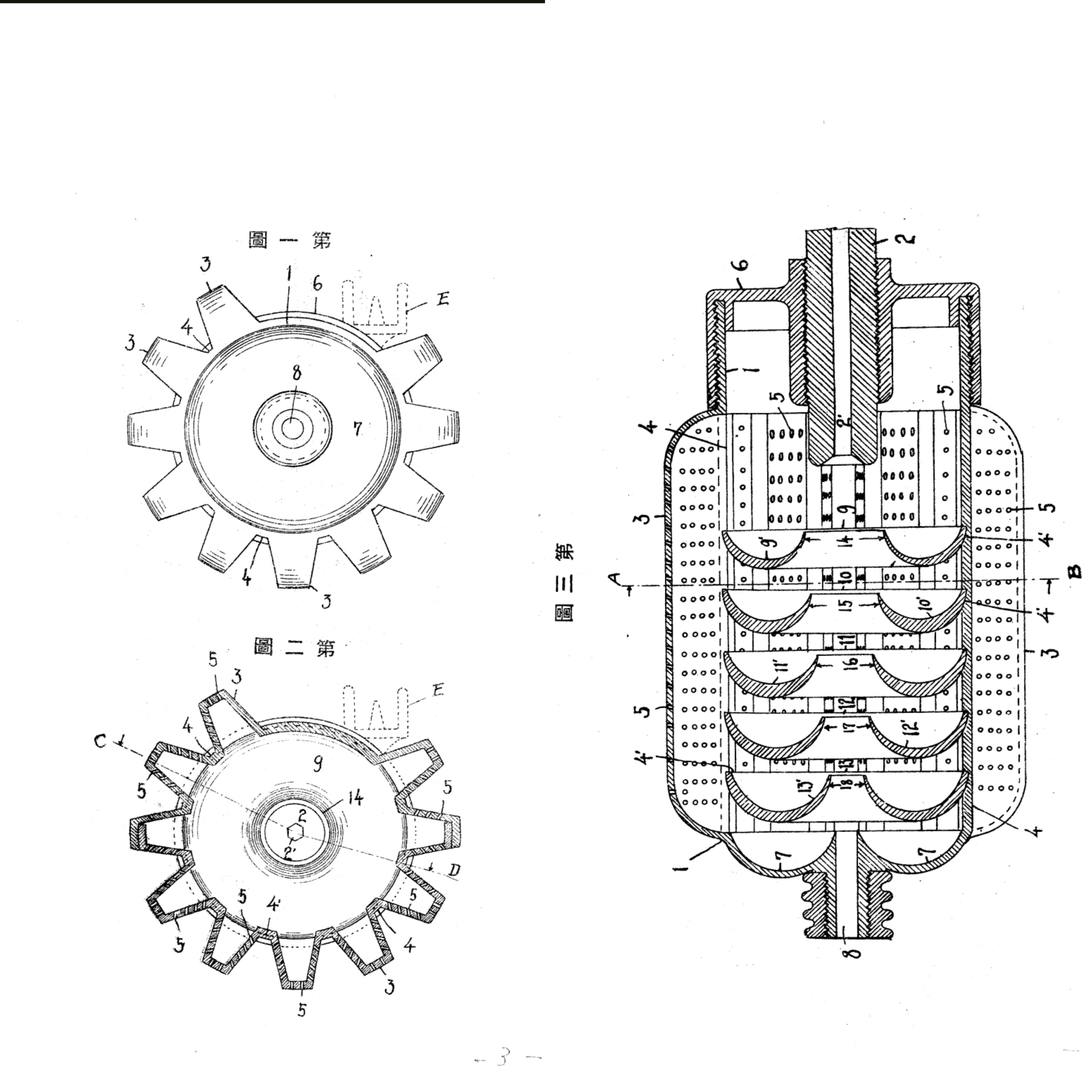
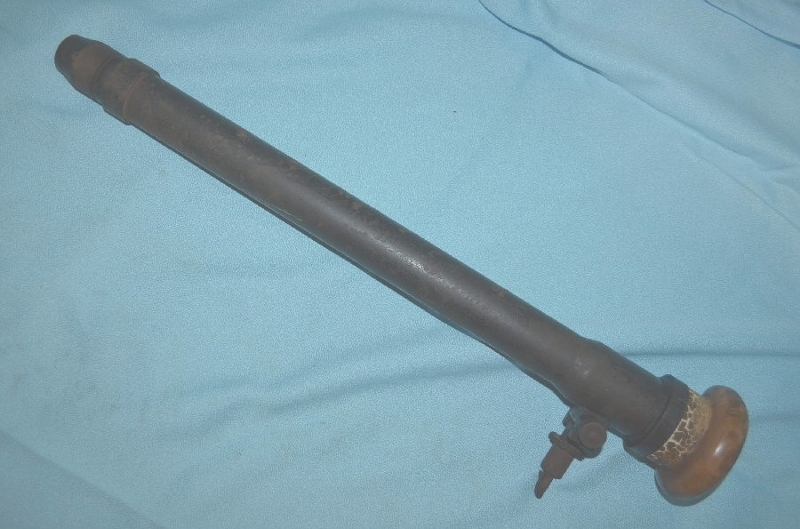
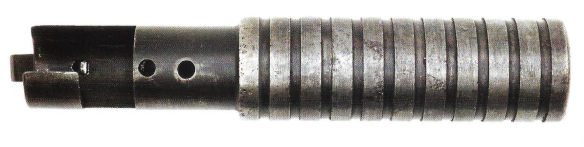
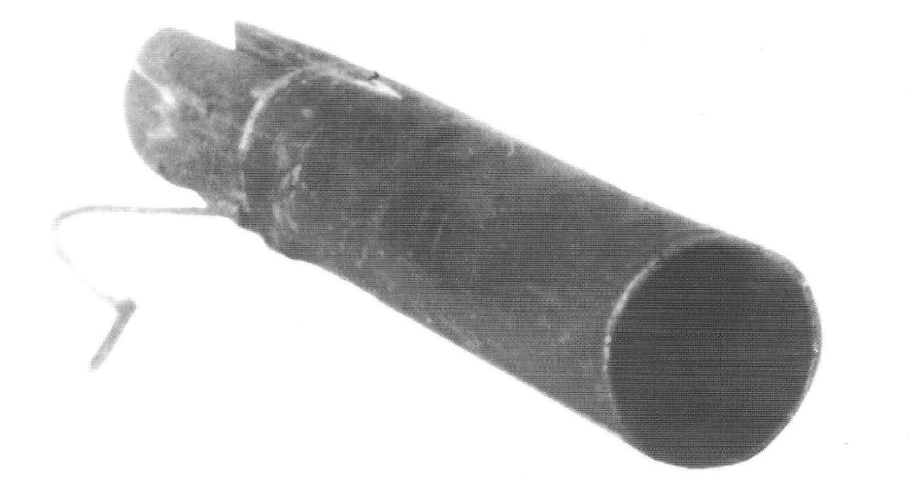
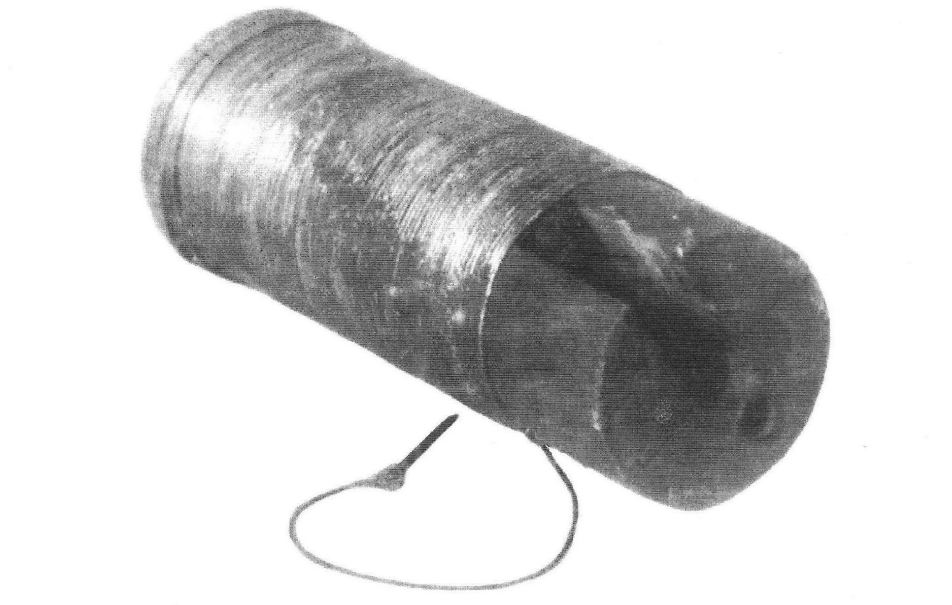
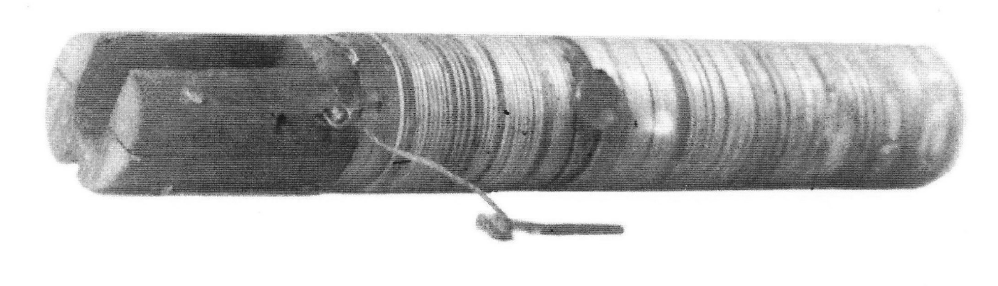
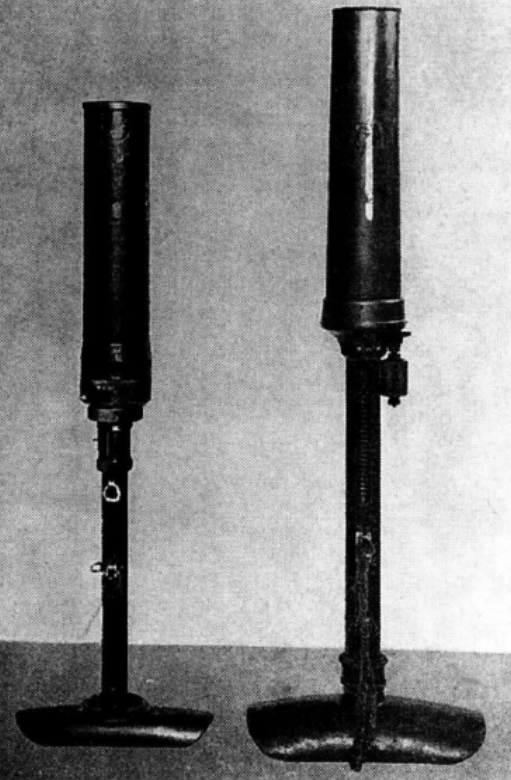
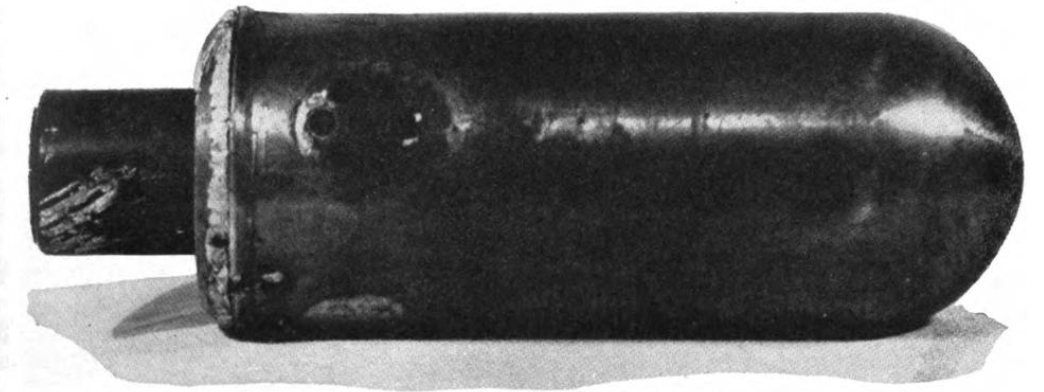
In 1927, Japanese inventor Kinzaburo Hibino developed an advanced silencer design based on H.P. Maxim’s concepts. The device utilized two main expansion chambers and a series of conical baffles to effectively suppress sound by separating propellant gases. A unique feature included two side tubes designed to vent gases from the outer shell and simplify mounting on rifles or machine guns. Hibino’s project was notable as one of the first silencers intended for use on automatic weapons.
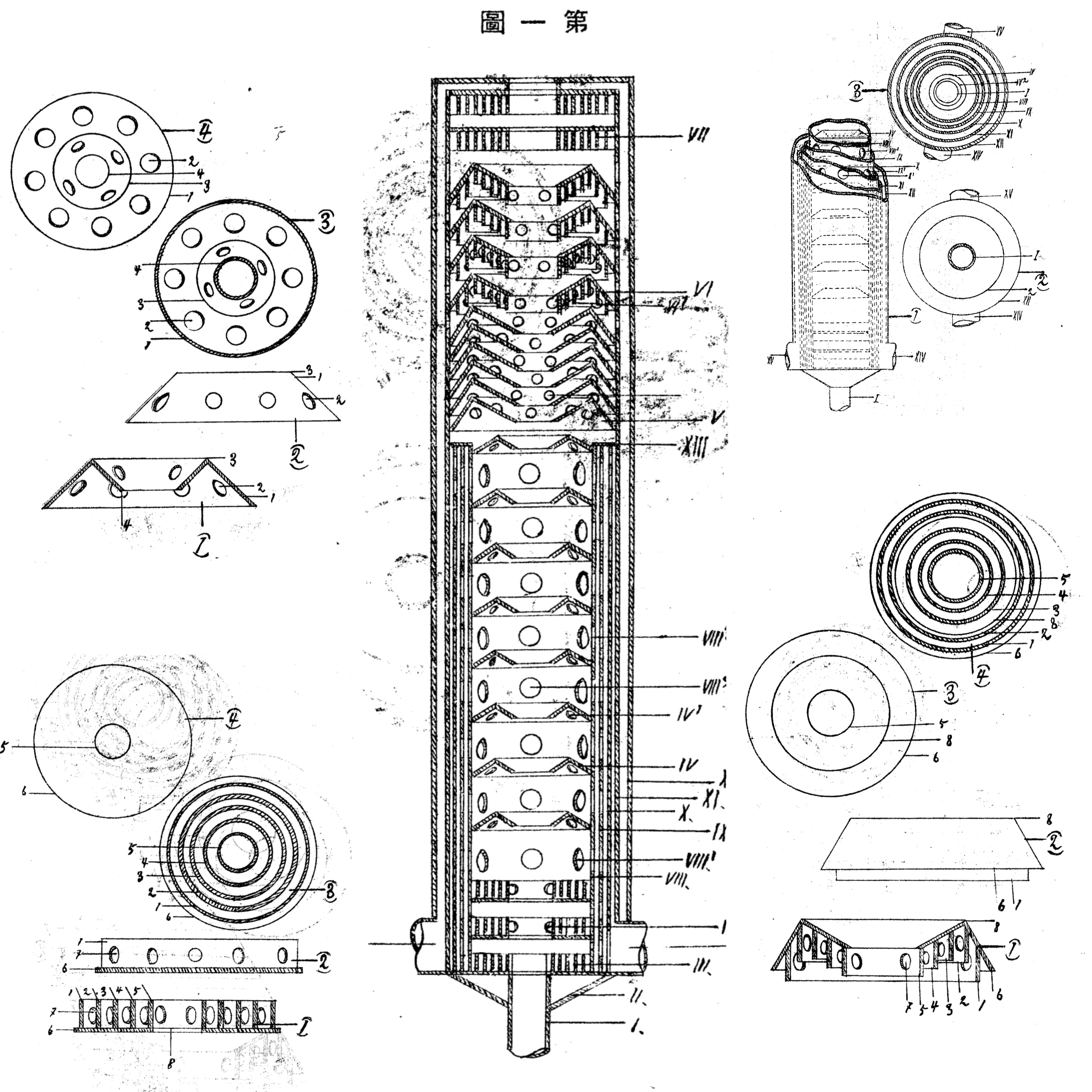
In August 1931, the Imperial Japanese Army’s Technical Headquarters conducted firing tests using a Type 38 rifle equipped with a foreign-made silencer. These trials, which utilized standard 6.5×50mm SR ammunition, confirmed the device’s effectiveness in sound suppression and terminal ballistics against live targets. The final report was forwarded to Army Intelligence (“Unit No. 33”) in China, and the successful results led to the official approval of the procurement and testing expenses.
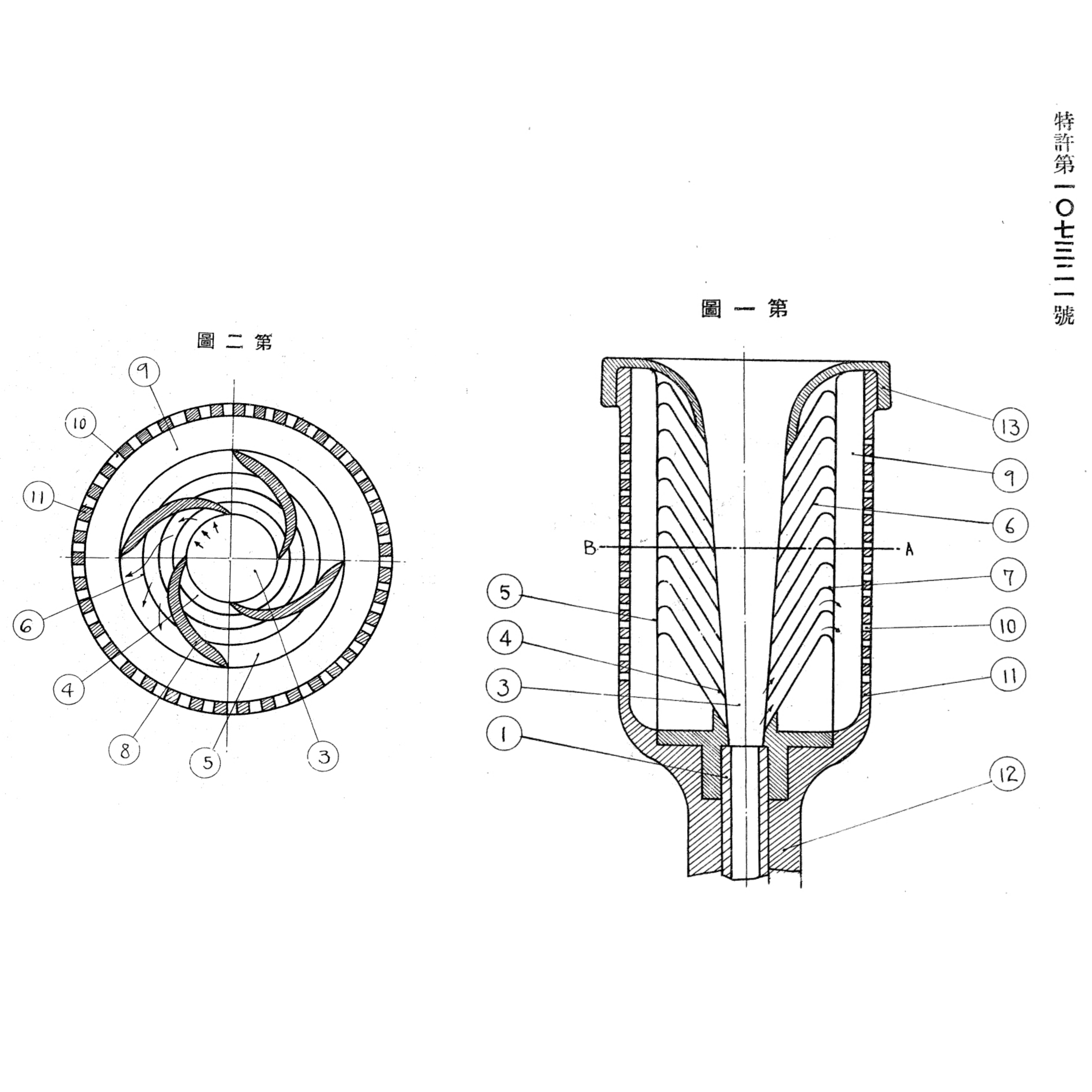
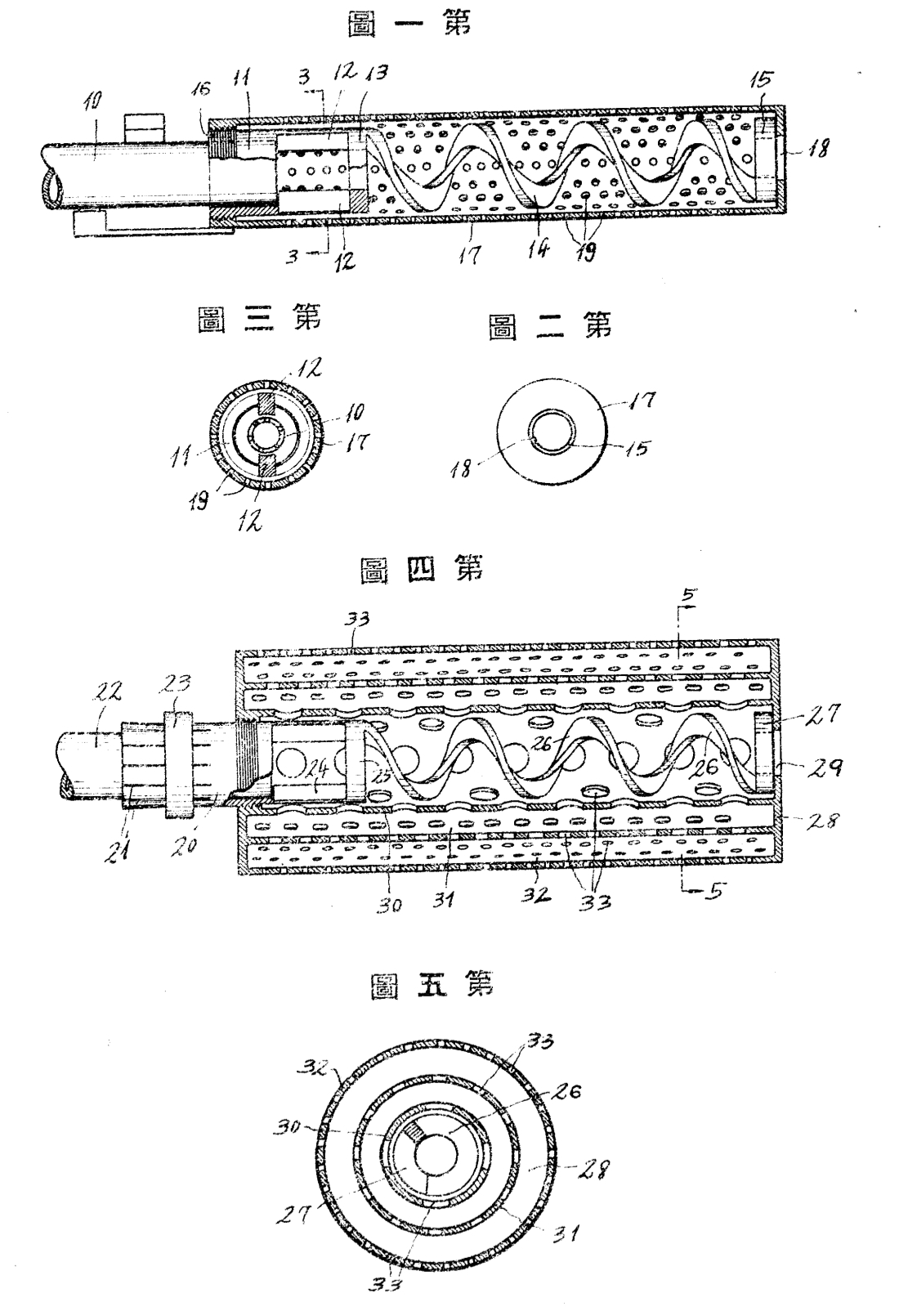
In 1933, Japanese inventor Rihei Katori applied for a patent for a “rifle noise suppressor” designed to reduce the expansion velocity of propellant gases by a factor of four. The device consisted of a double-walled metal cylinder containing a helical baffle (a twisted steel strip) welded to support disks. A system of graduated perforations in the internal and external housings effectively fragmented and rapidly cooled the exhaust gases. The “Katori suppressor” utilized a collet chuck mounting system similar to the Maxim silencer and was officially reviewed by the Army Technical Headquarters.
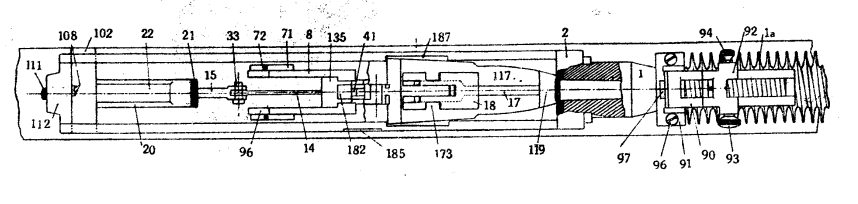
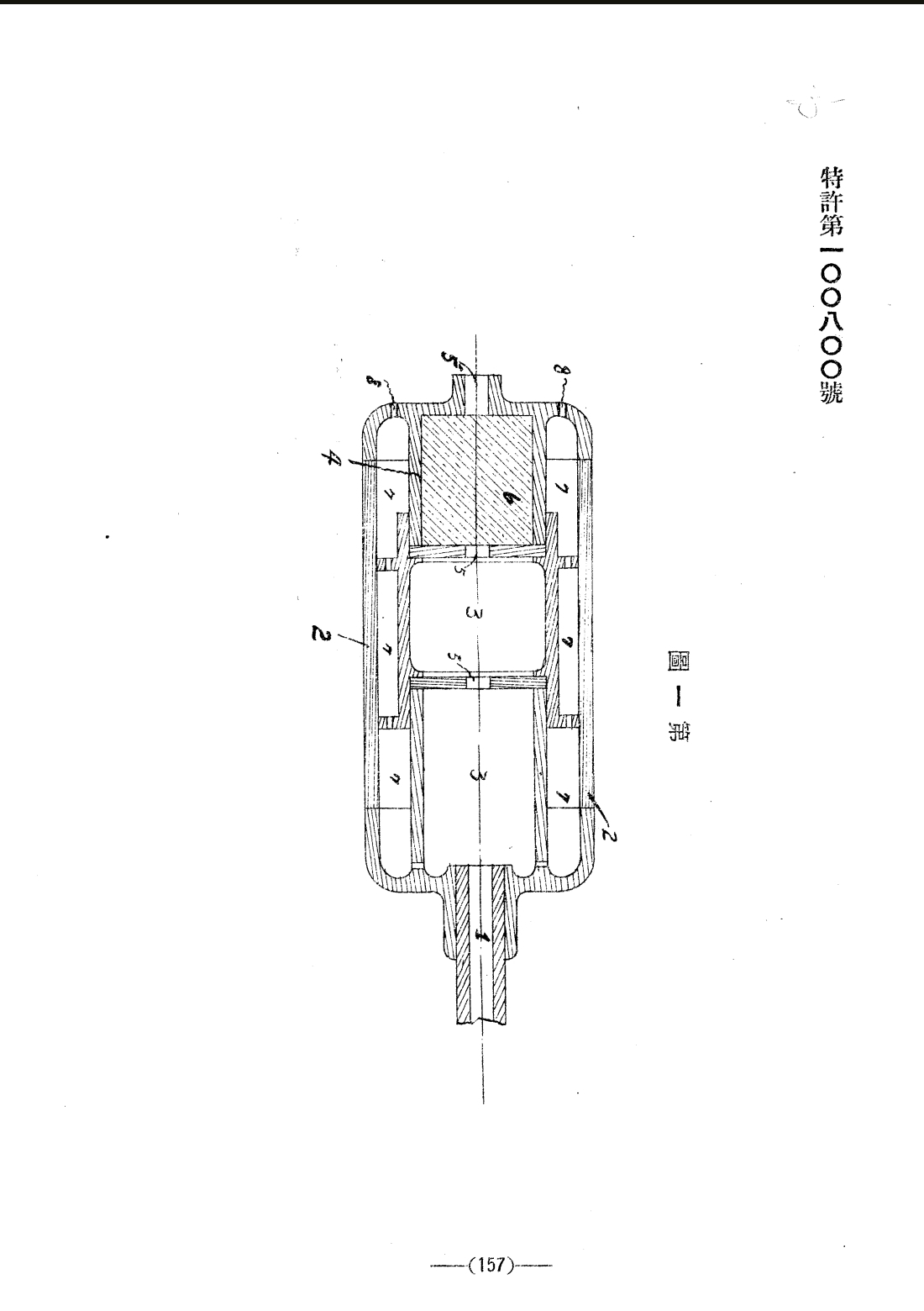
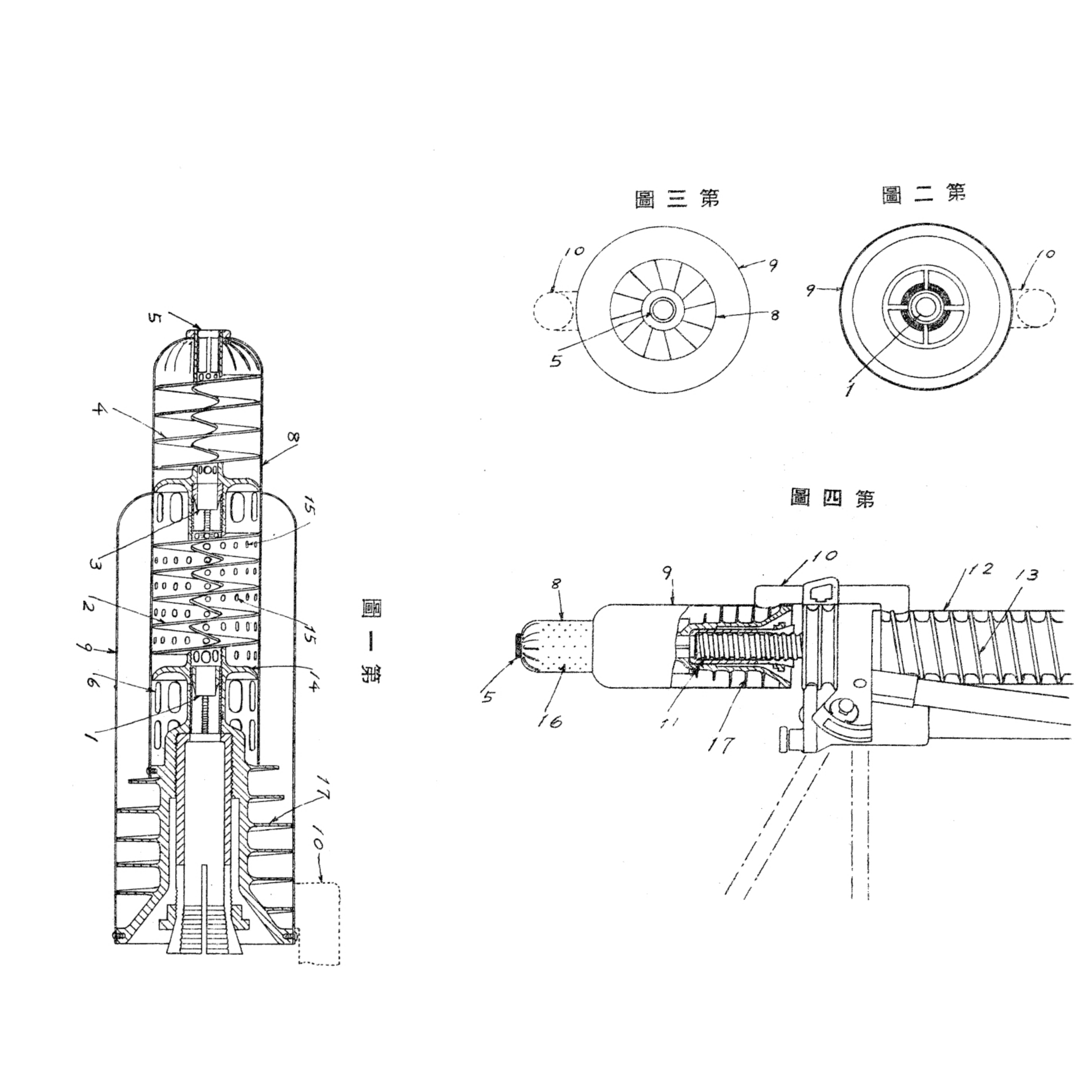
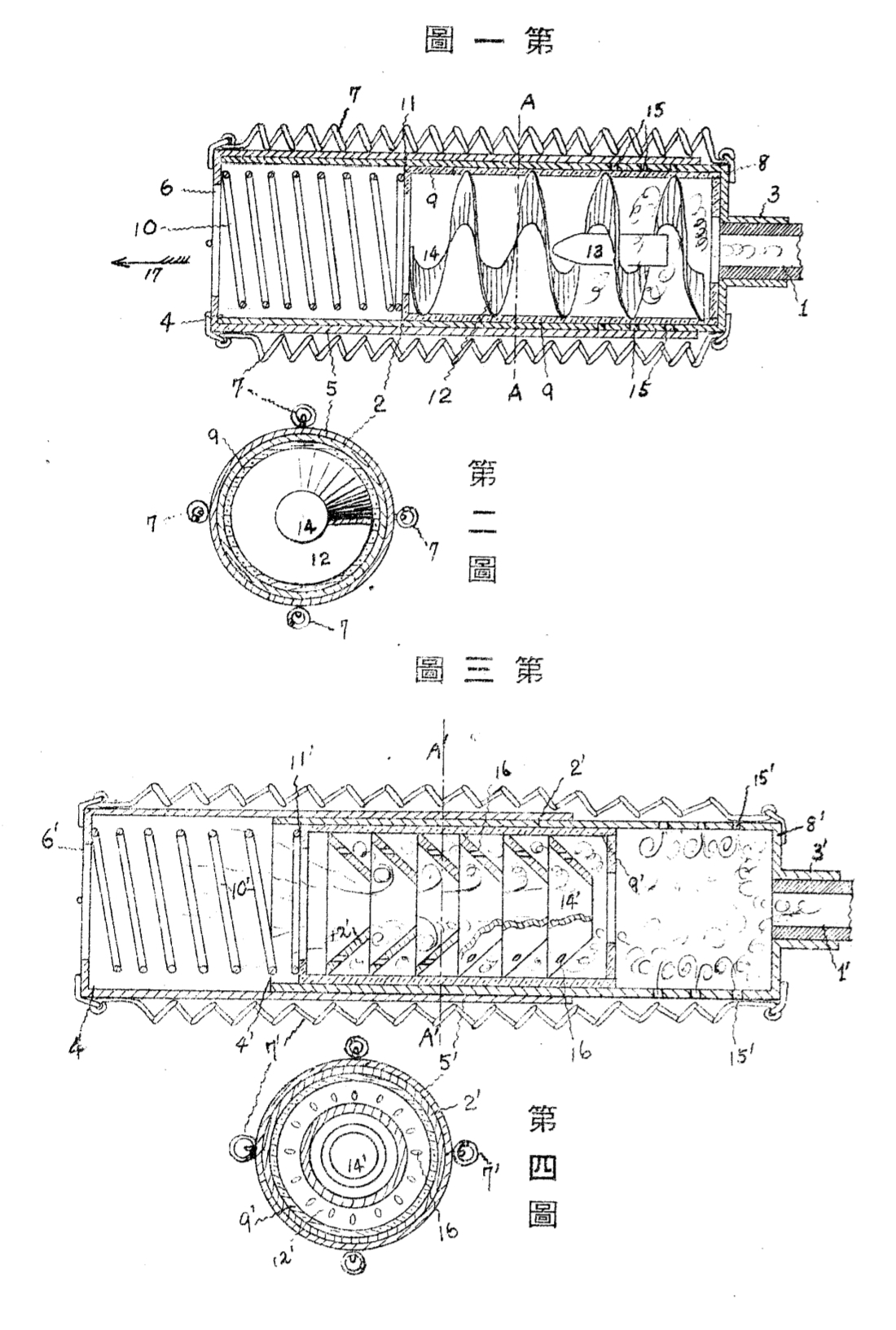
In 1934, Masatsugu Takaishi filed a patent for a flash and noise suppressor. The device featured a unique dynamic telescopic design: upon firing, the propellant gas pressure forced the external housing forward, stretching four external springs, while the internal spiral baffle unit compressed an internal return spring. Once the gases were vented through three rows of apertures in the muzzle attachment, the spring system returned the components to their original position. This mechanism allowed the device to momentarily increase its internal volume to maximize the suppression of both muzzle flash and report.
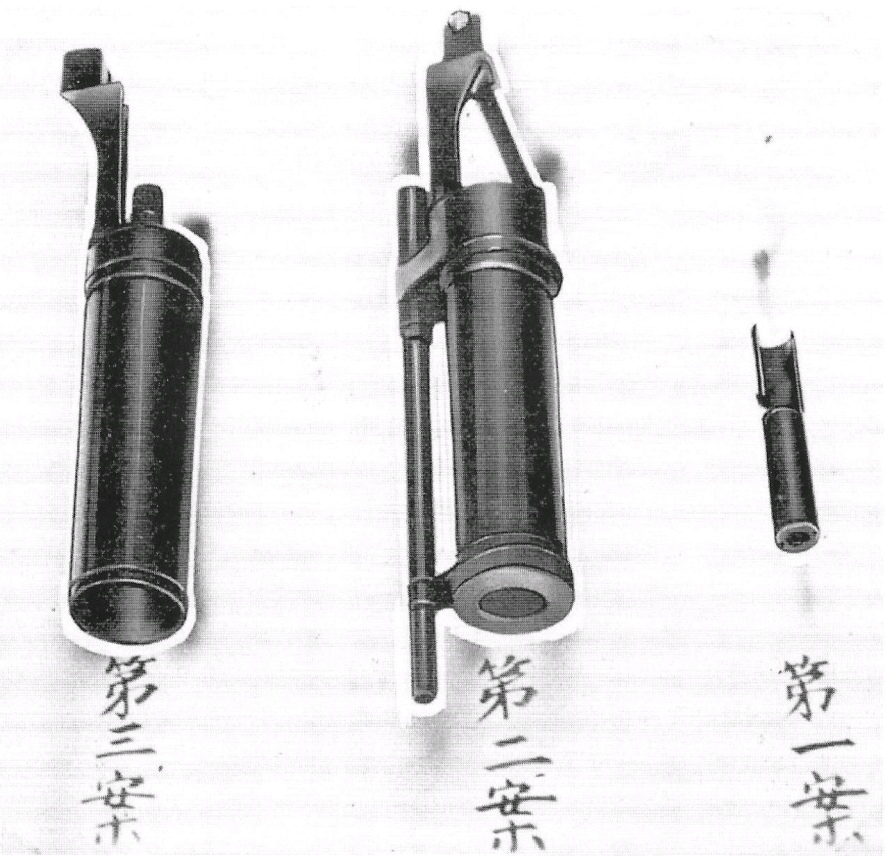
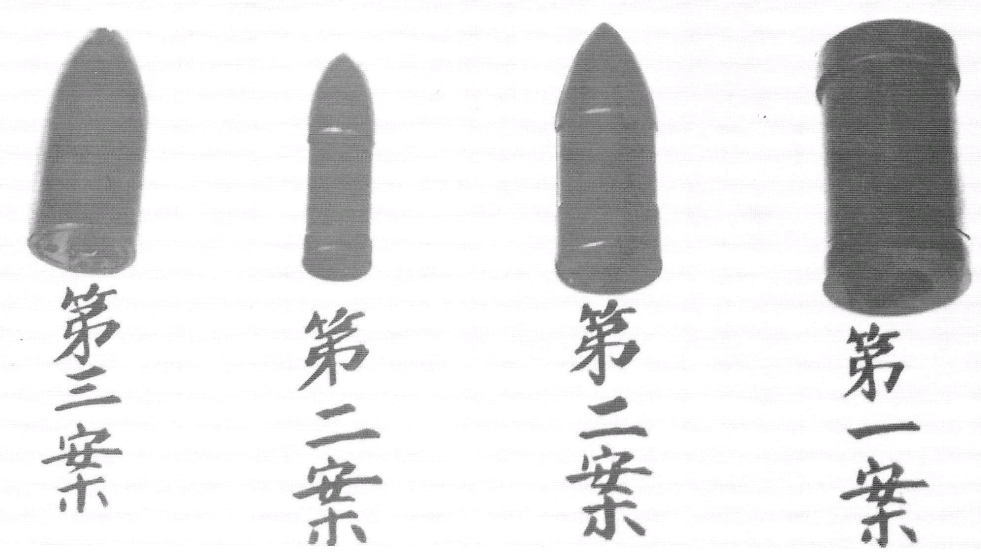
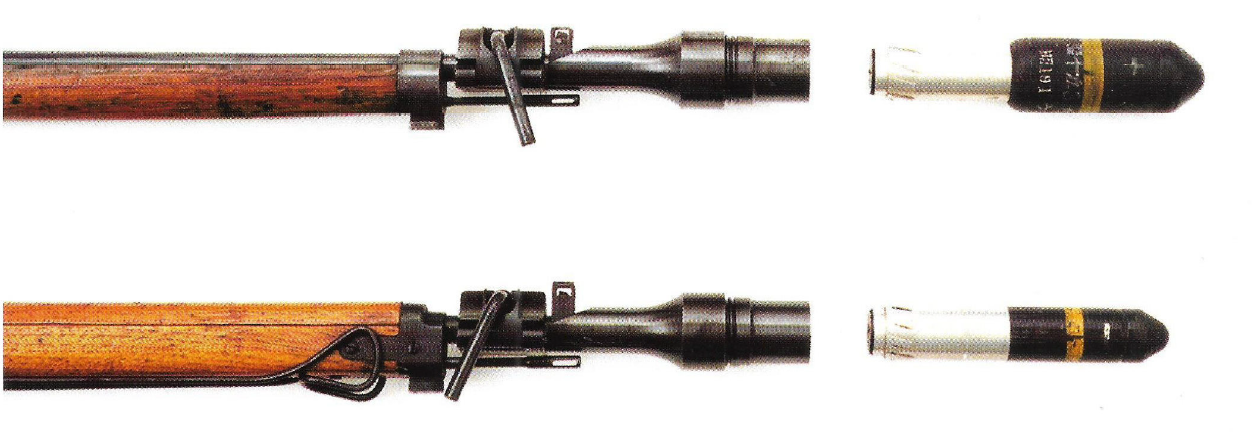
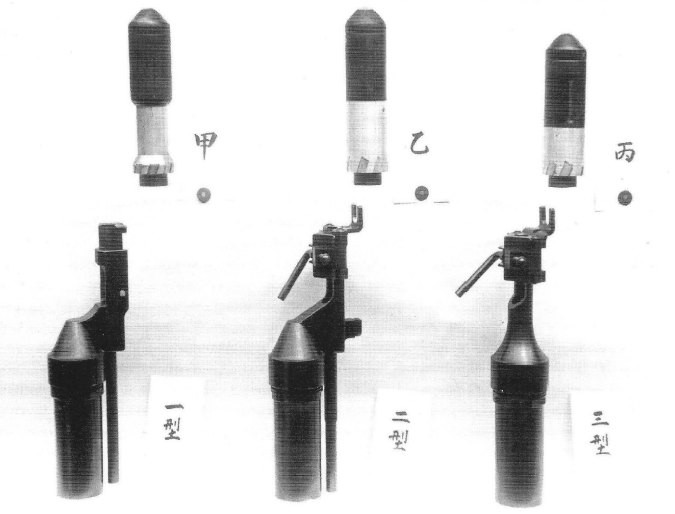
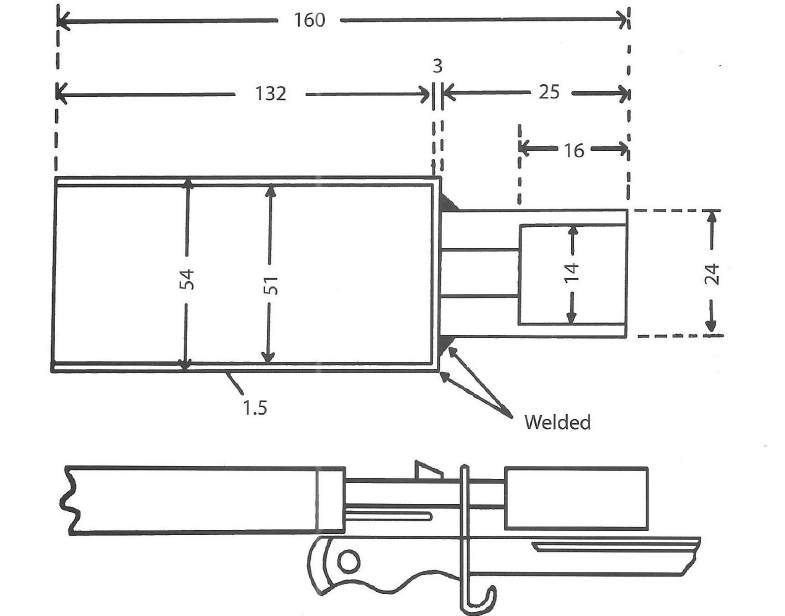
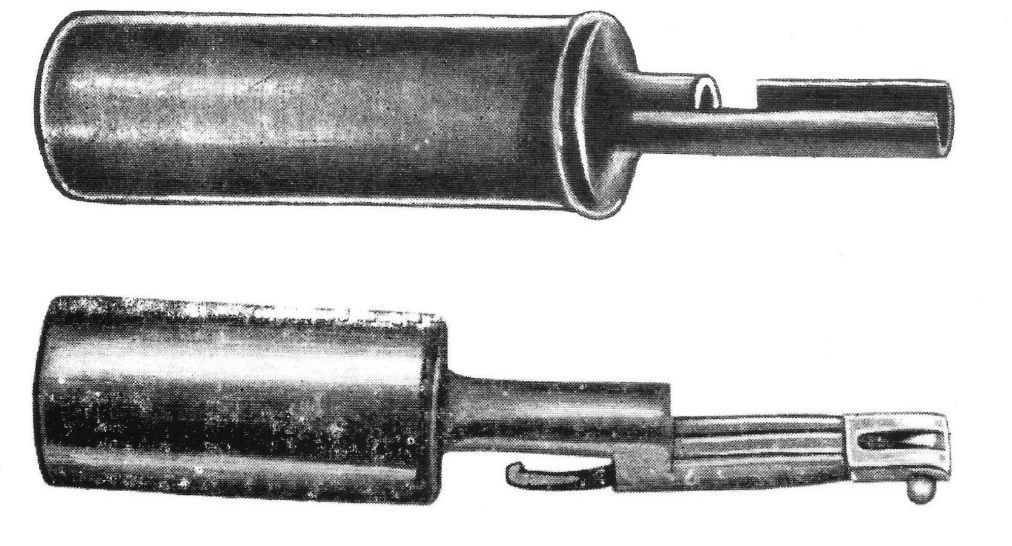
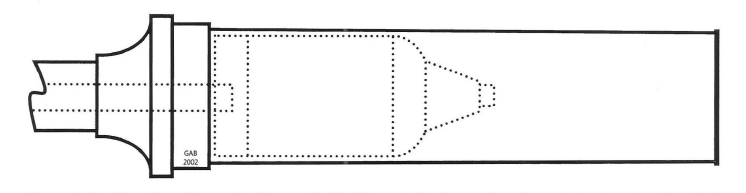
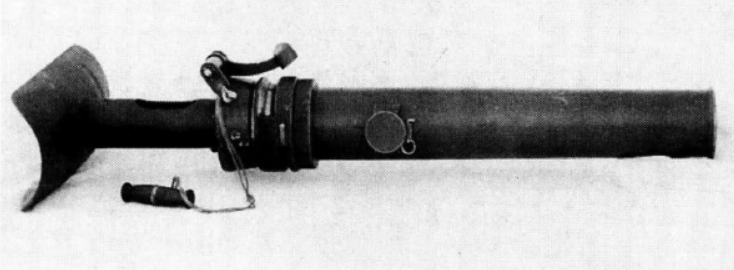
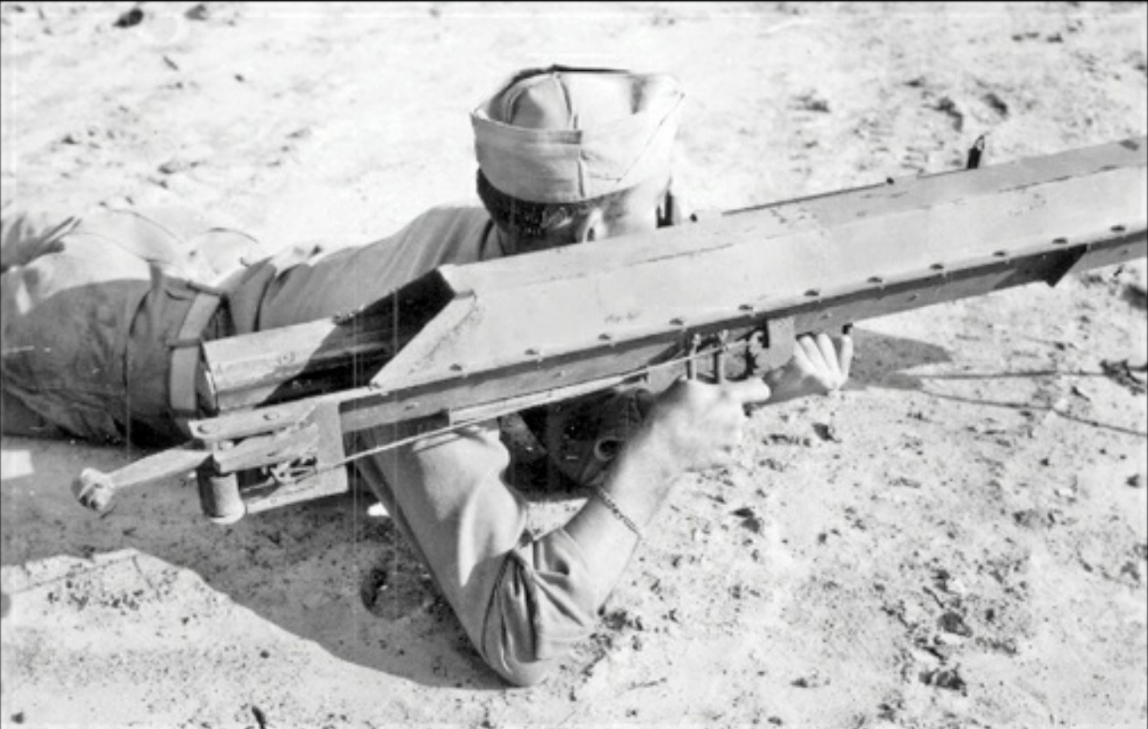
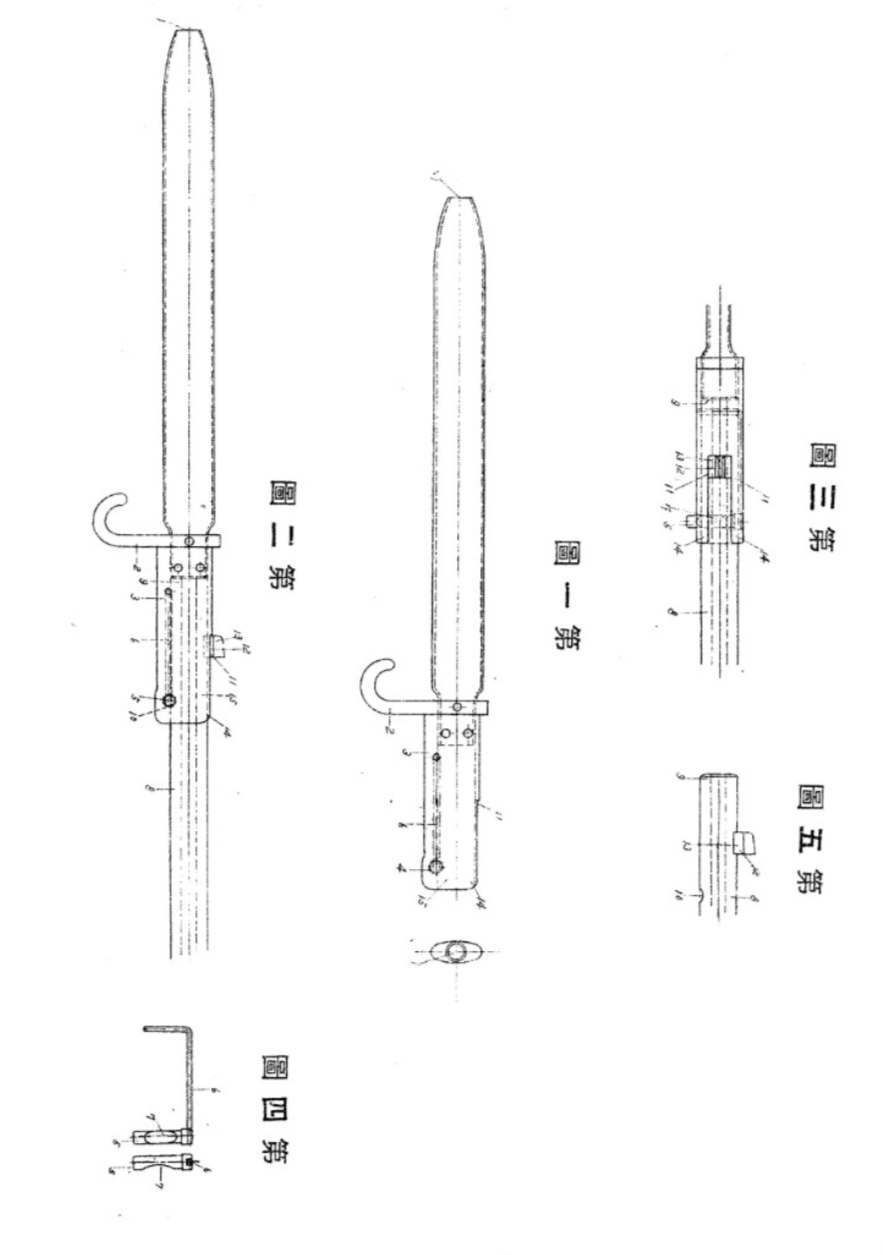
In 1929, the renowned designer Kijiro Nambu filed a patent for a unique training device intended to mitigate the negative effects of muzzle blast on student marksmen. The attachment was designed to resemble a standard bayonet; however, instead of a blade, it featured a hollow tube that fitted directly over the rifle barrel. During training exercises, the muzzle flash and report were contained within the tubular shroud. This design reduced the concussive impact of the shot on both the shooter and nearby observers, facilitating a more comfortable learning environment for recruits.
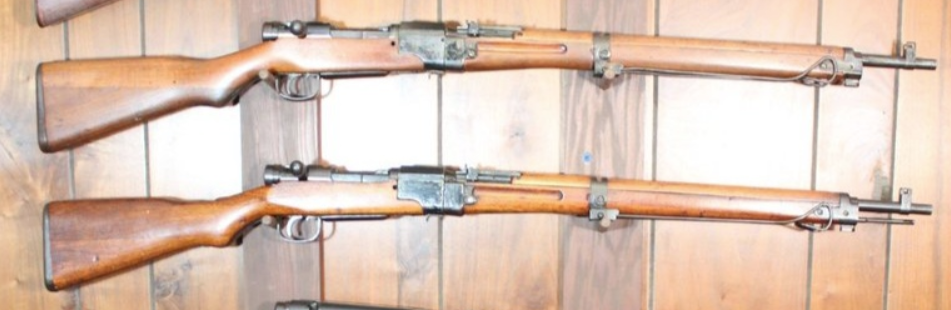
The Type 44 cavalry carbine was developed based on the experience of the Russo-Japanese War, which demonstrated that cavalry in actual combat were often forced into dismounted engagements. Under such conditions, the use of traditional sabers was limited, and they hindered the rapid movement of soldiers. Taking into account the European trend of equipping carbines with bayonets, the Japanese Minister of War ordered research in May 1909 to create a domestic carbine with a permanently attached bayonet. By September of that same year, the Army Technical Department produced an experimental batch of 30 units for testing.
Practical trials at the Cavalry School confirmed that the new bayonet design did not cause fatigue among soldiers and was comfortable to carry. Furthermore, the durability of the weapon was deemed sufficient, and its shooting accuracy was found to be even higher than that of the Type 38 carbine due to easier aiming and lighter recoil. The school concluded that integrating the blade directly into the carbine’s design avoided unnecessary weight while maintaining the mobility of cavalry units.
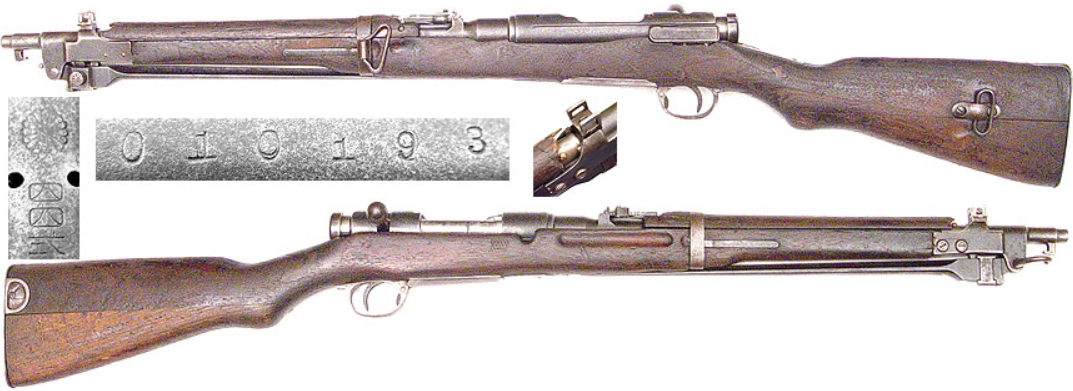
The Type 44 carbine was officially adopted for service on December 30, 1910. Structurally, it largely followed the Type 38 system but was distinguished by a needle-style triangular bayonet on a hinge, which folded into a groove in the stock when not in use. The carbine weighed 3.92 kg, and its total length with the bayonet deployed reached 1.315 meters. Later, in 1912, this weapon officially replaced revolvers for cavalry non-commissioned officers.
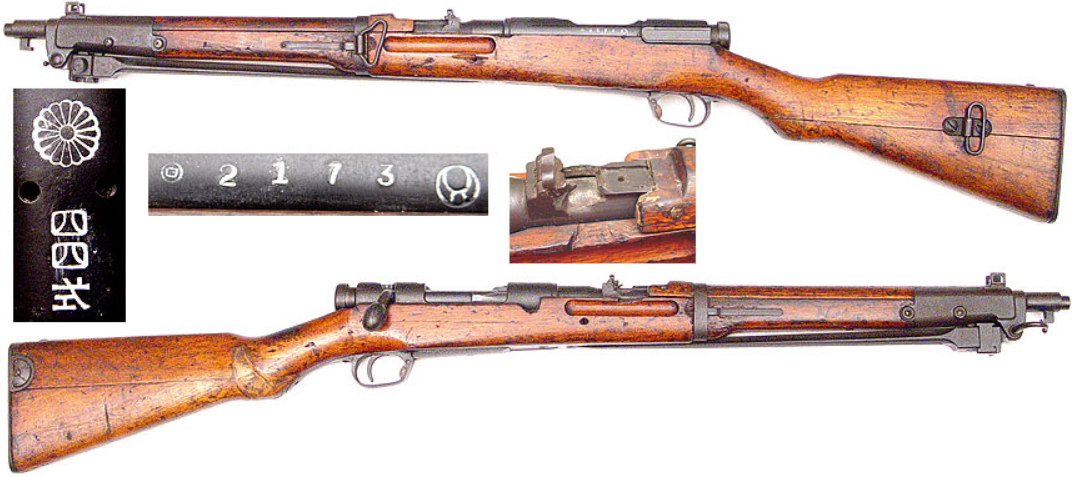
During subsequent field use, a problem was identified regarding a significant drop in accuracy when firing with the bayonet deployed. Investigations conducted between 1927 and 1928 established that the cause was barrel vibrations transmitted through the stock mounting elements. To correct this defect, a series of modernizations were carried out (the Ko and Otsu variants), during which the clearances between the barrel and the mounting parts were modified to stabilize the point of impact.
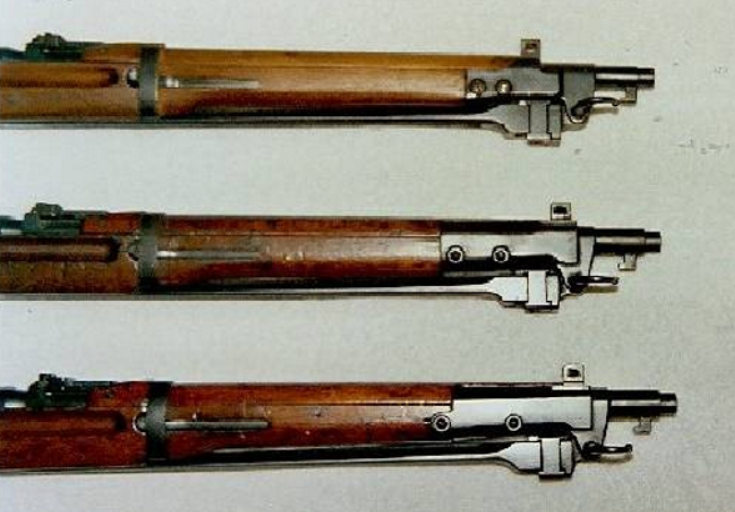
Final refinements to the design were completed by 1934, when a new rear sight scale was officially approved to account for the corrected ballistics. Parallel to the modernization of the carbine itself, work was conducted on related equipment; in 1933, special hemp ammunition belts were developed. Of the two proposed versions, the Ko type belt was adopted, featuring six compartments for ammunition and two special pockets for hand grenades.
| Specification | Type 44 Carbine |
|---|---|
| Caliber | 6.5 mm |
| Overall Length | 955 mm |
| Length with Bayonet | 1309 mm |
| Weight | 3965 g |
| Muzzle Velocity | 708 m/s |
| Sighting Range | 2000 m |
| Magazine capacity | 5 rounds |
| Cartridge Weight | 9 g |
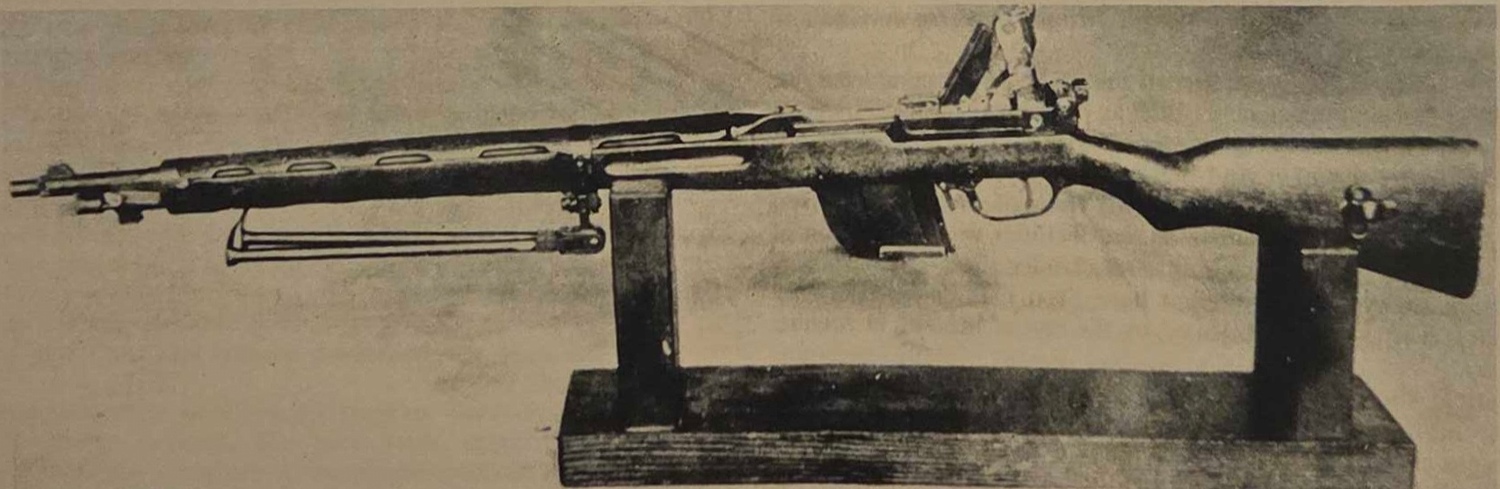
The Type Heiki was a proprietary military rifle project proposed by the private firm Nippon Heiki Seizo Co., Ltd. (Japanese Ordnance Manufacturing), based in Osaka, during the late Taisho era. On November 15, 1917, the company submitted a formal application to War Minister Kenichi Oshima for the trial production of military rifles.
The project’s primary technical consultant was Shinjiro Kobayashi, a retired Colonel of Artillery. Kobayashi brought extensive expertise from the Tokyo Artillery Arsenal and had previously conducted state-sponsored studies of firearms manufacturing in the United States, Germany, France, and Great Britain. His influence is evident in the design’s departure from standard Japanese ordnance toward Western, specifically British, engineering concepts.

The barrel was constructed from high-grade special steel with a 6.5 mm caliber and a total length of 760 mm. The bore featured six-groove rifling. The sighting system utilized a fixed base zeroed at 350 meters, with a maximum graduation extending to 2,500 meters. The projected muzzle velocity was 800 m/s, a figure notably higher than the standard Type 38 Arisaka (762 m/s).
The receiver featured a unique rectangular aperture located above the chamber area. This design allowed for a visual confirmation of cartridge seating and served as a gas relief port to divert pressure away from the shooter in the event of a case rupture. The bolt action was designed for high-speed operation, allowing the cycle to be completed in a single, angled motion.
A defining feature of the Type Heiki was its 10-round capacity, achieved through a vertical box magazine. This doubled the capacity of the Imperial Japanese Army’s standard Type 38 and Type 44 rifles (5 rounds). The magazine utilized a single-plate leaf spring rather than a coil spring, intended to reduce mechanical failure and optimize internal space.
A safety lever was positioned behind the trigger guard. The rifle utilized a “safe fire” system where the sear would not release unless the safety lever and the trigger were depressed simultaneously, preventing accidental discharge upon impact. To mitigate heat transfer, a “radiator wall” made of soft iron with granular protrusions was installed between the barrel and the wooden stock. This component was designed to accelerate cooling and prevent the walnut or beech-wood furniture from charring during sustained fire.
Nippon Heiki Seizo possessed a substantial industrial base, with a facility covering approximately 1.85 hectares and employing 2,500 workers. However, the project faced significant procurement hurdles. Despite receiving official permits from the War Ministry (December 1917) and the Home Ministry (March 1918), the production of the 500-unit trial batch was paralyzed by supply chain disruptions. By July 1918, the barrel-grade steel—which was strictly regulated by the Ministry of Agriculture and Commerce—had failed to arrive. Historians suggest this was due to the extreme demand for domestic steel by state arsenals during World War I, which left private manufacturers with little to no raw materials.
There is currently no definitive archival evidence to confirm that a functional prototype of the Type Heiki was ever completed. While the technical plans and industrial preparations were exhaustive, the subsequent fate of the project remains unknown, and no surviving examples have been identified in historical collections.
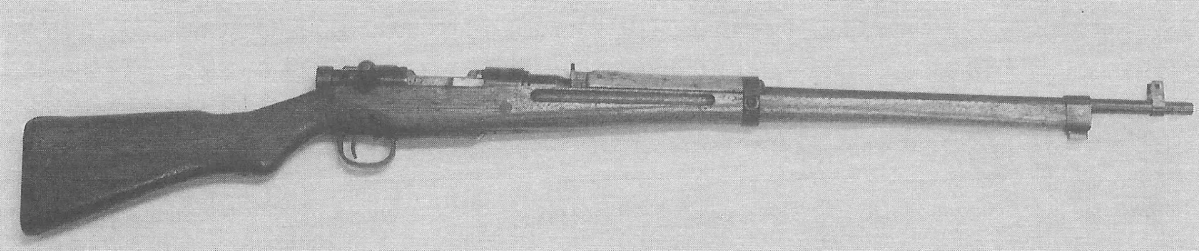
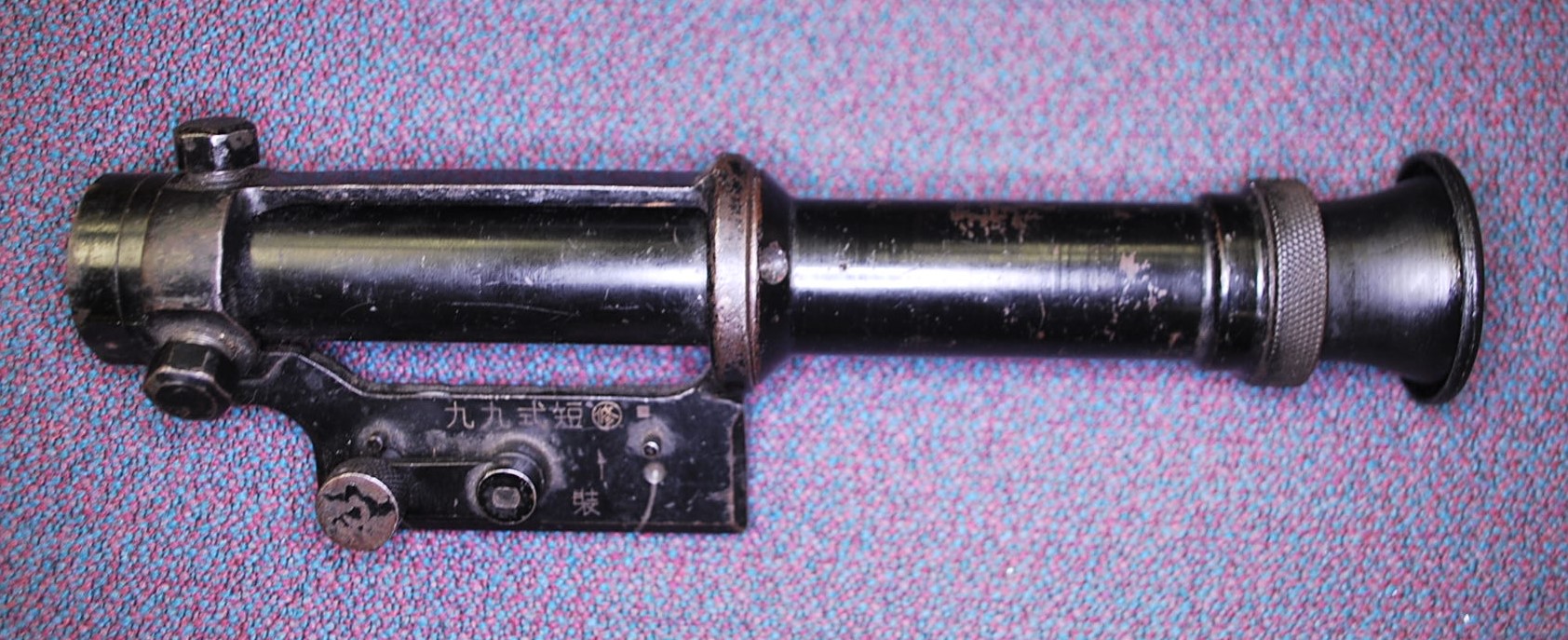
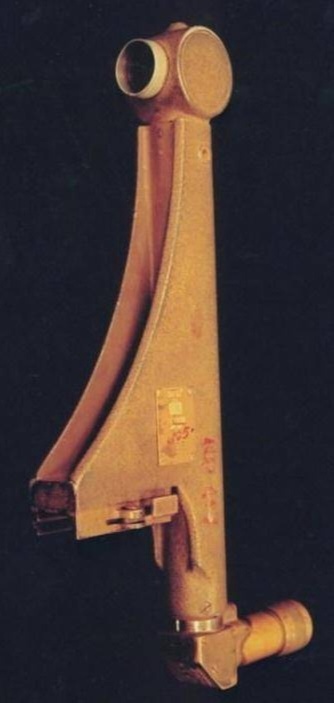
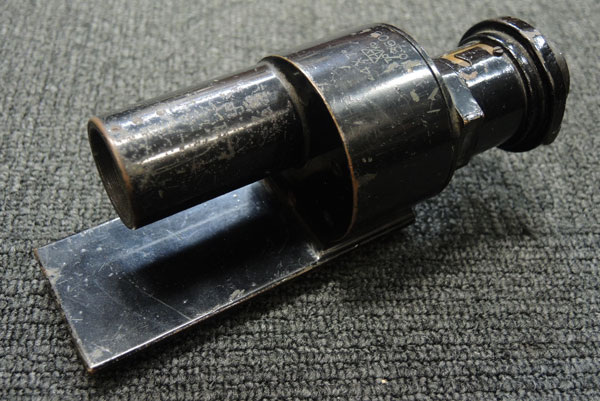
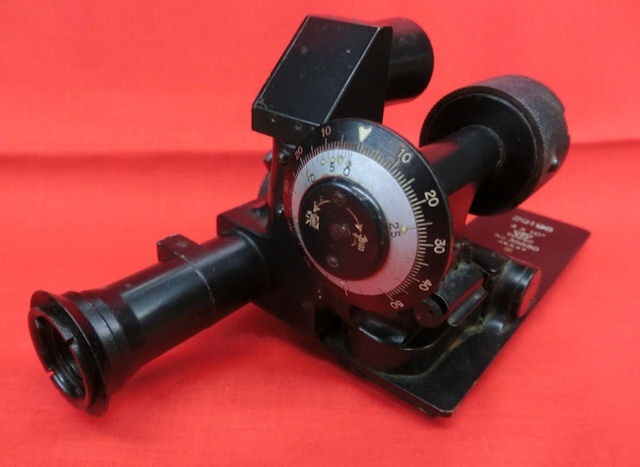
Systematic research into the development of optical sights for small arms was initiated in Japan on July 20, 1920. During the early stages, Japanese engineers relied on the study of foreign expertise, specifically products from the German company Carl Zeiss. However, in 1923, a fire at the Army Technical Bureau destroyed most of the early documentation, which significantly impeded research efforts. That same year, the Nippon Kogaku company (now Nikon) was commissioned to develop the first domestic prototypes. Initial trials conducted in 1928–1929 revealed serious design flaws, including instability of the mounting system and spontaneous shifting of the reticle under recoil.
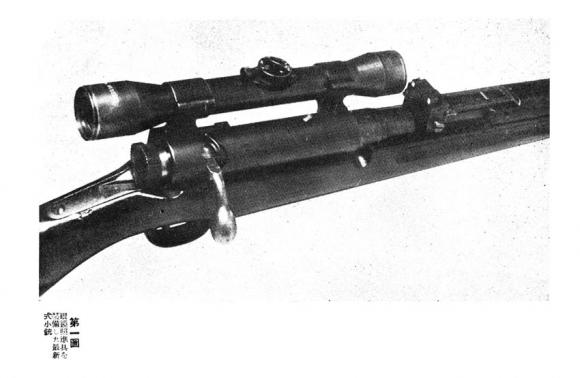
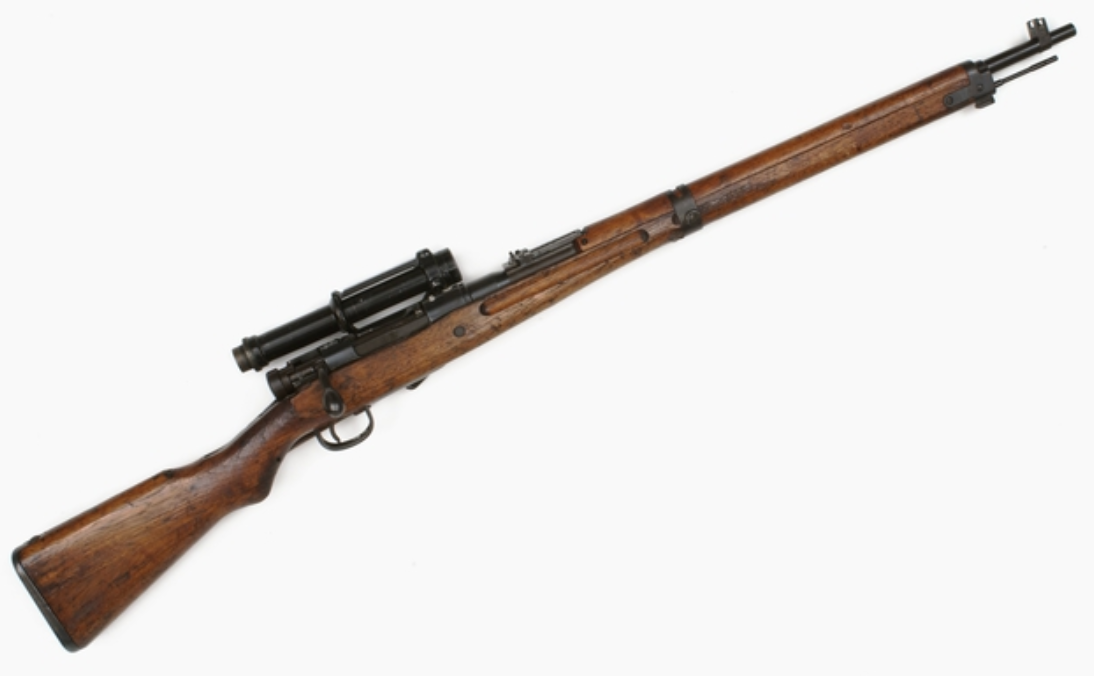
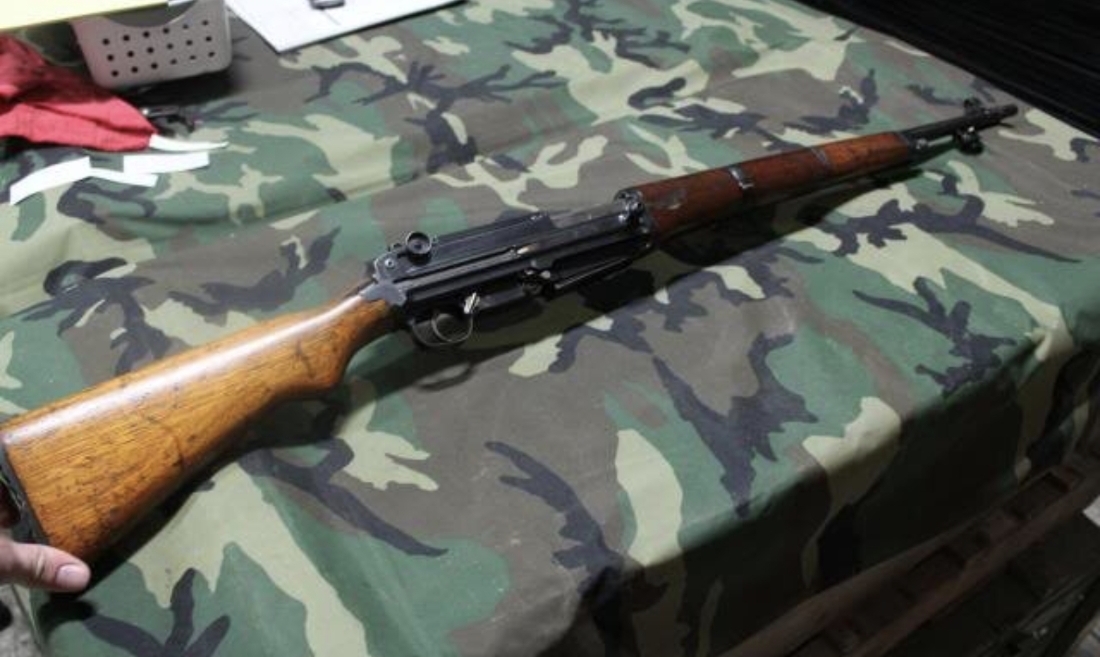
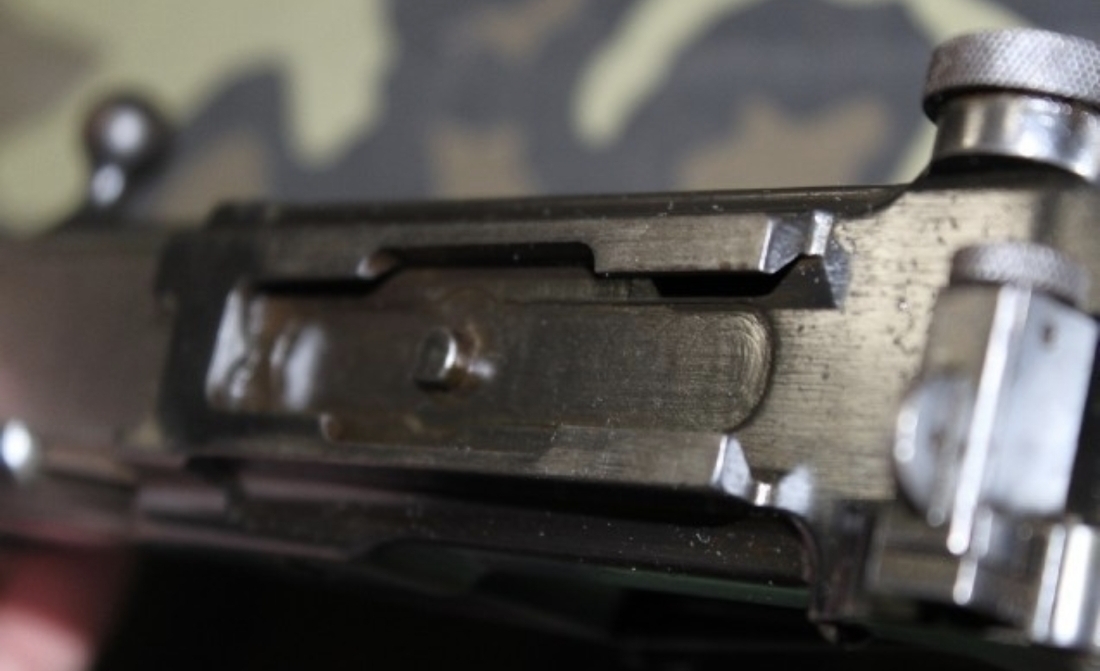
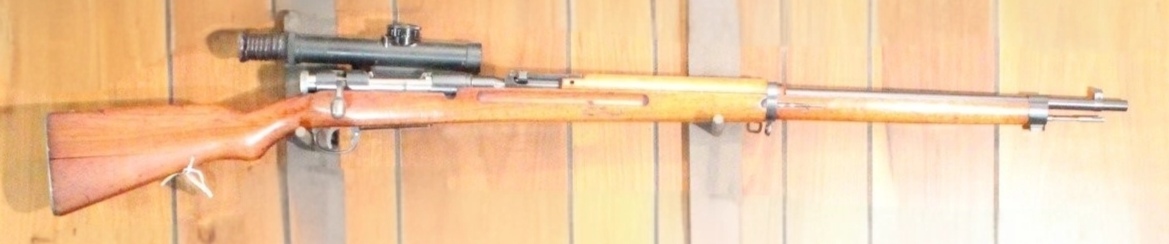
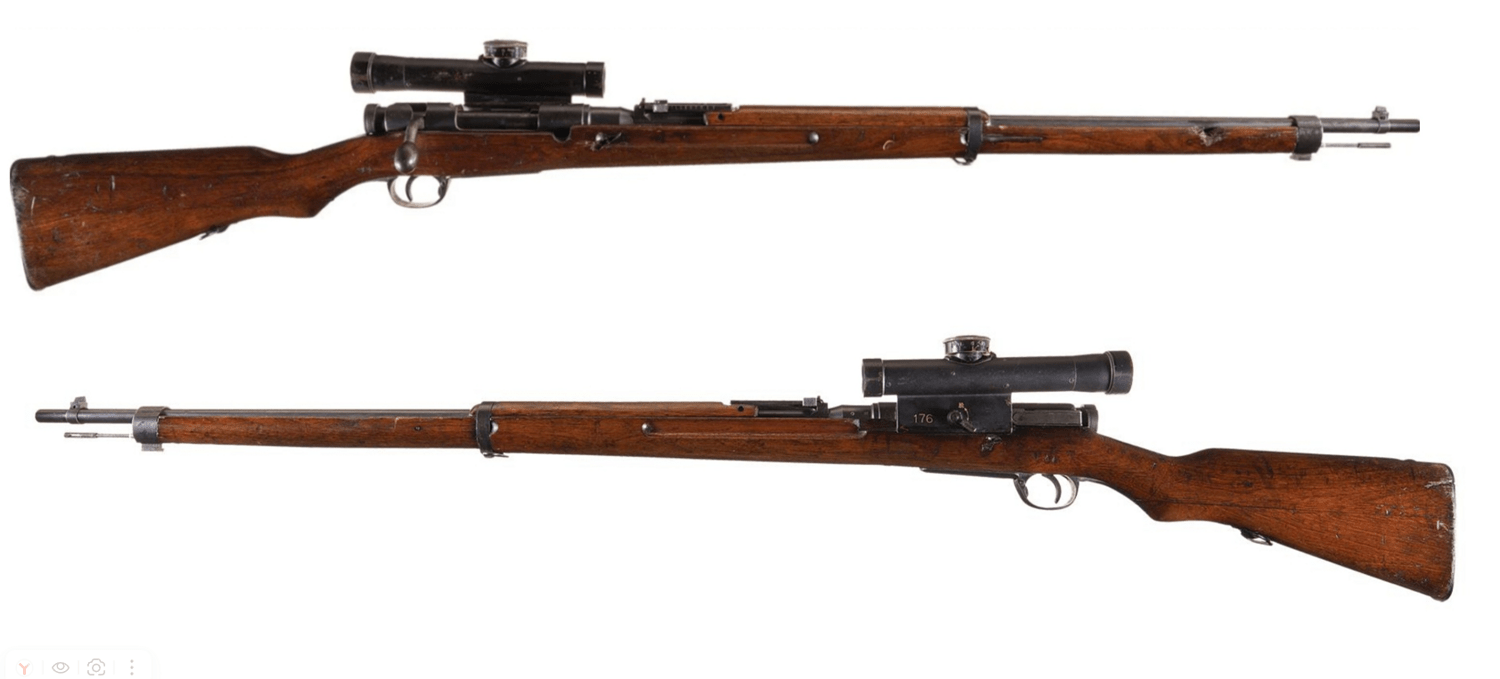
The lack of urgent demand from the military restrained the project until 1931. The outbreak of the Manchurian Incident abruptly shifted priorities, highlighting the critical need for precision weapons in positional and mountain warfare. In 1932, a prototype with 4x magnification was introduced. For large-scale field evaluations of this concept, the Kokura Arsenal produced a pre-production batch of 700 Type 38 rifles equipped with optics designated as the Type 5 (this appears to be an unofficial designation used exclusively by auction houses).
More photos
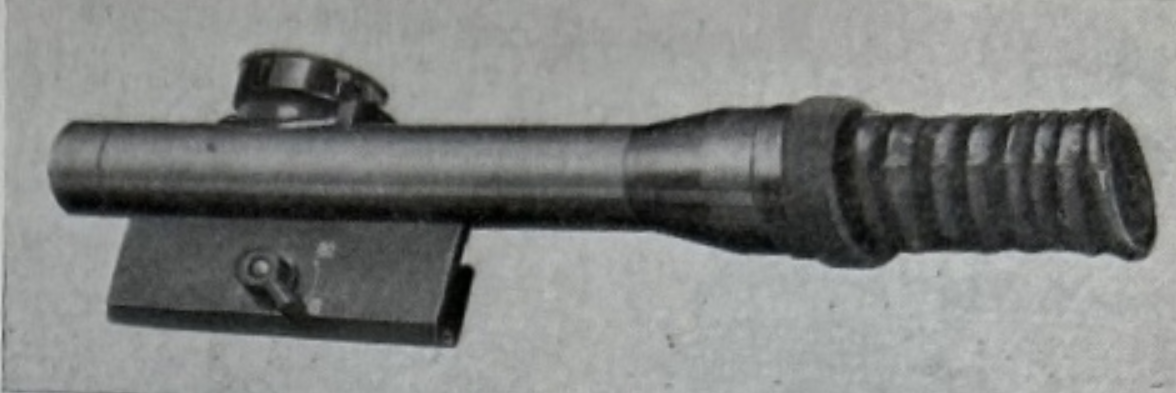
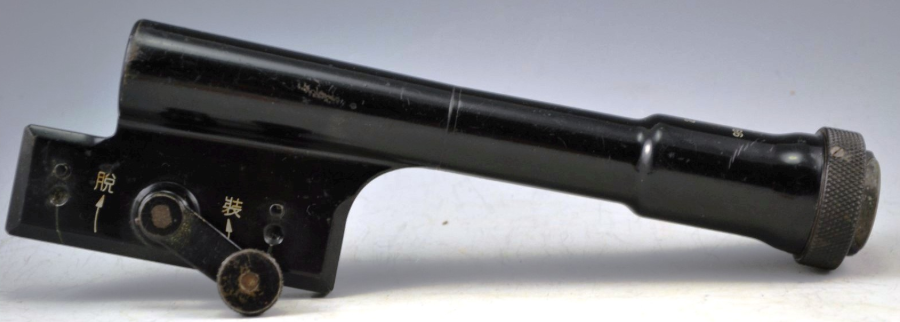
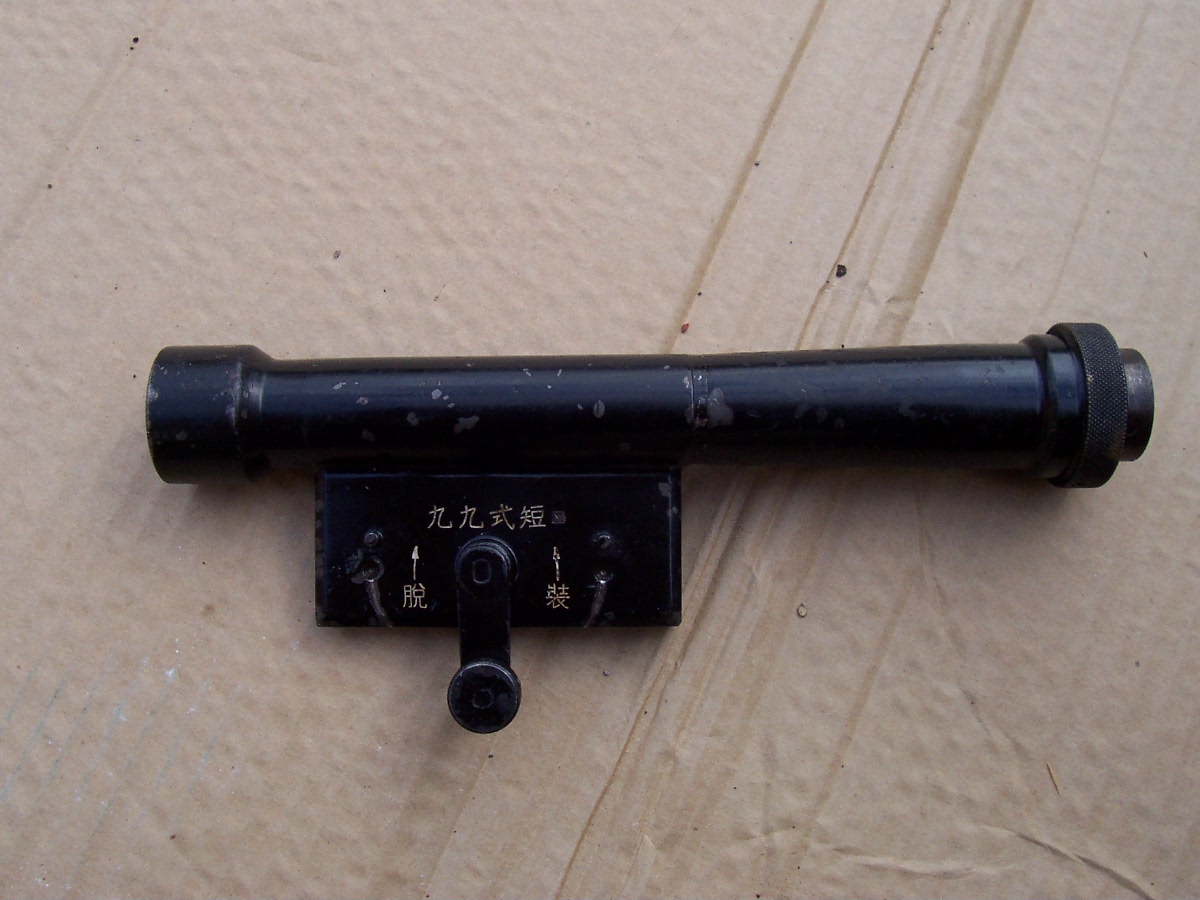
However, field trials in North Manchuria in 1933 demonstrated that high magnification was redundant; it significantly increased the weapon’s weight and hindered rapid target acquisition. Between 1934 and 1936, the focus shifted to the development of a more compact 2.5x magnification sight.
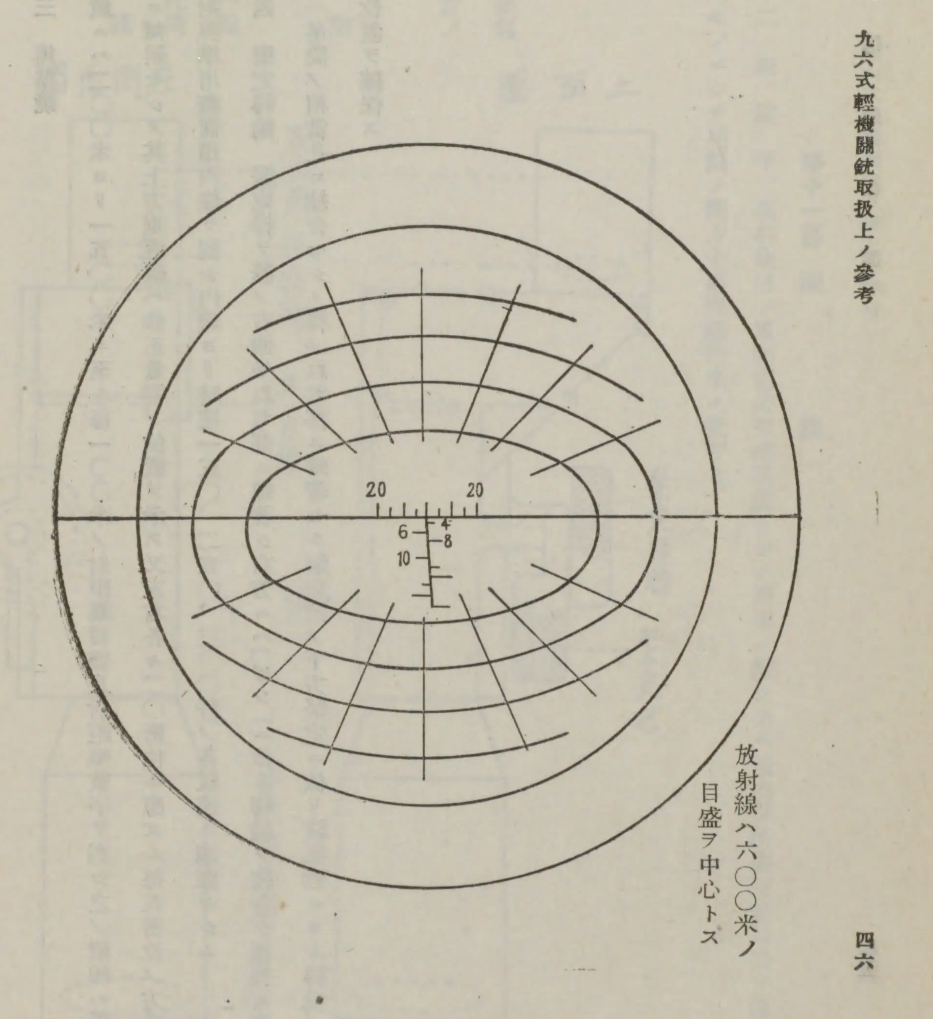
A key technical challenge remained the movable reticle used for adjustments, which frequently shifted due to recoil forces. Engineers adopted a radical solution: fixing the reticle permanently and etching a range scale (ballistic drop compensation) directly onto the lens to provide aiming angles.
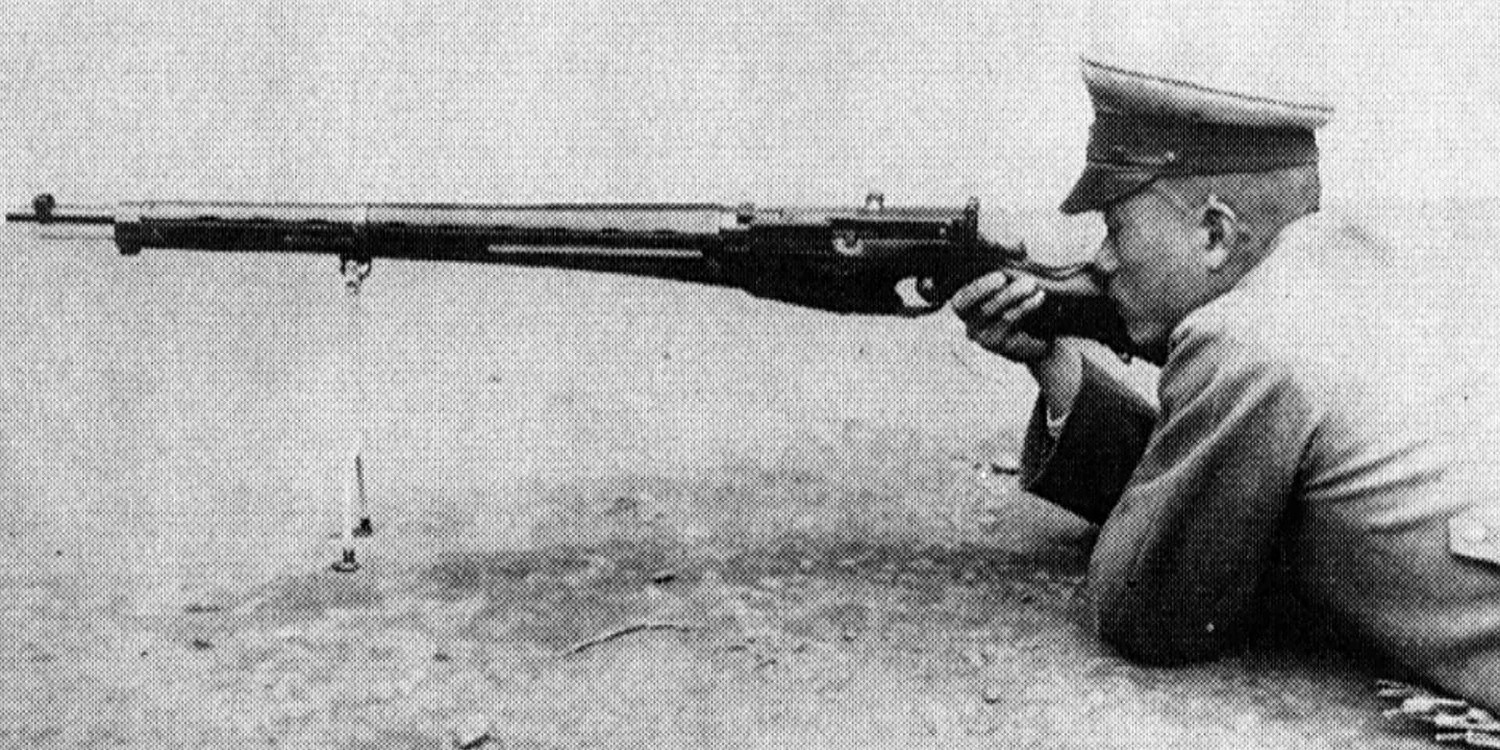
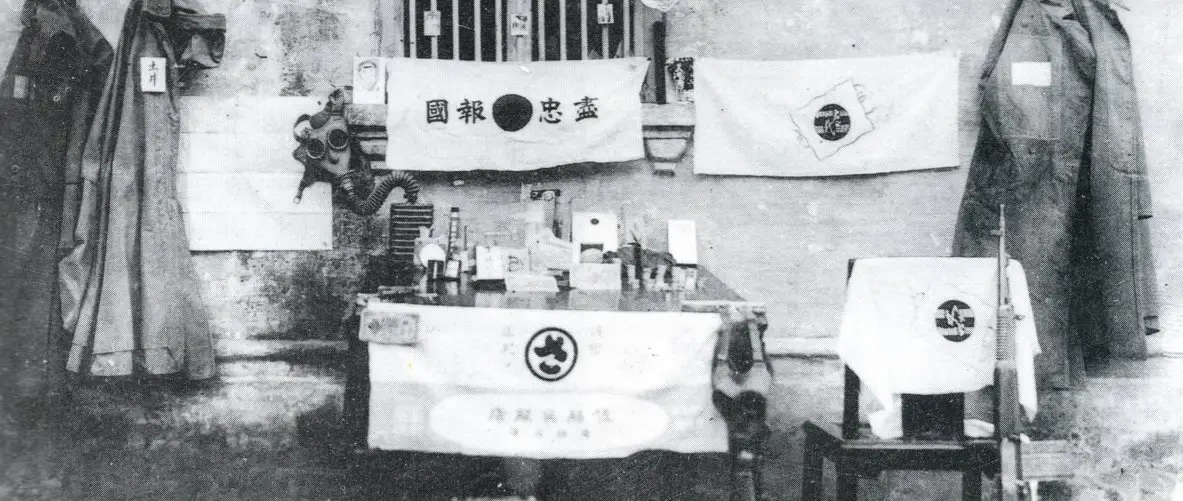
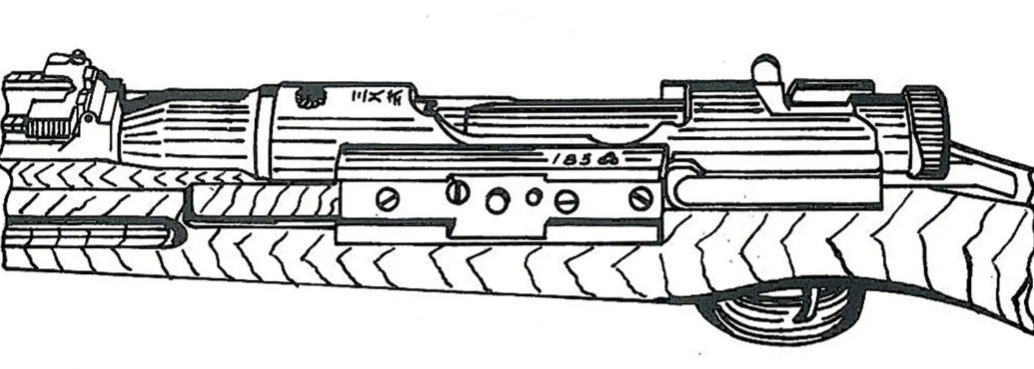
Final refinements were completed by June 1937. Following successful accuracy and durability tests conducted at the Futtsu Proving Ground, the design was deemed satisfactory. In February 1938, an official petition was submitted to adopt the sight into service under the designation Type 97. This sight became the standard optic for the sniper rifle of the same name and was installed into a dedicated dovetail mount on the left side of the receiver, ensuring secure fixation and high ballistic performance. The distinguishing feature of the Type 97 sniper rifle was the inclusion of a monopod; otherwise, it remained identical to the Type 38 rifle.
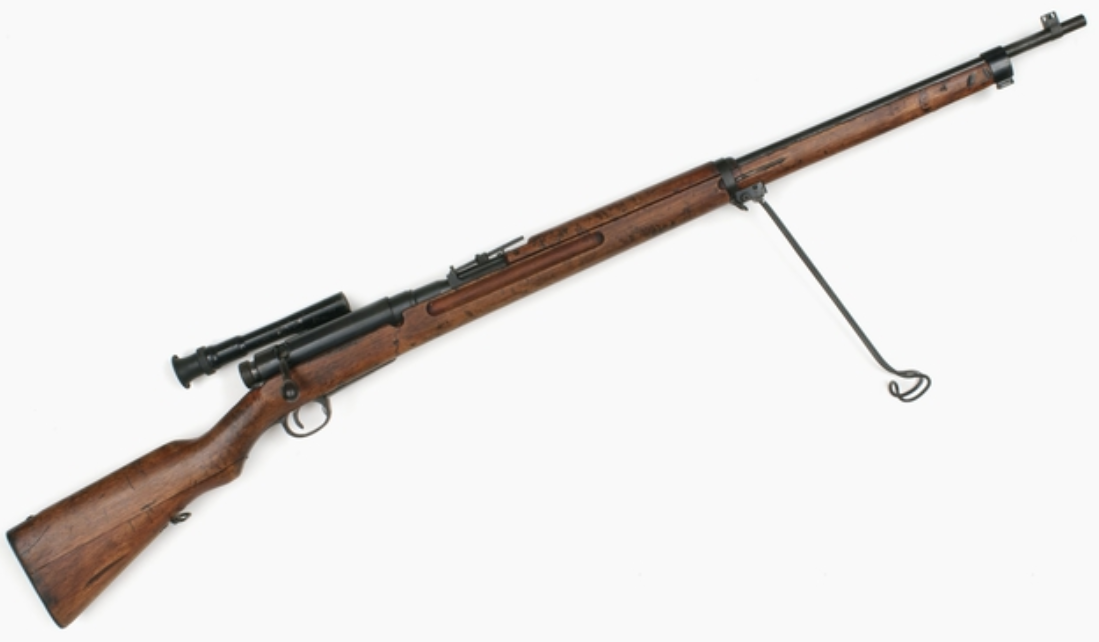
| Specification | Type 97 Rifle |
|---|---|
| Caliber | 6.5 mm |
| Overall Length | 1276 mm |
| Weight | 4840 g |
| Muzzle Velocity | 762 m/s |
| Magazine capacity | 5 rounds |
| **Cartridge Weight ** | 9 g |
In 1938, Army Minister Itagaki issued an order to Kumura, the head of the Army Technical Headquarters, regarding the purchase of rifles. To commemorate the conclusion of the Anti-Comintern Pact between Japan, Germany, and Italy, German Mauser rifles and Italian Carcano rifles were purchased and adopted as “semi-standard” weapons. The order specified the acquisition of 30,000 Italian standard rifles and 8,000 original Mauser rifles. While officially intended for use in Manchukuo, the purchase also served external diplomatic purposes.
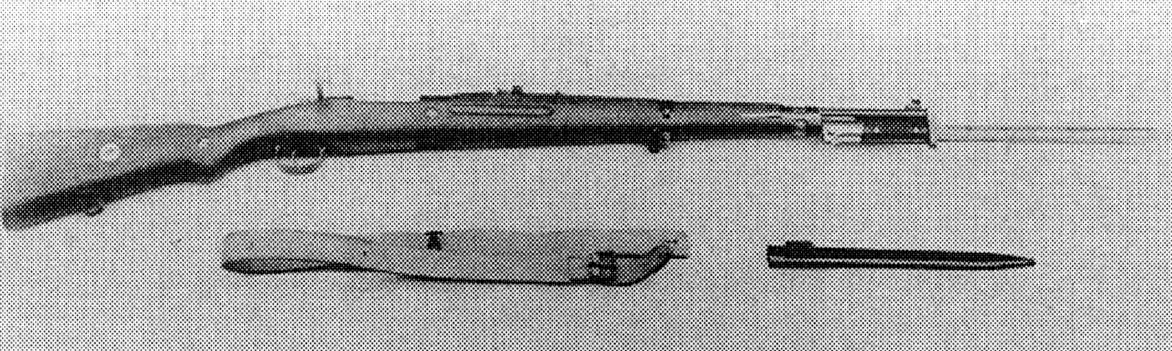
The Type Mo rifles consisted of the German Mauser Standard Model 1924 and the Czechoslovakian ZB (vz. 24).
- Type I: Designed for infantry use.
- Type II: Designed for cavalry use.
- Type III: Designed for both infantry and cavalry use.
- Caliber and Ammo: The caliber was 7.92 mm, utilizing German S, SS, and SmK ammunition.
- Performance: The muzzle velocity for S-type bullets was 830 m/s, and for SS-type bullets, it was 760 m/s. The sighting range spanned from 100 to 2,000 meters.
In May 1939, tests at the Futtsu Proving Ground compared these models to the experimental Japanese Type 99 rifle. While the Mauser’s accuracy was comparable to the Type 99, the Czechoslovakian vz. 24 was found to be slightly inferior.
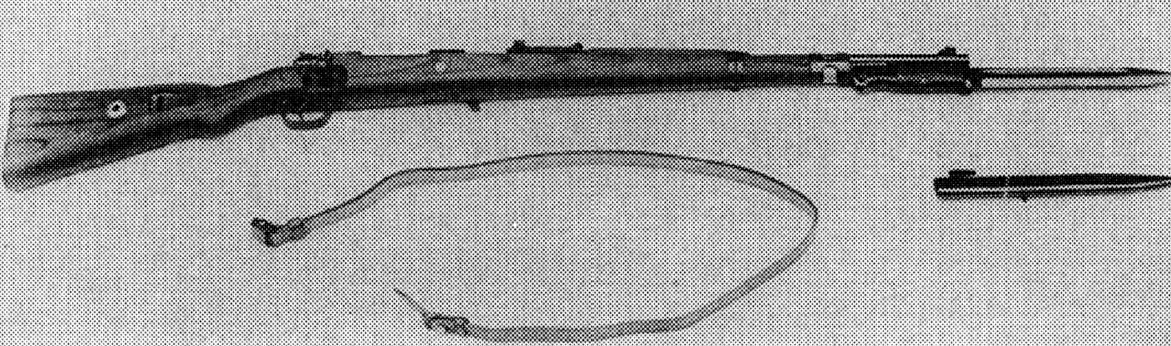
Several structural disadvantages were noted during testing:
- The rifles lacked a bolt stop (a pin to prevent the bolt face from rotating), creating a risk of the firing pin dropping if the bolt was not fully closed.
- Unlike the Japanese Type 38, they lacked a bolt cover, making them less effective against dust.
- While the Mauser was a superior rifle, the Italian Carcano batch included low-quality rifles manufactured by civilian hunting companies.
- Some of these Italian rifles became inoperable after only a few shots, which was so severe it led to disciplinary discussions regarding the inspectors.
Despite these issues, political considerations prevailed, and the rifles were deemed practical for frontline use. In October 1939, the Type Mo system was officially adopted as a “semi-standard” weapon along with its corresponding bayonets.
| Specification | Type I (Mauser Model 1924 rifle) | Type II (Mauser Model 1924 carbine) | Type III (ZB vz. 24) |
|---|---|---|---|
| Total Length | 1108 mm | 1100 mm | 1095 mm |
| Full Weight | 3.950 kg | 4.090 kg | 4.110 kg |
| Bayonet | Type I | Type II | Type III |
The Type I rifle utilized the action of the Italian Type 91 infantry rifle (Carcano), while other parts adopted the design of the Type 38 infantry rifle. It was purchased from Italy for the same reasons as the “Type Mo” (Mauser) rifle and was primarily assigned to second-line infantry units.
It was officially adopted in December of the 15th year of Showa (1940). The caliber was 6.5mm; it used the clips and ammunition of the Type 38 rifle and was equipped with the Type 30 bayonet.

In addition to being issued for training purposes to groups such as the Youth Corps, this rifle was also used by the Navy. There were two variants of this rifle.
| Specification | Type I |
|---|---|
| Weight | 4.35 / 4.47* kg |
| Weight with bayonet | 4.823 /4.943* kg |
| Total length | 1.26 / 1.287* m |
| Length with bayonet | 1.644 / 1.671* m |
| Barrel length | 0.781 m |
| Magazine capacity | 5 rounds |
| Sighting range | 300 ~ 2400 m |
*Note: Specification of the other version.