Captured Lee-Enfield Rifles for Japan: INA, Thai Army, or Japanese Veterans
Historical Background and Scale of Captured Weapons
During the Malayan and Burma campaigns, as well as after the fall of Singapore, British and Indian troops surrendered, leaving behind colossal arsenals of weaponry. The Imperial Japanese Army, which experienced a constant shortage of small arms in remote theaters of war, eagerly pressed these captured weapons into service.
According to Japanese reports from that time, the 25th Army alone captured the following amounts of small arms during the Malayan offensive:
| Item | Quantity |
|---|---|
| Machine guns (incl. Bren, Vickers) | Over 2,500 units |
| Anti-tank rifles (Boys) | 63 units |
| Submachine guns | Around 800 units |
| Infantry rifles (mostly Lee-Enfield) | Around 60,000 units |
| Rifle ammunition | Around 33,610,000 rounds |
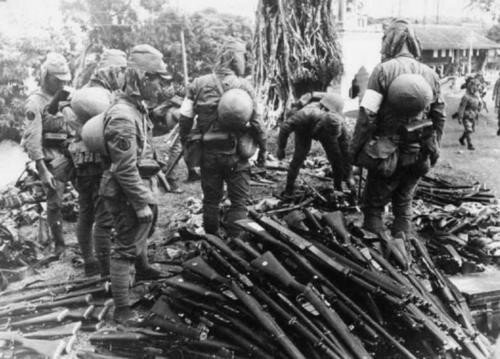
The vast quantities of captured Lee-Enfield rifles did not gather dust in warehouses. They were actively used by Japanese combat units themselves, as well as handed over to allied armies and collaborationist formations.
1. Indian National Army (INA) Squad
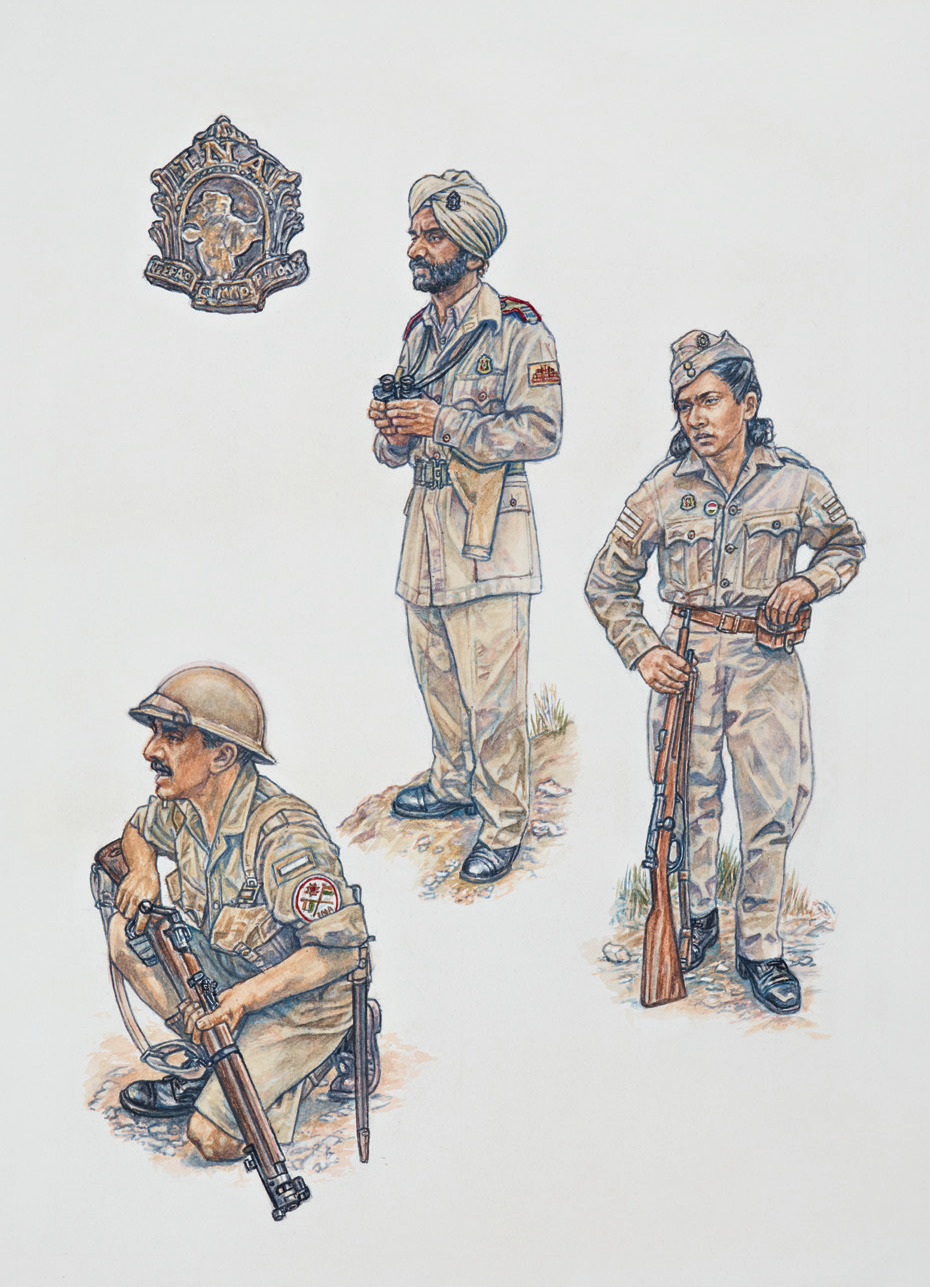
After the defeat of British forces in Malaya, the Indian National Army was formed from captured Indian soldiers under the command of Subhas Chandra Bose, fighting on the side of Japan against the British in Burma.
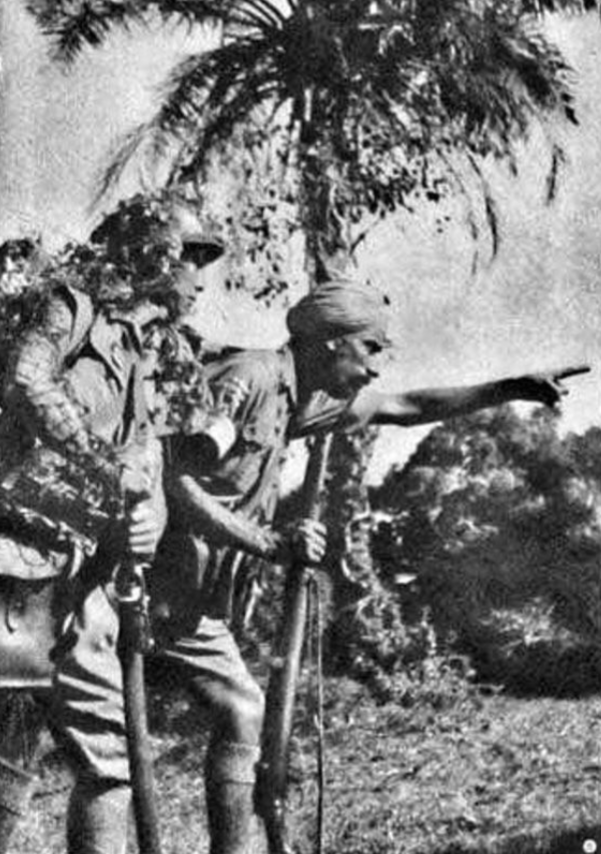
Since the majority of the 60,000 captured rifles went towards providing basic armament for the INA, it makes logical sense to arm them with standard British Lee-Enfields . Visually, the squad would look highly authentic: Indian soldiers in captured British uniforms with Japanese insignia or armbands, along with the characteristic turbans for Sikh soldiers.
2. Thai “Wild Tiger Corps” (Siamese Lee-Enfield)
Thailand was an official ally of Japan. The Thai army had been purchasing weapons from Great Britain since before the war, and during the conflict, they conducted joint combat operations and defended territories alongside the Japanese 39th Army.
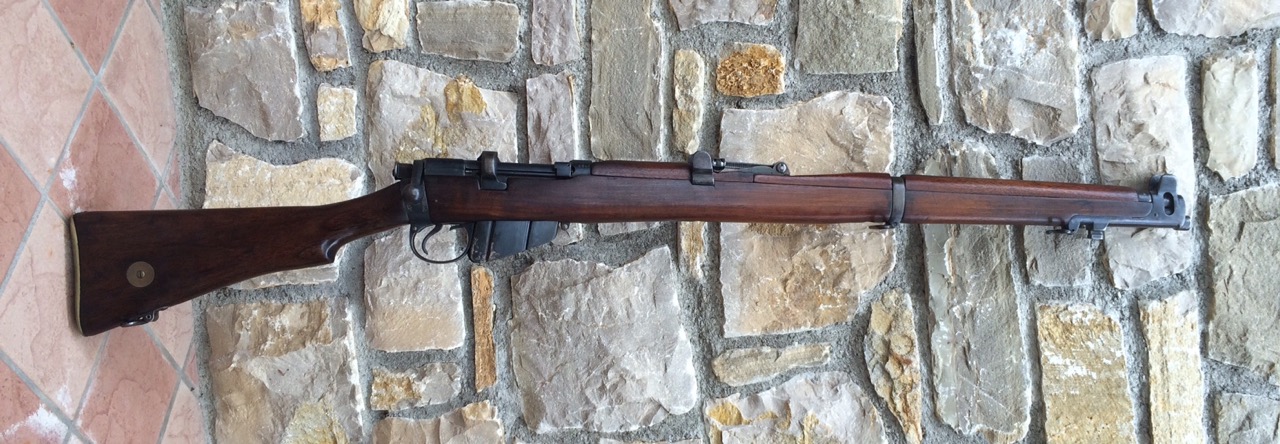
In 1920, the King of Siam, Rama VI, ordered 10,000 Lee-Enfield No.1 Mk III rifles from BSA for his personal paramilitary regiment, the Wild Tiger Corps . The rifle featured excellent finish quality, having a tiger head crest stamped on the receiver and Siamese characters.
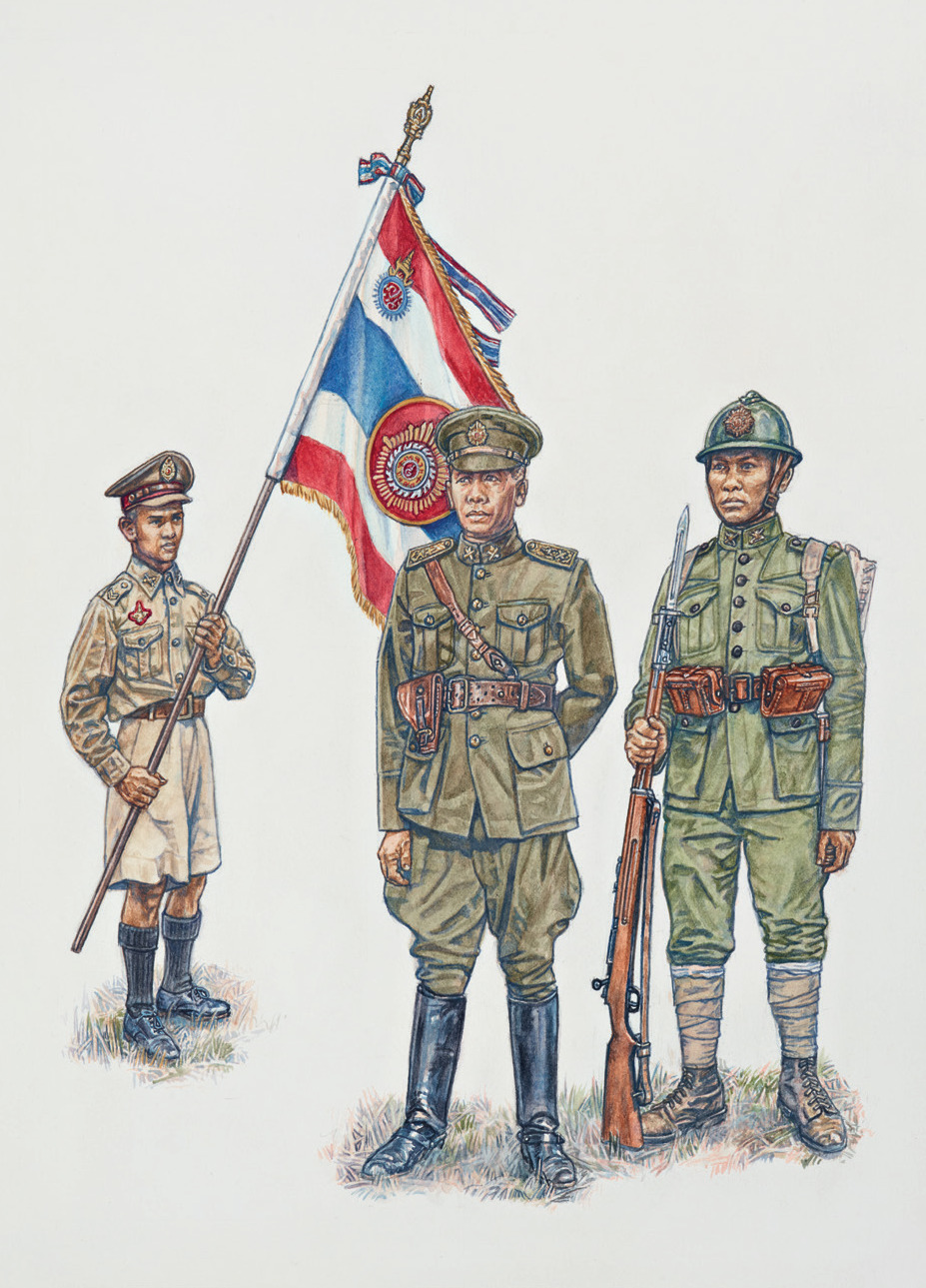
Note: In everyday life, the Thais themselves called this rifle “Prah Ram Hok” (which literally translates to “Rama the Sixth”), in honor of the monarch who ordered the batch.
3. Japanese Infantry Squad with Captured Weapons
The easiest option to implement would be a squad of Japanese veterans from the Malayan or Burma campaigns. Visually, they could be presented in uniforms with jungle camouflage elements.
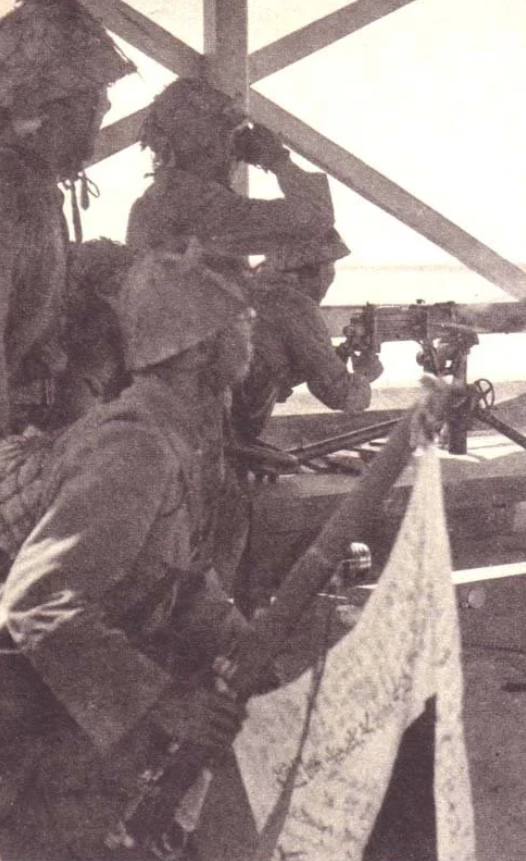
On the front lines, the Japanese actively used captured equipment, so the soldiers could be armed with captured Lee-Enfields . As a special visual feature, a Good Luck Flag could be attached to the rifle.
Note: Japanese naval aviation ammunition of the 7.7×56mmR caliber (used in the Type 92 and Type 97 aircraft machine guns) was a direct copy of the .303 British cartridge. This allowed the Japanese Navy and Special Naval Landing Forces to use their own ammunition stockpiles to fire captured Lee-Enfield, Bren, and Vickers weapons.
Note
The specific rifle proposed for introduction is the SMLE Mk III. The fact is that the later Lee-Enfield No.4 Mk I model could not have been captured by the Japanese in significant quantities. Furthermore, adding the early version avoids an imbalance where the Japanese would get their hands on the best Allied rifle.
Polls
- Yes
- No
- Through an Event
- Premium Squad
- Imperial Japanese Army
- Royal Thai Armed Forces
- Indian National Army
Sources
Sources
CT Firearms Auction: Buy & Sell Guns at Auction Lee Enfield SHTLE .303 Cal Bolt Action Drill Rifle
Collezionare Armi Ex Ordinanza THE SIAMESE LEE ENFIELD SMLE n.1 mkIII* for Wild Tiger Corps
Book: Japan’s Asian Allies 1941–45 .
Book: もう一つの陸軍兵器史: 知られざる鹵獲兵器と同盟軍の実態 (Another History of Army Weapons: The Unknown Reality of Captured Weapons and Allied Forces)