In September 1942, Wacław Zawrotny and Seweryn Wielanier, two mechanical engineers with no prior small arms designing experience, proposed to the Armia Krajowa Warsaw Area Command an idea of designing and manufacturing a 9mm submachine gun of their own. They’ve studied the MP 40 and the Sten and found both unsuitable for straightforward copying.
Wacław Zawrotny and Seweryn Wielanier agreed that the new submachine gun should combine the best features of both, while keeping the manufacturing technology as low-tech as possible. They decided to employ plumbing micro-groove threads and machine screws for most of the joints.
Gradually, by April 1943 the Błyskawica took shape and prototype drawings were being prepared. After the design work was done, the time has come to find subcontractors and organize an underground manufacturing network, supplying the parts for the clandestine assembly shop. In harsh conditions of the German-occupied Warsaw, with tight control over all machine shops activity, shortages and rationing of the cutting tools, with suitable materials put on the ‘restricted supplies’ list and sold only to the holders of permits from German administration, this was a very hard task, indeed. Nevertheless, bribing and stealing their way, working in the Wielanier private flat, by early September 1943 they managed to manufacture and assemble the first working model minus barrel and magazine which they chose to borrow from a British Sten to overcome the narrowest of production bottlenecks.
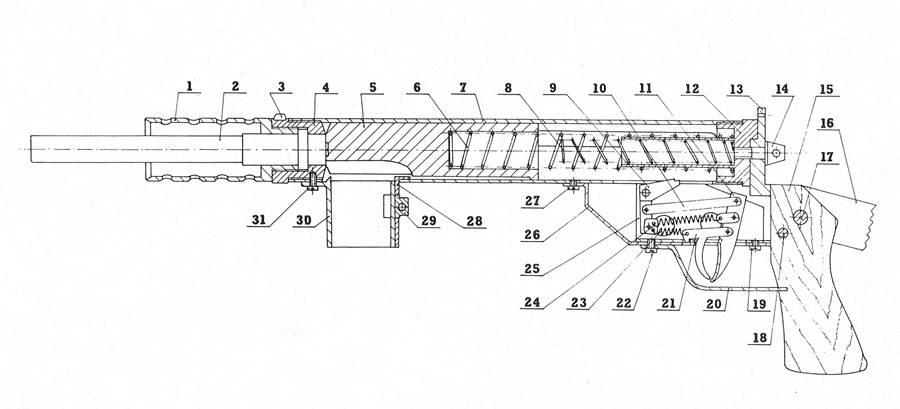
Błyskawica was submitted for approval to the Armia Krajowa Ordnance Command, for test-firing in the woods around Warsaw suburb of Zielonka and approval. Formal acceptance into the inventory of the clandestine army meant among others. the acceptance test was the first occasion for the Błyskawica to really shoot, after a borrowed Sten barrel and magazine were installed – so problems were inevitable. At first the prototype refused to fire at all, then suffered numerous malfunctions, but Wielanier was able to rectify the situation with what simple tools were available at hand and gradually the jams ceased. Finally the gun fired a whole magazine-full in a single burst and the project was approved.
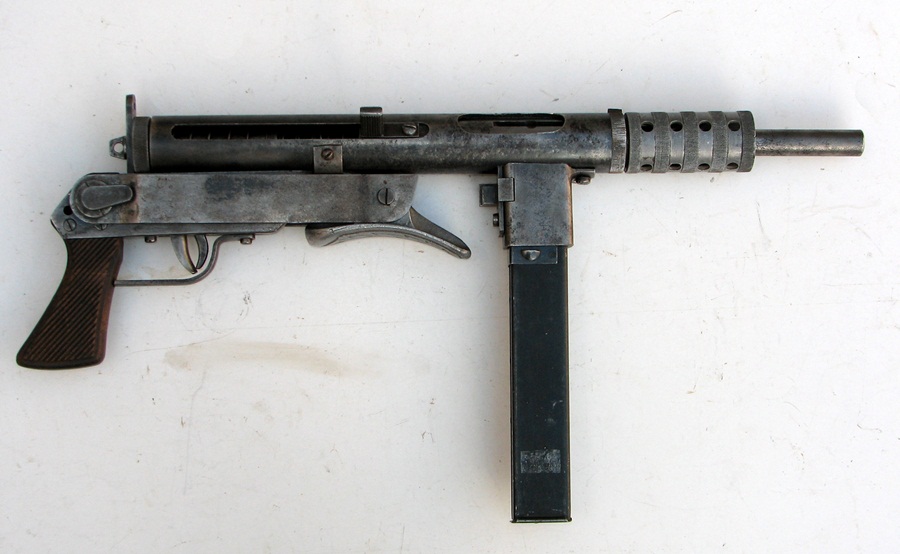
The Armia Krajowa HQ Diversion Directorate commander, Colonel August Emil Fieldorf, was briefed of the new invention and demanded an additional live-firing demonstration. the live-firing demonstration was done in high noon on September 27, 1943, the fourth anniversary of the surrender of the Polish capital in 1939, the Colonel August Emil Fieldorf was satisfied.
After going through all the trials with flying colors, the gun was accepted for serial manufacture, which meant that the designers had to assemble a complete set of drawings for the gun. These were ready in October, and while en route to deliver the briefcase full of transparencies to the Armia Krajowa Ordnance Command, Zawodny only hardly avoided being arrested in one of the frequent German Security Police.
More about the history of Błyskawica
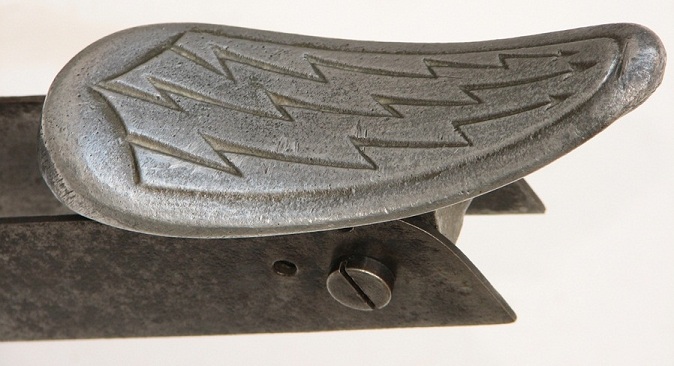
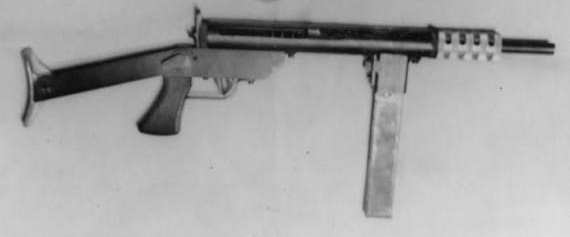
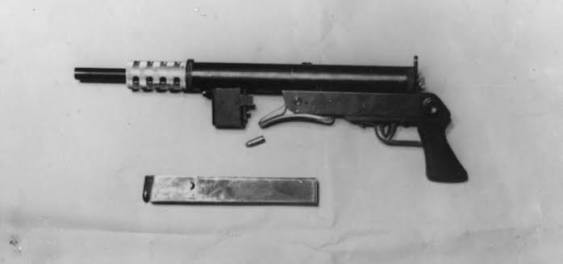
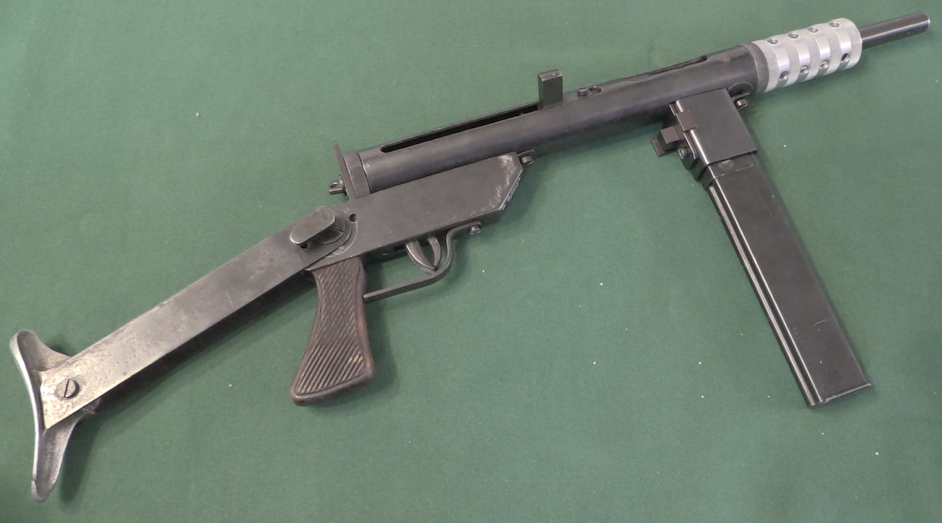
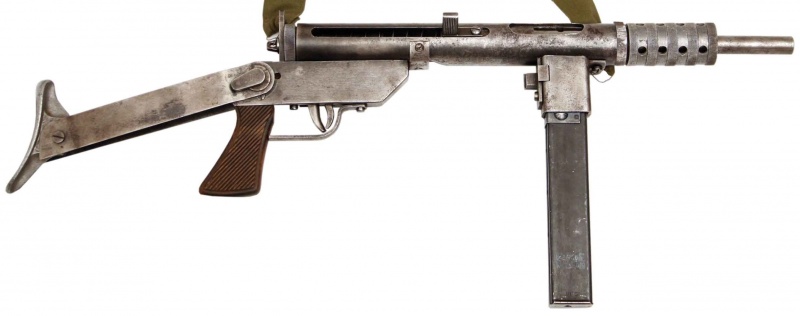
The name Błyskawica came from the three lightning bolts carved in the aluminum butt-plate. These were added to prevent slipping of the plate but also served as a camouflage – the butt-plate drawings were labeled ‘electric oven handles’ and the three lightning bolts were a trademark of the popular Electrite brand. The name was made official in November, when a first pilot batch of five, complete with air-dropped Sten barrels and magazines, was duly accepted by the Ordnance Command.
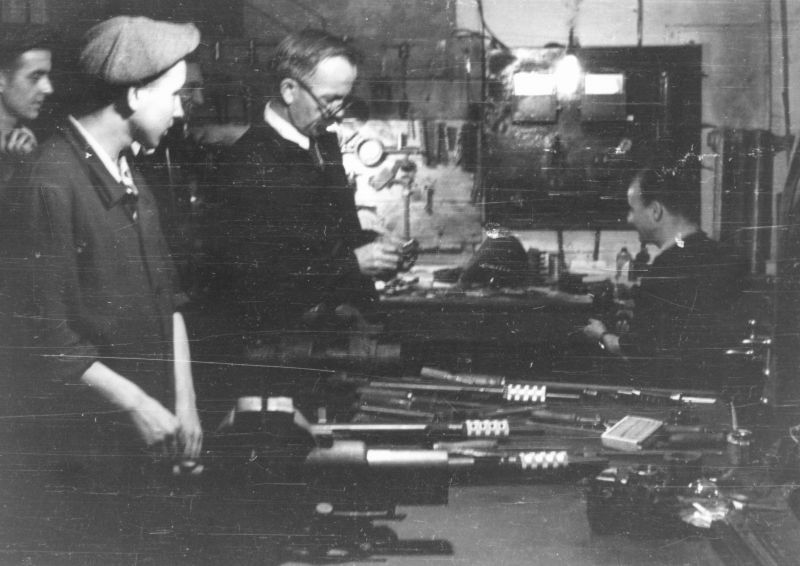
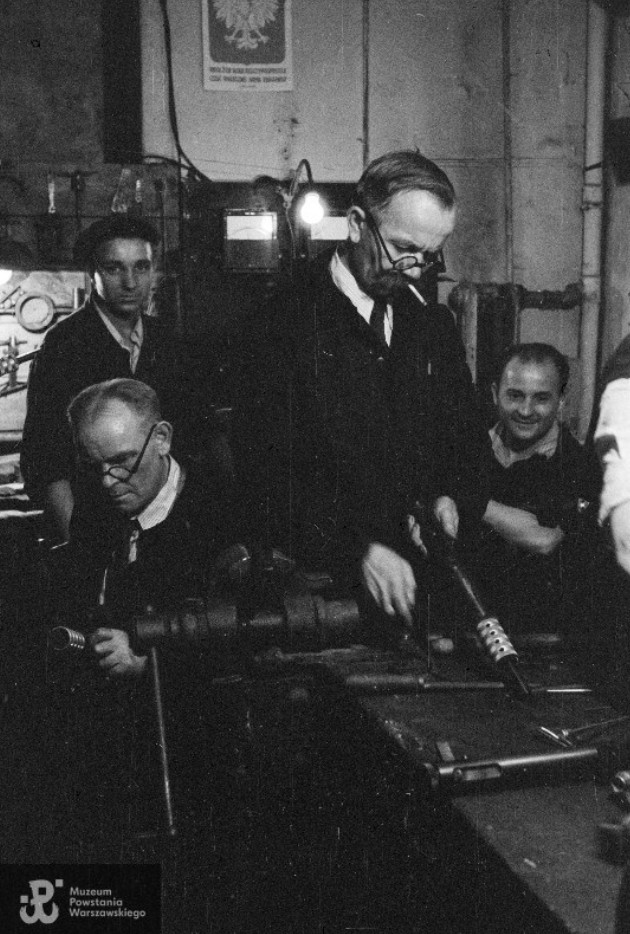
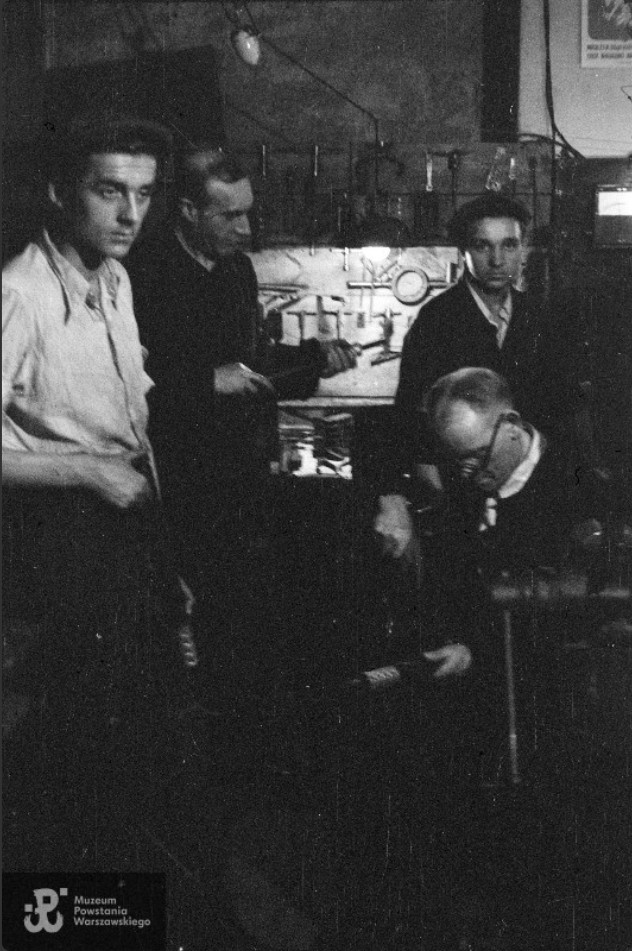
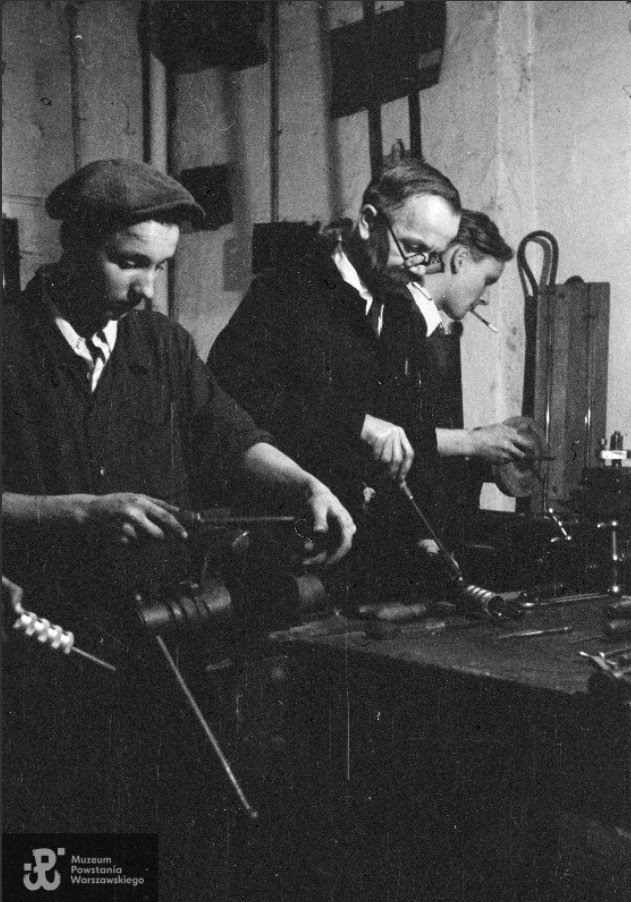
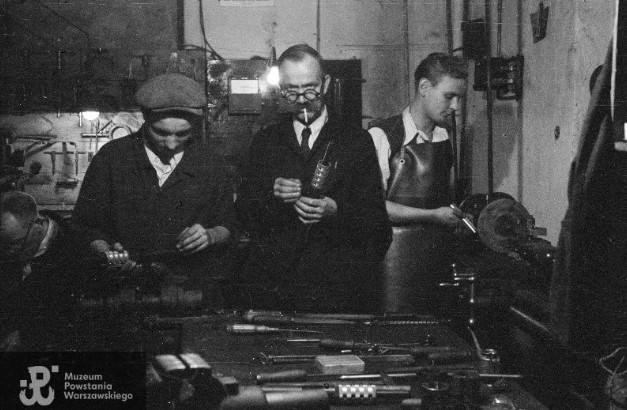
In order to avoid compromising of the entire program should the Germans discover the manufacturing plant, parts were contracted from over twenty various manufacturers, scattered throughout the entire city. A chicken-wire factory ‘Franciszek Makowiecki & Co’ located at 20, Grzybowski Square in Warsaw was tasked with the final assembly and test-firing of the submachine guns. The clandestine SMG plant was situated under the legal workshop, in the cellars of a nearby Roman-Catholic Church of All Saints. An additional concrete-lined tunnel acted as an underground shooting range for functioning tests. The walls of the tunnel were doubled, with space left between the two layers of concrete walls to suppress the report of the firing guns, and a sandpit was installed behind a wall of wooden railway sleepers as a bullet stop. Five people were assembling and test-firing the guns, the test being performed strictly during the rush hours to use the street noise as means of additional sound camouflage. When people were working in the clandestine plant, there was a special look-out on duty in the official workshop, tasked with switching the warning light to alarm the assembly workers if anything suspicious was going on topside. The facilities were mined with explosive charges to blow the workshop up, should Gestapo raid the premises and find the camouflaged entrance.
The first trial order was for five prototype weapons to test the cooperation network and for further function and troop testing. Upon the trial batch tests, the Diversion Directorate of the Armia Krajowa HQ placed the main order for an unprecedented 1000 submachine guns to be manufactured and assembled at the clandestine workshops. Close on the heels of this first order, a second one for 300 guns followed. Until July, 1944 most part kits for the 1000 guns order were manufactured, and as much as 600 Błyskawicas were taken over and accepted by the Home Army Ordnance Command with additional 100 assembled in July, in preparation for the uprising in Warsaw. After the uprising started, the assembling shop with most of the component stocks was evacuated to the no longer secret workshop in city center. As many as 40 weapons were completed there, the main limiting factor being the shortage of Sten barrels, which had to be left in Teofil Czajkowski’s shop on Leszno Street.
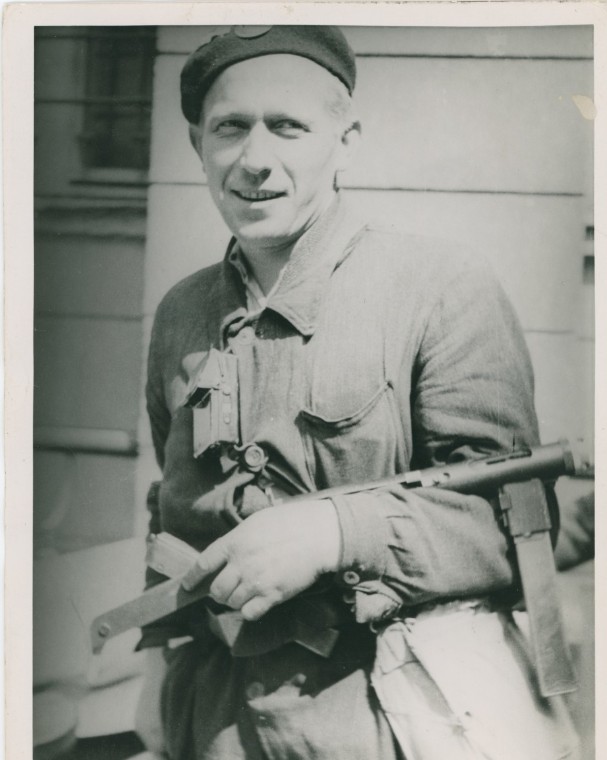
it was the only weapon mass-produced in occupied Europe during WW2, approximately between 700-755 Błyskawica submachine gunswere produced.
the majority of the guns assembled prior to July were transferred to the Eastern provinces, where units were alerted to stage the eventually aborted Operation ‘Tempest’ in front of the Red Army and subsequently lost.
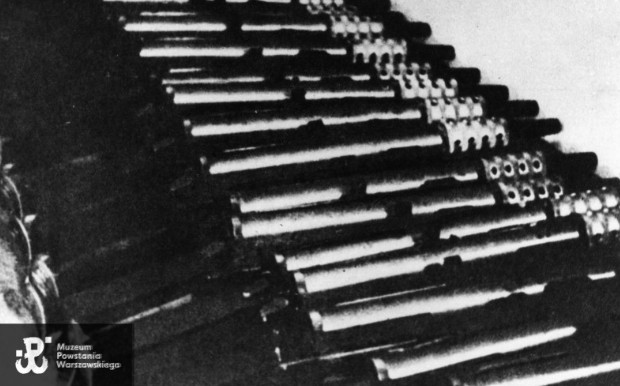
Ready weapons were smuggled out of the factory, in 10 guns batches, inside hollowed wire-mesh rolls. Initially the new weapon was restricted for the general uprising mobilization storage only, and any use of them closer than 100 km from Warsaw was strictly forbidden in order to camouflage the manufacturing area.
Plans were also drown up to liberate the capital of Poland, Warsaw in front of the Soviet offensive. The Błyskawica production was thus intensified in June and July 1944, with a daily output in the last days of July reaching up to 25 submachine guns assembled, checked, and shipped to mobilization storage. This surge was possible, as the Germans were in full retreat through the streets of Warsaw and security was much less strict than just weeks before.
The Błyskawica production recommenced on August 4, and lasted till August 20, when the reserve workshop got bombed. The last Błyskawicas made there were often lacking the aluminum barrel jacket, replaced with a simple steel threaded plug, securing the barrel
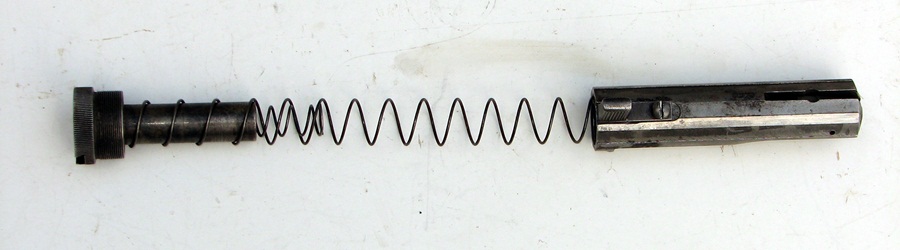
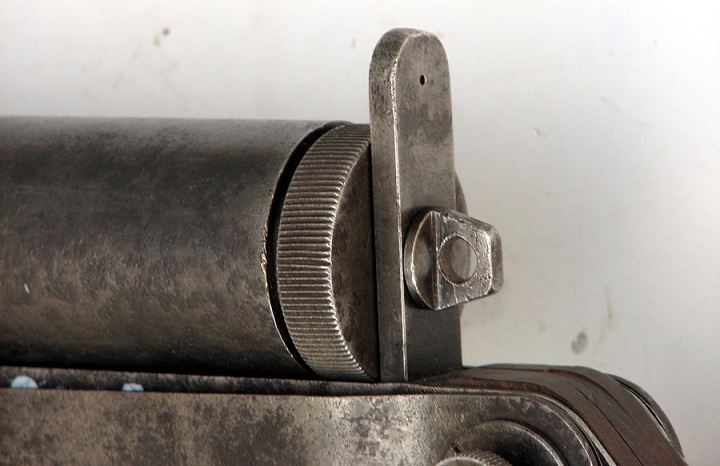
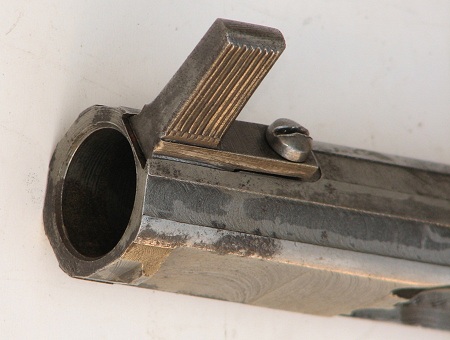
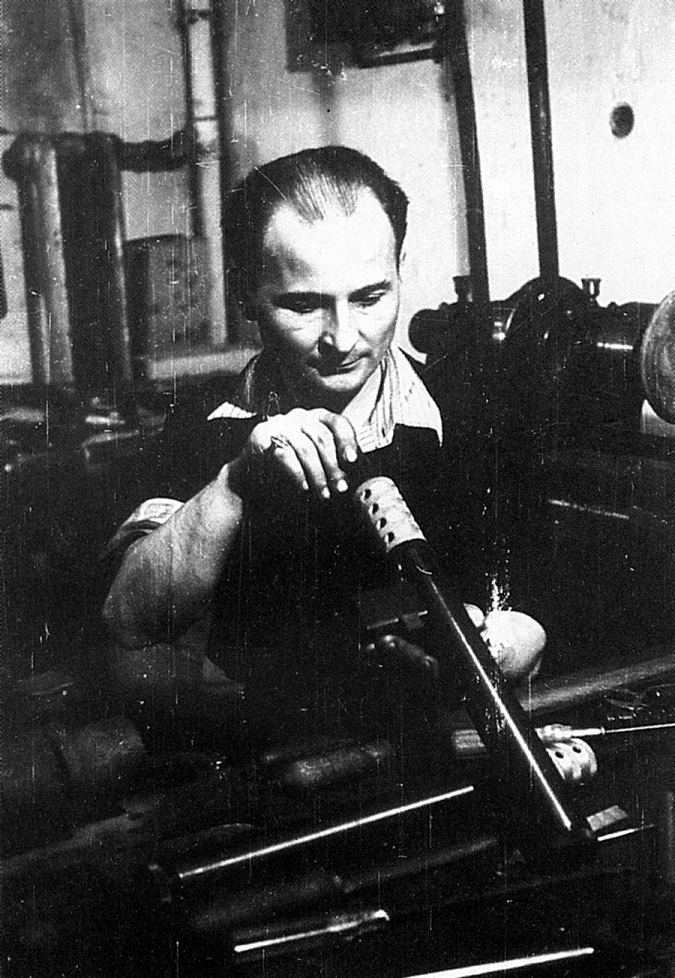
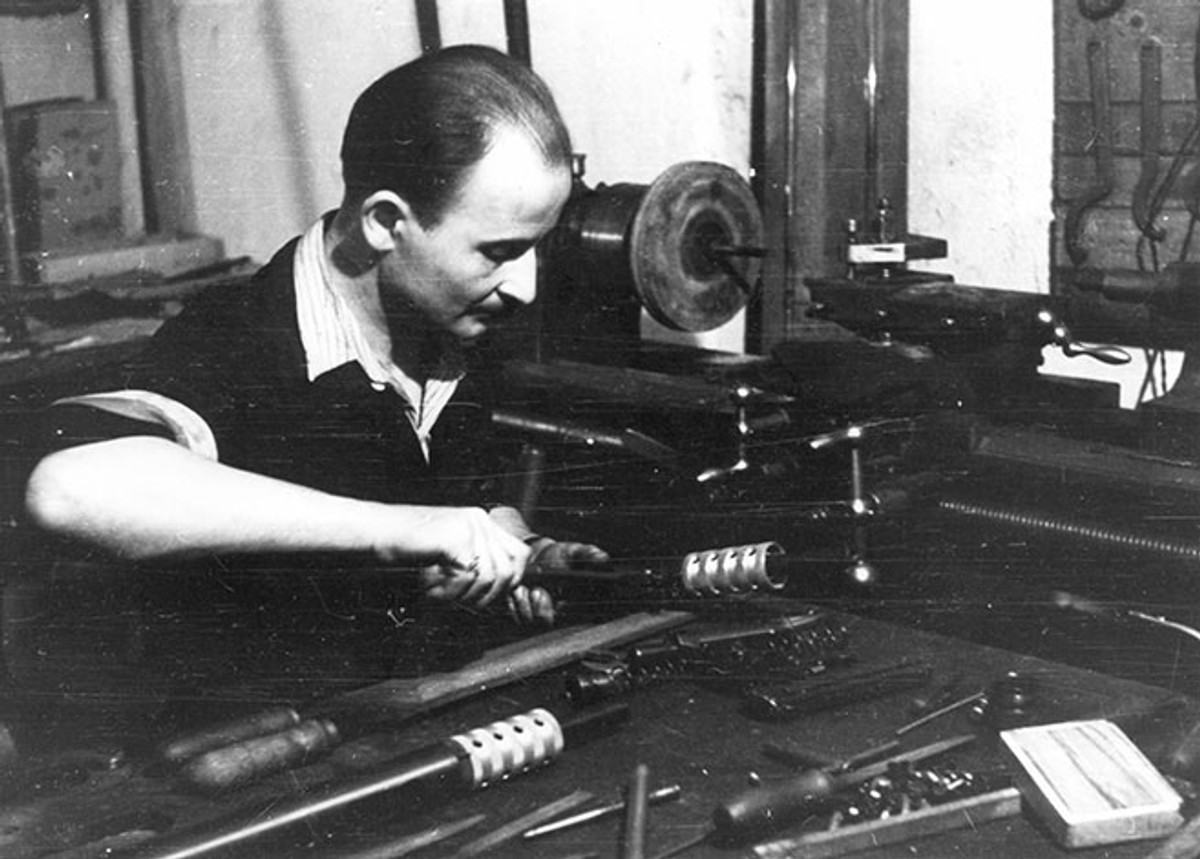
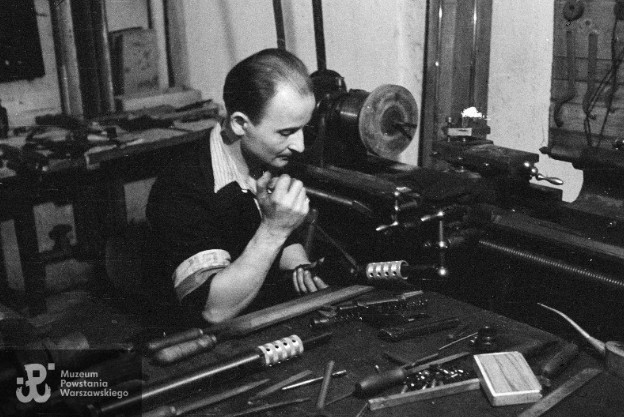
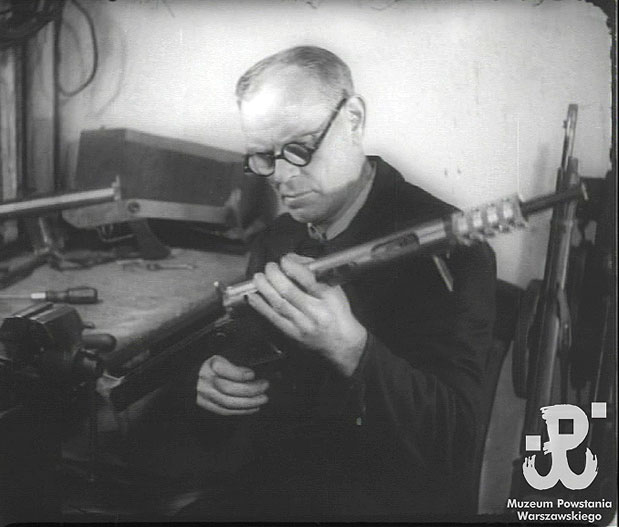
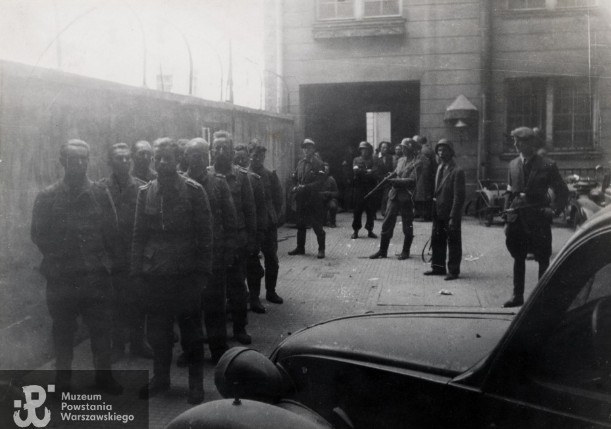
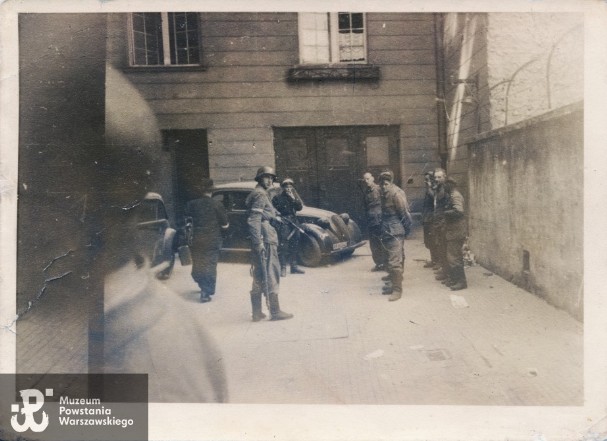
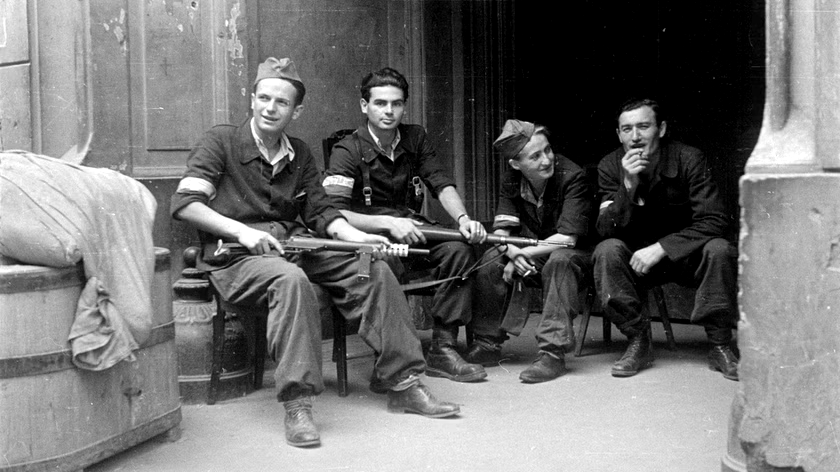
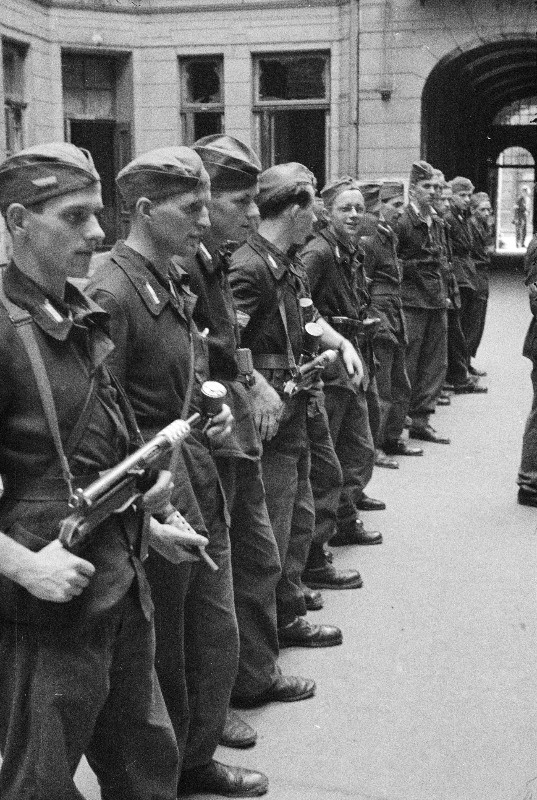
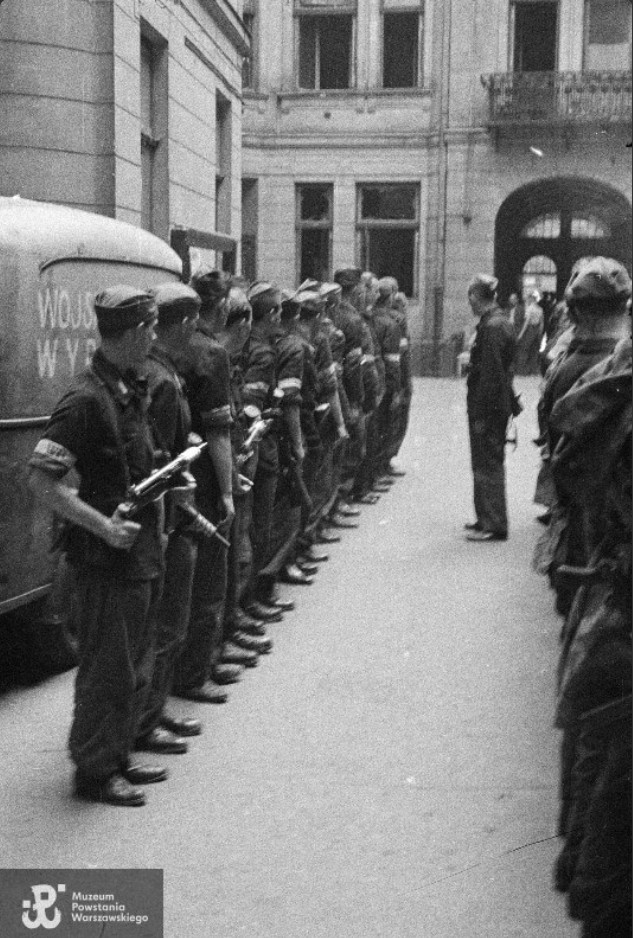
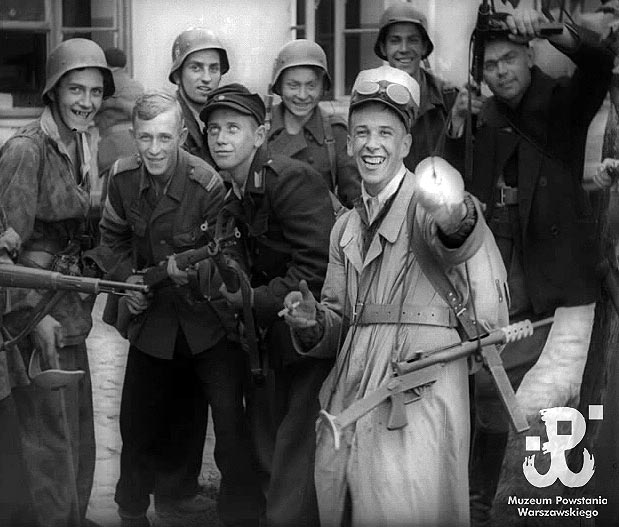
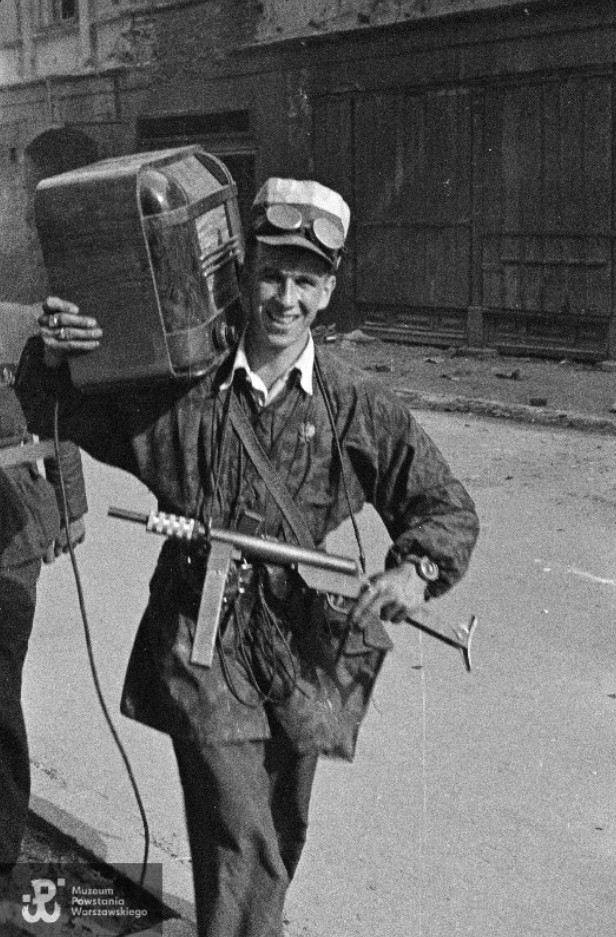
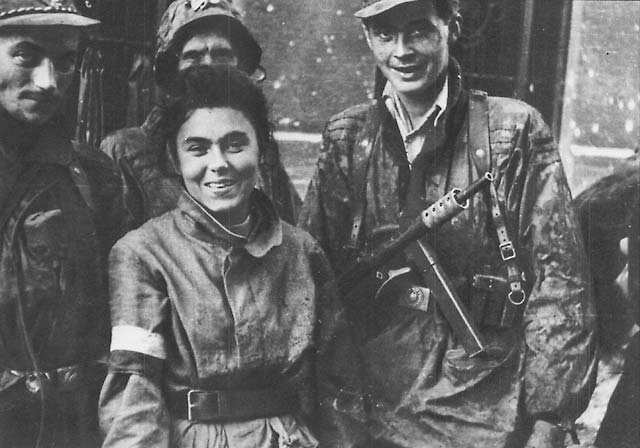
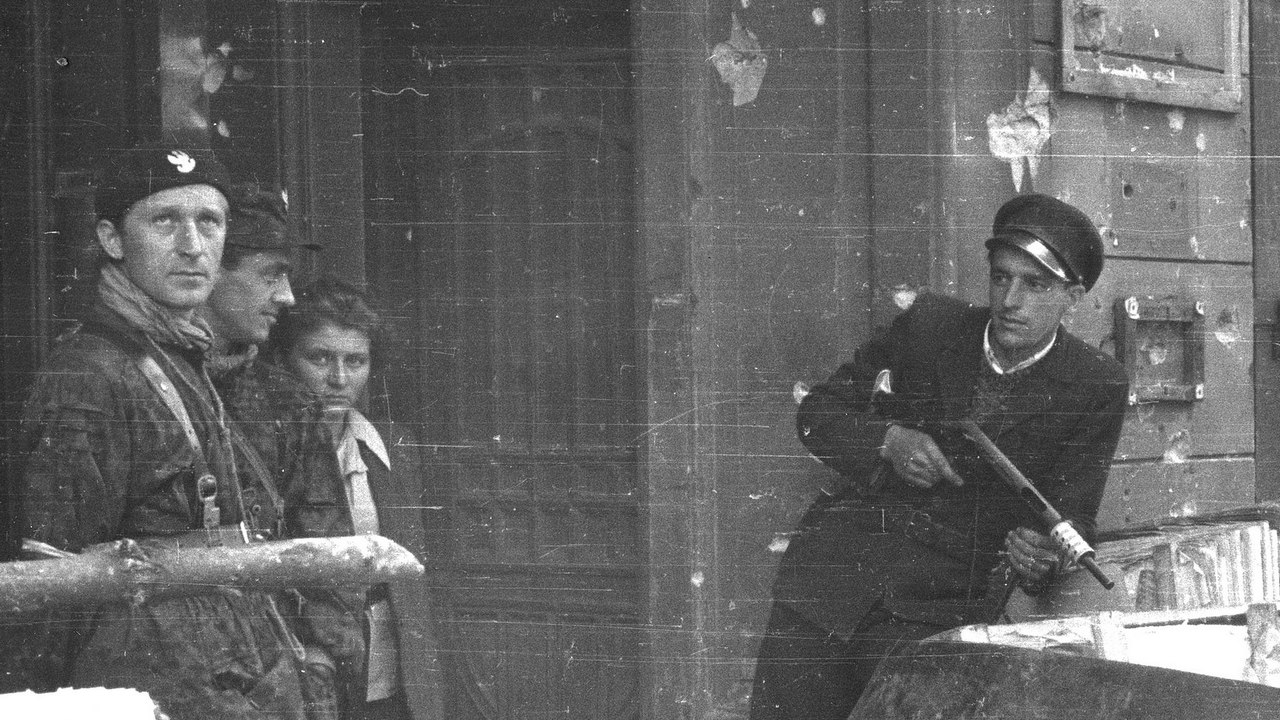
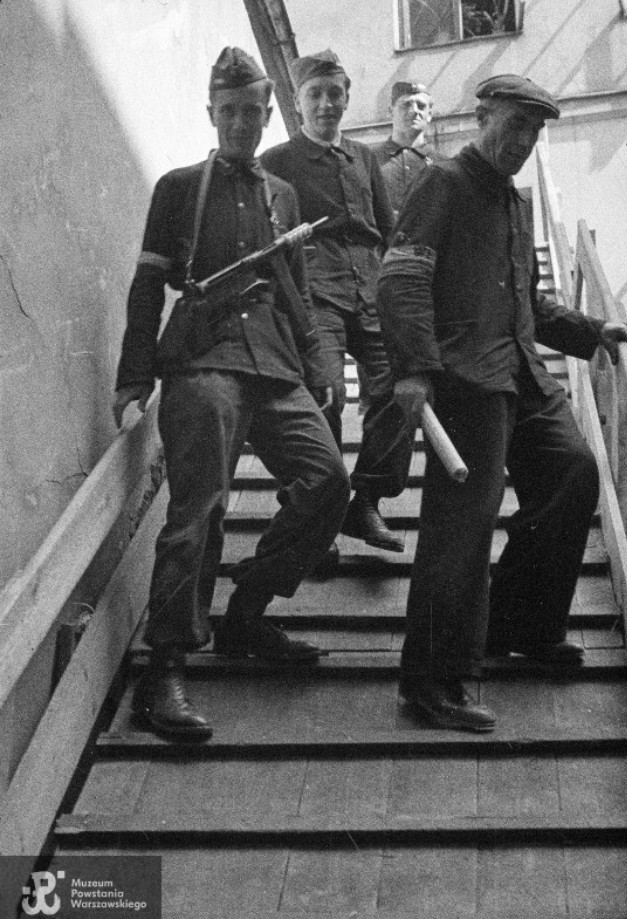
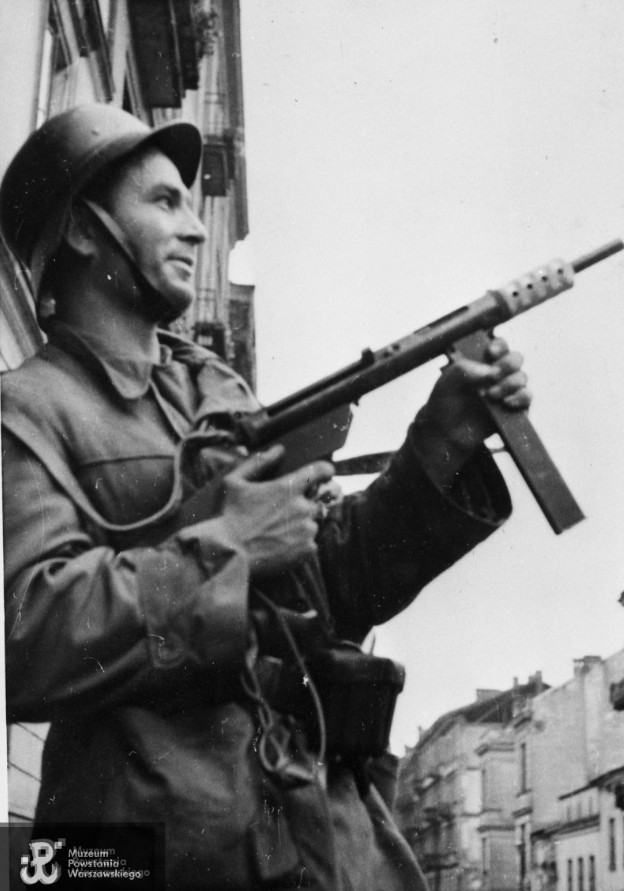
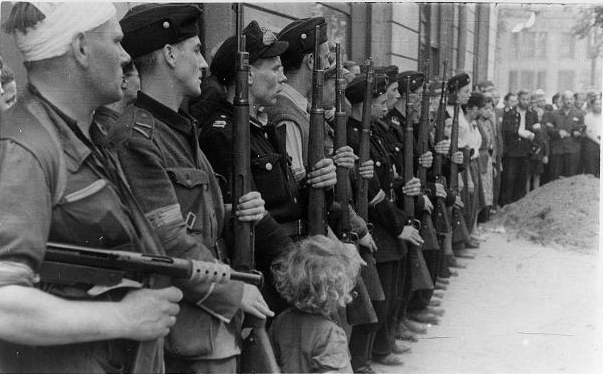
More Photos
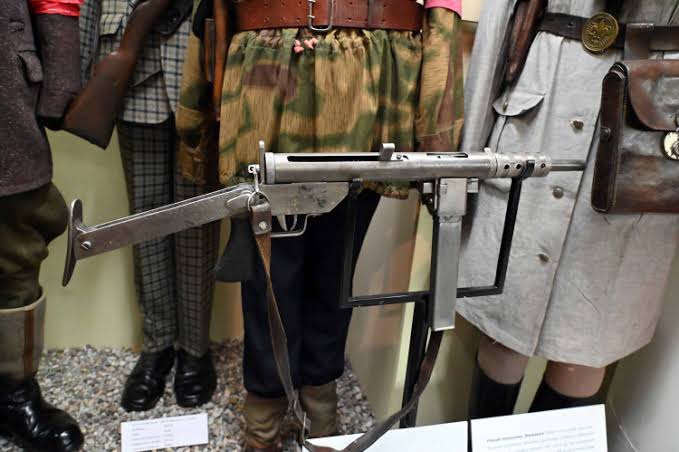
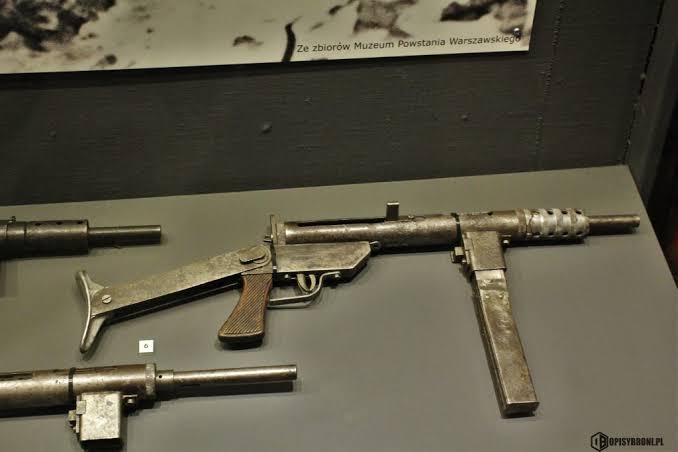
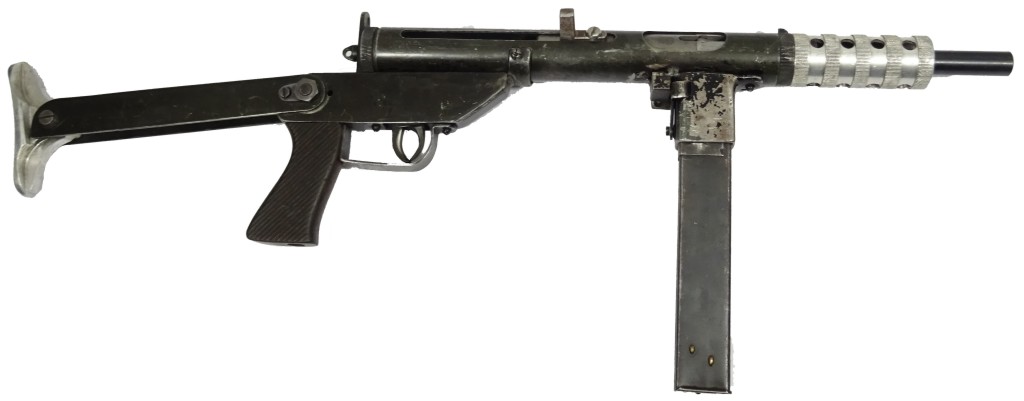
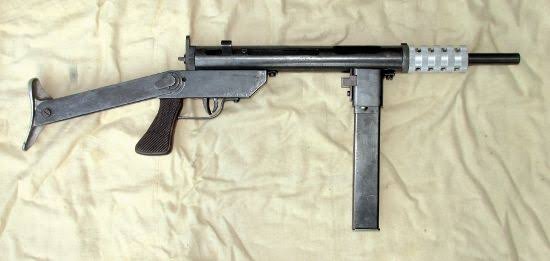
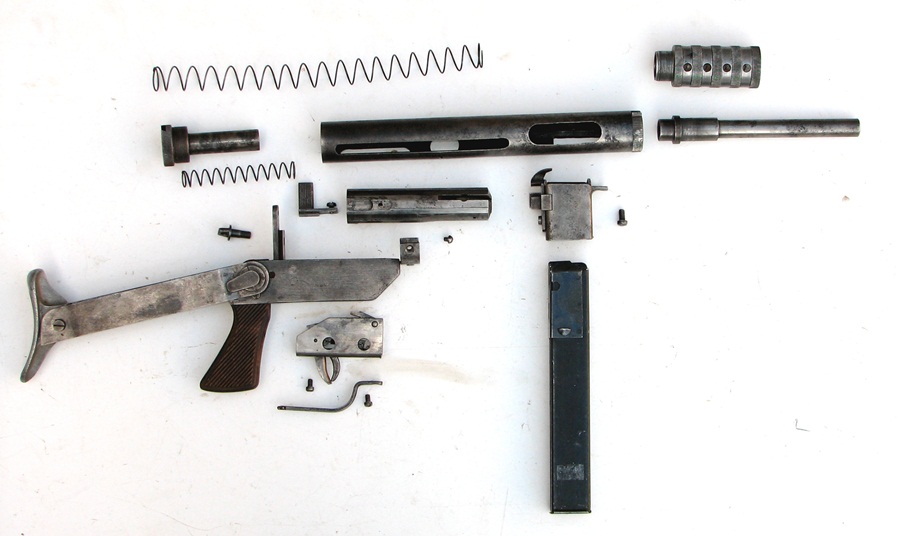
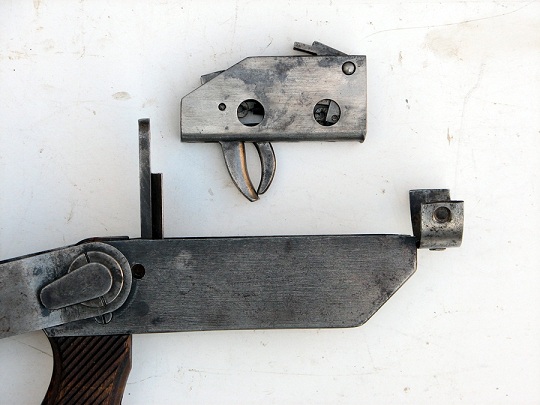
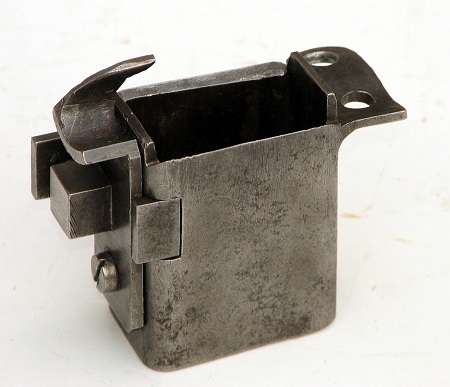
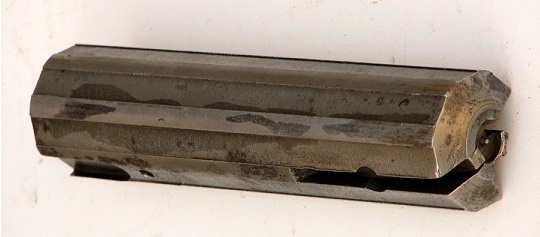
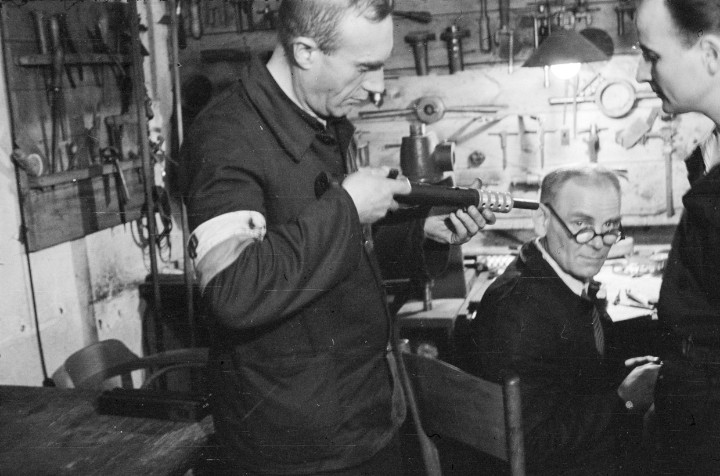
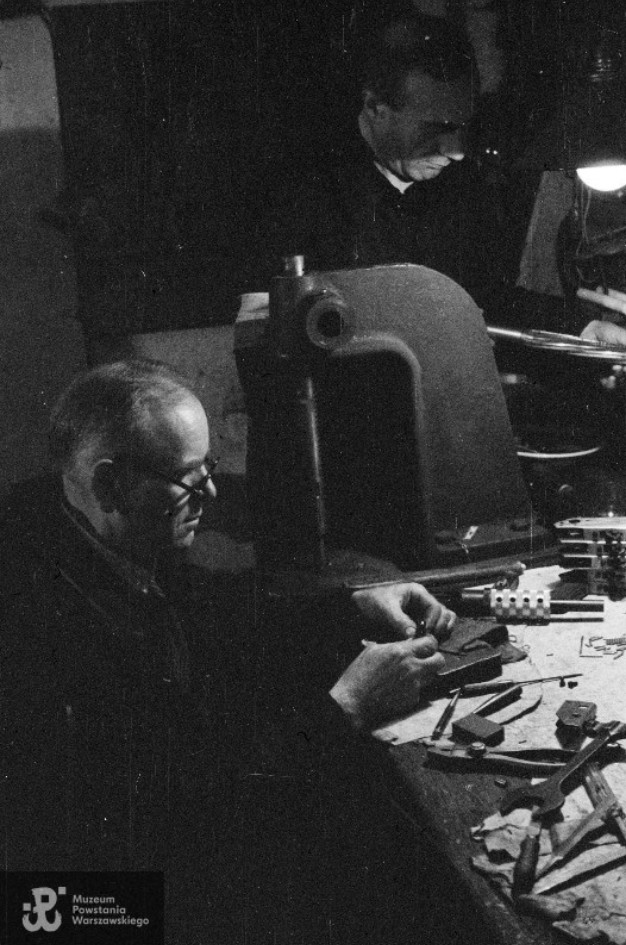
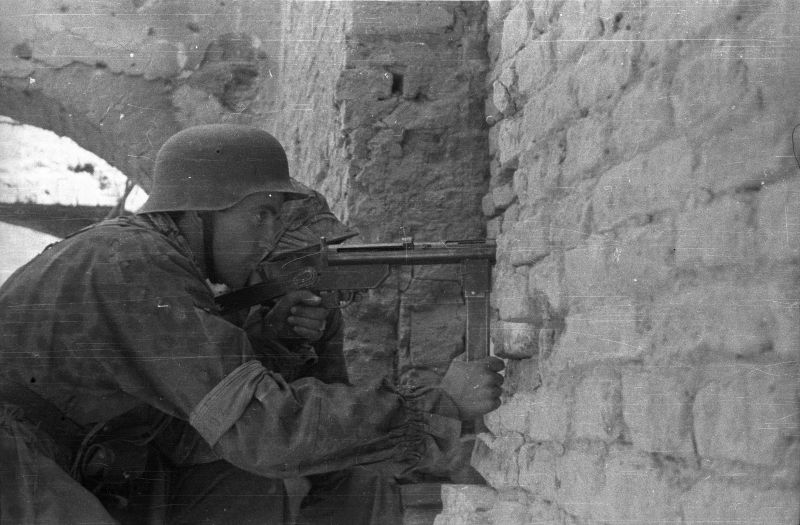
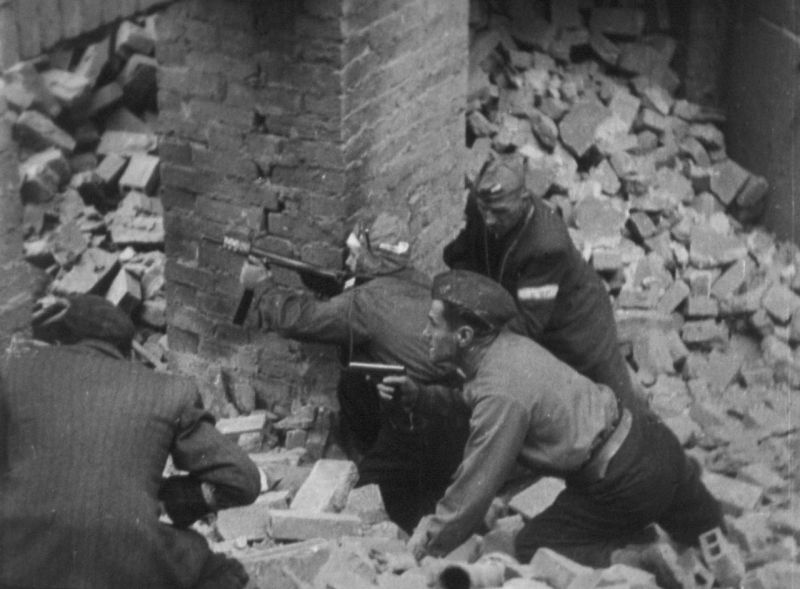
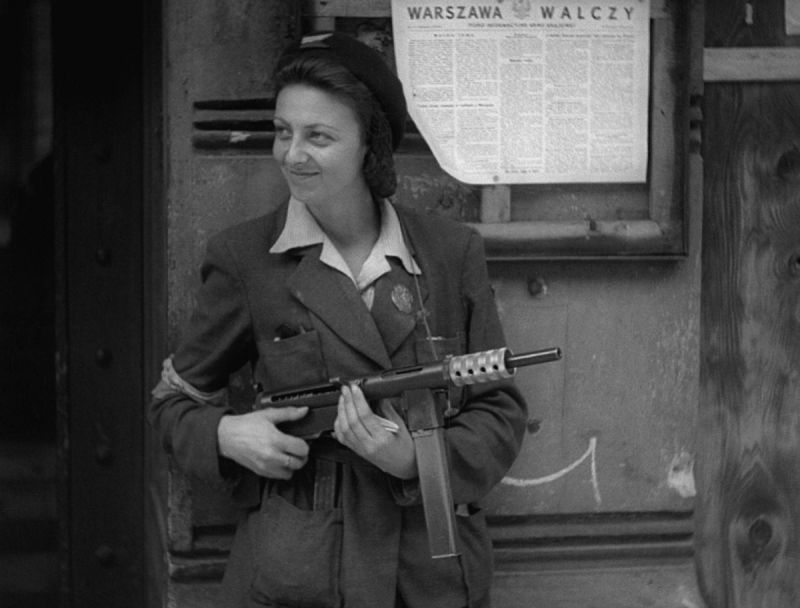
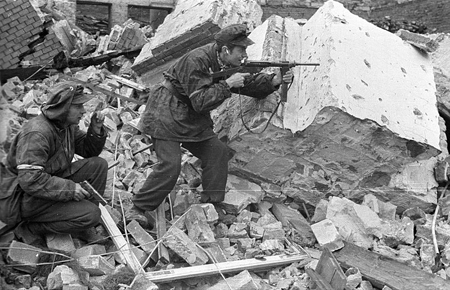

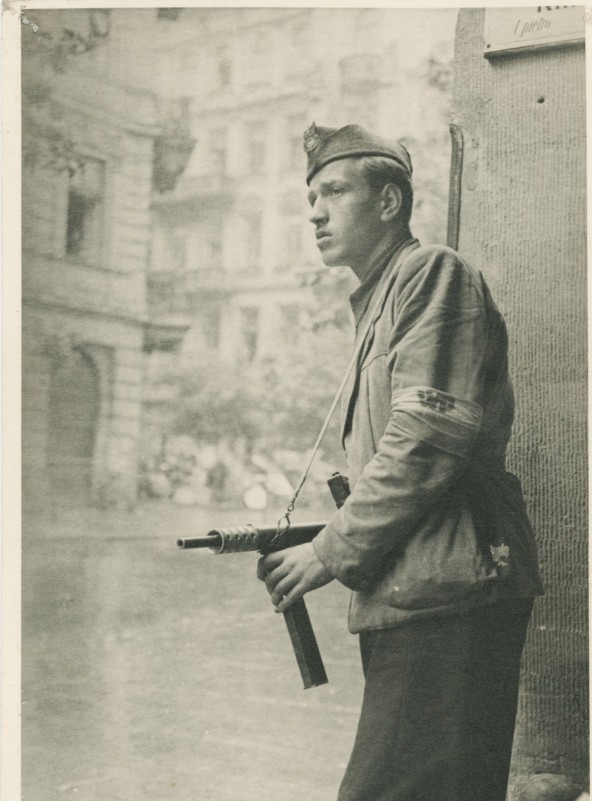
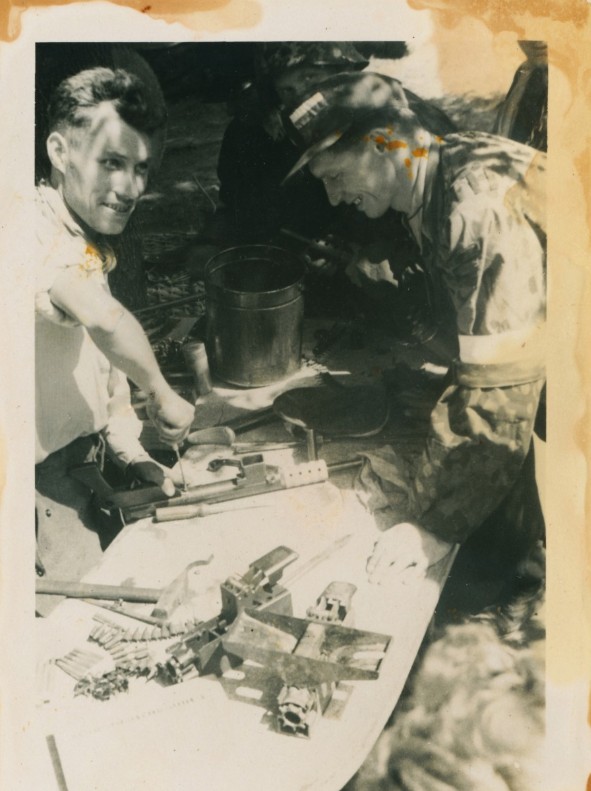
| Specifications | |
|---|---|
| Action | Straight blowback firing from the open bolt |
| Caliber | 9 mm |
| Cartridge | 9×19 mm Parabellum |
| Length (with extended stock) | 730 mm |
| Length (with folded stock) | 556 mm |
| Barrel Length | 197 mm |
| Magazine Capacity | 32 Rounds |
| Weight with Magazine | 3.83 kg |
| Weight without Magazine | 3.22 kg |
| Rate of fire | 550-650 |
| Muzzle Velocity | 400 m/s |
| Max Range | 200 |
Sources
Polish Błyskawica
Блыскавица (пистолет-пулемёт) — Википедия
Pistolet maszynowy Błyskawica – Wikipedia, wolna encyklopedia
Błyskawica submachine gun - Wikipedia
https://www.imfdb.org/wiki/Błyskawica
Оружейники варшавских повстанцев за изготовлением 9-мм пистолетов-пулеметов «Блыскавица» — военное фото
Варшавский повстанец Ежи Сикорский у стены дома на углу улиц Слепа и Пивна — военное фото
https://waralbum.ru/366238/
Женщина-боец Армии Крайовой на городской улице во время Варшавского восстания — военное фото
Warsaw Uprising (1944) – Hi-Story Lessons
Muzeum Powstania Warszawskiego - Muzeum Powstania Warszawskiego
Broń w Powstaniu Warszawskim: pistolet maszynowy Błyskawica
fot. Fotografia z Powstania Warszawskiego. Śródmieście Północne. D... - Eugeniusz Lokajski „Brok”
 Weapon Type
Submachine gun
Battle Rating (BR)
BR2 (with rate of fire of 650), There are several SMGs with a similar or higher rate of fire in BR2, so I think it fits in BR2.
Type
Polish Event Squad (Assault) for Western allies
Availability
Polish event squad because it doesn’t make sense to be a weapon in TT, BP or event weapon (without a squad) since we don’t have Polish Squads in the game, It would be really cool to see it in the game because it was the most produced weapon in occupied Europe and it wouldn’t be unbalanced.
Gameplay Purpose & Role
It doesn’t fill any gap and wouldn’t be unbalanced, but it would be really cool see this weapon in the game.
- Yes
- No
- BP
- TT
- Event Weapon (without Squad)
- Event weapon (with Squad)
- Premium Squad
- BR1
- BR2
- BR3