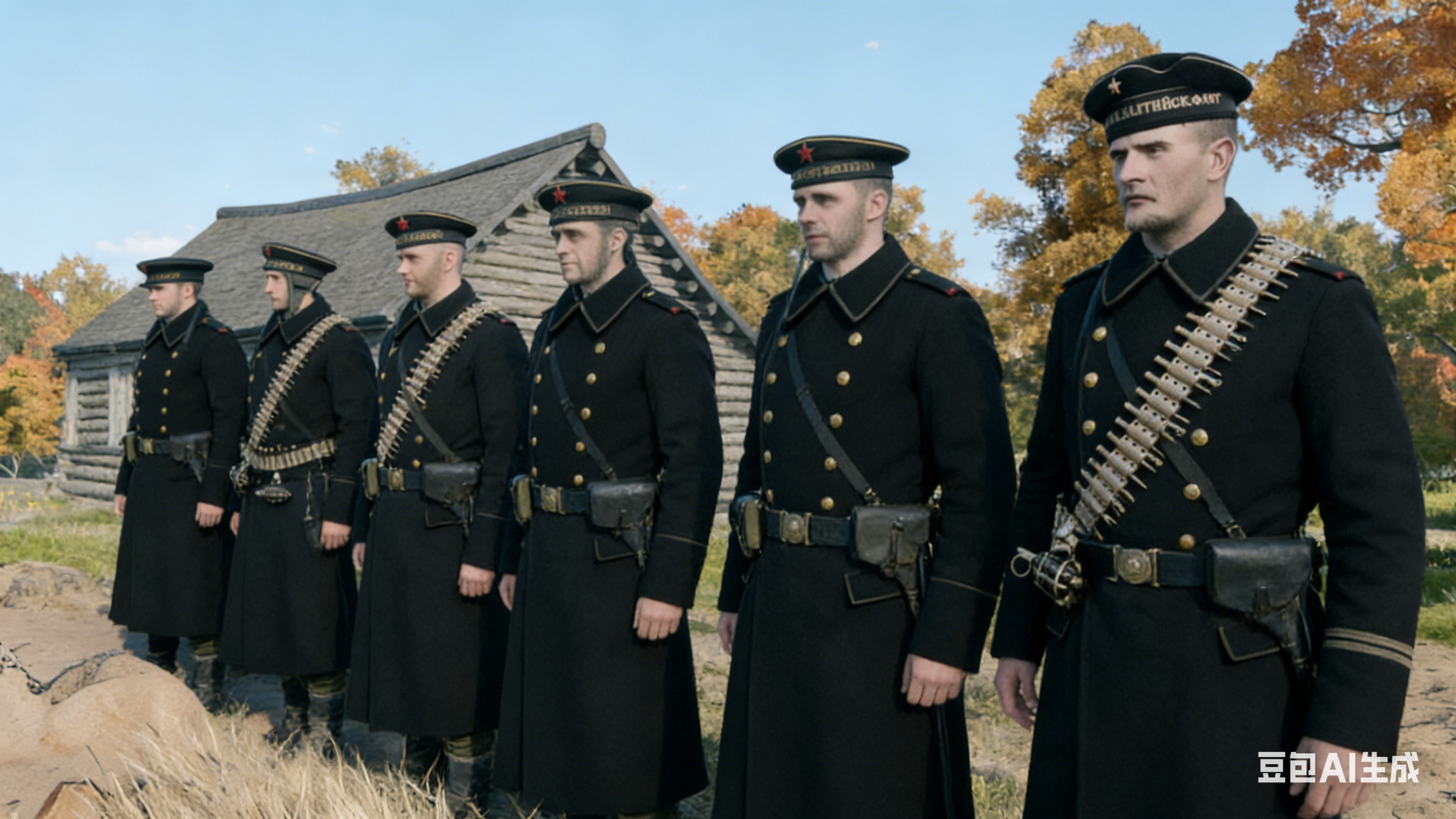
Comrades! It has been a long time since the Far East campaign began.
We’ve pretty much had enough of it.
Now we need a new map.
I recommend this one: The Battle of the Kuril Islands
1、Introduction
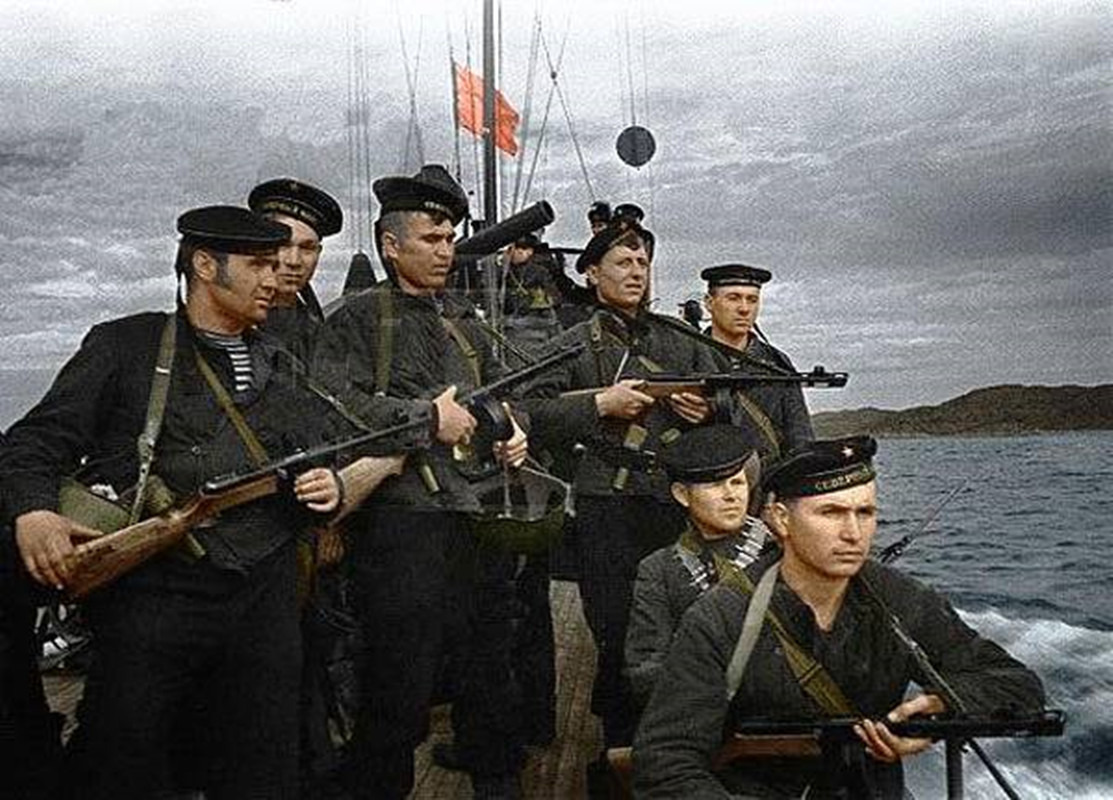
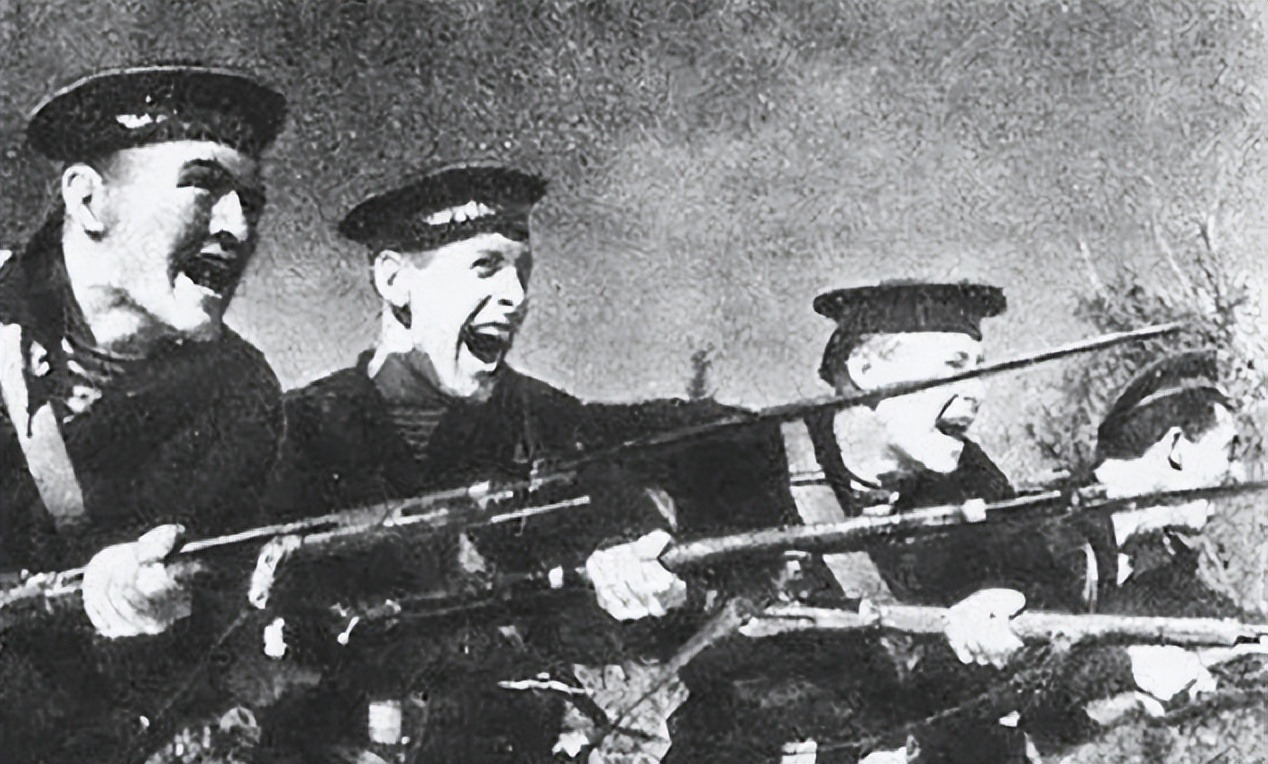
The Battle of the Kuril Islands took place on August 18, 1945. The Soviet forces began their attack on the Kuril Islands. Japan had stationed as many as 80,000 troops on these islands and had built 9 airports (capable of accommodating 600 aircraft), of which 6 were located on the most northern and well-defended islands of Khabarovsk and Hwaseong; these two islands also had two well-equipped naval bases - Paigang and Baerong. However, by this time, Japan’s naval and air forces had been completely exhausted. The naval and air forces deployed towards the Kuril Islands were only equipped with a few small boats and 8 aircraft. The most intense battle took place on the island closest to the Kamchatka Peninsula - Khabarovsk Island.
2、Process
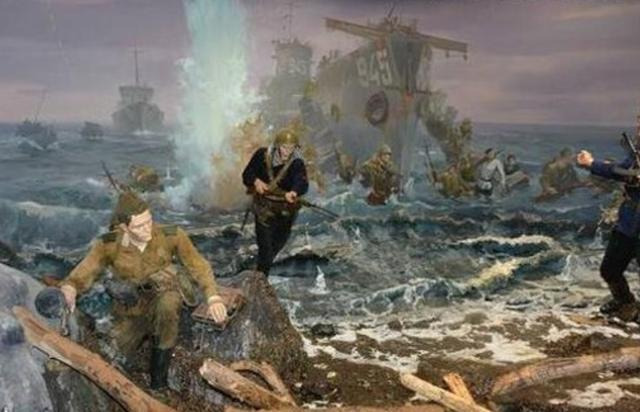
On August 8, 1945, the Soviet Union declared war on Japan and launched the Far East Campaign. The Kojima Islands Campaign was an important part of the Far East Campaign. Kojima Island served as a stepping stone for the Soviet Red Army’s southward advance and was also a key area defended by the Japanese army. Concrete and wooden artillery and machine gun fortifications connected by tunnels and trenches were scattered throughout the island, with about 8,000 Japanese defenders and 64 tanks equipped. At 2:35 am on the 18th, Soviet Red Army shore guns fired from 12 kilometers away on the Kamchatka Peninsula at Kojima Island, and the Soviet Red Army destroyer fleet led by the “Kirov” cruiser protected the landing troops from landing. At 4:30 am, the Soviet Red Army advance detachment landed in a narrow area near the naval base of Sakhalin Island. However, due to the lack of heavy weapons, they were unable to advance further. In the morning, when the main force of the Soviet Red Army landed in two echelons, they were heavily attacked by the Japanese army, and many landing ships were sunk or damaged by artillery fire. They were in a rather passive situation.
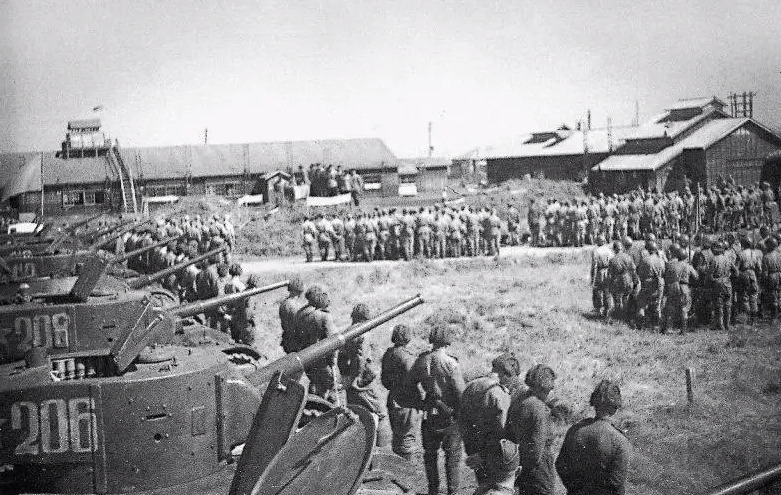
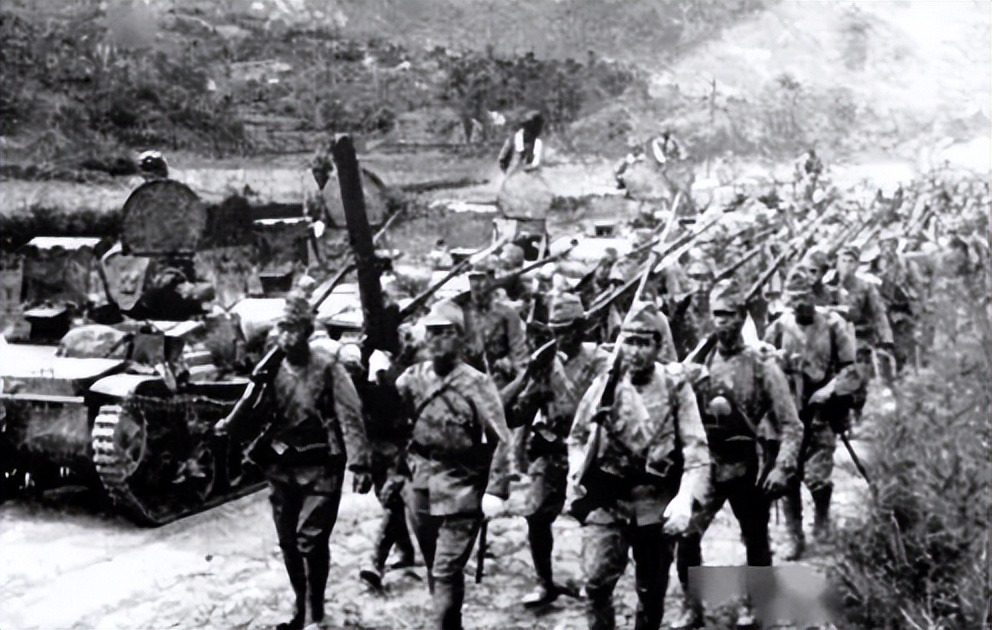
Subsequently, the focus of the battle shifted to the island interior, and both sides repeatedly contested two highlands. The Soviet Red Army used a mixed firepower of anti-tank guns, submachine guns, machine guns, and cluster hand grenades to repel the repeated counterattacks of the Japanese army’s tanks. Sergeant Vilkov used his body to block the firing holes of the main Japanese firepower point. By 20:00 in the evening, the Soviet Red Army finally controlled the two highland points. On the 19th, upon learning of Emperor Hirohito’s surrender order, the Japanese army actively proposed a ceasefire while still actively preparing for combat. The Soviet Red Army continued to advance deeper into the territory, but soon found themselves in a more difficult battle. Fortunately, at this time, the Japanese troops on Kojima Island received the order of unconditional surrender. By the afternoon of August 23, the defenders on Kojima Island surrendered completely.
The Soviet Red Army immediately launched a southward advance. Subsequent landings were largely unopposed and proceeded very smoothly. By 22:00 on August 31, the Soviet Red Army ended the battle in the northern part of the Kojima Islands and began to occupy the southern Kojima Islands. On the morning of August 28, the Soviet Red Army landed on Zhechi Island. 13,500 Japanese defenders surrendered without a fight. On August 29, the Soviet Red Army’s Far East Command announced the “Kojima Landing Operation” complete. On September 2, Japan signed the unconditional surrender document. It was not until September 5 that the Soviet Red Army ended its final operation to occupy Shidou.
3、Detailed process
In August 1945, approximately 50,000 Japanese troops were stationed on the Kuril Islands. The main force was the 91st Division of the 5th Army.
A year ago, in order to prevent the US military from attacking the Kuril Islands, Japan deployed 80,000 troops here. However, the US eventually chose to attack from the south, and the Japanese army then moved nearly half of its troops to Okinawa and the mainland for defense.
The most important defense center of the Kuril Islands was on the “Kozu Island” and “Hamaey Island” in the northernmost part. There were approximately 11,000 troops on Kozu Island, and 10,000 on Hamaey Island.
Both of these islands have military airports, tank units, and concrete permanent fortifications. They are the closest to the Kamchatka Peninsula and were used as a feigned battlefield by the Japanese forces.
On August 15th, the Japanese troops on Hashima Island received the “peace declaration” from the Emperor. The highest commander on the island was Lieutenant General Itō Nisakichi, who advocated remaining inactive and waiting for the Soviet Union to contact them first. At the same time, they would carry out limited military preparations to prevent the Soviet forces from being “impolite”.
Starting from August 15th, the Soviet troops shelled the occupied island from the southernmost “Lopaktka Point” on the Kamchatka Peninsula. Over the next two days, Soviet reconnaissance aircraft flew over the occupied island multiple times.
The Japanese knew that the Soviet forces might land. Tani Kiyoshi ordered the Japanese troops in the northern bay to enter combat readiness.
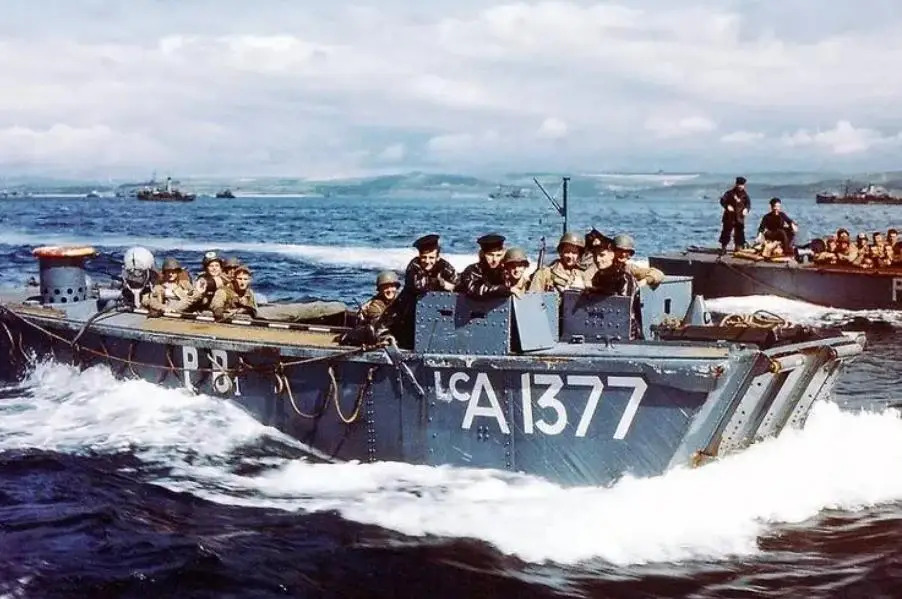
At that time, the Soviet forces in Kamchatka had only one 101st Infantry Division, along with some naval marines and local defense units. The total number of troops was only around 8,300, and they were equipped with over 60 landing craft provided by the United States.
The commander of this unit, Romanovitch, was ordered to land and occupy the island within 48 hours. However, he thought he had misunderstood the order and asked an infantry division with no experience in naval battles to organize a landing operation within two days. The difficulty of this task can be imagined.
Romanovitch appealed to his superior, saying, “Even organizing a ground attack at this time is extremely stressful. Let alone a landing operation. I need reinforcements.”
However, the orders of the Far East Front were unambiguous. Vasilevsky ordered the air force to transport strategic resources to the 101st Infantry Division. Romanovitch promptly organized the troops to head for the port and requisitioned local civilian ships, landing boats, and civilian cars to carry the weapons.
Within 24 hours on the 16th, the officers and soldiers of the 101st Infantry Division quickly formulated their tactics. On the morning of the 17th, over 8,000 Soviet troops set sail from the Port of Peter Pawlosk.
Such a brief period of landing preparations made the junior officers of the Soviet army feel a bit nervous. However, they also knew that Japan had already surrendered. The marine corps was imagining that they would “receive” the island, without having to engage in hand-to-hand combat with the Japanese forces.
On the early morning of August 18th, the Soviet troops arrived at the northern bay of Zhaohou Island. Romanovich gave the order to launch the attack.
Unfortunately, there was a heavy fog at sea at that time, and the visibility was extremely poor. Several warships could hardly see the Japanese artillery positions on the shore.
Moreover, the Soviet forces were unfamiliar with the local water conditions and chose to launch their attack at the early hours of the morning when the tide was ebbing. As a result, the landing craft was unable to move forward more than 100 meters away from the “Chudan Bay” of the occupied island and could not proceed to the shore. The tanks that were supposed to be transported ashore also failed to land.
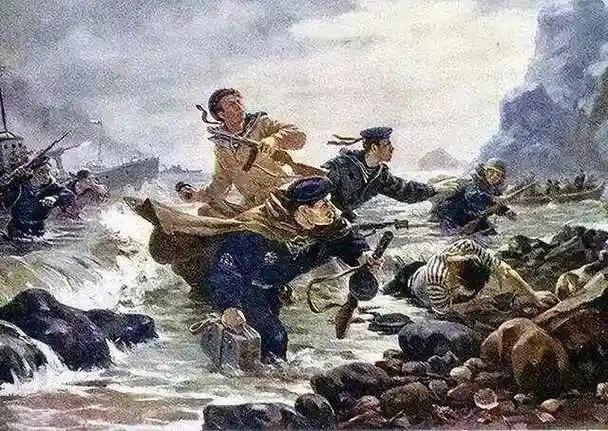
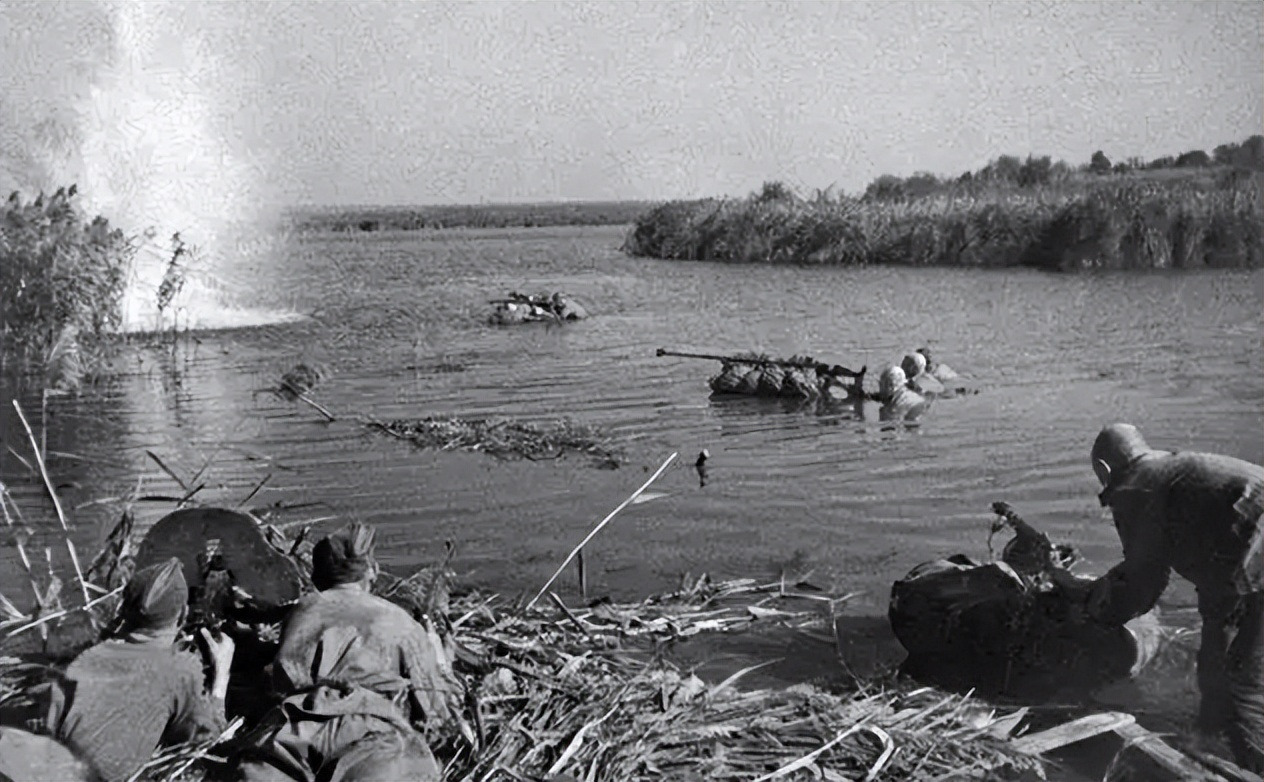
The Soviet Navy Marines had to enter the water from here and undertake an arduous swim in the cold waters of the North Pacific.
These soldiers were not informed in advance about the crossing. Carrying dozens of kilograms of weapons on their backs, many of them eventually exhausted their physical strength and failed to make it across the 100-plus-meter distance.
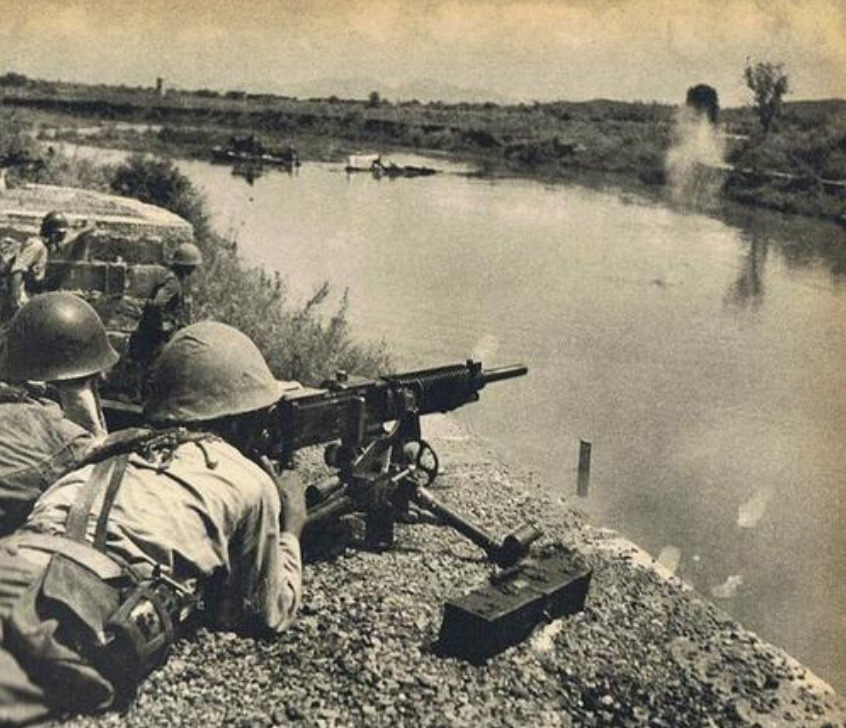
Meanwhile, the Soviet ships fired their guns and shore artillery at the defenders of the island. The Japanese troops, who were on high alert, were awakened by the sound of the guns. They simultaneously reported the situation to their rear headquarters and organized a counterattack.
The Japanese shore artillery fired at the Soviet landing boats on the coast of Chudan. The Soviet naval gunships retaliated, but due to the thick fog, the accuracy of the Soviet shots was poor. Instead, the Japanese were closer and could clearly see the targets, and they hit and destroyed many of the landing boats.
The Soviet landing troops were in a state of panic. Many soldiers fell into the water and lost their lives in the icy water.
A small group of Soviet troops finally landed at 5 a.m. and then moved behind the Japanese artillery positions in accordance with the prearranged tactics to hold back the Japanese forces and relieve the pressure on the subsequent landing troops.
But before the Soviet marine troops had gone very far, they heard a desperate rumbling sound. The Japanese tanks were coming.
The Japanese army suddenly ceased fire, not because they had abandoned their positions and fled, but because the 96th Division received an order from its superior, the 5th Army Corps:
“Don’t continue firing at the Soviet forces, lest it disrupt the ceasefire agreement between Japan and the Soviet Union.”
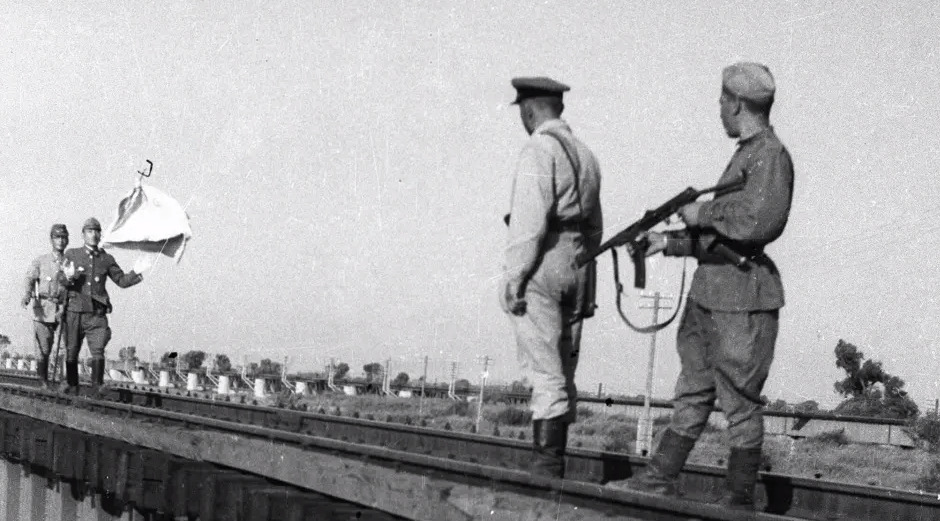
Soon, the 5th Army demanded that Ti Danjue send someone to negotiate with the Soviet forces and peacefully hand over the island.
The Japanese sent officers to negotiate, but the Soviet troops who landed lost their radio and had no way to contact the rear. The soldiers didn’t know the intentions of the Japanese for peace talks, so they detained the Japanese officers and continued their attack.
The Japanese troops then also launched the second stage of their counterattack. The two armies engaged in small-scale skirmishes again. It was not until a Soviet colonel officer landed and used a radio to contact Romanovovich that the two armies ceased their fighting.
On August 19th, the Japanese and Soviet troops were still exchanging fire on the Jiaoshou Island. This time, the commander of the 5th Front Army, General Kusuda Jishi, issued an order commanding them to surrender immediately. Only then did the Japanese forces completely lay down their weapons.
On August 23rd, the commander of the 96th Division, Ji Taikui, went to the Soviet military headquarters to discuss the issue of surrender. When he heard that the Soviet forces only had 8,000 soldiers and the landing troops were only 2,000 people, Ji Taikui was extremely angry and unwilling to accept it, and said:
“Knowing what I do now, I would have had them all feed the fish and then surrender the island.”
After the surrender of Zhanhou Island, the Soviet forces also sent troops to take over the subsequent Huanxian Island. A total of over 20,000 Japanese soldiers were captured.
At this point, the Zhan Shou Island battle came to an end.
The Zhan Shou Island Battle was the only major landing battle in the Kuril Islands Campaign. This battle lasted intermittently for three days.
During the battle, over 8,000 troops of the Soviet landing force suffered casualties, with 1,500 dead. Among them, 420 were killed, and nearly 100 were missing, possibly drowned in the sea during the landing operation.
The Japanese forces suffered 1,020 casualties, including over 300 deaths. The casualties were much lower than those of the Soviet forces.
This battle was one of the rare amphibious operations carried out by the Soviet army during World War II. Due to a lack of experience and rushed preparations, the 101st Infantry Division performed rather poorly, to the extent that the Soviet authorities rarely mentioned this battle afterwards.
After the battles on Kazushi Island and Hamaen Island, the entire Kuril Islands declared surrender. The Soviet forces then advanced south and occupied the entire archipelago. They also captured over 20,000 Japanese soldiers. On Zoshigae Island, they captured over 10,000 Japanese troops.
4、The combat forces of the Japanese army participating in the war
- Army (General Itani Kiyohide. Approximately 23,000 soldiers)
o 91st Division (Division Commander: General Itani Kiyohide) - Infantry 73 Brigade (5 battalions) is stationed on Kanzai Island. The headquarters and Infantry 74 Brigade (5 battalions) is on Hamaen Island.
- 11th Tank Battalion (39 main tanks, 25 light tanks) - Combined unit of the division.
o Residual unit of the 57th Shipbuilding and Engineering Battalion - 20 large assault boats.
- Navy (Captain Itou Chizuru. Approximately 1,500 personnel)
o Occupation Communication Unit (Commander: Captain Itou Chizuru)
o 51st Security Unit
o 52nd Security Unit
5、The Soviet forces that participated in the war
- Aviation Forces
o Residual unit of the 54th Army Aviation Squadron - 4 Type I fighter aircraft
o North Kuril Dispatch Unit of the Northern East Aviation Squadron of the Navy - 4 Type 97 Carrier-Based Attack Aircraft.
Soviet Forces
On August 15, 1945, the Supreme Commander of the Far Eastern Soviet Army, Marshal Aleksandr Vasilevsky, ordered the preparation and implementation of the occupation operations regarding the northern part of the Kuril Islands to the headquarters of the 2nd Far Eastern Front (Commander: Major General M. Pulkaev) and the Pacific Fleet headquarters (Commander: General Yumashev).
Participating Forces - Army (8,363 personnel)
o Khatyatska Defense Zone (Commander: General Gunetchko)
- 101st Sniper Division (Division Commander: P.I. Zhykov)
- 198th Sniper Brigade
- 5th Independent Sniper Battalion
- 7th Independent Sniper Battalion and others
- Navy
o Petrovposlovsk Naval Base (Commander: Naval Captain D.G. Ponomaryov)
- 2 patrol boats, 1 mine-laying ship, 4 mine-sweeping boats, 14 transport ships, 16 landing craft, etc. totaling 54 vessels. 1 battalion of naval infantry.
- Aviation Forces (78 aircraft)
o 128th Mixed Aviation Division of the Army
o 1 Aviation Squadron of the Navy
The 101st Army Division of the Soviet Army and the Pacific Fleet
6、Evaluation:
This war was regarded by the Soviets as a very unsuccessful battle, and it was also one of the few direct confrontations between the Japanese army and the Soviet forces in the Far East battlefield.
Put it into the game. Maybe it will be very exciting.
Do you all want to have this war included in the game?
- Yes
- No