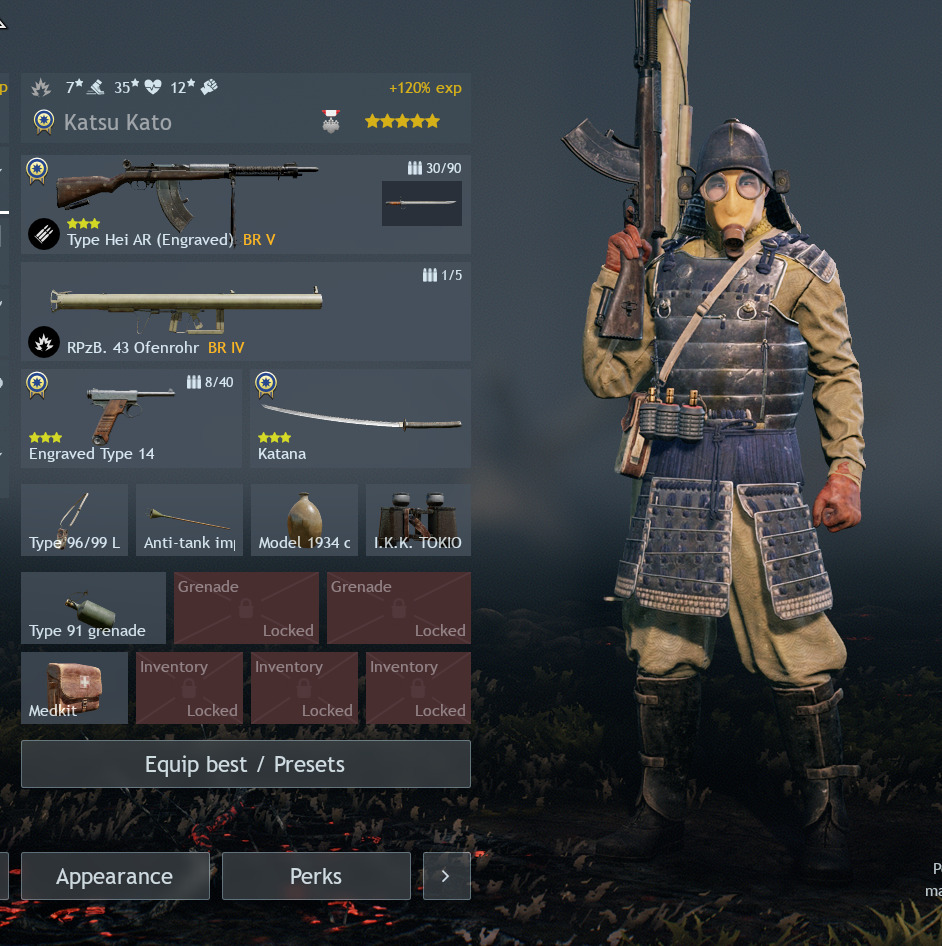
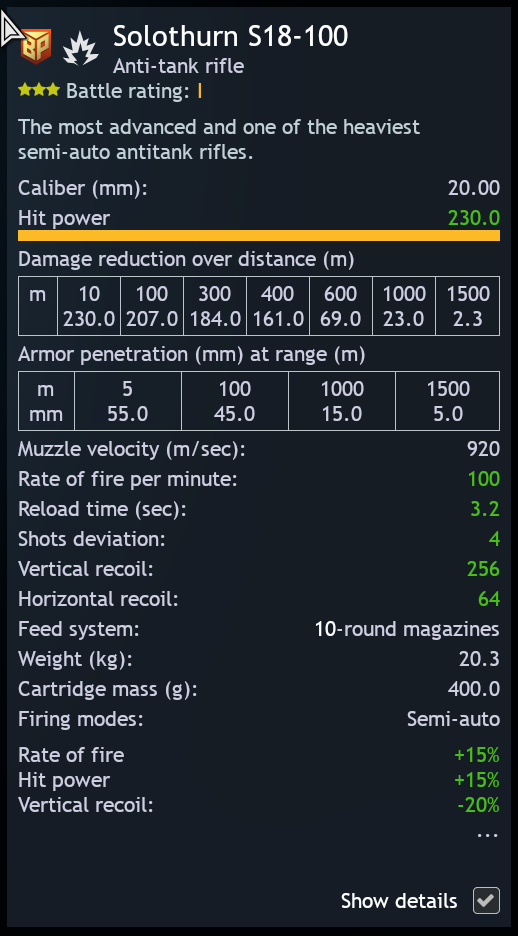
This thing is basically an even more overpowered breech-shot weapon. It moves just as freely as regular anti-tank guns.
Leaked footage recorded in the game editor shows it takes down IS-2s and Pershings with zero trouble, and it reloads surprisingly fast.
Good grief!
It’s already completely unrealistic that a single soldier can carry this weapon.
Right now all we’ve got is just rough guesswork based purely on stat comparisons.
Without proper advanced technology, a larger caliber alone won’t boost penetration power
I’d be fine with this weapon only if they removed the completely fictional German breech-shot exploit at the same time.
The devs just cater to every stat players ask for without pushback, responding to those requests super quickly.
Meanwhile, forum threads proposing moving the ISU-152, Bf 110 G-2 and Nashorn to BR 3 barely get any attention, even with over a hundred votes.
I can’t help but sigh that this Japanese weapon’s suggestion thread just got lucky, coinciding with the devs planning to roll it out.
For reference, the real-world 152 mm high-explosive shell only yields under 70 mm of blast penetration in War Thunder’s historically accurate stat balancing.
I don’t even know what else to say at this point.
We’ll just have to wait and test this weapon ourselves in combat.
Hopefully the Solothurn gets some buffs later on.
I’d like to share my thoughts on penetration.
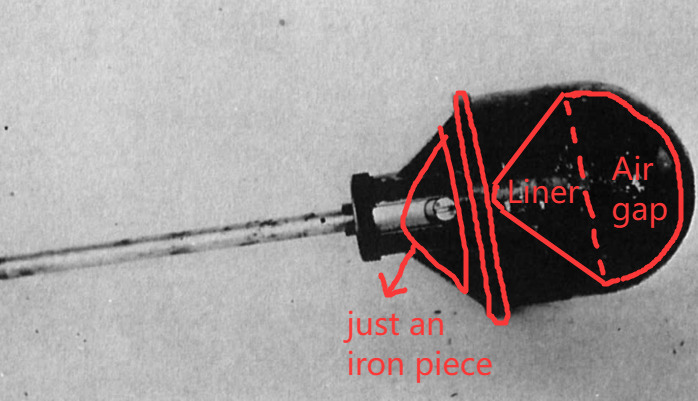
If you sketch out the internal layout of Ji-Te, you’ll notice that despite its larger diameter, the effective internal volume of its warhead can’t possibly exceed that of the Panzerfaust’s warhead. Frankly, its external shape design is downright poor, and its internal layout is almost certainly even worse.
Just like the example I showed, the optimal cone angle for a shaped charge liner is between 40 and 60 degrees, whereas the cone angle of this Japanese munition is nearly 90 degrees. Furthermore, its size is considerably small, which will significantly reduces the length and velocity of metal jet.
On the other hand, there’s reason this weapon never left the experimental phase. It must have had critical flaws in range, reliability, and penetration performance—otherwise the Imperial Japanese Army would never have abandoned efforts to boost its infantry anti-tank capabilities, especially for a munition designed to work with existing anti-tank weapon rather than a brand-new rocket launcher requiring custom launch tubes (the latter would have consumed far more industrial resources to produce).
In short, debate about it will remain inconclusive until new historical records was found.
My only hope is that these weapons are assigned additional weight—rather than sharing the same weight as the base model, which is clearly wrong.
they might as well remove the prone requirement for this solothrum event weapon if theyre not going to apply the same requirements for this event AT rifle
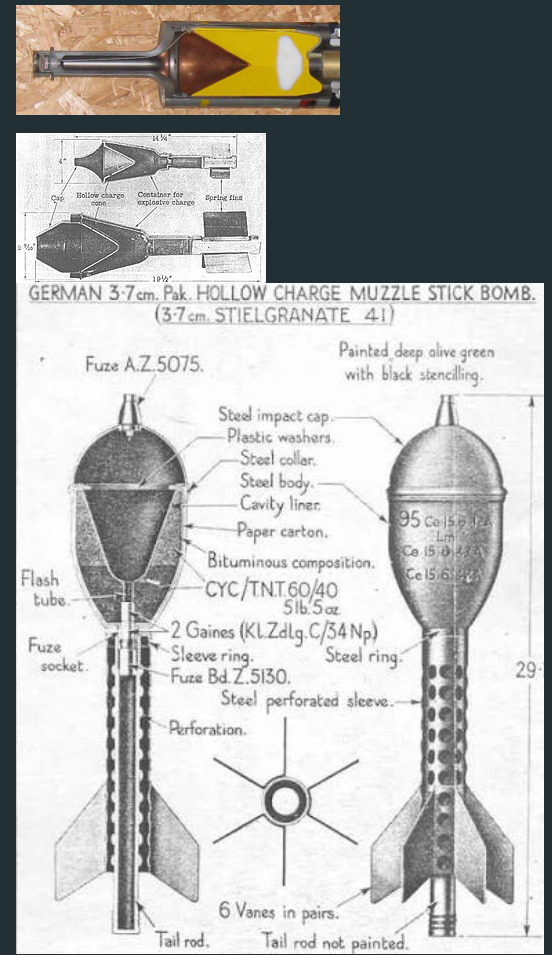
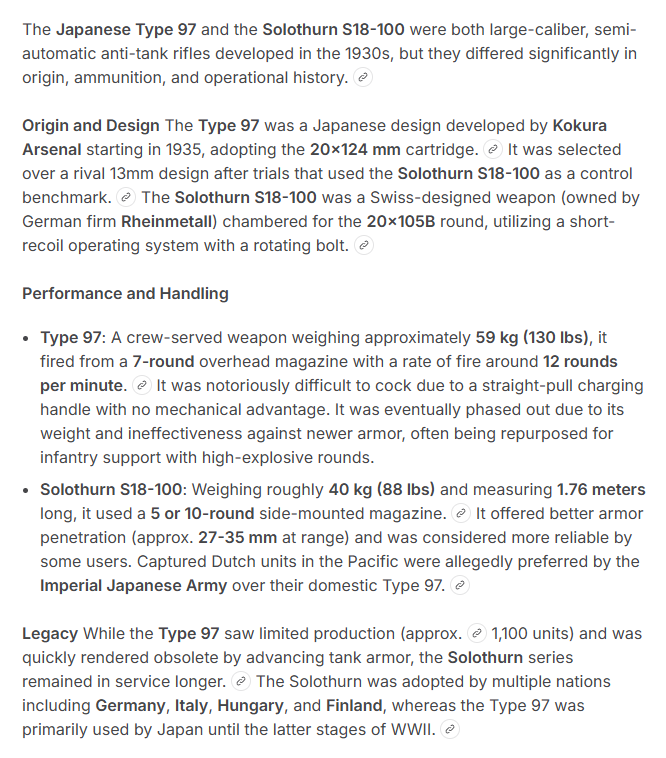
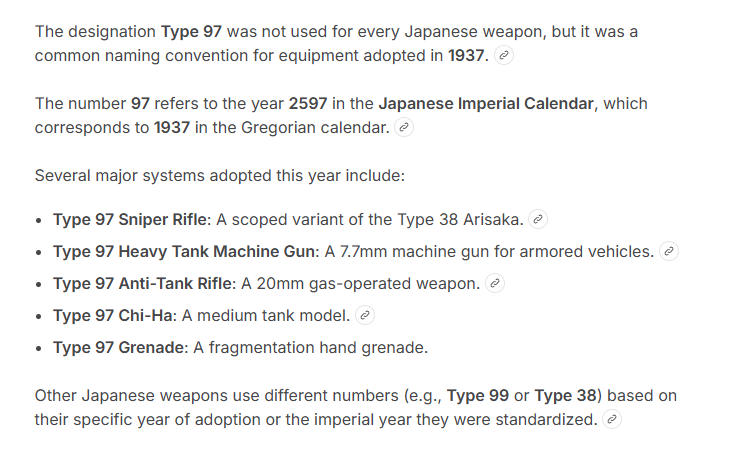
 :
: