The FlakPanzer IV Ostwind is another suitable addition to the German TT, being an improvement on the Wirbelwind.
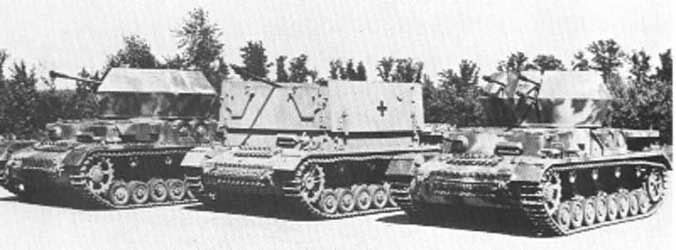
In mid-1944, Germany faced overwhelming Allied air superiority, so priority was given to making more effective Flakpanzers, which led to the development of the Ostwind To replace Wirbelwind Since the 20mm cannons were considered insufficient,The prototype was completed in July 1944 by Ostbau-Sagan (in Silesia) with successful tests in August where 100 units were ordered but only around 43-44 units were produced Including the Prototype
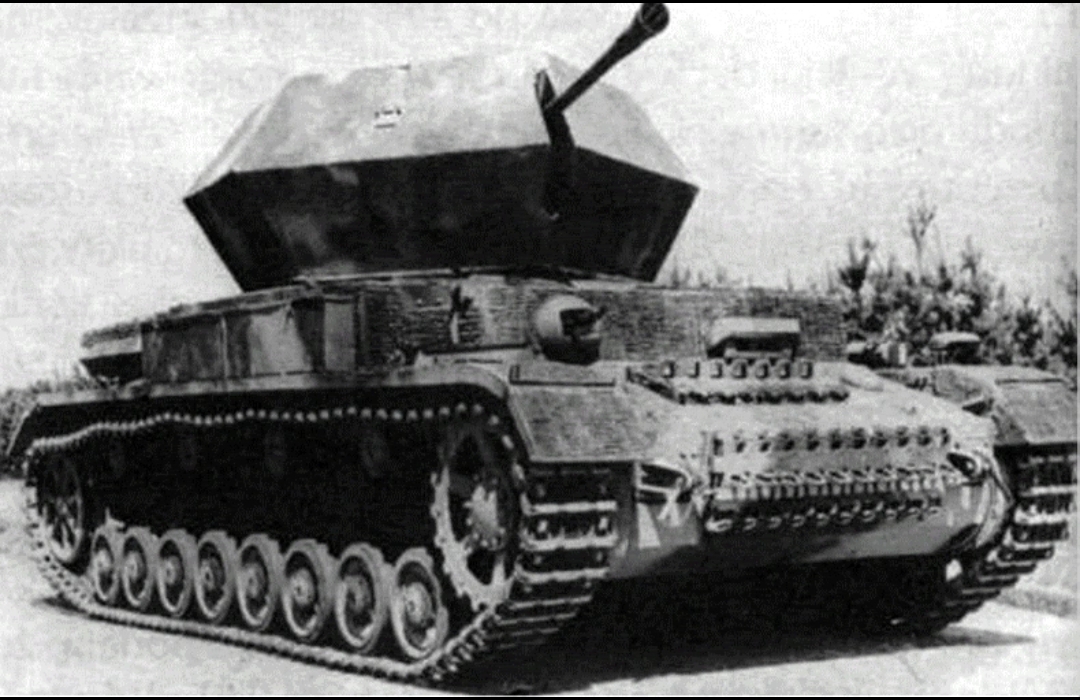
The prototype was tested in France in September 1944 during the German retreat, showing good results against ground and air targets.The units in production were assigned to Schwere SS-Panzerabteilung 501 Primarily to the Flugabwehrzug anti-aircraft platoon They participated in Operation Southwind (February 17-24, 1945 in Hungary) where they supported the capture of Kemend and Bina
And in the last major German offensive in WW2, in Operation Spring Awakening, at Lake Balaton in Hungary (March 6-14, 1945),Where they acted in support of the Tigers and Panthers During the Soviet counter-offensive at Veszprém (March 20), two Ostwinds alongside Wirbelwinds defended a hill in Várpalota to cover the German retreat.No Ostwind survived the war; all were destroyed or captured.
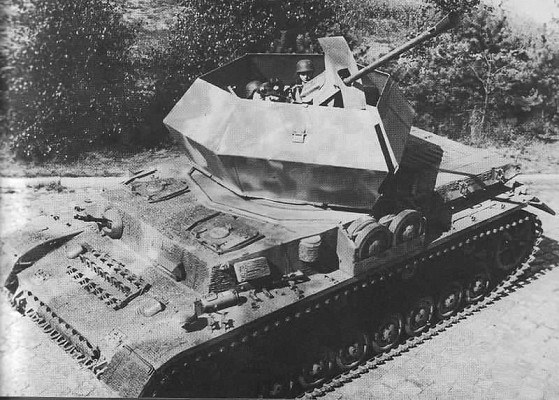
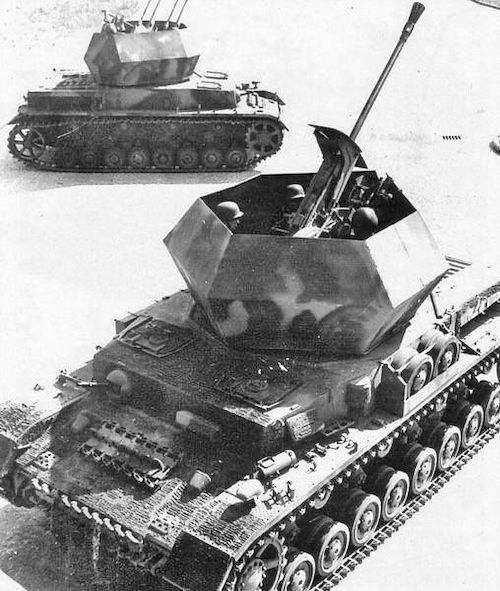
Characteristics
•Turret Armor: 25mm of frontal armor, 25mm on the sides and 25mm on the rear
•Chassis Armoring: 80mm of Frontal Armor,30mm on the sides and 20mm on the back
•Main Armament:1 × 3.7 cm Flak 43 L/89 37mm With a rate of fire of 300 rounds with 1000 projectiles
•Secondary Armament: One MG34 with 900 rounds
•Crew: 5-6 people (commander, gunner, loader, driver, radio operator)
The Ostwind I will be another incredible anti-aircraft option for the German TT
- Yes
- No