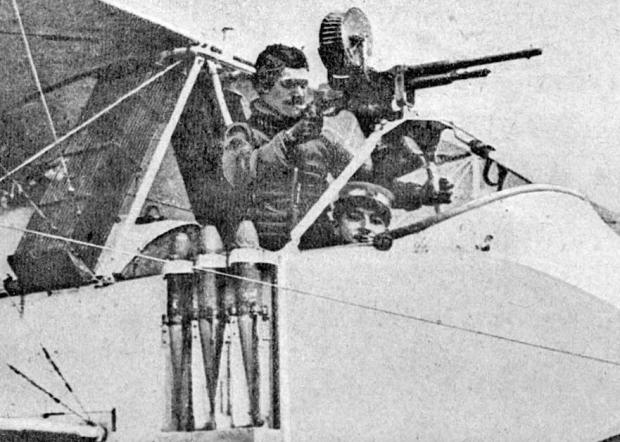
- Yes
- No

Specifications
Mass 12 kg (26.5 lb)
Length 1.23 m (48 in)[1]
Barrel length 64 cm (25 in)[1]
Cartridge .303 British (Britain)
8mm Lebel (France)
.30-06 Springfield (U.S.)
7×57 mm Mauser (Brazil and Spain)
Caliber .303 (7.70 mm)
8 mm
.30 (7.62 mm)
7 mm
Action Gas-operated
Rate of fire 400-600 rounds per minute[1]
Maximum firing range 3800 m
Feed system 30-round feed strip, or belt-fed
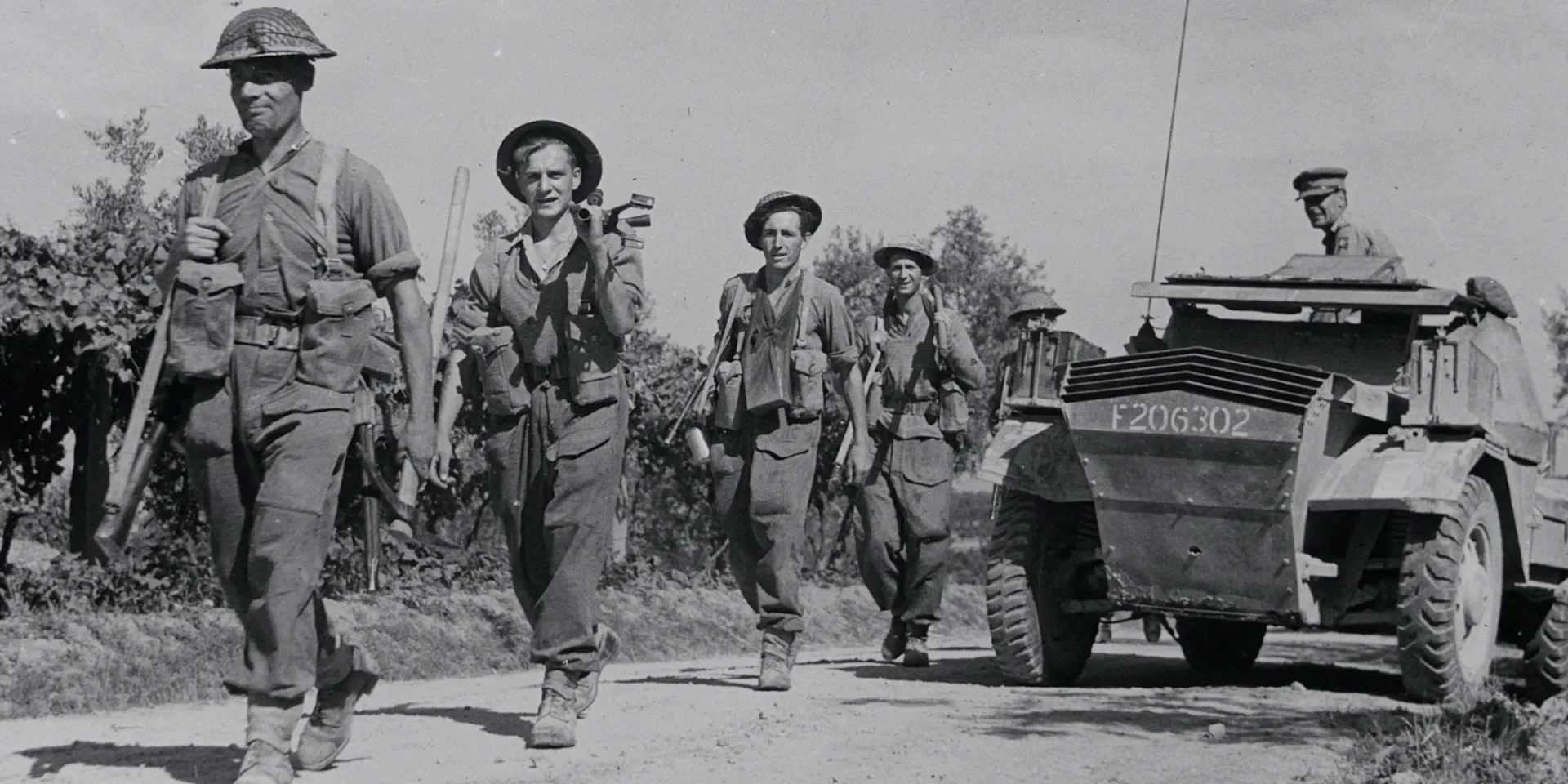
The 1st Battalion served in many different brigades and divisions, mainly with British Indian Army units, and fought in many different battles and campaigns such as the North African Campaign, the Italian Campaign and the Battle of Anzio when they were a part of 18th Infantry Brigade, assigned to the 1st Infantry Division where they were involved in some of the fiercest fighting of the war. The 18th Brigade returned to the 1st Armoured Division in August 1944 but, on 1 January 1945, the division was disbanded and 18th Brigade was broken up and used as replacements for other units. The 1st Buffs spent the rest of the war with the 24th Guards Brigade attached to the 56th (London) Infantry Division. With the 56th Division, the battalion fought in Operation Grapeshot, the final offensive in Italy which effectively ended the campaign in Italy.[[52]]
(Buffs (Royal East Kent Regiment) - Wikipedia)
Based on the French Mle 1909 Hotchkiss, this machine gun was issued to the British Army in World War One (1914-1918) and the Home Guard in World War Two (1939-1945). The Mk I* was introduced in June 1917 and was modified to use strips or belt-feed ammunition.
.jpg)
After the miracle of Dunkirk left the British with low supplies of almost every imaginable war supply and before the us joined the war as ally and arms dealer. The British were under siege from the air and sea and focused on rearming the navy and air force first. Forming the home guard and other organizations should the first line of defense fall and the axis set foot on the white cliffs of Dover.

British soldiers of the Royal East Kent Regiment in 1941
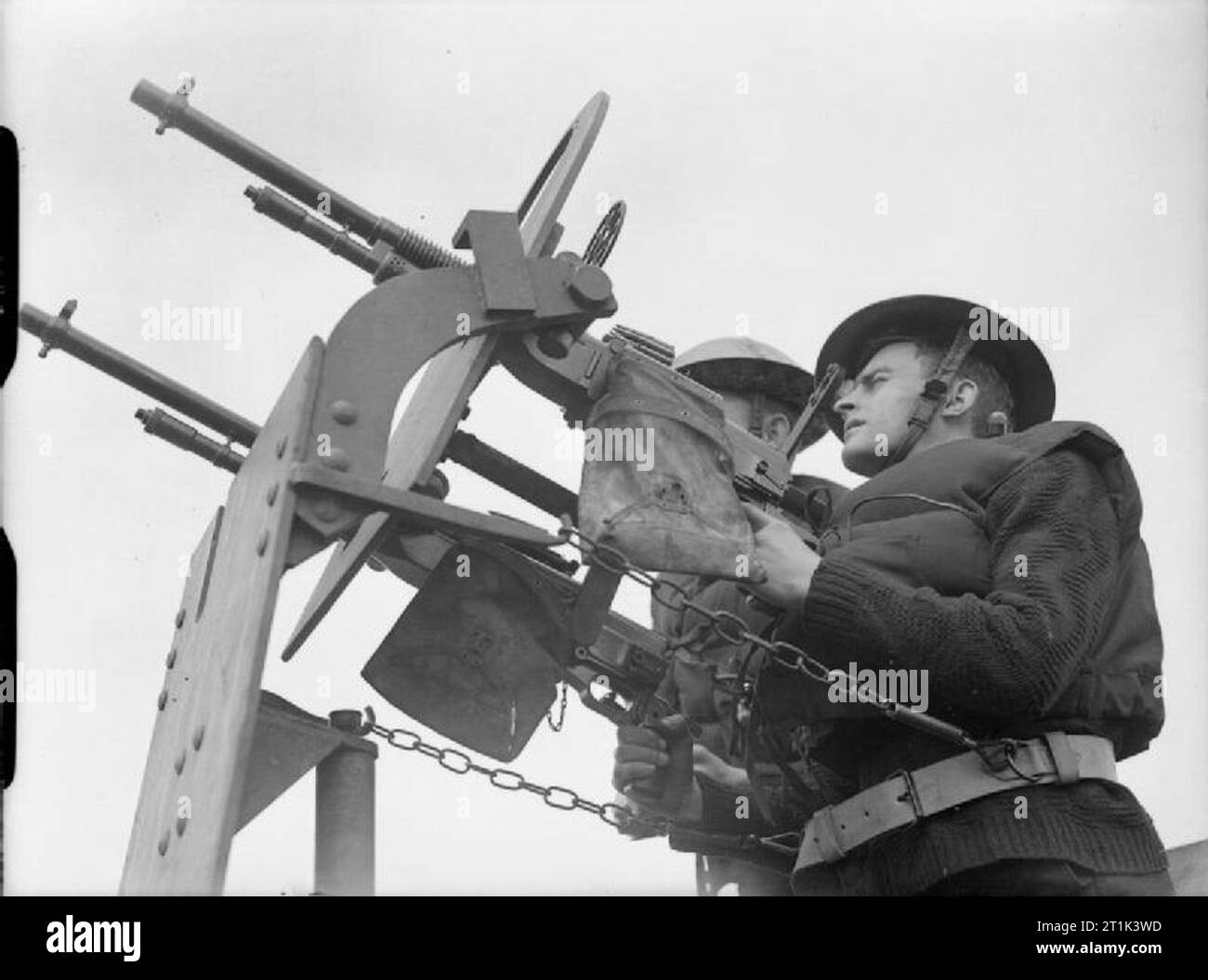
The 1909 machine gun seems to have been used in an AA role around airfields and on merchant hulls freeing up more advanced weapons. The gun developed before ww1 seems to be one of many that served long after. The gun like the Hotchkiss 1922 would be another great gun to serve in br2. A great event gun different enough in appearance and stats having between a 450 to 600 rpm.
The buffs on the other hand in one form or another have fought in every UK conflict from the eighty years war on to the cold war where they were In 1961, the regiment was amalgamated with the Queen’s Own Royal West Kent Regiment to form the Queen’s Own Buffs, The Royal Kent Regiment, which was later merged, on 31 December 1966, with the Queen’s Royal Surrey Regiment, the Royal Sussex Regiment and the Middlesex Regiment (Duke of Cambridge’s Own) to form the Queen’s Regiment. This, in turn, was amalgamated with the Royal Hampshire Regiment, in September 1992, to create the Princess of Wales’s Royal Regiment (Queen’s and Royal Hampshires).[66]