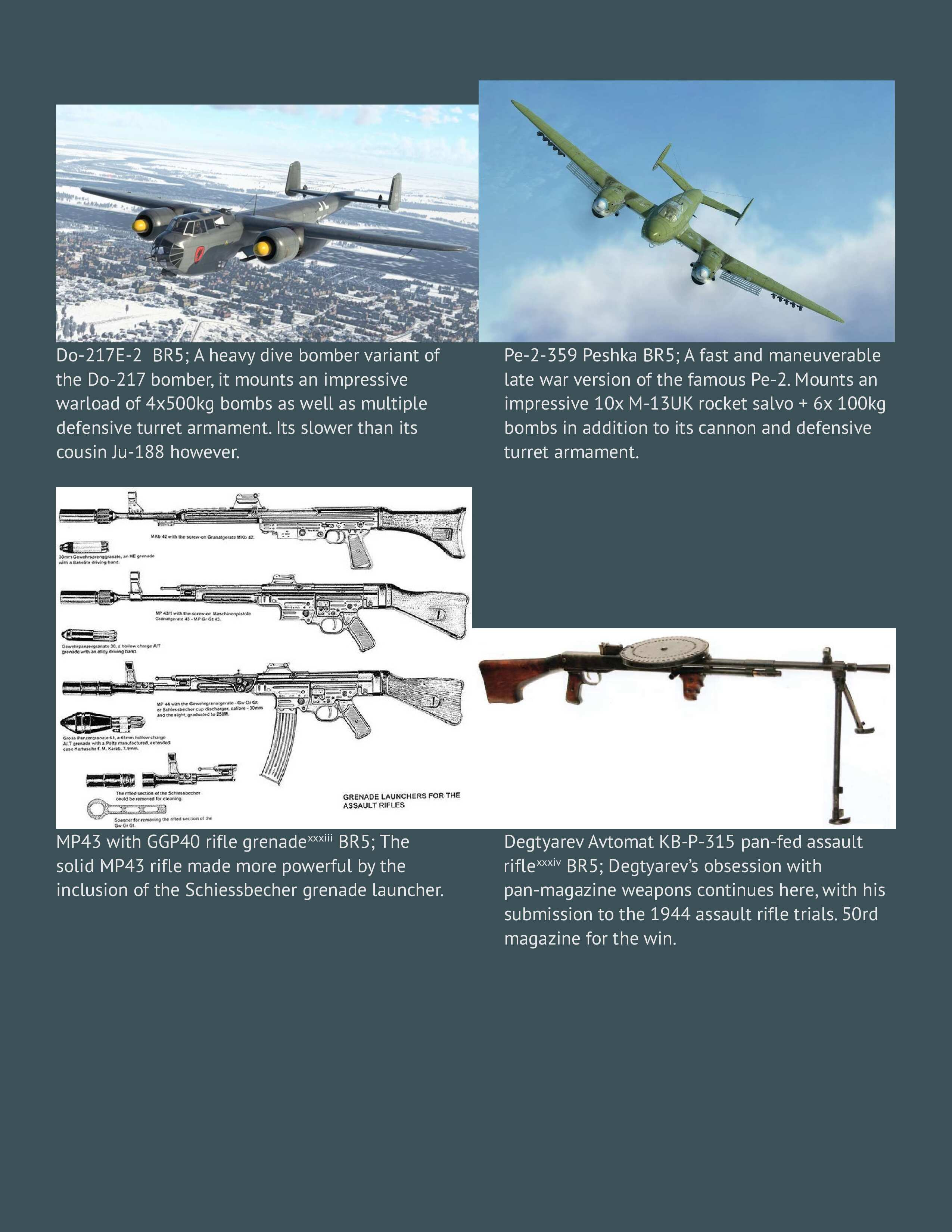
The KB-P-315 assault rifle was developed in 1944 by a team of designers from KB-2, including P. E. Ivanov, V. N. Ivanov, and V. V. Degtyarev. This model was developed as part of a joint competition held by the Narkomat of Armaments (NKV) and the Main Artillery Directorate (GAU), concurrently with other models from the Kovrov design bureau—the KB-P-280 and KB-P-310.

The design of the KB-P-315 was essentially an adaptation of the DP-27 light machine gun to the 1943 intermediate cartridge. To participate in the first stage of the competition, the design bureau prepared two prototypes of the rifle: No. 1 and No. 2.
The completion of manufacturing and the conducting of factory trials for the three assault rifle models (including the KB-P-315) were documented in a report by the Chief Engineer of KB No. 2, N. D. Bugrov, dated April 30, 1944.

During the factory tests, the KB-P-315 demonstrated high reliability indicators. Throughout the firing of 2,071 rounds, only one malfunction was recorded. Based on these results, the trials were deemed successful, and the prototype was recommended for submission to the Scientific Research Proving Ground for Small Arms and Mortar Armament (NIPSMVO).
The proving ground trials, which began on May 6, 1944, included checking the tactical and technical characteristics, the reliability of the automatic operation under difficult conditions (dust, rain, low temperatures, swamp), and determining the accuracy of fire and the durability of parts.
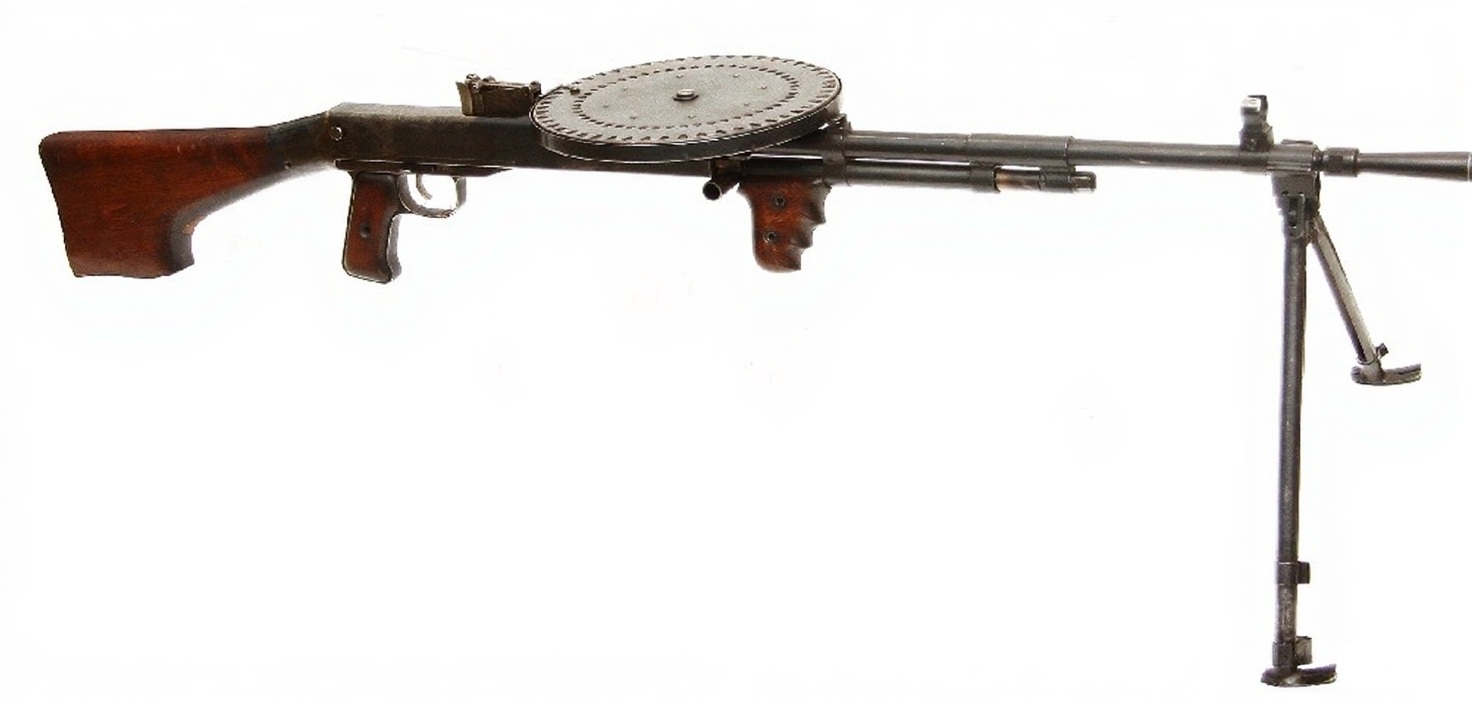
During firing tests under various operating conditions (particularly at depression angles), KB-P-315 rifle No. 2 showed the best reliability among the submitted samples, recording zero malfunctions. Only the KB-P-280 No. 1 rifle demonstrated a similar result.
Despite the high reliability scores in certain types of tests, the KB-P-315 No. 2 rifle was prematurely withdrawn from trials due to a critical breakage—a rupture of the receiver.

The cause of the weapon’s destruction was a bullet lodging in the barrel bore from the previous shot due to a small powder charge, which led to the failure when the next shot was fired. This incident, like the large number of malfunctions observed in other contestants, was attributed to the low quality of the initial batch of cartridges.
Following the completed proving ground trials, the GAU Artillery Committee did not include the KB-P-315 in the list of prototypes recommended for further development. The weapons selected for continued participation in the competition and for correction of identified shortcomings were the Sudaev design, the KB-P-280 No. 2 rifle, and the Korovin TKB-345 No. 3 rifle. Thus, the development line for assault rifles with disc feeding (KB-P-315) was discontinued in favor of models using sector magazines.
| Characteristic | Value |
|---|---|
| Rifle Designation | KB-P-315 |
| Cartridge | 7.62×41mm |
| Weight of gun with bipod and empty magazine (kg) | 6.774 |
| Weight of empty magazine (kg) | 1.124 |
| Weight of loaded magazine (kg) | 1.893 |
| Weight of reciprocating parts (kg) | 0.687 |
| Weight of bolt (kg) | 0.241 |
| Length of gun (mm) | 1245 |
| Height of gun (mm) | 150 |
| Width of gun (mm) | 63 |
| Magazine Capacity (rounds) | 50 |
| Rate of Fire (rounds/min) | 620-675 |
| Note: | Firing from an open bolt. Fire mode - automatic only. |

- Yes
- No
- Yes — 80% Sprint
- Yes — 70% Sprint
- Yes — 60% Sprint
- No
- 2 BR
- 3 BR
- 4 BR
- Tech Tree
- Event — separate weapon
- Event — squad with weapon
- Battle Pass
- Premium