The development of the Type 96 light machine gun was the result of a large-scale competition program held by the Imperial Japanese Army between 1932 and 1936. The program was initiated due to numerous shortcomings of the Type 11, which were identified both during routine service and during the Manchurian Incident.
Contrary to popular belief, the Type 96 was not a direct copy of the ZB-26. Documents from the competition program indicate a much more complex picture, involving the parallel development of several independent designs, the participation of private companies, and the testing of a number of original engineering solutions.
According to a report by the Army Technical Headquarters, the Type 11 light machine gun, which had been adopted in 1922, possessed several serious flaws. The following issues were noted:
- Complexity of design;
- High susceptibility to malfunctions;
- Unsatisfactory operational reliability;
- Poor ergonomics and handling issues.
These deficiencies became particularly evident during the Manchurian Incident of 1931. Consequently, on April 6, 1932, the Army Technical Department held a meeting to discuss accelerating the testing of new small arms. Based on the meeting’s results, the decision was made to develop a new light machine gun.
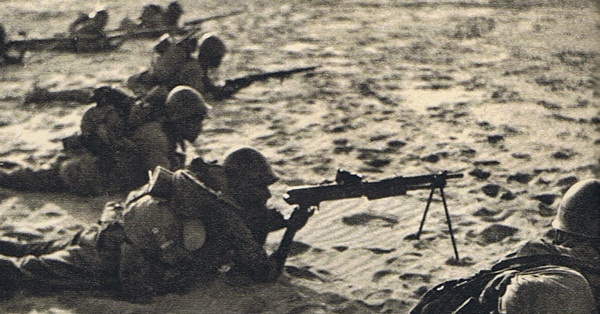
In June 1932, the primary requirements for the prospective system were formulated. A partial list included:
- Use of the 6.5mm Type 38 cartridge;
- Magazine-fed ammunition system;
- Significant reduction in the frequency of malfunctions;
- Operational capability in cold conditions and sandstorms;
- Implementation of a quick-change barrel;
- Capability for semi-automatic (single-shot) fire;
- Presence of a diopter (peep) sight;
- Provision for mounting optical sights;
- Reliable cycle of operation at elevation angles up to 80° and depression angles down to 45°;
- Reliable operation at temperatures as low as -50°C.
Particular emphasis was placed on the need for maximum design simplification while maintaining high accuracy.
The following organizations were invited to participate in the competition program:
- The Army Arsenal;
- Tokyo Gas Electric Industry;
- Nippon Special Steel Company;
- Nambu Rifle Manufacturing Company.
Uniform requirements were established for all participants:
- Weight not exceeding 9 kg;
- Length between 1,000–1,200 mm;
- Rate of fire of approximately 500 rounds per minute;
- Top-mounted box magazine with a 30-round capacity;
- Gas-operated action;
- Air-cooled system.
These specifications were largely influenced by the Czechoslovak ZB-26 machine gun—a decision that was a direct consequence of the 1931 Manchurian Incident, during which Japanese troops encountered the high effectiveness of this weapon in the hands of their adversaries.
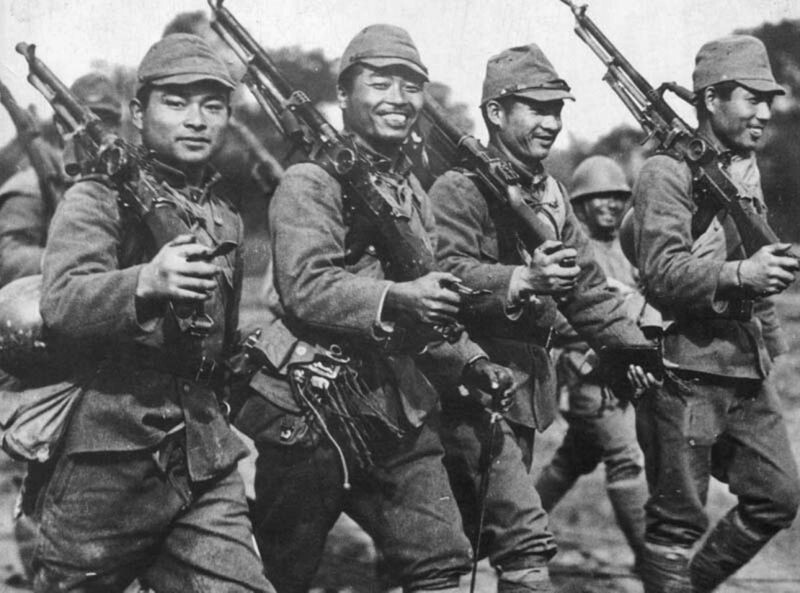
The first prototypes were completed by April 1933, followed by testing at the Koishikawa firing range of the Tokyo Artillery Arsenal. Even at this early stage of trials, it became evident that the competing projects represented distinct engineering approaches to the development of the light machine gun.
Among the competing designs, the project by the Nippon Special Steel Company held a distinct position, being tied to the work of Dr. Masaya Kawamura and patents held by the company’s president, Saburo Watanabe.
In contrast to the more conservative systems in the competition, the Nippon Special Steel project featured several unconventional technical solutions aimed at increasing firing accuracy and simplifying the operation of the automatic action.
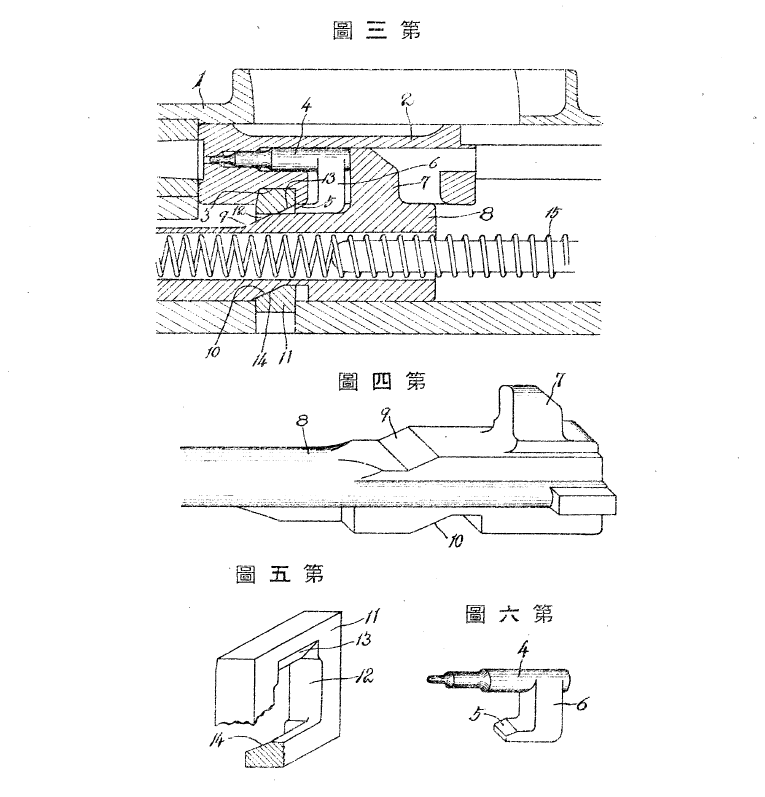
Patent No. 101271, filed on December 15, 1932, described an original breech-locking mechanism for automatic weapons.
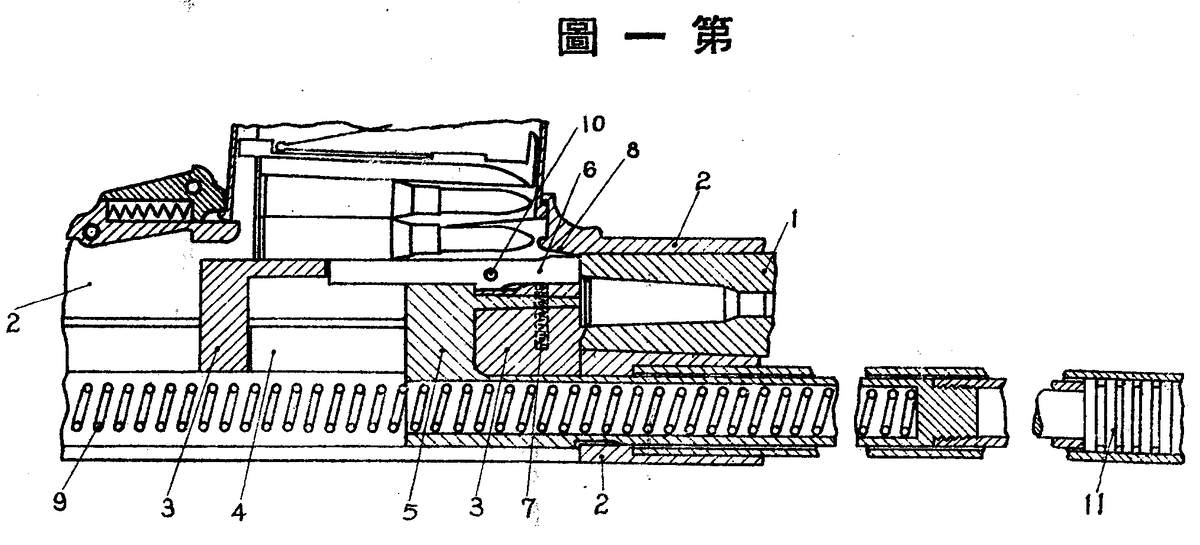
The core of the design consisted of the bolt carrier (3), which housed the following components:
- Two symmetrical locking levers (4);
- A firing pin (5);
- A recoil spring (9).
As the firing pin moved forward, its lateral surfaces forced the locking levers outward, causing their heads to engage with recesses in the receiver (Figs. 1–2). This action effectively locked the breech of the barrel.
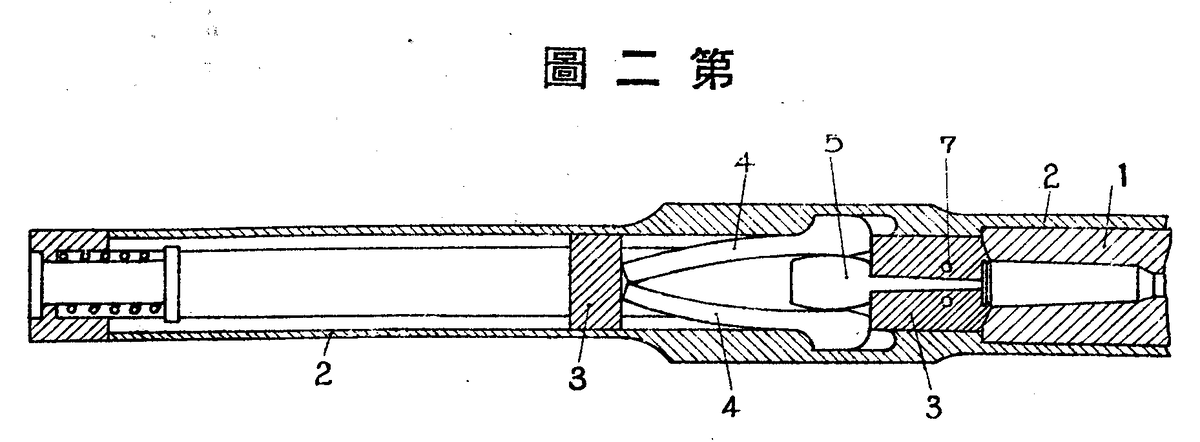
After the shot was fired, the propellant gas pressure acted upon the gas piston (11), which was connected to the firing pin. The firing pin moved rearward, releasing the locking levers and allowing them to disengage from the receiver (Fig. 3). Subsequently, the bolt assembly recoiled backward as a single unit.
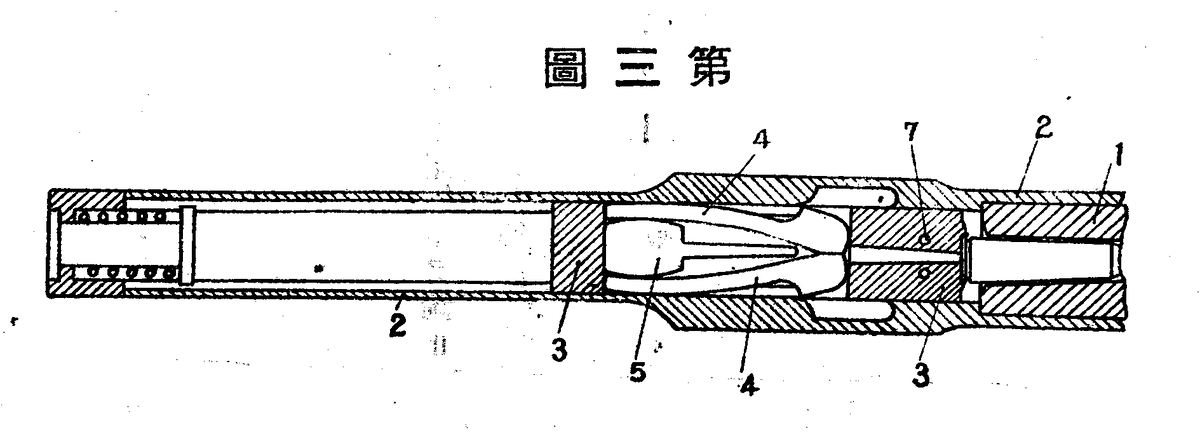
The design incorporated an additional spring-loaded lever (6), which held the firing pin in the rearward position until the locking process was complete. This component prevented premature ignition of the cartridge.
In terms of its general concept, the system resembled several designs utilizing pivoting locking lugs, including Soviet developments from the Vasily Degtyaryov school, yet it was characterized by more complex kinematics. The primary advantage of this scheme was considered to be the relatively simple shape of the locking elements and the lack of a need for intricate machining.
Even more unusual was Patent No. 101270, which was dedicated to the trigger mechanism.
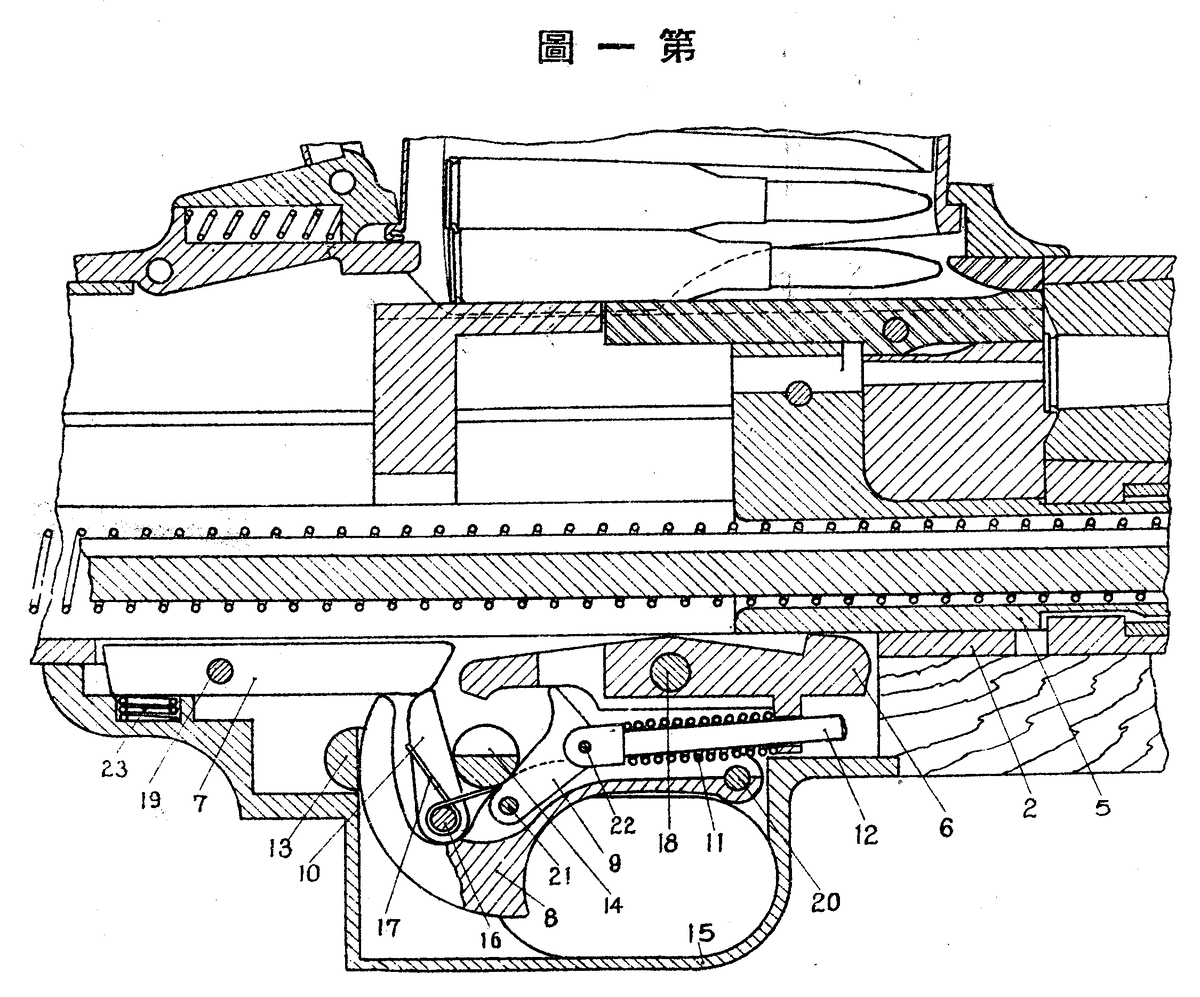
The design included:
- A semi-automatic (single-shot) sear (6);
- A full-automatic sear (7);
- A rocker arm (10);
- A fire selector (14).
The primary feature of the system was the use of different operating principles for the automatic action depending on whether it was in semi-automatic or full-automatic mode.
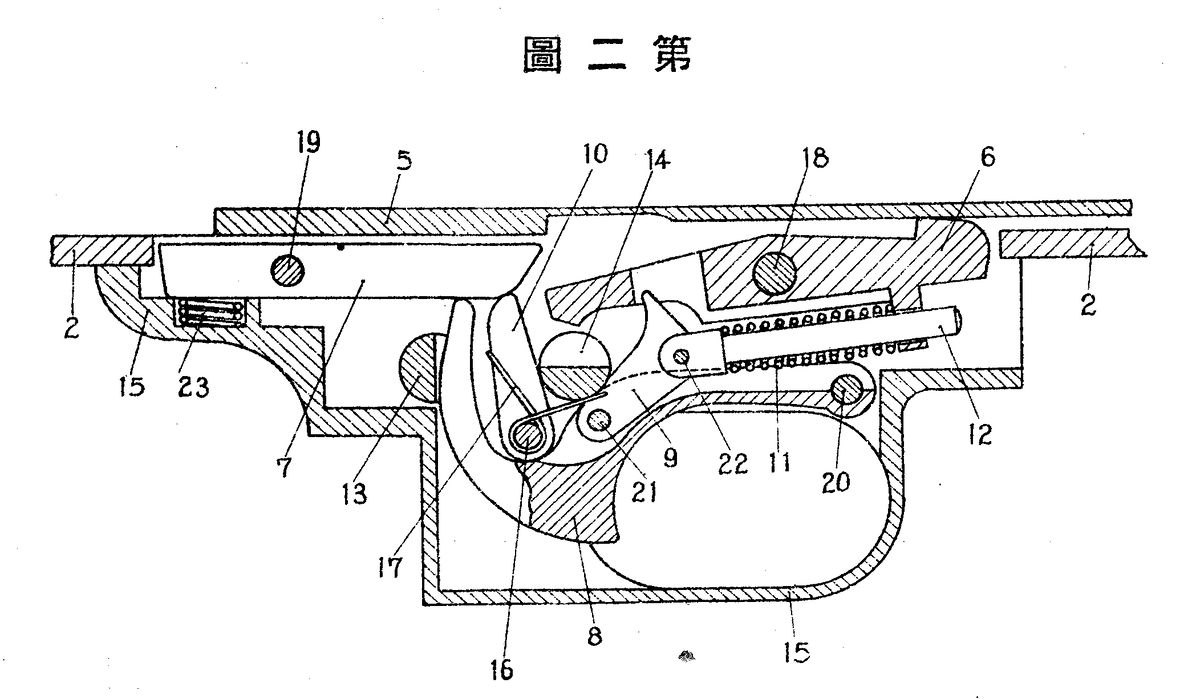
In semi-automatic (single-shot) mode, the weapon operated from a closed bolt. A cartridge would be pre-chambered, and upon pulling the trigger, only the firing pin and piston moved forward (Fig. 4). This configuration was intended to increase firing accuracy by minimizing the weapon’s vibrations prior to the shot.
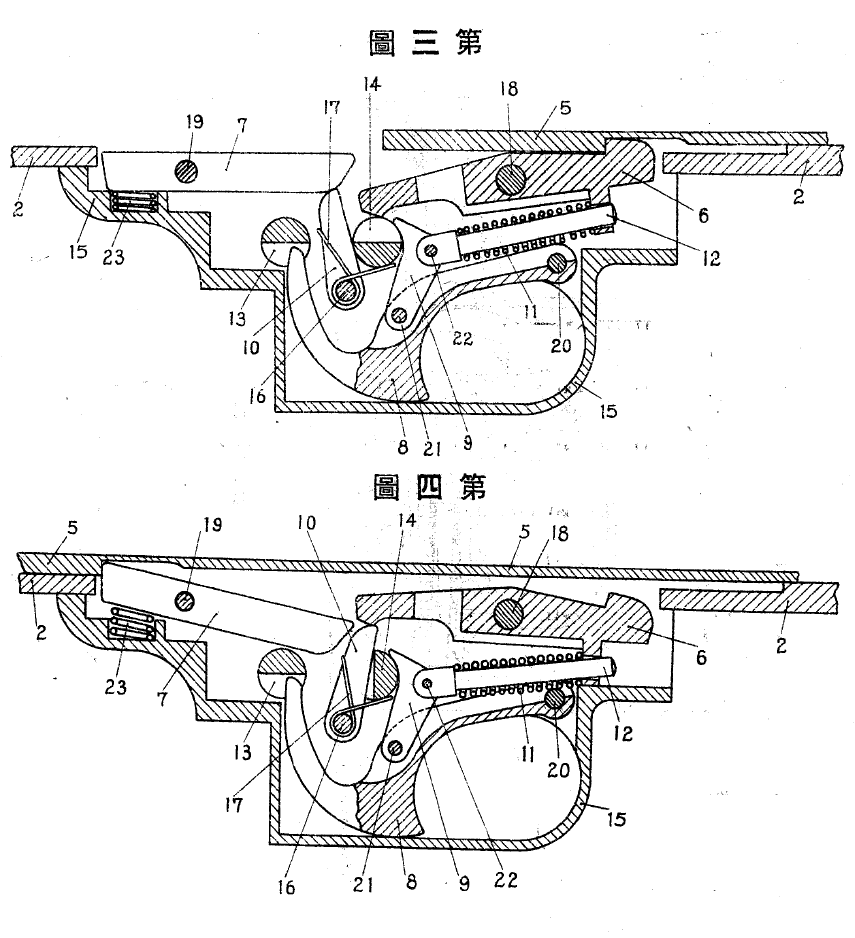
In full-automatic mode, the system switched to firing from an open bolt. The bolt group was held in the rearward position by the full-automatic sear and began its forward movement only after the trigger was pulled (Fig. 5). This configuration reduced the risk of “cook-off” (spontaneous ignition of the cartridge) during barrel overheating.
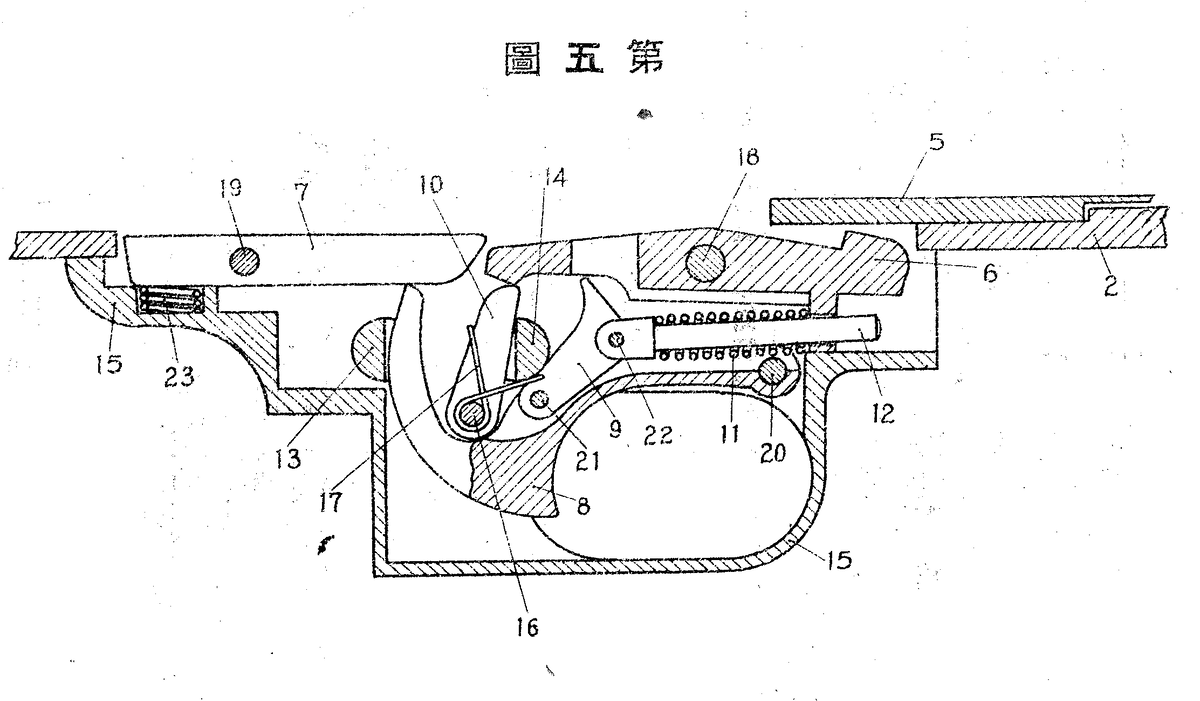
Watanabe’s patent description explicitly stated that firing from an open bolt compromised accuracy due to weapon vibrations, whereas firing from a closed bolt was hazardous during prolonged automatic fire. It was the position of the selector axis (14) that determined which of the two sears would be active. Such a solution was exceptionally unusual for the early 1930s and effectively foreshadowed later systems implemented in the FG 42 or the Johnson M1941 machine gun.
According to information from Fred Honeycutt, the direct developer of the system was Dr. Masaya Kawamura. His project was eliminated from the competition in 1935, primarily due to an excessively high rate of fire, which reached approximately 1,200 rounds per minute.
Nevertheless, the system itself did not vanish without a trace. Subsequently, the locking scheme developed by Kawamura was utilized in the creation of Japanese aircraft cannons. In 1940, it served as the basis for the 20mm Type 99-2 Model 4 autocannon, which was employed on fighters such as the Mitsubishi A6M Zero, Mitsubishi J2M Raiden, and Kawanishi N1K Shiden. Later, this design lineage led to the creation of the 30mm Type 5 cannon, produced in limited quantities by the Japan Special Steel Company and the Toyokawa Naval Arsenal.
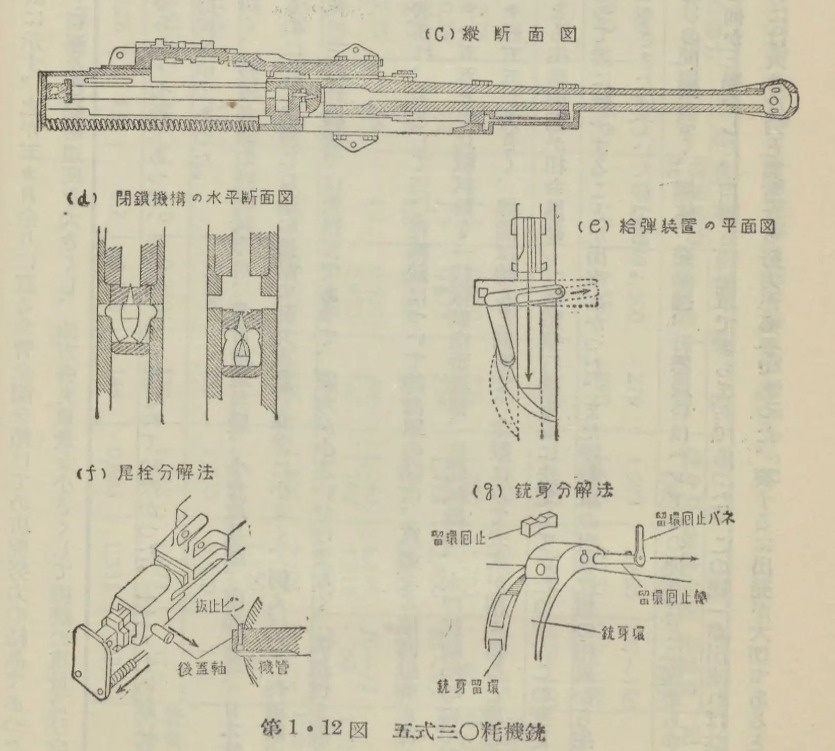
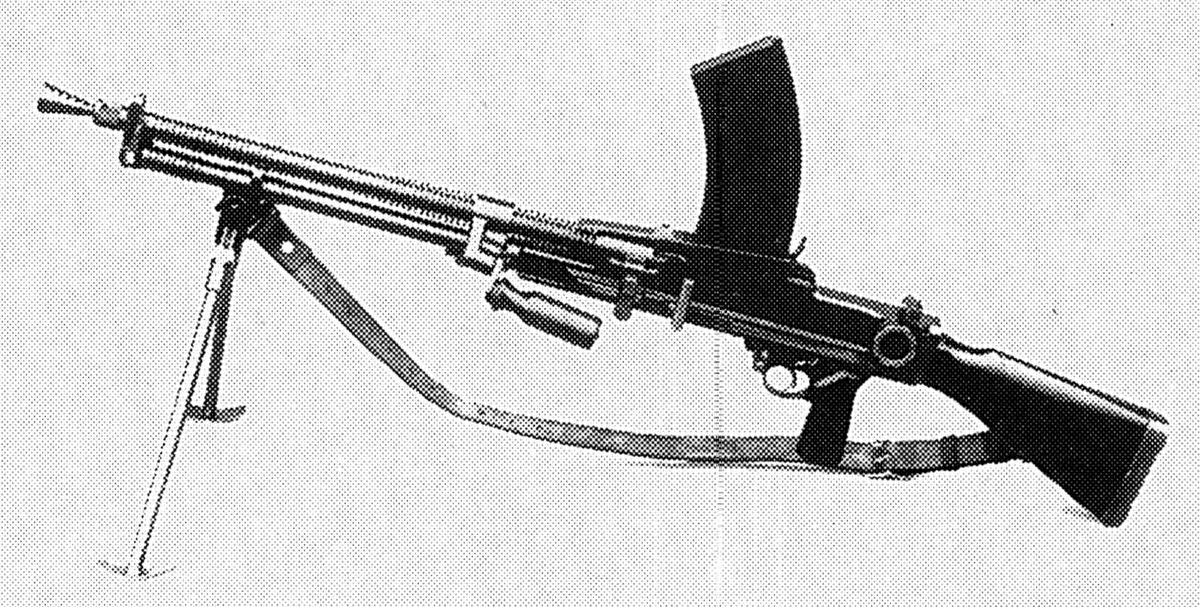
By mid-1934, the competition had effectively come down to a confrontation between two systems. The design from the Nambu Rifle Manufacturing Company was designated as “Model Ko” (甲号), while the Arsenal’s prototype became known as “Model Otsu” (乙号). The entries from the Tokyo Gas Electric Industry and the Nippon Special Steel Company were deemed to have no further prospects and were eliminated from the competition. It was between these two remaining designs that the primary struggle for official adoption subsequently unfolded.
It is particularly important to note that both systems represented fundamentally different directions in the development of the Japanese light machine gun. The Model Ko was an evolution of Japan’s own indigenous design traditions from the Nambu school, whereas the Model Otsu was created by the Technical Headquarters based on the Czechoslovakian ZB-26.
One report explicitly stated that the Model Otsu “was designed after the model of the Czechoslovakian light machine gun”. This fact is of fundamental importance, as it was the Otsu—and not the future Type 96—that served as the direct Japanese adaptation of the ZB-26 design.
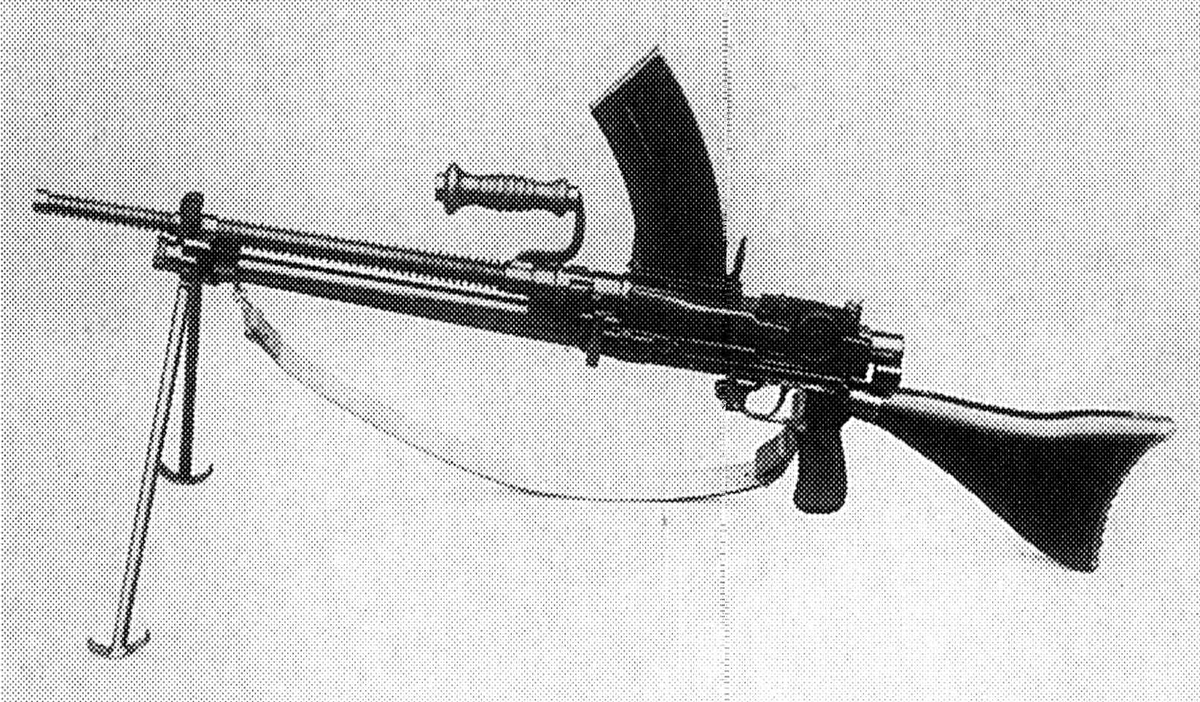
Despite the external similarities between the two systems—top-mounted magazines, quick-change barrels, gas-operated actions, and extensive dust protection—their internal mechanical organization differed substantially.
The primary feature of the Model Ko was its locking system. In a comparative table from the Technical Headquarters, it was noted that “the bolt is locked by means of a locking wedge, while the bolt itself moves in a straight line”. In essence, this was a further evolution of the wedge-locking system used in the Type 11 light machine gun, as well as the Type 3 and Type 38 heavy machine guns—systems previously developed by Kijiro Nambu. However, in the Model Ko, the wedge was moved to the front of the bolt, meaning the scheme was not a mere copy of old solutions, but a significant reimagining of them.
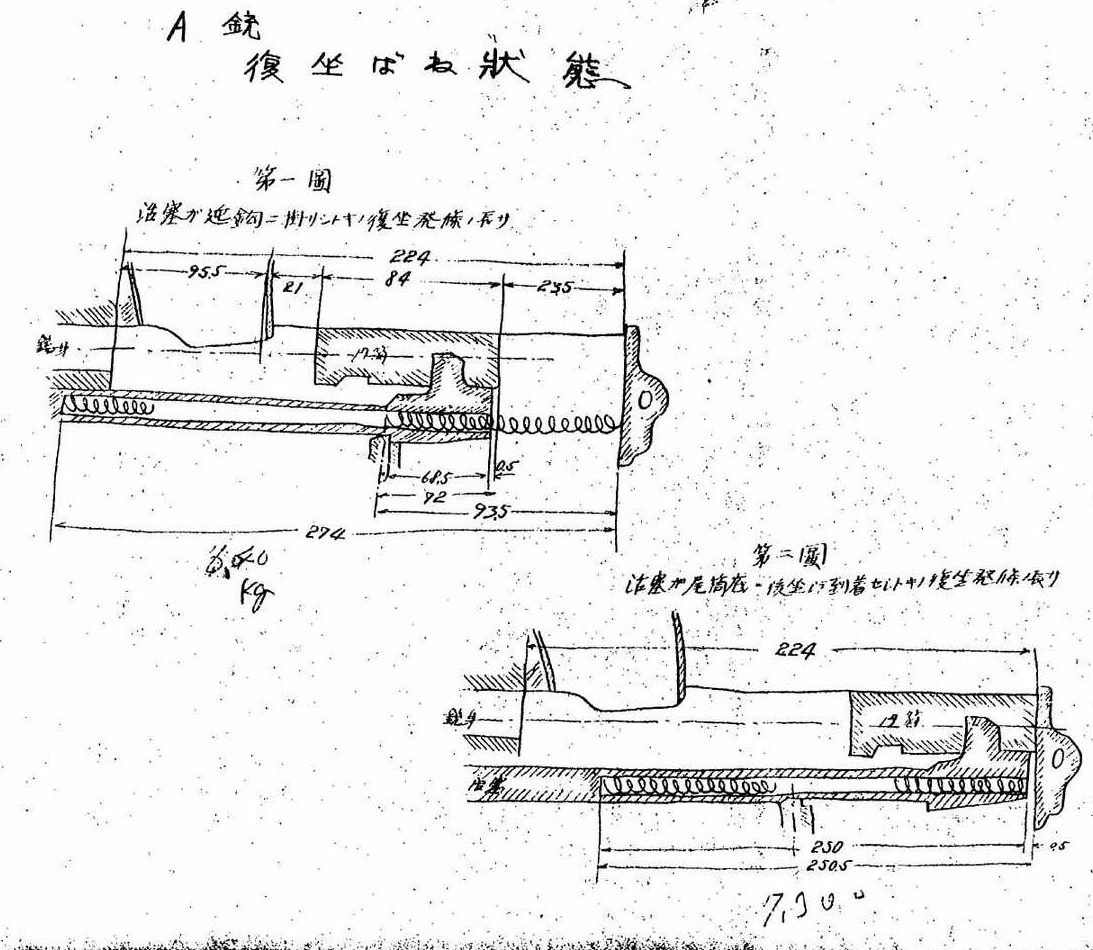
The design of the Model Ko included several distinctive features:
- The gas port was located directly within the rifled portion of the barrel.
- The buttstock was attached to the trigger guard.
- The ejection port remained closed under normal conditions and opened only at the moment of extraction.
- Spent casings were ejected to the right and downward.
- The system was equipped with a special bolt hold-open mechanism that engaged after the last round was fired.
- A notable element was the bipod construction; its base could rotate to the left or right, allowing the operator to compensate for the weapon’s cant on uneven surfaces.
Such a solution for the bipod was highly unusual for light machine guns of the early 1930s.
In contrast, the Model Otsu represented a much more straightforward application of European design solutions. Like the Czechoslovakian ZB-26, the Model Otsu utilized gas-operated action with a long-stroke gas piston and a tilting bolt locking mechanism. At the same time, this modification was characterized by significantly greater weight: while the Model Ko weighed approximately 8 kg, the Model Otsu weighed 9.2 kg.
The dynamics and materials of the two systems also showed significant differences:
- Recoil Springs: The Model Ko featured a recoil spring with a length of 550 mm, whereas the Model Otsu used a much shorter one at 320 mm.
- Receiver Materials: The receiver of the Model Ko was manufactured from semi-hard steel, while the Model Otsu utilized standard ordnance steel.
- Parts Count: Despite its greater overall weight, the Model Otsu consisted of fewer parts—126 compared to the 145 parts found in the Model Ko.
This lower parts count indicated a concerted effort by the Arsenal to simplify the design as much as possible. However, this simplification did not translate into improved operational reliability.
During the trials, both systems underwent intensive testing at the Toyama, Futtsu, Okubo, and Koishikawa proving grounds, as well as in Northern Manchuria. The evaluation program included:
- Accuracy testing;
- Endurance (service life) tests;
- Verification of automatic action cycles;
- Cold-weather testing;
- Functionality checks under fouled/dirty conditions;
- Field service trials at the Infantry and Cavalry Schools.
Significant attention was paid to the accuracy of fire. Reports noted that both systems generally demonstrated accuracy comparable to the Type 11. However, further testing revealed substantial differences in the weapons’ behavior during intensive firing.
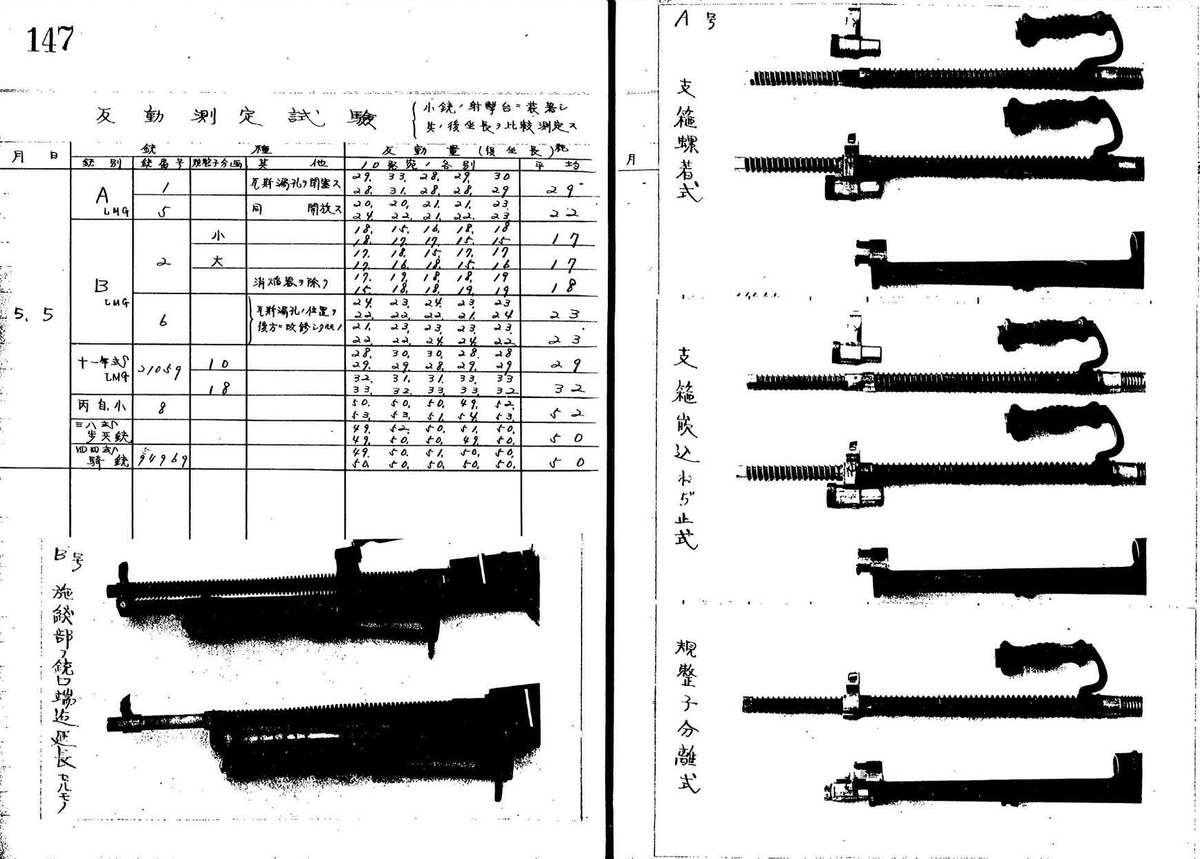
The most serious issue encountered by the Model Ko was the degradation of accuracy caused by barrel heating. Documents explicitly stated that intensive firing led to localized thermal expansion of the barrel, receiver, and gas block, which caused a shift in the barrel axis.
To address this problem, a comprehensive set of measures was undertaken:
- Tightening the fit between the gas block and the receiver.
- Modifying the barrel fixation method.
- Increasing the thickness of the barrel walls.
- Enhancing the overall rigidity of the connections.
In parallel, structural integrity issues were discovered in the receiver. Specifically, cracks began to appear in the front section of the Model Ko’s receiver, near the breech end of the barrel. To rectify this defect, an additional reinforcing steel sleeve was applied to the design.
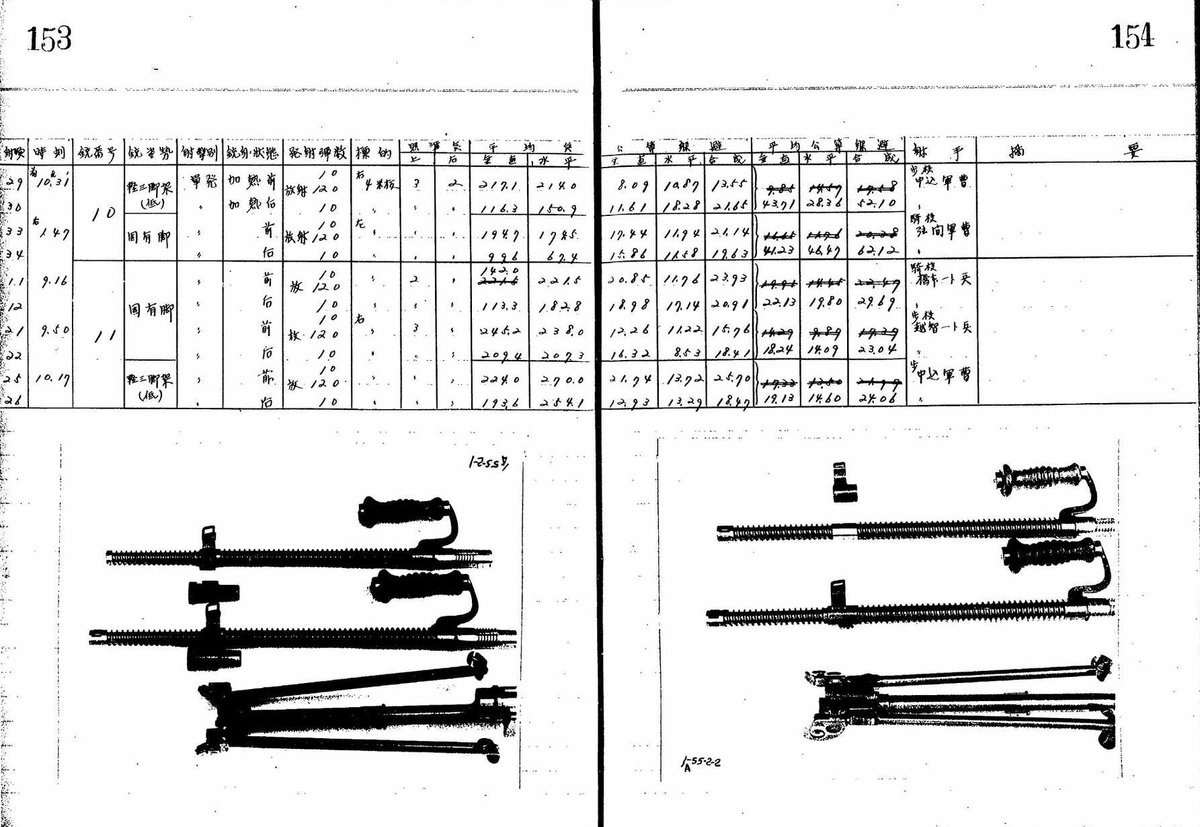
For the Model Otsu, the challenges were of a fundamentally different nature. While documentation repeatedly noted that its “functioning is generally good,” the system suffered from frequent misfires and extraction issues, particularly when the bolt carrier group failed to achieve a full stroke. Furthermore, the design of the magazine and its latch drew serious criticism.
During the trials in Northern Manchuria, both systems underwent field modifications. For the Otsu, engineers attempted to stabilize the action by:
- Altering the dimensions of the gas ports.
- Adjusting the gas regulator settings.
Despite these efforts, consistent and reliable automatic fire remained elusive. Additional problems surfaced when attempting to use the weapon as an improvised anti-aircraft defense. One final report explicitly stated that, due to the downward ejection of spent casings, firing at aerial targets from a seated position was “extremely difficult or impossible” for the Model Otsu.
| Parameter | Model Ko (甲号) | Model Otsu (乙号) |
|---|---|---|
| Caliber | 6.5 mm | 6.5 mm |
| Overall Length | 1,150 mm | 1,150 mm |
| Barrel Length | 550 mm | 550 mm |
| Total Weight (Gun Body) | 7.980 kg | 9.000 kg |
| Barrel Weight | 1.940 kg | 2.500 kg |
| Magazine Capacity | 30 rounds | 30 rounds |
| Magazine Mass (Empty/Full) | 510 / 1,140 g | 450 / 1,080 g |
| Muzzle Velocity | 746.4 m/s | 743.0 m/s |
| Rate of Fire | 500 – 600 rounds/min | 530 – 650 rounds/min |
| Number of Parts | 145 pcs | 126 pcs |
In January 1936, the Technical Department prepared a final report on the comparative trials of both systems. It was this document that contained the definitive assessment of the competing prototypes.
The document noted:
“The Model Ko possesses good characteristics; it is lightweight while maintaining sufficient durability. Its accuracy is not inferior to the Type 11 light machine gun, and the overall design is considered highly successful. Although the trial results indicate the need for certain refinements and improvements, these do not require fundamental changes to the design”.
Regarding the Model Otsu, the Technical Headquarters wrote:
“The Model Otsu, in contrast, although possessing decent characteristics, can hardly be called completely satisfactory. It is expected that with further research and refinement, it could be brought to a good condition; however, the magazine latch is unreliable, and the resulting malfunctions are difficult to remedy without a serious overhaul of the entire system. Furthermore, the weight of this model is approximately 1 kg greater than that of the Model Ko, and the durability of the primary components is insufficiently high. Further increasing their strength will inevitably lead to an even greater increase in weight.”
In effect, the commission concluded that the shortcomings of the Model Ko were local and fixable in nature, whereas the problems with the Model Otsu were systemic and required a radical redesign of the construction. Ultimately, the Model Otsu would serve as the basis for the future Type 97 tank machine gun.
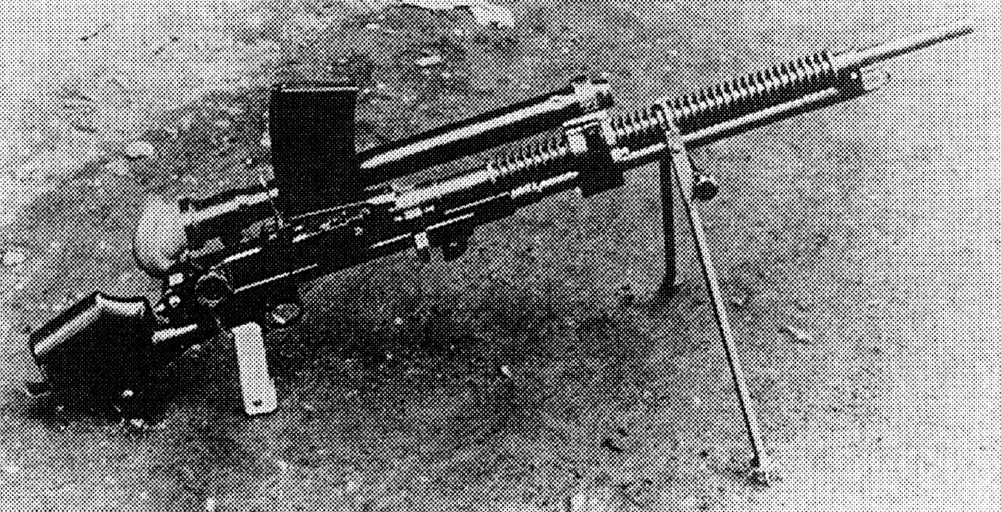
The 1934–1935 trials revealed a significant number of deficiencies in the Model Ko machine gun. During the early stages, issues such as unsatisfactory automatic action, insufficient accuracy, and the breakage of firing pins and bolts were noted. The primary technical challenge remained the degradation of accuracy during prolonged automatic fire. In Technical Headquarters documents, the downward shift of the point of impact due to barrel heating was repeatedly cited as one of the weapon’s most serious shortcomings. The Japanese Army demanded the maintenance of consistent accuracy even under intensive fire, which necessitated a comprehensive series of subsequent refinements.
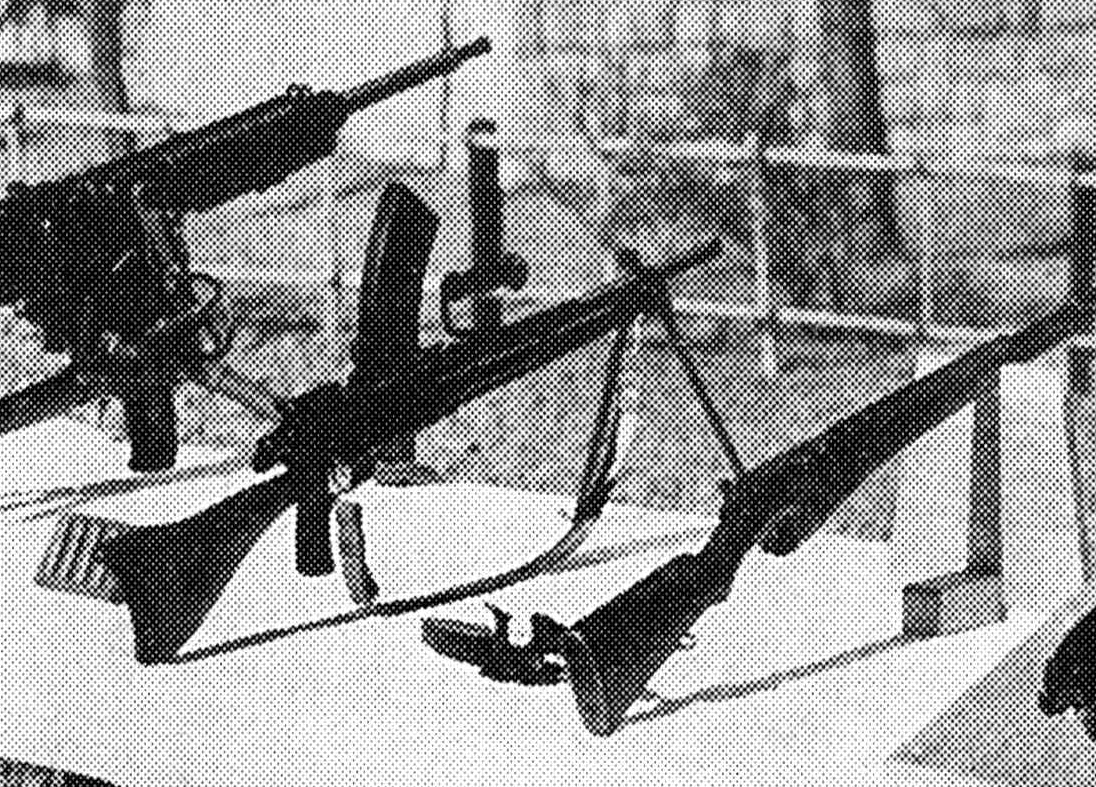
In September 1935, a large-scale modernization of the Model Ko began, which was completed by November of the same year. Following basic testing at the Technical Headquarters, practical trials of the modernized weapon were organized in December.
According to the final reports, the implemented changes successfully eliminated the problem of accuracy degradation due to barrel heating to a significant degree and improved the overall functioning of the automatic action. As a result of these successful trials, the machine gun received the official designation “Experimental Type 96 Light Machine Gun.”
Following the conclusion of the comparative trials for the modernized Model Ko, the Technical Headquarters decreed in 1937 the organization of a production run of approximately 100 experimental units for extensive field testing. Production was distributed among the Kokura Arsenal, the Nagoya Arsenal, and the Nambu Rifle Manufacturing Plant. Simultaneously, the army began preparations for mass production, evaluating construction manufacturability, facility equipment, material supply chains, and personnel training.
During the field trials, primary focus was placed on increasing the weapon’s reliability under harsh operating conditions. Practical tests in Northern Manchuria demonstrated that the machine gun remained functional even at temperatures around −40 °C, provided that standard lubricants were removed and special frost-resistant covers were utilized. At the same time, evaluations at the Infantry and Cavalry Schools identified several operational issues, primarily involving cartridge feeding, casing extraction, and the stability of the automatic action when subjected to fouling.
To resolve the identified deficiencies, the Technical Headquarters sequentially redesigned the gas piston, bolt carrier, receiver, and magazine. Significant attention was focused on the feeding mechanism. The commission repeatedly recorded the unreliable operation of the magazine latch and issues with magazine retention during intensive use.
As a result of these findings, the following modifications were implemented:
- Strengthened Attachment: The mounting mechanism was reinforced to ensure more secure seating.
- Latch Redesign: A circular hole was added to the latch to make it easier to grip and operate the magazine while wearing gloves.
- Structural Reinforcement: The magazine body was further strengthened with three ribs for increased rigidity.
- Surface Finish: The exterior color was changed to dark brown to reduce visibility and improve corrosion resistance.
- Ammunition Tracking: A visual indicator was introduced to allow the operator to monitor the remaining rounds in the magazine.
These refinements were critical in transforming the “Experimental Type 96” into a battle-ready weapon capable of meeting the Imperial Japanese Army’s standards for reliability and ergonomics.
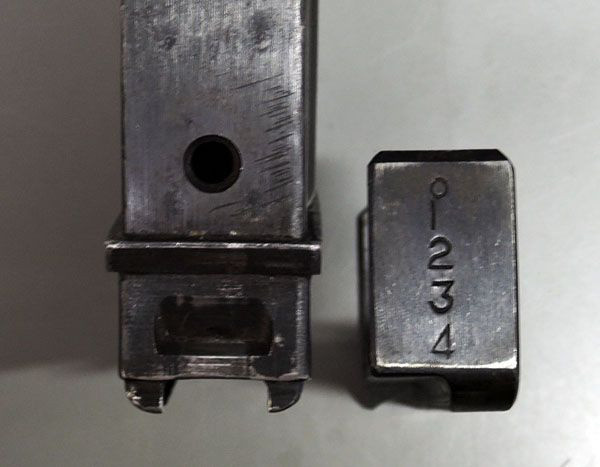
A significant portion of the refinements was implemented directly in response to feedback from military units. Cavalry units demanded increased bipod strength, changes to the placement of sling swivels, and improved handling ergonomics, while units in Northern Manchuria focused specifically on the machine gun’s operation in winter conditions.
As a result, several modifications were made:
- Structural Reinforcement: Individual elements of the bipods were strengthened to meet cavalry requirements.
- Ergonomics: The shape of the grips and controls was modified for better handling.
- Protection and Sights: Improvements were made to the dust covers and sighting devices.
- Bayonet Attachment: It was during this 1937 modernization phase that the design was updated to include the capability for mounting a bayonet.
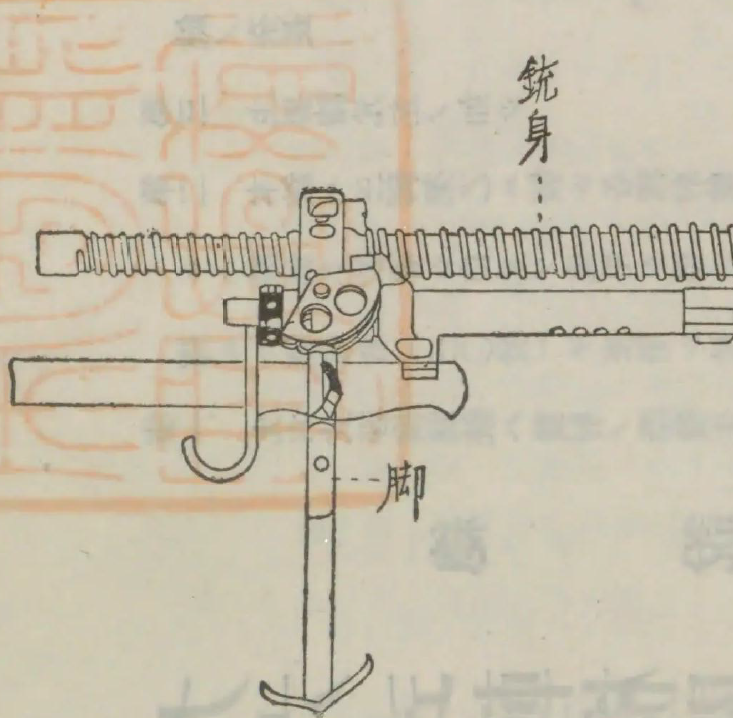 The design for mounting an attached bayonet on the Type 96 machine gun, as presented in the manual.
One of the most significant results of the trials was the abandonment of the semi-automatic fire mode. Early variants of the Model Ko were equipped with a fire selector; however, testing revealed insufficient reliability and durability of the corresponding mechanism. In the final list of refinements, the Technical Headquarters explicitly demanded to “abolish the semi-automatic fire device”. Following the removal of the selector, it was possible to substantially increase the reliability of the trigger mechanism’s operation.
Thus, the Japanese Army definitively moved away from the concept of a universal handheld automatic weapon in favor of a specialized tool for continuous squad fire support. The reliability and stability of automatic fire were deemed significantly more important than the capability for semi-automatic shooting.
In January 1936, the Technical Headquarters organized special trials dedicated exclusively to the problem of accuracy degradation during barrel heating. During this work, the designs of the gas tube, bolt carrier, barrel, and individual elements of the gas block were sequentially modified. At the same time, great attention was paid to the weapon’s manufacturability: the barrel-to-receiver connection was replaced with a pin-locking system, the gas tube connection was made threaded, and the number of small screws in the design was minimized to simplify maintenance and increase the weapon’s reliability in field conditions.
Barrel durability trials conducted in 1937 were of particular importance. They demonstrated that the Japanese Army viewed the problem of weapon service life as a complex challenge, involving improvements not only to the machine gun’s design but also to barrel processing technologies and ammunition characteristics.
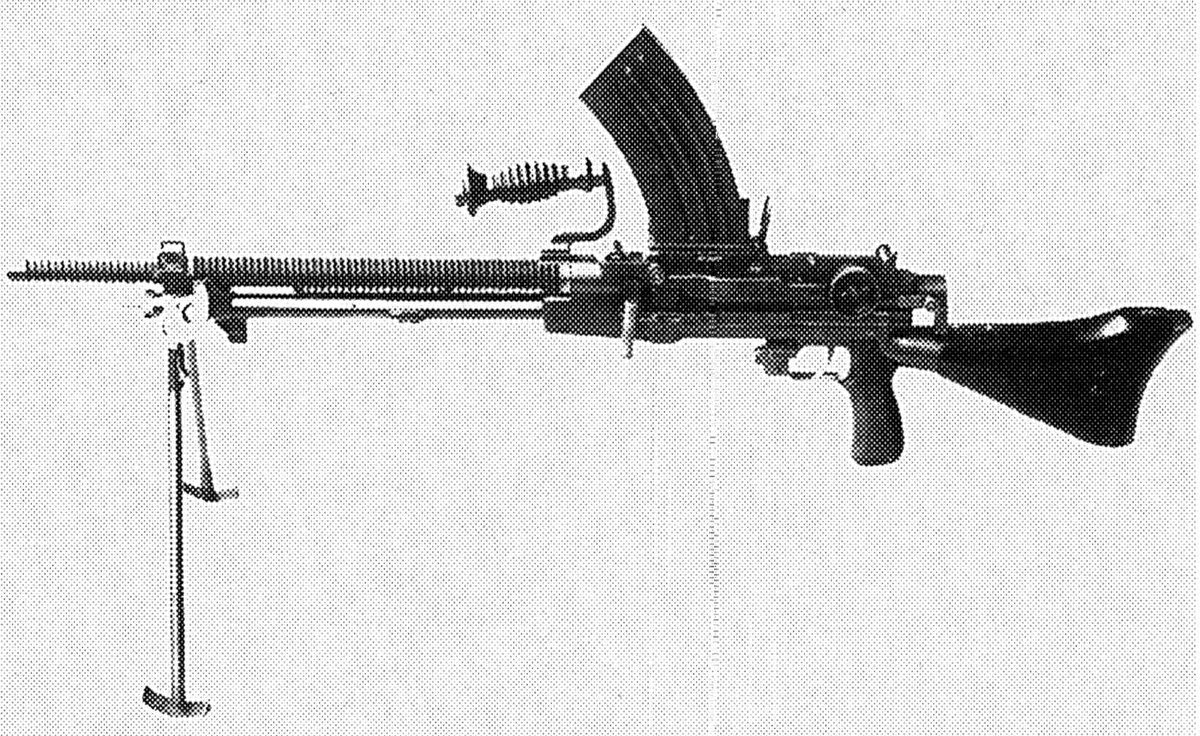
Trials demonstrated that when using standard Type 38 cartridges without a wax coating, the barrel service life was approximately 4,000 rounds. To address this issue, tests were conducted in February 1937 on barrels with a chrome-lined bore. These evaluations confirmed the high effectiveness of chrome plating for increasing the weapon’s durability. Subsequently, tests were carried out on barrels with increased wall thickness and a reduced bore diameter, which improved obturation and reduced barrel wear.
Parallel experiments were conducted with ammunition to complement the hardware improvements. In April 1937, special cartridges were tested featuring improved case expansion characteristics. Later, experimental cartridges were manufactured with a slightly increased bullet diameter.
It is important to note that these tests did not involve a transition to a new caliber. Instead, this research was carried out exclusively as part of the ongoing effort to increase barrel service life and improve obturation.
Comprehensive testing of the modernized machine gun, featuring a chrome-lined barrel and reinforced construction, demonstrated a significant increase in the weapon’s service life. While the barrel durability had previously been approximately 4,000 rounds, modernization efforts successfully increased this resource to roughly 14,000 rounds using standard ammunition and up to 19,000 rounds when firing experimental cartridges.
At the same time, the frequency of malfunctions decreased significantly:
- Failures to chamber: approximately 1.3 cases per 1,000 rounds.
- Misfires: 0.7 cases per 1,000 rounds.
- Extraction failures: approximately 0.3 cases per 1,000 rounds.
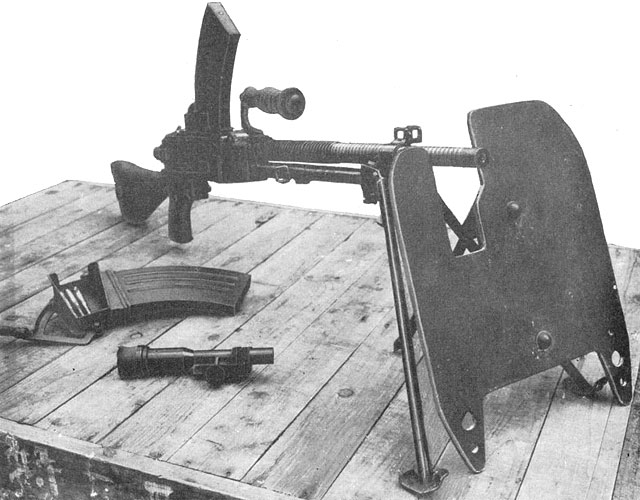
In July 1937, final demonstration trials of the modernized weapon were conducted at the shooting ranges of the Infantry and Cavalry Schools in the presence of Army representatives. According to the reports, the firing results completely satisfied all those in attendance. Following the final refinement of the technical drawings in July 1937, a petition was submitted for the provisional adoption of the new machine gun. In June 1938, the system was officially adopted by the Japanese Army under the designation “Type 96 Light Machine Gun.”
| Parameter | Type 96 |
|---|---|
| Caliber | 6.5 mm |
| Total weight (without magazine) | 8.700 kg |
| Barrel weight | 2.375 kg |
| Empty magazine weight | 0.257 kg |
| Overall length | 1074 mm |
| Barrel length | 550 mm |
| Length of rifled section | 498 mm |
| Rate of fire | 550 rounds/min |
| Muzzle velocity | 735 m/s |
Thus, the development of the Type 96 was not a simple copying of a foreign design, but a lengthy process of sequential engineering refinement. This process included large-scale military field trials, the redesign of individual components, and comprehensive research into the durability of both the weapon and its ammunition. By the time it was adopted for service, the Type 96 had become the culmination of Japanese experience in light machine gun development.
