Capture of the Dutch East Indies armaments
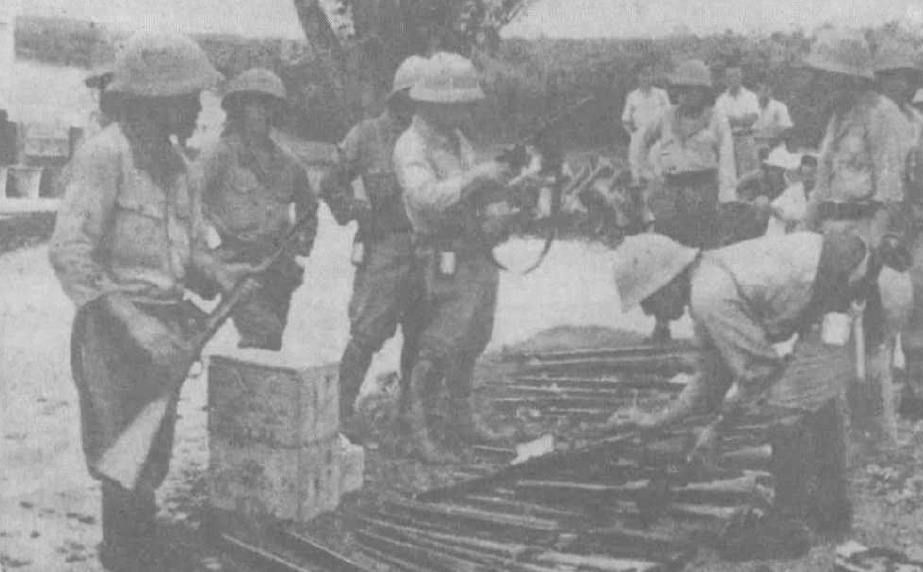
The surrender of the Dutch East Indies in March 1942 allowed Japanese forces to capture one of the largest arsenals of small arms among all Allied colonies in Southeast Asia. Unlike British and American garrisons, the weaponry of the KNIL was characterized by exceptional diversity. The inventory simultaneously included standard-issue Dutch models, as well as weapons purchased in the final pre-war years from Belgium, Great Britain, the United States, Italy, and other countries.
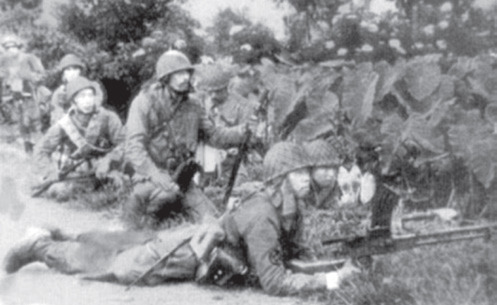
Captured Weapons and Equipment in the Dutch East Indies (by Operational Area):
Prepared by the 16th Army
| Weapons & Ammunition | East Borneo | Ambon | Timor | Sumatra | Java | Total |
|---|---|---|---|---|---|---|
| Swords (Sabers) | 73 | 14,446 | 14,519 | |||
| Rifles (Bayonets) | 398 | 19 | 29,389 | 29,806 | ||
| Rifles / Automatic Rifles | 2,345 | 4,451 | 756 | 1,840 | 61,554 | 70,946 |
| Pistols / Automatic Pistols | 123 | 39 | 192 | 12,326 | 12,680 | |
| Light Machine Guns | 61 | 266 | 32 | 8 | 1,371 | 1,738 |
| Heavy Machine Guns | 158 | 24 | 9 | 3 | 2,541 | 2,735 |
| Anti-Aircraft Machine Guns | 24 | 3 | 78 | 105 | ||
| Grenade Launchers | 12 | 12 | ||||
| Automatic Cannons | 27 | 12 | 18 | 6 | 362 | 425 |
| Rapid-Fire Guns | 4 | 4 | 4 | 79 | 91 | |
| Mortars | 19 | 7 | 6 | 6 | 39 | 77 |
| Infantry Guns | 10 | 10 | ||||
| Field Guns | 9 | 8 | 112 | 129 | ||
| Mountain Guns | 15 | 11 | 26 | |||
| Anti-Aircraft Guns | 6 | 4 | 8 | 11 | 84 | 113 |
| 10cm Howitzers | 2 | 29 | 31 | |||
| Field Heavy Guns | 5 | 2 | 4 | 36 | 47 | |
| Fortress Guns | 2 | 56 | 58 | |||
| Small Arms Ammunition | 3,192,756 | 3,665,000 | 1,379,760 | 383,743 | 77,742,720 | 86,333,979 |
| Pistol Ammunition | 4,300 | 27,318 | 4,400 | 31,724 | 2,184,171 | 2,251,913 |
| Machine Gun Ammunition | 132,546 | 167,144 | 44,500 | 28,310 | 7,449,025 | 7,822,525 |
| Autocannon Ammunition | 119,900 | 2,600 | 122,500 | 906,820 | 1,029,320 | |
| Rapid-Fire Gun Ammo | 16,698 | 16,698 | ||||
| Mortar Ammunition | 1,512 | 4,904 | 3,000 | 3,113 | 404,133 | 416,662 |
| Field Gun Ammunition | 1,520 | 205,507 | 207,027 | |||
| Mountain Gun Ammunition | 1,628 | 14,922 | 16,550 | |||
| Anti-Aircraft Ammo | 5,880 | 168 | 3,282 | 528 | 188,780 | 198,638 |
| 10cm Howitzer Ammo | 4,767 | 26,600 | 31,367 | |||
| Field Heavy Gun Ammo | 316,889 | |||||
| Fortress Gun Ammo | 15,750 | 15,750 | ||||
| Hand Grenades | 4,076 | 406 | 233,408 | 237,890 | ||
| Land Mines | 24 | 147 | 1,883 | 2,054 | ||
| Explosives (tons) | 120 | 1,795,569 | 1,795,689 | |||
| Searchlights | 2 | 2 | 5 | 55 | 64 | |
| Passenger Cars | 121 | 25 | 20 | 178 | 2,875 | 3,219 |
| Trucks | 219 | 50 | 273 | 4,311 | 4,853 | |
| Sidecars / Motorcycles | 11 | 11 | 2 | 1,145 | 1,169 | |
| Tanks / Armored Vehicles | 3 | 6 | 17 | 590 | 616 | |
| Radio Vehicles | 8 | 8 | ||||
| Maintenance Vehicles | 19 | 19 | ||||
| Prime Movers | 7 | 600 | 607 | |||
| Medical Vehicles | 163 | 163 | ||||
| Special Vehicles | 193 | 193 | ||||
| Tractors | 7 | 7 |
Japanese documents indicate that captured weaponry was quickly accounted for, categorized, and sent for repair. By 1943, the Southern Army Field Ordnance Depot (南方軍野戦造兵廠) was established for the centralized restoration and utilization of captured weapons. Prior to this, similar work was carried out by field arsenals, the largest of which was the 21st Field Arsenal in Saigon. This facility was responsible for the sorting, repair, adjustment, and storage of small arms arriving from all fronts across Southeast Asia.
Unusual Weapons of the Dutch East Indies
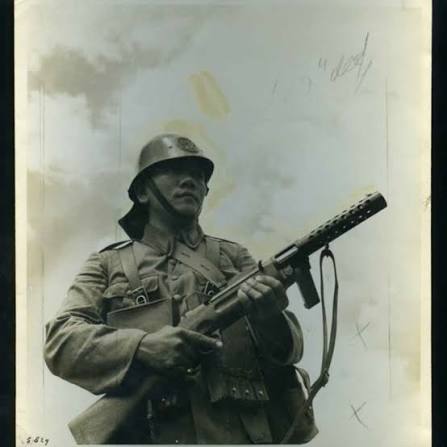
Madsen Light Machine Carbine (Karabijnmitrailleur)
One of the most unusual weapons in the KNIL inventory was a special variant of the Madsen M1915 light machine gun, known as the karabijnmitrailleur (“carbine machine gun”).
The Madsen was originally adopted by the KNIL in 1915 in its standard configuration. The machine gun was intended primarily for cavalry and was transported on horseback. However, operational experience in tropical conditions demonstrated the need for a lighter and more compact version.
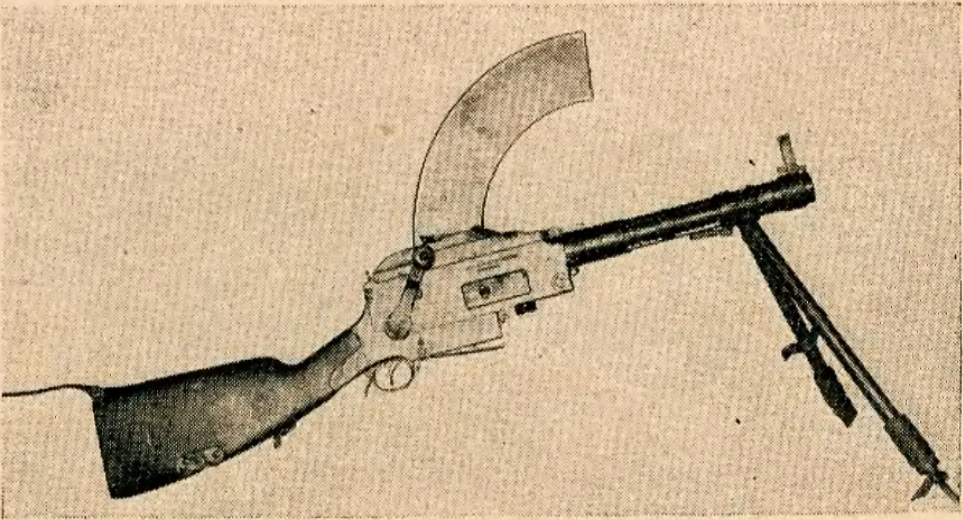
In 1926–1927, the weapon underwent modernization. The barrel length was reduced to approximately 350 mm, and the weight was decreased from 9.2 kg to 8.4 kg, making the machine gun significantly more convenient to carry and use in the jungle. It was this shortened version that received the official designation karabijnmitrailleur (km).
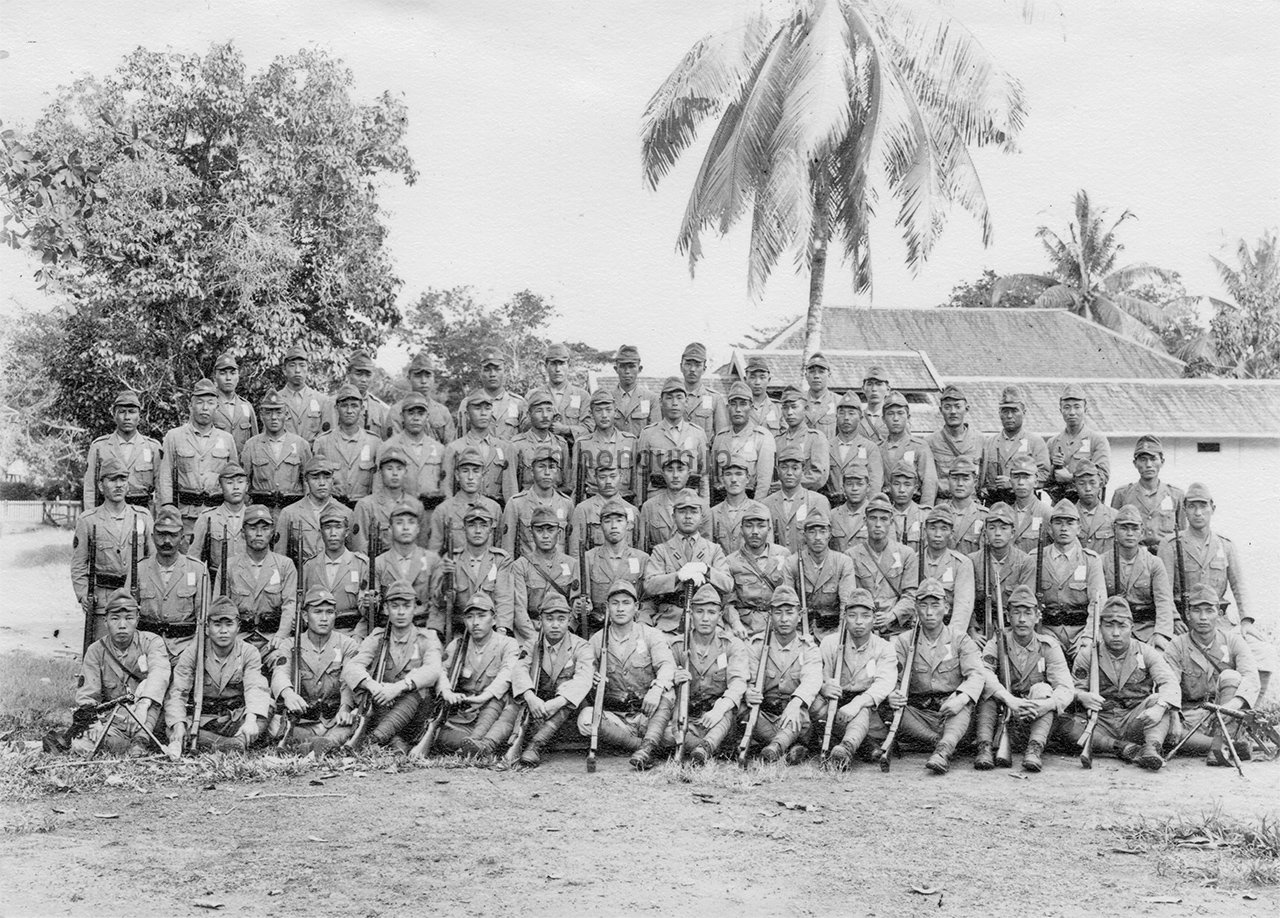
Unlike most armies in the world, where the light machine gun was viewed as a specialized support weapon, the shortened Madsen served as the primary firepower of a KNIL infantry squad. For combat in dense vegetation, compactness proved more important than maximum firing range.
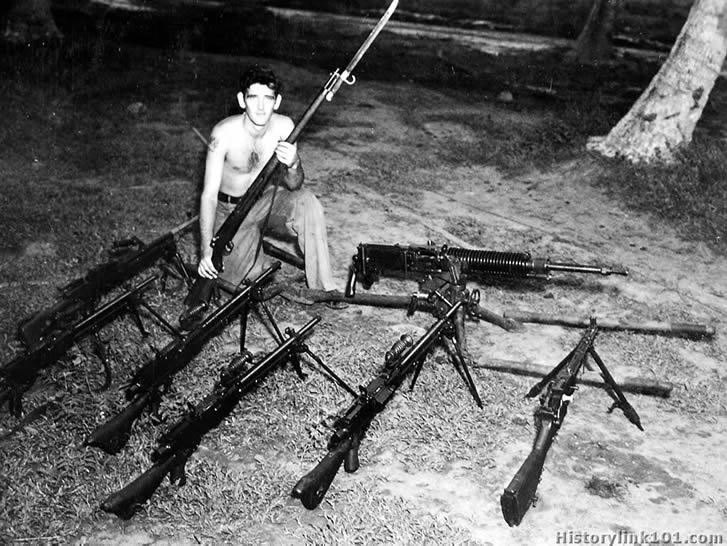
Following the surrender of the Dutch East Indies, a significant number of these machine guns fell into the hands of the Japanese; on the island of Java alone, approximately 430 Madsen machine guns were captured. They appear repeatedly in photographs of Japanese units and local auxiliary forces, and the Japanese Army produced its own operational manual for the Madsen.
Converted Aviation Brownings
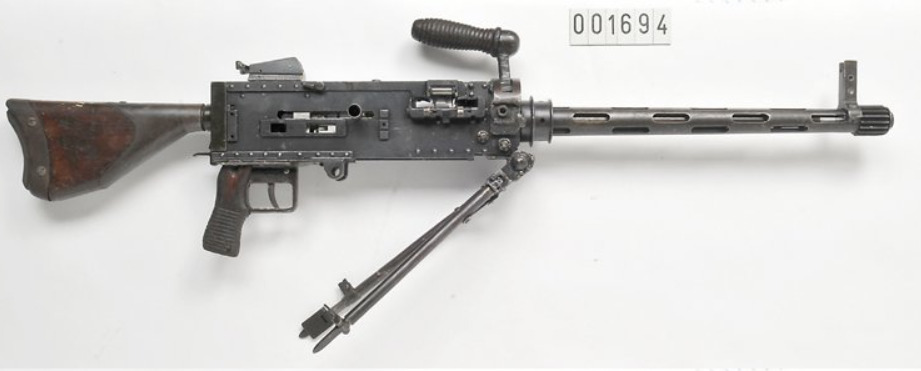
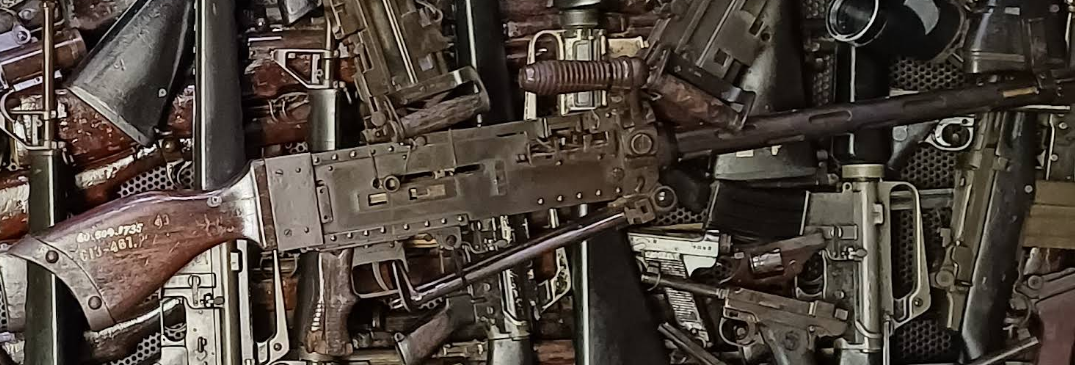
Another unique feature of the KNIL’s weaponry was the use of Belgian-manufactured FN Browning No.3 New Model and British Browning Mk II* aviation machine guns as light machine guns.
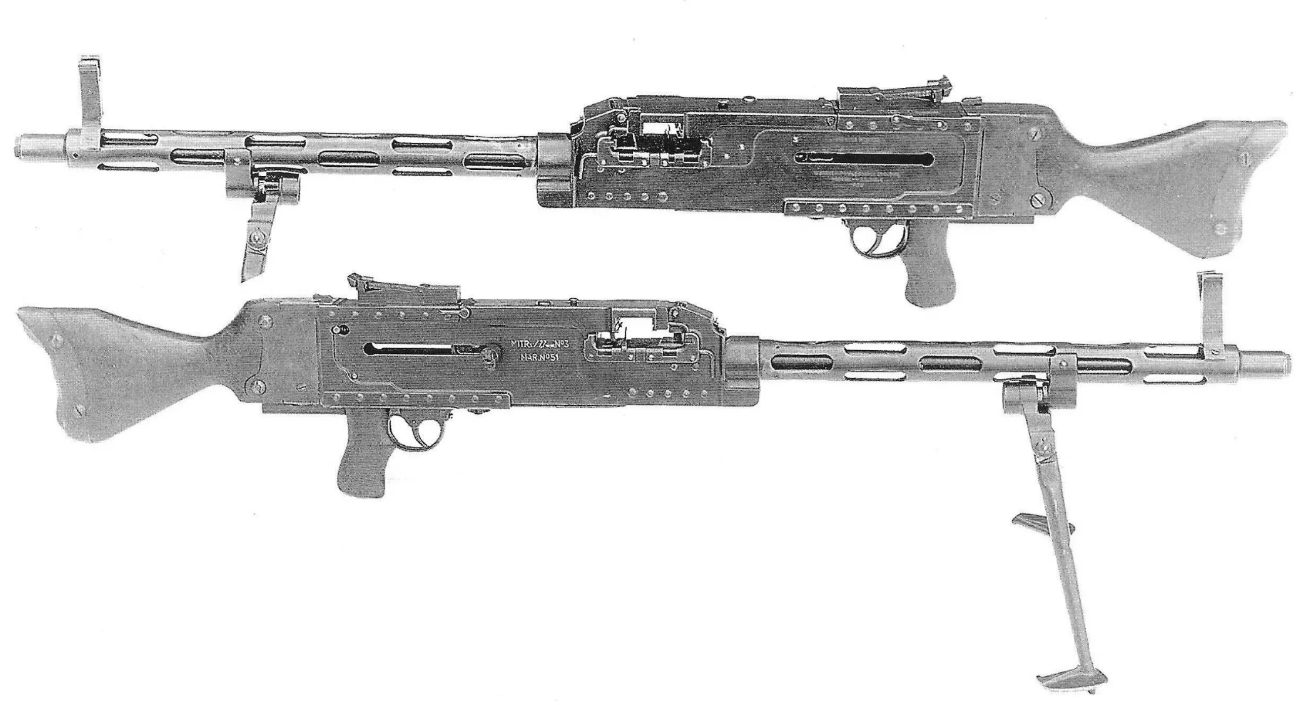
The conversion involved fitting a wooden stock, a bipod, and a new trigger mechanism with a pistol grip. As a result, the aviation machine gun was transformed into an extremely light squad automatic weapon weighing approximately 11 kg, while maintaining a very high rate of fire—around 1,200 rounds per minute.
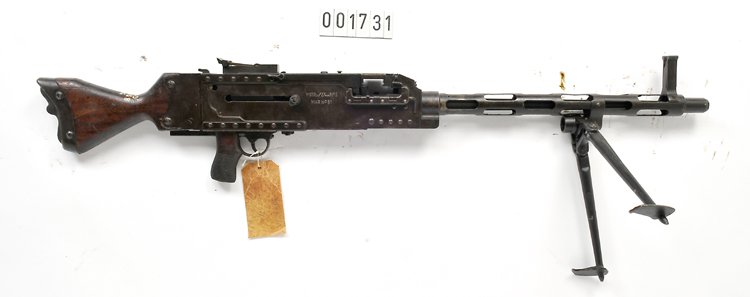
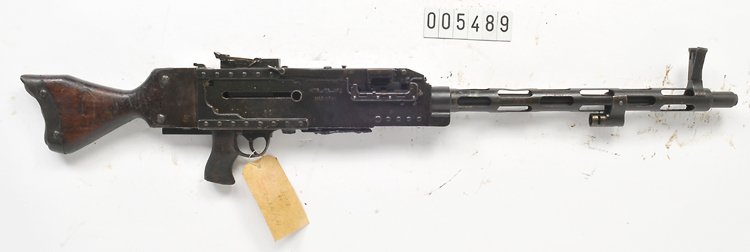
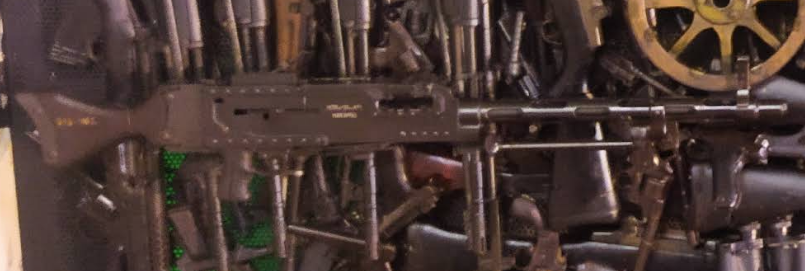
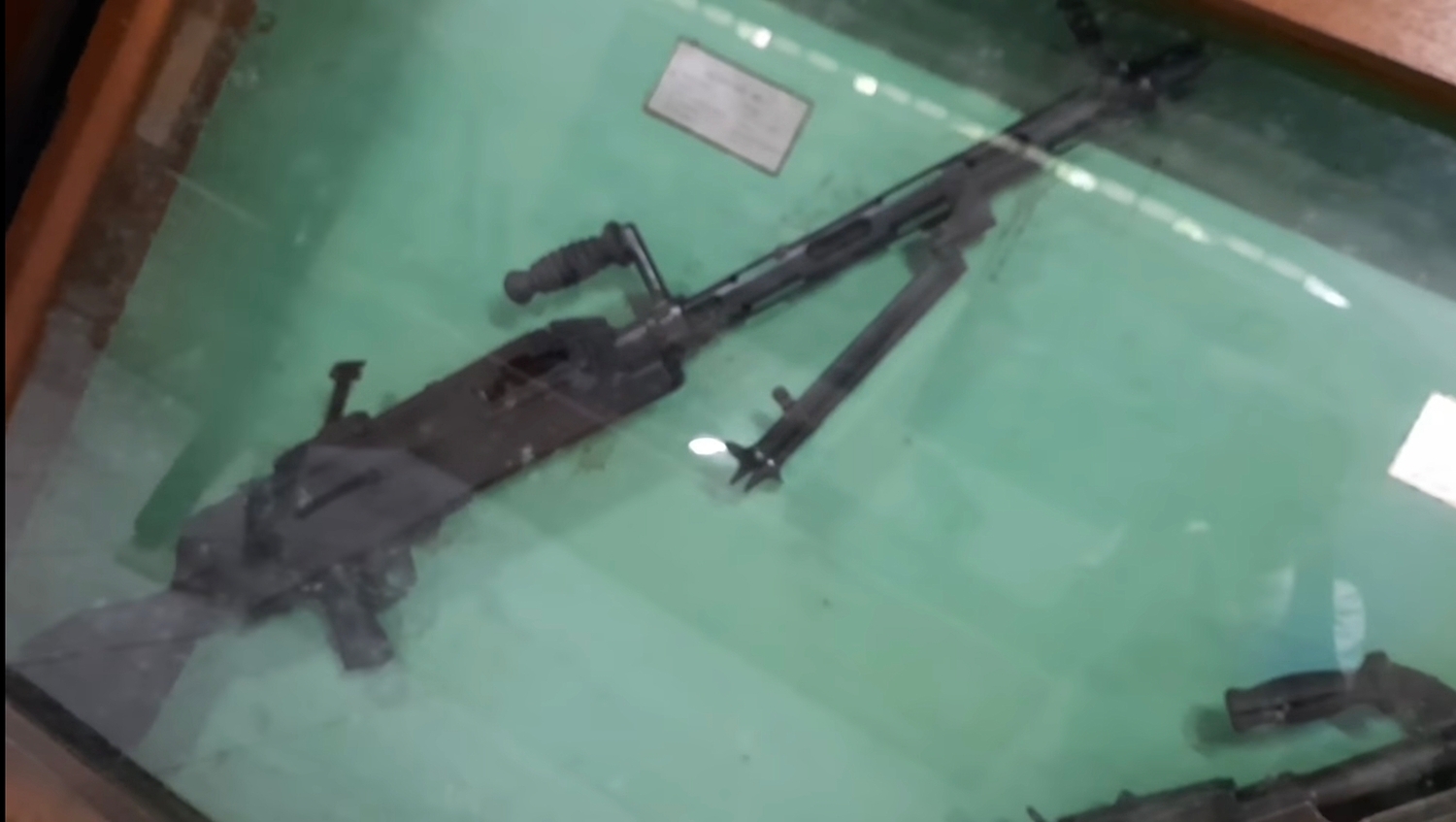
Surviving specimens from the collections of the Nationaal Militair Museum, Dharma Wiratama Museum, and Museum Satria Mandala are practically identical in design and are characterized by high manufacturing quality, which indicates an arsenal, rather than a field-expedient, origin for these conversions.
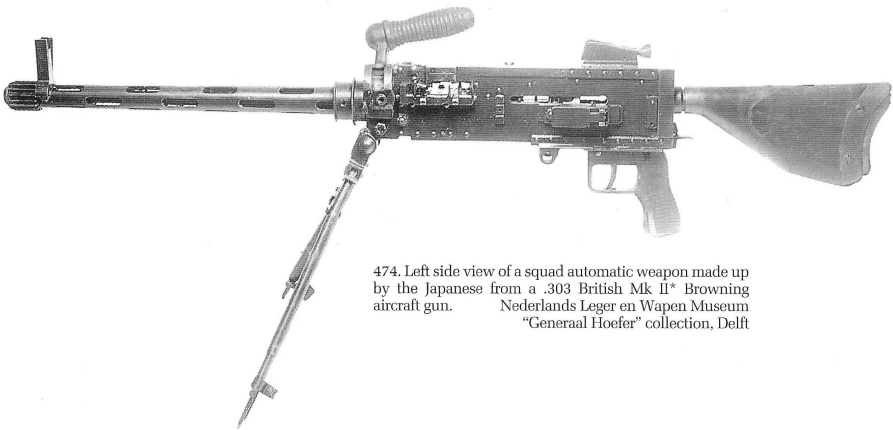
The use of such systems by the Japanese was further simplified by the fact that the Japanese Navy was already using weapons chambered for the 7.7×56R cartridge, which was a local version of the British .303. Thus, the operation of the captured Brownings did not require the establishment of a new ammunition production base.
It should be noted that at present, there is no source that directly states the period of creation for this weapon or who modified it. Currently, there are no documents that definitively link the surviving specimens to Japanese arsenals or a Japanese modernization program. Therefore, it is likely that all such conversions were performed by Dutch structures in the Dutch East Indies as an attempt to quickly arm the military.
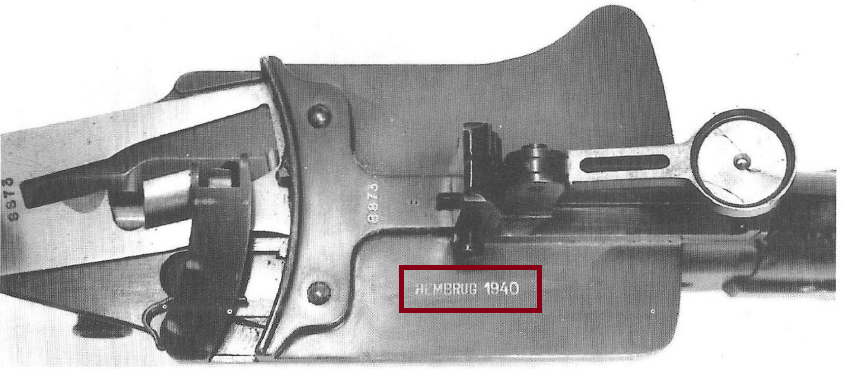
Johnson M1941 Semi-Automatic Rifle
By the end of 1940, the KNIL command decided to abandon further development of the Mannlicher M1895 rifle and switch to the modern, American-made Johnson M1941 semi-automatic rifle.
Of the 10,200 rifles ordered, only about 2,000–2,600 units (depending on the source used) had arrived before the surrender of the Dutch East Indies. Despite the small quantity, this was one of the first mass attempts to arm an entire army with semi-automatic rifles, even before the widespread adoption of the American M1 Garand.
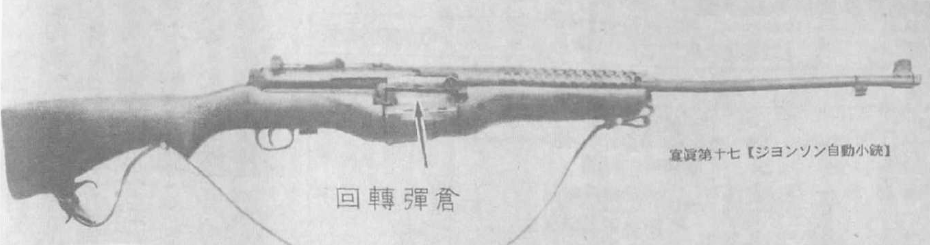
On the island of Java alone, 614 Johnson automatic rifles were captured. No less remarkable is that a manual for the Johnson rifle, dated November 29, 1940—that is, before the start of the war with the Netherlands—has been preserved in Japanese archives. This indicates that Japanese intelligence was closely monitoring the emergence of new foreign small arms designs.
Italian Breda Mod.30
Following the cessation of European arms shipments, the KNIL was forced to seek any available sources of automatic weapons. One of the most unusual acquisitions included approximately 200 Italian Breda Mod.30 light machine guns, which had been captured by British forces in North Africa. Despite the Breda Mod.30’s mixed reputation, these machine guns served as an important stopgap measure to bolster the KNIL’s automatic firepower. After the surrender of the Dutch East Indies, they also became part of the Japanese inventory of captured weapons.
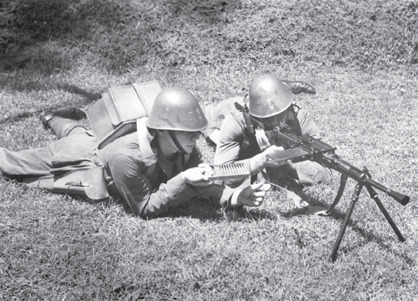
In addition to approximately 200 Breda M30 light machine guns, Fiat heavy machine guns, as well as a certain number of Carcano rifles, also arrived in the East Indies.
Mannlicher M1895 Rifles
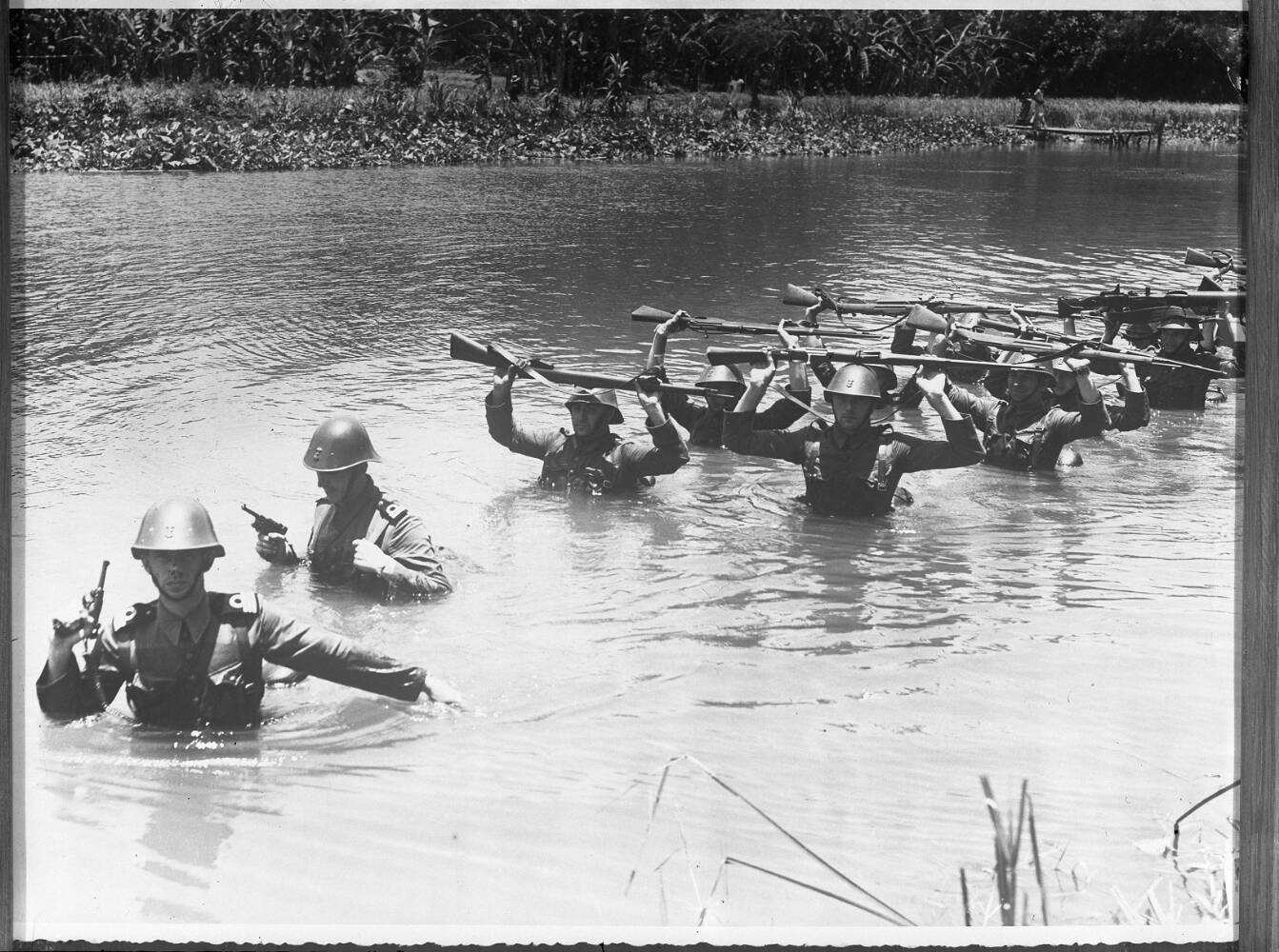
The primary small arms of the KNIL were the Mannlicher M1895 rifles and carbines chambered for the 6.5×53R cartridge. Carbines were widely used in the Dutch East Indies, as they were better suited for tropical service and featured several design differences compared to their European counterparts.
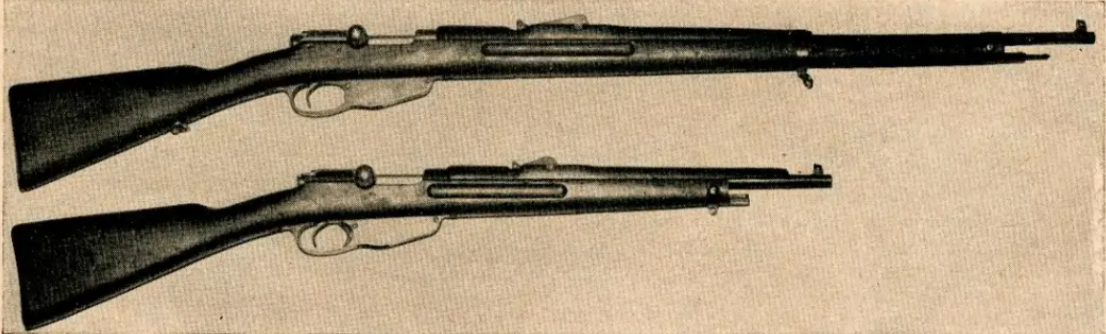
In 1941, due to a shortage of domestic ammunition, 3,775 Mannlicher M1895 rifles and carbines were sent to Australia, where they were rebarreled for the .303 British (7.7×56R) cartridge. The conversion was relatively straightforward due to the similar rim dimensions of the 6.5×53R and .303 British cartridges, which allowed for the retention of the original feeding system. These converted weapons returned to the Dutch East Indies prior to the Japanese invasion.
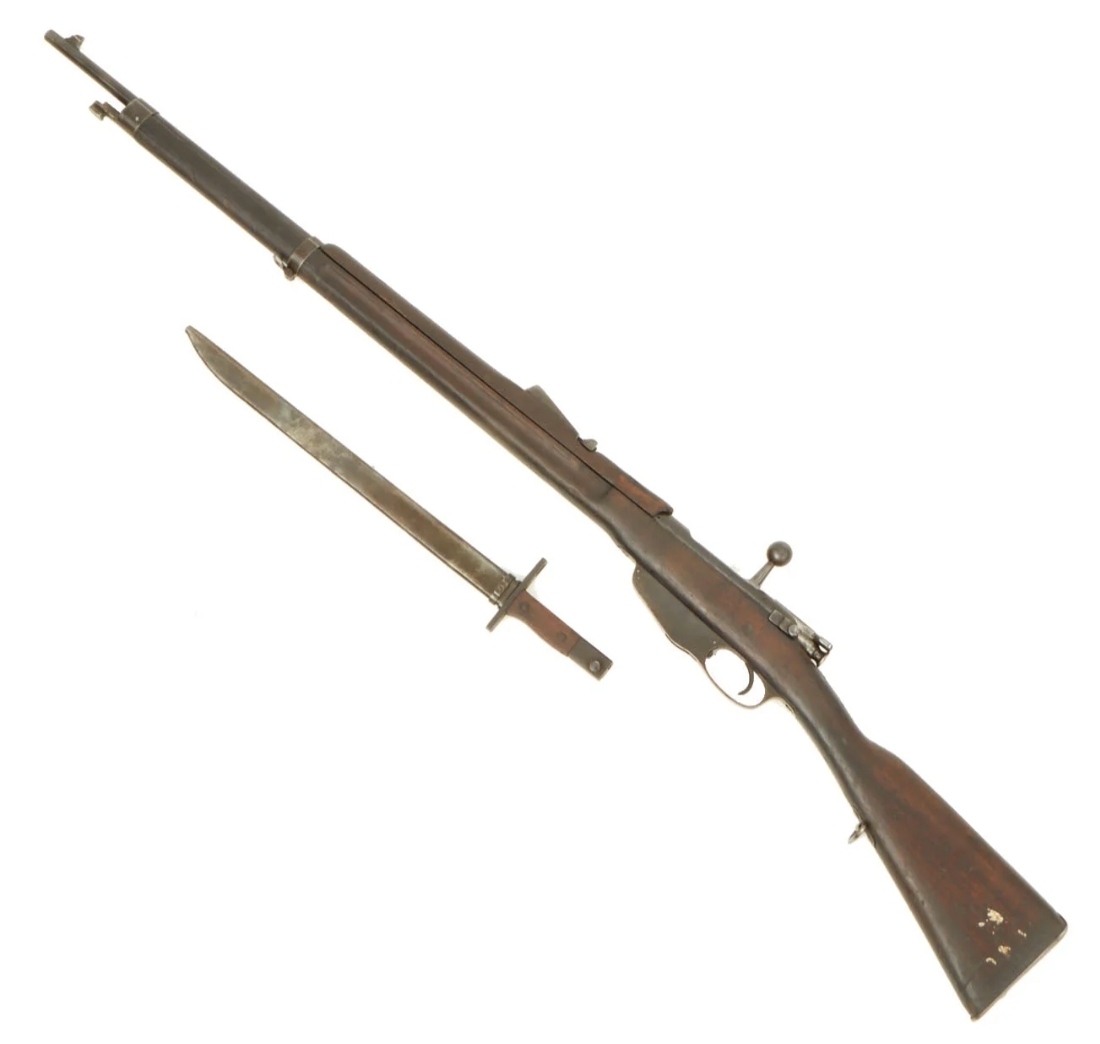
Following the capture of the colony, the Japanese acquired weapons in both the standard 6.5×53R and .303 British calibers. The use of the latter was facilitated by the fact that the Imperial Japanese Navy already produced and utilized the 7.7×56R cartridge, which was the Japanese version of the British .303 used for Vickers, Lewis, and Browning aircraft machine guns.
Reverse conversions are also documented. Japanese arsenals modified a number of captured Mannlicher M1895s to fire the 6.5×50SR Arisaka cartridge and adapted them to accept the Japanese Type 30 bayonet.
Use of Captured Weaponry by Local Formations
The Japanese administration extensively recruited the population of the occupied Dutch East Indies for military service. The most well-known formation was the volunteer army PETA (Pembela Tanah Air), established in 1943. In addition to this, there were Heiho units, which were integrated directly into the Japanese Army, as well as numerous auxiliary security formations and police forces.
Since the capacity of Japanese industry could not fully equip these units with standard-issue weaponry, a significant portion of the personnel received captured KNIL weapons. Photographs of PETA and other Indonesian units show Mannlicher M1895 rifles, Madsen and Lewis light machine guns, as well as other captured armament.
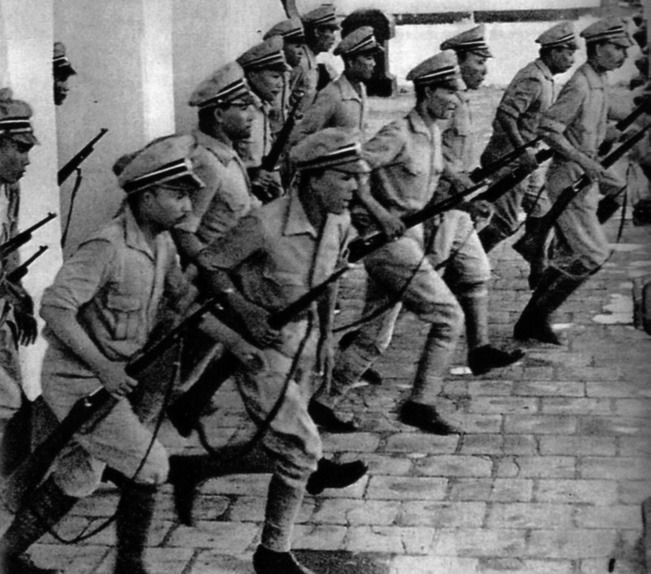
After Japan’s surrender, a significant portion of these weapons was utilized during the Indonesian National Revolution of 1945–1949. Along with Japanese Arisaka and British Lee-Enfield rifles, the captured Mannlicher and Madsen guns remained one of the primary types of small arms for Indonesian armed formations for several more years, which makes the history of the Dutch East Indies trophies an important link between the Second World War and Indonesia’s subsequent struggle for independence.