In the final years of the Second World War, the Japanese military leadership began preparing for the defense of the home islands against the anticipated Allied invasion. In June 1945, the Volunteer Fighting Corps (Kokumin Giyū Sentōtai) was established, intended to mobilize the civilian population for territorial defense. One of the key challenges in creating such formations was the provision of adequate weaponry.
Given the limited industrial capacity, the Japanese Army was forced to seek the cheapest and simplest weapon designs possible, suitable for manufacturing outside of major arsenals. Against this backdrop, programs for the development of simplified missile weapons—such as bows, crossbows, and specialized arrows, including explosive projectiles—are of particular interest.
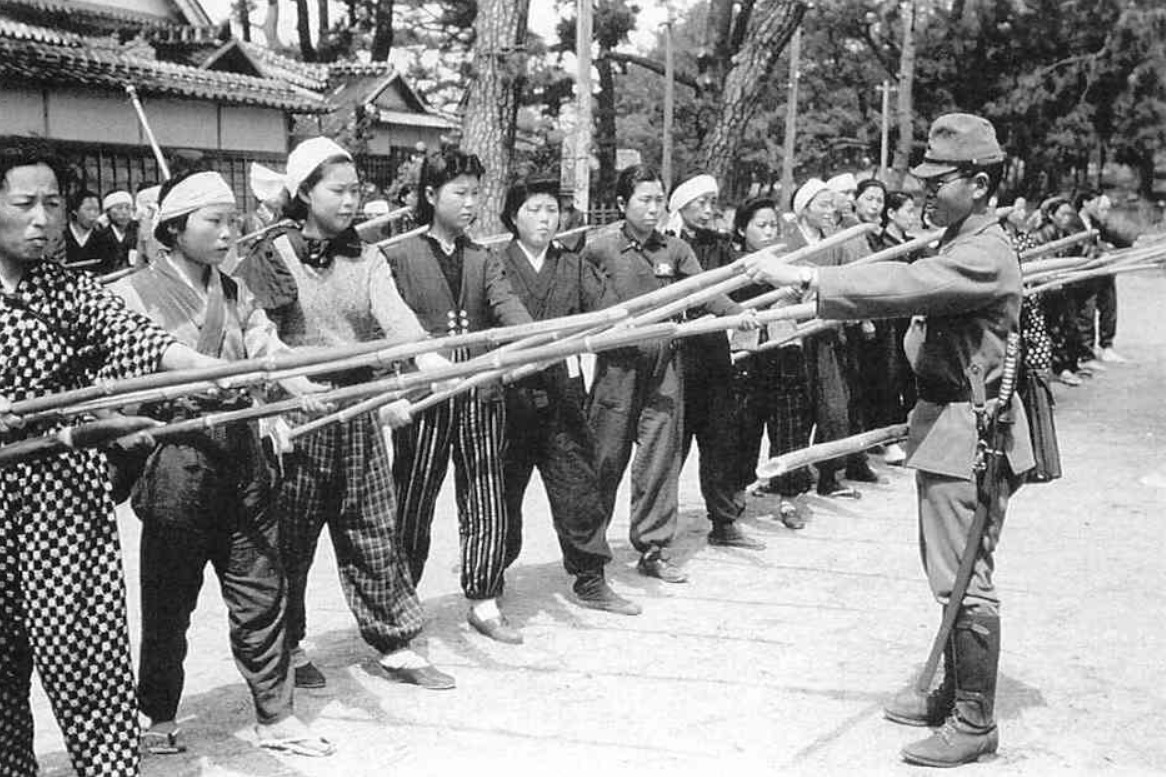
The American intelligence report Ordnance Technical Intelligence Report No. 19 indicated that the Japanese Army was developing short bows and crossbows suitable for production in domestic workshops, as well as conventional and explosive arrows. This information is corroborated by Japanese archival materials from the 1st Army Technical Research Institute, which contain test results for such weapons conducted in December 1944.
These documents are of particular value, as they demonstrate that the development of bows and crossbows was not an isolated improvisation, but rather part of a centralized program to create simplified weaponry for mass civilian formations.
By 1944, the Japanese Army faced increasing supply difficulties. The production of modern small arms and ammunition could no longer fully meet the requirements of both the active army and the newly formed reserve units. Under these circumstances, simplified weaponry projects gained increasing importance, focusing on the minimal use of strategic materials and the feasibility of local production.
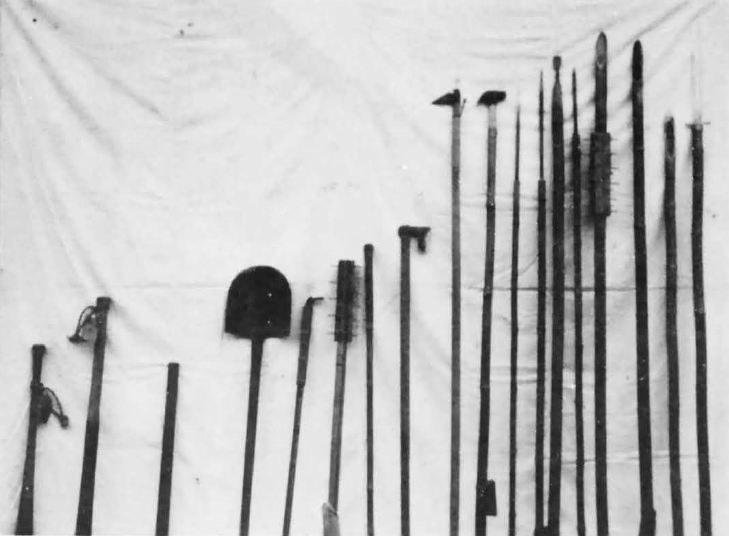
Bows and crossbows offered several advantages:
- their manufacture required only a limited amount of metal;
- wood and bamboo could serve as the primary materials;
- production could be carried out in small-scale workshops;
- the weaponry did not depend on the consumption of ammunition.
According to the report from the 1st Army Technical Research Institute, the purpose of the tests was to verify the “functionality, lethality, accuracy, and the feasibility of adoption” of bows, crossbows, and various types of arrows intended for long-range combat and use by the Volunteer Fighting Corps.
The tests were conducted from December 11 to 14, 1944, at the Futtsu Proving Ground under the supervision of specialists from the 1st Army Technical Research Institute. The commission included officers from the artillery and technical branches, as well as representatives from the Army Ordnance Administration.
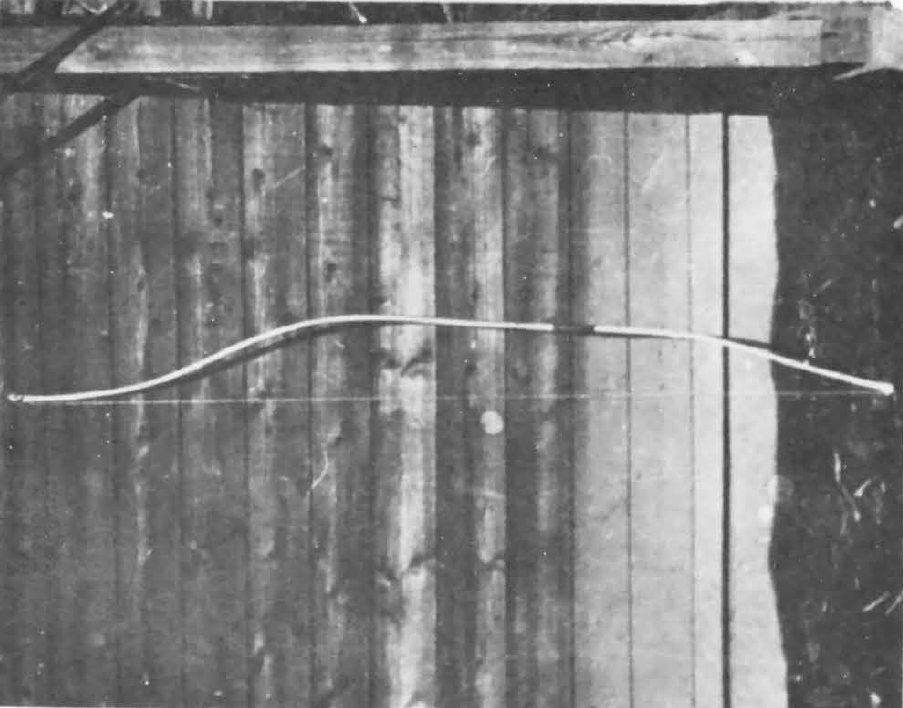
The following items were submitted for testing:
- longbows;
- short bows;
- Model Ko crossbows;
- Model Otsu crossbows;
- standard combat arrows;
- explosive arrows.
The longbows were commercial products approximately 221 cm in length. The short bows, measuring about 182 cm, were manufactured by master bowyers and were scaled-down versions of the traditional Japanese bow.
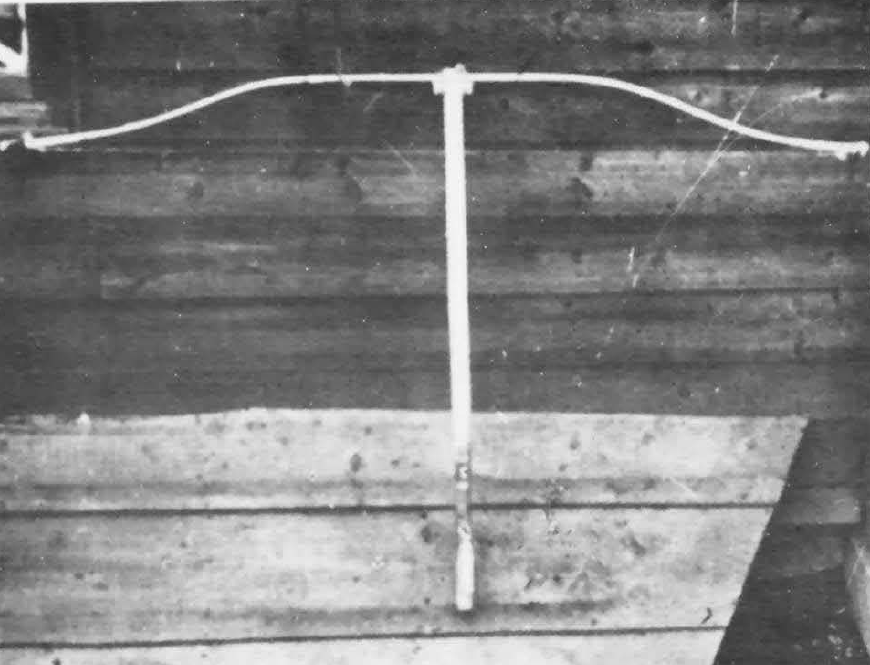
The Model Ko crossbow featured a wooden stock and a complete trigger mechanism. Its limbs were similar in design to those of a short bow. In contrast, the Model Otsu crossbow was a significantly more simplified, crudely manufactured system; its limbs were made of wood and bamboo, and the overall design was intended for home-based production.
The testing commission deemed the longbows, short bows, and Model Ko crossbows satisfactory in terms of durability and functionality. It was noted that these models possessed a sufficient margin of safety and demonstrated good operational qualities.
The evaluation of the Model Otsu crossbow was more reserved. According to the report, its limbs, constructed from wood and bamboo, lacked sufficient elasticity, while the absence of a proper trigger mechanism reduced both its range and penetration power.
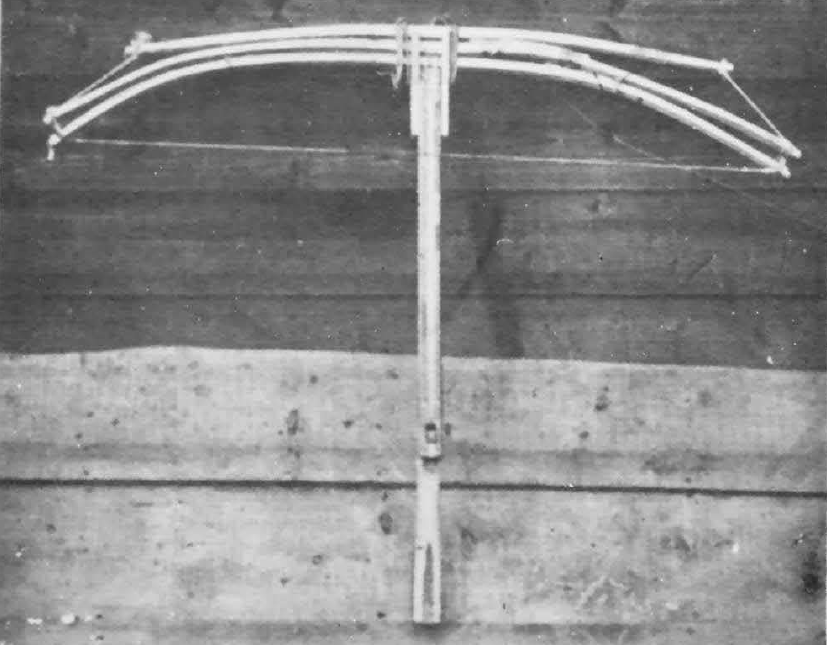
Nevertheless, even this model was considered serviceable, provided that certain modifications were made.
The documents also contain details regarding arrow production. It was recommended to use 2-to-3-year-old bamboo with a diameter of approximately 12 mm for the shafts. Straightening was achieved through heat treatment. In the absence of feathers, paper or thin bark could be used for fletching.
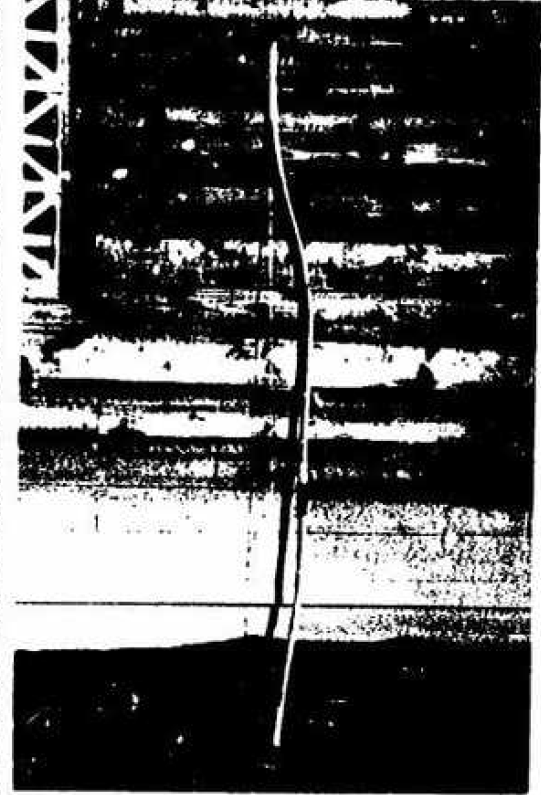
Such recommendations demonstrate the project’s focus on the broadest and most cost-effective production possible using readily available materials.
The tests revealed the following performance characteristics of the models:
| Weapon Type | Draw Weight (kg) | Max Range: Standard Arrow (m) | Max Range: Explosive Arrow (m) | Rate of Fire (rounds/min) |
|---|---|---|---|---|
| Longbow | approx. 20 | approx. 130 | approx. 60 | approx. 8 |
| Short bow | approx. 20 | approx. 140 | approx. 70 | approx. 10 |
| Model Ko | approx. 30 | approx. 130 | approx. 60 | approx. 5 |
| Model Otsu | approx. 30 | approx. 80 | approx. 35 | approx. 4 |
The American Ordnance Technical Intelligence Report No. 19 provides similar values: the effective range of the short bow was estimated at approximately 90 yards, while the crossbow’s range was about 50 yards when using explosive arrows weighing 100–200 g.
When using standard arrows, the commission concluded that longbows, short bows, and Model Ko crossbows possessed sufficient lethality to incapacitate a target. For the Model Otsu crossbow, the effective range was limited to approximately 50 m.
One of the primary objectives of the tests was to assess the suitability of the weaponry for use by untrained personnel.
According to the report, the longbow was found to be cumbersome when firing from low positions and required significant skill. Accuracy depended heavily on the archer’s training. The short bow proved to be more ergonomic due to its shorter length and lower draw weight.
The crossbows received the highest praise. The testing commission noted that firing them was “extremely simple from any position,” and their handling was safe even for non-specialists. Particular emphasis was placed on the simplicity of operation and aiming.
These findings indicate that crossbows were primarily envisioned as weapons for the mass civilian militia, which lacked formal military training.
The test documents contain descriptions of several types of arrowheads:
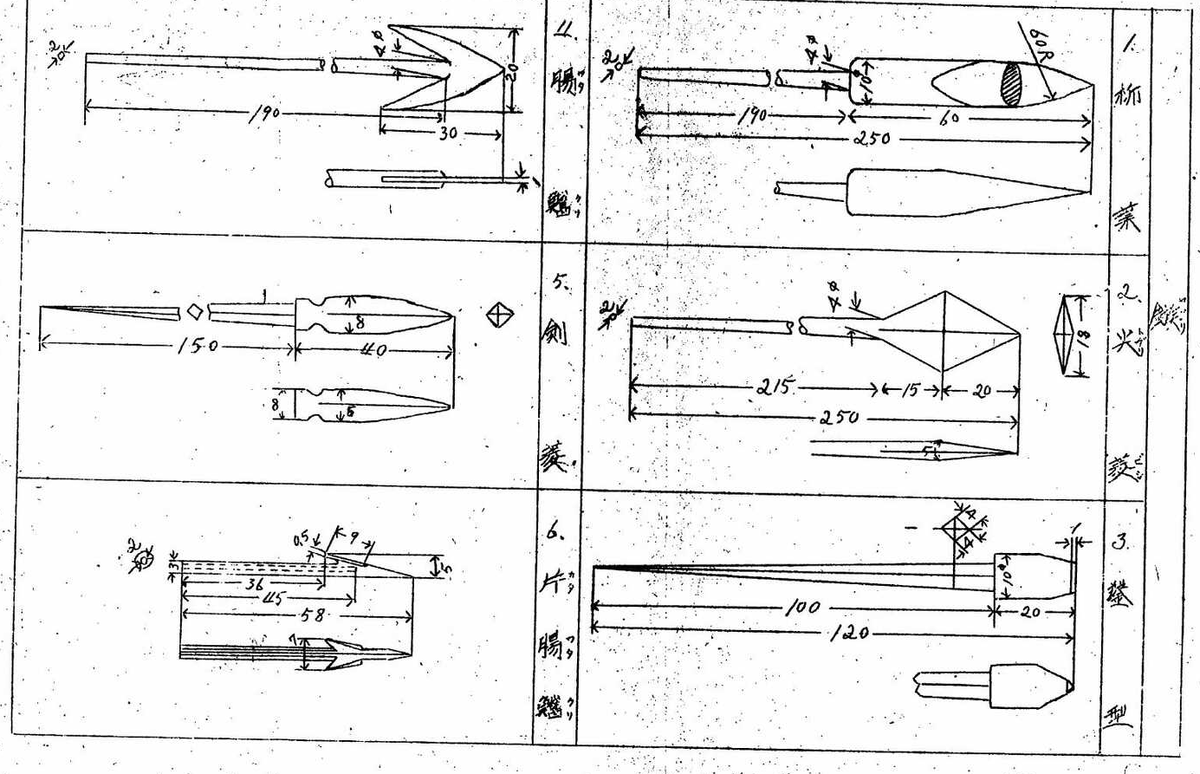
For cottage-industry production, the simplest forms were recommended, allowing for manufacture from readily available materials.
The documents specifically noted the possibility of using toxic substances on the arrowheads. According to the report, the application of poison made it possible to achieve a lethal effect even with relatively minor wounds.
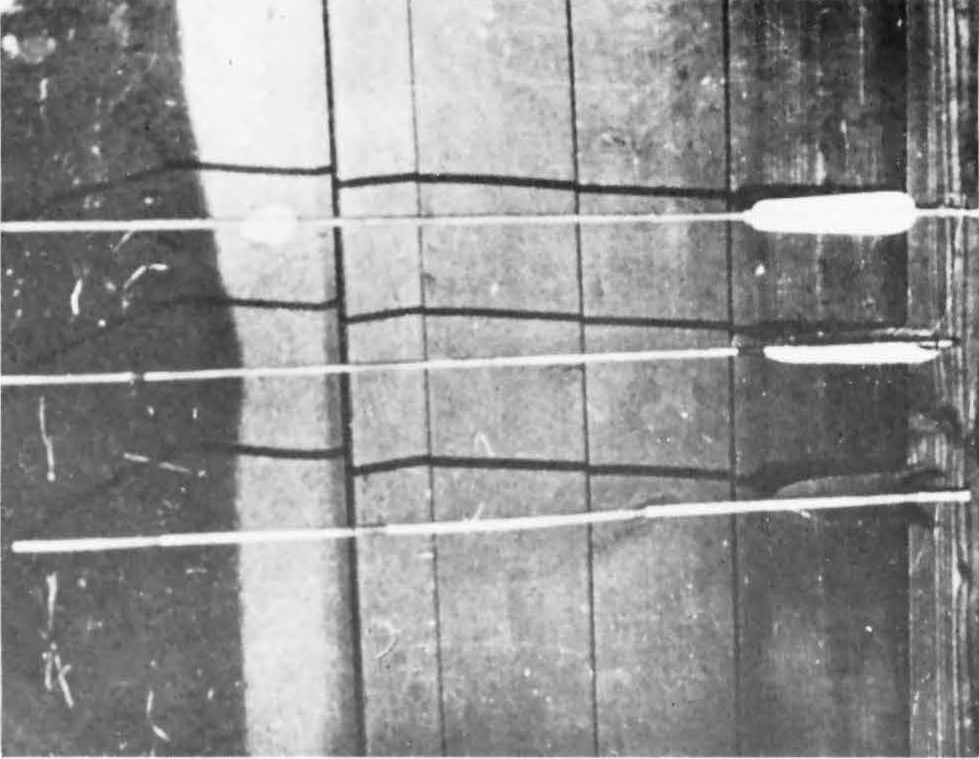
The most unusual element of the program was the explosive arrows, which represented an attempt to combine traditional projectile weapons with modern explosive munitions.
The Model Ko explosive arrow was equipped with:
- a simplified small fuze;
- a Type 97 pyrotechnic tube (delay element);
- a powder charge weighing approximately 15 g;
- a fragmentation element weighing approximately 100 g.
The total mass of the arrow was about 180 g.
During the tests, the arrow was launched at a metal plate simulating a target. Upon detonation, fragments struck shields positioned up to two meters from the epicenter. According to the report:
- At a distance of 1 m, approximately 14 fragment hits were recorded;
- At a distance of 1.5 m, approximately 9 hits were recorded;
- At a distance of 2 m, approximately 4 hits were recorded.
The commission concluded that the effective casualty radius was approximately two meters. It was noted that the fragments were capable of penetrating animal hide and inflicting severe injuries.
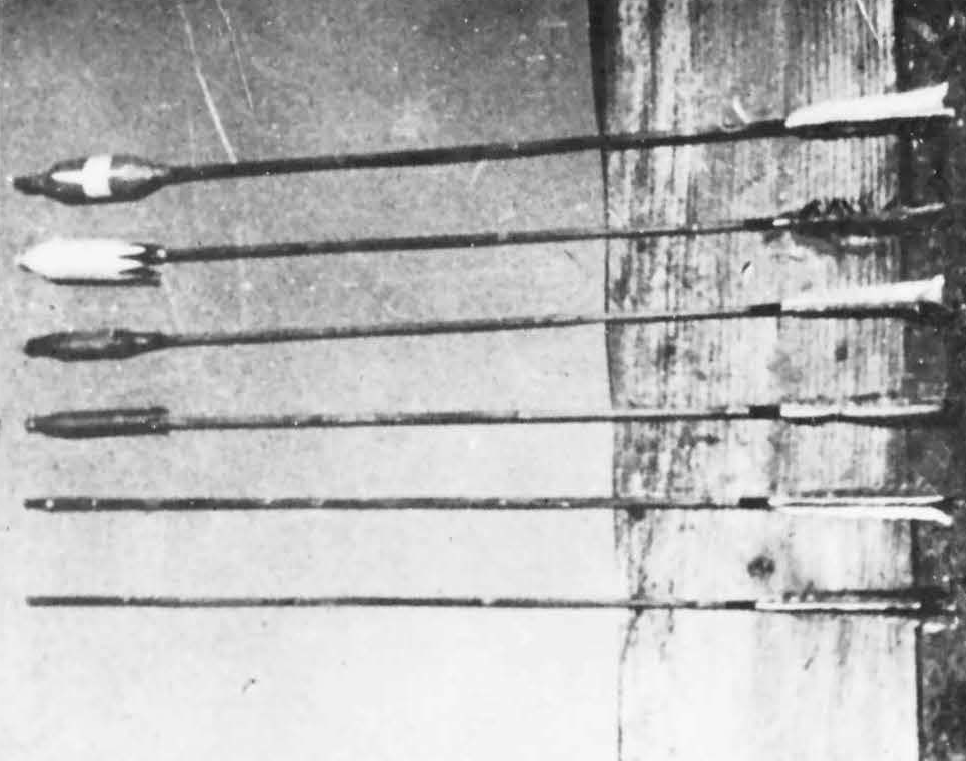
Particular emphasis was placed on the lethal effect of a direct hit. According to the report, a direct impact of such an arrow resulted in instantaneous death or fatal injuries.
The Model Otsu explosive arrow possessed a significantly more powerful charge. Its design utilized:
- a simplified detonator;
- a Type 97 pyrotechnic tube;
- approximately 58 g of “yellow powder,” similar to the charge found in the Type 99 hand grenade.
Extremely high destructive power was recorded during testing. According to the report, the body of the test animal was torn apart, and the bones were shattered.
In effect, these munitions functioned as lightweight, improvised fragmentation grenades launched via a bow or crossbow.
Despite the commission’s positive evaluations, the capabilities of such weaponry remained limited.
Accuracy was seriously affected by weather conditions, primarily wind and rain. The effectiveness of longbows depended heavily on the archer’s training. Handcrafted designs had a limited service life and were inferior to modern firearms in terms of rate of fire and range.
Nevertheless, the tests indicate that the Japanese army viewed bows and crossbows as viable auxiliary weapons for:
- arming militia units;
- defending fortified areas;
- operating under conditions of ammunition shortages;
- close-quarters combat and ambush operations.
Of particular interest were the explosive arrows, which allowed for a significant increase in lethal effect while maintaining a relatively simple design.
The tests of bows and crossbows conducted by the 1st Army Technical Research Institute in December 1944 demonstrate that the Japanese Army viewed such weaponry as a practical means of arming the Volunteer Fighting Corps and other defensive formations.
The documents confirm the existence of a centralized program for developing simplified weaponry tailored for mass cottage-industry production using wood, bamboo, and minimal amounts of metal. Of particular interest are the explosive arrows, which represented an attempt to enhance the effectiveness of traditional projectile weapons through the application of explosives.


