The developers should create a new campaign for Japan.
- Yes
- No
0
voters
The developers should create a new campaign for Japan.
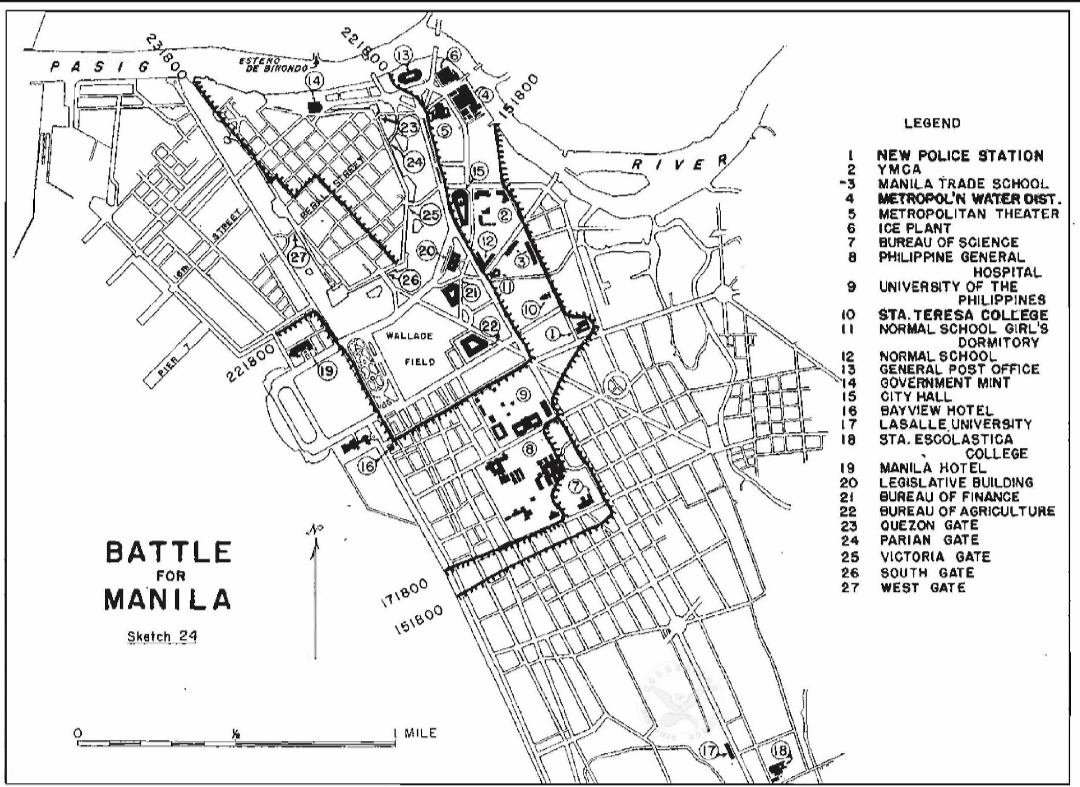
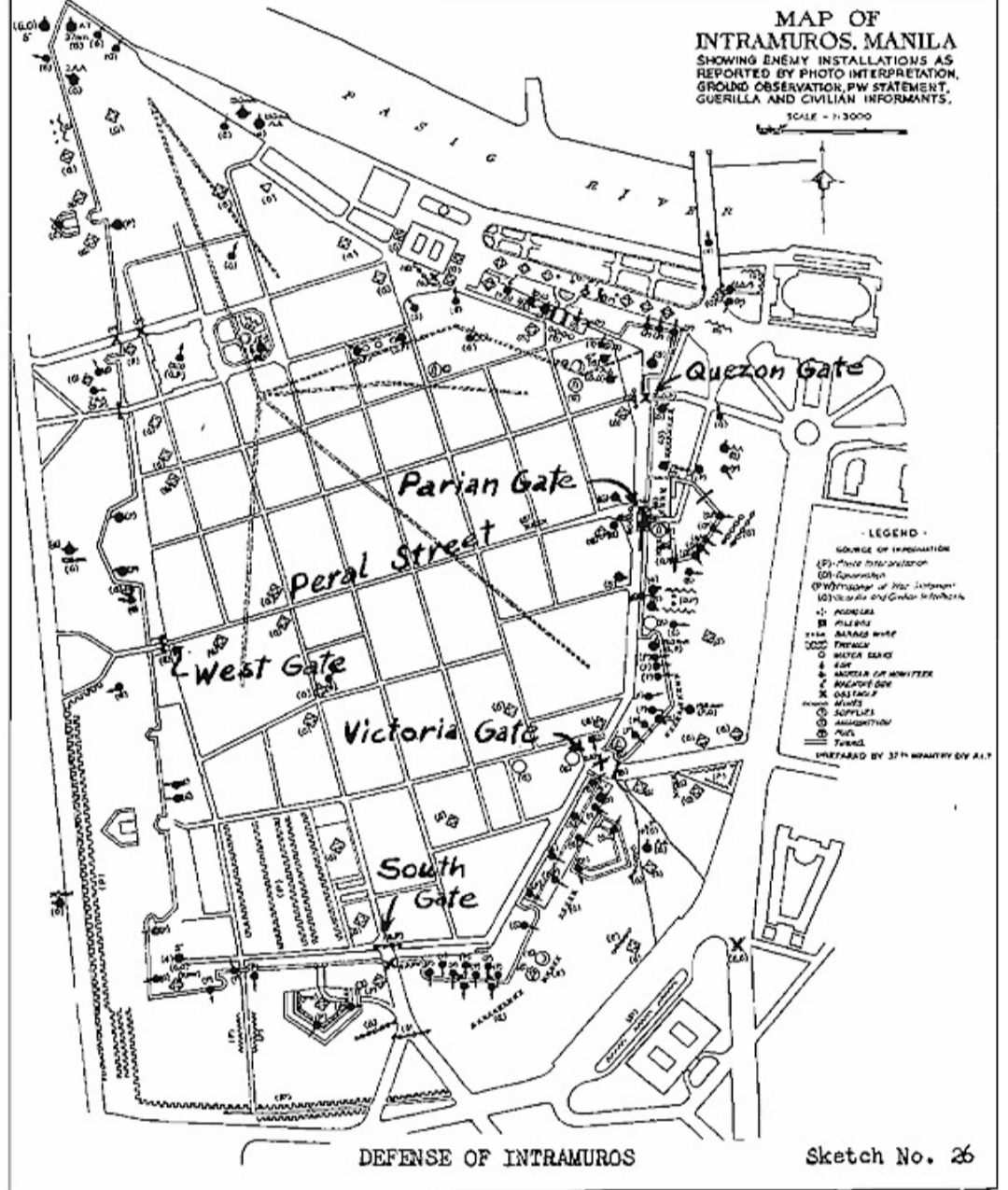
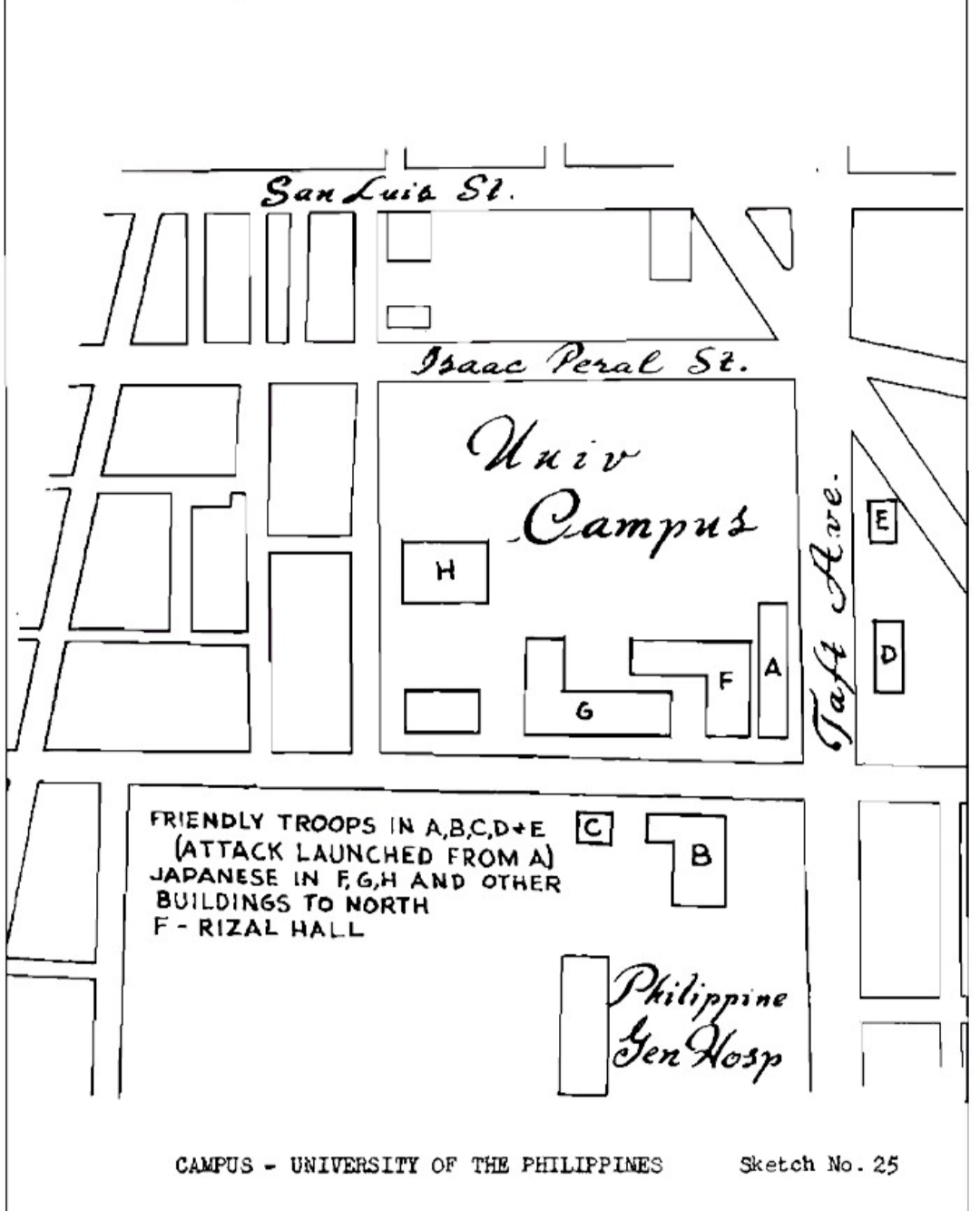
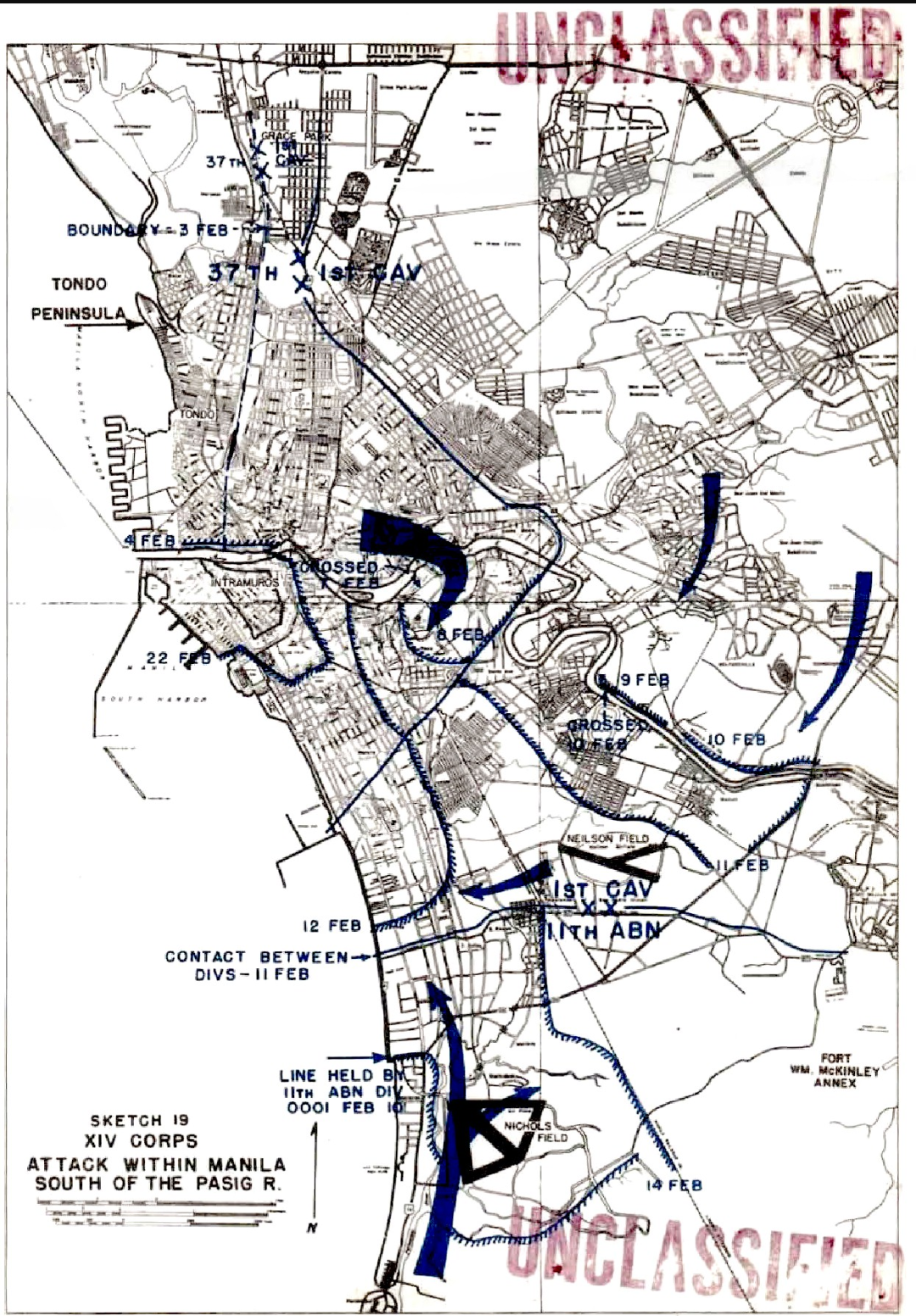
Can we have some more details about the battle of Manila? Like specifically what the maps could look like? And who will they be fighting against?
at least pst something from wiki, a few pictures of the battle,


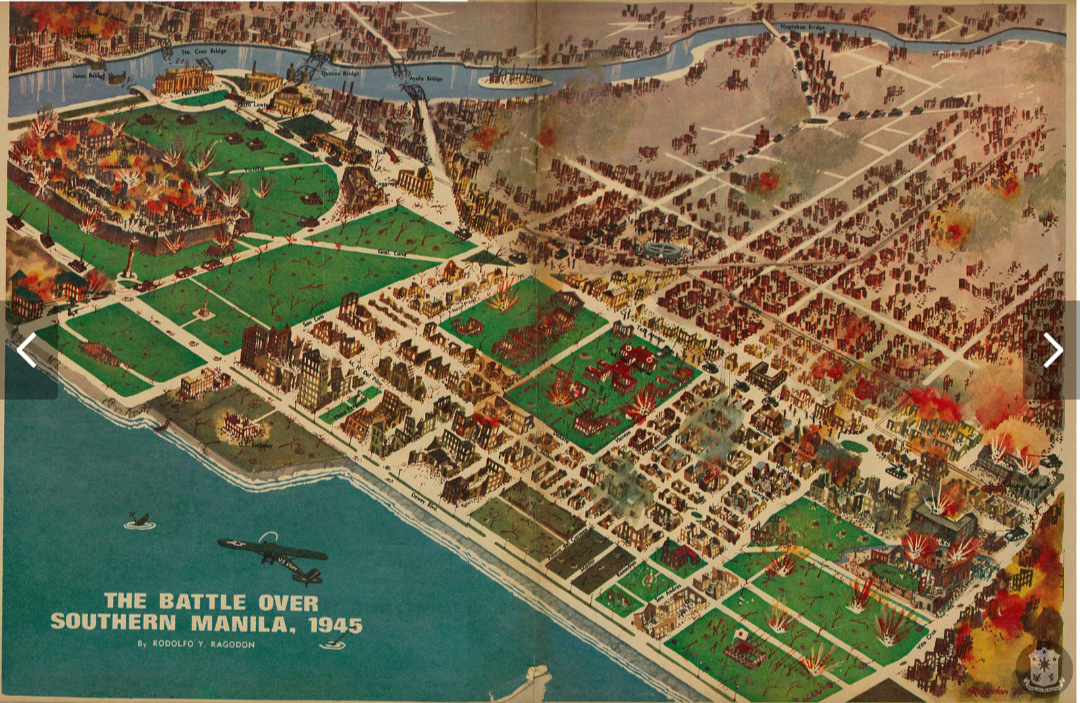
The Battle of Manila was part of the 1944–45 Philippine campaign during World War II. U.S. forces, alongside Filipino guerrillas, fought Imperial Japanese troops entrenched throughout the city. It became one of the most destructive urban battles of the war, often called the “Stalingrad of Asia.”
another urban map for japan? sign me up
Thank you for your suggestion I agree!
Battle for Manila (Japan vs USA urban map) is great, Id also add Luzon for a Philippines campaign.
Good thing too is that iirc there was early war and late war fighting in Manila so the map would work for both.
The Battle of Manila and the End of the War The Battle of Manila ended on March 3, 1945. Although it marked the liberation of the Philippine capital from Japanese occupation, it did not yet signify the end of the Second World War. The global conflict did not conclude definitively until six months later, on September 2, 1945, with the official signing of the Japanese surrender. Here is an overview of the key phases and context surrounding the end of the war in this region: The Course and Conclusion of the Battle of Manila • Duration and Brutality: The battle began on February 3 and ended on March 3, 1945. It was the fiercest urban engagement in the entire Pacific Theater. • Disregard for Orders: Japanese General Tomoyuki Yamashita had originally ordered the evacuation of the city. However, Rear Admiral Sanji Iwabuchi ignored the order, entrenched himself in the city with thousands of sailors, and resolved to fight to the last man. • Catastrophic Consequences: Manila was almost completely razed to the ground, becoming—after Warsaw—the second most devastated capital city of the Second World War. Over 100,000 Filipino civilians perished during the fighting and as a result of the brutal rampage committed by Japanese soldiers (known as the Manila Massacre). The Path to the Definitive End of the War • Continued Fighting: Following the liberation of Manila, the war in the Pacific continued with immense intensity. Further exceptionally bloody battles followed, such as those for the islands of Iwo Jima and Okinawa. • Surrender: The fighting only came to an end following the dropping of atomic bombs on Hiroshima and Nagasaki in August 1945 and the subsequent entry of the Soviet Union into the war against Japan. Emperor Hirohito announced the surrender on August 15. The war officially ended on September 2, 1945, with the signing of the surrender aboard the American battleship USS Missouri.
From the very beginning of the planning for the Philippine campaign, Manila was the primary objective of General Walter Krueger’s U.S. Sixth Army, which was tasked with seizing Luzon—the largest island in the Philippines and the site of the city. The senior Japanese commander in the Philippines, Tomoyuki Yamashita, had originally planned only a symbolic resistance, intending to withdraw the Japanese garrison from Manila to preserve his forces and prevent the total destruction of the city. However, the commander of the Japanese garrison, Sanji Iwabuchi, chose to disregard Yamashita’s orders and fight to the last man. This decision resulted in two months of bloody combat, during which a large number of soldiers and over 100,000 civilians perished—largely as a consequence of intensified Japanese brutality. Not a single man from the Japanese garrison survived. The loss of more than 14,000 soldiers dashed any remaining hope General Yamashita might have had of halting the Americans on Luzon. Nevertheless, Yamashita’s troops in northern Luzon did not surrender until August 1945, following the dropping of atomic bombs on Hiroshima and Nagasaki.
On the 21st, the 12th Cavalry penetrated the Manila Hotel, where intense close-quarters fighting took place. By 18:00, the enemy held the mezzanine, while American forces controlled the lobby. By 16:45 on February 22, the Manila Hotel had been completely cleared.
why not