- Fiat 508/518 (Italy)
- PZInż 302 (Poland)
- NO
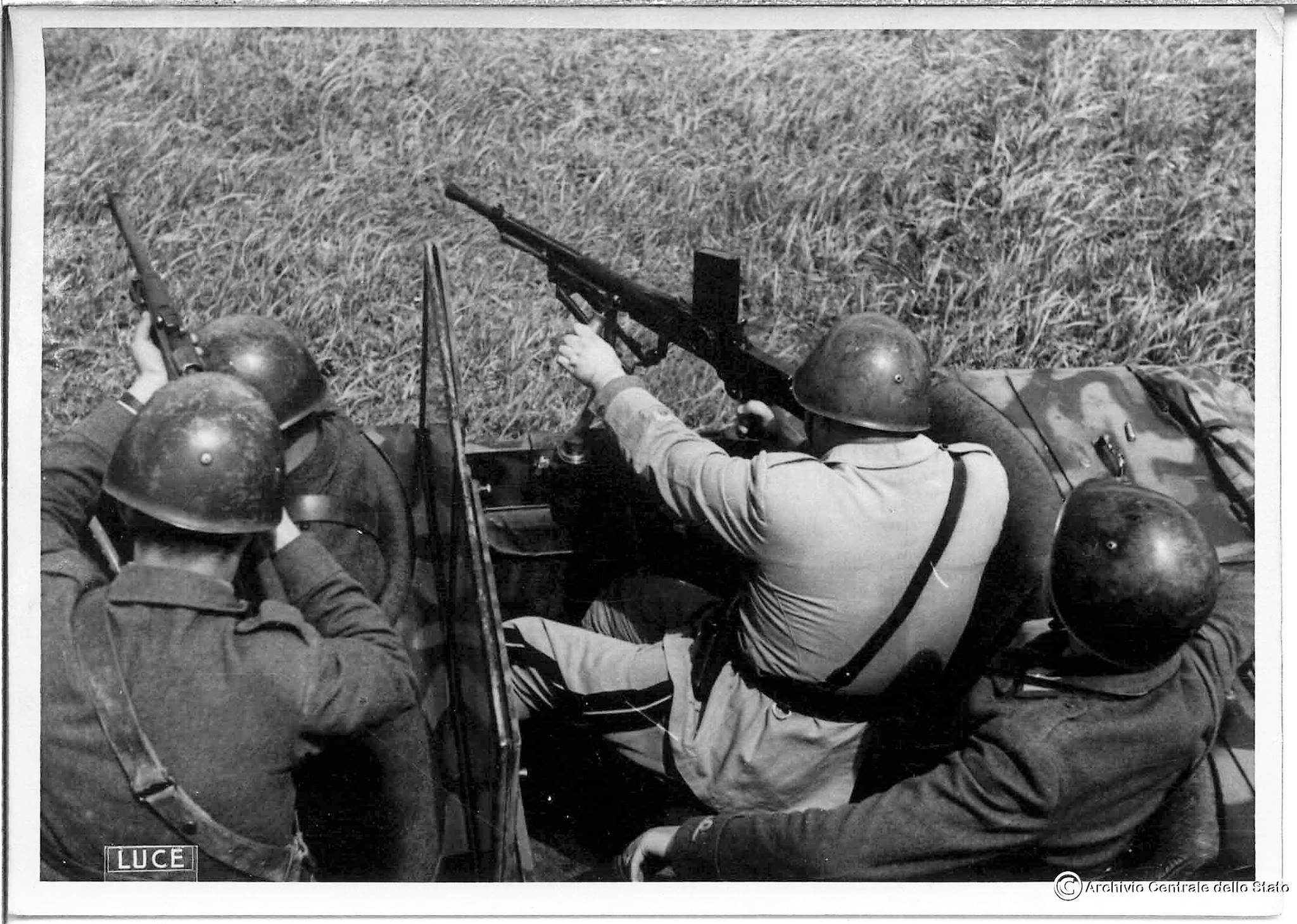
Fiat, when it launched the 508C Nuova Balilla in 1937, had extrapolated from the civilian version a tactical model for the armed forces called Fiat 508C Coloniale[1], exactly as it had previously done with the Fiat 508M. The car, with a four-door, four-seater torpedo bodywork, retained the shape of its predecessor, including the characteristic “nose”, and was produced for the Royal Army from 1937 to 1939. In the meantime, on 11 July 1938 the 508CM was presented in Avezzano, an evolution of the previous colonial car, characterized by square shapes and reinforced suspensions.
It entered service in the same year in the Royal Army and in the Regia Aeronautica[2], remained in production until 1945, for a total of 6000 units produced, a few hundred of which for the Wehrmacht after the Armistice of Cassibile. It was the most widespread reconnaissance car and liaison between the commands of the Royal Army during the Second World War. In addition to the standard military and pickup truck versions, a Fiat 508CM Coloniale version was also produced until 1943, adapted for use in the theaters of Italian East Africa and Libya.
In addition, in view of the operations on the Eastern Front, the closed-body version Fiat 508CM Saloon FO (Eastern Front ) was built. After the war, it continued to be used until 1960[3] by the Republican armed forces.

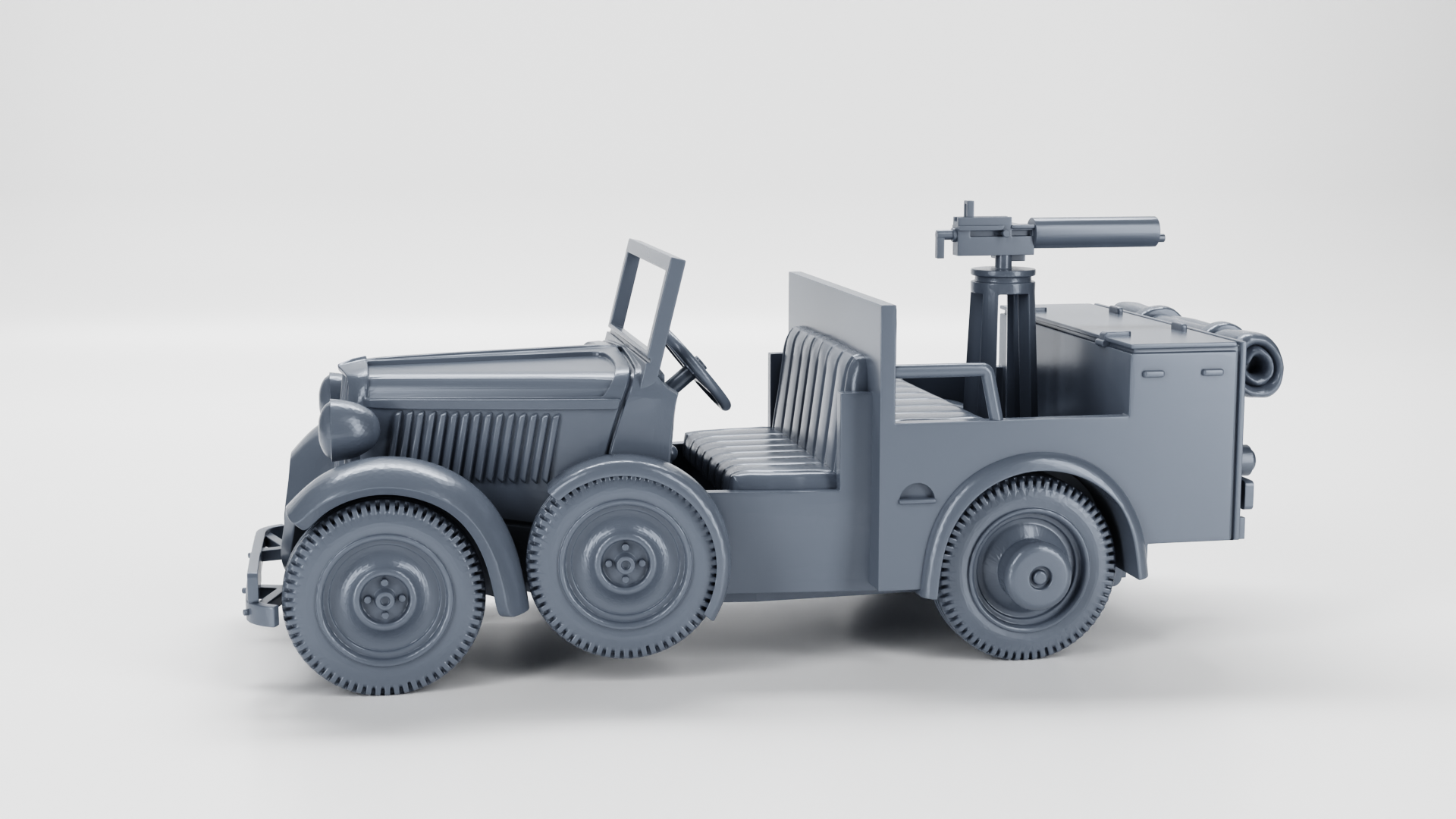
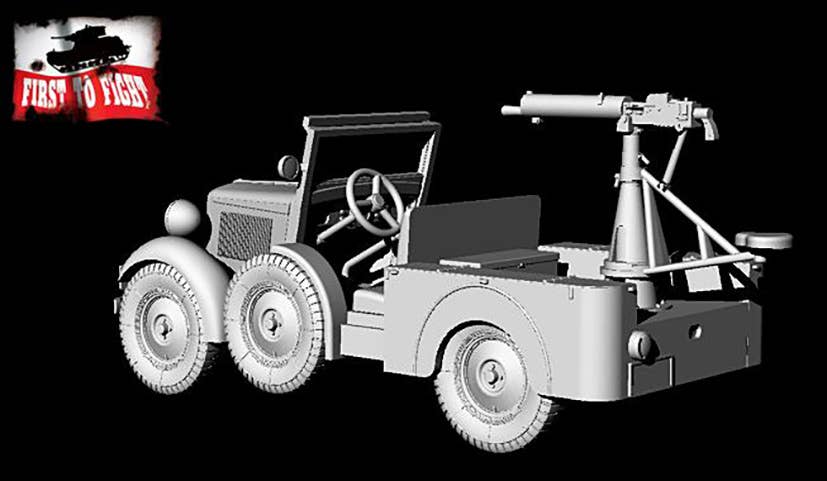
The PZInż 302, also known as Polski Fiat 508/518, was a Polish military truck and light artillery tractor. Designed and built by Państwowe Zakłady Inżynieryjne works (hence the PZInż 302 name), it used a large number of parts from both the Polski Fiat 508 all-terrain vehicle and Polski Fiat 518 car.[1] It was produced in a variety of versions, including light truck/pick-up truck, radio vehicle and towing tractor for the Bofors 37 mm.[1][2]
The truck’s carrying capacity was 5 artillerymen and 80 rounds of ammunition for the Bofors. The 10th Motorized Cavalry Brigade (Poland) and the Warsaw Armoured Motorized Brigade also used the 508/518 in an anti-aircraft role.[3]
After the Invasion of Poland was over, a number of PZInż 302 vehicles fell into the hands of the Germans. Later, some of these vehicles were incorporated into the equipment of the Wehrmacht.
- both
- no