This is a translation of my article detailing the research of a unique historical specimen: a Belgian FN Modele 30 machine gun modernized by Japanese specialists during World War II. Based on a technical analysis of an artifact from the Museum of Connecticut History, the author refutes the theory that Japan purchased this model directly from Fabrique Nationale.
The study proves that the machine gun was captured as a trophy in China and subsequently adapted for the Japanese 6.5×50mm SR Arisaka cartridge at the Yokosuka Naval Arsenal. Work on this article began back in February 2026, though it was only published yesterday. The Museum of Connecticut History was very gracious in providing several photographs of the Japanese FN Modele 30 from their collection.
The Belgian company Fabrique Nationale (FN), building upon the Browning Automatic Rifle (BAR) system under the leadership of designer Dieudonné Saive, created a series of models that significantly surpassed the original American M1918.
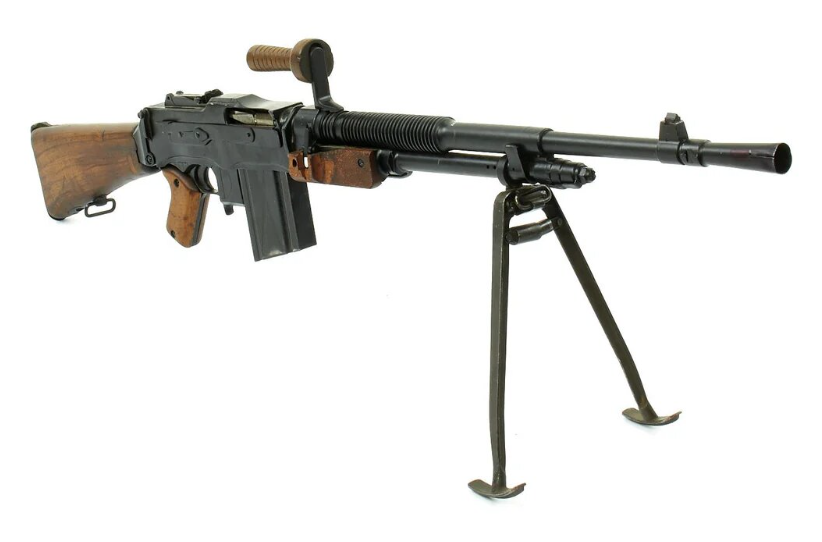
The FN Modele 30 was the result of a deep redesign of the system to meet the requirements of the international market and the Belgian army. The main differences from the BAR M1918 included the addition of a pistol grip, folding bipod, and a mechanical rate-of-fire reducer. This allowed for two automatic fire modes: low (approx. 350 rpm) and high (approx. 600 rpm). Saive also introduced an improved gas system in which the piston and cylinder were effectively inverted, radically reducing the risk of jamming due to carbon buildup and thermal expansion during overheating.
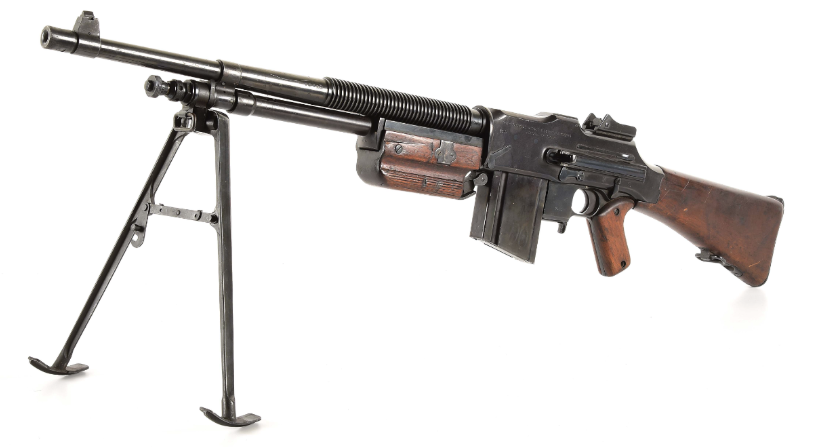
The FN Modele D, introduced in 1932, became the pinnacle of the system’s evolution. Saive modified the monolithic receiver of the 1930 model at both ends. The front section was lengthened to accommodate an interrupted thread and ratchet mechanism, enabling a quick-change barrel system. The lower section was widened to integrate the gas cylinder into a new, robust single unit with handguard overlays. The rear of the receiver became rectangular, to which a new component—the “buttstock support”—was attached using two transverse pins; inside this support sat the buffer mechanism tube. The system’s weight increased to 9.2 kg, and the disassembly process was significantly simplified thanks to the hinged attachment of the buttstock.
The Republic of China was a key customer for FN products during the 1930s. According to documentary data, the procurement of 7.92 mm Mauser caliber FN machine guns was distributed in stages: by the first half of 1933, 5,000 units had been purchased, and by 1937, the total volume of imports reached 9,148 units. After the outbreak of full-scale war, an additional 8,000 machine guns were ordered, of which more than 7,400 units arrived via the Burma Road by May 1939.
In parallel with imports, attempts were made in China to locally copy the system. Records indicate activity in repair workshops in Shaanxi Province, as well as production at the Huaxing plant (Sichuan), where batches of weapons were manufactured for the needs of provincial troops.
During combat operations in China, the Imperial Japanese Army came into possession of significant stockpiles of Fabrique Nationale machine guns. According to Japanese military doctrine, all captured materiel (rokaku heiki) was strictly regulated by the “Field Service Regulations” (Sakusen Yomu-rei). Trophies were not accidental acquisitions; their collection was carried out by specialized “battlefield clearance groups” (senjo sojo-han) under the supervision of divisional ordnance service units (heiki kinmu-tai).
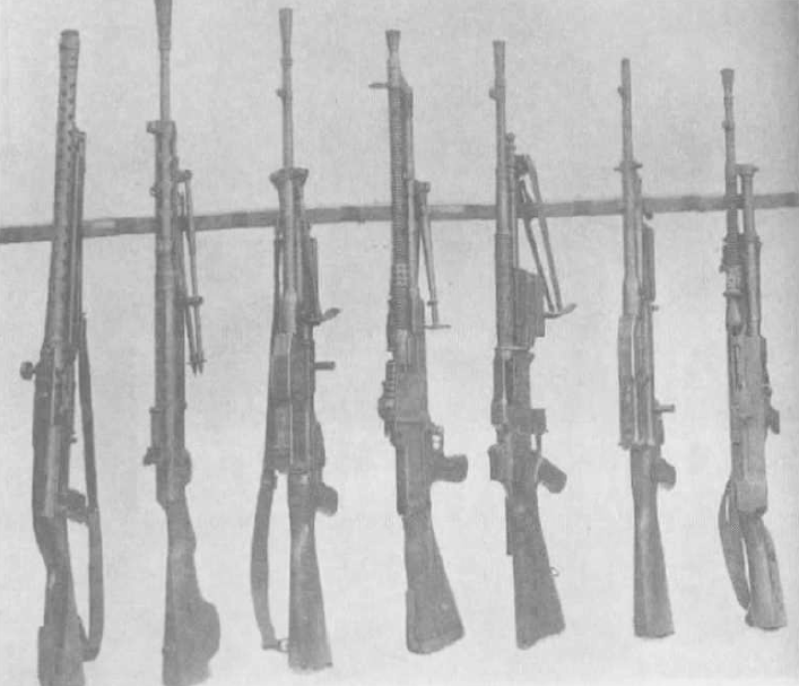
The most valuable specimens of technical interest were officially reclassified as “Quasi-standardized weaponry” (Jun-seishiki Heiki) and sent to rear research institutes or arsenals for study and subsequent modification.
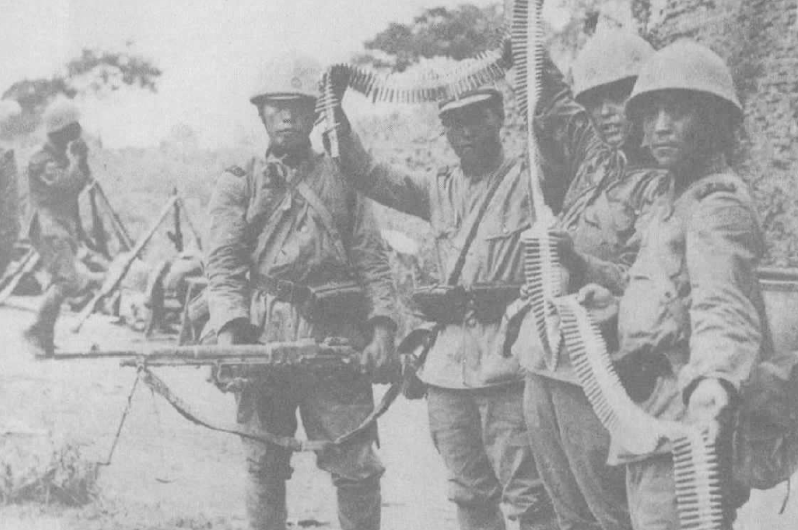
Important confirmation of the Japanese use of Belgian machine guns, even in the Pacific theater, is found in American wartime intelligence reports. The Handbook On Japanese Military Forces (1942) states:
- Automatic rifle and machine guns.—a. Automatic rifle.—In the Philippines the Japanese were reported to have used an automatic rifle made in Belgium which is basically of the same design and mechanism as the Browning automatic rifle. The captured weapon examined was a 7.7-mm caliber rifle with a 21-inch barrel. It weighed 2021 pounds. The sight was graduated to 1,600 yards. It is equipped with a hinged butt plate and a bipod mount. It is not known to what extent this weapon has been distributed to troops. It bears the following identifying markings:
“Fabrique National d’Armes de Guerre Herstal, Belgique Browning Patented 1932.”
The mention of the 7.7 mm caliber in the American report is likely erroneous, and the actual caliber was 7.92 mm. The presence of the “1932” marking and the weight of 9.2 kg indicate that the Japanese were using the most advanced model — the FN Modele D.
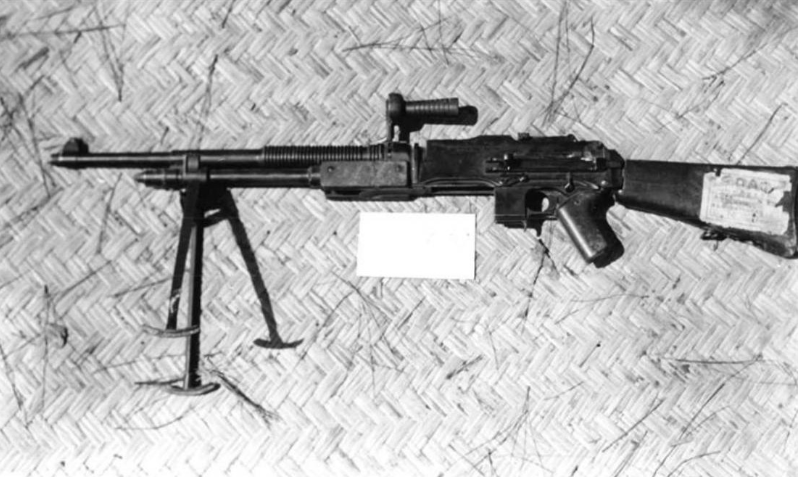
The key object of study is an FN Modele 30 specimen with serial number 4032, held in the collection of the Museum of Connecticut History. According to the supporting documentation transferred to the museum by the Colt company in 1957, this sample is listed as being “made in Belgium for the Japanese Government.” However, detailed technical analysis casts doubt on the version of a special order from Belgium and likely points to a conversion carried out by the Yokosuka Naval Arsenal.
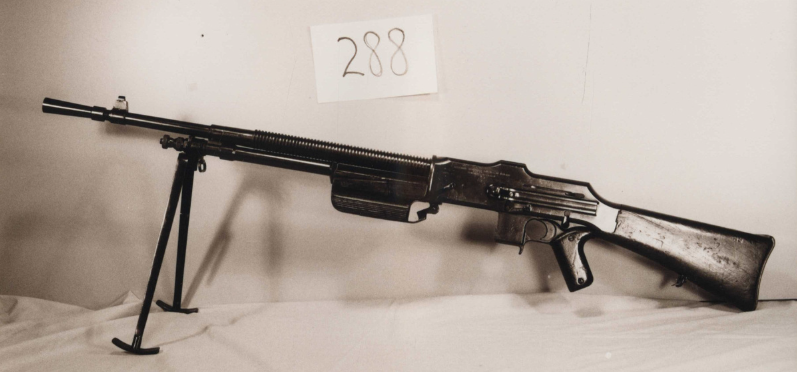
The machine gun was re-barreled for the 6.5×50mm SR Arisaka cartridge to simplify frontline logistics. Characteristic changes in the shorter gas cylinder tube bracket, which differ from Fabrique Nationale factory standards, indicate an adaptation of the Belgian barrel to the Japanese caliber. Notably, the 7.92 mm Mauser caliber marking remained on the gas cylinder tube bracket itself.
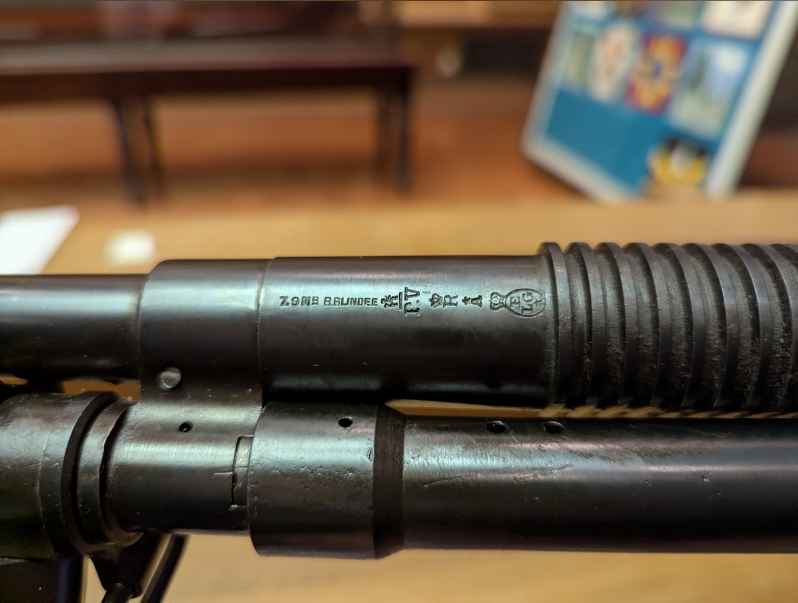
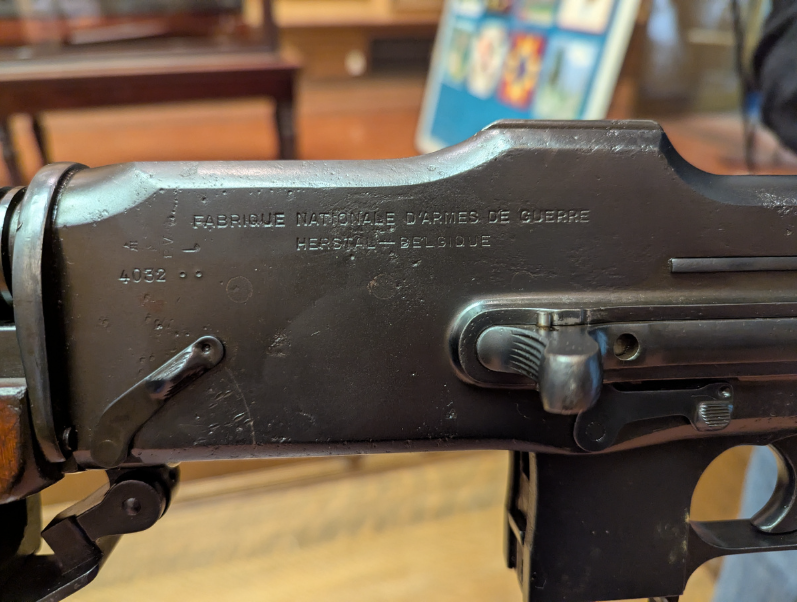
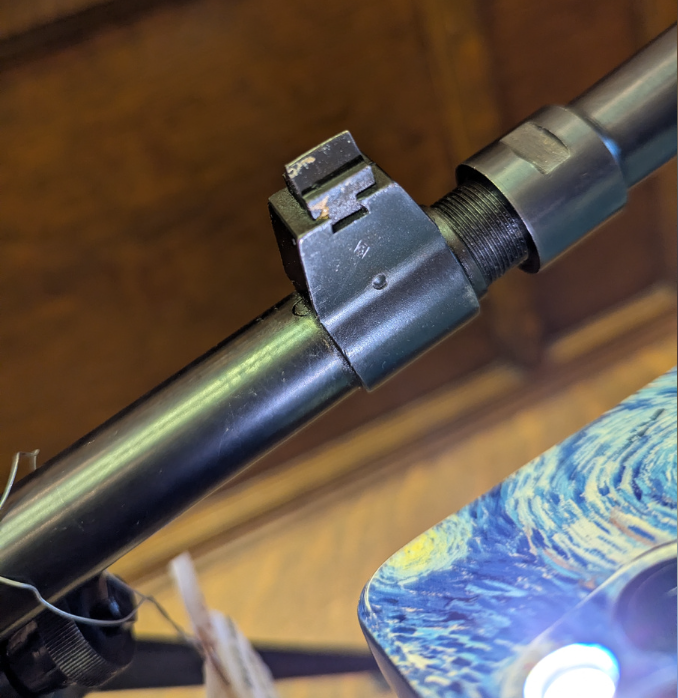
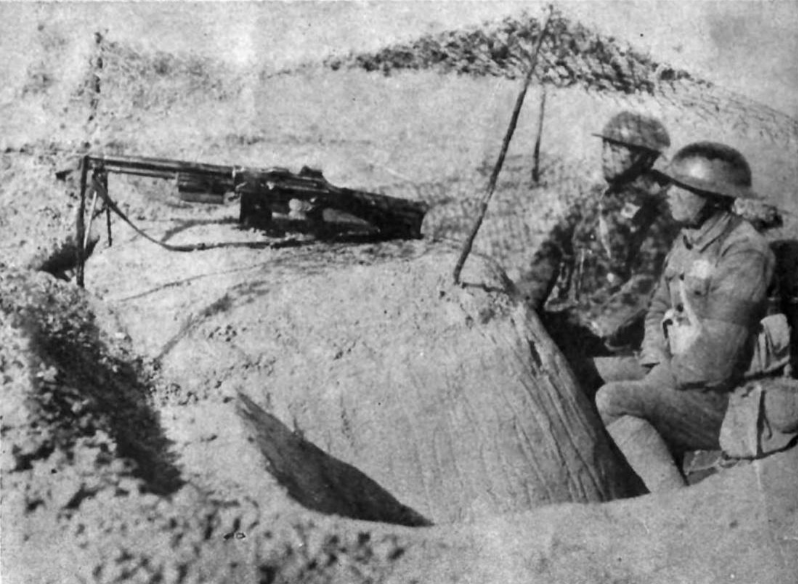
The feeding system deserves special attention. The geometry of the 6.5 mm Arisaka cartridge, with its pronounced case taper and semi-rimmed flange, makes it difficult to use in a standard straight BAR magazine designed for the rimless Mauser cartridge. In one archival photograph of Japanese soldiers with an FN machine gun, a curved (sector) magazine is visible. The presence of a sector magazine in the photo serves as indirect but compelling technical evidence that the specific weapon shown had been converted to 6.5 mm caliber. This indicates that such modifications were systematic in nature.
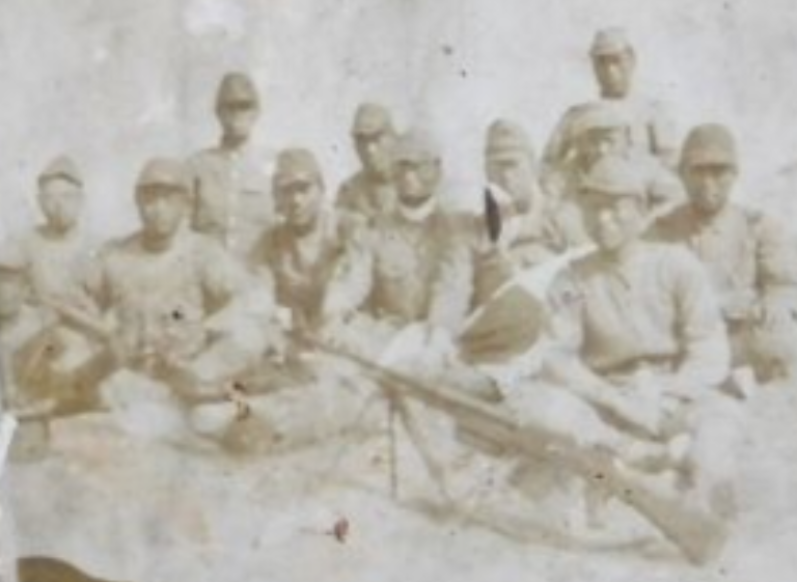
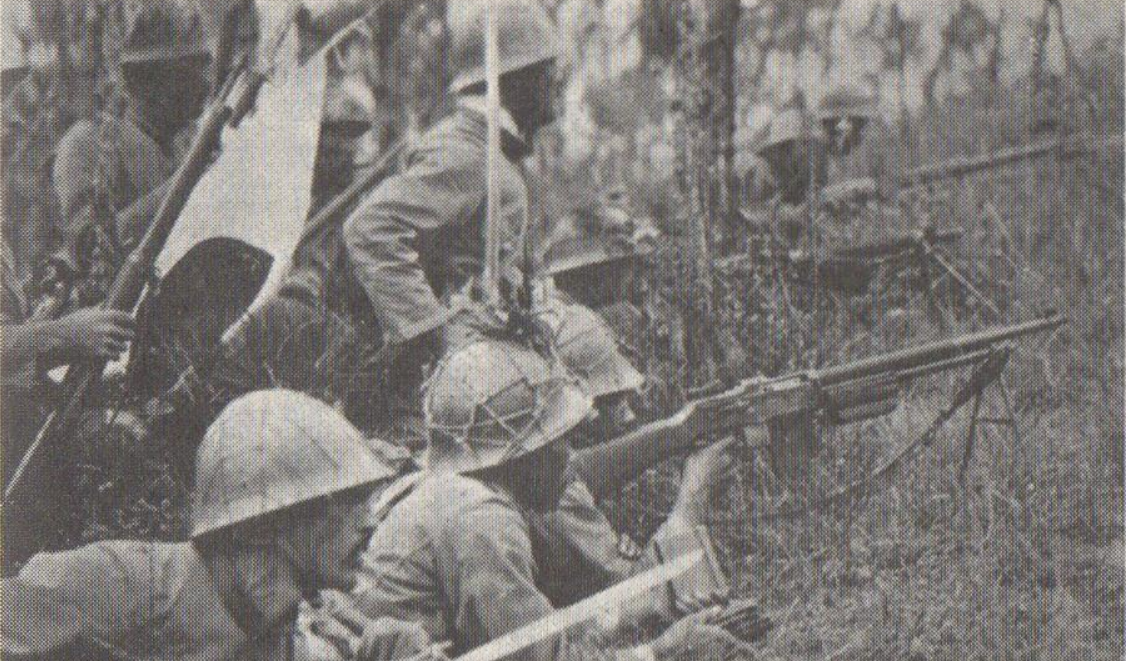
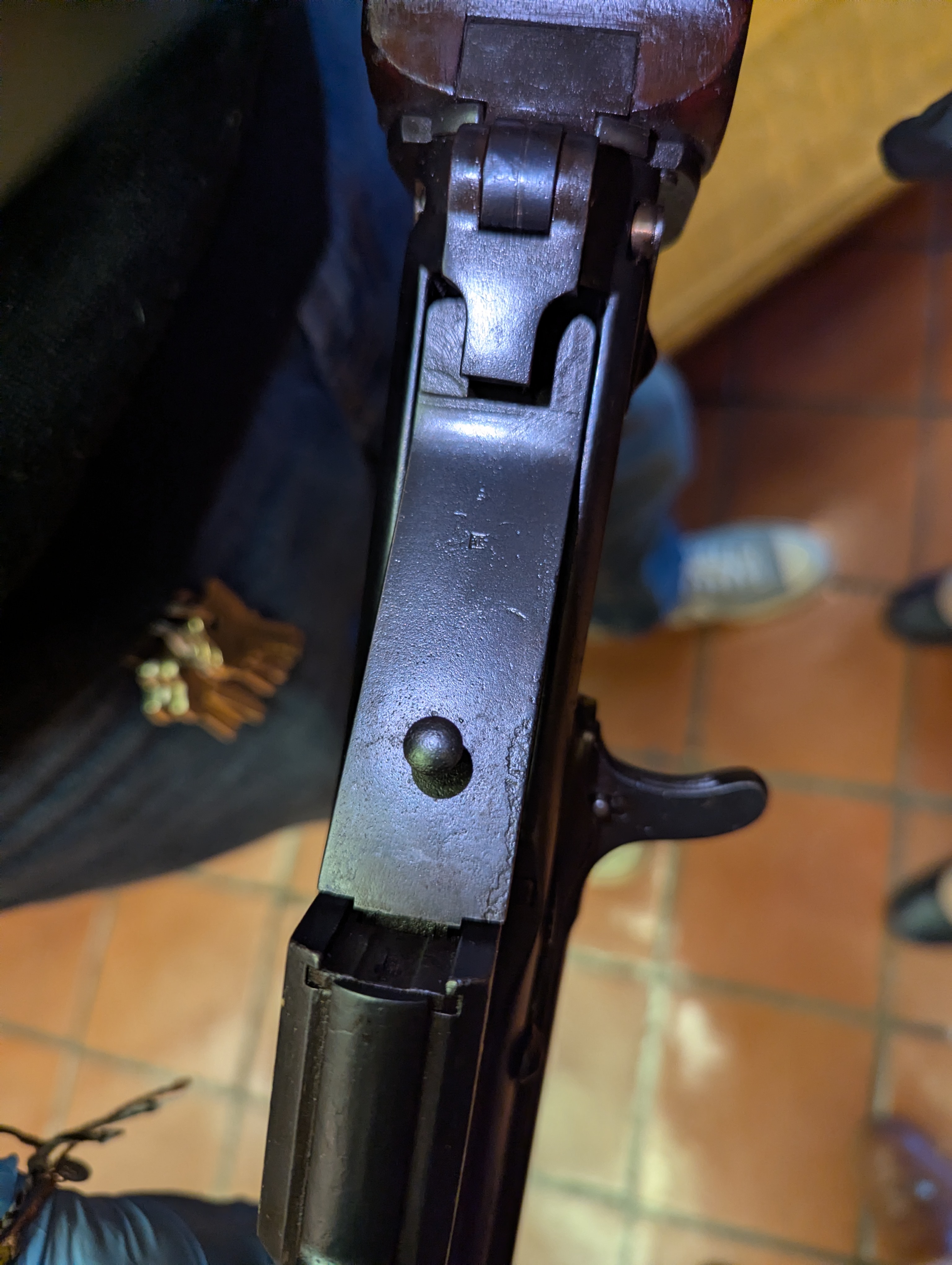
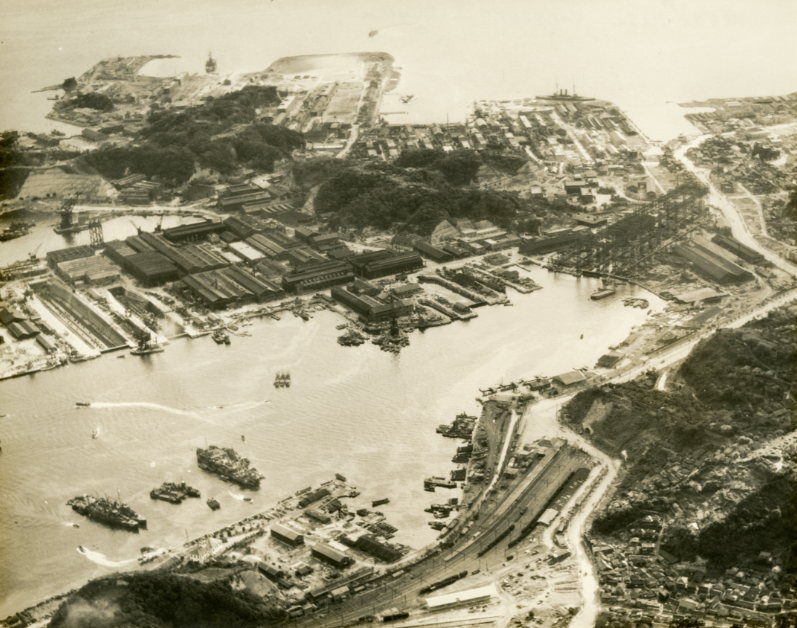
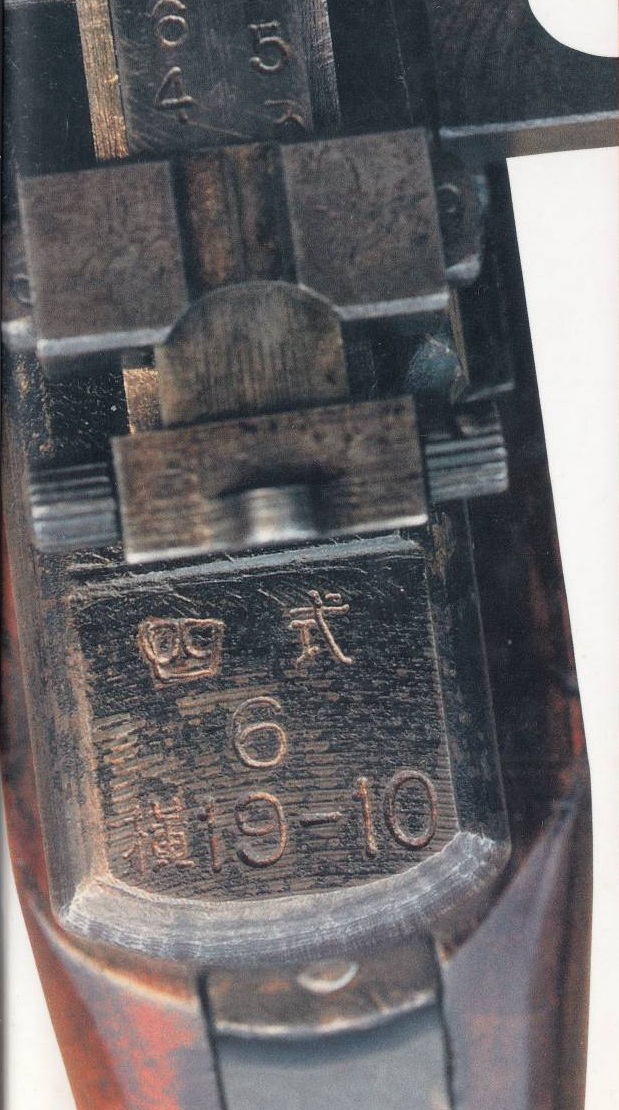
The presence of the “横” (Yoko—short for Yokosuka) stamp on machine gun No. 4032 indicates that this specimen passed through the Yokosuka Naval Arsenal (Yokosuka Kaigun Koshō). Unlike the Army’s “Field Arsenals” (Yasen Heikisho), the naval arsenals possessed a powerful production base capable of carrying out complex structural modifications.
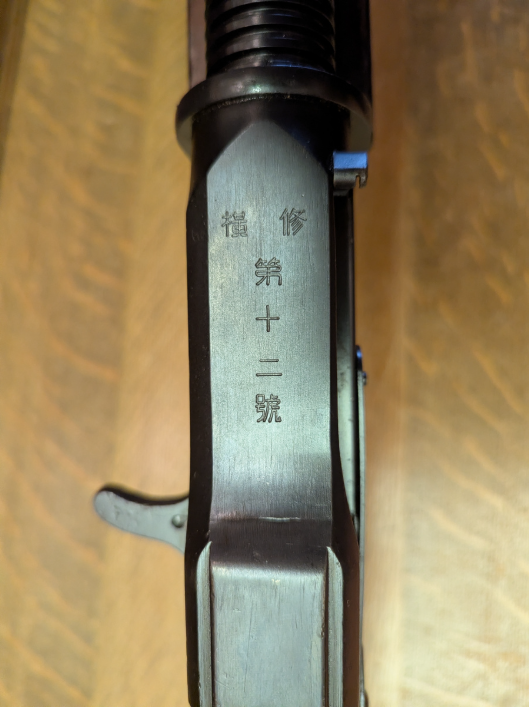
The marking “修” (Shū—modification) next to the arsenal name and the inventory number “No. 12” indicates that the machine gun was part of an official Navy program for the standardization of captured weaponry. The entry regarding its “Belgian origin for Japan” in the Colt documentation highlights that the American specialists who examined this trophy recorded its final state but may have misinterpreted the manufacturer’s markings on the receiver as evidence of a direct contract.
The specimen from the Museum of Connecticut History serves as rare physical evidence of Japan’s systematic approach to utilizing enemy resources. The Colt company record stating that this was an “order for the Japanese government” is likely an error. In reality, the machine gun underwent the full cycle prescribed by Japanese regulations:
- Capture and collection on the battlefield by specialized groups.
- Shipment to the rear for technical evaluation.
- Modernization at the Yokosuka Arsenal, including the application of corresponding stamps and the assignment of an internal inventory number.
This makes this specimen an invaluable testament to how Japan successfully integrated foreign systems into its own structure.
