Finland had some dudes on skies and never could decide who to fight. Mainly defense in WWII and then fought Russia, then with Germany, then against Germany.
Did this helmet exist in WW2?
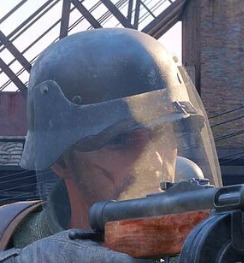
This ‘plexiglass’ material looks very modern.
Is there any evidence this is real?
3 Likes
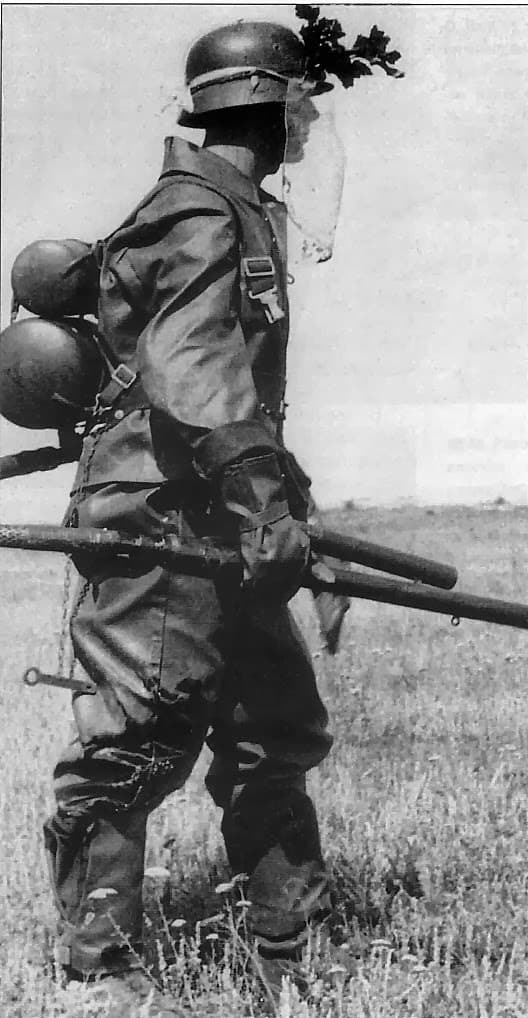
Are you sure that is glass and not a thin net/fabric?
Looks very weird in shape and size, how would they produce a plexiglass piece like that in 1940s?
1 Like
3 Likes
Are you sure it’s not net against insects? Held by a simple string?
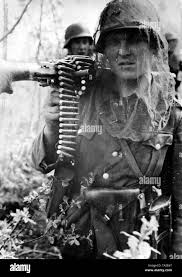
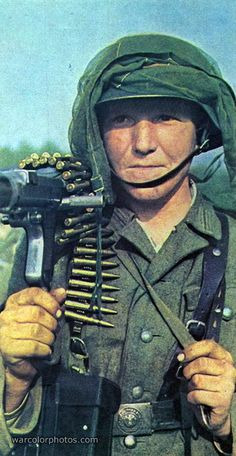
I am very sceptical about such a random huge plexiglass piece of a complex form in 1940s
1 Like
Yes, Im pretty sure that you would NOT cover your face with a flammable net when you are literally playing with fire.
6 Likes
You know soldiers have to march for days before combat, right?
Those masks were issued in Russia for summer days when there’s tonns of insects.
If not, what is that material you’d cover your face in the 1940s which is transparent and flame-proof?
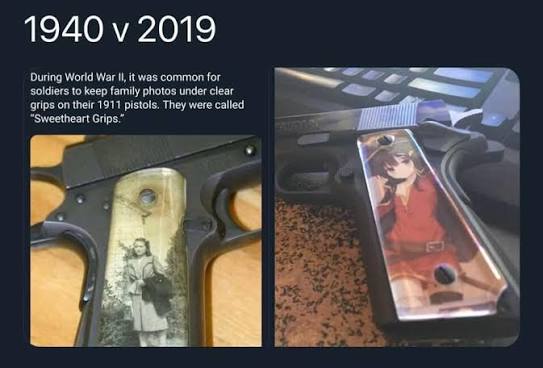
the technology clearly existed if they could “waste” it on pistol grips, its not a wunderwaffe.
Also, I doubt you would march in full flame proof suit, flamethrower and all that.
sturmpioneers had vehicles to help carry these things.
8 Likes
@Veekay45 Plexiglass existed during WW2, and was used by (amongst others) Germany for several things such as aircraft window panels to submarine periscopes.
And, indeed, as helmet screens for flamethrower troopers.
7 Likes
Sweetheart grips were made possible by acrylic (AKA Plexiglass or Lucite), which was invented between World War I and World War II.
Aircraft and vehicles used acrylic. The material replaced windows and basically anything else previously made of glass.
Servicemen salvaged it from crashes and then shaped it to replace the grip on their handguns.
5 Likes
What would be the use of such a thin layer of plastic, wouldn’t the heat melt it and create a hazard?
having a layer of protection between your face and the flames still out weights the risk.
2 Likes
Plexiglass was manufactured in germany for the first time in the 1930’s.
It was quite common in WW2 for bomber turret and planes’ windscreen as it was less likely to cause injuries when broken compared to standard glass.
6 Likes
The softening point of Plexiglass is over 90C, with the melting point being at around 180C.
For the purposes of keeping smoke, soot and other irritants away from your face (eyes in perticular), it worked just fine.
Flamethrowers were typically directed towards the enemy, rather than your face, after all.
10 Likes
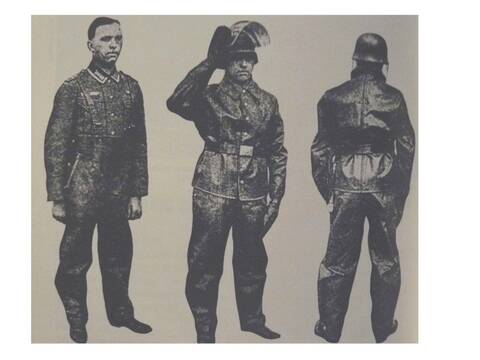

3 Likes
Hopefully we can see the flame retardant suit come to the flame trooper customisation, maybe with benefits like longer time to catch fire.
2 Likes
3 Likes
Exactly, protection like that could have meant the difference between life and death.
It’s like seeing a Flammiere in an asbestos suit and mask in the desert. It might seem silly to be wearing all that stuff in the scorching heat until the wind changes direction, you get sprayed with burning liquid and you’re thankful you’re wearing it.

5 Likes
That soldier looks very dripped out 
1 Like