Actually, I had overestimated the capabilities of the Chinese squad in terms of DF. I had originally planned to showcase a diverse combination of a machine gunner, a demolition expert, two assault soldiers, a medic, and a communications officer in the new 88th Division squad without any special weapons. I even intended to create unique models for each member. But I was thinking too much. Right now, it’s still too ordinary.
enough freaking chinese squads, give japs tai forces, korean, manchukuo or whatever, it’s infuriating
9 Likes
i’m sure that would go over well
2 Likes
1 Like
oh man. What to say.
The world is a crazy place (especially in the Enlisted forums).
1 Like
Yeah, no.
We already know what Chinese girls are going to sound like:
Uhh ahh senpaiii kimochi
(Let alone the fact that the 88th was more a propaganda unit than actual combatants in the first place)
Its not correct. It was higly effective recon, political and influence unit. Besides they all was a guerilla during 1941-1945 (and long before actualy)
Try to read sources
Li Min was in counter Japanese occupation since 1930-s
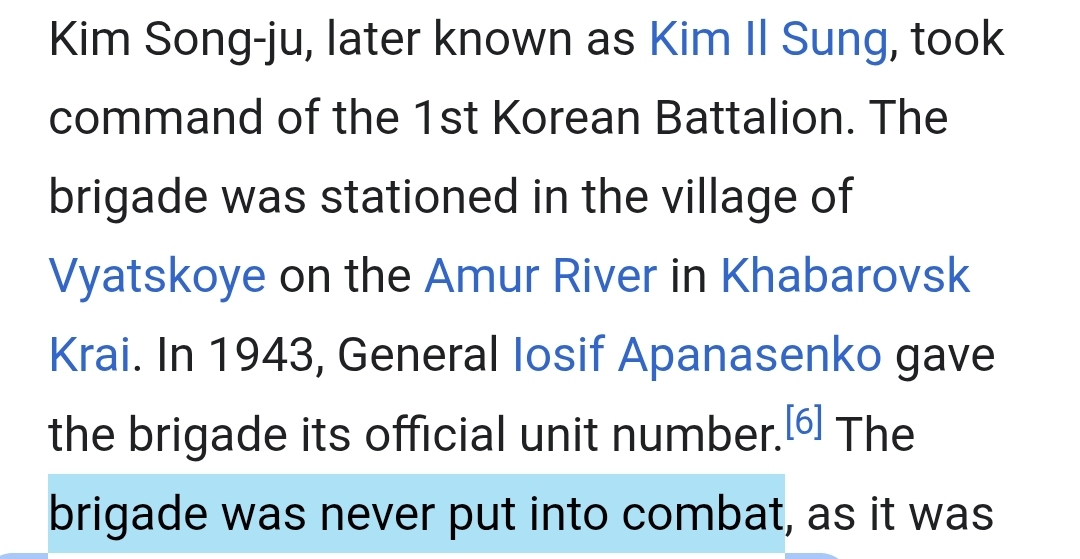
More then wikipedia
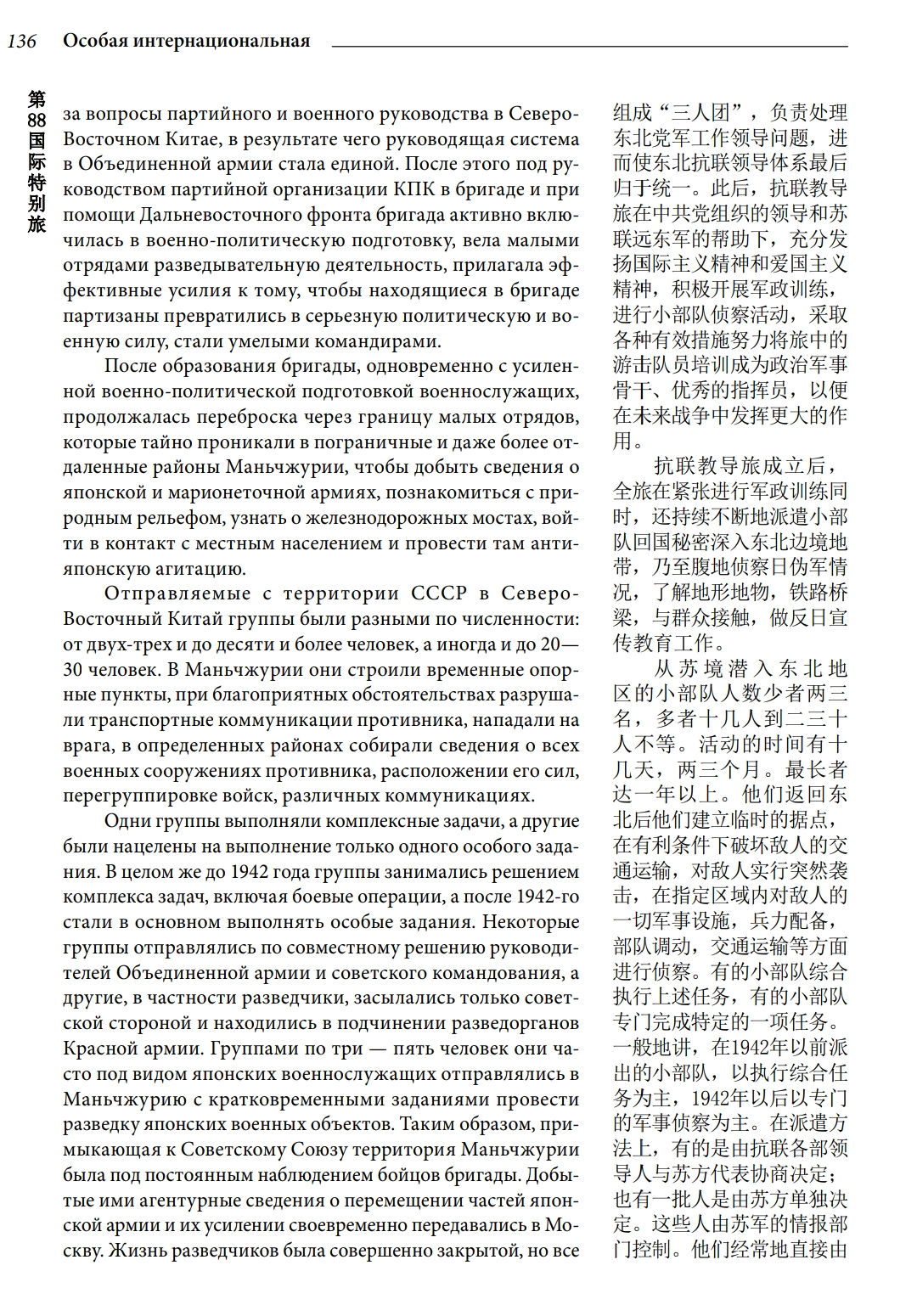
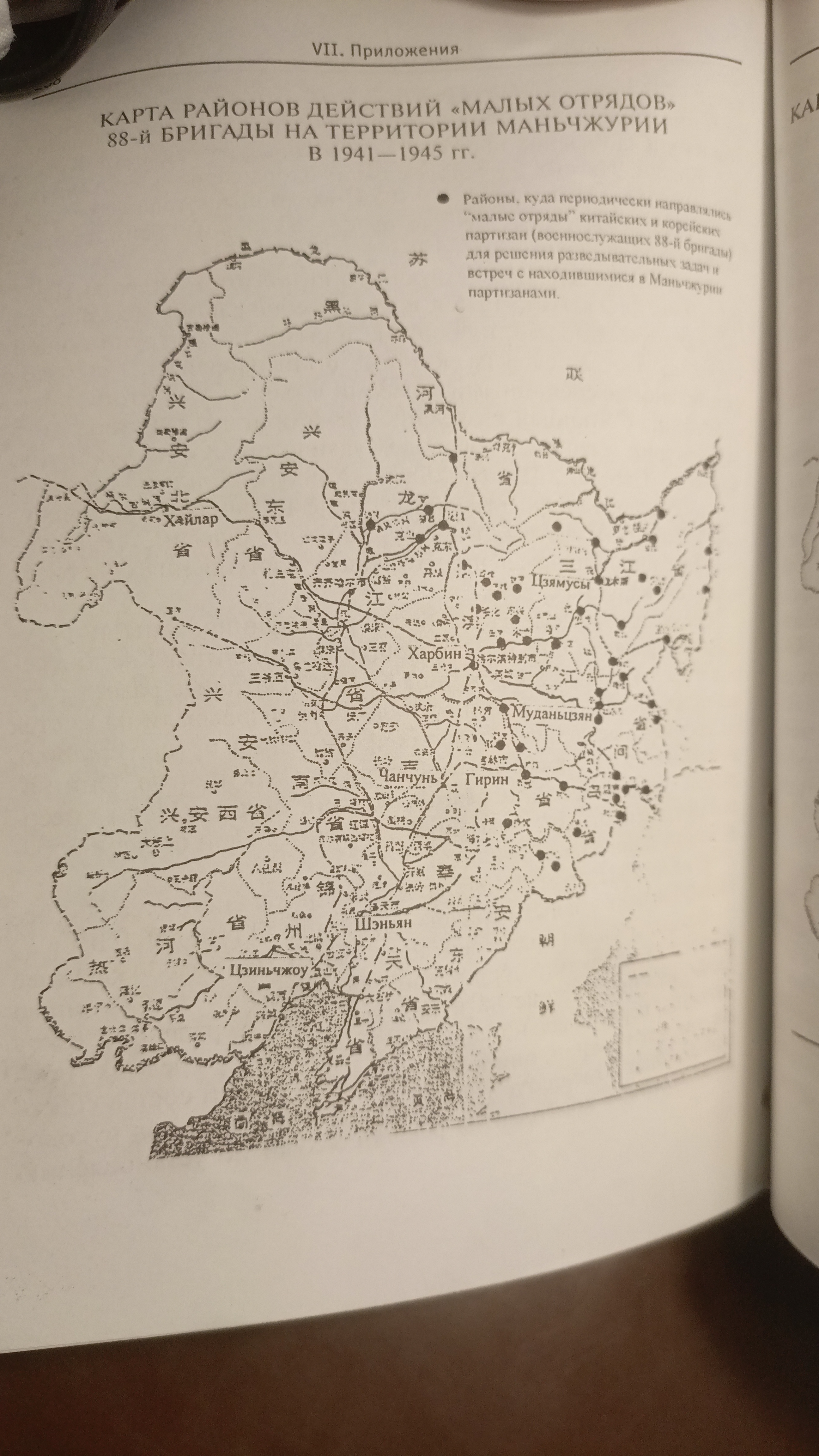
The groups sent from the territory of the USSR to Northeast China varied in size: from two or three to ten or more people, and sometimes even up to 20-30 people. In Manchuria, they built temporary strongholds, and under favorable circumstances, they destroyed the enemy’s transport communications, attacked the enemy, and in certain areas collected information about all enemy military installations, the disposition of their forces, troop regroupings, and various communications.
Some groups carried out complex tasks, while others were aimed at fulfilling only one special assignment. Overall, until 1942, the groups were engaged in solving a range of tasks, including combat operations, and after 1942 they began mainly to carry out special assignments. Some groups were sent by the joint decision of the leaders of the United Army and the Soviet command, while others, particularly intelligence scouts, were sent only by the Soviet side and were subordinate to the intelligence agencies of the Red Army. In groups of three to five people, they were often sent to Manchuria disguised as Japanese military personnel on short-term missions to conduct reconnaissance of Japanese military installations. Thus, the territory of Manchuria adjacent to the Soviet Union was under constant surveillance by the brigade’s fighters. The intelligence information they obtained about the movement of Japanese army units and their reinforcement was promptly transmitted to Moscow. The lives of these intelligence scouts were completely shrouded in secrecy.
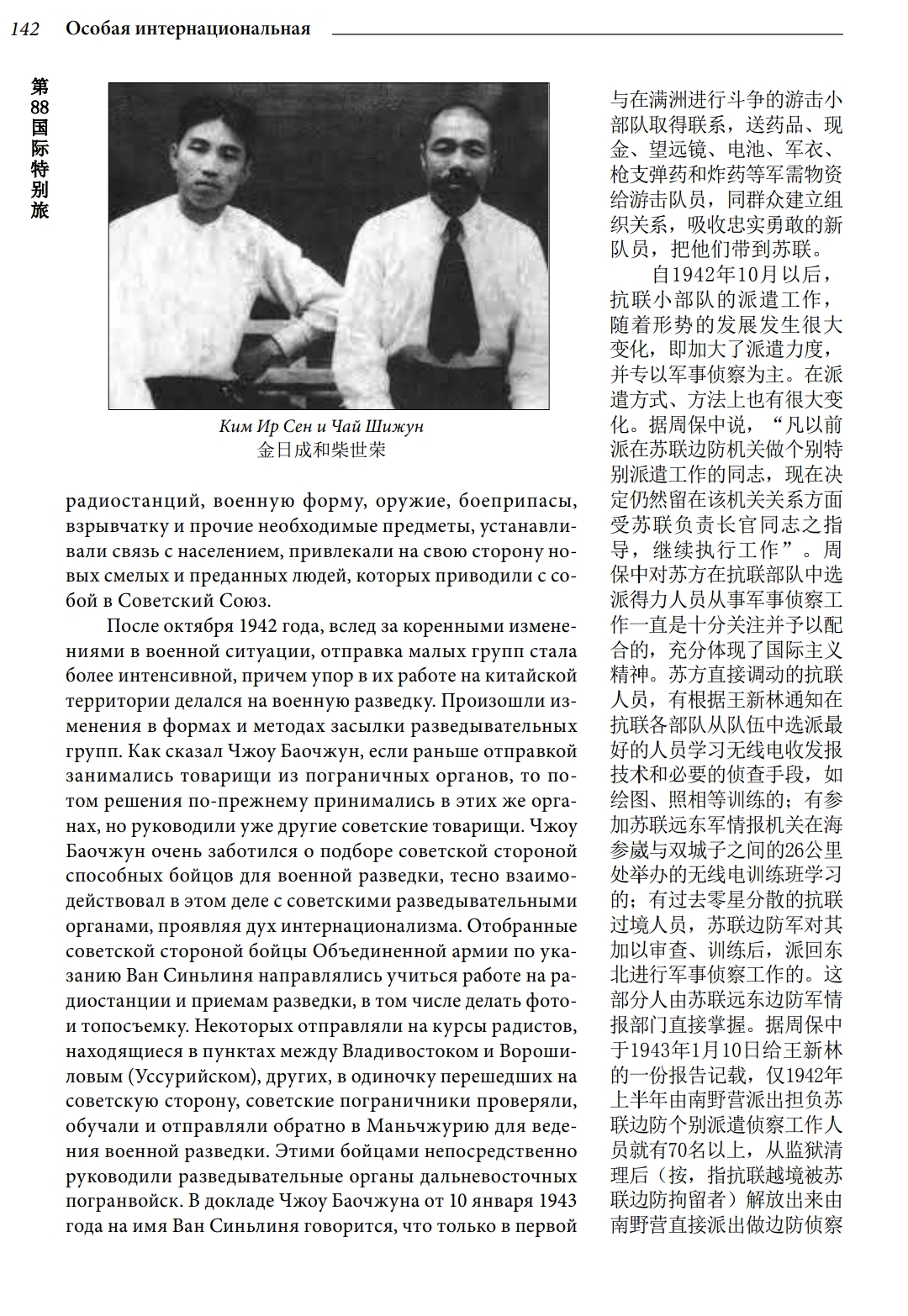
After October 1942, following fundamental changes in the military situation, the dispatch of small groups became more intensive, with an emphasis in their work on Chinese territory placed on military reconnaissance. Changes occurred in the forms and methods of sending reconnaissance groups. As Zhou Baozhong said, while previously the dispatch was handled by comrades from the border agencies, later decisions were still made in these same agencies, but other Soviet comrades were now in charge. Zhou Baozhong was very concerned with the Soviet side’s selection of capable fighters for military reconnaissance, closely cooperating with the Soviet intelligence agencies in this matter, demonstrating a spirit of internationalism. The fighters of the United Army, selected by the Soviet side, were sent, on the instructions of Wang Xinlin, to study work with radio stations and reconnaissance techniques, including photographic and topographic surveying. Some were sent to radio operator courses located at points between Vladivostok and Voroshilov (Ussuriysk); others, who had crossed over to the Soviet side individually, were checked by Soviet border guards, trained, and sent back to Manchuria to conduct military reconnaissance. These fighters were directly commanded by the intelligence agencies of the Far Eastern Border Troops. In Zhou Baozhong’s report to Wang Xinlin dated January 10, 1943, it is stated that only in the first…
For guy who cry about history looks like someone don’t care much… about a history
Where is the combat?
Which battles was the 88th deployed to?
Which Japanese divisions did it fight against?
Sure, pal
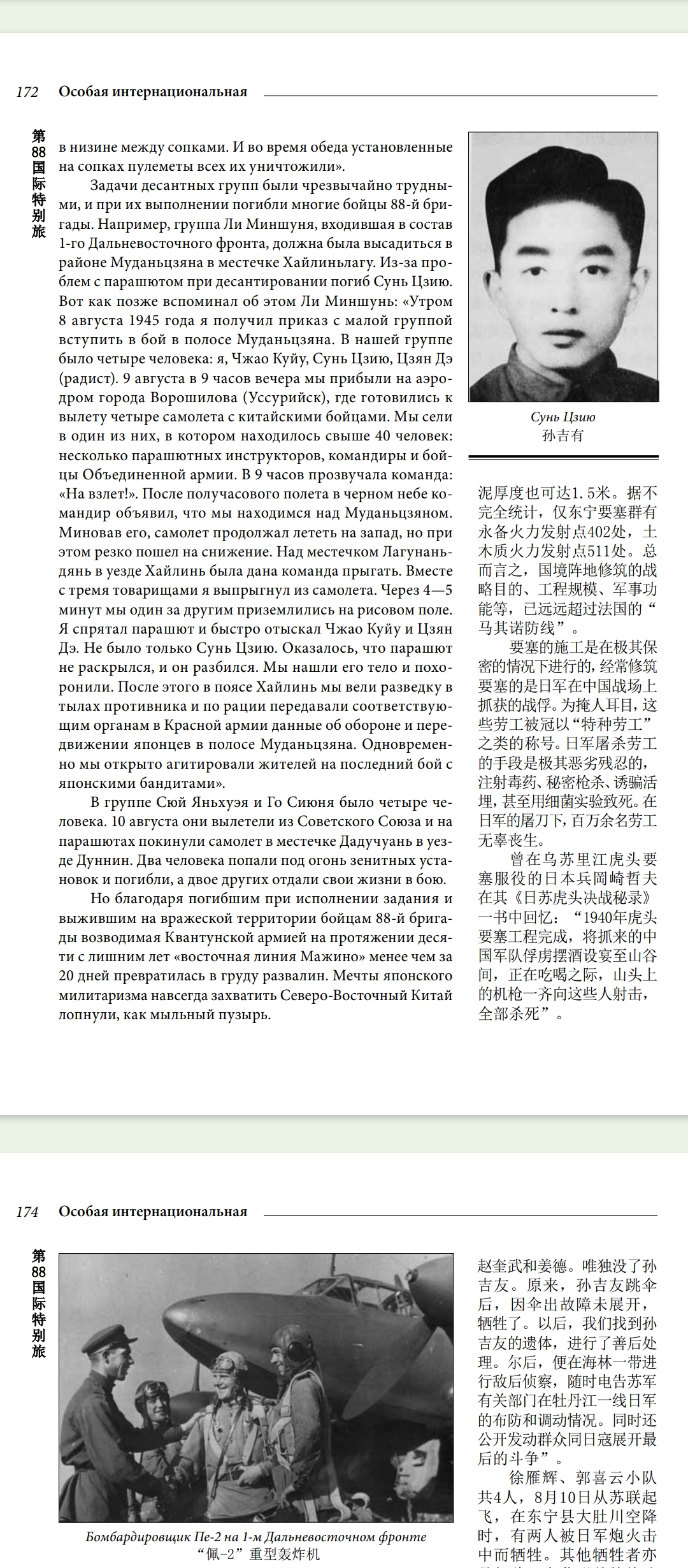
The tasks of the airborne assault groups were exceedingly difficult, and many fighters of the 88th Brigade perished while carrying them out. For example, the group of Li Minshun, which was part of the 1st Far Eastern Front, was supposed to land in the Mudanjiang area at a place called Hailinlagu. Due to a parachute malfunction during the drop, Sun Jiyu was killed. Here is how Li Minshun later recalled this: “On the morning of August 8, 1945, I received orders to engage in battle with a small group in the Mudanjiang sector. Our group had four people: myself, Zhao Kuiyu, Sun Jiyu, and Jiang De (radio operator). At 9 PM on August 9, we arrived at the airfield in the city of Voroshilov (Ussuriysk), where four planes with Chinese fighters were preparing for takeoff. We boarded one of them, which contained over 40 people: several parachute instructors, and commanders and fighters of the United Army. At 9 o’clock, the command came: ‘Take off!’ After a half-hour flight in the black sky, the commander announced that we were over Mudanjiang. Passing it, the plane continued flying west, but sharply began to descend. Over the town of Lagonandian in Hailin County, the order to jump was given. Together with three comrades, I jumped out of the plane. Within 4-5 minutes, we landed one after another in a rice field. I hid my parachute and quickly found Zhao Kuiyu and Jiang De. Only Sun Jiyu was missing. It turned out his parachute hadn’t opened, and he was killed. We found his body and buried it. After that, in the Hailin area, we conducted reconnaissance behind enemy lines and transmitted data via radio about the Japanese defenses and movements in the Mudanjiang sector to the relevant Red Army authorities. At the same time, we openly agitated the residents to fight the Japanese bandits to the end.”
In the group of Xu Yanhui and Guo Xiyun, there were four people. On August 10, they flew out from the Soviet Union and parachuted from the plane over the town of Daduchuan in Dongning County. Two people came under fire from anti-aircraft guns and were killed, while the other two gave their lives in battle.
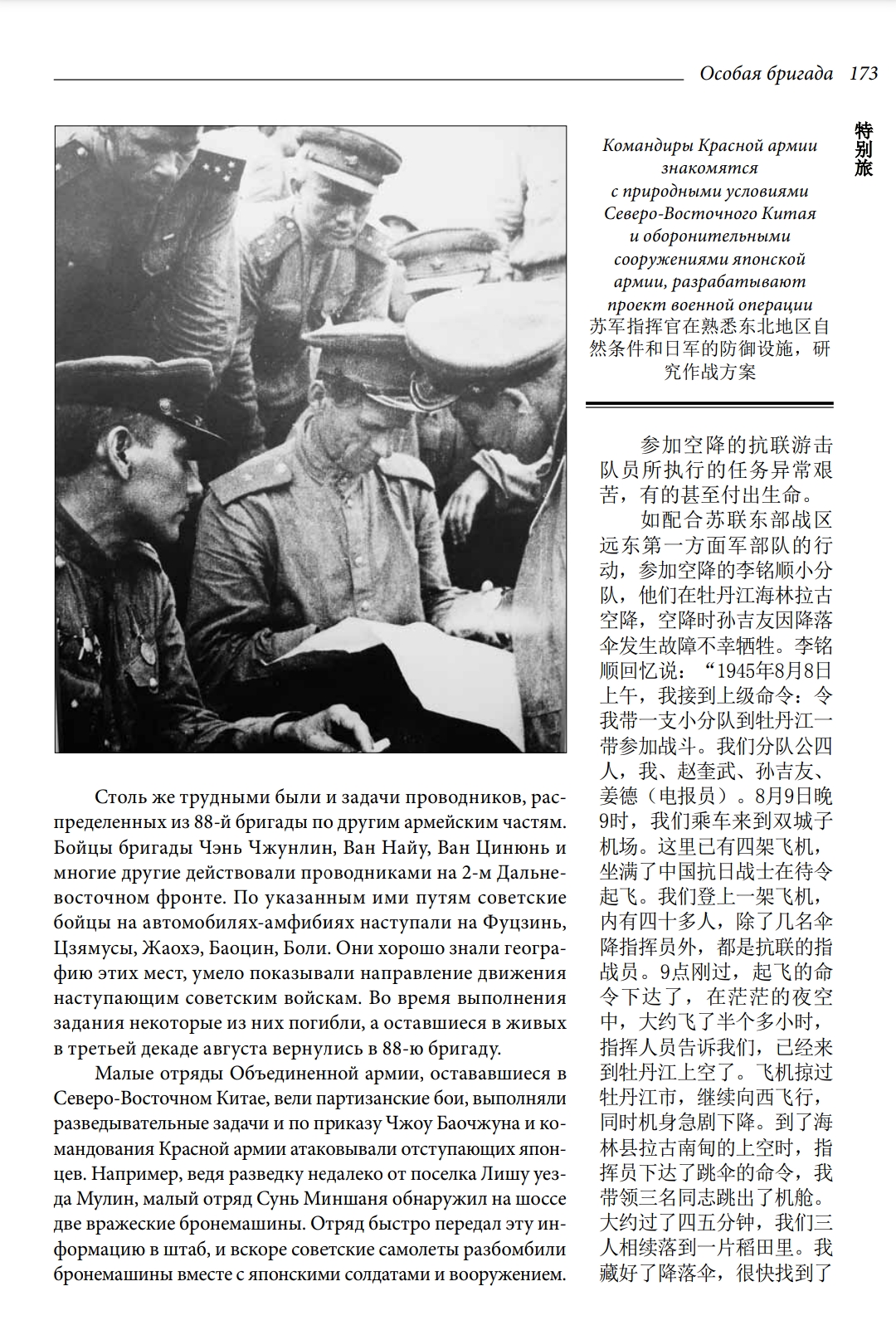
Equally difficult were the tasks of the guides, who were assigned from the 88th Brigade to various other army units. Fighters of the brigade, Chen Zhongling, Wang Naiwu, Wang Qingyun, and many others, served as guides on the 2nd Far Eastern Front. Following the routes they indicated, Soviet soldiers advanced in amphibious vehicles on Fujin, Jiamusi, Raohe, Baoqing, and Boli. They knew the geography of these places well and skillfully showed the direction of advance to the attacking Soviet troops. During the execution of their missions, some of them were killed, while the survivors returned to the 88th Brigade in the third ten-day period of August.
The small detachments of the United Army that remained in Northeast China waged guerrilla warfare, carried out reconnaissance tasks, and, on the orders of Zhou Baozhong and the Red Army command, attacked retreating Japanese forces. For example, while conducting reconnaissance not far from the village of Lishu in Muling County, the small detachment of Sun Mingshan discovered two enemy armored vehicles on the highway. The detachment quickly relayed this information to headquarters, and soon Soviet aircraft bombed the armored vehicles, along with the Japanese soldiers and equipment inside.
Any questions?
Ah yes the famous Battle of Four People.
2 Likes
You not just a pretender who don’t care about history, you don’t care about people fight and die for liberation of their land
1 Like
Just a Vika who loves Wiki
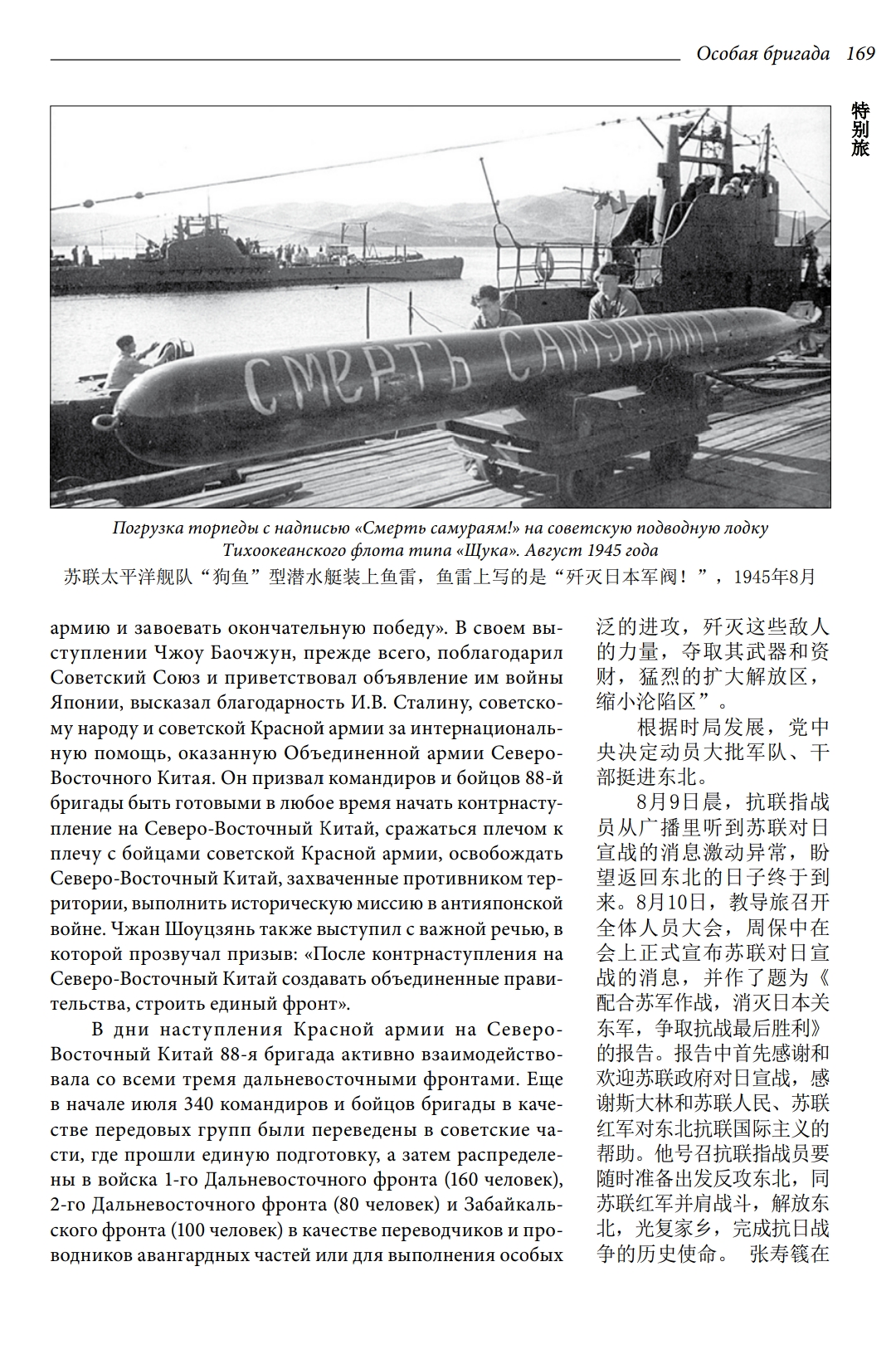
During the days of the Red Army’s offensive in Northeast China, the 88th Brigade actively coordinated with all three Far Eastern Fronts. As early as the beginning of July, 340 commanders and soldiers of the brigade, acting as advance groups, were transferred to Soviet units. There, they underwent unified training and were subsequently assigned to the troops of the 1st Far Eastern Front (160 men), the 2nd Far Eastern Front (80 men), and the Transbaikal Front (100 men) to serve as interpreters and guides for vanguard units or to carry out special tasks.
I got more but you don’t care, huh? How does it feel to be an idiot I wounder
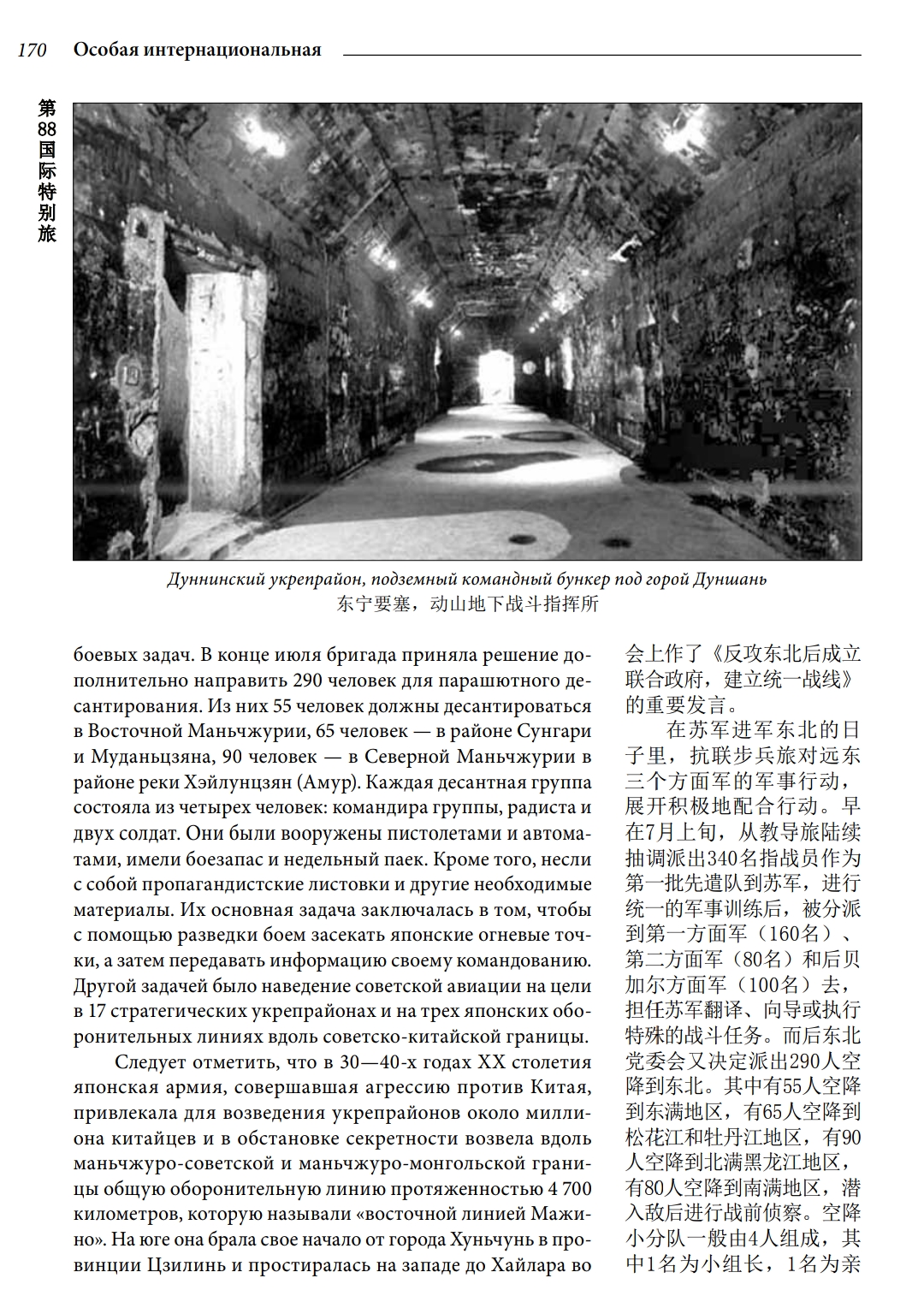
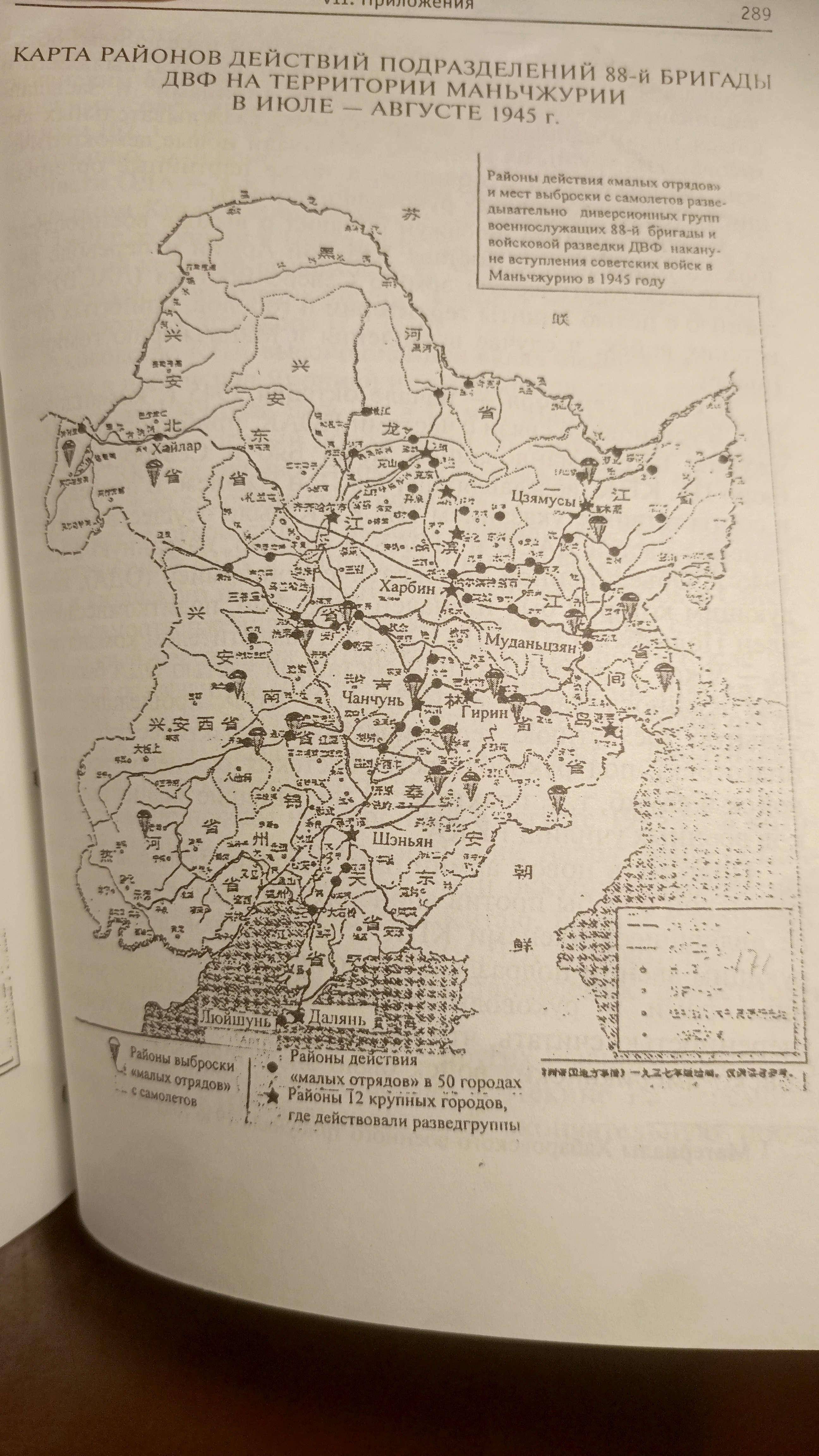
combat missions. At the end of July, the brigade decided to additionally dispatch 290 people for parachute landing. Of these, 55 people were to land in Eastern Manchuria, 65 people in the Songhua River and Mudanjiang area, and 90 people in Northern Manchuria in the Heilongjiang River (Amur) region. Each landing group consisted of four people: a group commander, a radio operator, and two soldiers. They were armed with pistols and submachine guns, carried ammunition, and a week’s ration. In addition, they carried propaganda leaflets and other necessary materials. Their main task was to locate Japanese firing points through combat reconnaissance and then relay the information to their command. Another task was to guide Soviet aircraft to targets in 17 strategic fortified areas and on three Japanese defensive lines along the Soviet-Chinese border.
Haha, Germany doesn’t even have any volunteer squad that speaks their native language even tho it was diverse at that time, meanwhile everyone be whining for more and more.
1 Like